cargo
40 stories filed under cargo on World Data Ocean. The newest of them: “Strikes on Ukrainian ports disrupt data infrastructure and maritime logistics”, “A 2,100-Year-Old Shipwreck Yields Roman Luxury Cargo in the Eastern Mediterranean”, and “Overloaded vessel capsizes on Lake Kivu, second fatal sinking in a week”. Strikes on Ukrainian ports are now disrupting more than grain shipments. Fifteen meters of ceramic cargo lie scattered across the seabed off Türkiye, a Roman shipwreck that sank 2,100 years ago, now yielding thousands of luxury items. A Global Hub for Ocean Intelligence 4 World Data Ocean is a centralized digital platform where researchers, scientists, and ocean enthusiasts converge to… The list below is every cargo story on World Data Ocean, newest first.
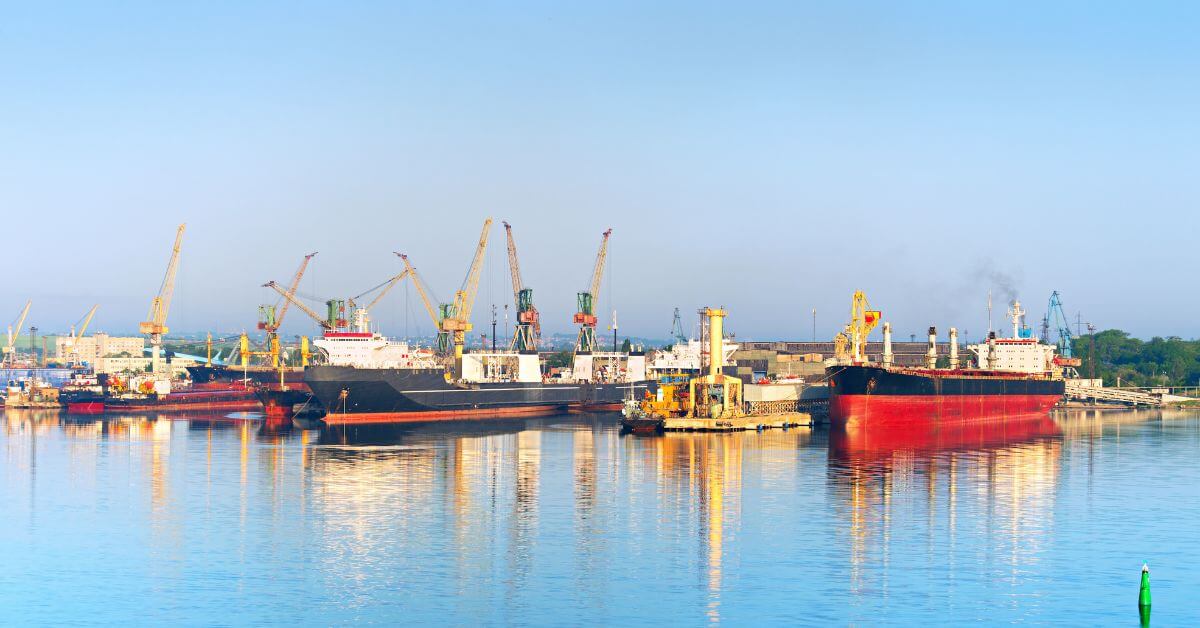
Strikes on Ukrainian ports disrupt data infrastructure and maritime logistics
Strikes on Ukrainian ports are now disrupting more than grain shipments. Russia stated it targeted data centres, port facilities, and ships it claims supported the Ukrainian military. Targeting data infrastructure introduces a new dimension to maritime conflict, where the line between military and civilian logistics blurs. These attacks threaten the integrated data ecosystems that modern ports rely on. For context on the broader cost of conflict, see our related coverage in "Tracking the nations with the largest share of historical CO₂ emissions."
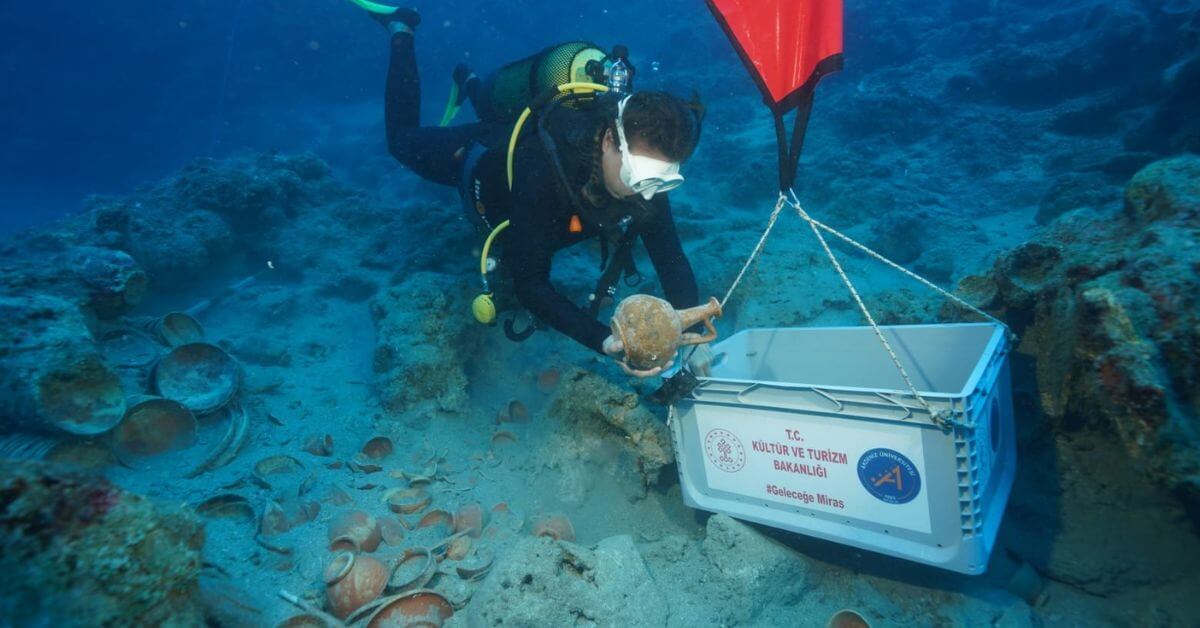
A 2,100-Year-Old Shipwreck Yields Roman Luxury Cargo in the Eastern Mediterranean
Fifteen meters of ceramic cargo lie scattered across the seabed off Türkiye, a Roman shipwreck that sank 2,100 years ago, now yielding thousands of luxury items. This is empirical evidence of ancient maritime trade routes, calibrated by time and preserved by the deep. We find it validating: every amphora recovered sharpens our integrated data ecosystem of historical climate indicators. For contemporary context on naval resilience, see our coverage of *India Builds $1.5B Maritime Shield for War-Risk Coverage*. Understanding drives protection, past and present.
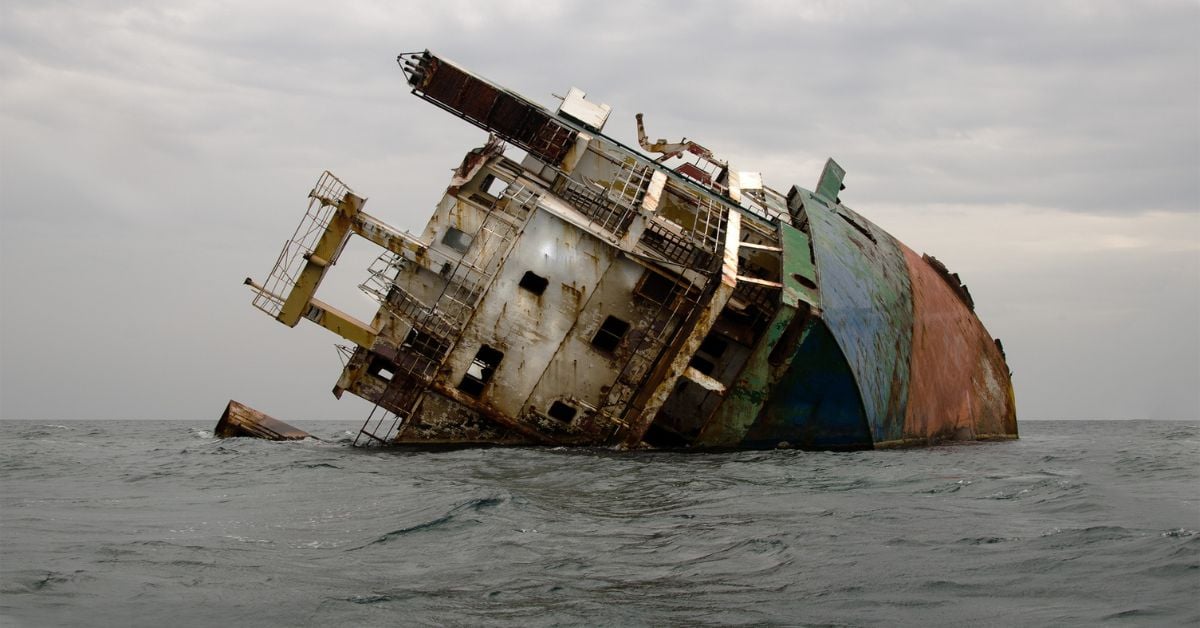
Overloaded vessel capsizes on Lake Kivu, second fatal sinking in a week
The Kisheki village head confirms what we already know too well: overloading kills. A vessel carrying more than 50 people has capsized on Lake Kivu near Idjwi Island, the second fatal sinking in a week. This is not an accident; it is a predictable failure of oversight. Empirical data on vessel capacity exists. Ignoring it costs lives. For deeper context on regional maritime tragedies, see our coverage of the Lake Tanganyika sinking. Understanding drives protection.
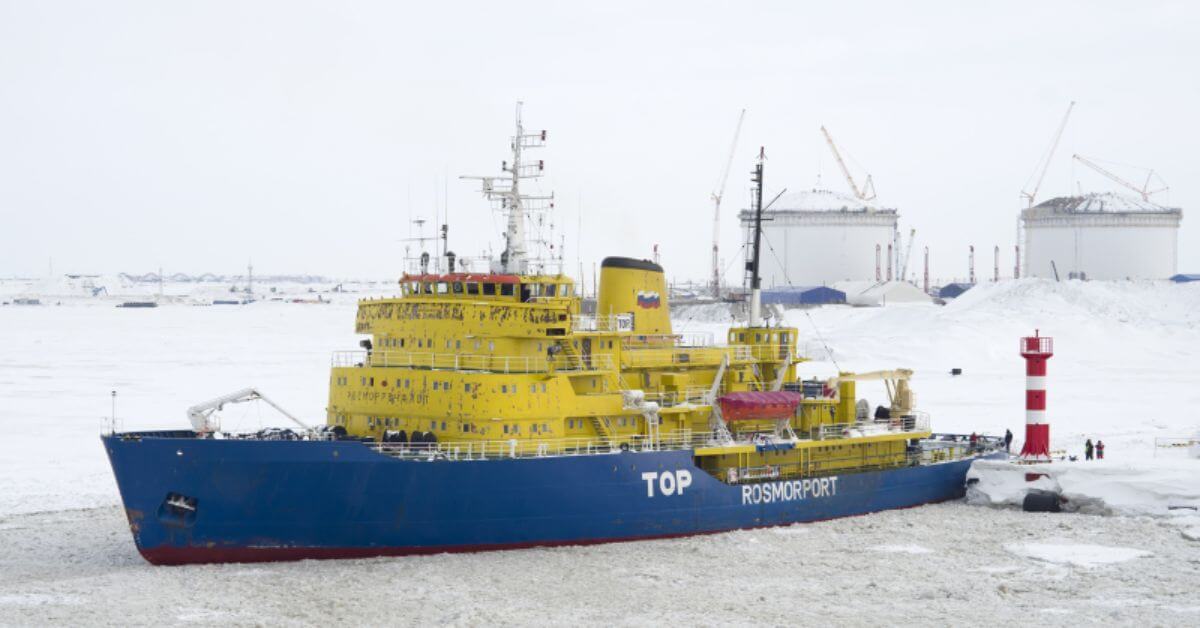
Russia Calibrates Export Revenue for Northern Sea Route Icebreaker Fleet
Russia plans to collect more than 200 billion roubles from exporters to fund two new icebreakers for the Northern Sea Route, a move that ties Arctic access directly to fiscal strategy. It is a calibrated bet: revenue marshaled now for extended navigation later. The sums are substantial, and the intent is clear. For context on how maritime infrastructure continues to shape regional ambitions, see our coverage of the Vostok project's Arctic oil exports.
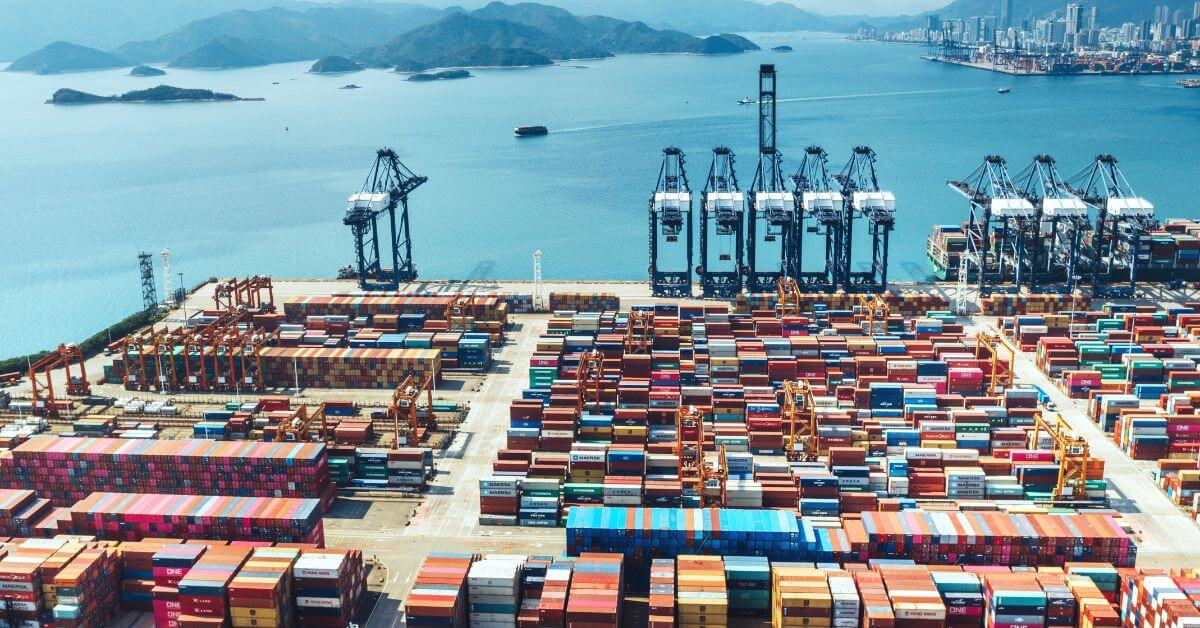
Record Port Activity Reflects Rising Chinese Exports Amid Trade Uncertainty
Record port activity tells a clear story: Chinese exports are rising even as trade uncertainty persists. The 7.279 million twenty-foot equivalent units handled in the week to September 20 marks a measurable high, one that signals resilience rather than retreat. We read this as a sign that global demand for Chinese goods remains calibrated to real needs, not speculative stockpiling. For context on how trade routes are shifting elsewhere, our piece on the Gulf of Oman STS transfers shows similar pressure points.
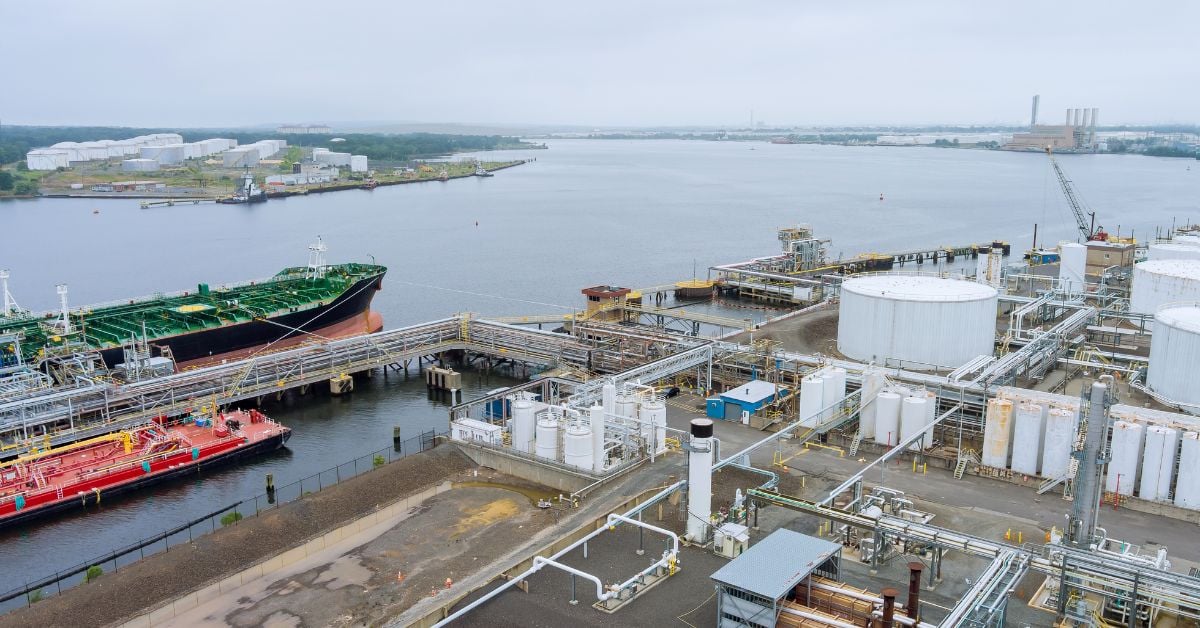
Vitol Acquires Substantial Iraqi Crude Volume Amid Price Discrepancies
Vitol's move to secure 25 to 30 million barrels of discounted Iraqi crude this month signals a sharp reading of market imbalances, and it's a calculated bet worth watching. Price discrepancies like these reward those who can move swiftly, and Vitol is leveraging its scale to lock in margin where others might hesitate. This kind of volume isn't opportunistic noise; it's a deliberate positioning play.
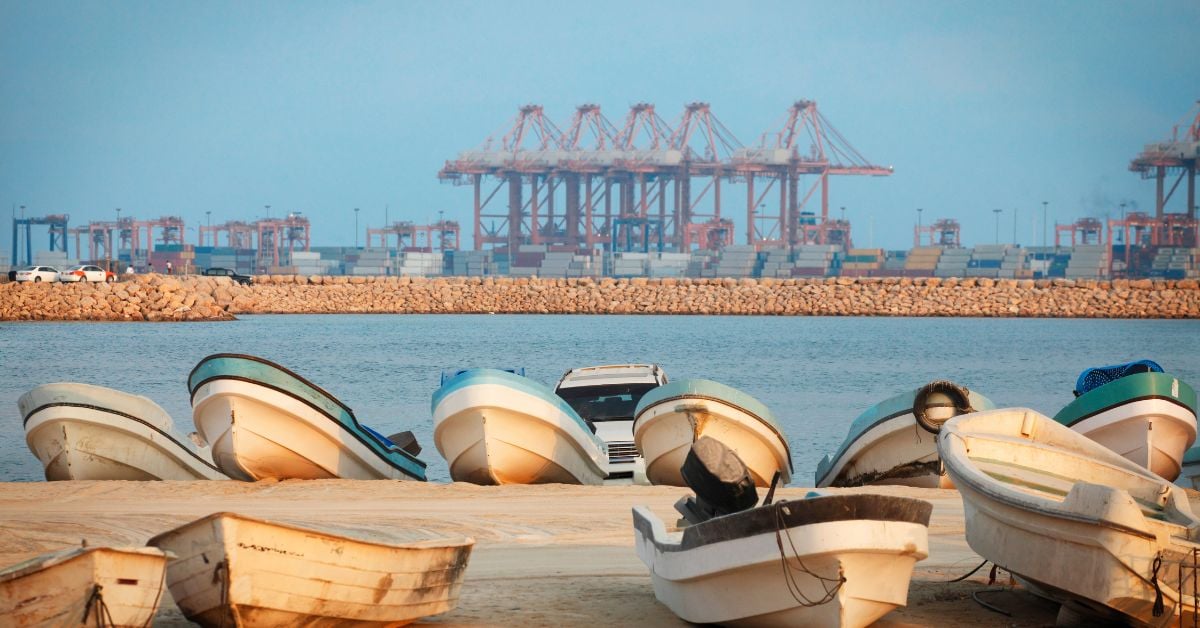
Sohar Port Facilitates Growing Indian Trade Routes to the GCC
Sohar Port has positioned itself as a critical transit point for Indian exports entering the GCC, a role that reflects the broader rebalancing of regional trade flows. The port's capacity to handle this volume signals practical, measurable gains in logistics integration. That matters as Gulf economies diversify. For readers tracking these corridors, our related piece on integrated subsea infrastructure in the Indian Ocean offers useful context on the region's digital backbone. The port's progress is steady, and it anchors a connection worth watching closely.
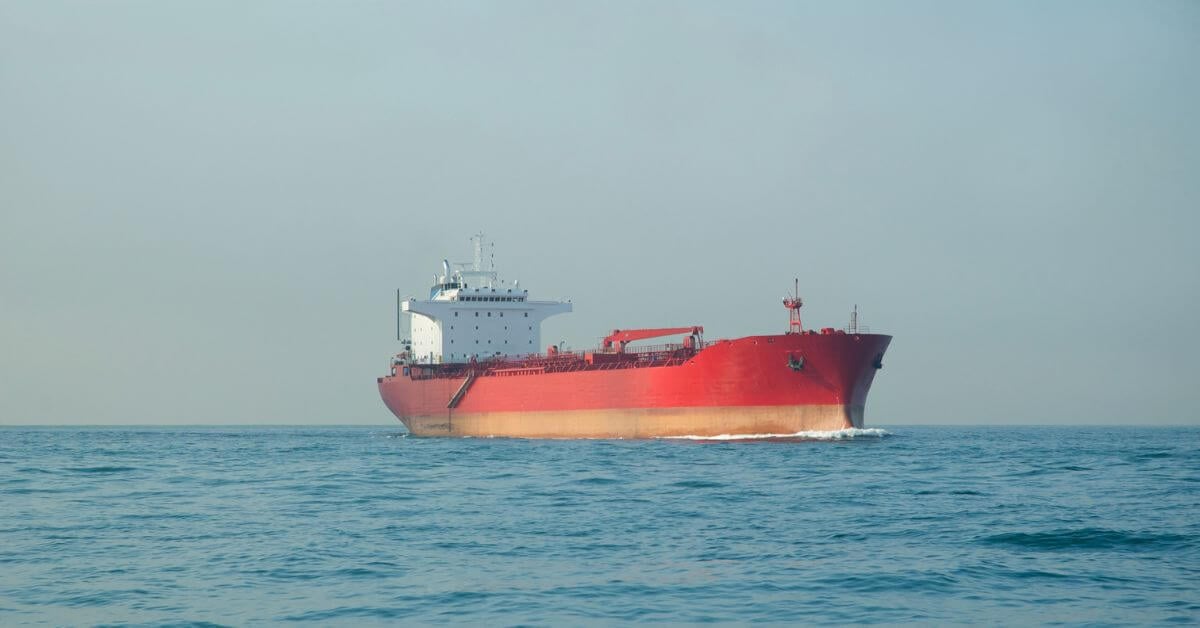
Drone Strike Impacts LPG Tanker Near Strait of Hormuz.
A Liberia-flagged LPG tanker carrying nine Indian seafarers was struck by a drone while sailing eastbound outside the Strait of Hormuz. The incident underscores how vulnerable commercial shipping remains in a waterway that carries a third of the world's liquefied gas. Precision matters here: every attack raises the cost of transit, and the ripple effects are measurable. For context on the region's mounting pressure, our related coverage in "Phased Negotiations Aim to Ease Restrictions on Strait of Hormuz" outlines the diplomatic stakes.
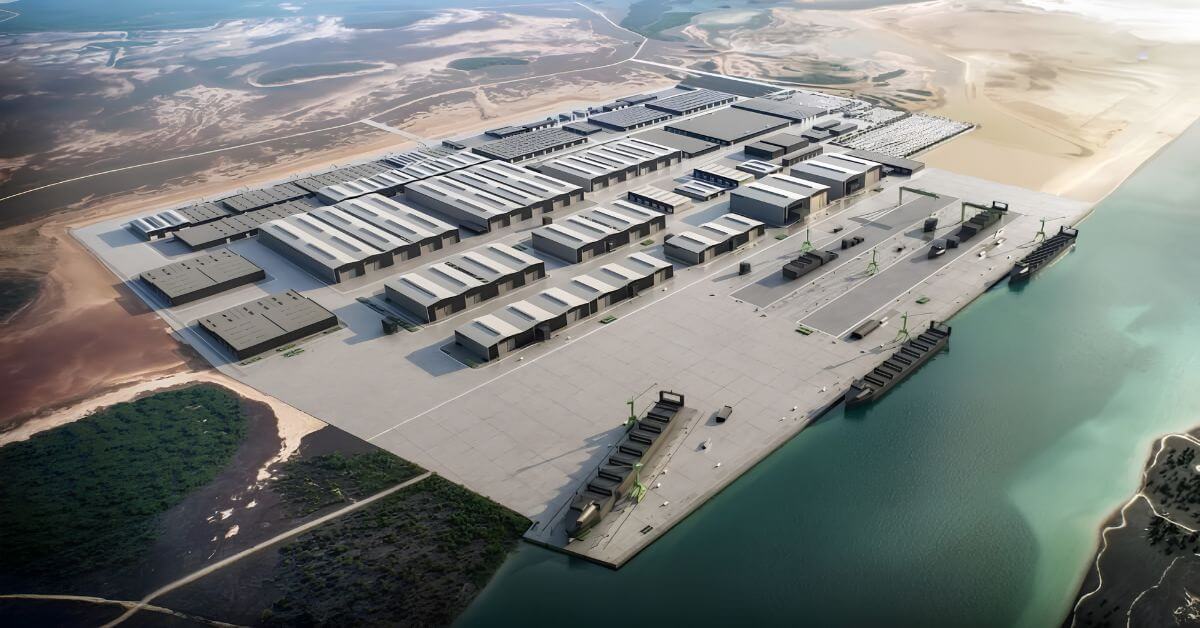
Port Alpha Shipyard to Build Navy Landing Craft, Boosting Ocean Data Access
Port Alpha Shipyard in Texas will build the Navy's next landing craft under a firm fixed-price agreement, an OTA award that anchors production on the U.S. Gulf Coast. This vessel marks the yard's first such contract, a practical step for naval mobility. Shipbuilding decisions like this carry weight beyond hulls; they shape ocean intelligence. For broader context on maritime capability, see our coverage of China's New Nuclear Carrier Signals Extended Naval Operations Capability. Measured investment in construction is how data-driven stewardship gains ground.

MSC Baltic III Salvage Operation Advances Following Grounding Near Newfoundland
On February 15, 2025, the *MSC Baltic III* lost power 12 nautical miles from Newfoundland's Bay of Islands, grounding a vessel that now demands a measured, data-driven salvage response. This is not a moment for alarmism. It is an opportunity to apply integrated ocean intelligence, where real-time conditions and validated protocols guide every decision. Understanding drives protection. For deeper context on maritime risks, see our coverage of the "Centennial TNT Leak Highlights Risks from Historic Submarine Wrecks."
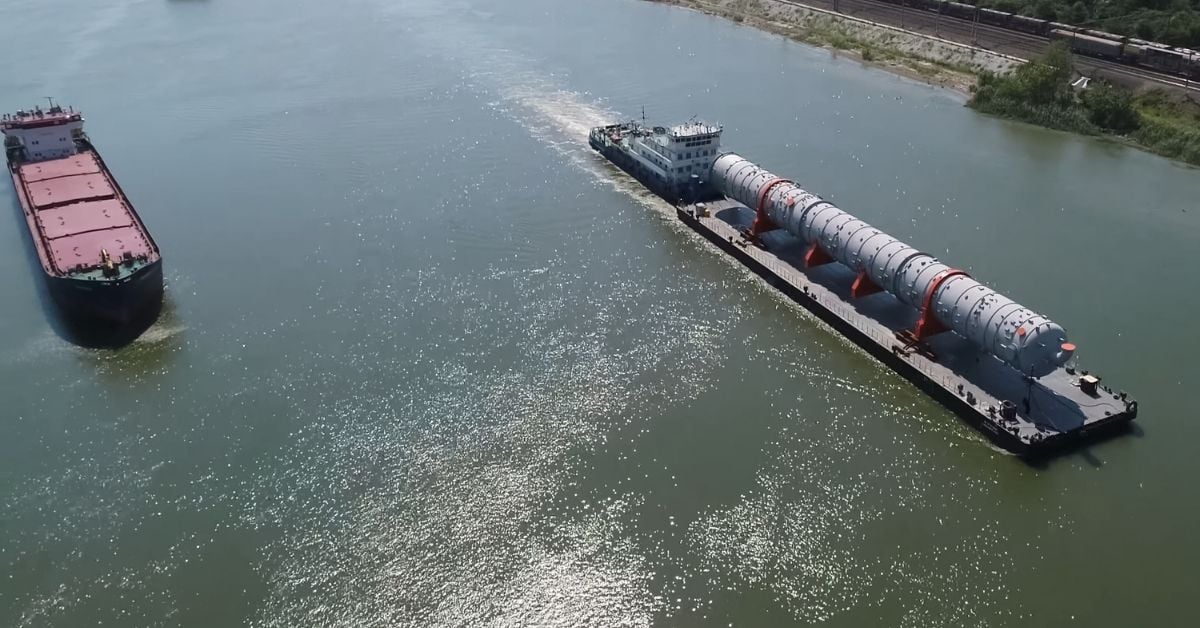
Understanding Barges: Essential Vessels for Inland Waterways and Cargo Transport
A barge is the simplest floating vessel, yet its role in moving cargo across rivers, canals, and shallow waterways is anything but trivial. Barges offer a clear, empirical look at how these unassuming vessels keep inland trade flowing. Understanding their design and function is measurable progress in grasping global logistics. For a contrasting view of large-scale maritime ambition, see our coverage of the Vostok Project's Arctic oil exports.
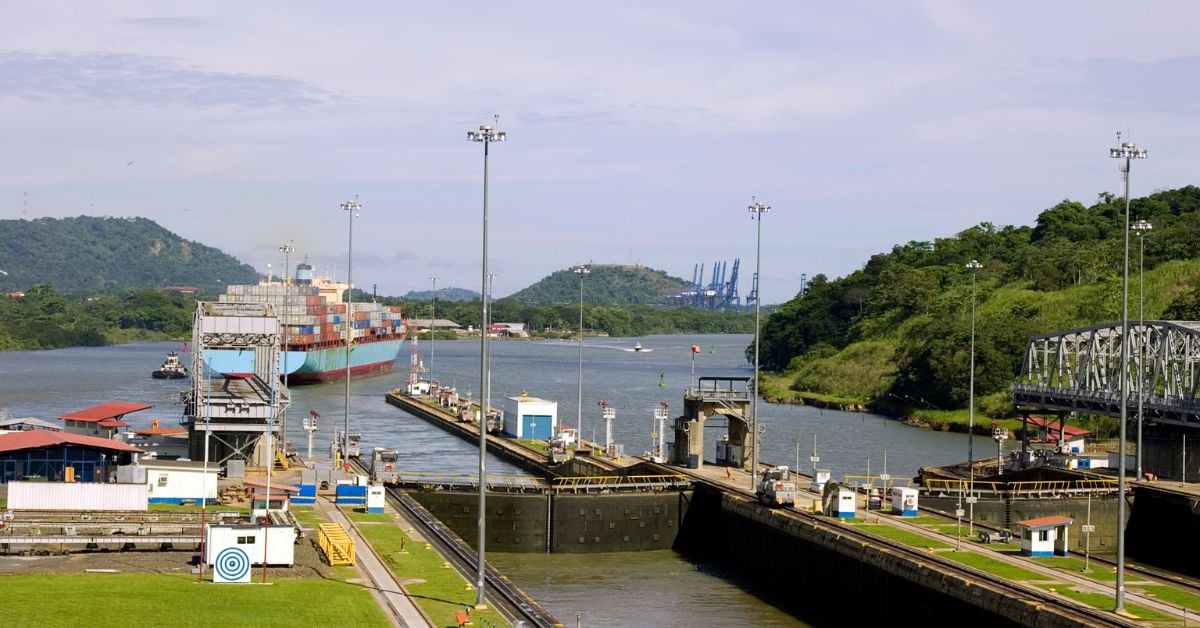
Reduced Canal Crossings: Climate Impacts Threaten Global Trade Flows
Reduced canal crossings now stand at just 29 per day. Drought and low rainfall are tightening the Panama Canal's capacity, a measurable strain on global trade flows that demands empirical attention. This is not an isolated pressure point. Our coverage of "Russia Calibrates Export Revenue for Northern Sea Route Icebreaker Fleet" shows how nations are already recalibrating infrastructure in response. Climate indicators are reshaping maritime logistics. Understanding these integrated disruptions is the first step toward protecting the systems we depend on.
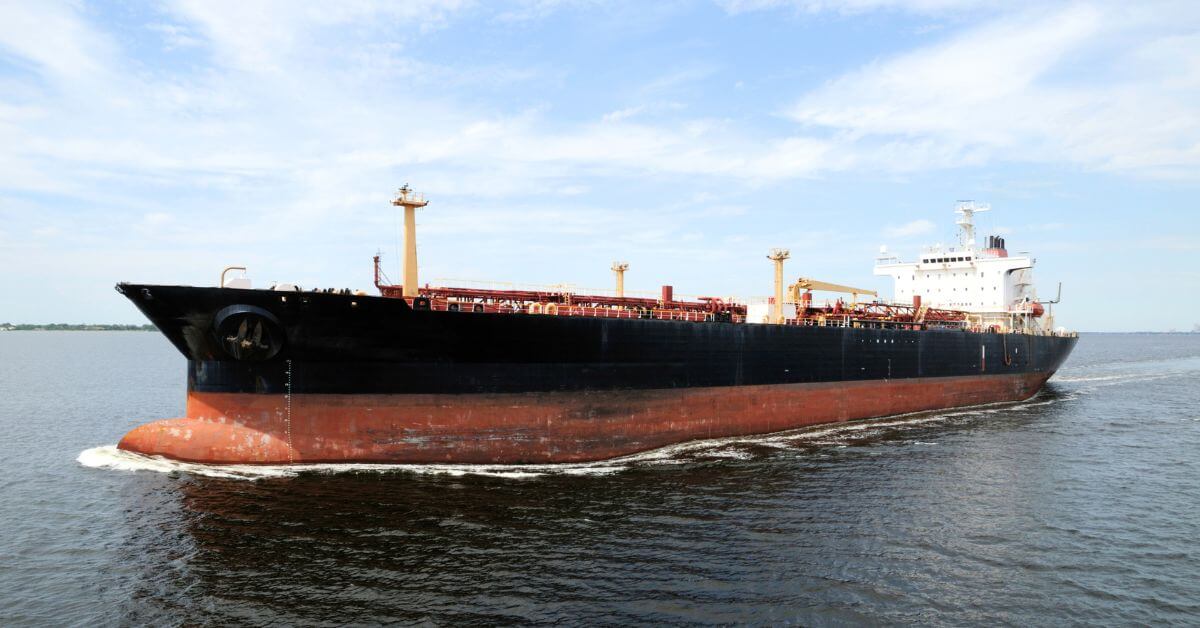
Yemen Investigates Sanctioned Tanker Incident, Scrutinizes Port Entry.
Yemeni authorities have opened an investigation into a sanctioned tanker's voyage, cargo, and documents, with particular scrutiny on its entry into Ras Isa. The move signals a firm, measured response to a vessel operating under heightened international restrictions. It is a necessary step toward accountability, though questions remain about how such entries were cleared in the first place. For broader context on regional pressure points, our coverage of Gulf of Oman STS transfers offers useful perspective.
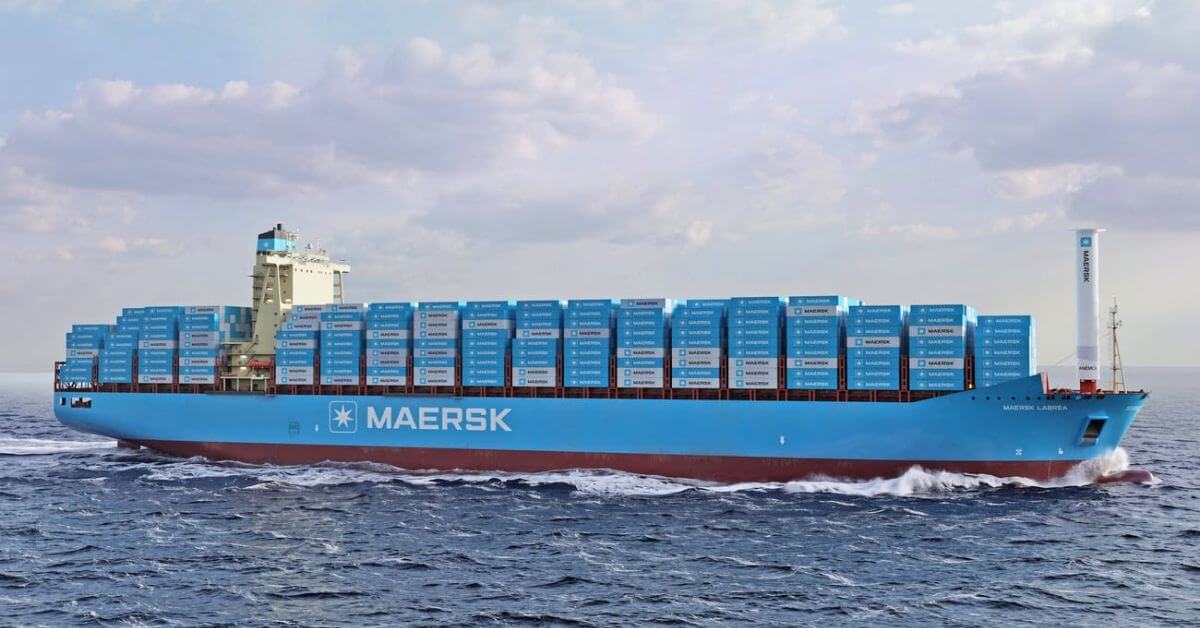
Data-Driven Wind Propulsion: Maersk Integrates Rotor Sail Technology
Anemoi has already fitted its Rotor Sail technology across bulk carriers, and now Maersk is integrating that same system into its fleet. The move signals a practical step toward measurable fuel efficiency, not a gesture. Wind propulsion is no longer a concept study; it is operational hardware earning its place beside conventional power. For readers tracking maritime risk and resilience, our coverage of the drone strike near the Strait of Hormuz shows how quickly operational realities shift.

Crane Fire at Mumbai Port Disrupts Cargo Operations, Two Injured
A crane fire aboard the Barbados-flagged vessel Vienna disrupted cargo operations at Mumbai Port on Tuesday evening, with two individuals reported injured. The incident, which occurred around 7:30 p.m. during unloading, underscores the inherent volatility of portside activities. Operational safety remains a measurable priority, and this event invites scrutiny into existing protocols. For broader context on maritime emergencies, our coverage of the cargo ship fire near Mykonos offers a comparative lens. We will continue monitoring the situation as details emerge.
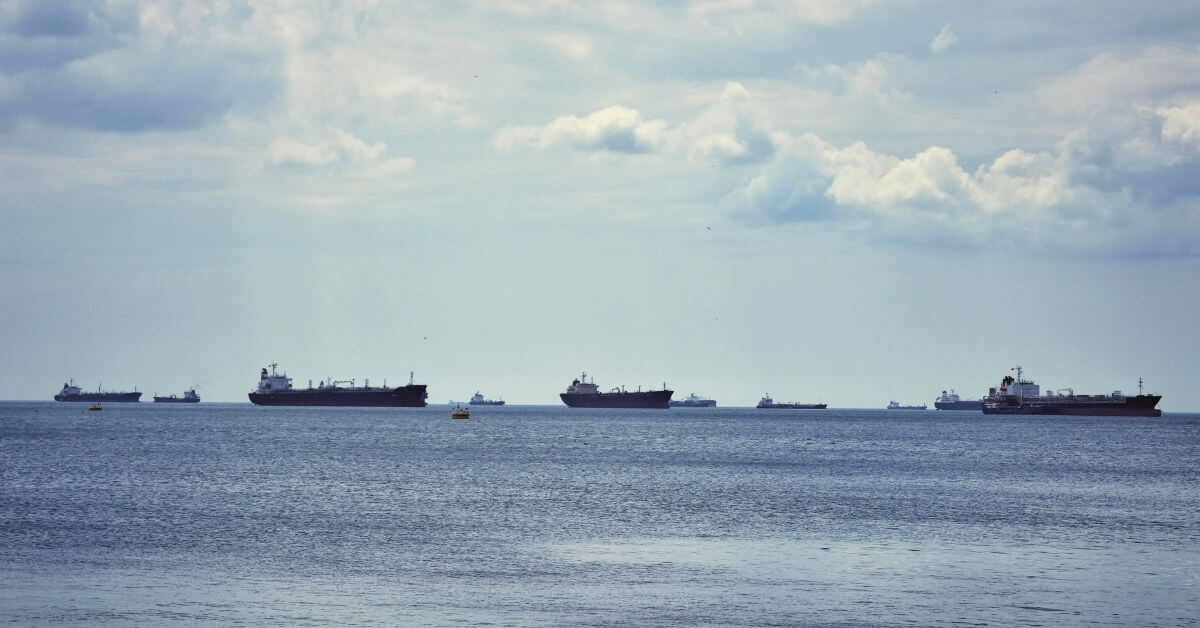
Maritime Traffic Shifts: Iran Intercepts Vessels Near Strait of Hormuz.
The Strait of Hormuz has become a chokepoint under pressure, with more than 1,500 oil tankers and 1,700 commercial vessels transiting the designated route before the war began in January 2026. Now, Iran's interceptions of vessels near these waters signal a hardening reality. This is not alarmism; it is measured observation. Disruptions here carry global consequences, and understanding the pattern matters. For broader context, our related piece on Gulf of Oman STS transfers offers a useful lens on how regional capacity is straining.
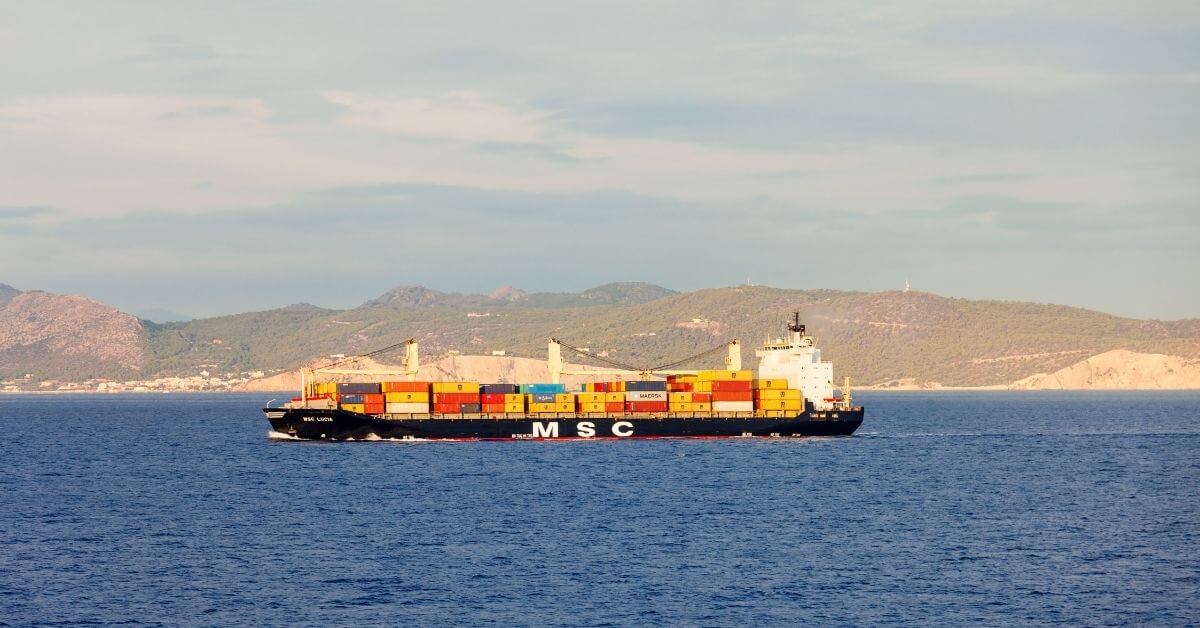
Shipping Giant Pauses Bookings at Russian Port Following Vessel Attack
The MSC Ulsan III, a Panama-flagged vessel built in 2004, now sits at the center of a commercial pause. Shipping Giant has halted bookings at Russian ports following the attack on the ship, a decisive move that prioritizes operational safety over market reach. The vessel's capacity of roughly 2,700 TEUs underscores the logistical weight behind this decision. It is a measured response to a volatile situation, reinforcing that maritime security is non-negotiable.
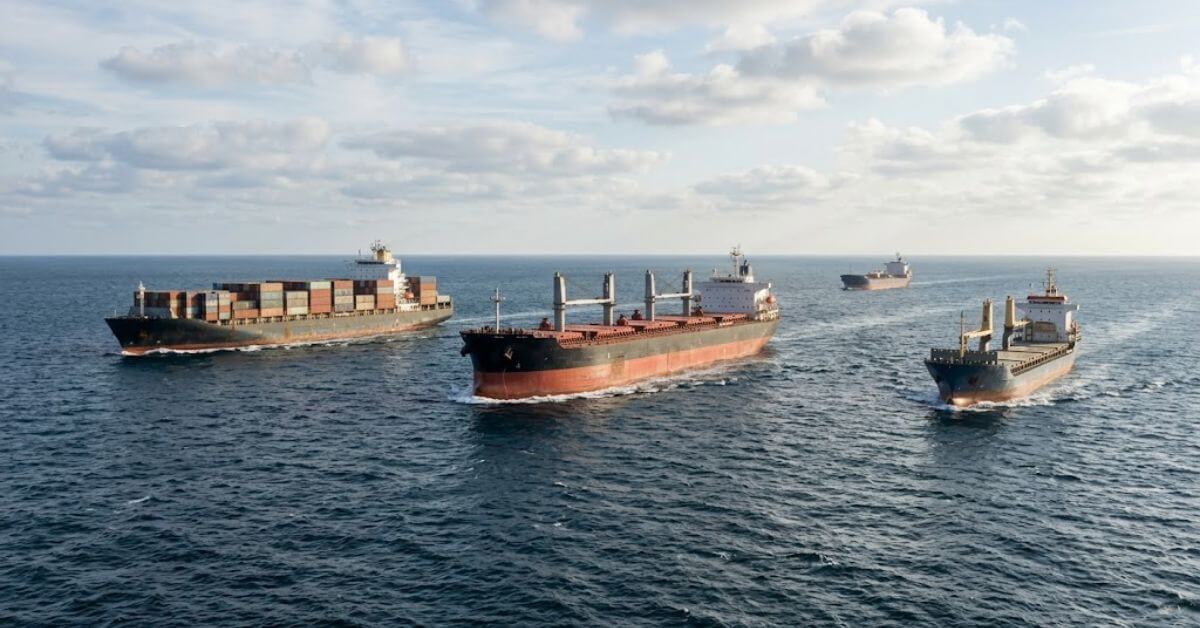
Expanding India's Fleet: A Push for Maritime Independence and Cost Parity
Indian ship owners face a 16-20% cost penalty flying the national flag, a gap that undermines maritime self-reliance before it can scale. Closing that differential is not merely fiscal; it is strategic. Lower operational costs would shift tonnage back to Indian registry, strengthening supply-chain security and bargaining power. The push toward cost parity aligns with broader regional momentum, including Russia's calibrated export levies for its icebreaker fleet. This is a practical, measurable step toward independence, and one worth watching closely.
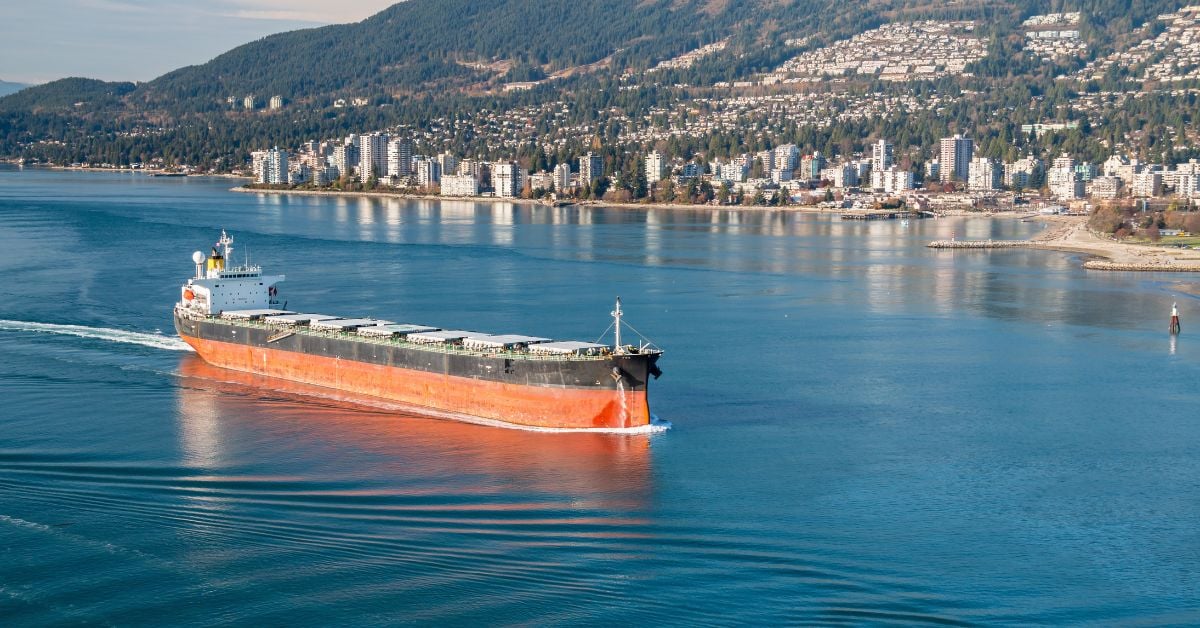
Scrap Metal Fire Impacts Cardiff Port, Raising Environmental Concerns.
A 20,000-tonne scrap metal fire aboard a bulker at Cardiff Port is a stark reminder that hazards in the shipping industry do not respect borders. The incident, unfolding in the Bristol Channel, demands rigorous investigation and transparent reporting. We cannot afford to treat such events in isolation; they are part of a larger, interconnected picture of maritime risk. For broader context on regional maritime threats, our piece on the drone strike impacting an LPG tanker near the Strait of Hormuz offers a relevant parallel.
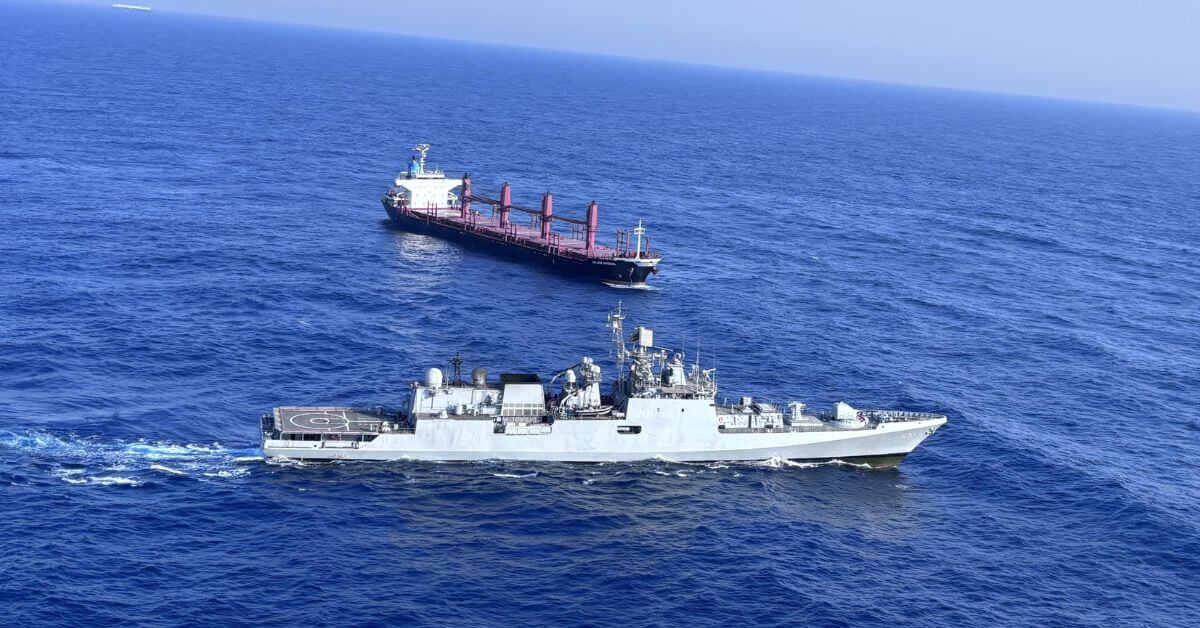
Securing Trade Routes: Indian Navy Ensures Safe Passage Through Bab-el-Mandeb
The Indian Navy's deployment through the Bab-el-Mandeb is a calibrated exercise in maritime security, ensuring that essential cargo continues moving to and from India without disruption. This is not abstract strategy; it is the practical work of keeping trade lanes open where geopolitical friction runs high. The operation reflects a measured commitment to stability, one that aligns with broader shifts in regional logistics, such as the Gulf of Oman STS transfers reaching capacity. Reliable passage here is not optional; it is the backbone of commerce.

Maritime Interdiction Nets 5.9 Tonnes of Hashish, Ten Apprehended
Spanish authorities have arrested 10 suspected traffickers and seized 5,926 kilograms of hashish in an operation that also netted two high-speed narco boats. The interdiction underscores the persistent challenge of maritime drug routes, where speed and volume test coastal surveillance. Effective enforcement depends on such coordinated strikes, yet the scale here signals deeper logistical networks at play. For broader context on maritime security pressures, our coverage of Russian Maritime Activity Raises Concerns of Drone Operations in Mediterranean offers a useful parallel.

Captain Faces Charges as Russian Tanker Incident Draws Scrutiny
Accountability in maritime operations rarely falls on one person, but it often lands on one. Captain Pant now faces charges while the other 24 crew members have largely returned home, a striking divergence in responsibility that warrants attention. This incident demands scrutiny, not just for what happened, but for how liability is assigned across ranks. For broader context on escalating regional tensions, our related piece, "Strikes Target Ports and Vessels in Confirmed Military Action," offers useful perspective.

Bulk Carrier Sinks in Bay of Bengal; 22 Seafarers Missing.
A bulk carrier carrying 72,000 tonnes of iron ore from India's Paradip Port to China has sunk in the Bay of Bengal, leaving 22 seafarers missing. The loss is a stark reminder that maritime routes, however routine, remain exposed to sudden catastrophe. Search efforts continue, but each hour narrows the window for survival. Such incidents underscore why real-time data and integrated ocean intelligence matter, not as abstract concepts, but as tools that can guide safer passage.

Lake Kariba Ferry Disaster: A Tragic Loss of Life in Zimbabwe
The capsizing of the *Mbuya Nehanda* on August 11, en route from Kariba town to the remote community of Chalala, is a devastating blow to Zimbabwe's inland waterways. This is not a statistic; it is a profound loss that underscores the perilous reality facing those who depend on the lake for connection. The tragedy demands rigorous scrutiny of maritime safety protocols. For context on how regional infrastructure pressures are being managed elsewhere, our report on record port activity offers a broader view of logistical resilience.