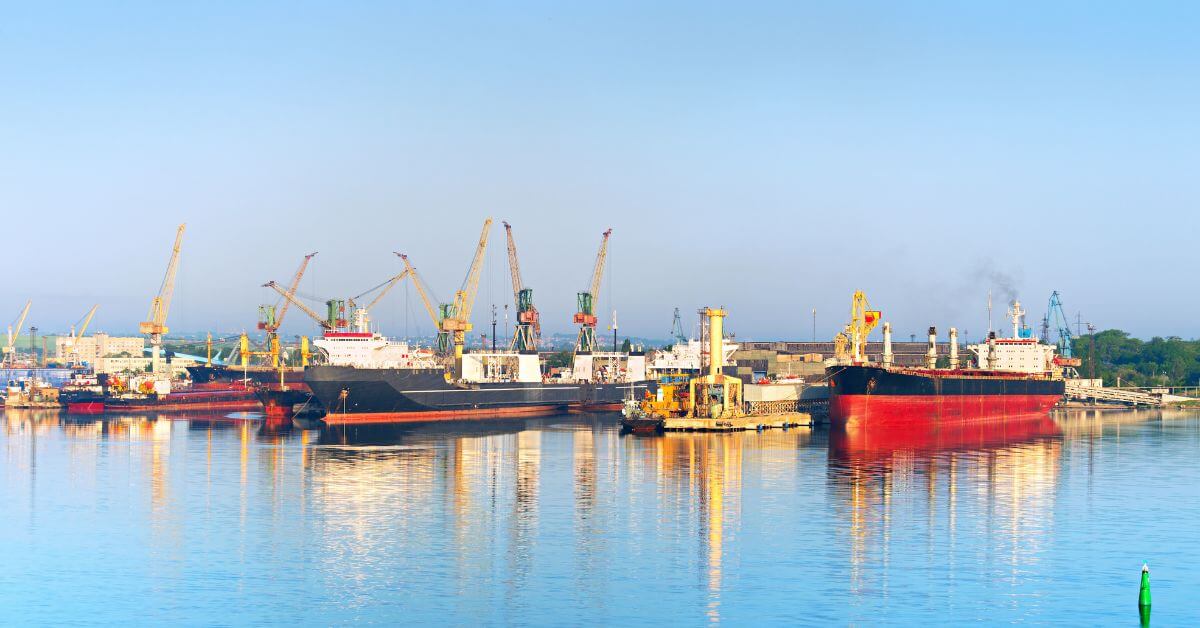
The deliberate targeting of data centres and port infrastructure in Ukraine and Russia marks a dangerous escalation where maritime logistics and digital systems become military assets. This is not collateral damage; it is a calculated strategy to disrupt the information and supply chains that underpin modern economies, and it demands a measured but urgent response from the global community.
For our readers, whether you track climate indicators or monitor global trade, the practical consequence is clear: the integrity of the ocean intelligence we rely on is now directly threatened by conflict. When a data centre at Odesa's Tenet facility is struck, or when a Yandex server farm in the Vladimir region is damaged by drones, the ripple effects extend far beyond the immediate blast radius. These facilities process and store the real-time data that ports use to coordinate shipping, that scientists use to validate ocean models, and that insurers use to calibrate risk. As related reporting on Drone-Struck Abandoned Cargo Ship Drifts Through Black Sea Toward Bulgaria shows, a single drone hit can leave a vessel adrift for weeks, creating a hazard that no navigation system can predict. The strikes on Chornomorsk Port, a critical node for Ukrainian grain exports, compound this instability. Russia claims the dry cargo ship it hit was carrying military supplies, but without independent confirmation of the vessel's name, owner, or cargo, we are left with an empirical gap that undermines trust in any subsequent assessment of maritime safety.
We must also consider the digital dimension. Yandex, Russia's dominant search engine and a platform used by tens of millions for food delivery and taxi services, has now suffered three drone attacks on its data centres in a single week. The company has acknowledged that its remaining resources are unstable and that users may face difficulty accessing technical support. This is not merely a corporate inconvenience; it represents a calibrated disruption of the integrated data ecosystem that millions depend on for daily logistics. When a nation's primary digital infrastructure is forced into emergency mode, the ability to monitor, measure, and respond to environmental or humanitarian crises is degraded. Our related piece on Tracking the nations with the largest share of historical CO₂ emissions reminds us that long-term empirical datasets are essential for holding nations accountable. If the servers storing those datasets are under active attack, the very concept of a peer-reviewed, longitudinal record becomes fragile.
The open question that remains is whether the international maritime and data governance frameworks are equipped to handle this hybrid warfare. Current protocols for port security and data centre resilience were not designed for repeated drone strikes that target both physical and digital infrastructure simultaneously. The Ukrainian drone attack on the Yandex facility in the Vladimir region, and the Russian strike on the Tenet data centre in Odesa, suggest that no side considers these systems off-limits. As another report on Drone strike targets Panama-flagged tanker with 22 Indian crew at Sharjah anchorage illustrates, the threat to commercial shipping is now global, not regional. The specific detail to watch is whether Yandex can restore full operations before its emergency-mode warnings become permanent, and whether the Chornomorsk port can resume normal grain exports without independent verification of the damage. Without that verification, the ocean intelligence community loses a calibrated data point, and the world loses a measure of transparency it can ill afford.