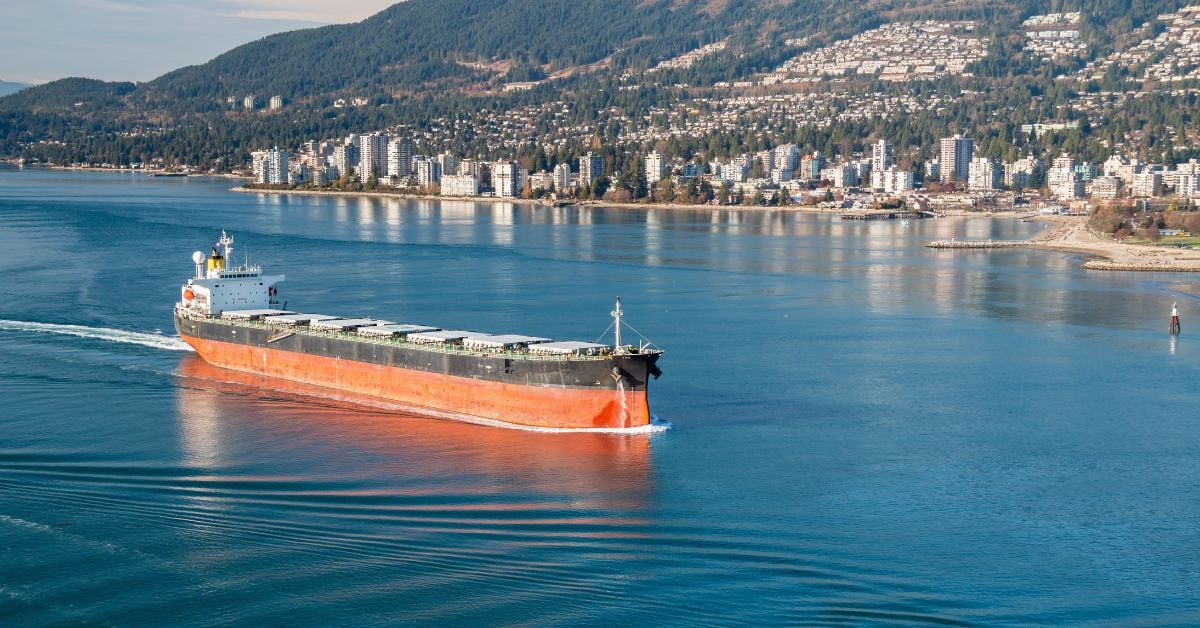
A bulker carrying 20,000 tonnes of scrap metal caught fire at Cardiff Port, and the immediate response has been to manage the incident and assess the risks. For a port situated on the Bristol Channel, the potential environmental fallout from burning metal, particularly if it involves contaminated materials or generates toxic runoff, is a serious operational challenge. The incident is a reminder that the maritime supply chain remains vulnerable to hazards that are often overlooked until they materialise at the dockside.
The specific risks here are not just the flames. Scrap metal fires are notoriously difficult to extinguish, and the water used to fight them can become contaminated with heavy metals and other pollutants. That runoff has to be contained, not just for the immediate harbour but for the wider estuarine ecosystem. This is not a novel problem, but it is one that demands the same level of attention we give to more visible threats like the drone strike on the LPG tanker near the Strait of Hormuz. In that case, the threat was geopolitical and sudden; here, it is a slow-burning logistical and environmental issue that could have just as lasting an impact on local waters.
From a practical standpoint, this event should push port operators and shipping lines to re-examine how they classify and handle scrap metal cargoes. The industry has spent considerable effort on decarbonisation, such as the work on hydrogen-fuelled engines for large vessels, which is a welcome step forward. But a single fire at a busy port reminds us that safety protocols and environmental safeguards must evolve alongside those technological shifts. For our readers, whether you are a port authority, a cargo owner, or a marine insurer, the takeaway is direct: verify the fire response plans for high-density cargoes before you need them. The difference between a contained incident and a major pollution event is often a matter of hours and the readiness of the on-site response.
The open question is what the post-incident analysis will reveal about the cause. Was it spontaneous combustion, a discarded contaminant, or a failure in cargo declaration? Each answer points to a different corrective action. If the issue is misdeclared cargo, then the solution lies in better documentation and stricter screening at the loading port. If it is a handling issue, then terminal procedures need to be tightened. We would tell a reader who asked us directly that this is not a story about a single ship; it is a warning about the hidden costs of the recycling economy and the need for integrated data ecosystems that can flag risks before they become incidents. Watch for the official investigation report. It will likely contain the specific, actionable details that matter more than the initial news coverage.