Ukraine
81 stories filed under Ukraine on World Data Ocean. The newest of them: “Drone Attacks Ignite Russian Tankers Off Romania's Black Sea Coast”, “Black Sea Tanker Fire Prompts Investigation After Romanian Drone Reports”, and “Strikes on Ukrainian ports disrupt data infrastructure and maritime logistics”. Two tankers of Russian origin were struck by drones off Romania's Black Sea coast, igniting fires that underscore the growing intersection of geopolitical conflict and maritime risk. A chemical tanker anchored off Romania's coast is now the subject of an investigation after a fire broke out aboard the Yara J, 8-10 nautical miles southeast of the Sulina Canal. A Global Hub for Ocean Intelligence 4 World Data Ocean is a centralized digital platform where researchers, scientists, and ocean enthusiasts converge to… The list below is every Ukraine story on World Data Ocean, newest first.
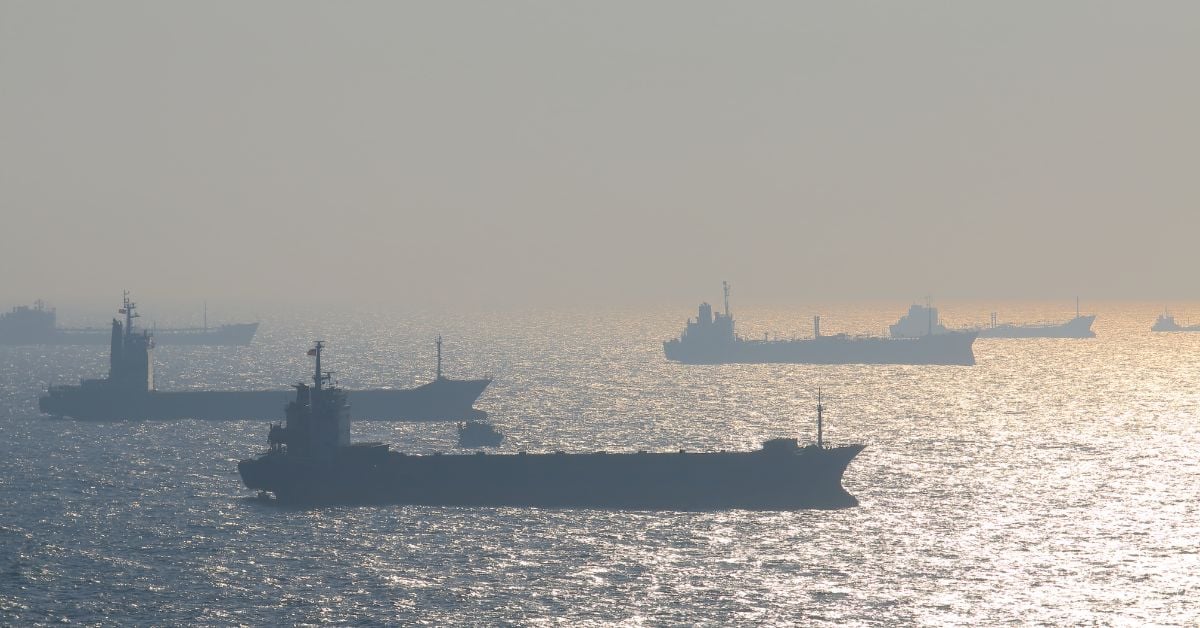
Drone Attacks Ignite Russian Tankers Off Romania's Black Sea Coast
Two tankers of Russian origin were struck by drones off Romania's Black Sea coast, igniting fires that underscore the growing intersection of geopolitical conflict and maritime risk. This incident demands empirical attention: such attacks disrupt trade routes and threaten marine ecosystems in a region already under environmental stress. For deeper context on how shifting trade dynamics and climate pressures are reshaping shipping, see our related coverage on maritime fees signaling friction in trade amid climate and shipping integration.
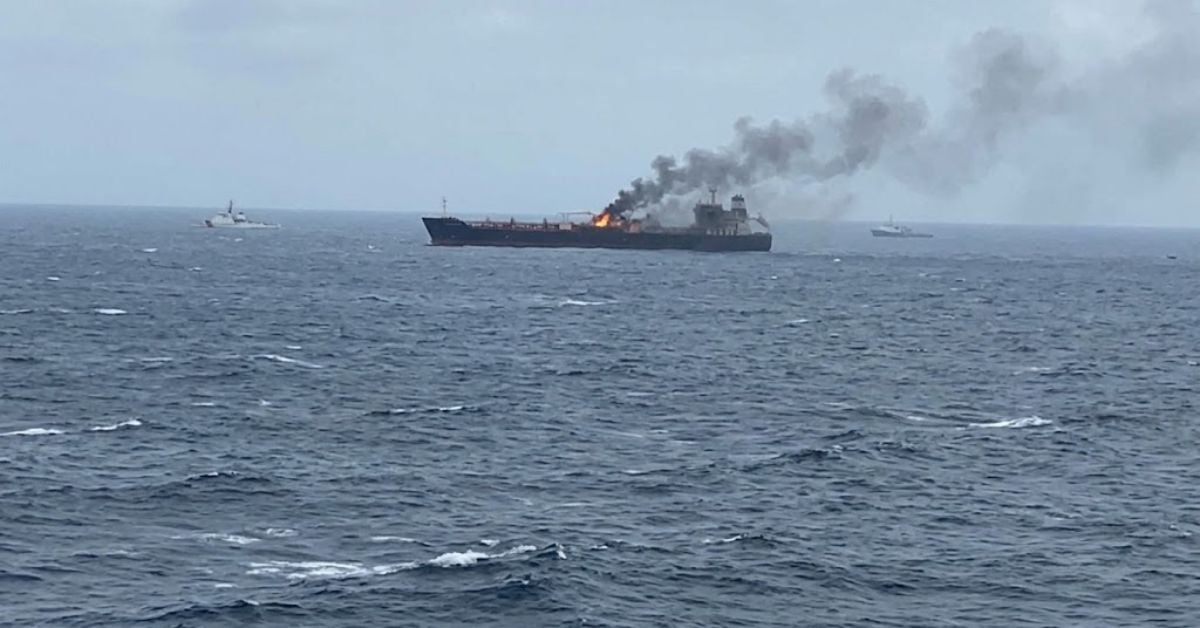
Black Sea Tanker Fire Prompts Investigation After Romanian Drone Reports
A chemical tanker anchored off Romania's coast is now the subject of an investigation after a fire broke out aboard the Yara J, 8-10 nautical miles southeast of the Sulina Canal. The Black Sea remains a theater of compounding threats, where environmental risk from aging vessels meets geopolitical instability. For readers tracking these converging maritime crises, our coverage of the *Three-drone strike sinks Maltese-flagged vessel near Bulgarian coast* documents an equally sobering intersection of commerce and conflict.
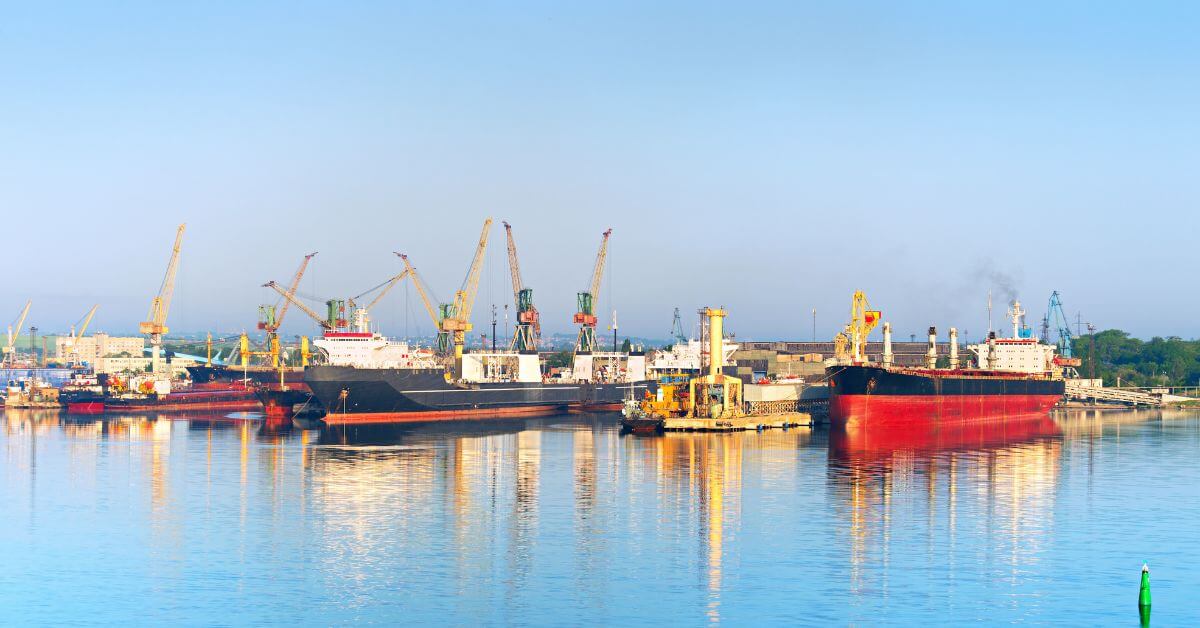
Strikes on Ukrainian ports disrupt data infrastructure and maritime logistics
Strikes on Ukrainian ports are now disrupting more than grain shipments. Russia stated it targeted data centres, port facilities, and ships it claims supported the Ukrainian military. Targeting data infrastructure introduces a new dimension to maritime conflict, where the line between military and civilian logistics blurs. These attacks threaten the integrated data ecosystems that modern ports rely on. For context on the broader cost of conflict, see our related coverage in "Tracking the nations with the largest share of historical CO₂ emissions."
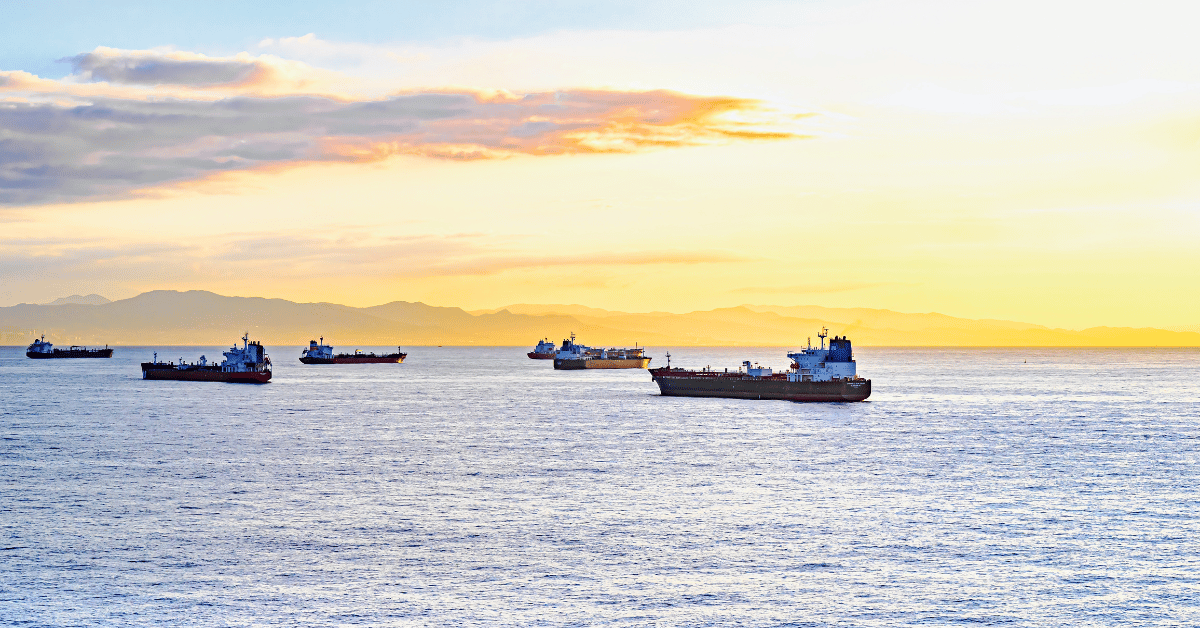
Black Sea Maritime Attacks Injure Two Indian Seafarers, Urge Immediate Action
Two Indian seafarers were injured in separate attacks on commercial vessels in the Black Sea, prompting India's Ministry of External Affairs to demand an immediate halt to hostilities. The MEA flagged a sharp escalation: four ships came under fire within 48 hours, a pattern that threatens the crew, cargo, and the region's fragile maritime order. This is not abstract geopolitics; it is measured, real-world harm. For deeper context on regional response, see our related piece on India's proposed maritime truce.
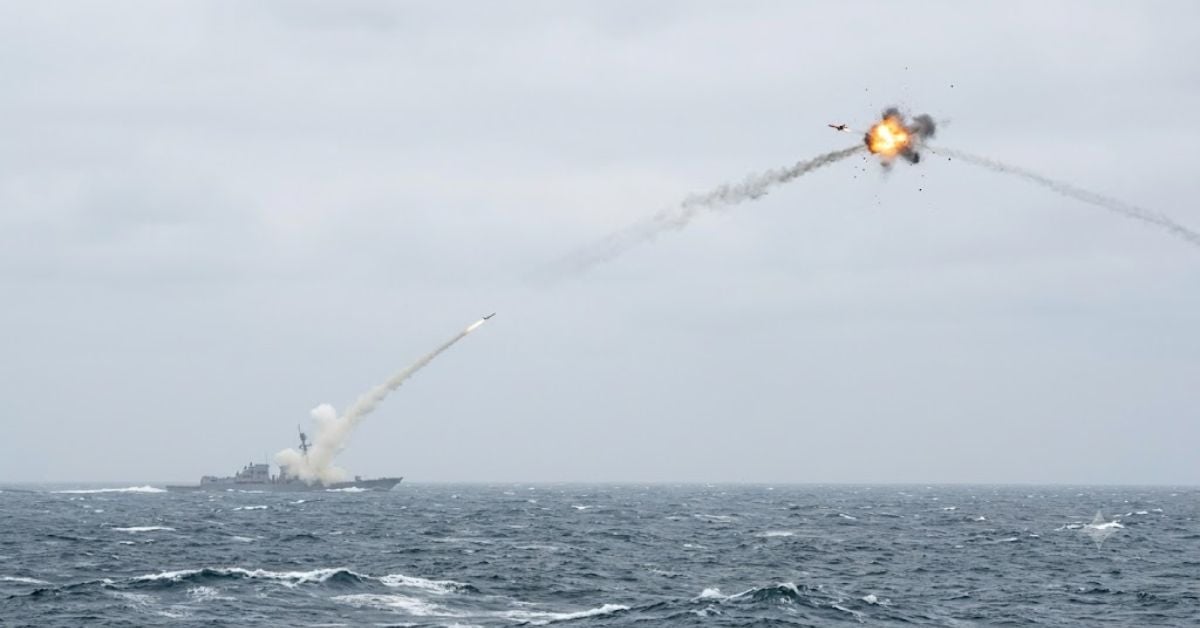
Mesh-networked USV engages aerial drone in validated maritime combat
A mesh-networked unmanned surface vessel has demonstrated validated maritime combat by shooting down a Russian Shahed-type drone. The Ukrainian Navy's Sargan-3000 operated through an integrated data ecosystem, proving that coordinated, real-time autonomy can deliver measurable results in contested waters. This is not abstract theory, it is empirical, peer-reviewed capability. Understanding drives protection. For deeper context on escalating Black Sea threats, see our coverage of the Bulgarian search for missing crew after a drone strike in its waters.
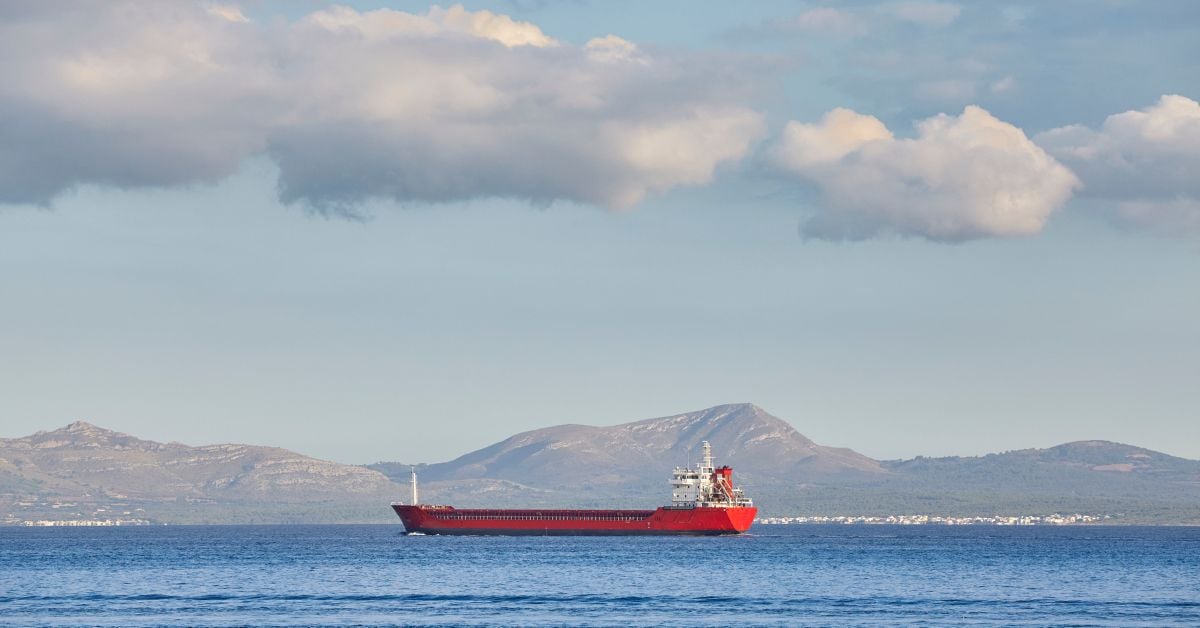
Bulgaria concludes search for missing crew after drone strike in its waters
Bulgaria has ended the search for missing crew members of a cargo vessel that sank 70 nautical miles off its coast after a drone strike. This measured decision reflects the grim realities of escalating maritime threats. The incident is not isolated; as our coverage notes, "Black Sea Maritime Attacks Injure Two Indian Seafarers, Urge Immediate Action" documents four vessels attacked in just 48 hours. These empirical data points demand integrated, real-time monitoring to protect seafarers and global supply chains.
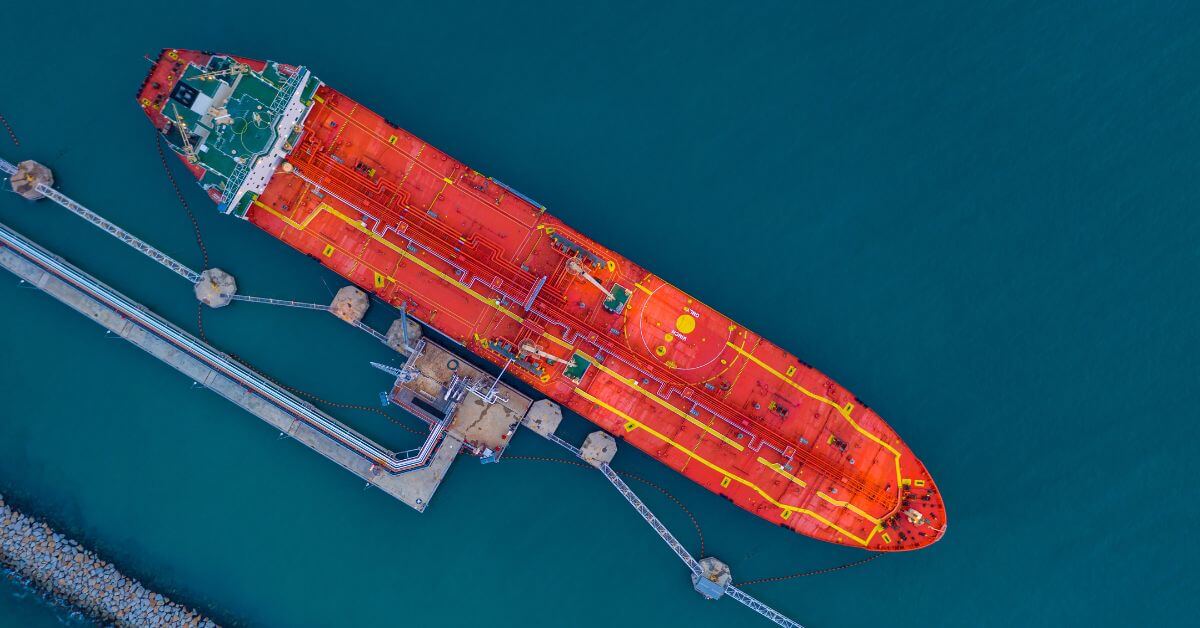
Seoul Disputes Ukrainian Data on Fuel Shipments to Russia
Seoul disputes the numbers, but Ukraine's claim stands unresolved: over 176,000 tonnes of petroleum products reportedly moved from South Korean ports to Russia across July and August. If accurate, the flow raises hard questions about how sanctioned goods continue moving through allied supply chains. The data matters, and so does the transparency gap. For broader context on maritime risk, our coverage of the Black Sea incident offers a parallel look at how quickly commercial shipping can turn volatile.
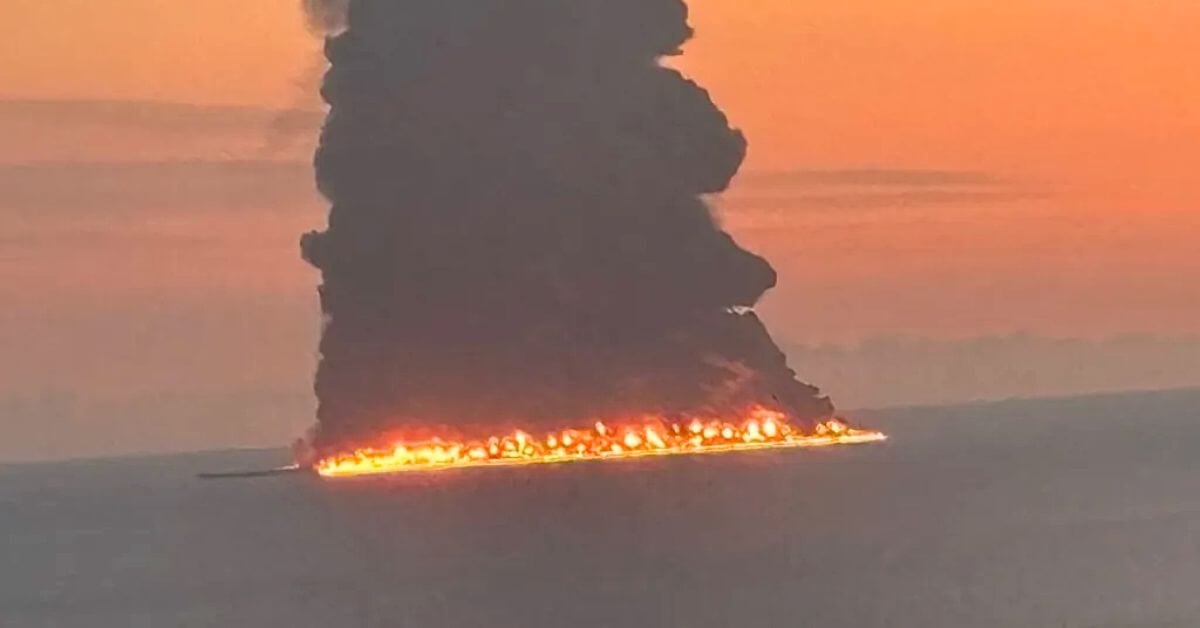
Black Sea incident raises urgent questions on maritime safety and climate risk
A fire aboard a Liberian-flagged oil tanker off Sochi this week is more than a maritime incident, it is a measurable climate indicator. Twenty-three Indian crew members faced immediate danger in the Black Sea, a region already strained by geopolitical tensions and environmental stress. We connect this event to our coverage of the *Two Killed as Corn Freighter Sinks in Black Sea After Drone Strike*, reinforcing that safety at sea now requires integrated risk assessment. Validated data, not alarm, must guide our response.
Attack on civilian cargo ship at Odesa port claims one crew member
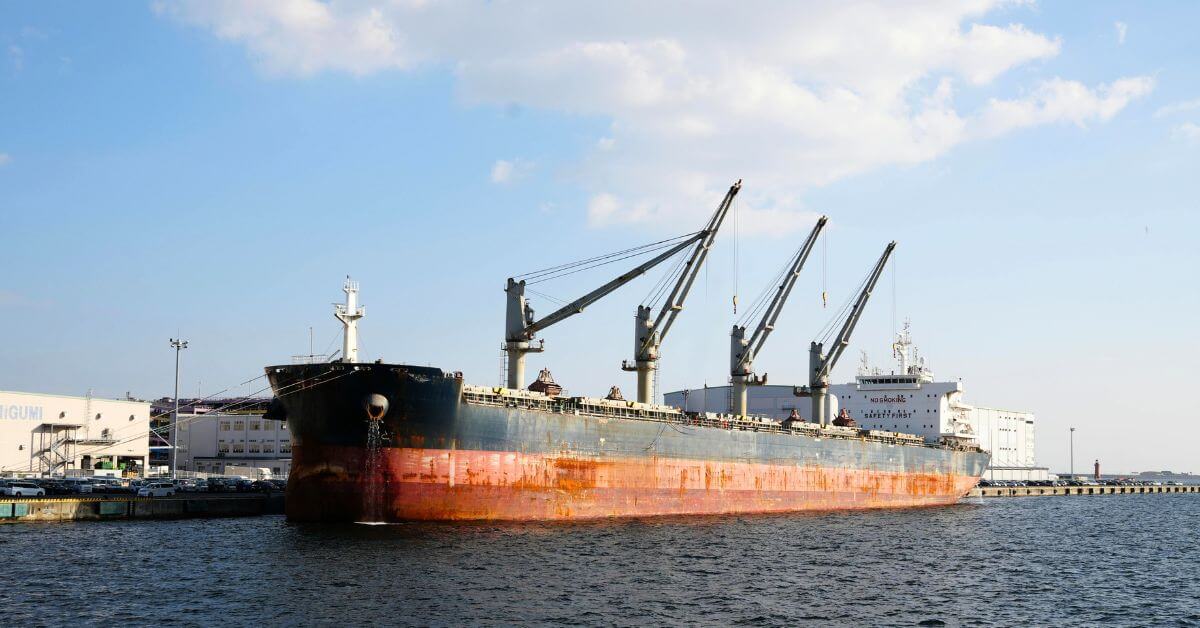
A motorman sailor has been killed in an attack on a civilian cargo ship at the Odesa port. Three other crew members were injured and received emergency medical treatment. This loss is a grim reminder that maritime security remains fragile, even as we work to build integrated data ecosystems for ocean intelligence. For deeper context on disrupted shipping routes, read our coverage on the Baltic Cargo Route Disrupted as Gulf of Finland Vessel Detained.
150 vessels idle in Gulf of Finland as Baltic maritime traffic bottlenecks
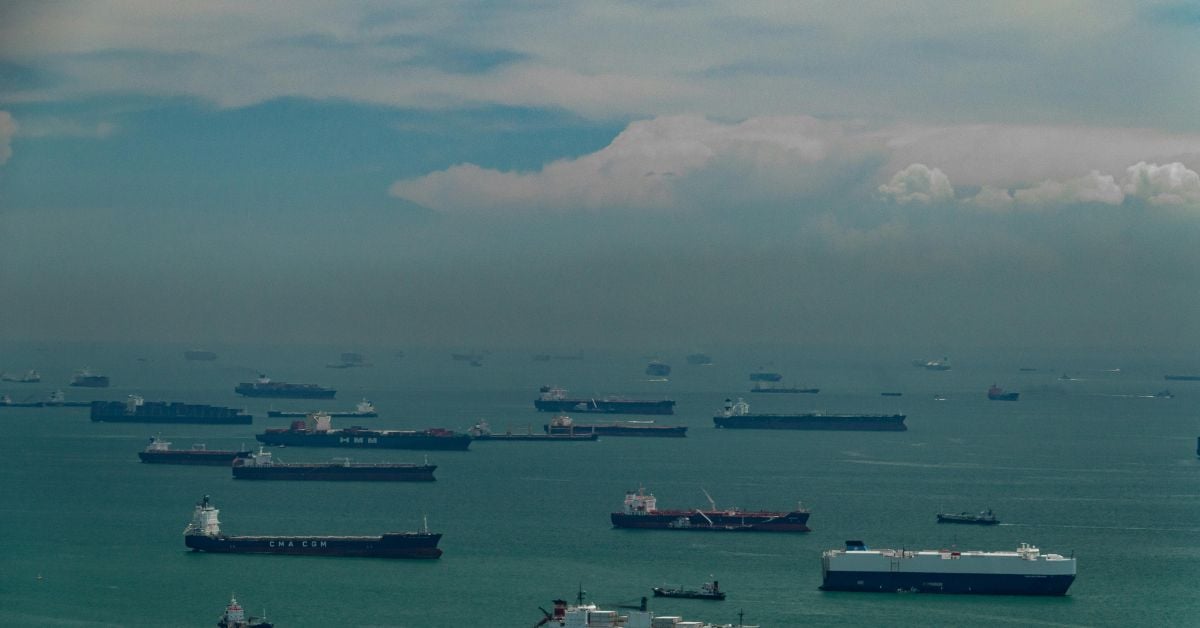
Nearly 150 vessels sit idle in the Gulf of Finland, a maritime bottleneck gripping Baltic traffic to Russian ports such as Ust-Luga, Primorsk, and St Petersburg. This congestion is more than a logistical snag, it is a measurable disruption in a region already under scrutiny. Such real-time bottlenecks carry empirical weight as climate and geopolitical indicators. For deeper context on maritime security, see our coverage of the captain charged over Ukrainian grain. Understanding these pressures drives protection of both trade and ocean intelligence.
Captain of Russian-controlled bulker charged over 54,000 tonnes of Ukrainian grain
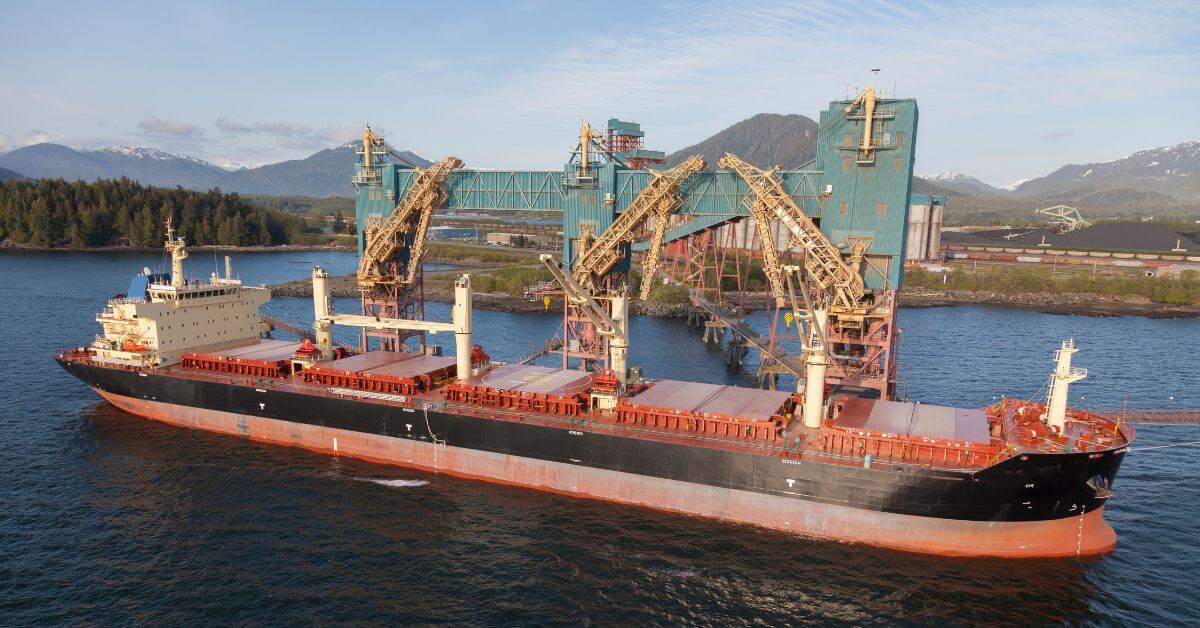
The captain of a Russian-controlled bulker now faces charges in Ukraine over the alleged transport of 54,000 tonnes of Ukrainian grain. This is not merely a shipping dispute; it is a measurable act within a larger pattern of resource exploitation. Accountability must be calibrated to the scale of the crime. For broader context on maritime accountability, see our coverage of the *June Aster* ferry fire tragedy, where a captain also faces criminal charges.
Strikes on Odesa Port Underscore Broader Maritime Security Risks
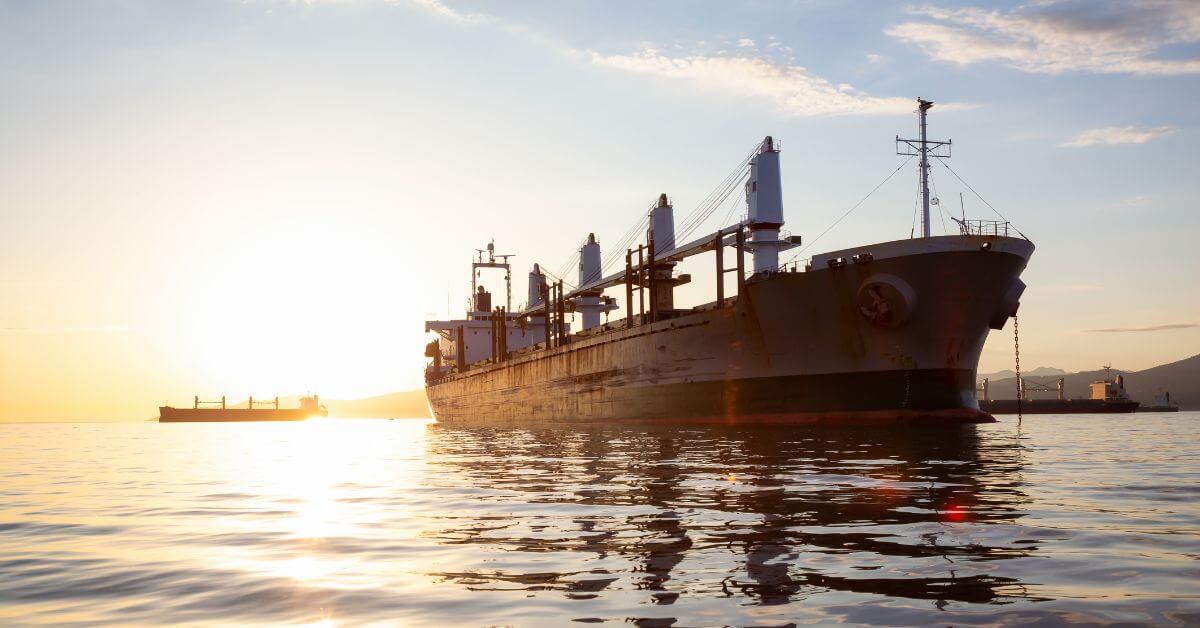
Russian forces claim to have struck four military storage sites and a cargo ship carrying military and dual-use goods to Odesa. These strikes on a major Ukrainian port are not isolated incidents; they signal escalating risks to maritime security in the region. Measurable threats to commercial shipping demand empirical monitoring. Our related report, "Strikes Target Ports and Vessels in Confirmed Military Action," offers deeper coverage. Understanding these patterns drives protection of global trade routes.
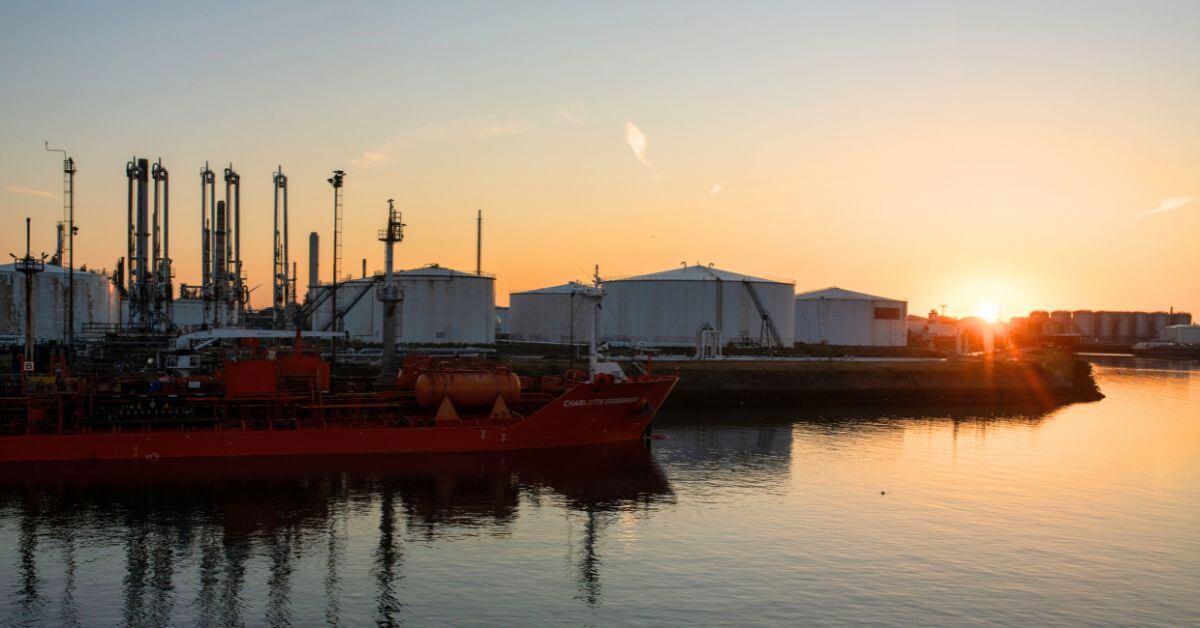
Strikes Target Ports and Vessels in Confirmed Military Action
Russia's Thursday strikes on Ukrainian military facilities, cargo ships, and port infrastructure mark a deliberate escalation in its maritime campaign. The targeting of commercial vessels extends the conflict's reach into global shipping lanes, a move we assess as strategically calculated. Such actions complicate maritime security and demand calibrated responses. For broader context on Russia's maritime strategy, our coverage of the Vostok Project's Arctic oil exports offers a parallel view of how Moscow leverages sea routes amid geopolitical pressure.
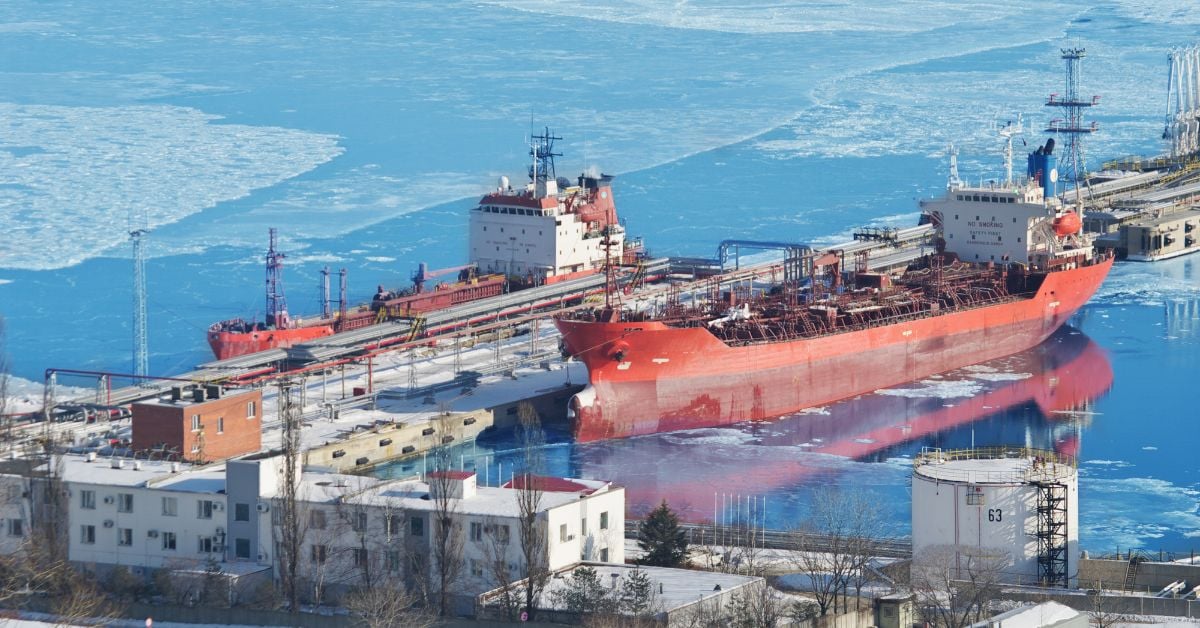
Vostok Project Launches Arctic Oil Exports Amid Geopolitical Shifts
The Vostok project has finally begun producing oil, a long-delayed step for Rosneft's Arctic ambitions after Western sanctions ground progress to a halt. This is not just a commercial milestone; it is a signal of how energy strategy and geopolitics remain deeply intertwined. The Arctic's potential is vast, but so are its logistical and environmental demands. As Russia recalibrates its export revenue to fund icebreaker fleets, the Northern Sea Route's viability grows clearer.
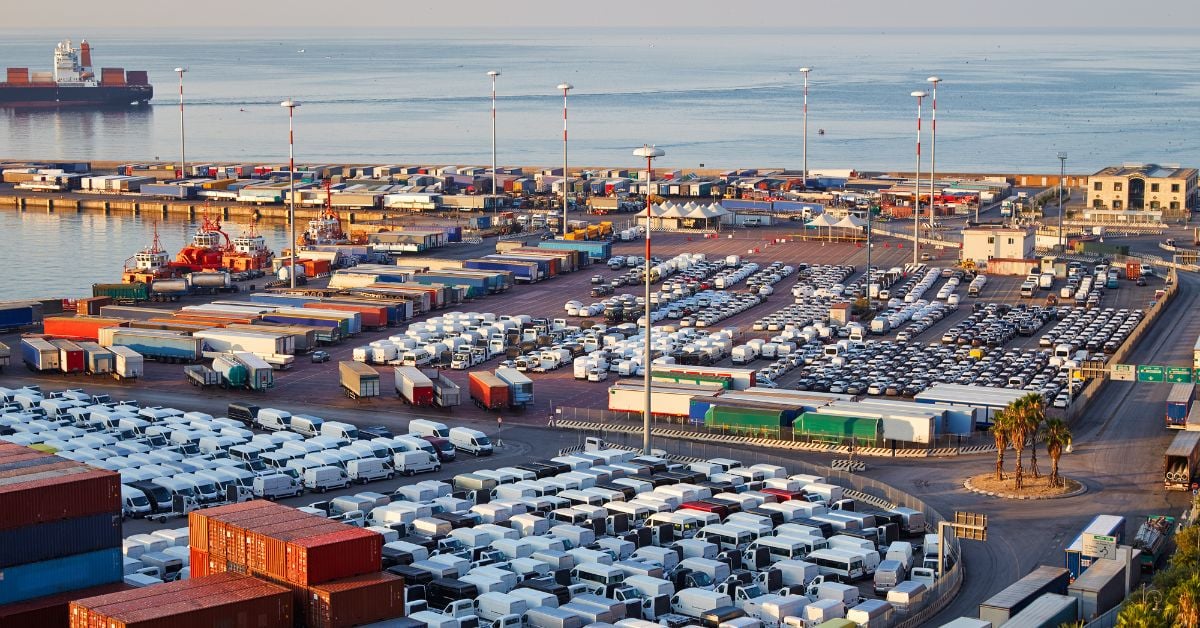
Ukraine Supports India’s Initiative for Black Sea Shipping Routes
Ukraine's consideration of India's proposal to restore safe navigation in the Black Sea signals a practical step toward maritime stability. Reopening these routes is not merely a regional matter; it supports global supply chains and the exchange of ocean intelligence. The move reflects measured diplomacy, grounded in shared interests rather than rhetoric. For readers tracking how nations recalibrate maritime strategy, our related coverage on integrated subsea cables across the Indian Ocean offers useful context on how connectivity and shipping increasingly intersect.
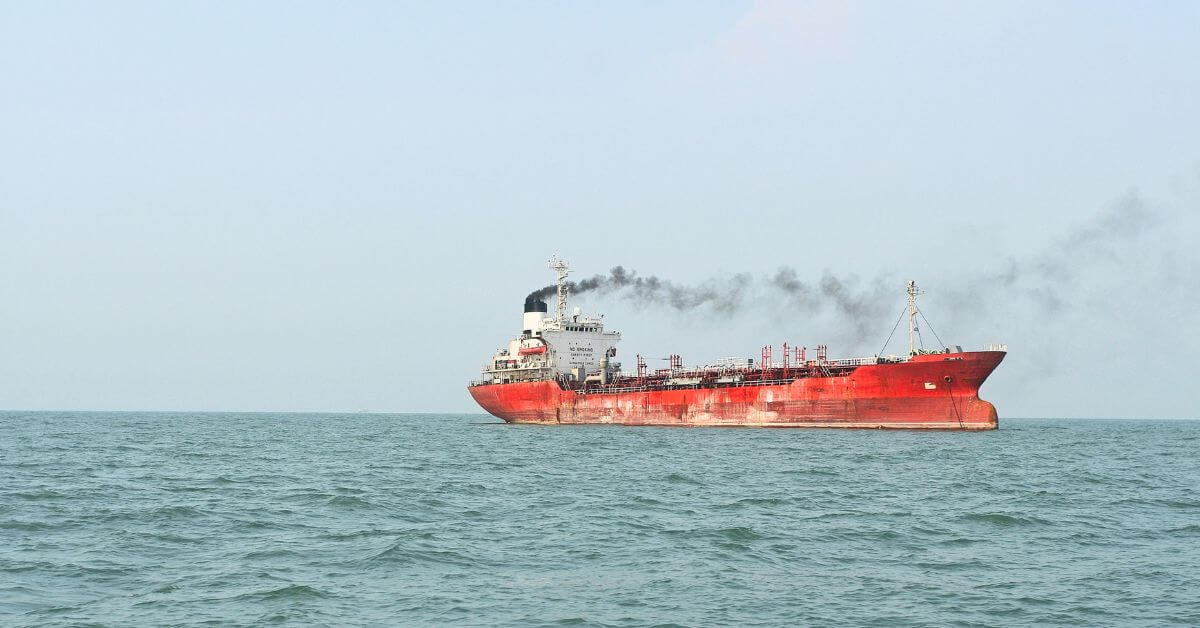
Fatal Attack on Cargo Ship Highlights Black Sea Shipping Risks
The attack on a cargo ship sailing under the flag of Antigua and Barbuda, reported Sept. 23 by the Ukrainian Sea Port Authority, sharpens the profile of risk in Black Sea shipping. This is not an isolated incident but a measurable indicator of a waterway under strain. We track these incidents because each one validates the need for integrated maritime data.
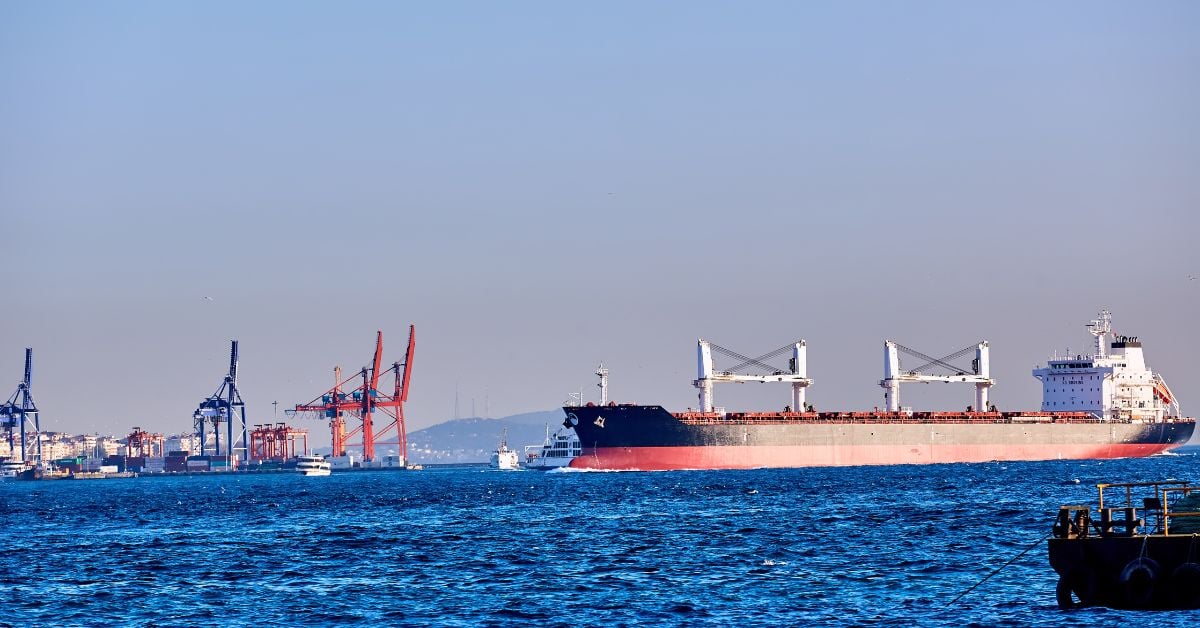
Zelensky Proposes Black Sea Maritime Truce Amidst UN General Assembly
In his address to the UN General Assembly, President Volodymyr Zelensky proposed a maritime truce with Russia in the Black Sea. The offer is a practical step toward de-escalation, one measured not by promises but by calmer waters. A functional truce could restore vital shipping lanes and reduce regional risk. For deeper context on Russia's maritime strategies, our coverage of the Northern Sea Route icebreaker funding offers a relevant look at its naval ambitions.
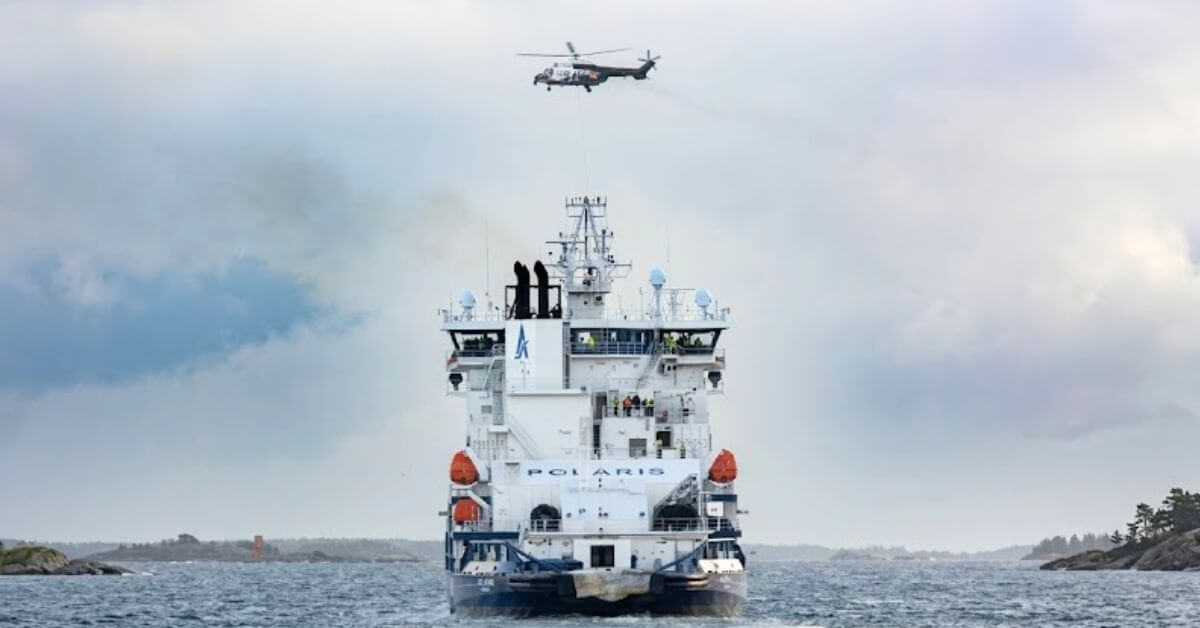
Protecting Baltic Cables: Finland Enhances Response to Underwater Infrastructure Threats
Finland's response to suspected underwater infrastructure damage is tightening, and rightly so. The incidents involving Baltic cables have pushed officials to sharpen their procedures for assessing vessels that may pose a threat. This is measured, practical progress. Protecting the data routes that carry nearly all transoceanic traffic is not optional. For readers tracking related risks, our coverage of the bulk carrier grounding near Gladstone offers another reminder of how vulnerable maritime chokepoints remain.
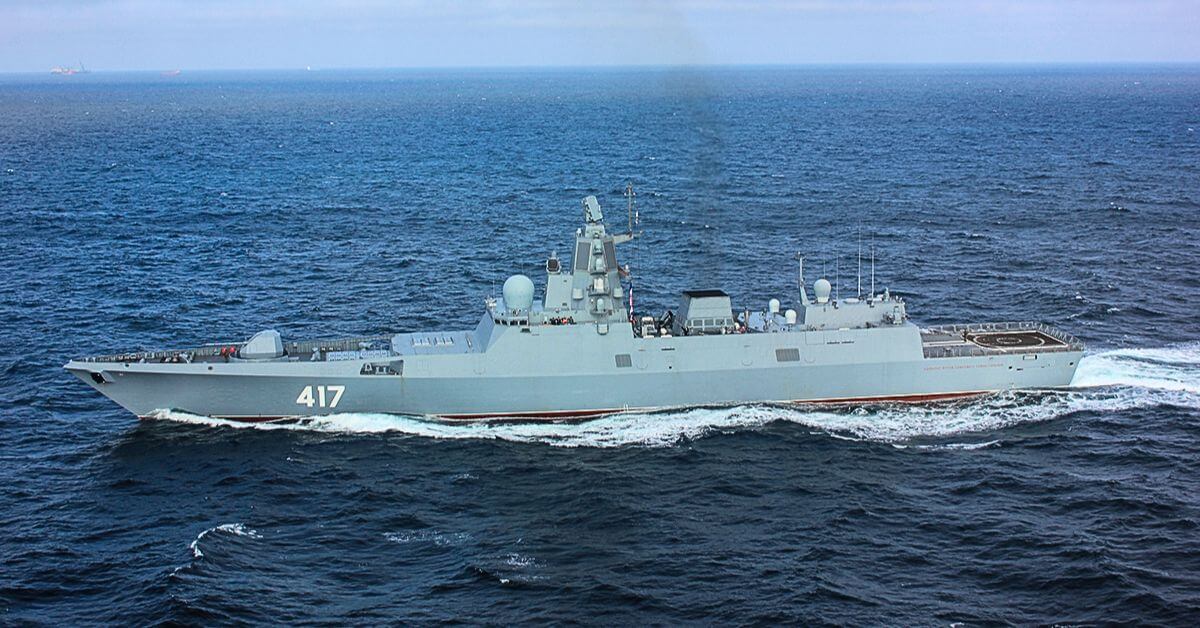
Baltic Sea Incident: Russian Warship’s Flares Prompt International Concern
The Baltic Sea's status as a corridor of strategic tension sharpened this week after a Russian warship fired flares, a move the European Union swiftly labeled "reckless and dangerous." The incident underscores how routine naval operations can escalate into international incidents with little warning. Such provocation demands measured, empirical scrutiny rather than alarm. For context on Moscow's broader maritime ambitions, our related coverage on Russia's icebreaker export revenue scheme offers useful grounding.
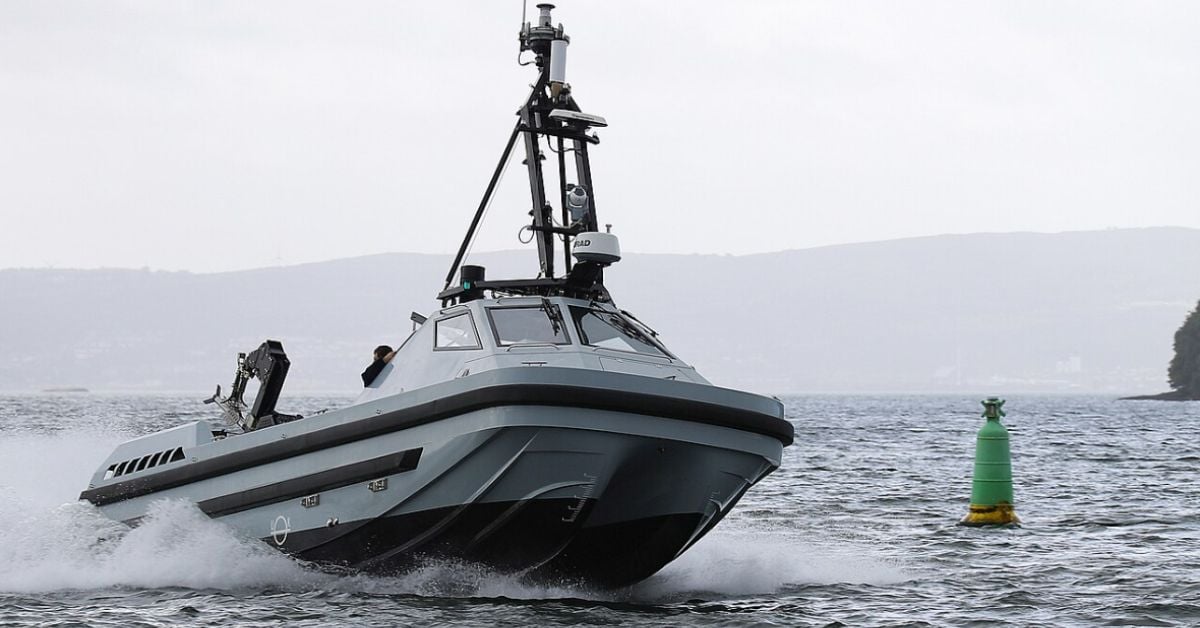
Black Sea Showdown: Naval Drones Engage in Real-Time Conflict.
A 12.7 mm machine gun, mounted on a protected remote weapon station, defines the latest chapter in Black Sea naval warfare. This is not abstract theory; it is real-time conflict where drone crews operate under direct threat. The weapon's precision offers a measurable advantage, though the tactical picture remains fluid. The engagement underscores a broader pattern of Russian maritime aggression, a thread explored in our related piece on Russian Maritime Activity Raises Concerns of Drone Operations in Mediterranean.

Black Sea Attack Damages Tugboat, Claims Lives of Two Seafarers
A Black Sea attack has damaged the tugboat *Tedy* and claimed the lives of two seafarers, Ukraine's Ministry of Recovery, Infrastructure and Transport confirmed. This is a grim reminder that maritime conflict exacts a human toll beyond geopolitical headlines. Each casualty is a preventable failure of ocean stewardship. For broader context on Russia's maritime strategy, see our coverage of the Vostok Project's Arctic oil exports. Understanding these interconnected dynamics demands empirical, not emotional, analysis.

Sea Drones Strike Sochi, Demonstrating Extended Reach and Impact.
A Ukrainian sea drone strike reached Sochi, a Russian resort roughly 700 kilometers from the border, demonstrating an extended range that redefines maritime conflict. This is not alarmism; it is a measurable shift in operational reach. The attack underscores how uncrewed systems can project force far from traditional front lines. For deeper context on maritime infrastructure and strategic chokepoints, see our coverage of *Paradip Port Designated a Mega Port*. Understanding these dynamics is essential for assessing global security.
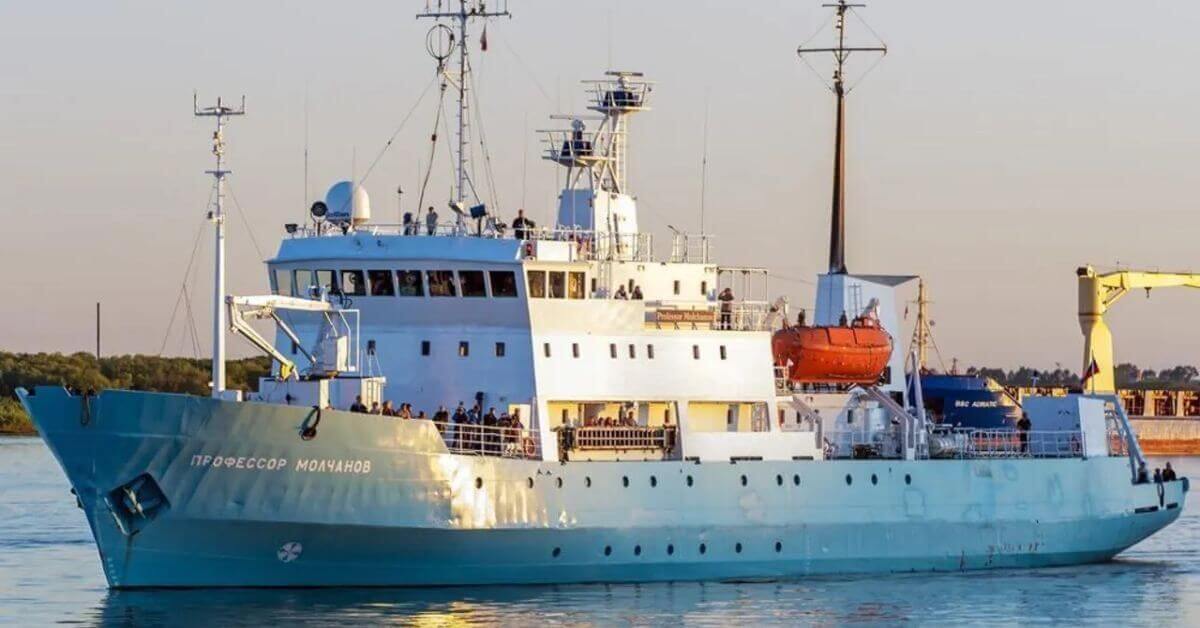
Arctic Stranding: Norway Assists 69 Russians Amid Maritime Dispute.
A Norwegian court ordered the seizure of a Russian vessel, and then Oslo assisted the 69 stranded crew members. This is pragmatic diplomacy during a maritime dispute driven by Ukraine's Naftogaz. Arctic operations cannot afford political standstills; they require calibrated cooperation. The incident highlights how commercial shipping becomes entangled in geopolitical currents. For deeper context on Russia's Arctic ambitions, see our coverage of the Vostok Project's oil exports amid shifting sanctions.
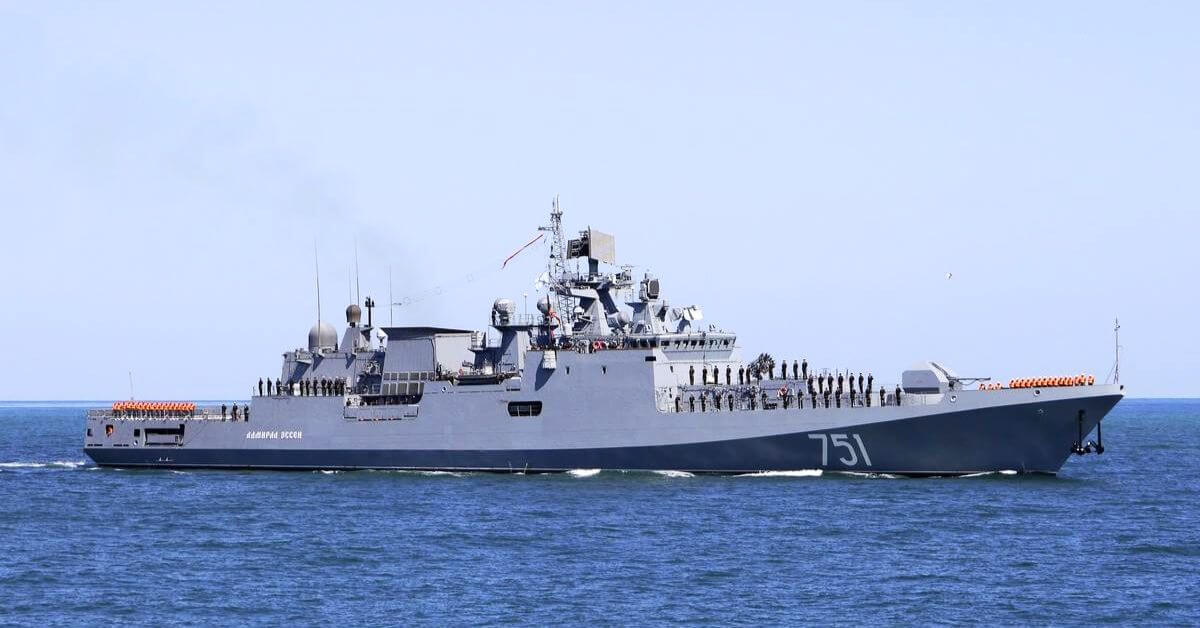
Ukraine Strikes Key Russian Warship in Black Sea Port
Ukraine's strike on a key Russian warship at Novorossiysk, Russia's largest Black Sea port, demonstrates a calibrated shift in maritime conflict. This operation targets not just a vessel but the logistical backbone sustaining naval power in the region. Measurable impacts on Russian export capacity and fleet readiness merit close observation. For deeper context on how Russia is recalibrating its maritime economic strategy, see our related coverage on the Northern Sea Route icebreaker fleet. Understanding these integrated dynamics is essential.