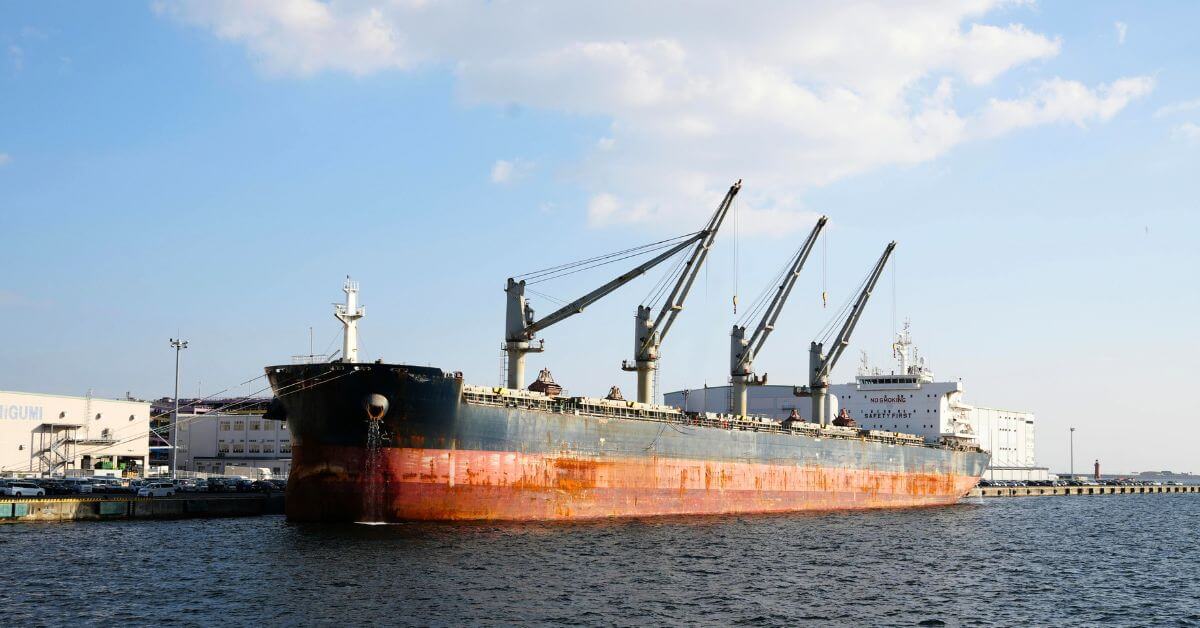
Understanding drives protection. The strike on a Liberian-flagged cargo ship at Odesa port, which killed a motorman sailor and injured three others, is not an isolated incident, it is a pattern with documented, measurable consequences. This attack is part of what Ukraine's Ministry of Reconstruction calls an institutionalised campaign against civilian maritime logistics, a claim supported by empirical evidence of repeated strikes on merchant vessels. The broader disruption compounds earlier bottlenecks, such as the Baltic Cargo Route Disrupted as Gulf of Finland Vessel Detained and the idling of 150 ships in the Gulf of Finland, which together signal a coordinated pressure on maritime trade that demands independent, real-time monitoring.
What this means for readers, whether policymakers, researchers, or maritime operators, is that the Black Sea grain corridor, even after the collapse of the UN-brokered initiative, remains a calibrated risk environment. Russia's justification, as voiced by Kremlin spokesman Dmitry Peskov, that these vessels carry weapons and fuel for Ukraine's armed forces, is rejected by Ukraine and international maritime bodies, who classify the ships as ordinary merchant carriers under international law. The human cost is specific and validated: five Azerbaijani sailors were killed in a June strike, two more in September, and at least five Indian seafarers have died in recent months, prompting New Delhi to issue diplomatic demarches to both Moscow and Kyiv. These are not abstract casualties; they are crew members, motormen, engineers, deckhands, working on integrated supply chains that connect Ukrainian grain to global markets.
The pattern of attacks has a direct, measurable impact on exports. Since Russia effectively renewed its blockade of Ukrainian Black Sea ports in the summer, grain and steel exports have dropped, dealing a heavy blow to Ukraine's economy. The attack on the Somali-flagged tugboat Tedy on September 10, which killed Azerbaijani citizens Aslan Aliyev and Asim Gasimov, and the latest strike on the Liberian-flagged vessel, are not random acts. They are part of a deliberate campaign that also includes the detention of cargo vessels in the Baltic, as seen in the Captain of Russian-controlled bulker charged over 54,000 tonnes of Ukrainian grain case. Each incident reduces the predictability of maritime insurance, raises shipping costs, and forces operators to weigh empirical risk against commercial necessity.
The open question that remains is how the international community will calibrate its response to this institutionalised targeting. One concrete detail to watch is whether flag states, Liberia, Somalia, Azerbaijan, India, will begin to mandate that vessels reroute or require naval escort through the Black Sea transit lanes. The cost of inaction has already been measured in lives and lost cargo tonnage. The next strike, if it comes, will test whether the response moves beyond diplomatic demarches to enforceable maritime security measures.