Ukraine
81 stories filed under Ukraine on World Data Ocean. The newest of them: “Albania Intercepts Tanker Linked to Russian Shadow Fleet Operations.”, “Arctic LNG 2 Seeks $1 Billion in Arbitration Against Hanwha Ocean”, and “Filipino Seafarers Safe After Ukraine Attack; Await Repatriation”. Albania has intercepted the Sierra Leone-flagged tanker HANUMAN, a vessel long tracked by Ukraine's Main Directorate of Intelligence for its role in Russian shadow fleet operations. Arctic LNG 2 has filed a $1 billion arbitration claim against Hanwha Ocean in Singapore, a direct consequence of a terminated shipbuilding contract. A Global Hub for Ocean Intelligence 4 World Data Ocean is a centralized digital platform where researchers, scientists, and ocean enthusiasts converge to… The list below is every Ukraine story on World Data Ocean, newest first.
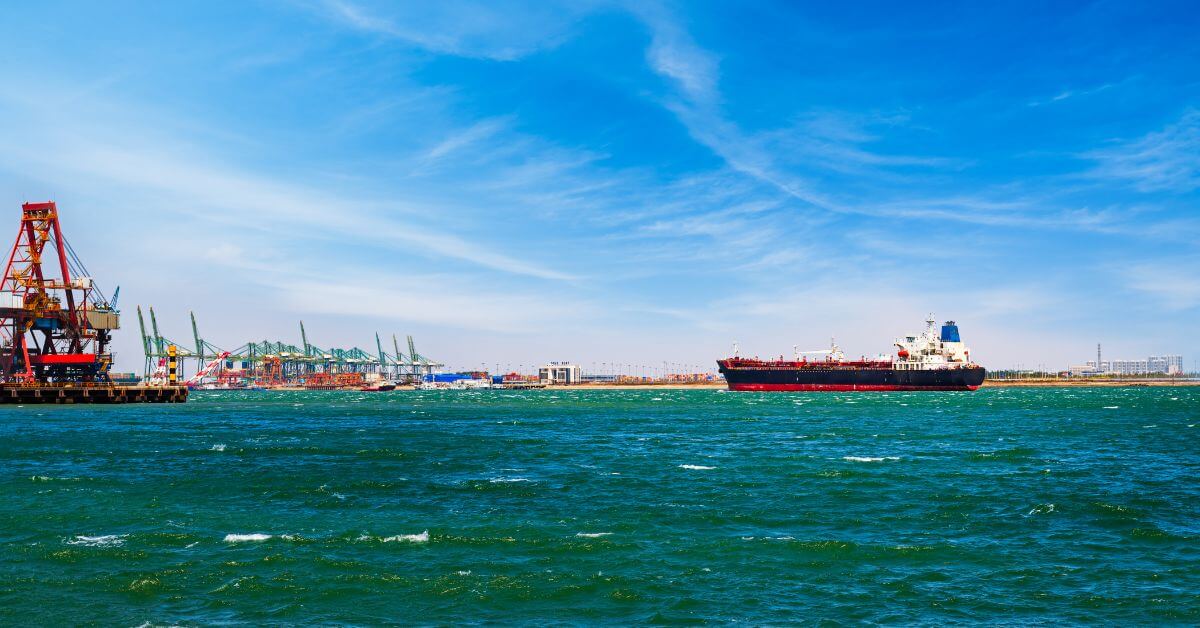
Albania Intercepts Tanker Linked to Russian Shadow Fleet Operations.
Albania has intercepted the Sierra Leone-flagged tanker HANUMAN, a vessel long tracked by Ukraine's Main Directorate of Intelligence for its role in Russian shadow fleet operations. This action underscores the measurable impact of coordinated maritime surveillance. Understanding these networks drives protection of global shipping integrity. For deeper context on how Russia is recalibrating its maritime revenue streams, see our analysis of the Northern Sea Route icebreaker fleet.

Arctic LNG 2 Seeks $1 Billion in Arbitration Against Hanwha Ocean
Arctic LNG 2 has filed a $1 billion arbitration claim against Hanwha Ocean in Singapore, a direct consequence of a terminated shipbuilding contract. This legal action underscores the high stakes of Arctic infrastructure development amid mounting geopolitical friction. The claim is a calibrated move, reflecting the measurable financial impact of disrupted supply chains. For deeper context on Russia's Arctic maritime strategy, see our coverage of the Northern Sea Route icebreaker fleet financing.
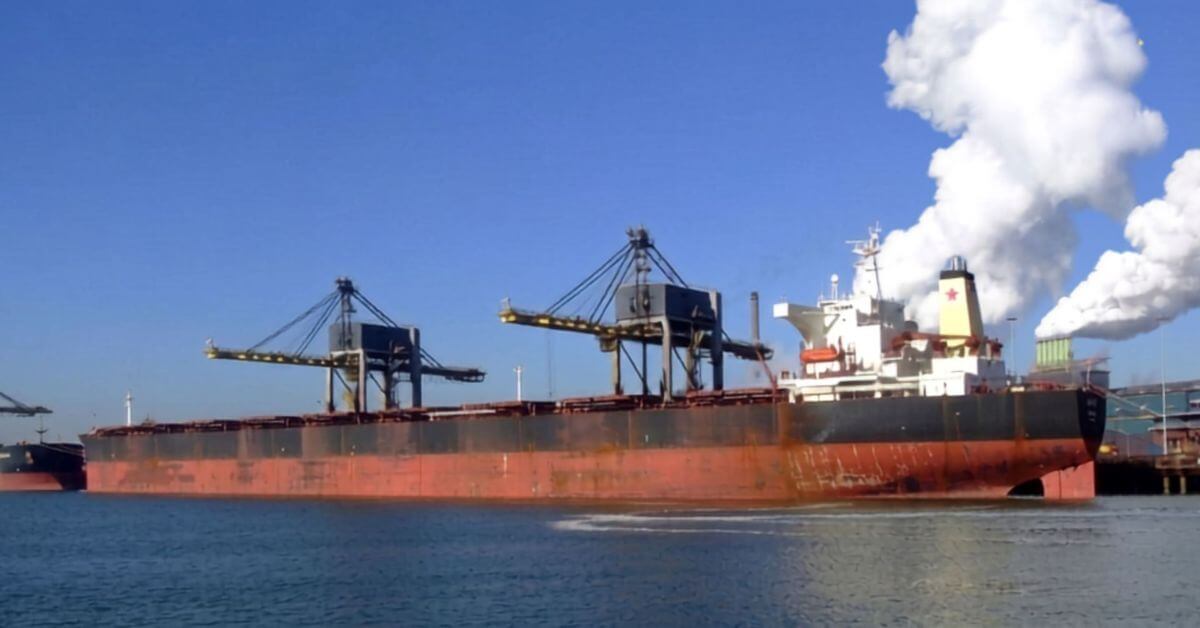
Filipino Seafarers Safe After Ukraine Attack; Await Repatriation
All 26 Filipino seafarers are safe and awaiting repatriation after disembarking from their vessel by Sept. 4, unharmed. The Department of Migrant Workers confirmed no casualties. This measured outcome contrasts sharply with the broader volatility in the region. For deeper context on escalating maritime risks, see our coverage of the *Fatal Attack on Cargo Ship Highlights Black Sea Shipping Risks*. Protection of crew remains paramount in these waters.
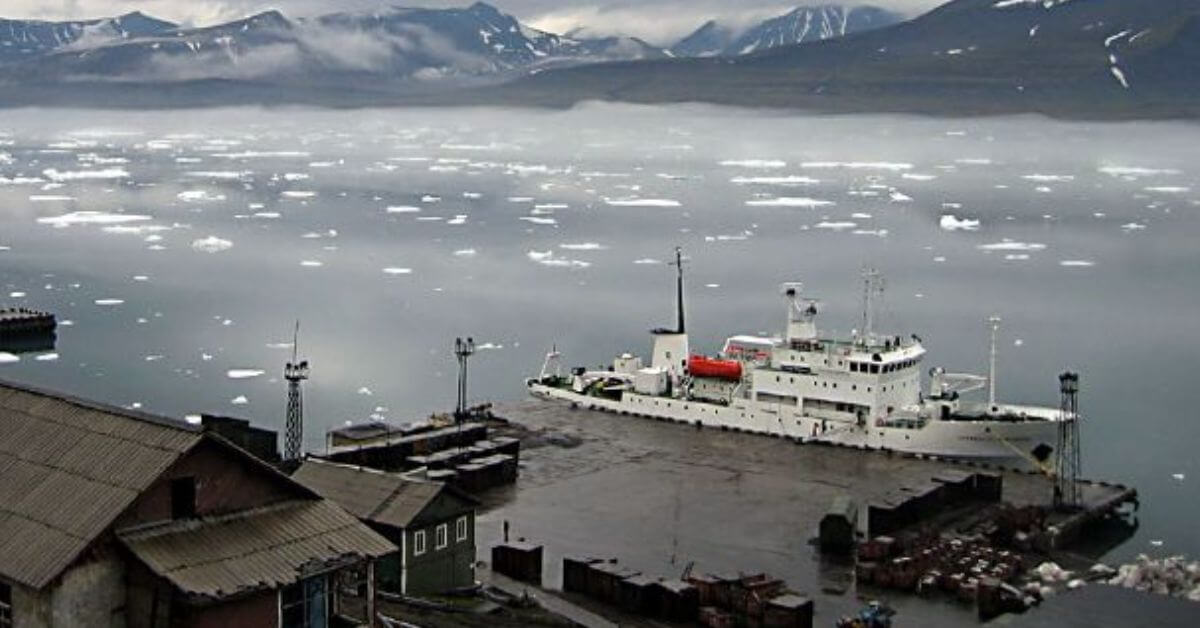
Dispute Escalates: Vessel Seized Amid Ukraine’s Energy Claim Against Russia
A vessel has been seized in escalating legal conflict. Ukraine's state energy company, Naftogaz, pursues a $4.2 billion compensation claim for assets taken by Russia. This is not merely a financial dispute, it is a calibrated test of international maritime law and the boundaries of energy sovereignty. The claim invites scrutiny of how state-sponsored seizures intersect with broader geopolitical pressures. For deeper context on Russia's evolving maritime strategy, see our coverage of the Northern Sea Route icebreaker revenue plan.
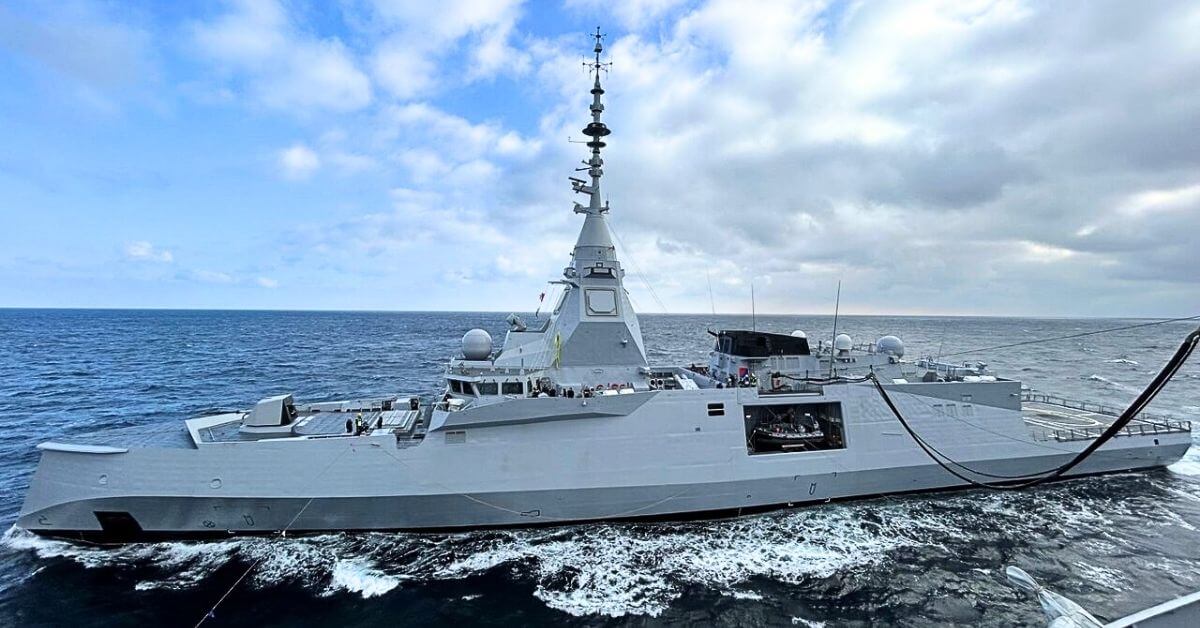
Sweden Bolsters Naval Capabilities with Acquisition of Four Advanced Frigates
Sweden's decision to acquire four advanced frigates marks a measured step toward a stronger naval presence, with the first delivery slated for 2030. These vessels will become the largest in the Swedish fleet, a practical response to shifting maritime realities. The investment signals patience and precision, not panic. For readers tracking parallel developments in naval strategy, our coverage of Russia's Northern Sea Route icebreaker plans offers useful context. Sweden is building capacity deliberately, and that intent is worth watching.
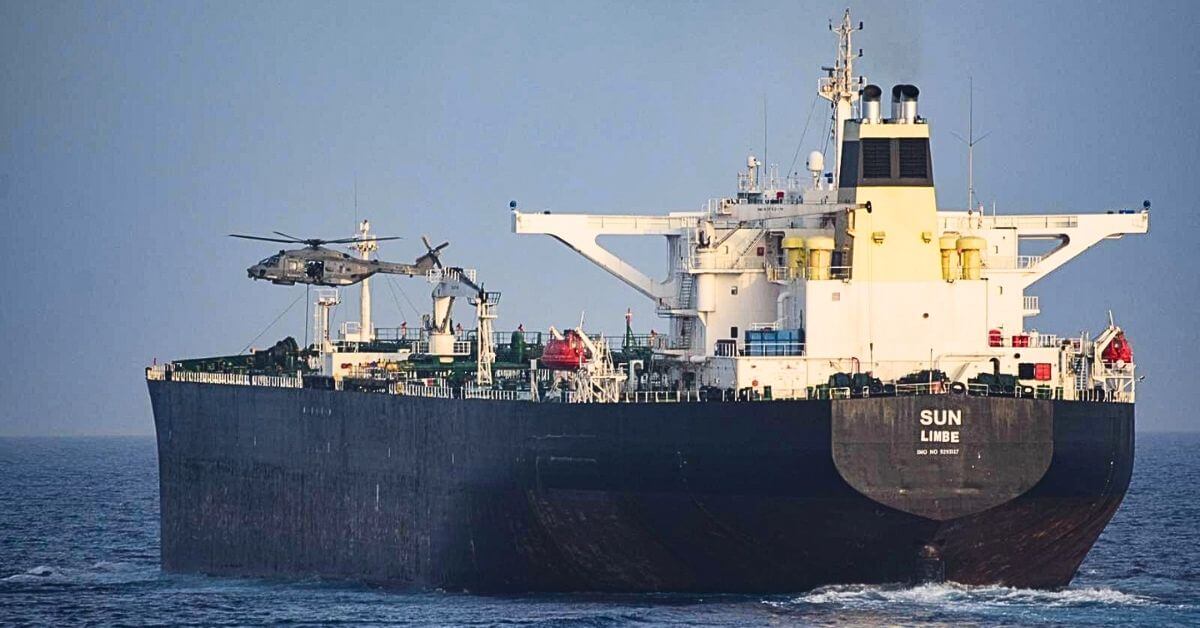
Maritime Security: Inspections Target Vessels Suspected of Shadow Fleet Activity
Maritime authorities from France, Sweden, Belgium, and Britain have boarded or seized vessels suspected of shadow fleet activity, tightening the net on opaque operations in European waters. These inspections signal a calibrated, intelligence-led response to a threat that hides in plain sight. Enforcement like this is how rules endure. For a closer look at how maritime incidents unfold under pressure, see our coverage of the cargo ship fire near Mykonos. Vigilance, measured and consistent, remains the anchor of ocean security.
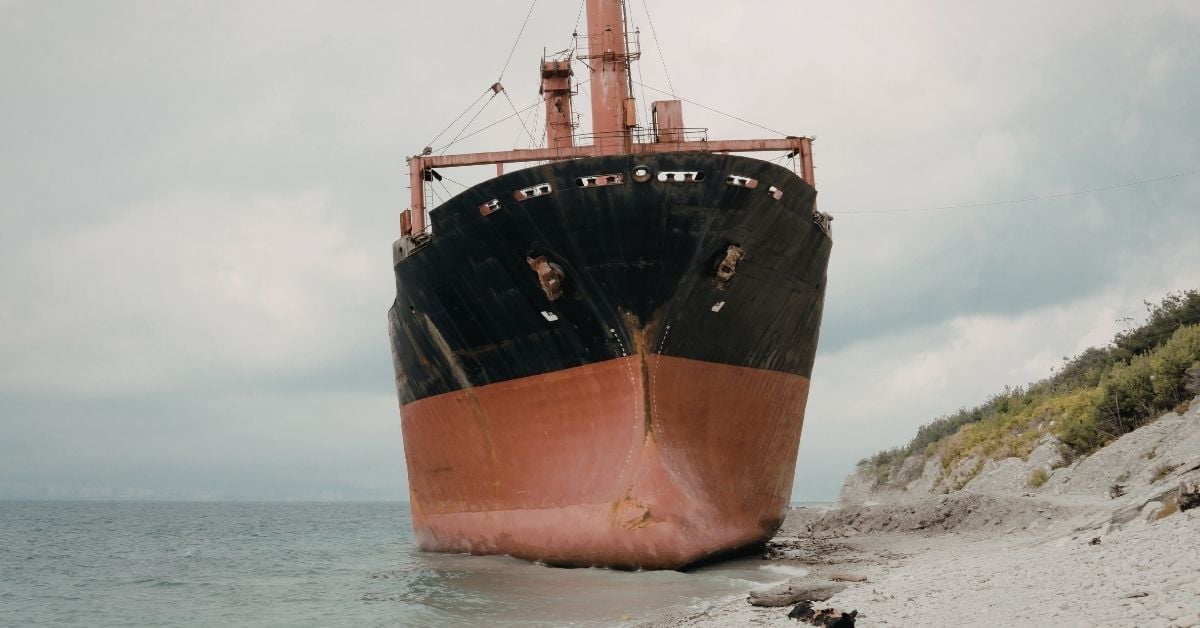
Damaged Cargo Ship, Linked to Russia, Grounds Near Istanbul
A Russian-flagged cargo ship has run aground on Alacalı Beach near Istanbul, grounding in Turkish waters. The incident adds another layer to the region's already complex maritime traffic, where every disruption carries weight. We've seen similar challenges recently, including the bulk carrier freed near Gladstone, Australia, after six days. Each grounding reminds us that navigation remains a test of precision, not just technology. Vessels push through crowded corridors daily; this one met the shore instead. The incident warrants close attention as assessments begin.
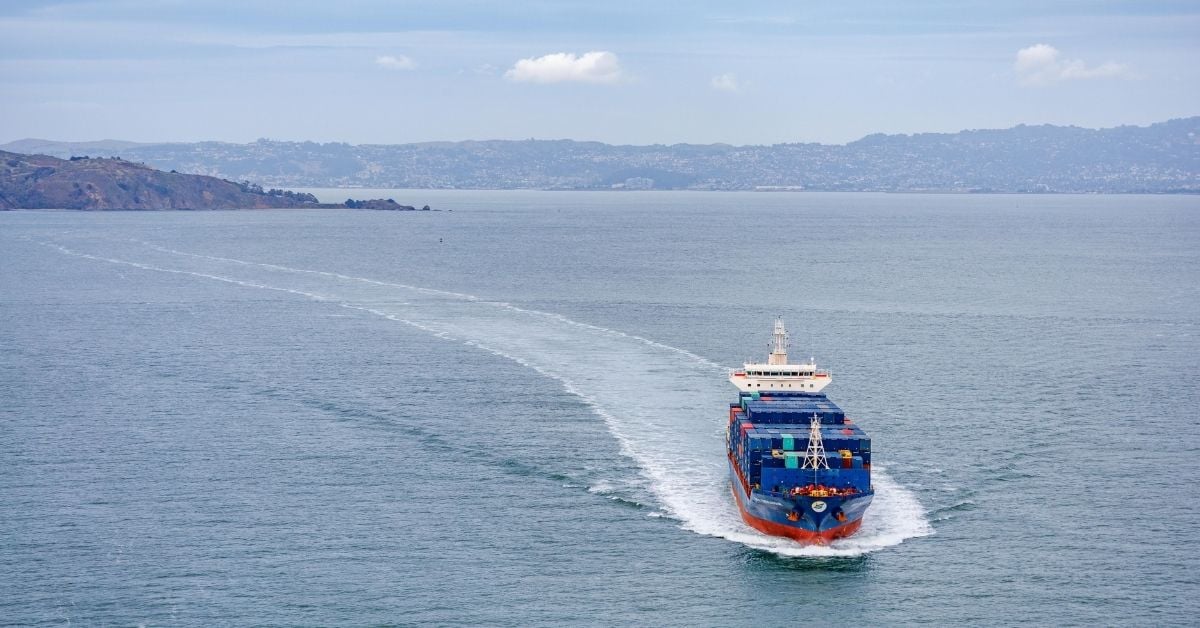
Drone Strike Suspected in Black Sea Cargo Ship Sinking
A cargo ship caught fire and sank off Romania on Thursday evening, with a drone strike the suspected cause. The incident injects a volatile new variable into Black Sea shipping lanes already strained by regional conflict. This is not a remote concern; it is a direct challenge to the safety of commercial routes and the maritime data that tracks them. As we monitor these climate and security indicators, the need for transparent, real-time reporting has never been clearer.
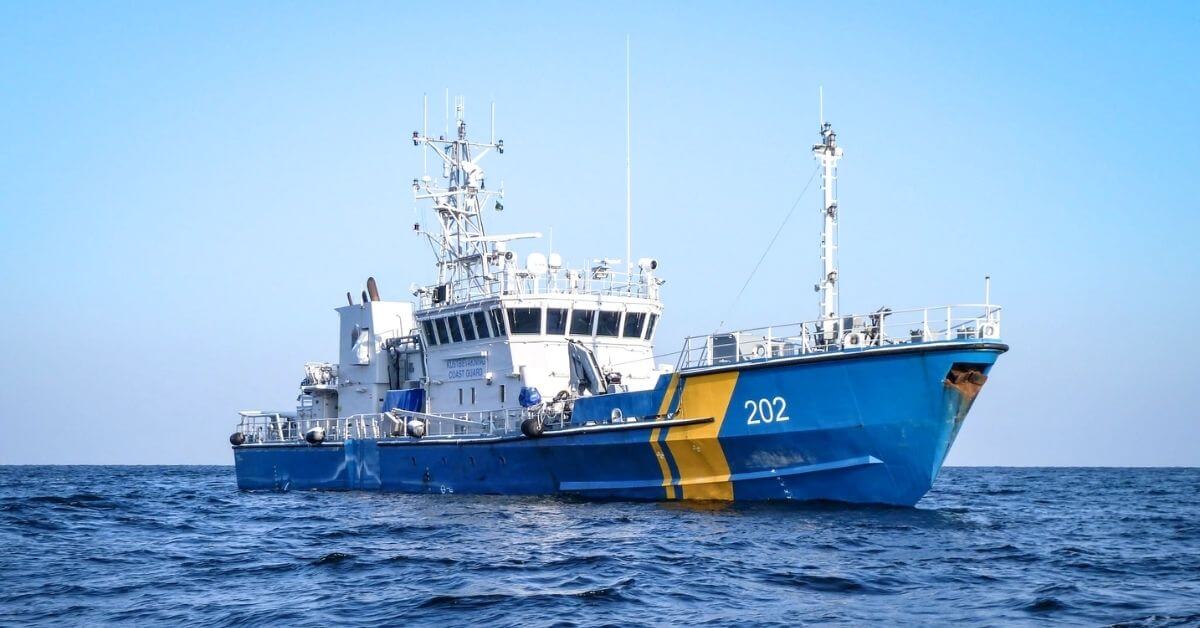
Sweden Bolsters Ukraine's Maritime Capabilities with Coast Guard Vessel Donation
Sweden's donation of ten Coast Guard vessels to Ukraine is a measured, practical step for maritime resilience. These boats, earmarked for mine clearance, transport, towing, and rescue, address immediate operational needs without theatrical posturing. It is a quiet reinforcement of capability, the kind of support that matters when every voyage carries risk. For context on the broader stakes, our related piece on the fatal attack on a cargo ship highlights how volatile these waters remain.
Bolstering Black Sea Security: Bulgaria Acquires Minehunters for Maritime Protection
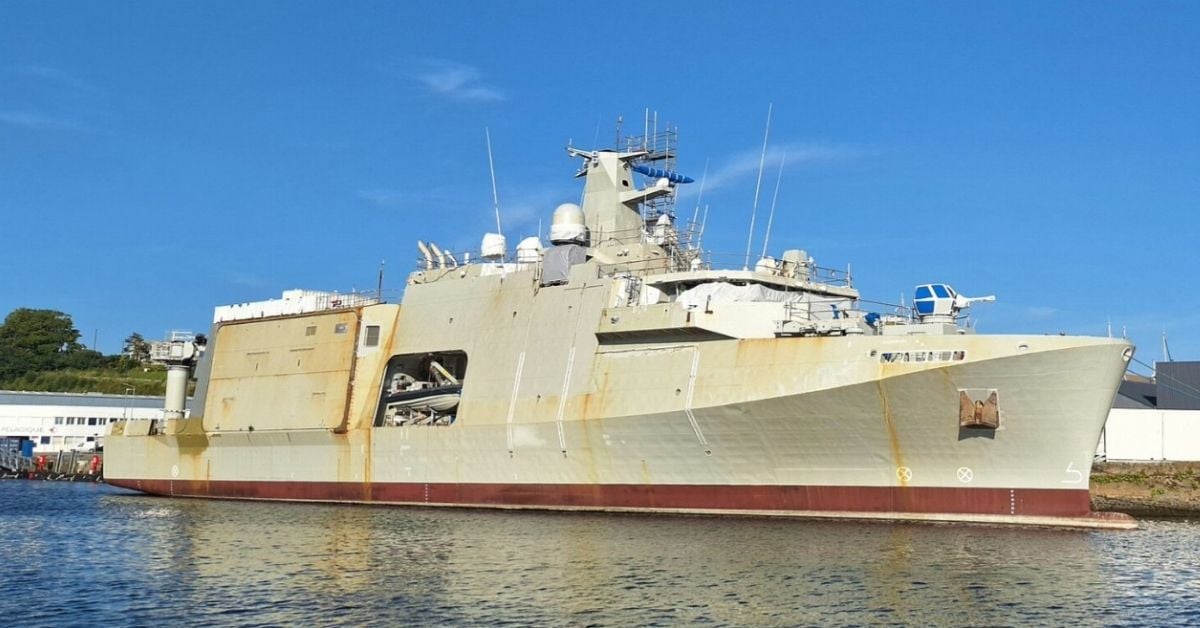
Bulgaria is adding seven minehunters from Belgium and the Netherlands to its naval arsenal, a measured step toward securing Black Sea shipping lanes against naval mines. This acquisition is less about spectacle and more about practical defense, addressing a real and present hazard to commercial traffic. It is a sensible move, though one that also signals how tense the region has become. For broader context on Moscow's maritime ambitions, our piece on Russia's Arctic export plans offers a useful counterpoint.
Targeted Strikes Disrupt Ukrainian Grain and Energy Infrastructure.
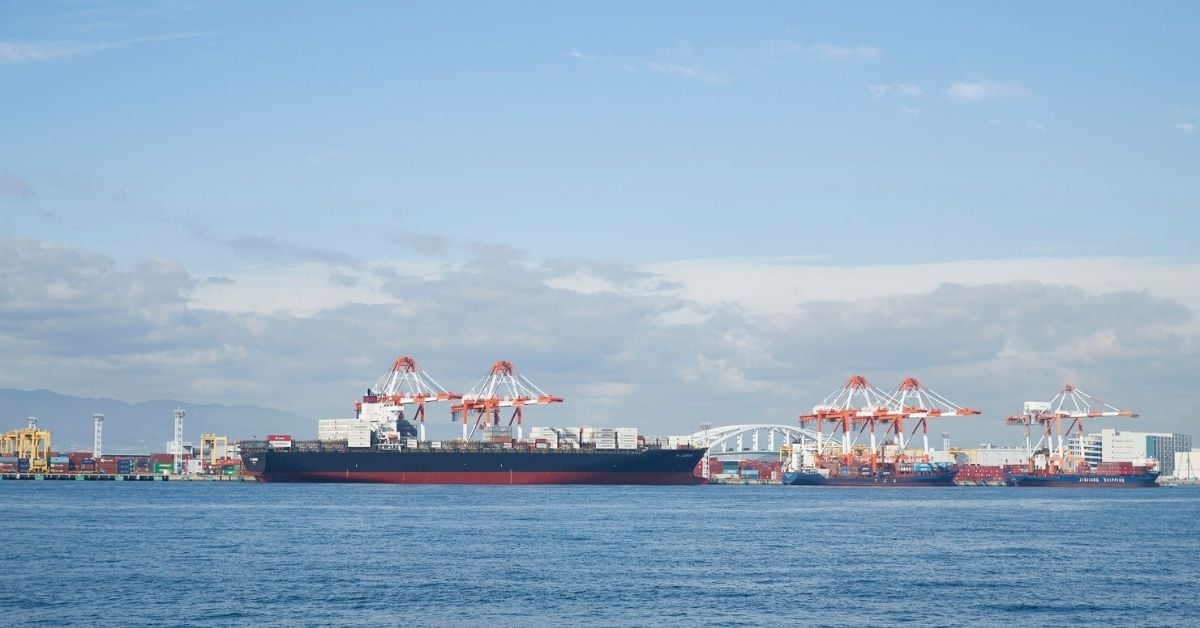
Russia's latest assault on Ukrainian ports, grain silos, and energy hubs is a deliberate escalation against both civilian resilience and global food security. These coordinated strikes are not collateral damage; they are the target. We should read this as a calculated attempt to degrade infrastructure that sustains both Ukraine's economy and its people's daily lives. The pattern is measurable, and the intent is clear.

Attacks Target Key Ukrainian Black Sea Port Infrastructure.
Russia's latest strikes on Ukrainian Black Sea port infrastructure, including Pivdennyi and Odesa, along with fuel storage at Chornomorsk, underscore a deliberate strategy to disrupt maritime export capacity. These are not incidental hits; they are calibrated pressure on a critical economic artery. The pattern echoes broader efforts to constrain Ukraine's access to global markets, as seen in our related piece, "Russia Calibrates Export Revenue for Northern Sea Route Icebreaker Fleet." For now, the resilience of these ports remains the counterweight to Moscow's campaign.

Black Sea Grain Shipments Limited as Truce Proposal Fails.
The Black Sea Grain Shipments Limited's collapse, following the failed truce, leaves Ukraine's agricultural lifeline critically constrained. Since August, only 500,000 tonnes have moved, a mere fifth of what could ship. This is not a stalemate; it is a calibrated strangulation. The measured volume signals deliberate pressure, not logistical failure. While Russia calibrates its own maritime leverage elsewhere, as our piece on Northern Sea Route icebreaker funding shows, the immediate cost here is global food security.

Captain Faces Charges as Russian Tanker Incident Draws Scrutiny
Accountability in maritime operations rarely falls on one person, but it often lands on one. Captain Pant now faces charges while the other 24 crew members have largely returned home, a striking divergence in responsibility that warrants attention. This incident demands scrutiny, not just for what happened, but for how liability is assigned across ranks. For broader context on escalating regional tensions, our related piece, "Strikes Target Ports and Vessels in Confirmed Military Action," offers useful perspective.

Indian Sailor's Journey Home Ends After Deadly Ship Strike.
The remains of 22-year-old Abhishek Nishad have arrived home, closing a voyage that began with promise and ended in devastating loss. His death in a missile strike aboard a cargo ship is a sobering reminder that seafarers navigate risks far beyond the weather. We extend our condolences to his family. This tragedy also underscores why maritime safety and welfare must remain a global priority.

Drone Incident Near Black Sea Gas Platform Triggers Romanian Response
The Romanian Coast Guard detected an unidentified drone in the country's exclusive economic zone near the Neptun Alpha gas platform, prompting a swift response. The incident underscores the fragility of critical maritime infrastructure in the Black Sea. We track these developments because they carry implications for regional security and economic stability. For broader context on the pressure facing the region, our related coverage in "Strikes Target Ports and Vessels in Confirmed Military Action" offers a fuller picture.

Caspian Sea Vessel Attacked: Iran Seeks Compensation Following Drone Strike
Iran's ambassador to Russia, Kazem Jalali, confirmed that Tehran is seeking compensation after a drone strike targeted the Anna, an Iranian-flagged cargo vessel in the Caspian Sea. The attack raises pointed questions about maritime security in a region already marked by strategic tension. Russia, for its part, has linked such incidents to broader military posturing, as seen in recent strikes on Ukrainian port infrastructure. This incident underscores the fragile line between commercial passage and geopolitical conflict, one that demands calibrated, evidence-based responses, not speculation.

Drone Strikes Target Bulk Carrier Near Novorossiysk, Sparking Fire.
A Greek-owned bulk carrier is burning near Novorossiysk after at least five drones struck the vessel as it approached to load grain. The attack, which ignited flames aboard the ship, underscores how maritime routes are becoming active fronts in this conflict. The targeting of commercial shipping is a serious escalation with global implications for food security and navigation. This incident echoes the patterns detailed in our related coverage, "Russia Calibrates Export Revenue for Northern Sea Route Icebreaker Fleet," highlighting Moscow's broader maritime strategy.

Danube Port Strike Disrupts Cargo Flow, Impacts International Shipping.
Russia's Defence Ministry confirmed strikes on military targets at the Danube port, including a terminal unloading vessels carrying military cargo. The disruption to cargo flow sends a clear signal about how port infrastructure now sits at the front line of this conflict. For shippers and insurers, the ripple effects are immediate, and the pressure on alternate routes will only grow. For deeper context on regional maritime risks, our related coverage on drone operations in the Mediterranean offers a broader view.

Black Sea Truce Proposal Aims to Stabilize Global Food Supply.
A third-party channel has carried the Black Sea truce proposal to Moscow, yet Ukraine still awaits a reply. The asymmetry is telling: one side engages, the other delays. A stable food corridor is not a favor; it is a global necessity, and every idle day carries measurable cost. For context on how maritime pressure is being applied, our related report, "Russia Calibrates Export Revenue for Northern Sea Route Icebreaker Fleet," offers a useful counterpoint. The signals are mixed, but the proposal stands.

Novorossiysk Port Attack Disrupts Grain Exports, Impacting Global Supply.
The strike on Novorossiysk damaged two grain terminals and killed three people, including a child, with 24 more injured. This is not just an assault on infrastructure; it is a direct hit to the global food supply chain. When a major export hub is compromised, the ripple effects are felt in markets and ports far beyond the Black Sea. For those tracking the broader patterns of disruption, our coverage of Russia's export revenue calibration offers useful context.

Increased Naval Presence: UK Monitors Rising Russian Activity.
The latest figures land with quiet precision: UK authorities released new data on Russian naval activity weeks after interdicting a sanctioned shadow fleet tanker in the English Channel. This is measured escalation, not alarm. Intercepting that vessel sent a clear signal, and the numbers now confirm why. For readers tracking broader maritime pressure, India's fleet expansion offers a parallel thread. But here, the focus stays local: surveillance, deterrence, and the unglamorous work of patrolling our own waters.

Drone Strikes on Oil Tankers Cease Following US Concerns.
The United States' intervention appears to have worked. Ukrainian drone strikes on oil tankers carrying Kazakh crude have ceased, following Washington's concerns last month that these attacks were disrupting global oil markets. The pause is a pragmatic acknowledgment that maritime security and economic stability are intertwined. For those tracking the ripple effects of naval conflict, this is a meaningful development. Russia's own maritime posturing remains a separate concern, as our coverage of suspected drone operations in the Mediterranean makes clear.

Maritime Surveillance Detects and Neutralizes Russian-Designed Drones Near Romanian Gas Hub
A civilian vessel on routine patrol near Romania's exclusive economic zone detected and neutralized Russian-designed drones approaching a critical gas hub. The incident underscores how maritime surveillance remains a frontline defense for energy infrastructure. Precision and readiness defined the response. The threat was identified, contained, and eliminated without escalation. For broader context on regional instability, our coverage of the Vostok Project's Arctic oil exports offers a parallel look at how geopolitical tensions reshape energy routes. Vigilance, not alarm, guides these operations.