search and rescue
search and rescue at World Data Ocean is a file of 34 stories. The newest of them: “Drone Attacks Ignite Russian Tankers Off Romania's Black Sea Coast”, “Human tragedy in Djibouti waters underscores urgent need for integrated ocean safety”, and “Persistent Lifebelt Signal Guides Cargo Ship to Rescue After 20 Hours at Sea”. Two tankers of Russian origin were struck by drones off Romania's Black Sea coast, igniting fires that underscore the growing intersection of geopolitical conflict and maritime risk. A Global Hub for Ocean Intelligence 4 World Data Ocean is a centralized digital platform where researchers, scientists, and ocean enthusiasts converge to… The list below is every search and rescue story on World Data Ocean, newest first.
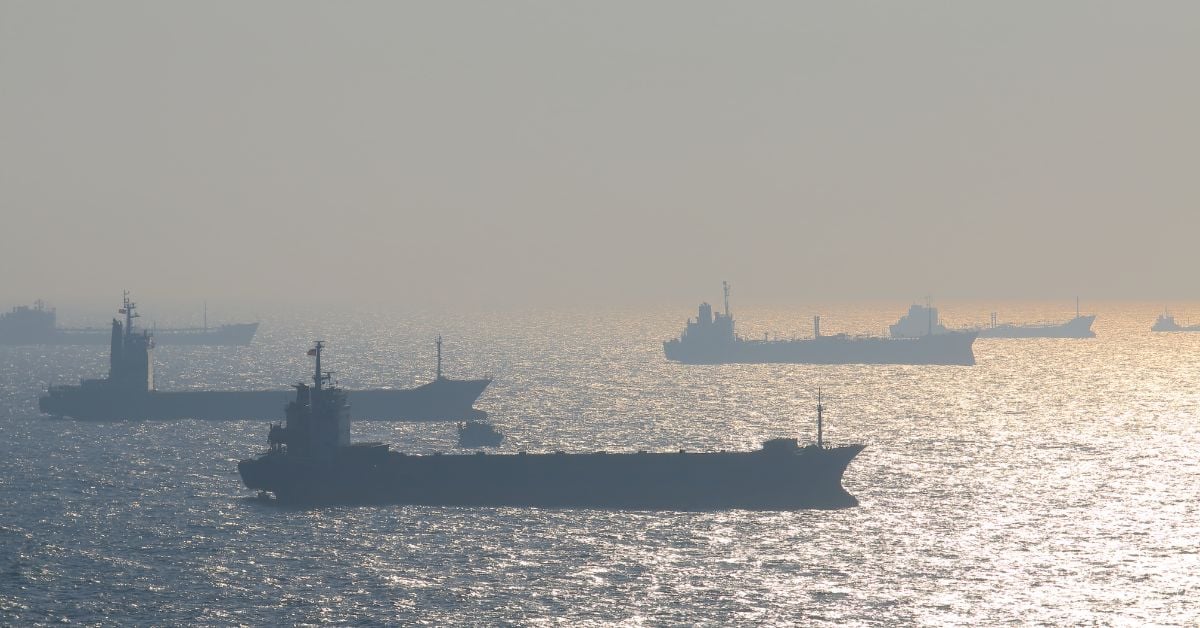
Drone Attacks Ignite Russian Tankers Off Romania's Black Sea Coast
Two tankers of Russian origin were struck by drones off Romania's Black Sea coast, igniting fires that underscore the growing intersection of geopolitical conflict and maritime risk. This incident demands empirical attention: such attacks disrupt trade routes and threaten marine ecosystems in a region already under environmental stress. For deeper context on how shifting trade dynamics and climate pressures are reshaping shipping, see our related coverage on maritime fees signaling friction in trade amid climate and shipping integration.
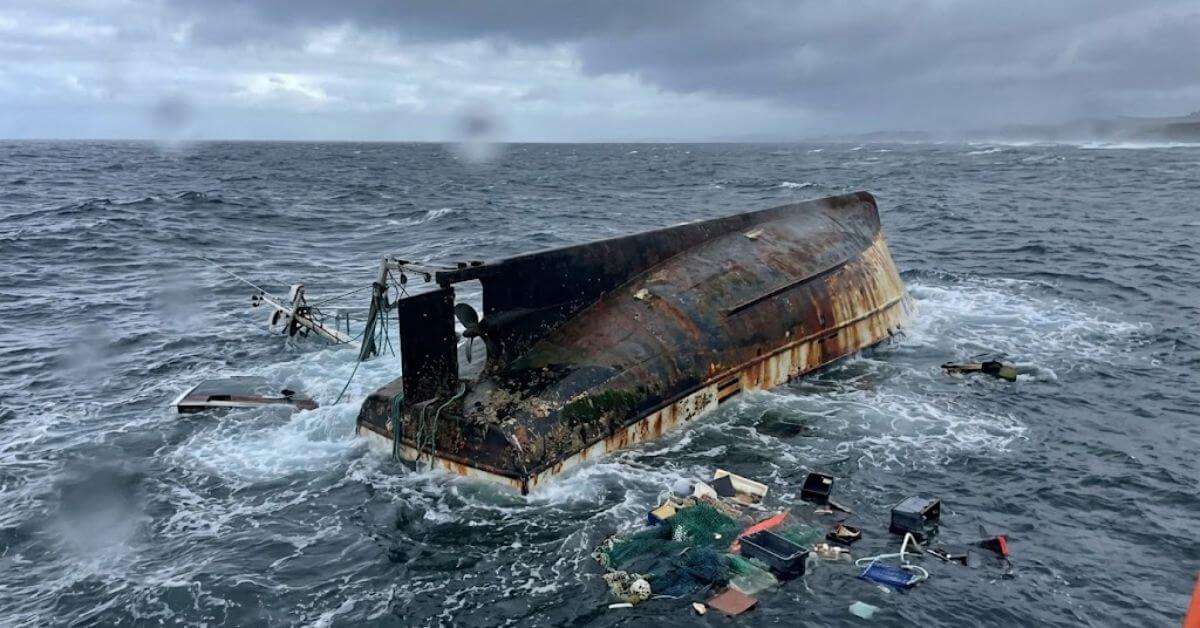
Human tragedy in Djibouti waters underscores urgent need for integrated ocean safety
A boat carrying dozens of people sank near Guhere, north of Obock, Djibouti, during the night of October 8-9. The human tragedy is a stark reminder that ocean safety cannot be fragmented. Lives depend on integrated, coordinated response systems. Our recent coverage of Europe's COASTEX 2026 trial shows how multi-agency maritime coordination is being validated in real-world exercises. These capabilities are not theoretical; they are urgently needed wherever vessels cross dangerous waters.
Persistent Lifebelt Signal Guides Cargo Ship to Rescue After 20 Hours at Sea
A flashing light on a lifebelt guided a cargo ship to a stranded woman after 20 hours at sea. This rescue is a calibrated, real-time validation of why integrated ocean safety systems matter. For a deeper look at what happens when those systems fail, see our related coverage, "Human tragedy in Djibouti waters underscores urgent need for integrated ocean safety."
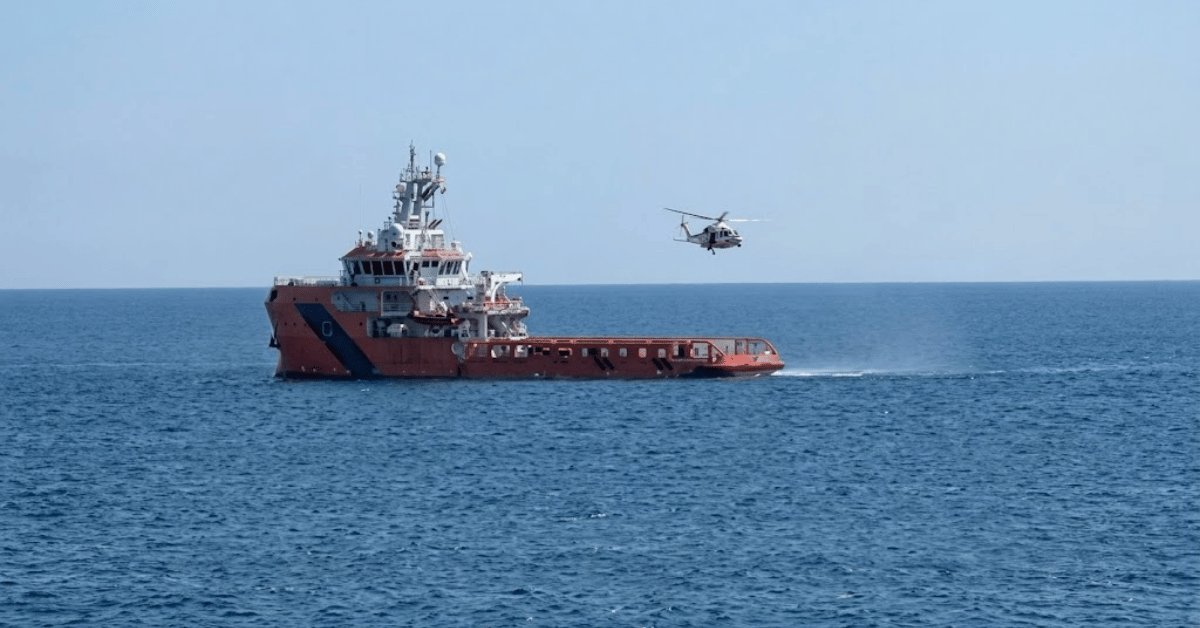
Validating coordinated ocean response through Europe's COASTEX 2026 trial
Off Sicily this week, European partners are putting multi-agency maritime response to the test during COASTEX 2026, a trial led by EMSA that validates coordinated ocean response at scale. The exercise measures what happens when surveillance, coast guards, and navies share real-time data under pressure. Precision matters most when lives are at sea. Our recent coverage of Bulgaria's search for missing crew after a drone strike reinforces why these calibrated, collaborative drills are essential, not theoretical.
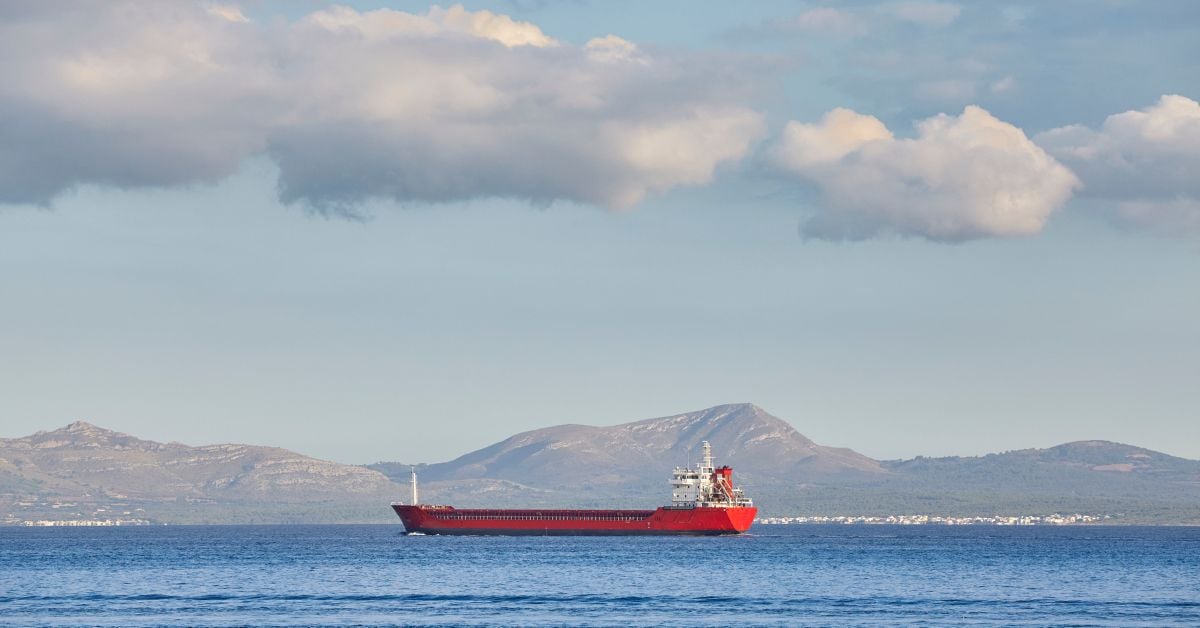
Bulgaria concludes search for missing crew after drone strike in its waters
Bulgaria has ended the search for missing crew members of a cargo vessel that sank 70 nautical miles off its coast after a drone strike. This measured decision reflects the grim realities of escalating maritime threats. The incident is not isolated; as our coverage notes, "Black Sea Maritime Attacks Injure Two Indian Seafarers, Urge Immediate Action" documents four vessels attacked in just 48 hours. These empirical data points demand integrated, real-time monitoring to protect seafarers and global supply chains.
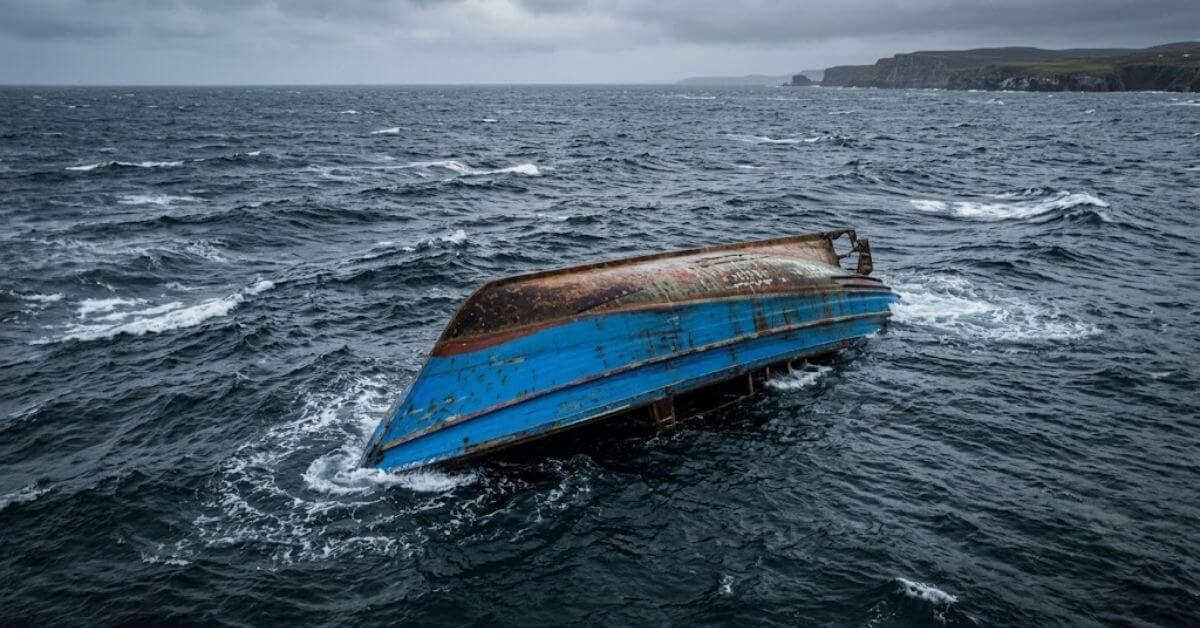
Rescue Boat Overturns Off Western Cape Coast, Three Confirmed Dead
Three people have died and two remain missing after a rescue boat capsized off South Africa's Western Cape coast. This is a stark reminder of the risks maritime responders face daily. The loss is measured in lives, not statistics. For context on recent maritime emergencies, our coverage of the *Ferry fire tragedy prompts criminal complaint against captain amid 77 confirmed deaths* underscores the critical need for accountability and safety protocols across the industry. Understanding these patterns drives protection.
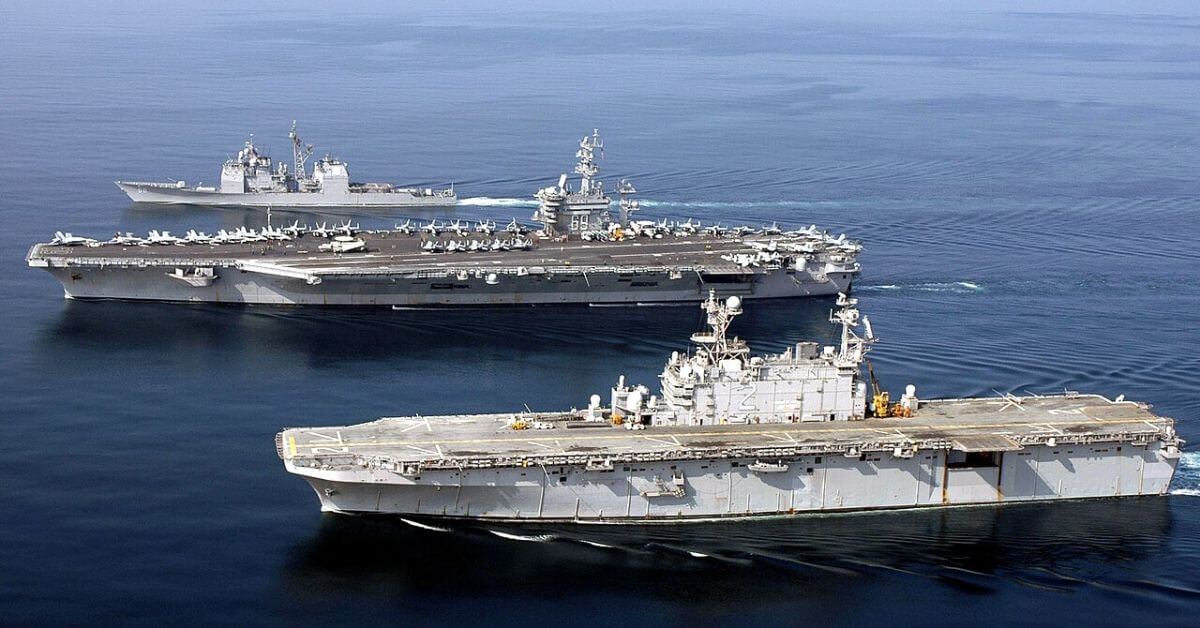
Incident during carrier recovery operations injures four Navy sailors
Aircraft recovery operations are among the most demanding tasks at sea. On Sept. 28, at 6:18 p.m. EDT, a Nimitz-class carrier experienced an incident that injured four Navy sailors. We take no comfort in reporting these events, but they underscore the human cost behind every operational cycle. The Navy's concurrent push to integrate autonomous systems, detailed in our article "Navy Accelerates Autonomous Systems Integration for Enhanced Maritime Operations", suggests a future where such risks may be reduced. Safety must remain measurable, not aspirational.
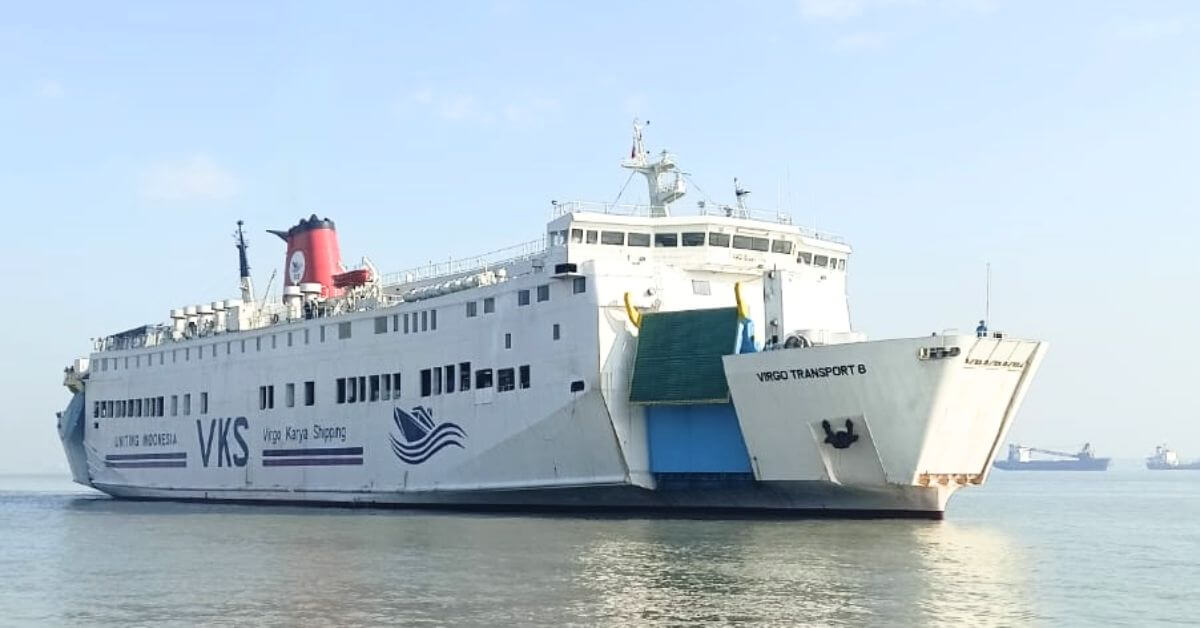
Search data confirms 71 lost as Virgo Transport 8 recovery continues
Divers recovered five more bodies from the sunken Virgo Transport 8, confirming 71 lives lost in this Indonesian ferry disaster. Each number represents a preventable tragedy. Recovery continues, but the search is no longer about rescue, it is about accountability. These accidents are not random; they are failures of oversight. For deeper context on disaster preparedness gaps, see our coverage of Nepal's early warning shortcomings. Understanding drives protection.
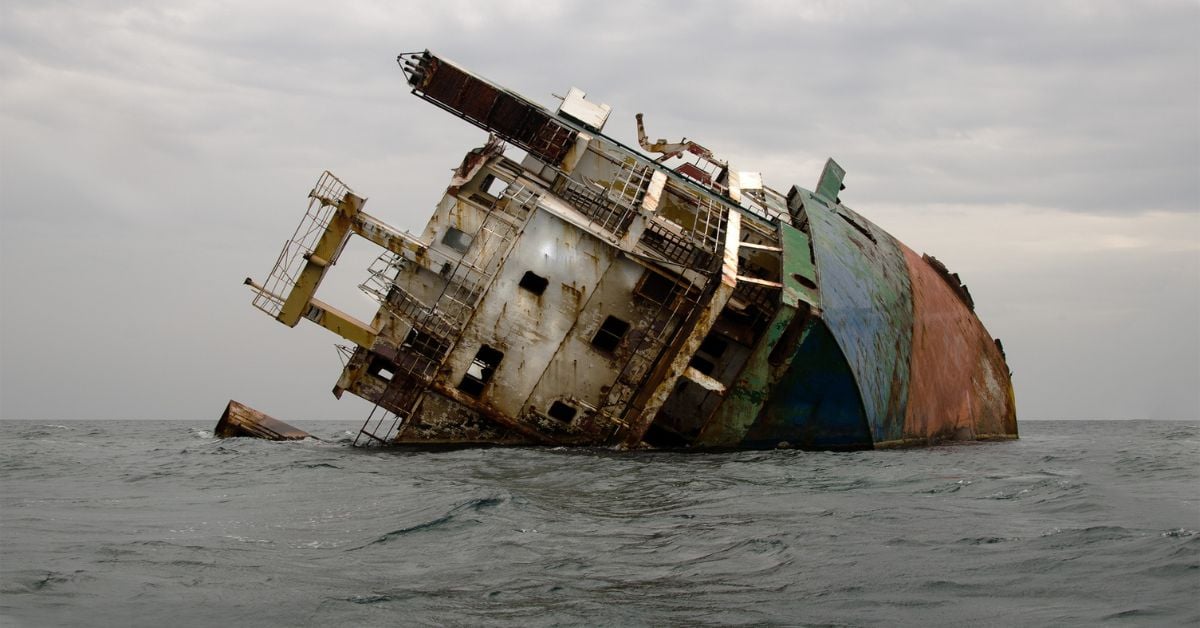
Overloaded vessel capsizes on Lake Kivu, second fatal sinking in a week
The Kisheki village head confirms what we already know too well: overloading kills. A vessel carrying more than 50 people has capsized on Lake Kivu near Idjwi Island, the second fatal sinking in a week. This is not an accident; it is a predictable failure of oversight. Empirical data on vessel capacity exists. Ignoring it costs lives. For deeper context on regional maritime tragedies, see our coverage of the Lake Tanganyika sinking. Understanding drives protection.
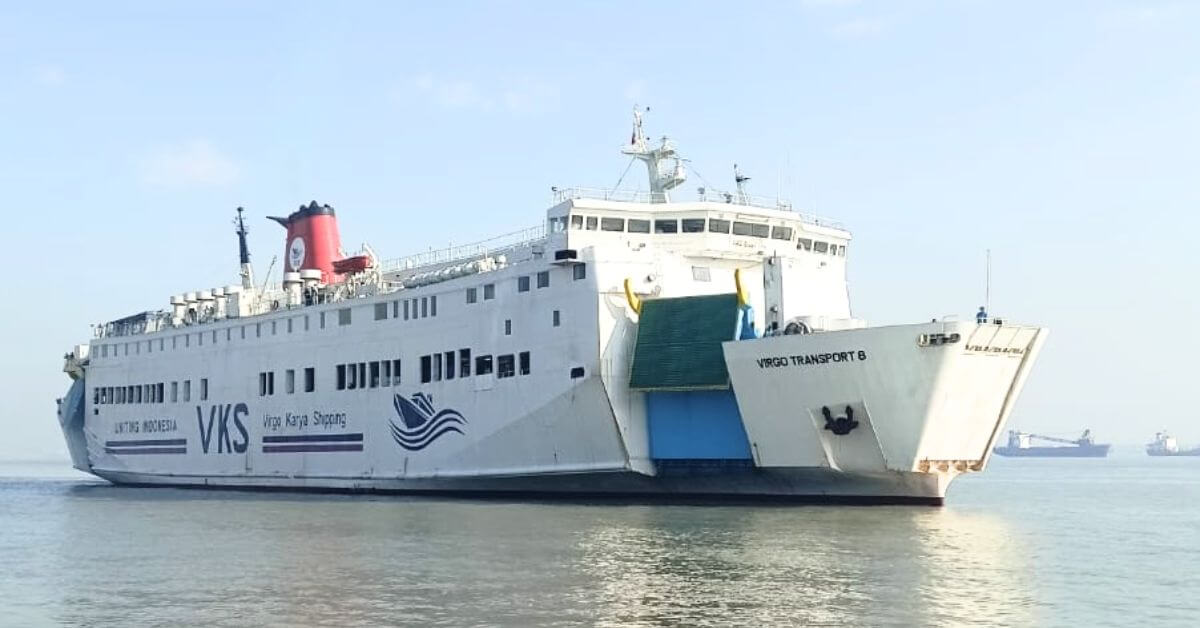
Search Continues as Death Toll Climbs Following KM Virgo Transport 8 Sinking
Search and rescue teams in Indonesia have recovered three more bodies from the wreck of the KM Virgo Transport 8, raising the death toll as the search continues. Each recovery brings a measure of closure, yet it also sharpens the question of what more can be done to prevent such losses. The data emerging from this tragedy is raw, but it underscores the need for rigorous, evidence-based safety protocols.
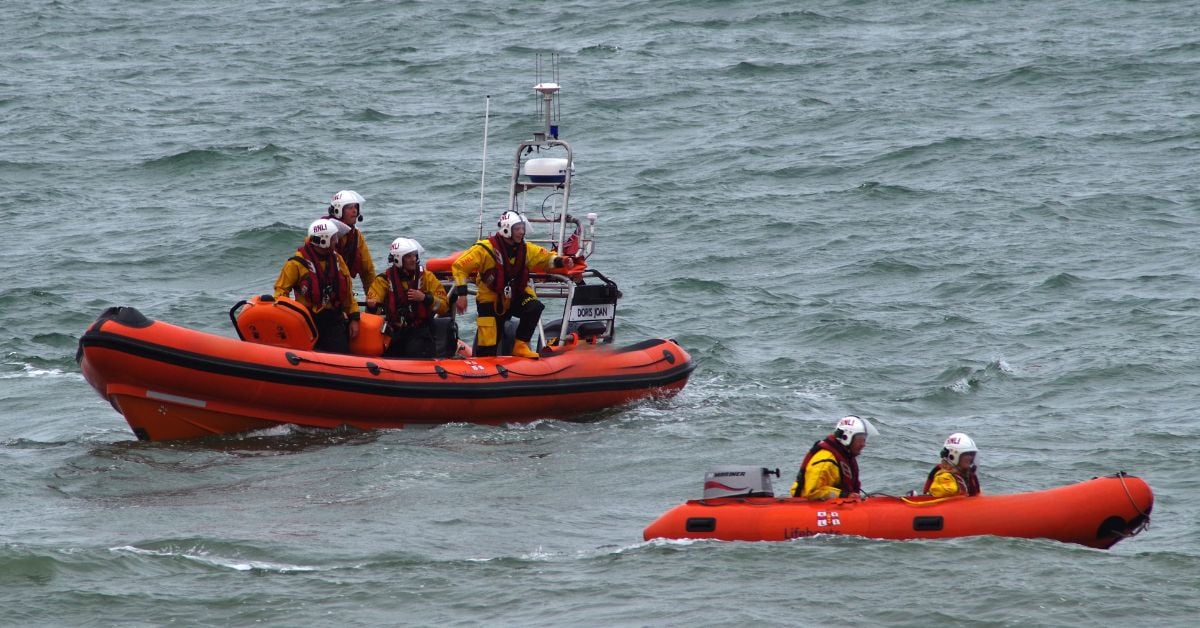
Recovery Efforts Underway for Capsized Indonesian Ferry, 129 Still Missing
The Java Sea recovery operation is now moving with deliberate precision as authorities prepare to right the capsized ferry, a necessary step in accounting for the 129 still missing. Six lives have been lost, and each hour matters. The operation demands the same empirical rigor we apply to any maritime investigation: calibrated, methodical, and transparent. This is not a spectacle; it is a responsibility.
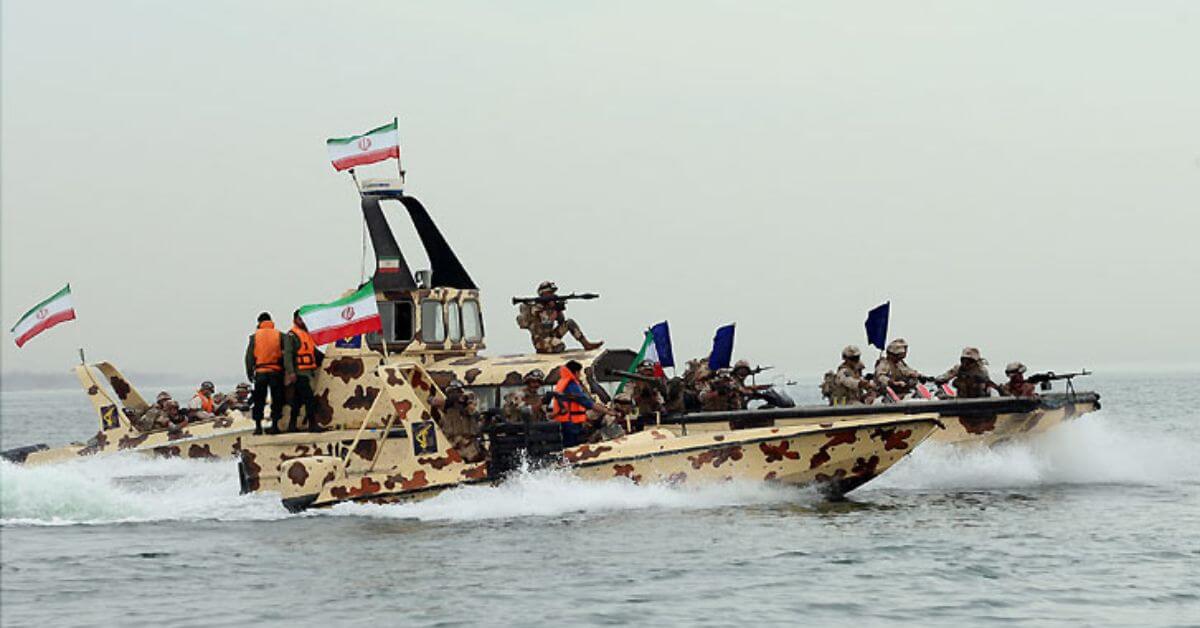
US Navy Responds to Iranian Attempt to Intercept Autonomous Saildrone.
The US Navy's response to an Iranian attempt to intercept one of its autonomous Saildrone vessels underscores a quiet but firm escalation in maritime competition. At roughly 25 feet, this uncrewed craft operates alone, yet its presence clearly signals strategic intent. This is measured deterrence, not provocation. The Navy's growing reliance on such platforms aligns with its broader push to integrate robotic systems, a move that also echoes in the Indian Navy's fleet projections.
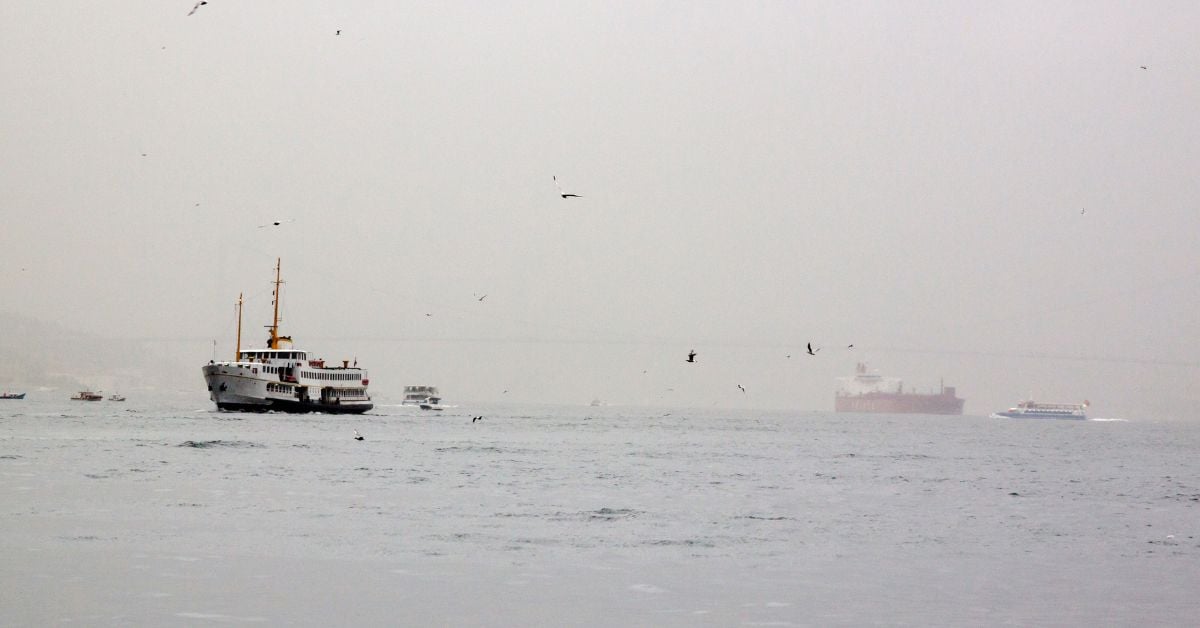
Body of Captain Recovered Following Sea of Marmara Collision
The recovery of Yaşar Kayhan's body, found five kilometers from the Sea of Marmara collision site, brings a somber closure to a search that began with uncertainty. Now transported to the forensic department, the focus shifts to determining the cause of death with empirical precision. This incident underscores the inherent risks of maritime operations, where every voyage carries measurable stakes. For deeper context on regional maritime dangers, our coverage of the fatal attack on a cargo ship in the Black Sea highlights similar vulnerabilities.
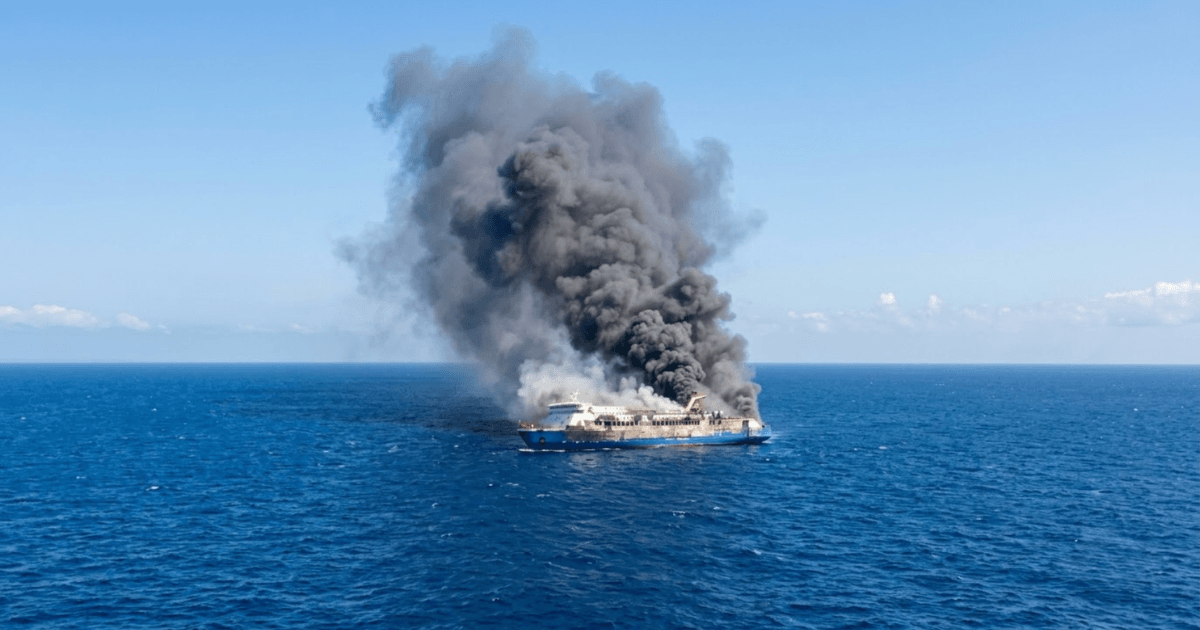
Search Intensifies as Ferry Sinking Leaves 140 Missing in Java Sea
A ferry lost contact in the Java Sea, leaving 140 people missing and one confirmed dead. Indonesian search teams have evacuated 103 of the 243 passengers aboard the *Virgo Transport 8*, but the operation intensifies as hours pass. Each maritime incident demands rigorous, empirical analysis to improve safety protocols. Understanding drives protection. For deeper context on recent shipping dangers, see our coverage of the cargo ship fire near Mykonos.
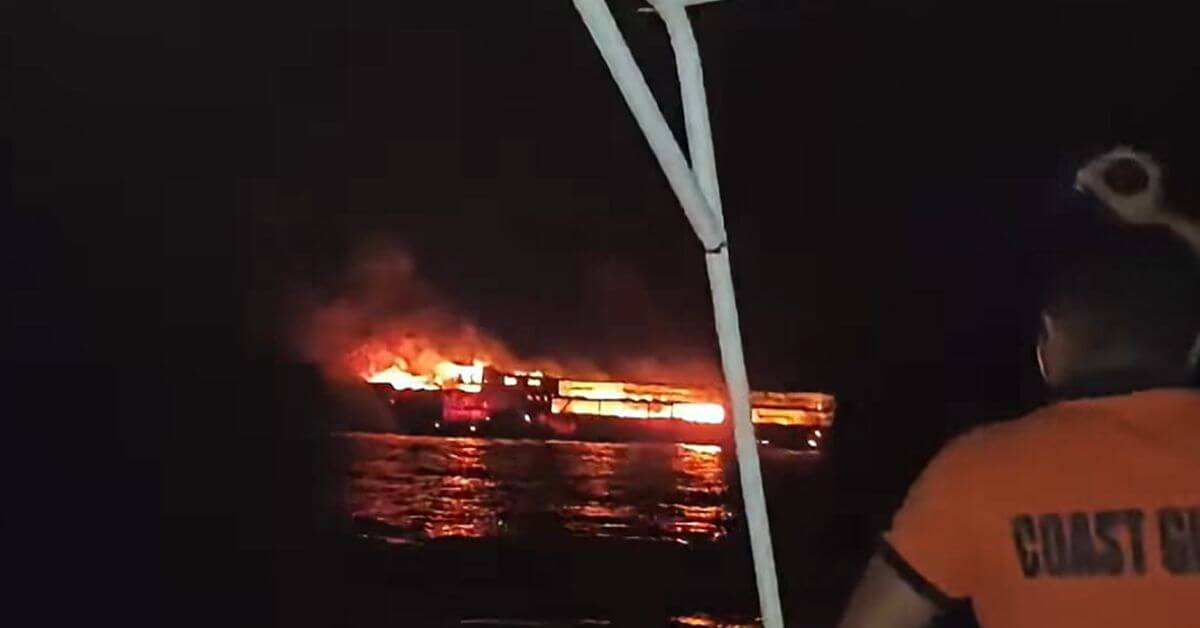
Philippines Ferry Fire: Search Underway for Dozens Missing at Sea
A fire erupted aboard the MV June Aster at 6:45 p.m. on September 9, while the ferry sailed from Manila to Coron in Palawan province. A search is now underway for dozens still missing at sea. These incidents demand rigorous, data-driven investigation. For deeper context on maritime emergencies, see our coverage of the recent cargo ship fire near Mykonos. Understanding these patterns is essential to improving safety protocols across global shipping lanes.
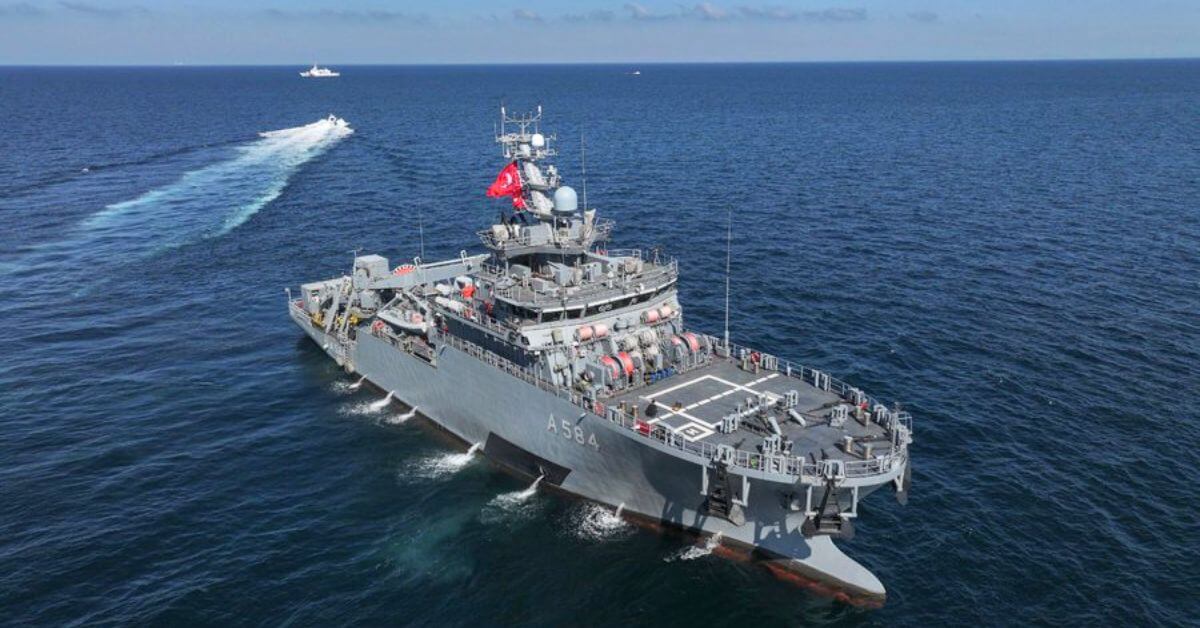
Search Continues for Crew After Collision and Sinking Near Istanbul
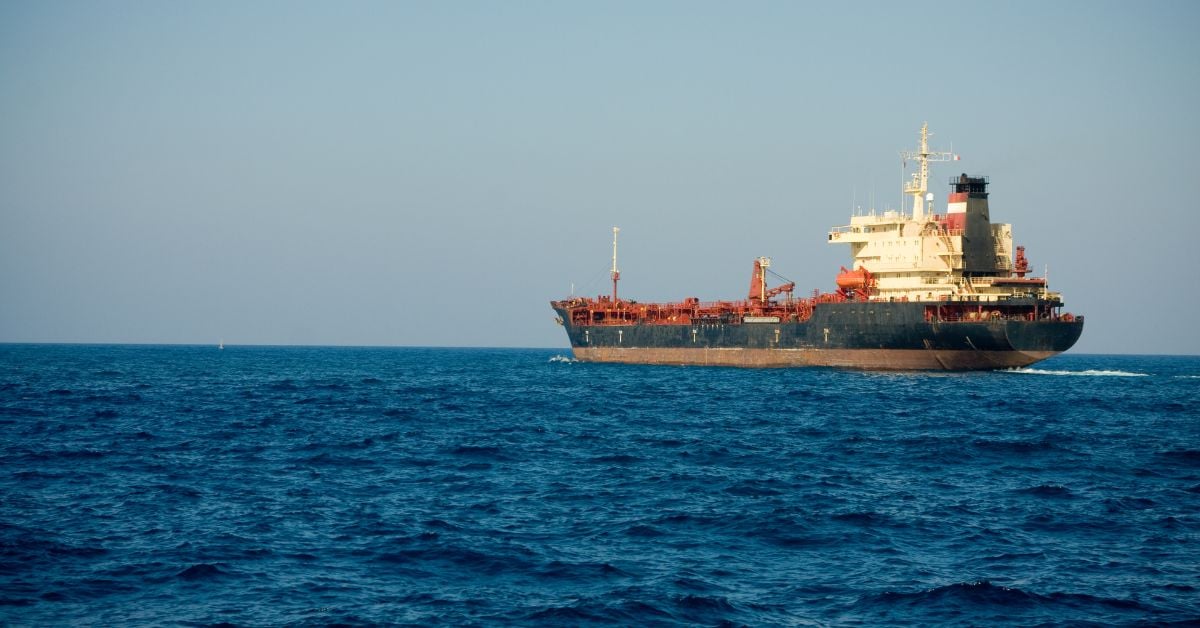
A collision in the dark hours near Istanbul has sent a search into motion. The Tugberk Imamoglu struck the Turkish-flagged Alsu at roughly 3 a.m. local time on Wednesday, Sept. 2, and crew members remain unaccounted for. The incident underscores how quickly maritime operations can shift from routine passage to response. For those tracking the human element of ocean intelligence, this is a sobering reminder that data and vigilance must always serve safety first. We continue to follow the search as it unfolds.
Collision Investigation: Captain and Officer Face Negligent Homicide Charges
The arrest of the ALSU's captain and 3rd Officer on negligent homicide charges marks a decisive turn in the collision's aftermath. Police acted with purpose, holding command accountable for a tragedy that demands answers. This is not about assigning blame prematurely; it is about measuring responsibility against empirical evidence. When lives are lost at sea, the standard must be exacting. For context on maritime risks, our coverage of the cargo ship fire near Mykonos underscores how quickly operations can escalate.
Tugboat Sinking Near Busan: Search Underway for Six Missing Crew.
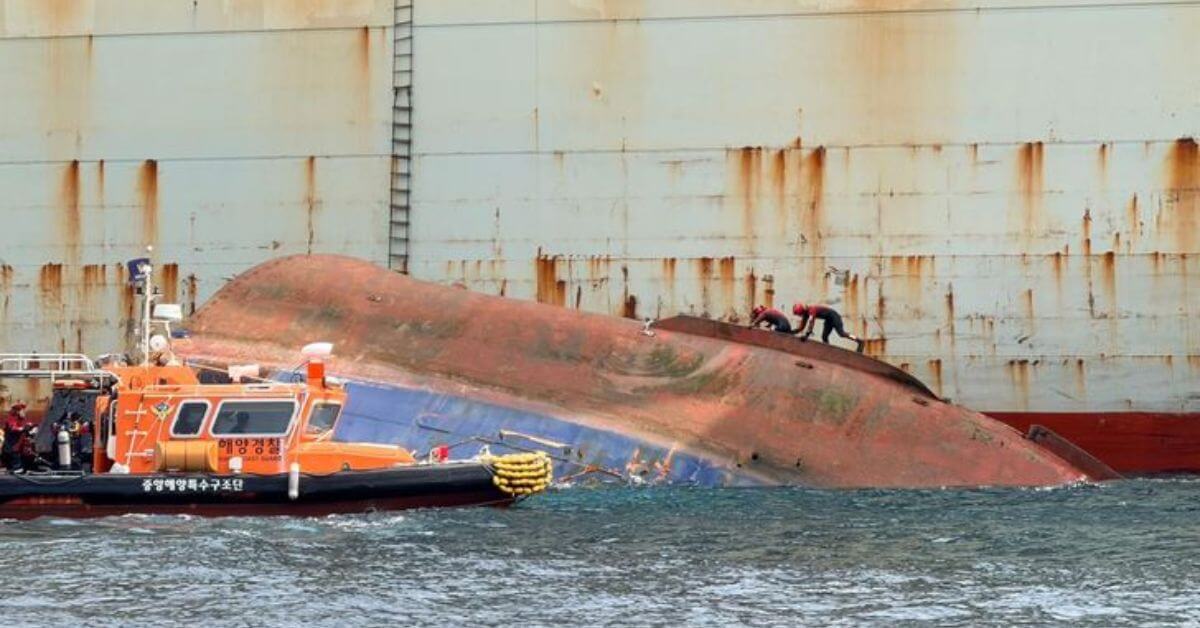
A 286-tonne tugboat capsized and sank east of Oryukdo Island, leaving six crew members missing. The TNS Catcher went down at roughly 1:29 p.m., fully disappearing beneath the surface by 3:27 p.m. Search operations are underway, and every minute matters in these waters. Maritime emergencies like this remind us how quickly conditions can turn. For broader context on recent incidents, our coverage of the cargo ship fire near Mykonos offers a similar case of rapid response.
Loss of Life and Missing Persons Following Ferry Sinking in Eastern Mediterranean
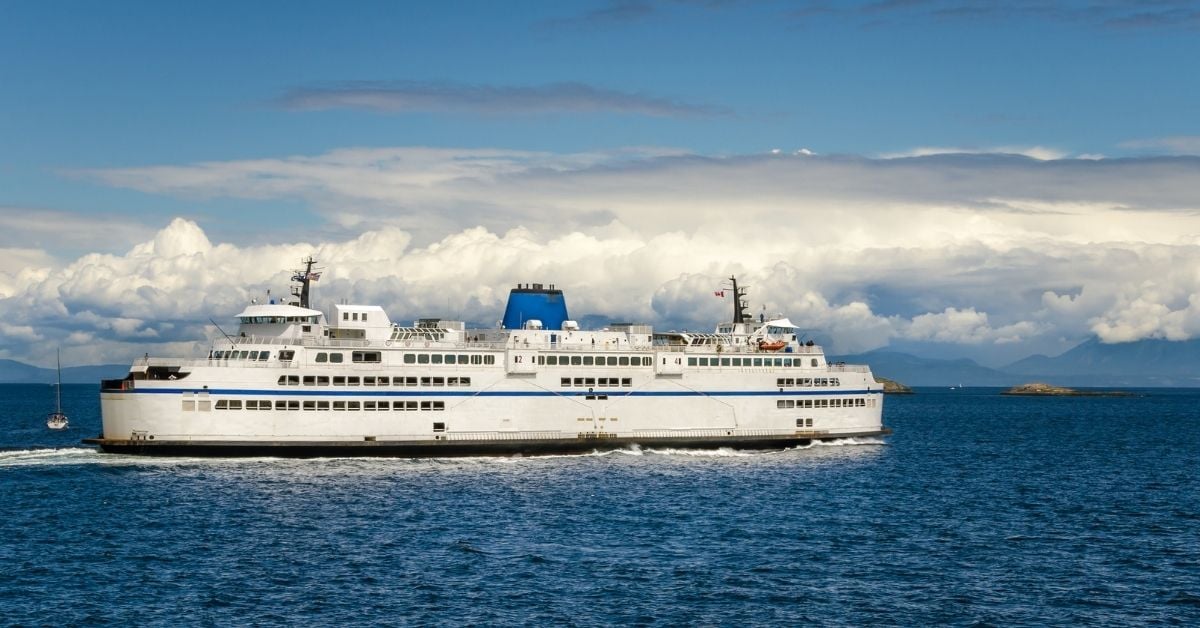
A passenger ferry en route from Girne to Tasucu sank after taking on water in the Eastern Mediterranean, leaving authorities to investigate the cause as they account for missing persons. The loss of life demands rigorous, transparent inquiry. Maritime safety depends on validated, real-time reporting and shared lessons across jurisdictions. This incident echoes recent coverage, including the cargo ship fire near Mykonos, underscoring that vessel resilience remains a pressing concern. Understanding drives protection; we will follow the investigation closely.

Lifeboat Recovered, Search Continues for Missing Crew in Bay of Bengal
The Indian Coast Guard ship *Varad* recovered the lifeboat from the Bay of Bengal at approximately 7 a.m. Tuesday, yet the search for the missing crew continues. A boarding team inspected the craft and found no survivors. The absence of personnel raises sobering questions about the sequence of events. This measured outcome underscores the urgency of coordinated search efforts. For broader maritime context, our related coverage, including "Integrated Subsea Infrastructure Shifts to Enhance Indian Ocean Connectivity," highlights the region's growing strategic importance.

Coordinated Response Saves 27 From Ablaze Vessel Near Galapagos Islands
When the fishing vessel *Ricky A* pulled 27 crew members from a life raft near the Galápagos Islands, coordination became the quiet hero of the day. The container ship *Oluf Maersk* also diverted to assist, a swift, practical response that underscores how shared maritime discipline saves lives. This is the kind of real-time cooperation that strengthens ocean security.

Canada Bolsters Arctic Capabilities with New Icebreaker Fleet.
Canada is putting steel behind its Arctic strategy with a new icebreaker fleet that will give NATO its largest polar capability. The move sharpens a quiet but consequential gap: the United States operates just three aging polar icebreakers. This is what integrated ocean intelligence looks like in practice: measured, deliberate, and forward-deployed. For readers tracking the wider picture, our coverage of Russia's Northern Sea Route fleet plans offers a useful counterpoint. The Arctic is no longer a frontier; it is a jurisdiction.

MV Ocean Winner Sinks in Bay of Bengal; 22 Crew Missing
The MV Ocean Winner, a Panama-flagged bulk carrier, has sunk in the Bay of Bengal off Odisha, leaving 22 crew missing and only two survivors rescued from liferafts. The incident underscores the harsh realities of maritime transit in these waters, where operational risks remain high despite advancing navigation technology. Rescue efforts are now the priority, but the loss raises pressing questions about crew safety protocols.

Indigenous Design Bolsters Indian Navy’s Anti-Submarine Warfare Capabilities
INS Mangrol, with over 80 percent indigenous content, signals a practical stride in India's naval self-reliance. Designed and built by Cochin Shipyard, this anti-submarine warfare vessel proves that domestic capability can meet complex operational demands. We see this as measured progress, not hype. It aligns with the broader push for an expanded fleet, a topic we explore in "India Projects Expanded Naval Fleet to Navigate Evolving Maritime Landscape." Strengthening local design now builds a more resilient maritime future.