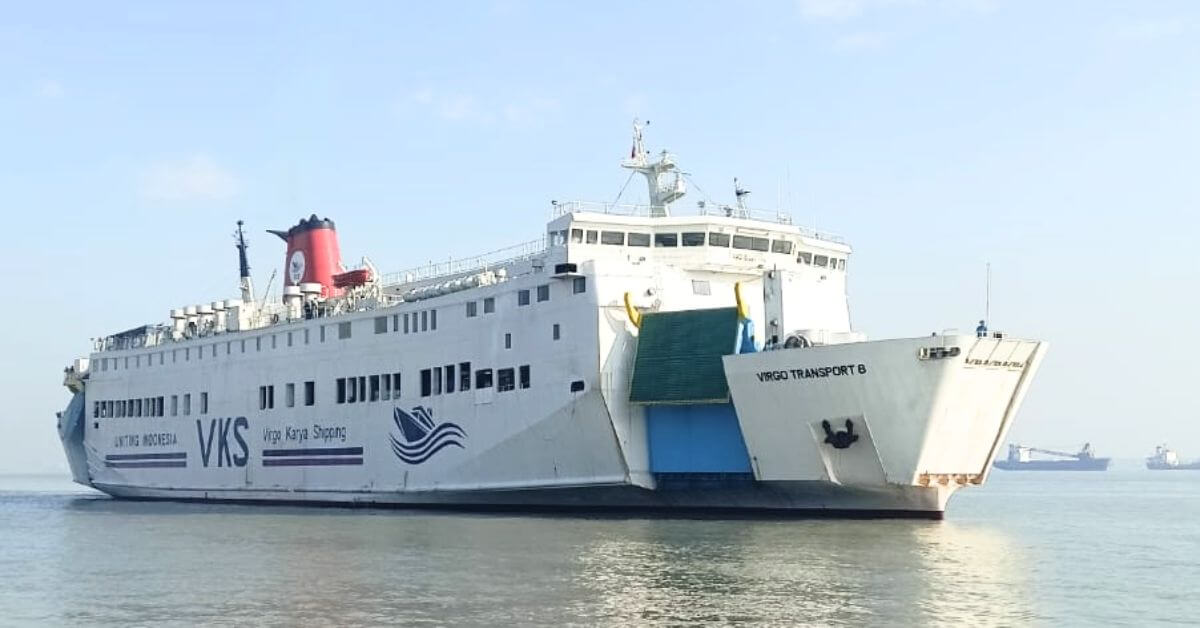
Seventy-one lives lost, and the search continues. The *Virgo Transport 8* disaster is not merely a maritime tragedy to be logged and filed; it is a calibrated signal of systemic failure that demands empirical scrutiny. Divers recovered five more bodies from the sunken ship on the sixteenth day of recovery, confirming a death toll that climbs with each measured descent into the wreck. For our readers, researchers, policy analysts, and ocean professionals, this is not abstract news. It is data we are obligated to integrate into a wider, uncomfortable picture of maritime risk, where the human cost is neither random nor inevitable.
The tragedy off Indonesia resonates with patterns we have seen elsewhere. The recent Calibrating early warnings to close Nepal's disaster preparedness gaps documents how gaps in warning systems and community readiness magnify death tolls in mountainous terrain. Replace snowmelt and debris flow with overcrowded ferries and patchy regulatory enforcement, and the structural weakness is identical. Likewise, the Search Efforts Continue After 40 Rescued, 2 Lost Off Mona Island underscores how makeshift vessels operating beyond effective oversight produce the same pattern of rescue and loss. These are not isolated events; they are repeated experiments in the absence of prevention. The *Virgo Transport 8* recovery effort should provoke a specific, uncomfortable question: what longitudinal indicators of hull integrity, crew training, or passenger manifest accuracy were available, and unheeded, before this vessel sailed?
Our position is direct: the ocean intelligence community must treat each maritime fatality as a peer-reviewed data point in a global system. A ferry sinking is not a weather event; it is a failure mode we can predict and calibrate against. The sustained recovery operation off Indonesia, now past two weeks, exposes the gap between reactive search and proactive prevention. Real-time monitoring of vessel traffic, integrated with validated weather and sea-state modeling, exists. The technology for "from orbit to ocean floor" visibility is operational. What remains absent is the political and economic will to deploy it as standard practice across the archipelagos and coastal routes where ferries serve as lifelines. We do not need more alarmist headlines about dying oceans. We need measurable commitments to close the gap between available ocean intelligence and applied safety protocols.
The open question that remains is not whether such disasters can be prevented, they can, with calibrated early-warning integration and enforced standards. The question is whether the data from this recovery will be used to calibrate the next generation of maritime safety, or whether it will be filed alongside the *Mona Island* capsizing and the Nepal debris flow as another tragedy we chose not to learn from. The answer will be written in the next hull inspection log, the next manifest review, and the next decision to sail.