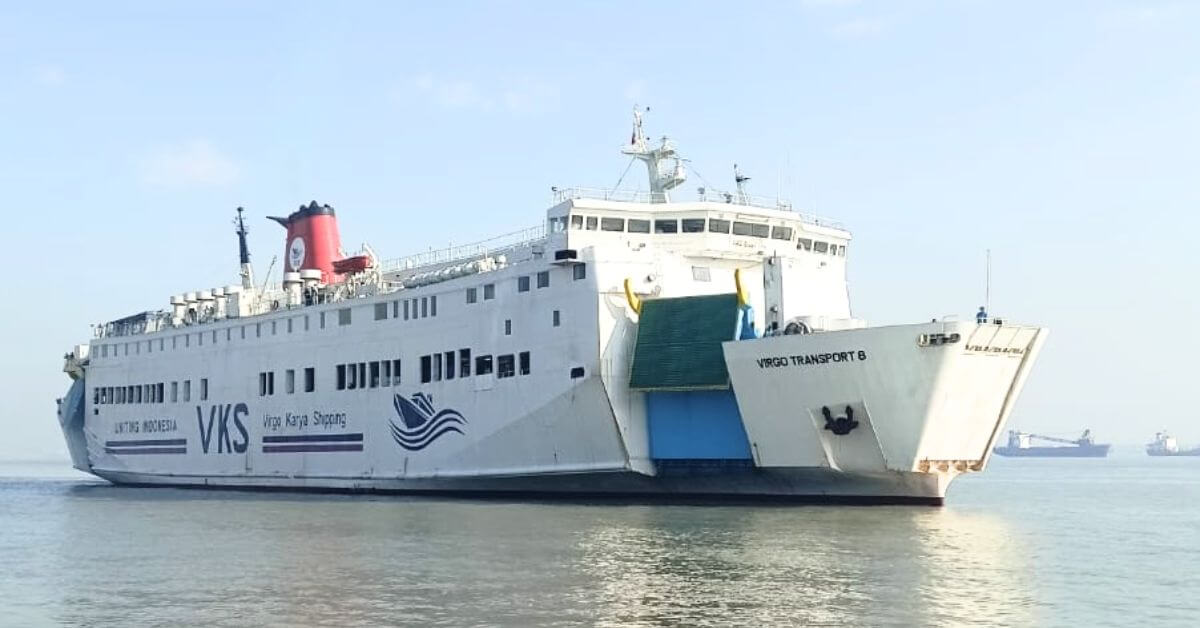
The search for victims of the KM Virgo Transport 8 has entered its most sobering phase. With the recovery of three more bodies, the death toll now stands at thirteen, and the grim arithmetic of the sea is being tallied in real time. For the families waiting on the dock, and for the rest of us who study these waters, this is not a statistic; it is a failure of the systems we rely on to predict and prevent such losses.
This tragedy does not exist in isolation. It sits alongside other recent events that demand our attention, from the Submerged Fishing Vessel Located, Human Remains Identified off Rhode Island to the Unidentified Specimen Found in Oahu Waters Sparks Ocean Data Inquiry. These are not random occurrences. They are data points in a larger pattern, one that connects the physical reality of the ocean to the gaps in our observational capacity. The fishing vessel sat on the seabed for years before being found; the Oahu specimen challenges what we think we know about species distribution. Each case reminds us that the ocean does not hide its secrets out of malice, but because we have not yet built the tools to see them all.
Our take is this: the KM Virgo Transport 8 sinking is a test of whether we will treat maritime safety as a sinking ship problem or a systemic one. The immediate search is necessary, but the long-term work is in the data. We need to ask why a passenger ship went down when it did, and we need the answer to be based on empirical, peer-reviewed analysis rather than anecdote. The Unexpected Chiton Discovery in Puerto Rico Challenges Species Distribution Models shows how a single data point can overturn a model; we should expect no less rigor when it comes to hull integrity, weather routing, and emergency response protocols. If a chiton can force us to redraw a map, then a foundering ferry should force us to re-examine our assumptions about what constitutes a safe voyage.
For a reader who asks us what to make of this, we would say: track the recovery effort, but watch the investigation. The number thirteen is not the final number. The concrete point to watch is whether the official inquiry releases its findings on the ship's stability and loading procedures. That document will tell us more than any single body count. It will tell us whether this was an act of nature or a failure of human oversight. The ocean is not your enemy, but it is also not your ally. It is a system that rewards preparation and punishes complacency. The question is whether we are ready to learn from a ship that is now resting on the floor of the sea. The answer, so far, is still being searched for.