aircraft carrier
World Data Ocean keeps aircraft carrier in one place: 33 stories so far. The section currently leads with “Carrier Roosevelt Arrives in Yokosuka as Pacific Exercises Begin”, “INS Vikrant model docks in Thiruvananthapuram as tribute to indigenous naval capability”, and “40 days of measured combat earns carrier strike group top military honour”. The USS Theodore Roosevelt, destroyer Decatur, and cruiser Chosin arrived in Yokosuka on Friday as Pacific exercises begin. A large-scale model of INS Vikrant now stands in Thiruvananthapuram, a tribute from the Indian Navy to the nation's first indigenously built aircraft carrier. A Global Hub for Ocean Intelligence 4 World Data Ocean is a centralized digital platform where researchers, scientists, and ocean enthusiasts converge to… The list below is every aircraft carrier story on World Data Ocean, newest first.
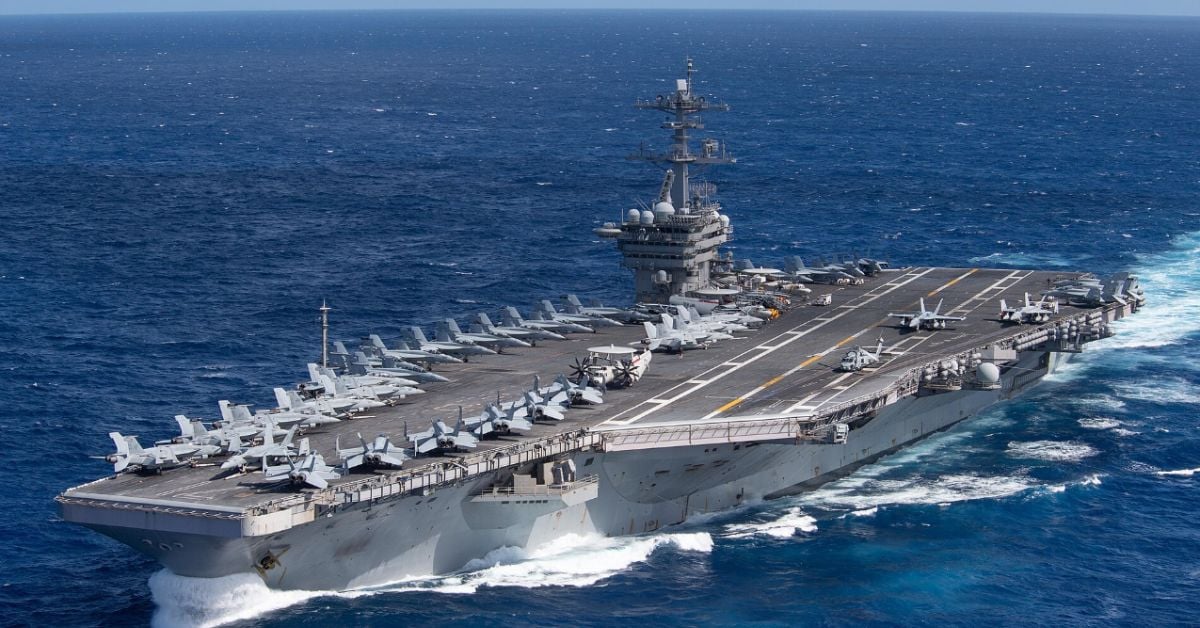
Carrier Roosevelt Arrives in Yokosuka as Pacific Exercises Begin
The USS Theodore Roosevelt, destroyer Decatur, and cruiser Chosin arrived in Yokosuka on Friday as Pacific exercises begin. This measured, forward deployment demonstrates integrated naval power and a commitment to regional stability. Understanding drives protection, and these operations provide empirical data on readiness. For deeper context on maritime security challenges, see our coverage of the cargo spill in the Strait of Hormuz.
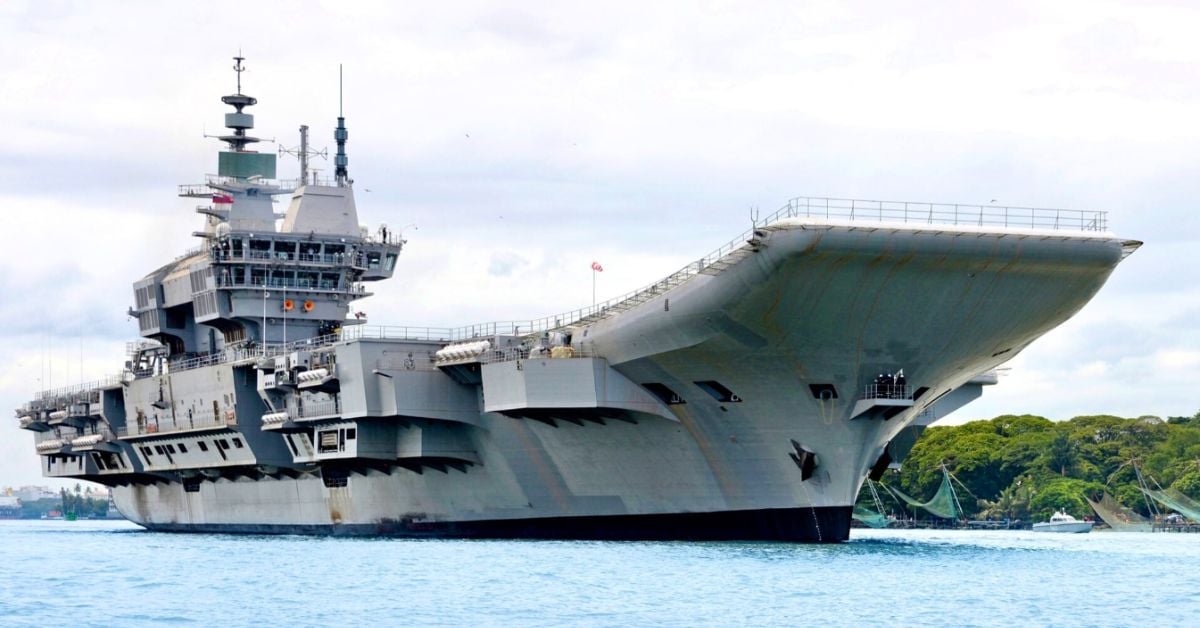
INS Vikrant model docks in Thiruvananthapuram as tribute to indigenous naval capability
A large-scale model of INS Vikrant now stands in Thiruvananthapuram, a tribute from the Indian Navy to the nation's first indigenously built aircraft carrier. The dedication anchors a broader push toward self-reliance in maritime defense, one that extends beneath the surface, as seen in India's deployment of military-grade ROVs to advance ocean intelligence. Understanding drives protection, and here, that principle is cast in steel and scale.
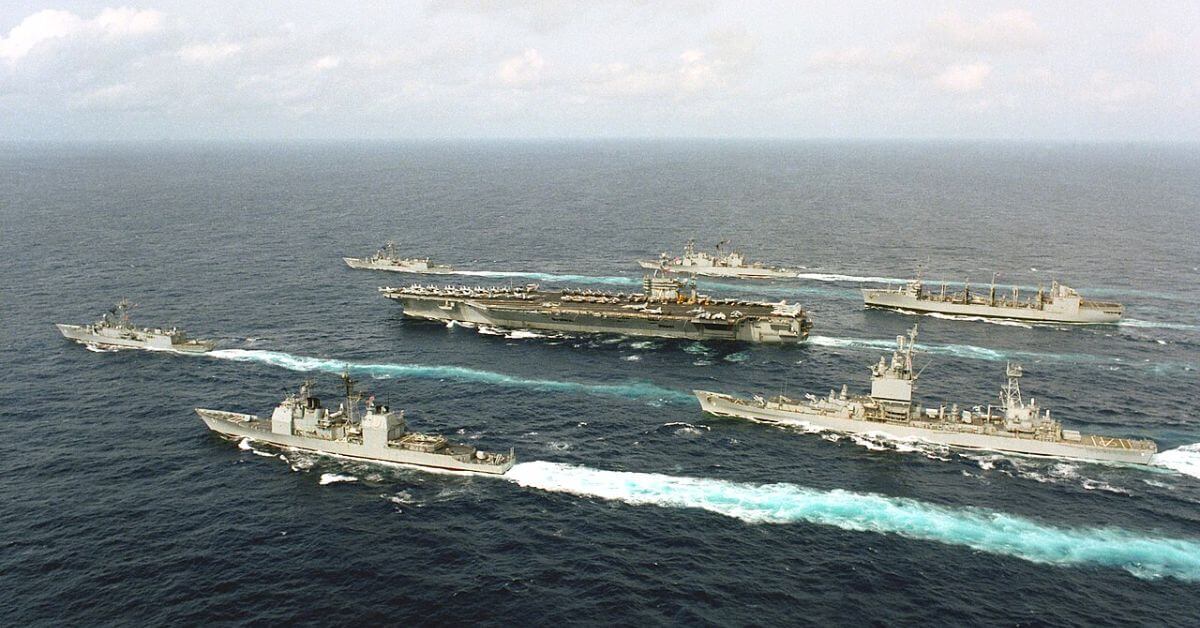
40 days of measured combat earns carrier strike group top military honour
Forty days of measured combat. That is what earned the carrier strike group its top military honour, announced Wednesday by US Defence Secretary Pete Hegseth. The award, delivered a day before the planned return, validates the kind of sustained, calibrated force projection that defines modern naval readiness. For deeper context on extended deployments, see our coverage of the USS Abraham Lincoln's 322-day journey home.
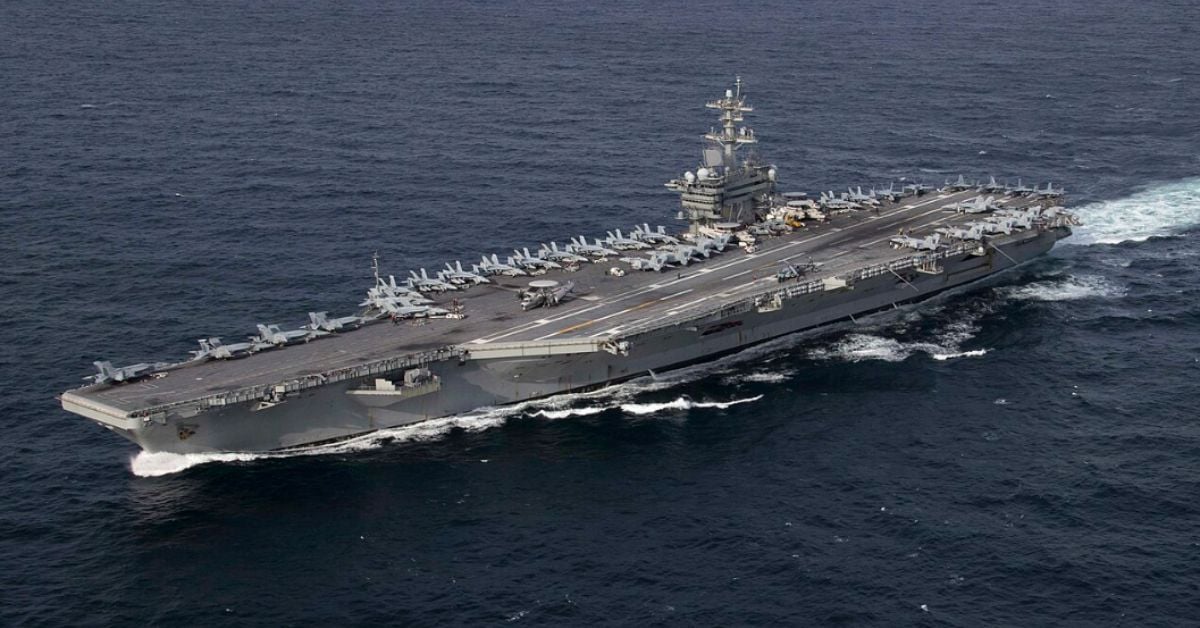
Longitudinal deployment of USS Abraham Lincoln concludes, validating extended naval readiness
Three hundred twenty-two days at sea. The USS Abraham Lincoln has returned home, concluding a longitudinal deployment that validates extended naval readiness. This isn't just a homecoming; it's a measured, empirical proof point for sustained maritime operations under real-world pressure. The data from this record deployment strengthens our understanding of long-duration readiness. For deeper analysis of the operational metrics, see our related piece on "265 days at sea: validated data from a record naval deployment."
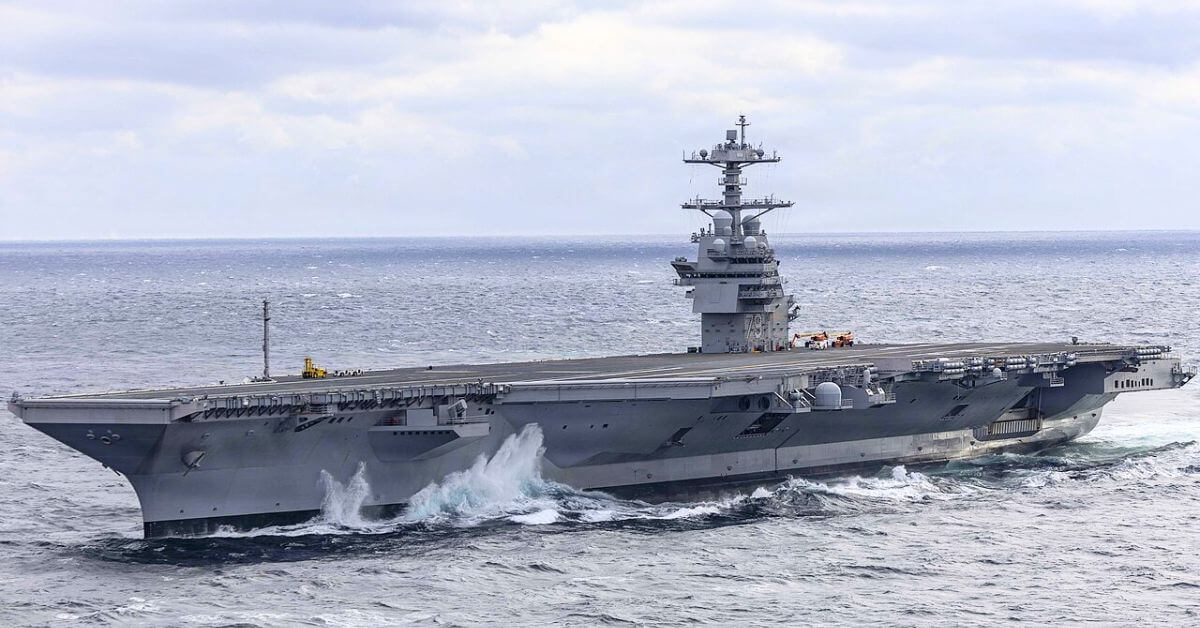
Aircraft Carrier John F. Kennedy Reaches 99% Completeness Ahead of 2027 Handover
99% complete and fully integrated. The future USS John F. Kennedy is nearly ready, with all major systems finished and handover to the Navy on track for spring 2027. This is what measured, validated progress looks like. For perspective on the full lifecycle of carriers, read our piece on the *Carrier Bush Arriving in Thailand*, which explores operational readiness after deployment. Precision engineering like this builds the ocean intelligence we rely on for global security.
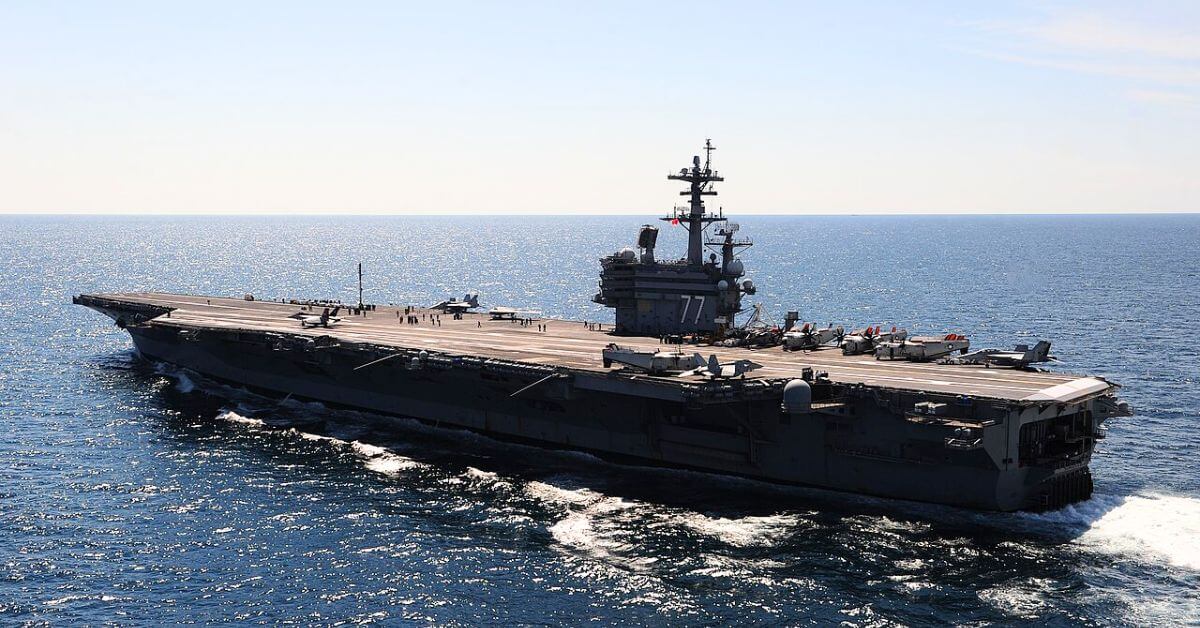
Carrier Bush Arrives in Thailand With 4,800 Personnel After Deployment
A US aircraft carrier has arrived off Phuket, Thailand, carrying 4,800 personnel after a deployment. The George H.W. Bush's presence underscores the calibrated nature of naval power projection in a region where energy security and measured deterrence remain pressing concerns. For deeper context on maritime strategy, see our coverage of "2 million barrels of crude move beyond the Strait of Hormuz in a calibrated shift." Understanding these movements is essential for grasping the integrated dynamics of ocean intelligence and global security.
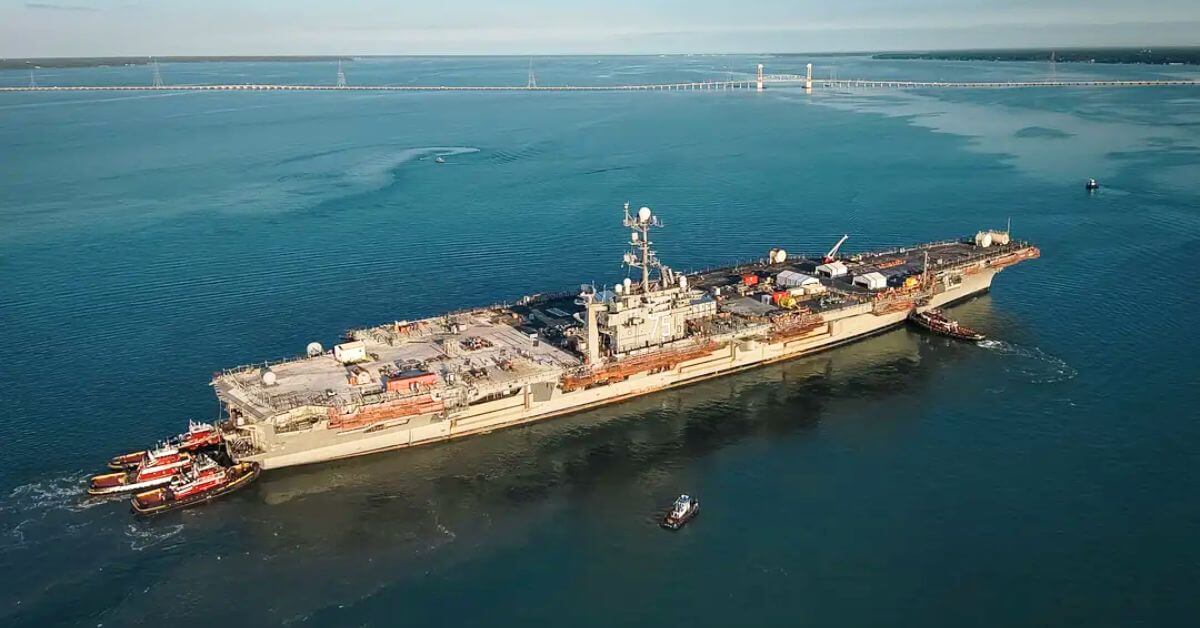
A $5.1 Billion Overhaul Begins for Carrier Truman at Newport News
The USS Harry S. Truman has arrived at Newport News Shipbuilding for a nearly $5.1 billion overhaul, a measured, necessary investment in sustained naval readiness. This refueling and complex overhaul ensures the carrier remains operational for another half-century, a validation of long-term strategic planning. Such commitments to maintaining existing platforms are as critical as developing new capabilities, a theme explored in our coverage of next-generation naval aviation.
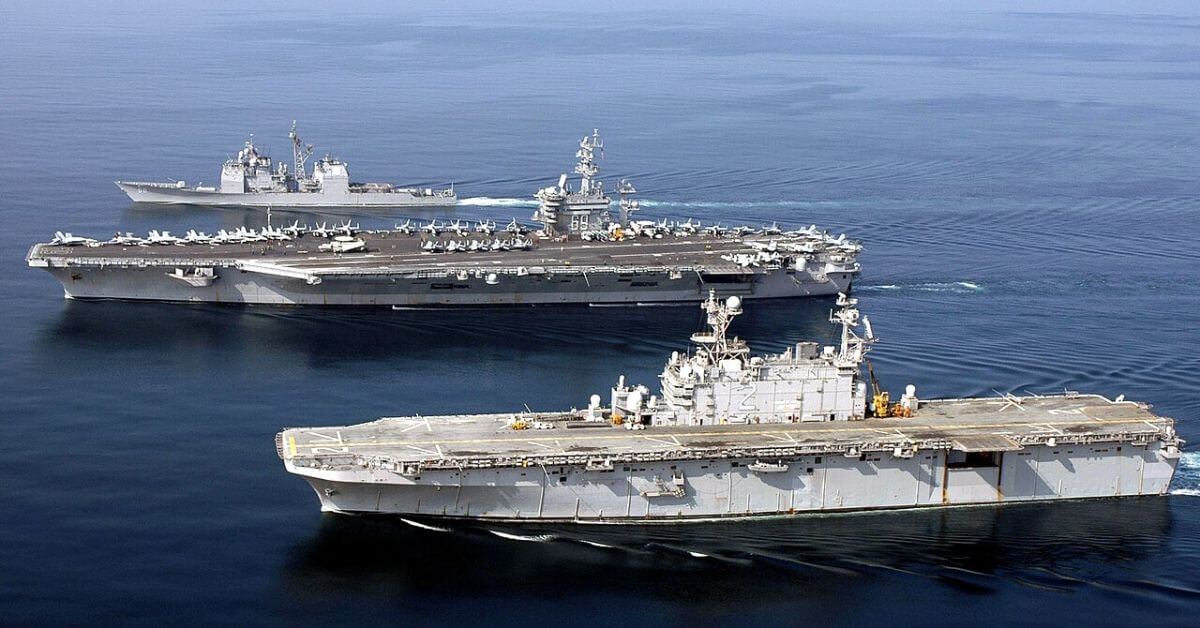
Incident during carrier recovery operations injures four Navy sailors
Aircraft recovery operations are among the most demanding tasks at sea. On Sept. 28, at 6:18 p.m. EDT, a Nimitz-class carrier experienced an incident that injured four Navy sailors. We take no comfort in reporting these events, but they underscore the human cost behind every operational cycle. The Navy's concurrent push to integrate autonomous systems, detailed in our article "Navy Accelerates Autonomous Systems Integration for Enhanced Maritime Operations", suggests a future where such risks may be reduced. Safety must remain measurable, not aspirational.
China’s New Nuclear Carrier Signals Extended Naval Operations Capability
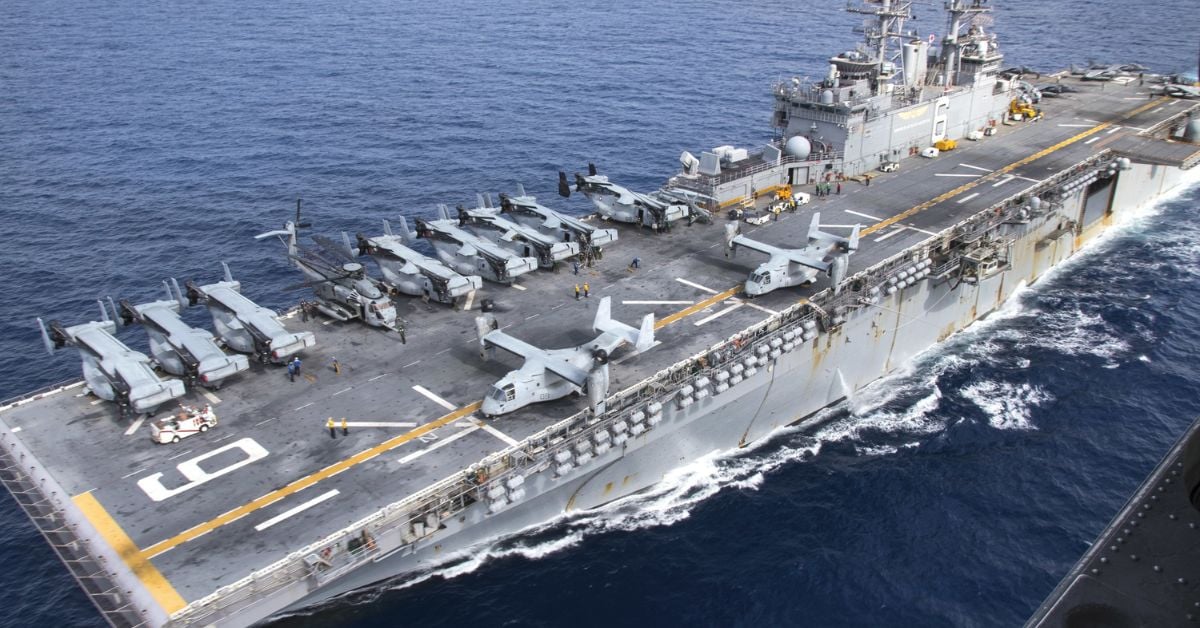
China's newest aircraft carrier, reportedly nuclear-powered, is built to outlast and outgun U.S. carriers in deployment length and ammunition capacity. That is a deliberate statement of extended naval reach, not a boast. The strategic logic is clear: endurance wins contests. For readers tracking how maritime power shifts ripple through global trade, our related piece on Gulf of Oman STS transfers maxing out shows the same pressure points in action. Understanding these moves is how we measure what comes next.
Indonesia Launches First Aircraft Carrier, Signaling Naval Expansion
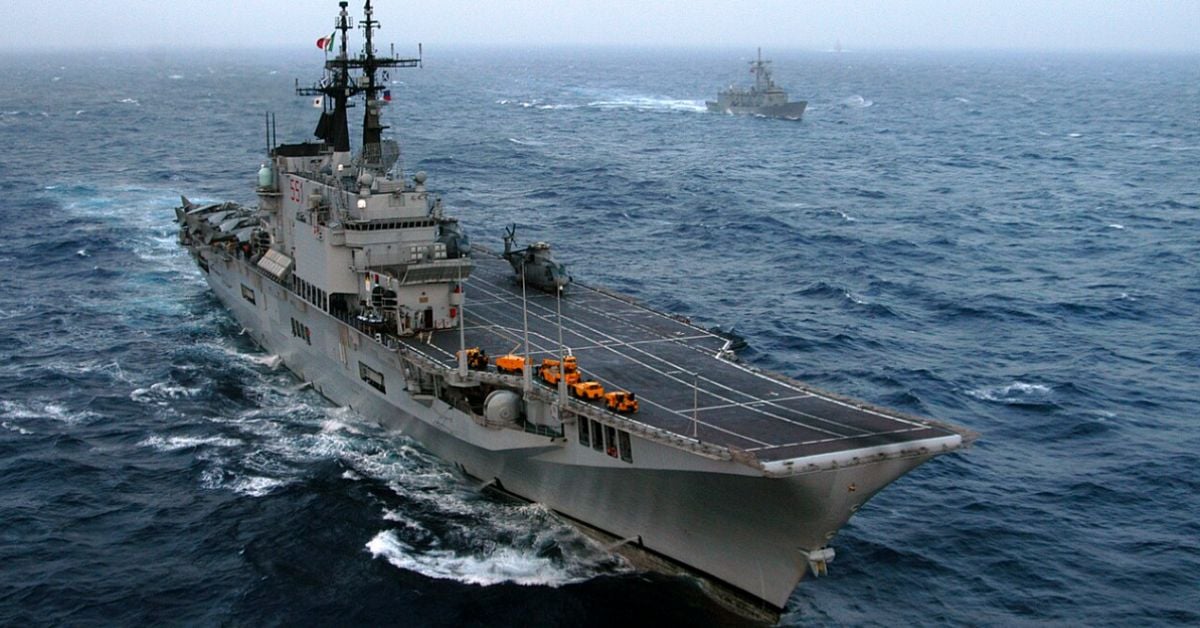
Indonesia's acquisition of the Giuseppe Garibaldi marks a deliberate step into a more capable maritime posture, transforming a retired Italian carrier into its first aircraft carrier. This is not merely a hardware purchase; it is a statement of regional intent, validated by the ship's proven design. The move aligns with broader naval ambitions seen across Asia, from India's projected fleet growth to Russia's icebreaker investments. For Indonesia, the Garibaldi offers measurable power projection, yet its real value will depend on integrated operations and crew readiness.
Navy Personnel Face Justice for Fentanyl Distribution Aboard Aircraft Carrier
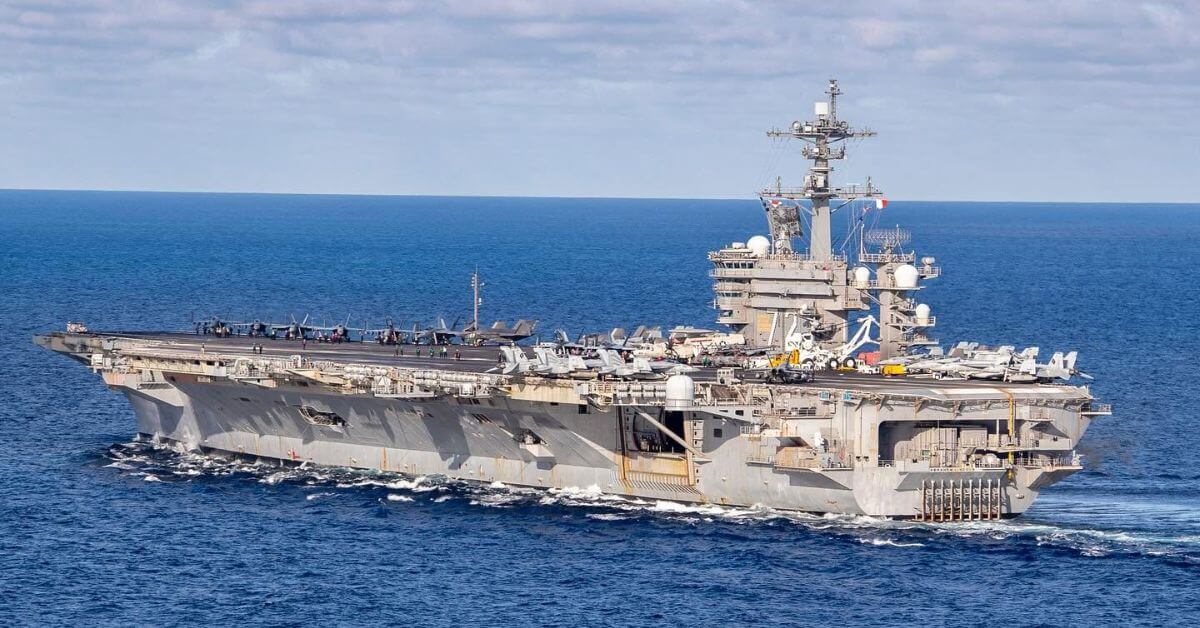
Two former U.S. Navy sailors have pleaded guilty in federal court to selling counterfeit oxycodone pills laced with fentanyl to fellow crew members aboard an aircraft carrier. This is a sobering breach of trust, one that compromises both legal integrity and the operational readiness our forces depend on. Accountability here is not optional; it is essential.
Naval Innovation: Aircraft Carrier Ford to Power Norfolk Base.
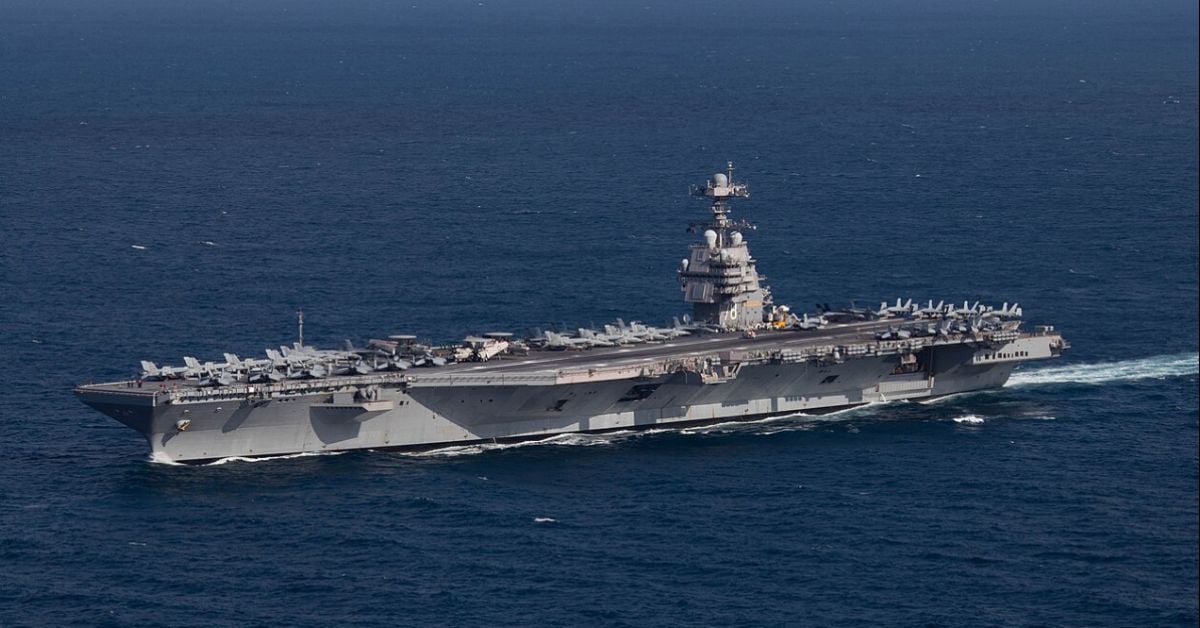
The USS Gerald R. Ford, the world's largest aircraft carrier, is set to power a Norfolk naval base, a move that turns operational might into energy resilience. We see this as a practical fusion of defense capability and infrastructure needs, though the details remain scarce. The logic is compelling: leverage a floating reactor for shore-side stability.
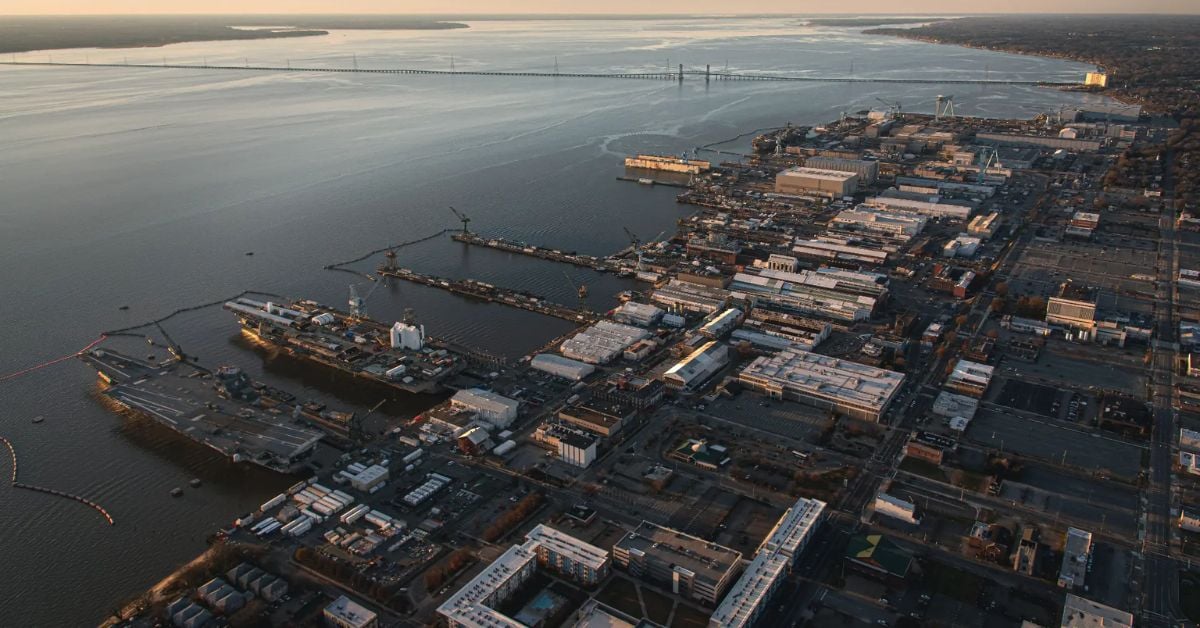
Naval Aviation's Future: HII Secures Contract for Next-Generation Carrier
A $336 million agreement with HII secures the components for CVN 82, a nuclear-powered carrier that will extend the Navy's operational reach. This is a deliberate investment in long-term maritime capability, not a headline-grabbing gesture. The ship represents the kind of sustained, measurable progress that defines modern naval force design. For readers tracking how these platforms fit into a broader picture, our coverage of "China's New Nuclear Carrier Signals Extended Naval Operations Capability" offers useful context.
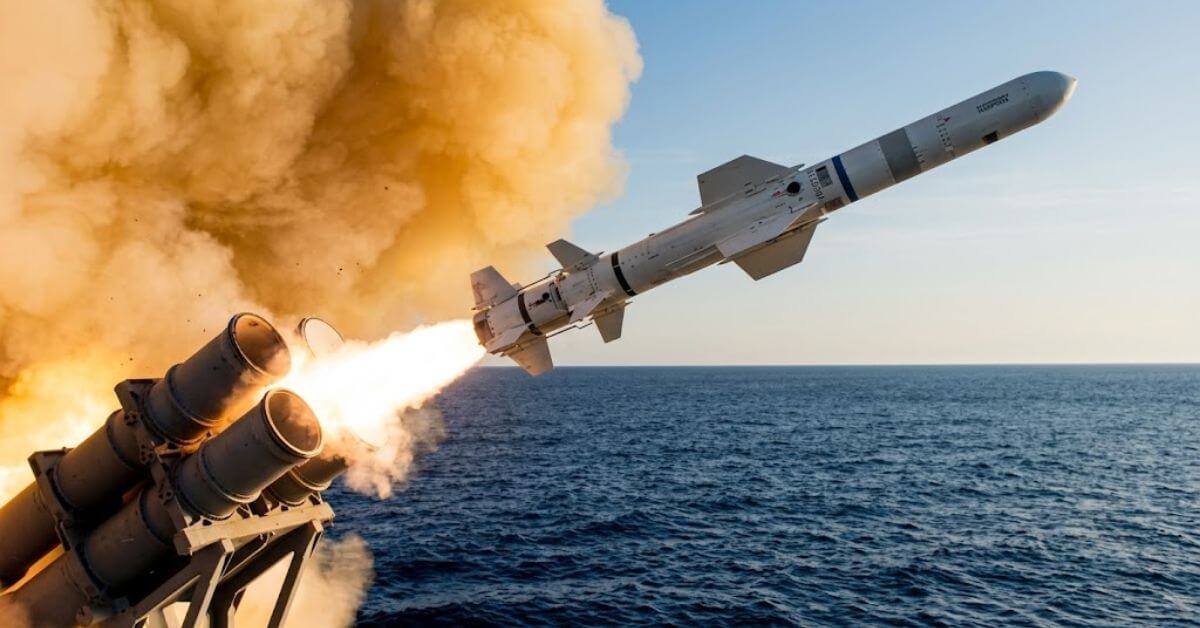
Escalation in Strait of Hormuz: Iran Tests Missile Near U.S. Navy.
Iran's IRGC announced a missile test near a U.S. aircraft carrier and destroyer in the Strait of Hormuz, a calibrated escalation that demands measured analysis. This is not alarmism; it is a real-time indicator of strategic friction in a waterway that carries a fifth of global oil. Such actions validate the urgency of integrated maritime monitoring. For deeper context on regional oil flows, see our related article on Gulf of Oman STS transfers operating at maximum capacity. Understanding drives protection.
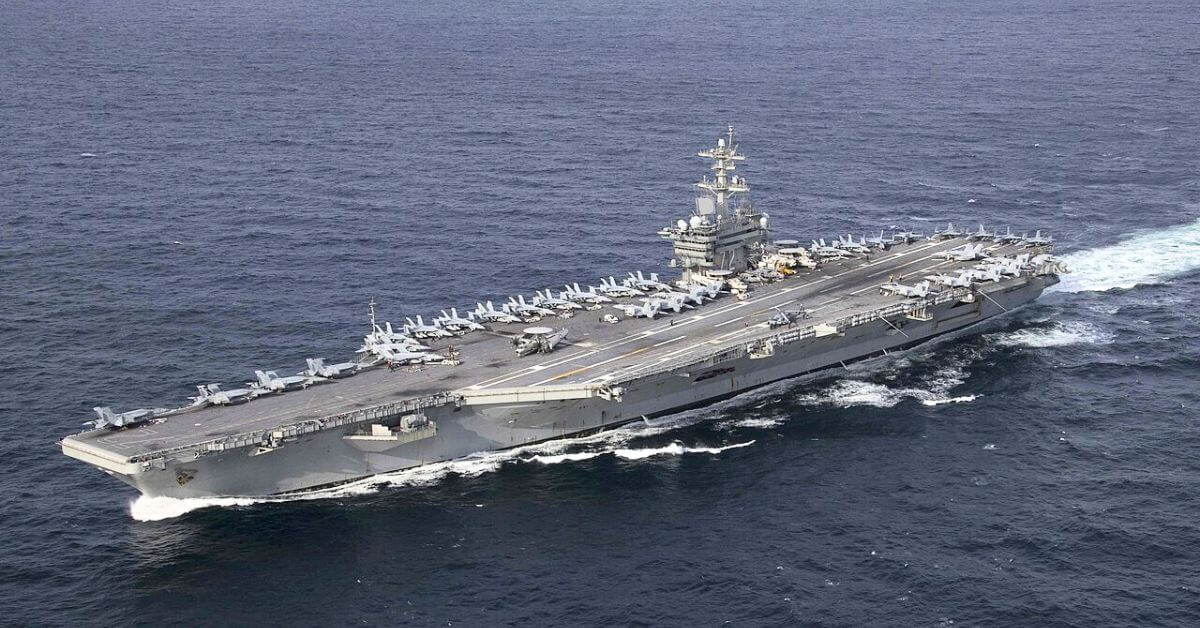
Abraham Lincoln Carrier Crew Recovers After Middle East Operations
The carrier crew's return marks the end of a demanding deployment, one that included extended operations in the Middle East. A short break now offers a measured pause before the rhythms of duty resume. Such respites matter; they restore focus and readiness. For context on the region's maritime pressures, our related piece on Gulf of Oman STS transfers highlights the logistical intensity that continues nearby. Operational tempo takes a toll, and acknowledging that is part of understanding naval power.
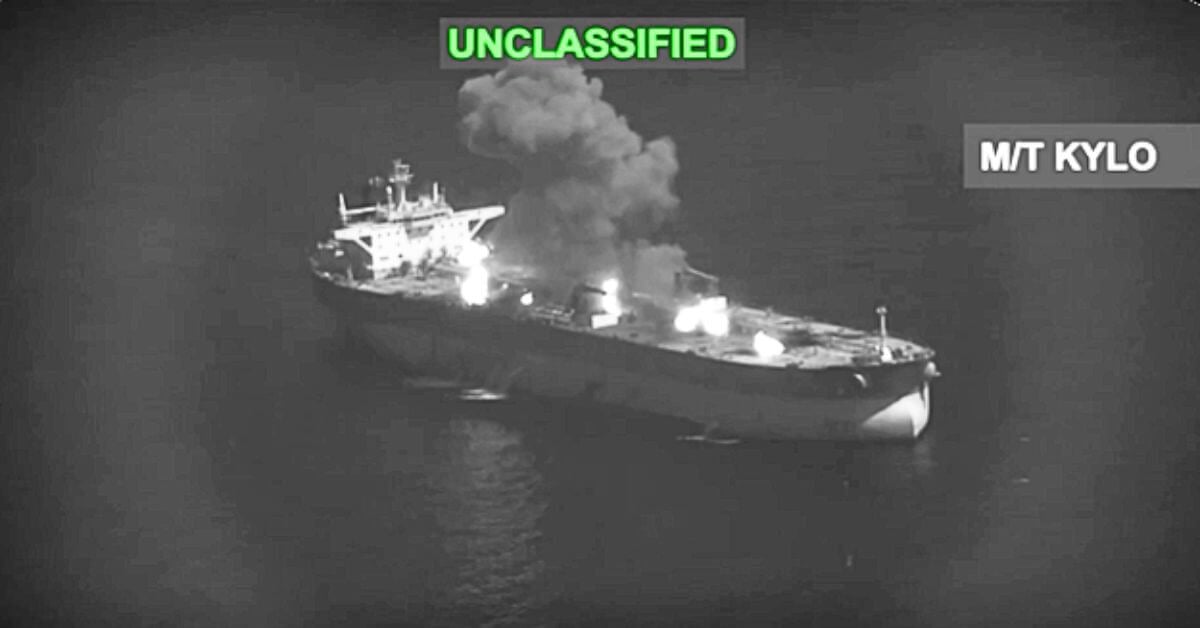
Escalation in the Persian Gulf: U.S. Responds to Iranian Attacks
A U.S. aircraft carrier and a guided-missile destroyer navigated through a series of Iranian attacks in the Persian Gulf without a single American casualty, according to CENTCOM. The outcome reflects precision under pressure, though the episode underscores how fragile maritime security remains in a region where energy flows and geopolitical stakes converge. This incident sits alongside broader tensions, such as those detailed in "Phased Negotiations Aim to Ease Restrictions on Strait of Hormuz," where diplomatic pathways remain tentative yet essential.
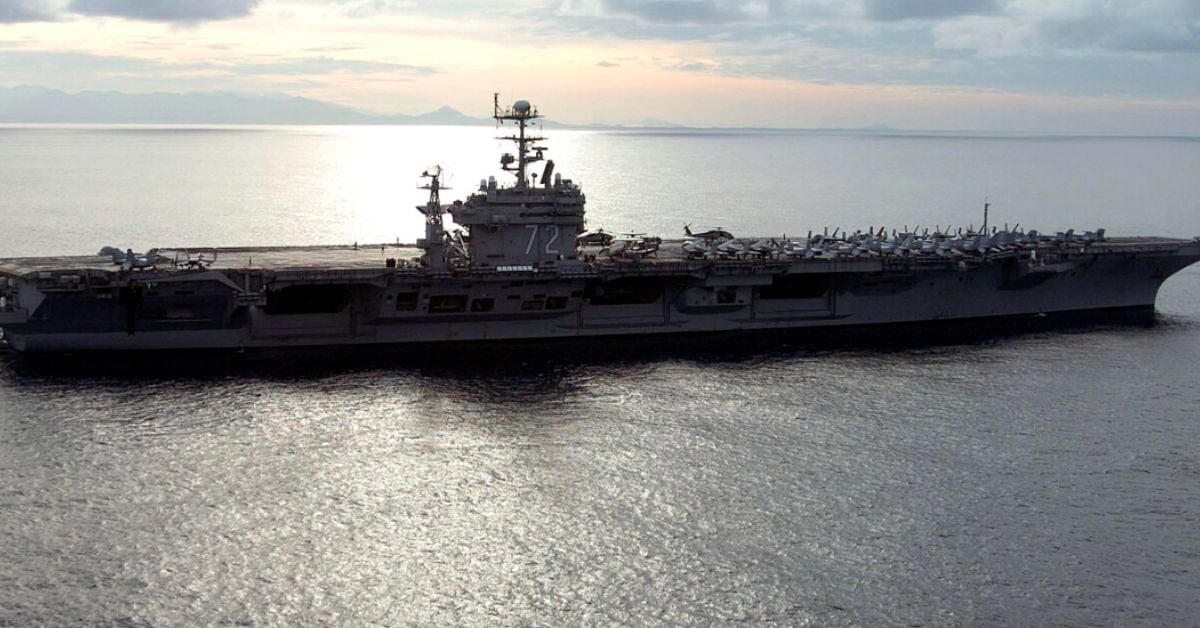
Naval Personnel Incident Under Review Following Overseas Altercation
Two sailors from the USS Abraham Lincoln are under review after an overseas altercation outside a bar, with a citizen calling police to resolve the incident. Discipline in such moments reflects directly on operational readiness, and the Navy's response will be closely watched. Incidents like this underscore why standards matter, especially as the service pushes forward on integration of new capabilities. For broader context on that push, see our coverage of the Navy's new center for autonomous systems integration.
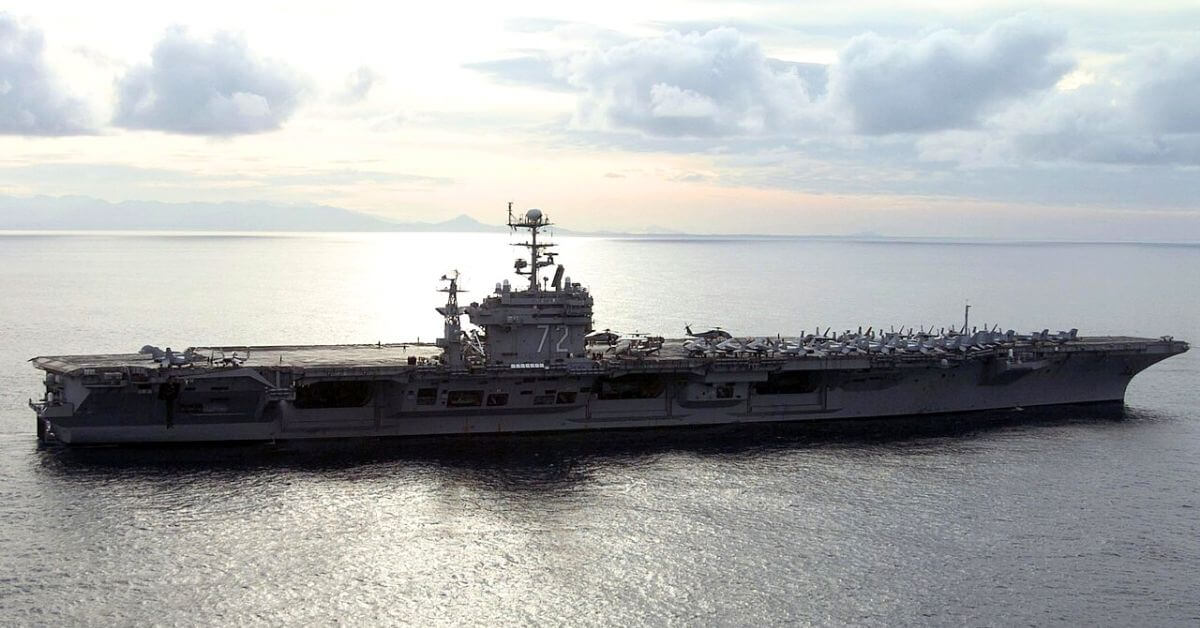
Longitudinal Deployment: Abraham Lincoln Carrier Completes 250+ Days at Sea
Two hundred fifty days. The Abraham Lincoln's extended deployment is a measured statement on readiness, not a boast. Spending nearly seven months in the U.S. Central Command area without a port call tests every system and every crew member. This endurance matters. It reflects a calculated projection of force where it is needed most, supporting stability in critical waters. As the Navy pushes for faster integration of unmanned systems, the Lincoln's tour proves the human and material backbone remains resilient.
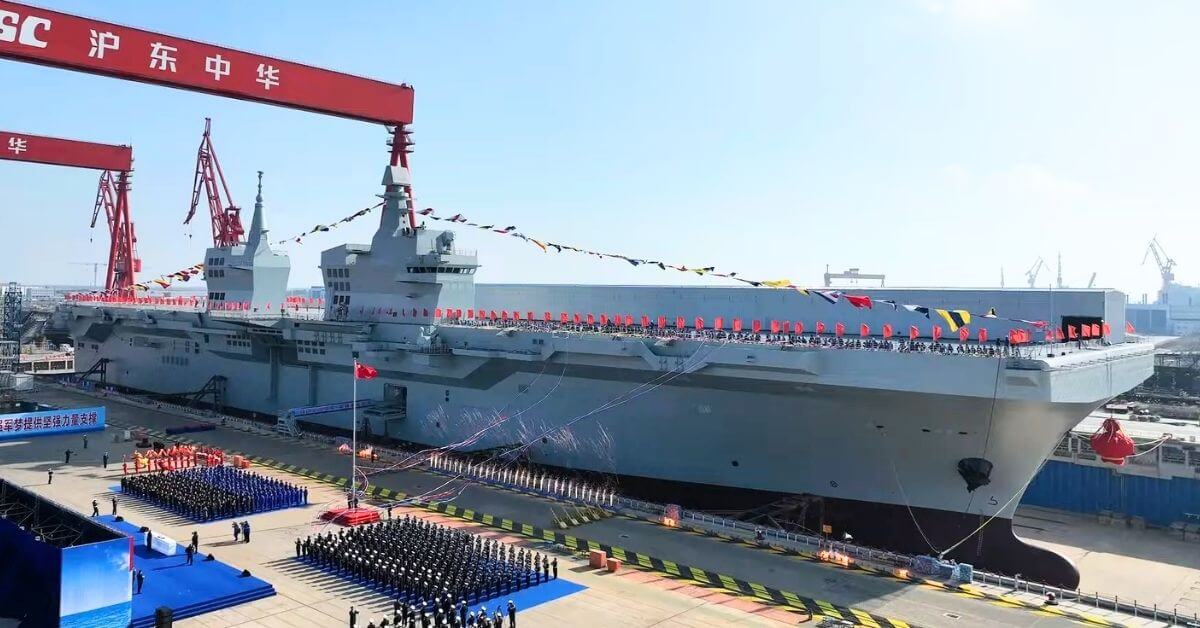
China's New Carrier Signals Shift in Maritime Drone Capabilities
China's newest carrier mounts an electromagnetic launch system, a capability that could extend the reach of fixed-wing drones like the GJ-21. That is not a small upgrade; it changes how naval air power projects from the sea. The system points toward a future where unmanned platforms carry more of the operational load. Our coverage of Indonesia's first carrier and the ammonia bunkering milestone shows the same pattern: naval power and its logistics are being rethought. This ship is another calibrated step in that direction.
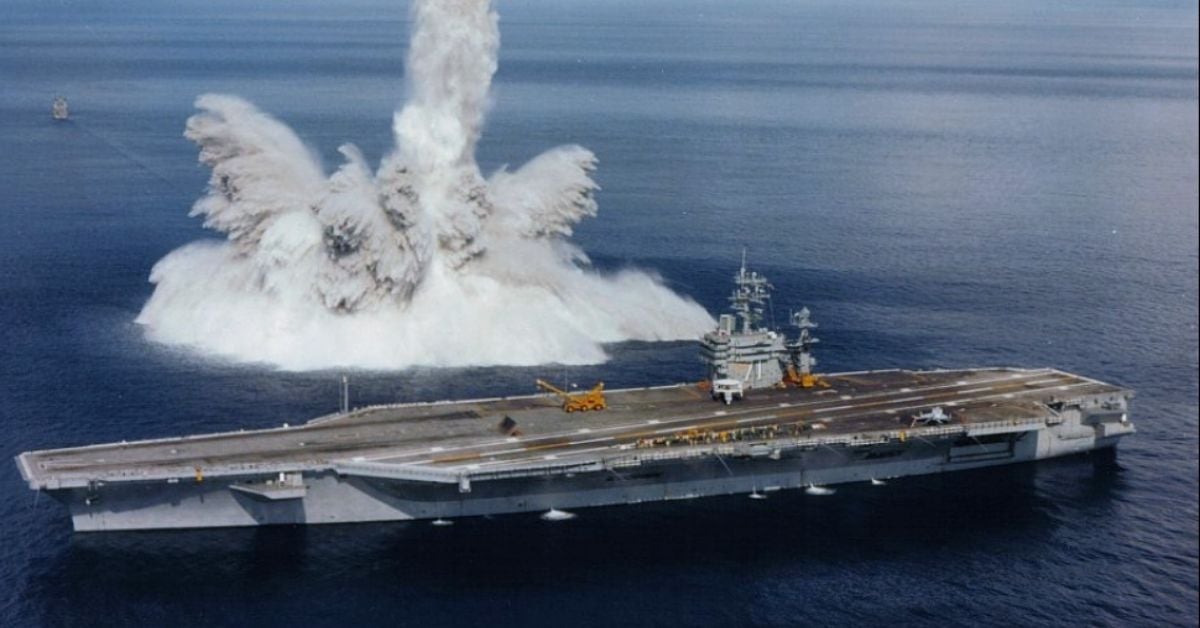
Transition of Naval Power: USS Theodore Roosevelt Heads to the Middle East
The USS Theodore Roosevelt now heads to the Middle East, closing a month of preparation that followed its command of the Rim of the Pacific 2026 exercise off Hawaii. The transition underscores how naval power is shifting from static presence to agile, integrated force projection. This deployment arrives as our coverage highlights parallel pressures: the Gulf of Oman STS transfers maxing out amid rising Saudi exports, and the Navy's push to accelerate autonomous systems integration.

Extended Deployment: Abraham Lincoln Carrier Highlights Naval Endurance at Sea
The Abraham Lincoln's extended deployment underscores the US Navy's capacity for endurance when strategic demands require it. While six to nine months is the standard, conflict-driven extensions are a calculated reality, not a failure of planning. This is maritime persistence measured in readiness, not rhetoric. For broader context on regional pressure points, our related piece on Gulf of Oman STS transfers outlines how operational tempo shifts elsewhere. The carrier's longevity at sea remains a practical demonstration of sustained naval power.

A Presidential Carrier: Examining the Navy's Naming Shift.
Aircraft carrier namings are deliberate signals, and this one cuts against a long-standing norm. If the Navy names a carrier for a sitting commander-in-chief, it would mark the first time a president received that honor while still in office. That is a substantive break from precedent, not a symbolic footnote. The choice deserves scrutiny, not just celebration. For readers tracking how naval policy and procurement evolve, our coverage of the Navy's push to integrate autonomous systems offers useful context on where the service is headed.

Naval Shift: George Washington Arrives as Lincoln Deployment Concludes
The turnover of crews is a constant in naval operations, but the conclusion of the *Lincoln*'s deployment carries a weight that extends beyond routine rotation. It lands as families raise valid questions about life aboard, and those concerns merit more than standard assurances. The arrival of the *George Washington* provides operational continuity, yet it also signals a moment to listen. For deeper context on how the Navy is modernizing its approach, our piece on autonomous systems integration offers a relevant perspective.

Investigation Follows Fatal Shooting During Kennedy Carrier Outfitting
The fatal shooting during the future USS John F. Kennedy's outfitting at Newport News is a sobering reminder that safety must remain calibrated even in the final stages of construction. This tragedy unfolded amid testing and integration, where precision is paramount. We extend our focus to the broader context of naval advancement, such as the Navy's new centre for autonomous systems integration, which underscores how complex these operations have become. Understanding drives protection, and this incident demands a measured, empirical review.