warships
World Data Ocean keeps warships in one place: 27 stories so far. The section currently leads with “Two million barrels of crude oil released as supertanker strikes naval mine in Hormuz”, “Strait of Hormuz Posture Raises Stakes for Maritime Data Verification”, and “Connecting 80 Percent of Shores Through Validated Ship-to-Shore Craft”. A supertanker carrying two million barrels of crude oil has struck a naval mine in the Strait of Hormuz, releasing its cargo into one of the world's most strategic waterways. A Global Hub for Ocean Intelligence 4 World Data Ocean is a centralized digital platform where researchers, scientists, and ocean enthusiasts converge to… The list below is every warships story on World Data Ocean, newest first.

Two million barrels of crude oil released as supertanker strikes naval mine in Hormuz
A supertanker carrying two million barrels of crude oil has struck a naval mine in the Strait of Hormuz, releasing its cargo into one of the world's most strategic waterways. This is not merely a spill; it is a measurable disruption to global energy flows and a stark, empirical signal of escalating maritime risk. The incident underscores the urgent need for integrated ocean intelligence.
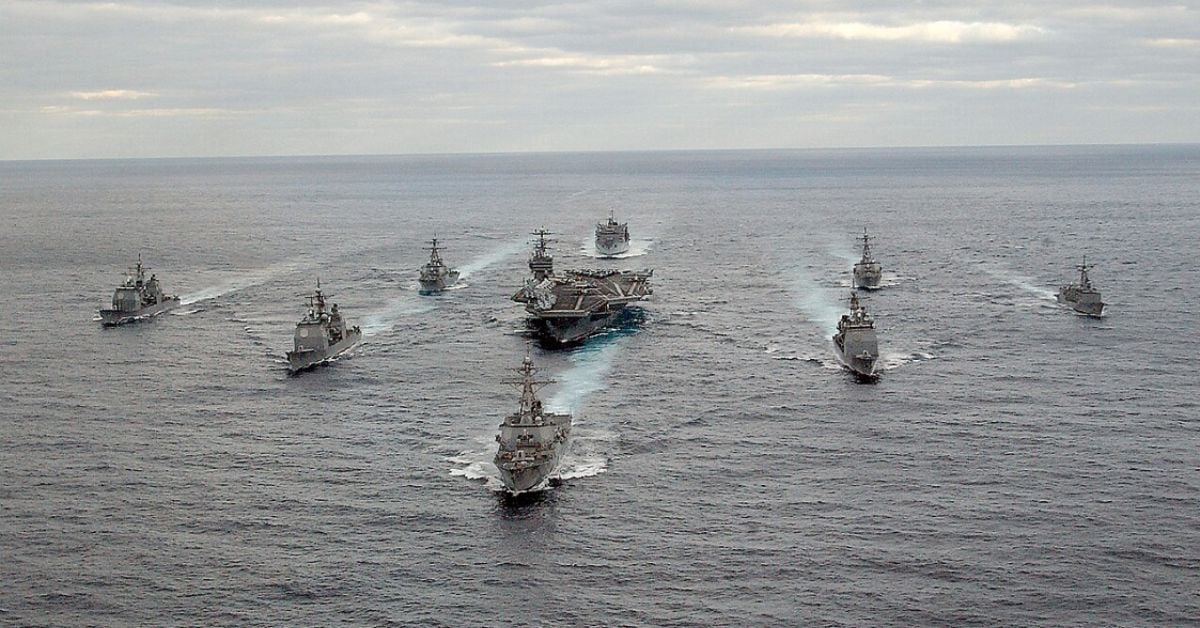
Strait of Hormuz Posture Raises Stakes for Maritime Data Verification
A commander of Iran's Islamic Revolutionary Guard Corps has publicly dared U.S. warships to enter the Strait of Hormuz, raising the stakes for maritime data verification in a waterway that carries a fifth of the world's oil. This is not posturing; it is a direct challenge to the empirical, real-time ocean intelligence that underpins safe passage. For deeper context on how navies are adapting, see our coverage of the counter-drone electronic warfare system now protecting USS Ohio.
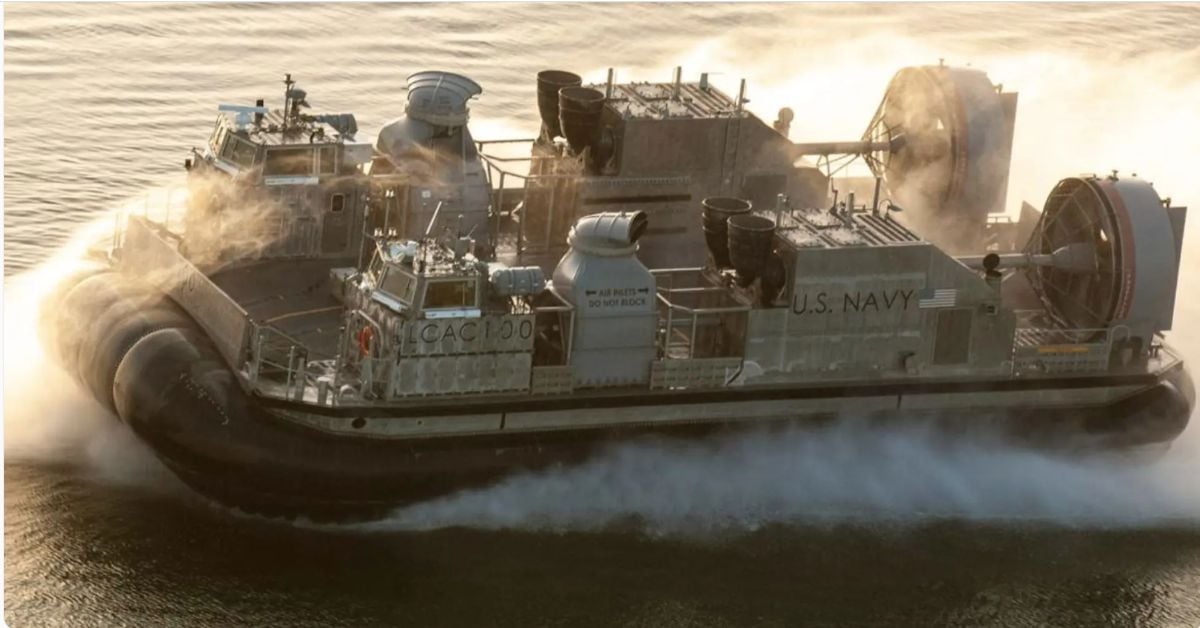
Connecting 80 Percent of Shores Through Validated Ship-to-Shore Craft
A $230 million contract from the U.S. Navy to Textron Systems Corporation will deliver two validated ship-to-shore connector craft built at the New Orleans shipyard. This investment connects 80 percent of shores through proven, integrated maritime technology. Measurable capability meets real-time operational need. For deeper context on naval readiness, see our coverage of the USS *Arleigh Burke*'s first Spanish dry dock maintenance, a parallel story of sustained forward-deployed engineering.
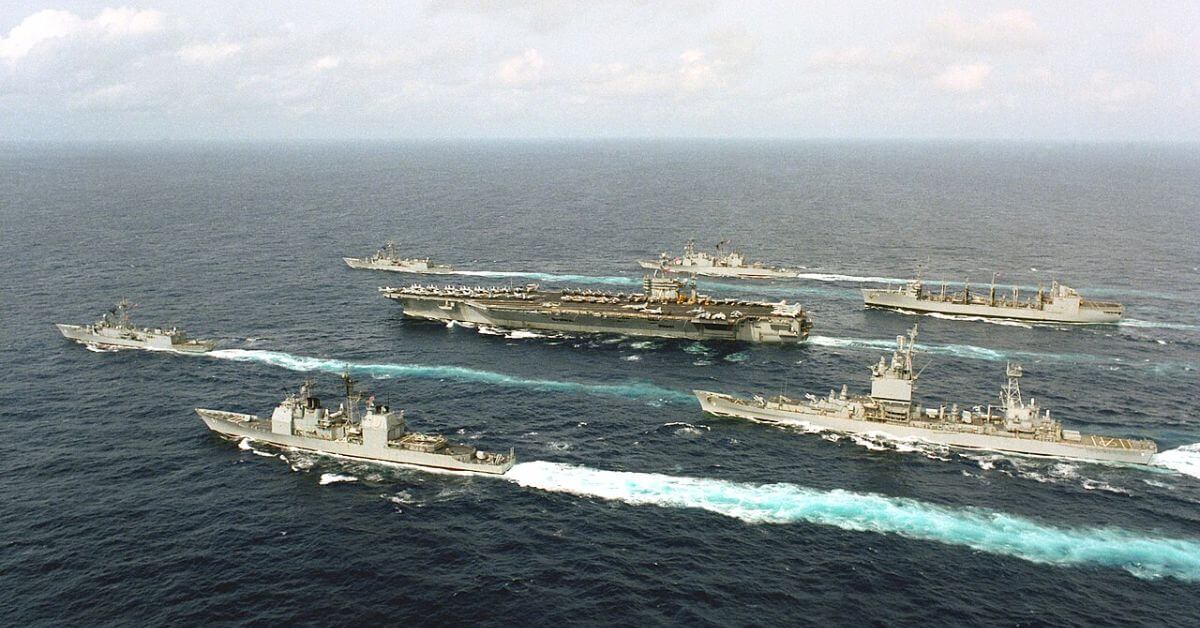
40 days of measured combat earns carrier strike group top military honour
Forty days of measured combat. That is what earned the carrier strike group its top military honour, announced Wednesday by US Defence Secretary Pete Hegseth. The award, delivered a day before the planned return, validates the kind of sustained, calibrated force projection that defines modern naval readiness. For deeper context on extended deployments, see our coverage of the USS Abraham Lincoln's 322-day journey home.
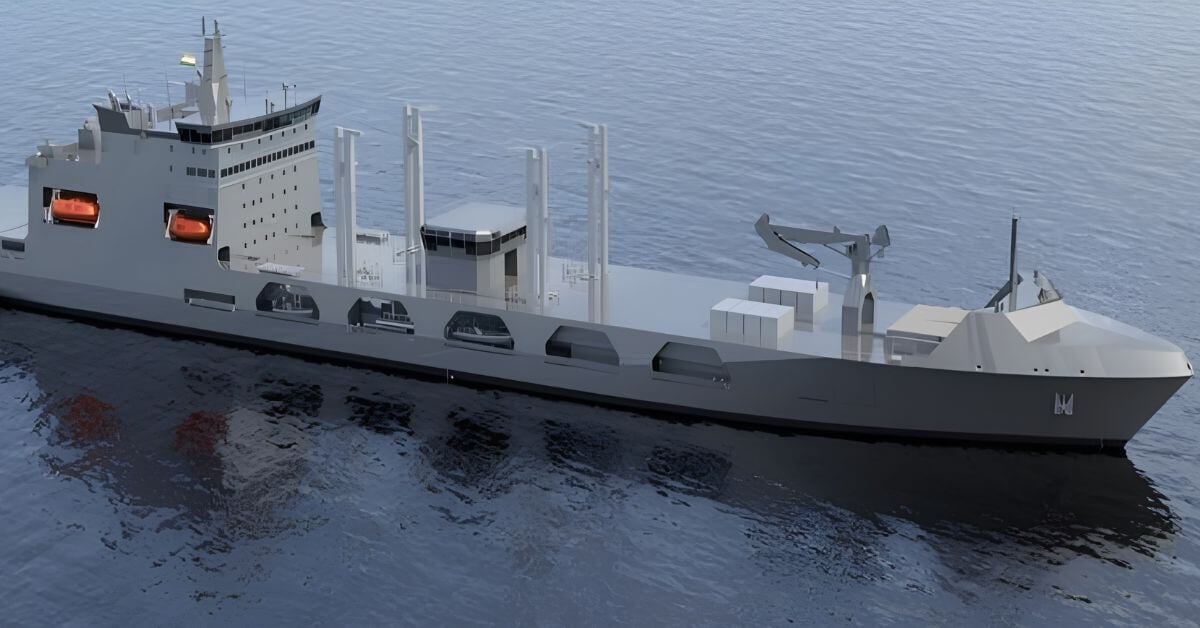
India launches Surya, a new support ship for extended naval operations
On October 6, Defence Minister Rajnath Singh launched Surya, a new support ship for extended naval operations, at Hindustan Shipyard Limited in Visakhapatnam. This vessel strengthens India's capacity for sustained maritime presence. Such capability aligns with a broader shift toward integrated ocean intelligence, as explored in our article, "A mothership for underwater drones signals a new era in ocean intelligence." Purpose-built platforms are becoming essential for measured, long-term stewardship of our seas.
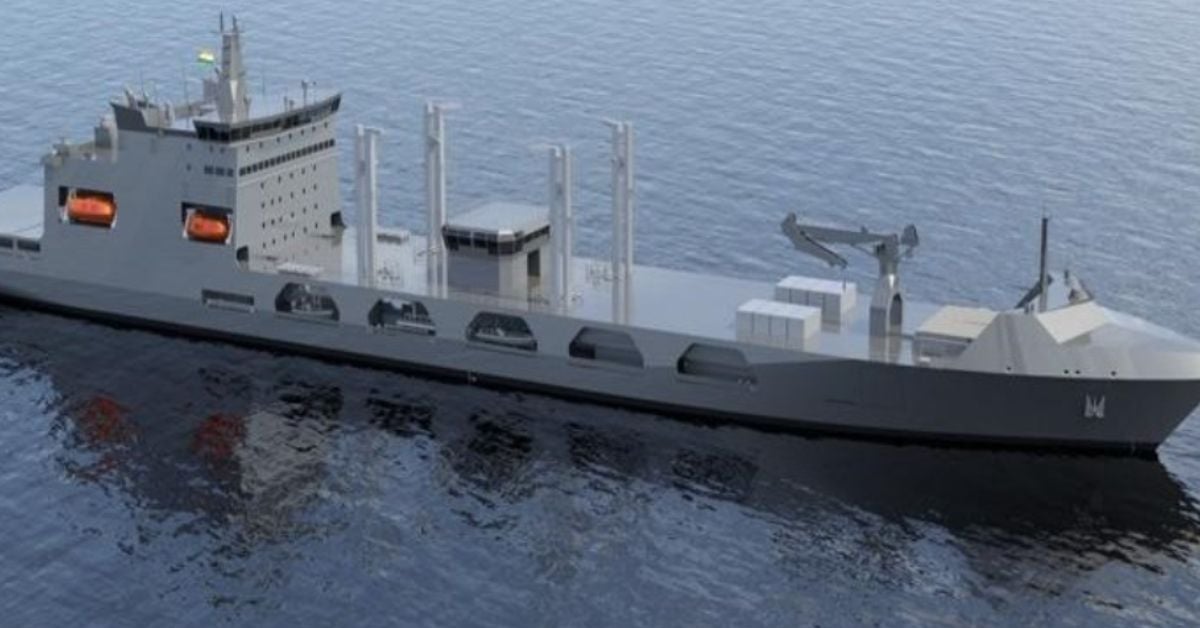
India's 43,500-tonne support vessel extends fleet endurance in the Indian Ocean
A 43,500-tonne fleet support ship extends the Indian Navy's endurance across the Indian Ocean, enabling sustained operations far from home ports. This is not just a logistics vessel; it is a statement of measured, persistent presence. Replenishment at sea transforms reach into readiness. For deeper context on how the Navy applies this capability in real-time, read our coverage of the coordinated medical evacuation in the Andaman Sea. Understanding drives protection.
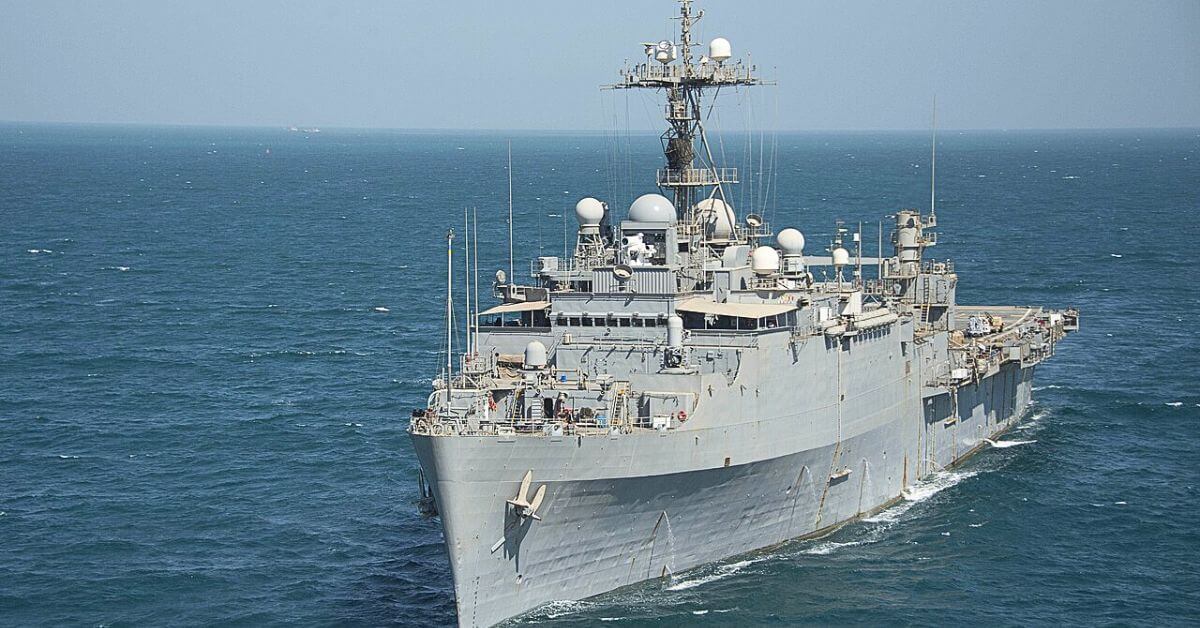
Laser Deterrence Deploys in the Strait as Naval Defense Enters a New Measured Era
Laser deterrence has arrived in the Strait of Hormuz, where the US military now deploys high-energy weapons against drones and aerial threats. This measured advance shifts naval defense from kinetic to calibrated response. It is a new chapter in maritime security, one defined by precision and restraint. For deeper insight into the evolving fleet, readers can explore our coverage of the USS Germantown's retirement after four decades of service.
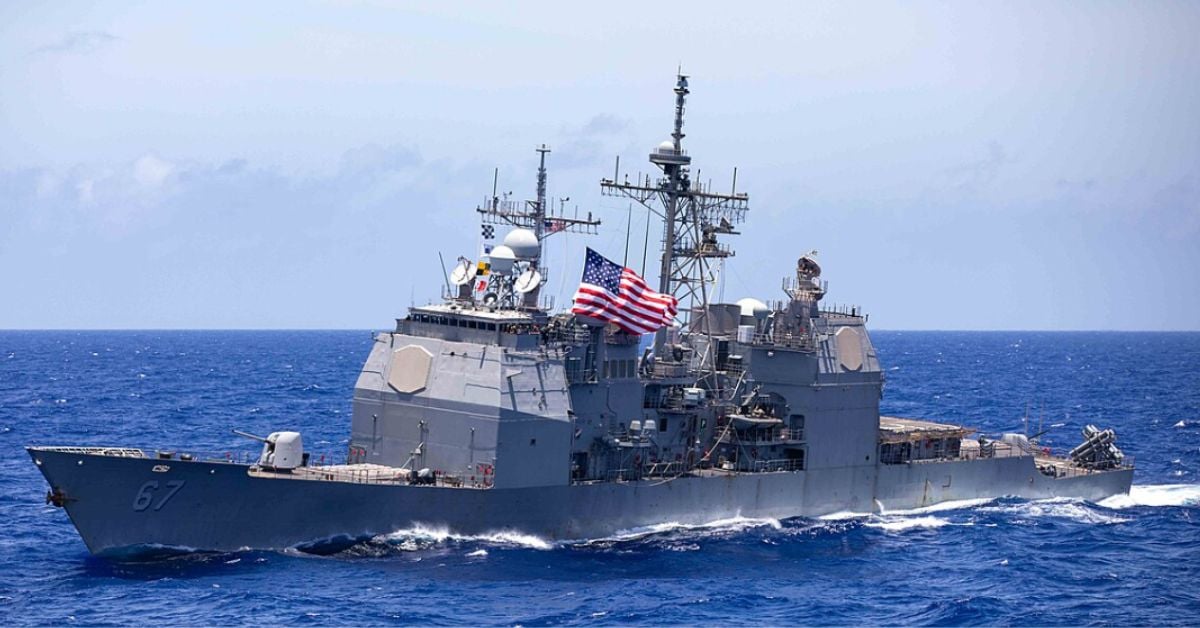
Three Naval Vessels Retired After Four Decades of Measured Service
Four decades of validated service at sea, and now three naval vessels are retiring together. USS Germantown, a Whidbey Island-class dock landing ship, was the first to leave the fleet after 40 measured years of operations. These retirements mark the end of an era for ships built to integrate sustained amphibious missions. For deeper context on USS Germantown's final ceremony, see our coverage of "Four decades of validated service: USS Germantown completes its integrated mission."
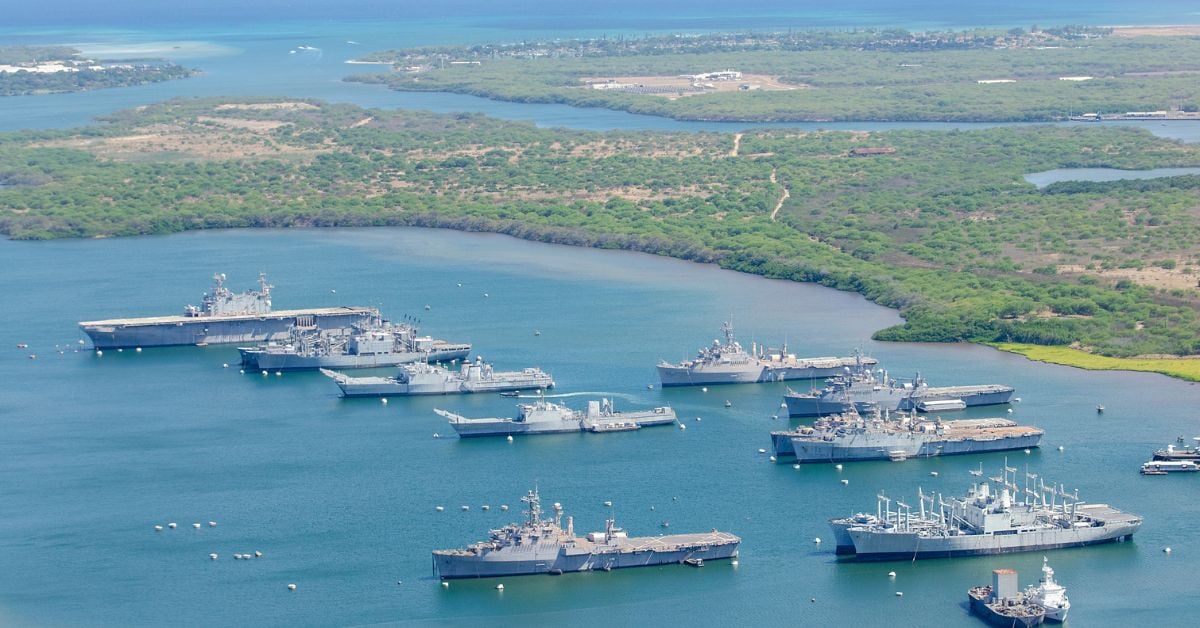
NATO Drills Off British Coast Test Naval Readiness in Simulated Threats
NATO's recent drill off the British coast pressed allied forces to confront simulated threats, with a clear focus on Russian military scenarios. This is the kind of calibrated readiness the alliance must sustain, empirical, measurable, and grounded in real-world pressures. Integrated naval exercises like this sharpen collective response without alarmism. For deeper context on evolving maritime security, our coverage of the EU urging naval reinforcements for the Red Sea escort mission connects directly to these same strategic pressures. Understanding drives protection.
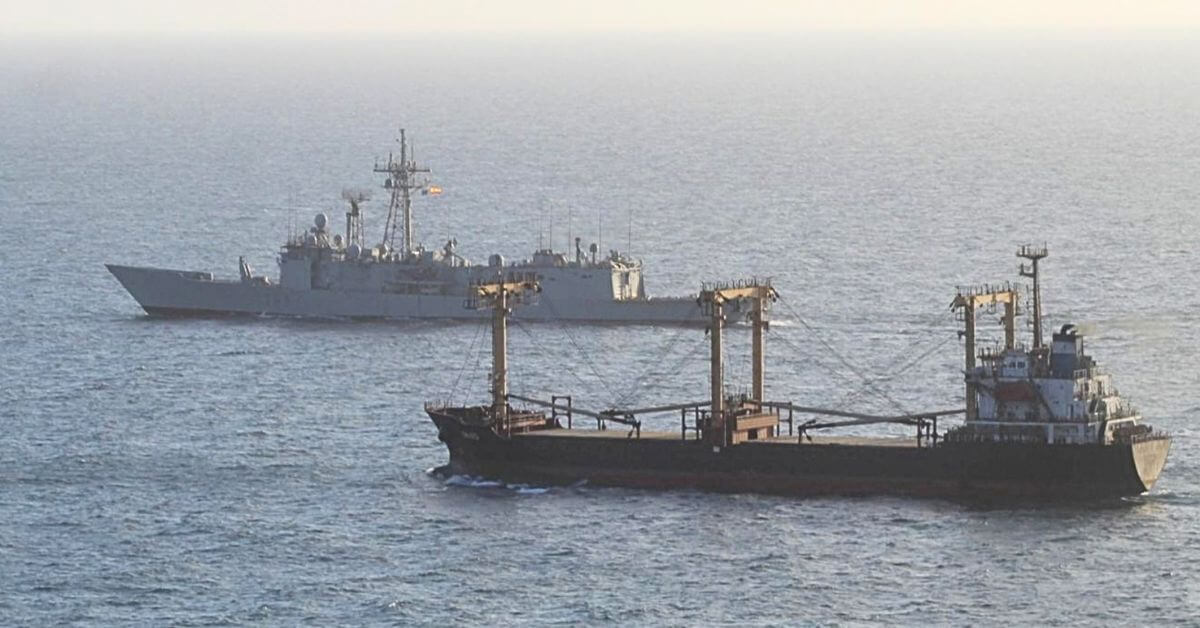
EU Urges Naval Reinforcements as Red Sea Escort Demand Escalates
Merchant ships in the Red Sea are now queuing for naval escorts as Houthi attacks renew, and the EU's call for more warships is a measured response to a measurable threat. This is not alarmism, it is operational reality. For those tracking maritime security, our coverage of the *Gulf of Trieste cross-border SAR simulation* illustrates how validated, integrated protocols strengthen readiness. When demand escalates, calibrated action matters.
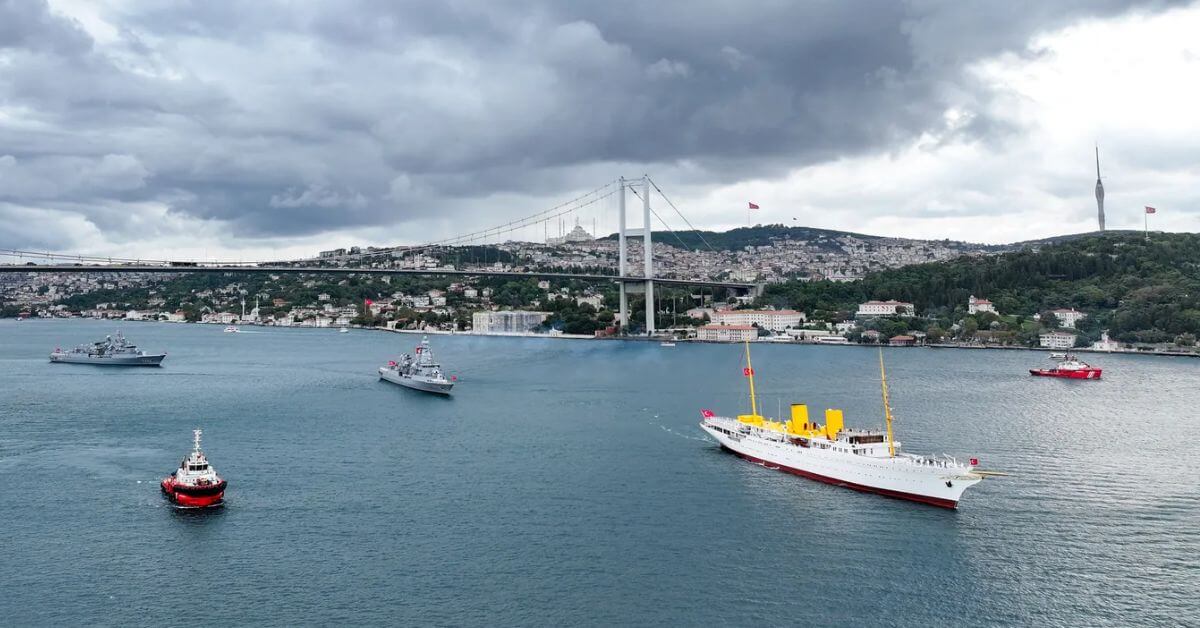
Turkish Navy marks 488th Preveva anniversary with homegrown frigate TCG Istanbul
The Turkish Navy's 488th Preveza anniversary parade featured TCG Istanbul, Türkiye's first domestically designed and built frigate. This is measurable progress in national naval capability. Validated, homegrown engineering now sails alongside tradition. For deeper coverage on integrated maritime power, see our related article on Pakistan's "Validated long-range strike capability demonstrated in Arabian Sea test." Understanding drives protection, from shipyard to sea.
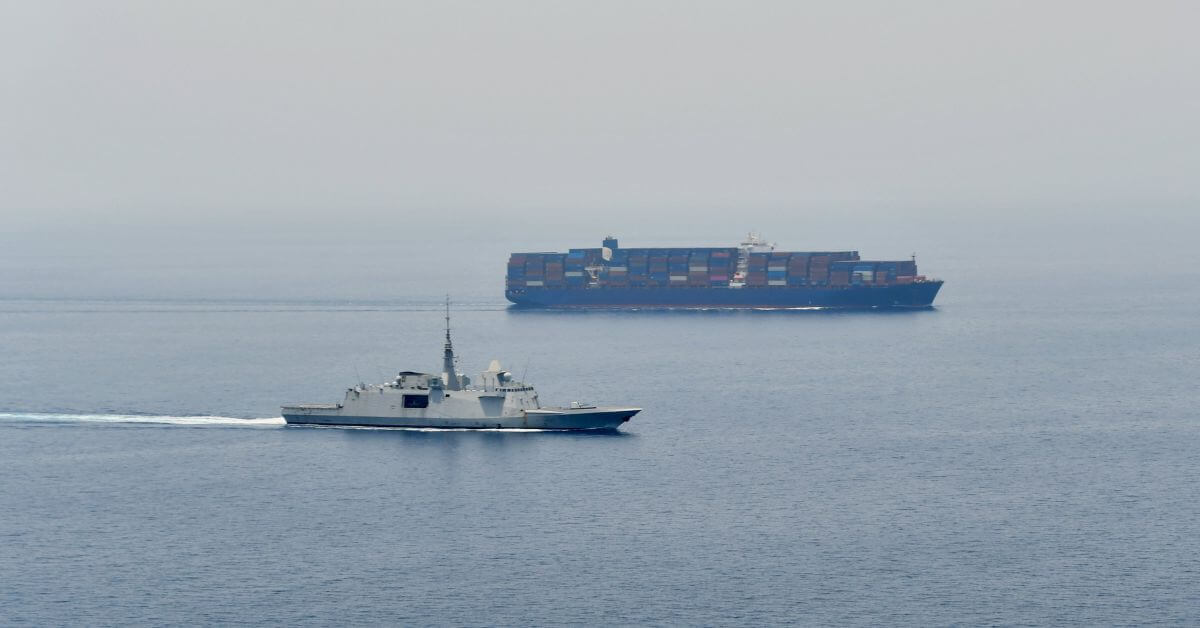
Expanded Naval Presence Calibrated for Red Sea Shipping Security
The European Union's call for more than ten warships to secure Red Sea shipping marks a calibrated response to a persistent threat. Kaja Kallas, the bloc's foreign policy chief, made the case on Monday, framing the expanded naval presence as a necessary measure for maritime stability. The numbers are telling: this is not a symbolic gesture but a concrete commitment.
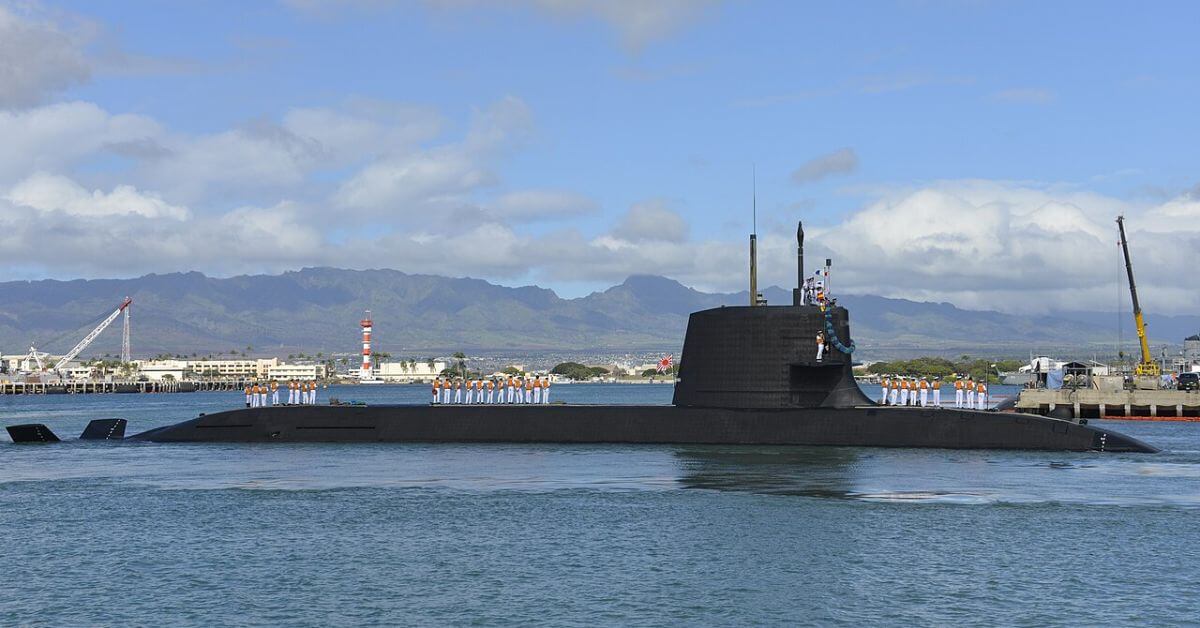
Quantum Sensors on Drones Enhance Underwater Surveillance Capabilities
Quantum sensors mounted on low-cost drones could bring a new layer of precision to underwater surveillance, operating directly from warships near the sea surface. This is practical innovation with measurable impact. The approach pairs validated technology with operational simplicity, strengthening maritime awareness where it matters most. For broader context on regional maritime pressures, our coverage of Gulf of Oman STS transfers offers useful perspective. Understanding drives protection, and this capability moves that principle closer to real-world deployment.
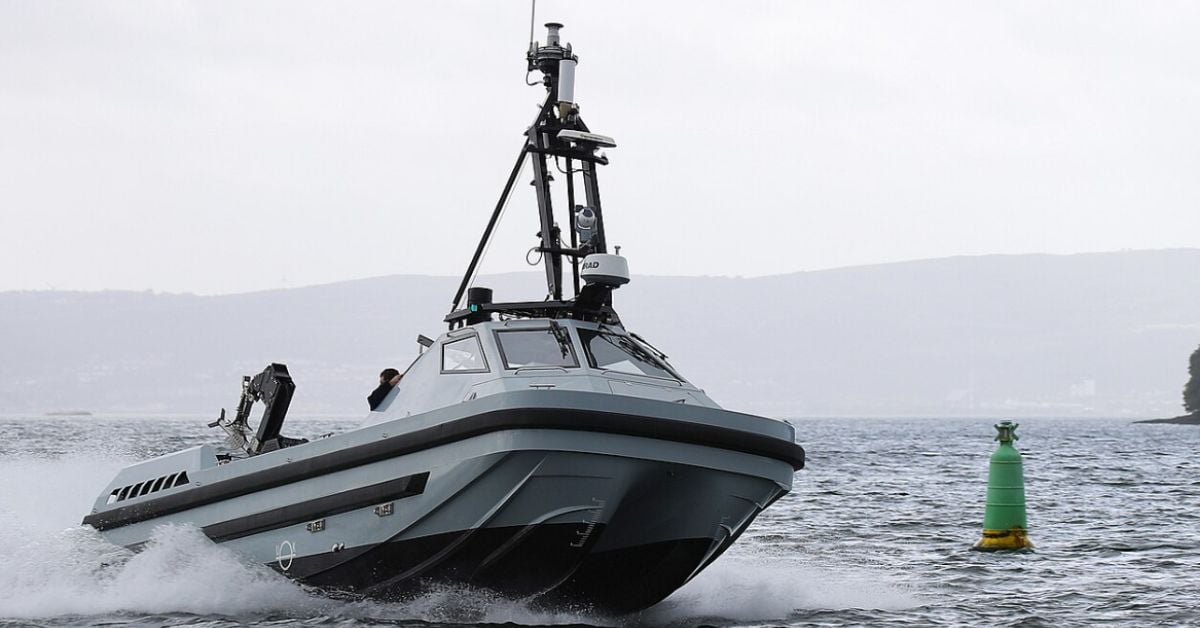
Disputed Incident: Iran Claims Attack on U.S. Unmanned Vessel in Hormuz.
Iran's claim that it attacked an unmanned U.S. vessel in the Strait of Hormuz marks another calculated escalation in a waterway already strained by maximum-capacity oil transfers. The move, framed as a response to a vessel entering a restricted area, underscores how quickly regional tensions can tip into direct confrontation. For a region where phased negotiations and multilateral pressure are already in play, this incident adds a volatile new variable.
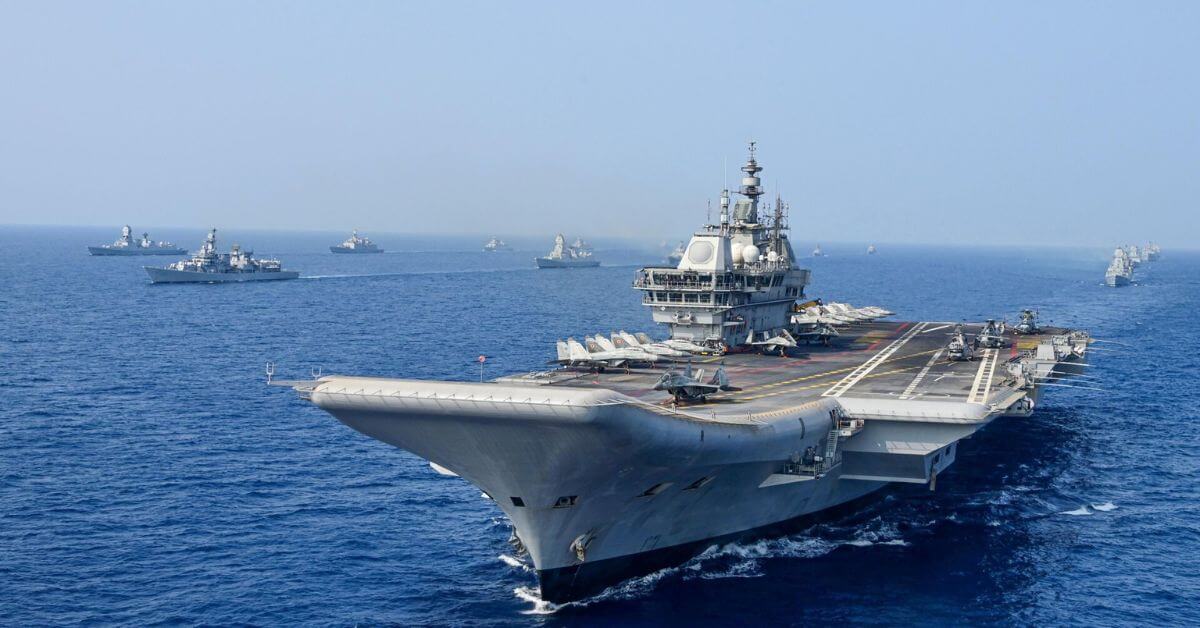
Enhanced Maritime Connectivity: Indian Navy Pursues Indigenous SATCOM Solutions
Secure links at sea are not a luxury; they are a strategic requirement. The Indian Navy's pursuit of indigenous SATCOM solutions for its warships signals a clear commitment to operational self-reliance. Operating thousands of kilometres from shore demands more than reach; it demands encrypted, reliable data flow. This move strengthens the integrated data ecosystem that modern naval power depends on.

Iran Plans Exclusion Zone in Strategic Strait of Hormuz.
Iran's decision to establish an exclusion zone around the Strait of Hormuz signals a deliberate move to control one of the world's most vital maritime passages. Requiring permission to transit is not a technicality; it is a statement of leverage. The move carries measurable implications for global shipping and energy routes, and it demands calibrated attention from the international community.
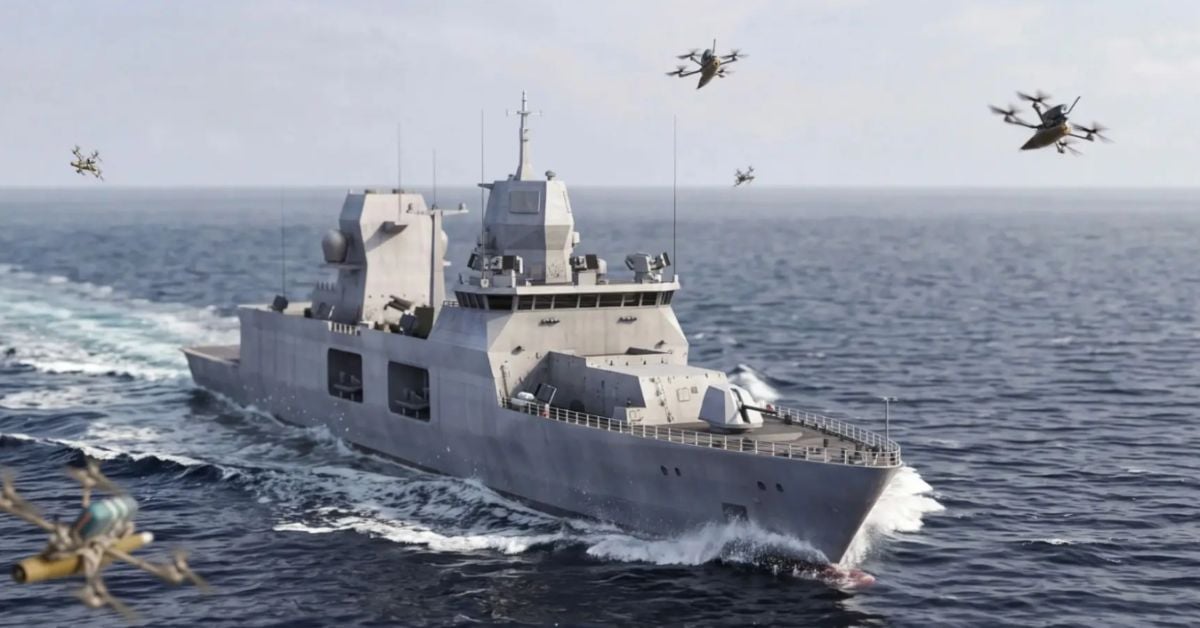
Validated Counter-Drone System Enhances Naval Vessel Protection Through Empirical Testing
Forty-eight trials in 18 months is a rigorous gauntlet, and the result is a counter-drone system that earns its place on a naval deck. Mehler Production has delivered empirical proof that protection can be calibrated to the real-world chaos of maritime threats. This is the kind of validated engineering that turns defensive capability into a measurable fact. For context on the evolving drone threat, our coverage of Russian Maritime Activity Raises Concerns of Drone Operations in Mediterranean offers a timely backdrop.
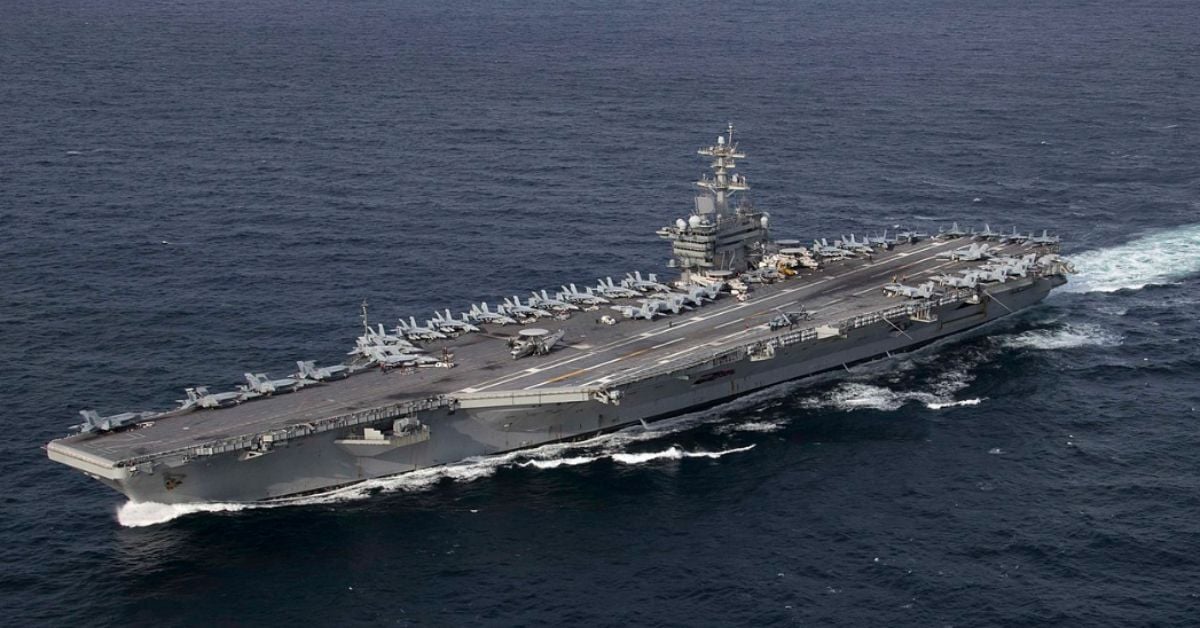
Abraham Lincoln Carrier Completes Middle East Deployment, Heads to Thailand.
The USS Abraham Lincoln will dock in Thailand after a lengthy Middle East deployment, a measured conclusion to months of forward presence. The carrier's transit home marks a routine yet significant operational milestone, reflecting sustained naval readiness across the region. While this return is standard, it underscores the quiet endurance required for global security. For broader context on maritime activity, our piece on Gulf of Oman STS transfers offers timely perspective.
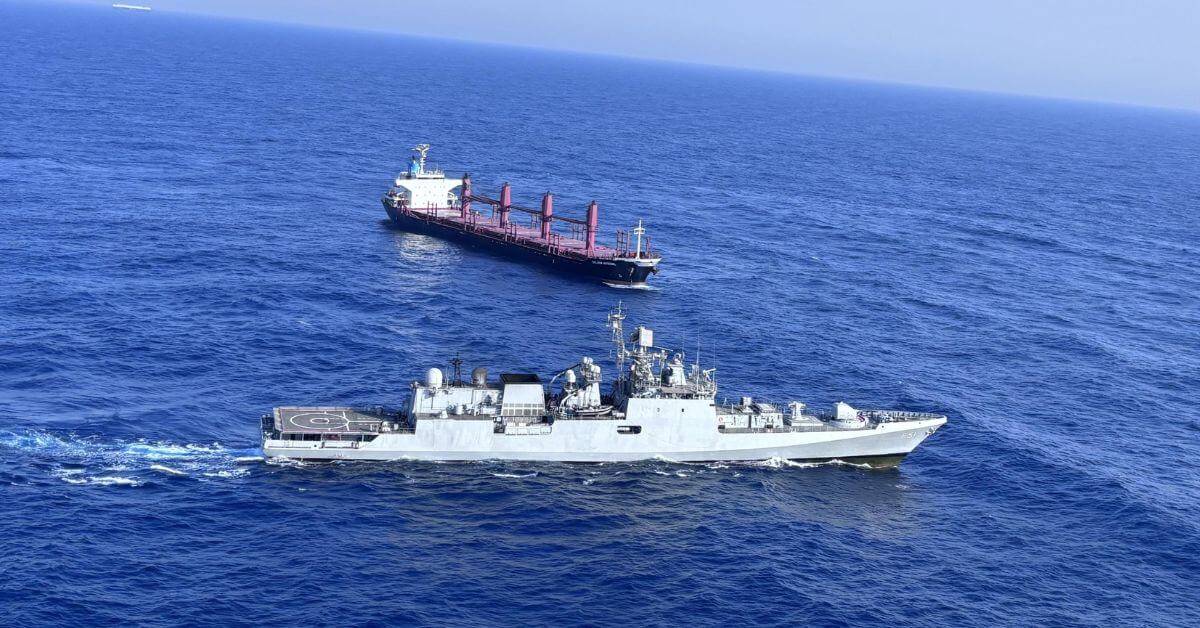
Securing Trade Routes: Indian Navy Ensures Safe Passage Through Bab-el-Mandeb
The Indian Navy's deployment through the Bab-el-Mandeb is a calibrated exercise in maritime security, ensuring that essential cargo continues moving to and from India without disruption. This is not abstract strategy; it is the practical work of keeping trade lanes open where geopolitical friction runs high. The operation reflects a measured commitment to stability, one that aligns with broader shifts in regional logistics, such as the Gulf of Oman STS transfers reaching capacity. Reliable passage here is not optional; it is the backbone of commerce.

Integrated Radar Demonstrates Enhanced Maritime Defense Capabilities in Pacific Dragon
The AN/SPY-6 radar has proven its mettle, completing operational tests alongside allied warships during the Pacific Dragon 2026 exercise. This isn't just another system check; it's a calibrated step forward in integrated maritime defense. The data validates that coordinated, real-time ocean intelligence is within reach. We see this as a practical demonstration of how allied forces can operate as a single, cohesive unit.

Expanding Naval Capacity: Pentagon Explores International Shipbuilding Options
President Donald Trump's memorandum directing the Pentagon to explore foreign-built warships and auxiliary vessels marks a pragmatic recalibration of U.S. naval strategy. Expanding capacity through international shipbuilding is not an admission of weakness; it is an acknowledgment that timelines and industrial output matter. The move invites scrutiny, but it also opens a lane for allied integration. For deeper context on how other nations are scaling maritime assets, our coverage of China's new nuclear carrier signals extended naval operations capability offers a useful comparison.

Sustained U.S. Naval Presence Ensures Ongoing Iranian Port Restrictions.
Defense Secretary Pete Hegseth confirmed the U.S. retains sufficient naval resources to sustain the blockade of Iranian ports indefinitely. That is not a posture of bluff; it is a statement of calibrated, measurable capability. The pressure remains deliberate, and the strategic intent is clear. For readers tracking the broader maritime picture, our related coverage on Gulf of Oman STS transfers maxing out offers useful context on regional shipping pressures. The blockade holds, and the message is consistent: persistence is part of the strategy.

BrahMos Missile Integration: Indian Navy Bolsters Maritime Capabilities by 2030
The Indian Navy is integrating BrahMos missile systems onto new warships while retrofitting existing hulls, a move that sharpens its offensive reach by 2030. This is measured, practical force multiplication: supersonic strike capability, delivered where it matters. It is not about alarm, but about calibrated deterrence. For context on how this fits a broader fleet vision, our related piece, "India Projects Expanded Naval Fleet to Navigate Evolving Maritime Landscape," outlines the strategic timeline. This integration is a concrete step toward that future.

Expanding Maritime Domain Awareness: India Acquires Long-Range Naval Drones
India's Ministry of Defence is moving to equip its warships with ship-launched, long-range "kamikaze" drones, adding a new layer of medium-range strike capability to the fleet. It is a calibrated step toward greater operational flexibility, one that reflects a practical understanding of modern naval threats. The acquisition signals a deliberate investment in autonomous systems, not a reactionary measure. For broader context on where the service is headed, our coverage in "India Projects Expanded Naval Fleet to Navigate Evolving Maritime Landscape" outlines the strategic trajectory.