warship
warship at World Data Ocean is a file of 36 stories. The newest of them: “INS Vikrant model docks in Thiruvananthapuram as tribute to indigenous naval capability”, “India Projects Expanded Naval Fleet to Navigate Evolving Maritime Landscape”, and “China’s New Nuclear Carrier Signals Extended Naval Operations Capability”. A large-scale model of INS Vikrant now stands in Thiruvananthapuram, a tribute from the Indian Navy to the nation's first indigenously built aircraft carrier. The Indian Navy is planning for around 230 ships by 2040-2045, a clear signal of how seriously it views the region's shifting power dynamics. A Global Hub for Ocean Intelligence 4 World Data Ocean is a centralized digital platform where researchers, scientists, and ocean enthusiasts converge to… The list below is every warship story on World Data Ocean, newest first.
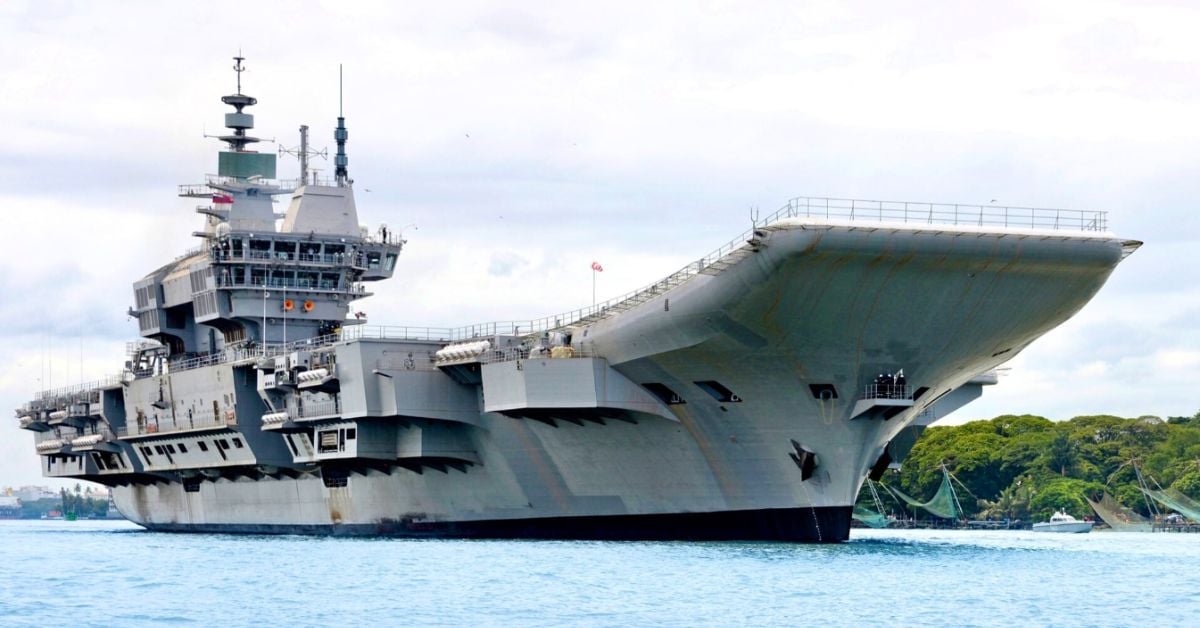
INS Vikrant model docks in Thiruvananthapuram as tribute to indigenous naval capability
A large-scale model of INS Vikrant now stands in Thiruvananthapuram, a tribute from the Indian Navy to the nation's first indigenously built aircraft carrier. The dedication anchors a broader push toward self-reliance in maritime defense, one that extends beneath the surface, as seen in India's deployment of military-grade ROVs to advance ocean intelligence. Understanding drives protection, and here, that principle is cast in steel and scale.
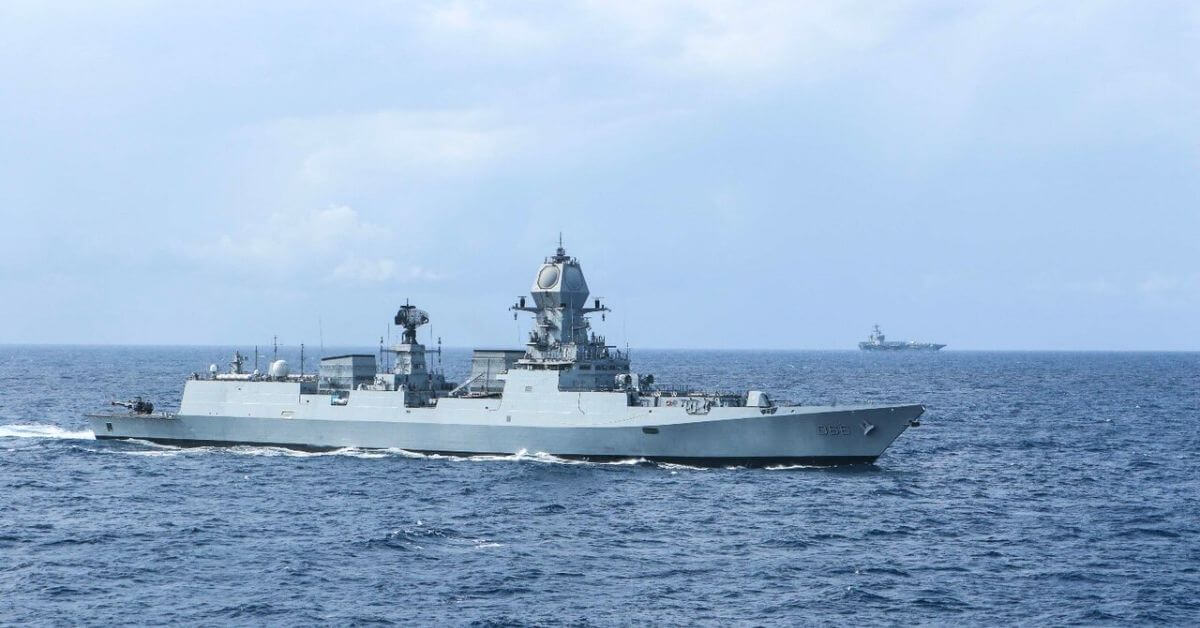
India Projects Expanded Naval Fleet to Navigate Evolving Maritime Landscape
The Indian Navy is planning for around 230 ships by 2040-2045, a clear signal of how seriously it views the region's shifting power dynamics. This is not about expansion for its own sake; it is calibrated preparation for a more contested maritime environment. Strategic foresight like this matters, especially as related coverage on domestic amphibious innovation highlights where that future capability is heading. Measured, deliberate, and backed by long-term thinking, this is the kind of planning that turns maritime ambition into real operational readiness.
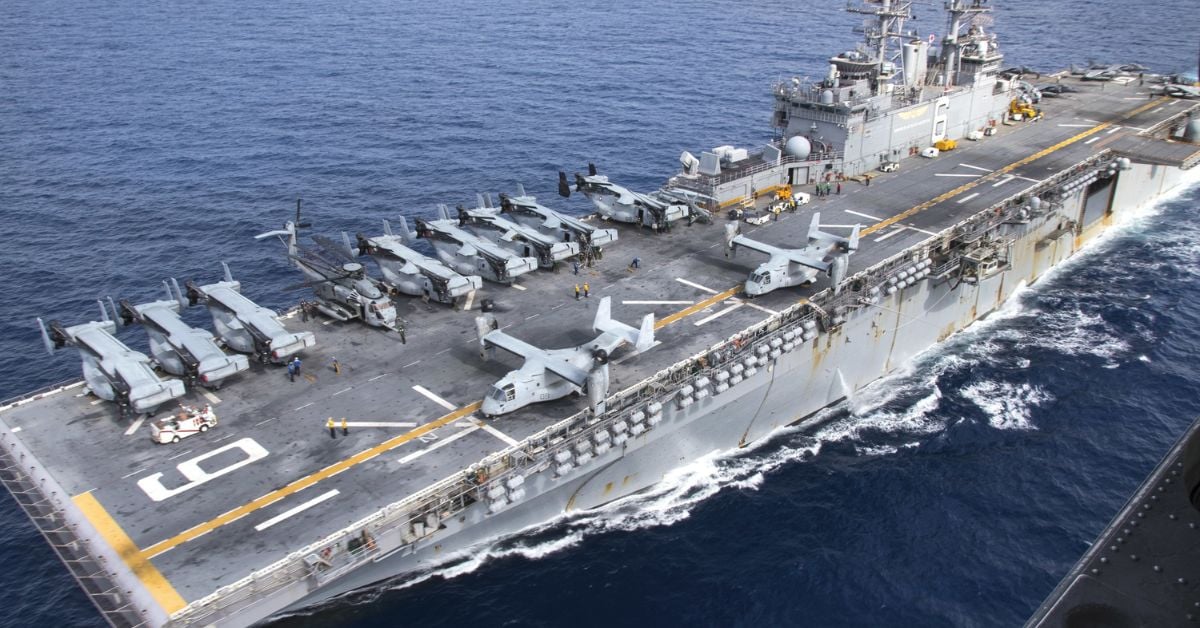
China’s New Nuclear Carrier Signals Extended Naval Operations Capability
China's newest aircraft carrier, reportedly nuclear-powered, is built to outlast and outgun U.S. carriers in deployment length and ammunition capacity. That is a deliberate statement of extended naval reach, not a boast. The strategic logic is clear: endurance wins contests. For readers tracking how maritime power shifts ripple through global trade, our related piece on Gulf of Oman STS transfers maxing out shows the same pressure points in action. Understanding these moves is how we measure what comes next.
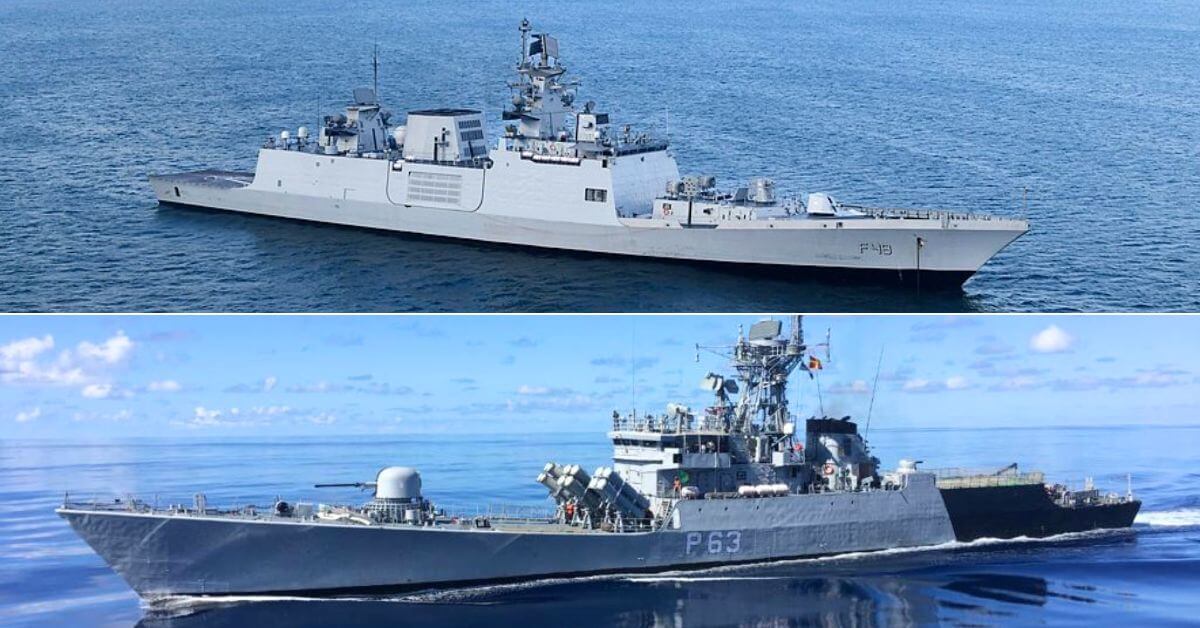
Integrated Maritime Data Collection Underway in Philippine Exercise
The INS Sahyadri and INS Kulish have arrived at Subic Bay, marking the start of integrated maritime data collection during a Philippine exercise. This is a practical demonstration of how naval assets can work together to gather empirical, real-time ocean intelligence. The mission underscores the value of measured, collaborative operations in a region where climate indicators and security concerns increasingly overlap. For broader context on how such efforts align with future fleet ambitions, readers may explore our related coverage on India's expanded naval projections.
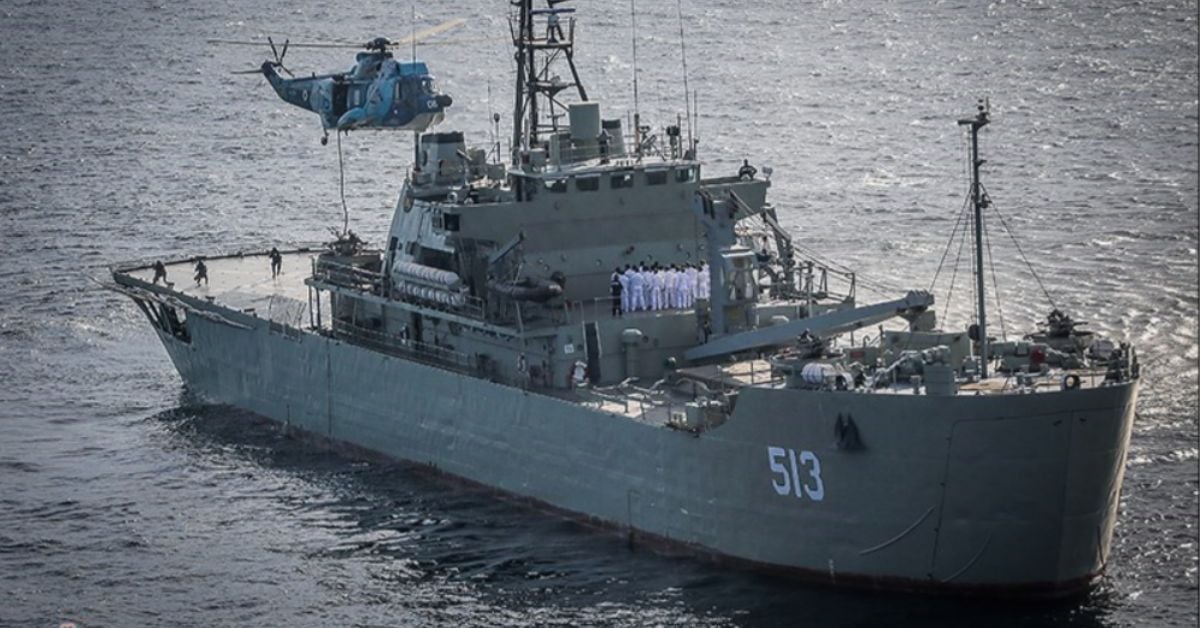
Iranian Warship IRIS Lavan Extended Stay in Indian Port Raises Questions.
Six months after seeking emergency docking, Iran's amphibious landing ship IRIS Lavan remains anchored in India's Port of Kochi. That is not a routine port call; that is a statement. Extended stays carry weight in maritime geopolitics, and this one deserves scrutiny. For readers tracking the region's shifting dynamics, our related piece on integrated subsea infrastructure highlights how the Indian Ocean is becoming a strategic corridor. The Lavan's presence adds a layer to that picture, one worth watching closely.
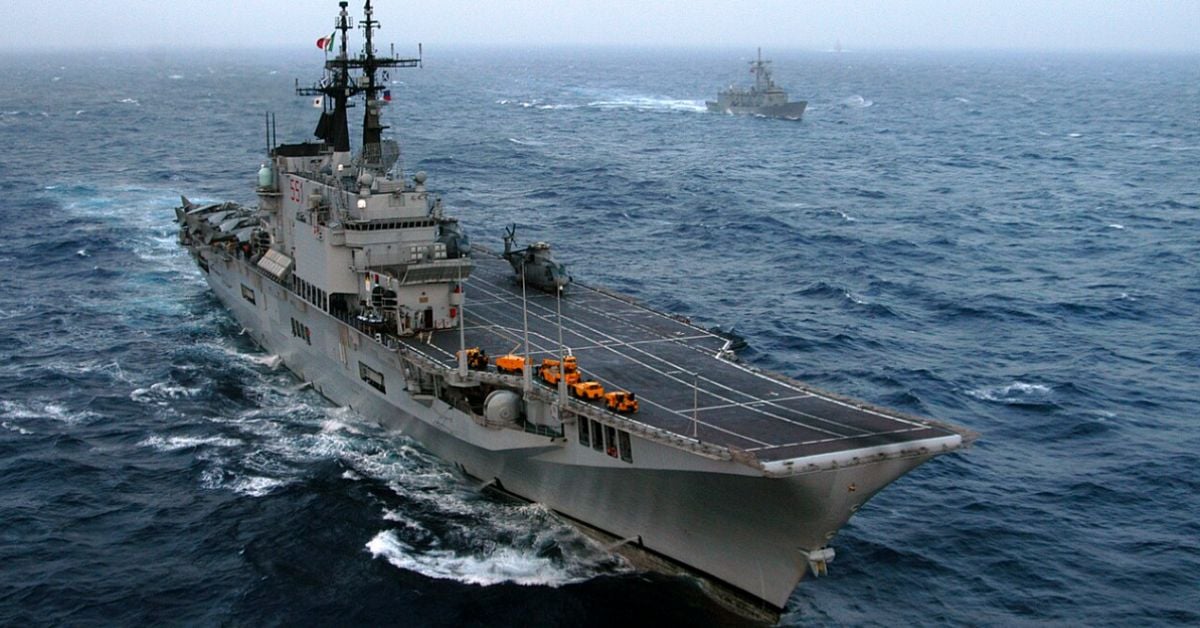
Indonesia Launches First Aircraft Carrier, Signaling Naval Expansion
Indonesia's acquisition of the Giuseppe Garibaldi marks a deliberate step into a more capable maritime posture, transforming a retired Italian carrier into its first aircraft carrier. This is not merely a hardware purchase; it is a statement of regional intent, validated by the ship's proven design. The move aligns with broader naval ambitions seen across Asia, from India's projected fleet growth to Russia's icebreaker investments. For Indonesia, the Garibaldi offers measurable power projection, yet its real value will depend on integrated operations and crew readiness.
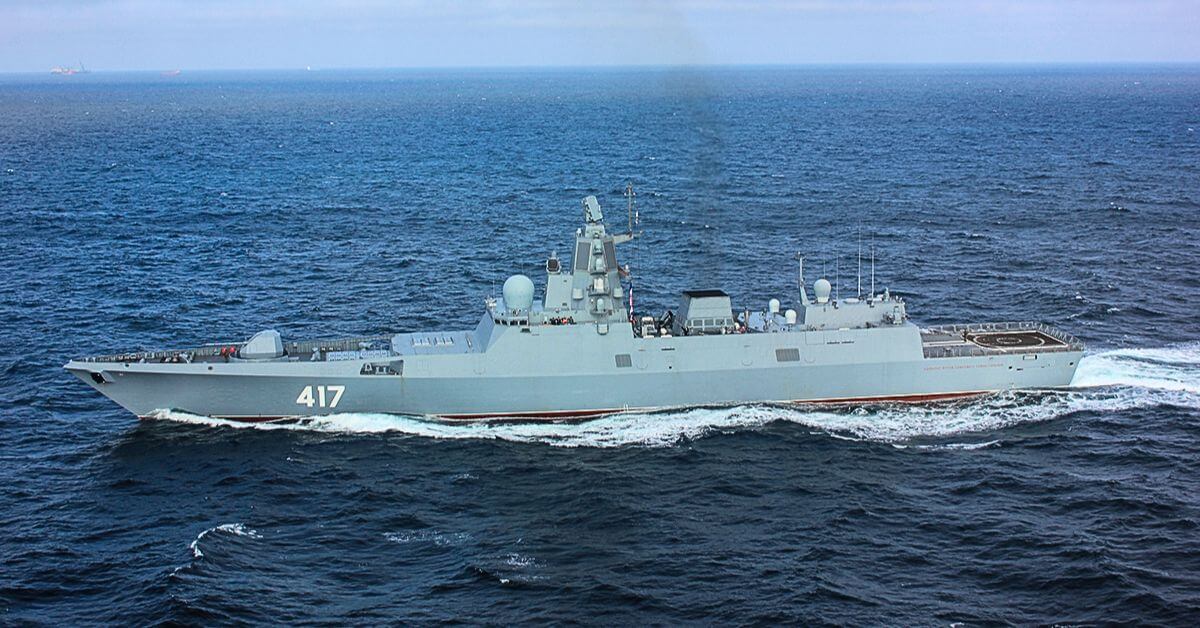
Baltic Sea Incident: Russian Warship’s Flares Prompt International Concern
The Baltic Sea's status as a corridor of strategic tension sharpened this week after a Russian warship fired flares, a move the European Union swiftly labeled "reckless and dangerous." The incident underscores how routine naval operations can escalate into international incidents with little warning. Such provocation demands measured, empirical scrutiny rather than alarm. For context on Moscow's broader maritime ambitions, our related coverage on Russia's icebreaker export revenue scheme offers useful grounding.

Naval Aviation's Future: HII Secures Contract for Next-Generation Carrier
A $336 million agreement with HII secures the components for CVN 82, a nuclear-powered carrier that will extend the Navy's operational reach. This is a deliberate investment in long-term maritime capability, not a headline-grabbing gesture. The ship represents the kind of sustained, measurable progress that defines modern naval force design. For readers tracking how these platforms fit into a broader picture, our coverage of "China's New Nuclear Carrier Signals Extended Naval Operations Capability" offers useful context.

Sea Drones Strike Sochi, Demonstrating Extended Reach and Impact.
A Ukrainian sea drone strike reached Sochi, a Russian resort roughly 700 kilometers from the border, demonstrating an extended range that redefines maritime conflict. This is not alarmism; it is a measurable shift in operational reach. The attack underscores how uncrewed systems can project force far from traditional front lines. For deeper context on maritime infrastructure and strategic chokepoints, see our coverage of *Paradip Port Designated a Mega Port*. Understanding these dynamics is essential for assessing global security.
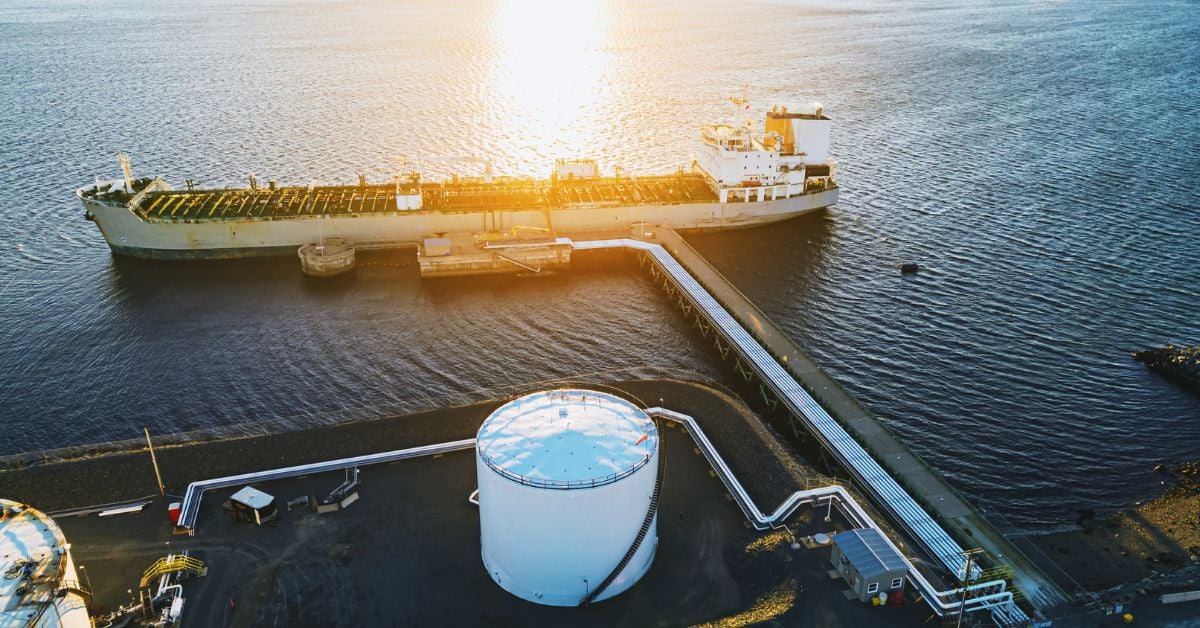
Escalating Tensions: Iran Issues Warnings to Tanker Crews in Persian Gulf
Iran's Islamic Revolutionary Guard Corps Navy has warned tanker crews near Kuwaiti and Bahraini ports to abandon their vessels. This escalation injects measurable risk into an already volatile Persian Gulf. Regional maritime stability is not a theoretical concern, it is a climate indicator of geopolitical friction. For deeper context on how such tensions intersect with energy routes, see our related coverage on "Phased Negotiations Aim to Ease Restrictions on Strait of Hormuz." Understanding these pressures is essential for calibrating both security and environmental responses.
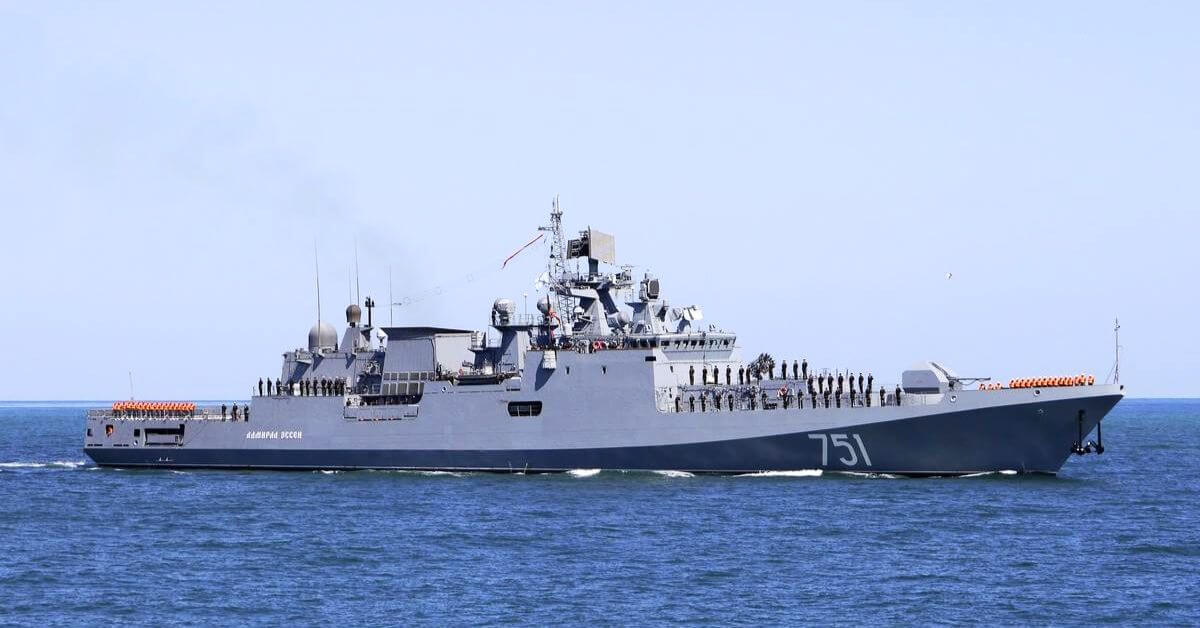
Ukraine Strikes Key Russian Warship in Black Sea Port
Ukraine's strike on a key Russian warship at Novorossiysk, Russia's largest Black Sea port, demonstrates a calibrated shift in maritime conflict. This operation targets not just a vessel but the logistical backbone sustaining naval power in the region. Measurable impacts on Russian export capacity and fleet readiness merit close observation. For deeper context on how Russia is recalibrating its maritime economic strategy, see our related coverage on the Northern Sea Route icebreaker fleet. Understanding these integrated dynamics is essential.
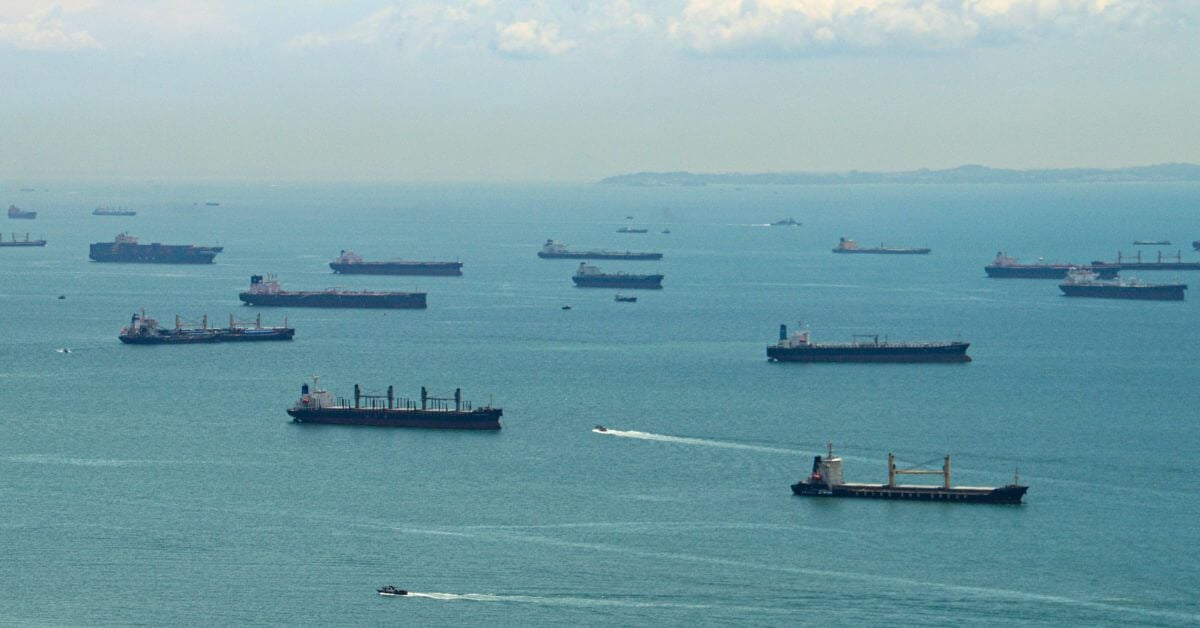
Escalation in Strait of Hormuz: Maritime Traffic Disrupted by Reported Attacks
Reports of multiple merchant vessels struck in the northern Gulf and Gulf of Oman signal a dangerous escalation in the Strait of Hormuz. Maritime traffic is now disrupted, and the immediate consequences for global energy flows are measurable. This is not a moment for alarmist speculation, but for empirical observation. For deeper analysis on regional capacity pressures, readers may consult our related report on Gulf of Oman STS transfers maxing out amid rising Saudi oil exports.
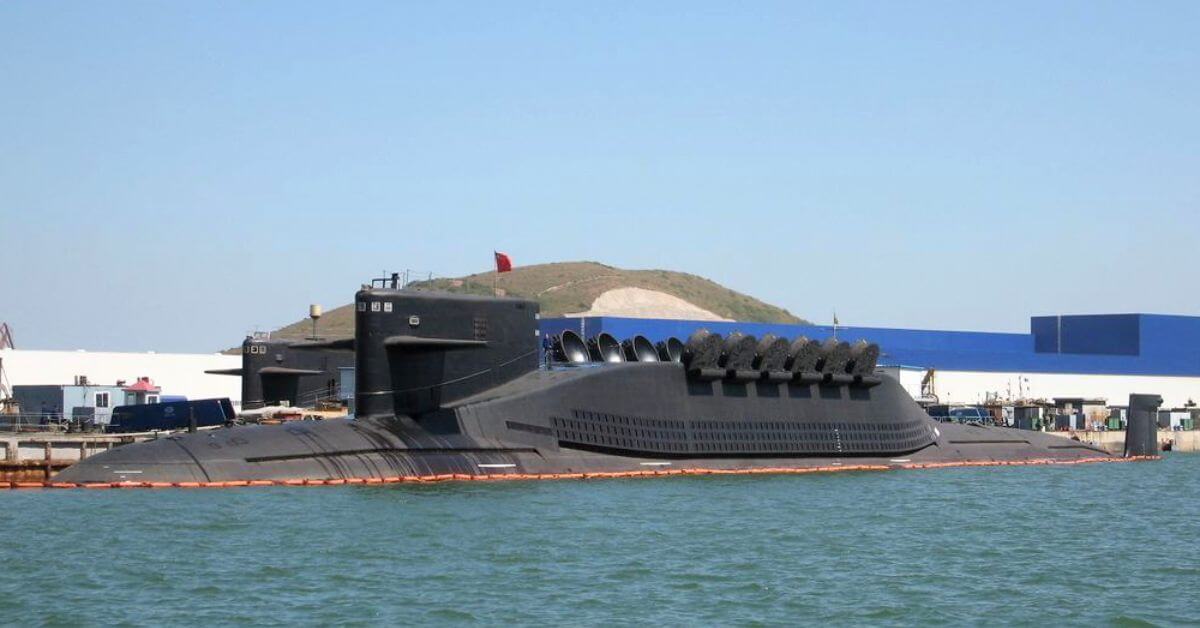
PLAN Integrates Acoustic Mapping for Enhanced Submarine Target Tracking
Acoustic mapping gives the PLAN a measurable edge in submarine target tracking, turning difficult underwater conditions into calibrated, real-time data. This is empirical ocean intelligence applied directly to naval operations. Understanding drives protection, and here, that understanding is acoustic. For broader context on shifting maritime postures, see our coverage of "India Projects Expanded Naval Fleet to Navigate Evolving Maritime Landscape." It is a reminder that ocean stewardship now demands integrated awareness from seabed to surface.
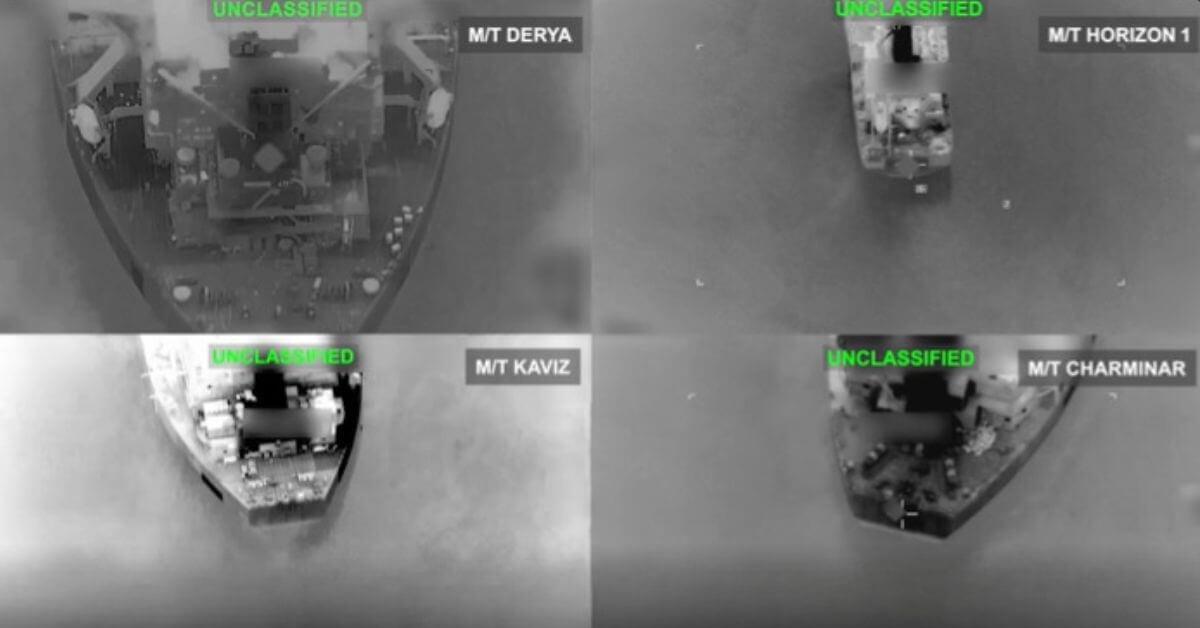
Escalation in Persian Gulf: U.S. Responds to Iranian Maritime Actions
Before the strikes, U.S. forces instructed crews to leave the tankers, a measured step that prioritizes human safety over escalation. CENTCOM confirmed the vessels were left inoperable, signaling a calibrated response to Iranian maritime actions. The Persian Gulf remains a flashpoint where empirical monitoring and integrated intelligence are essential. For deeper context on global naval strategy, our article on India's projected fleet expansion examines how nations are preparing for these contested waters. Understanding drives protection.
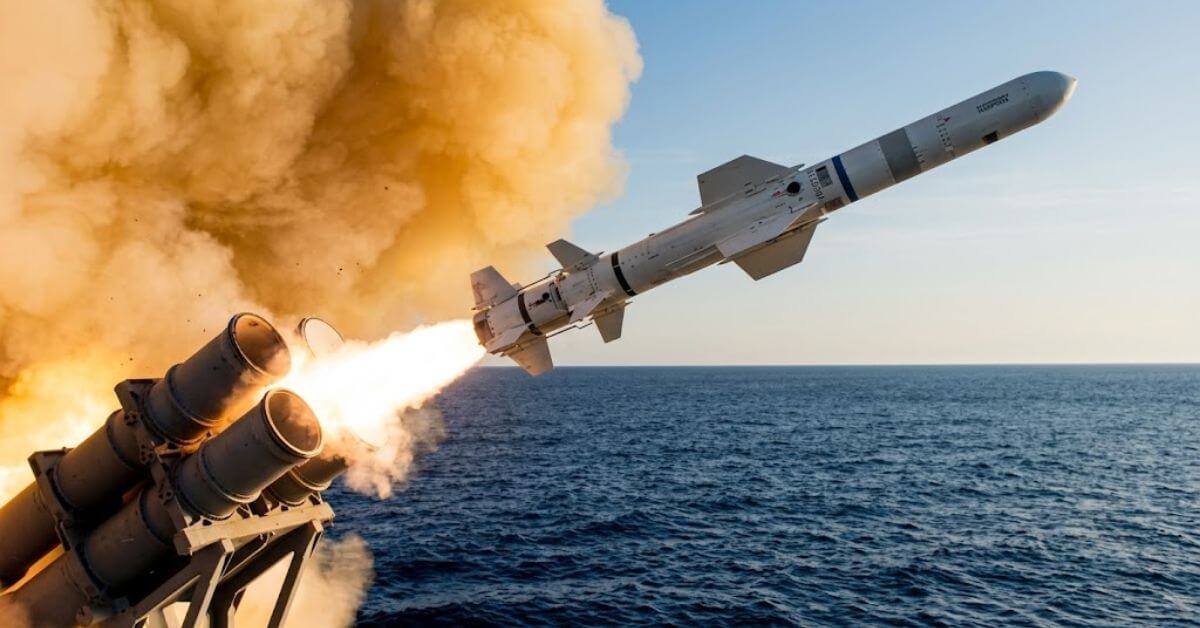
Escalation in Strait of Hormuz: Iran Tests Missile Near U.S. Navy.
Iran's IRGC announced a missile test near a U.S. aircraft carrier and destroyer in the Strait of Hormuz, a calibrated escalation that demands measured analysis. This is not alarmism; it is a real-time indicator of strategic friction in a waterway that carries a fifth of global oil. Such actions validate the urgency of integrated maritime monitoring. For deeper context on regional oil flows, see our related article on Gulf of Oman STS transfers operating at maximum capacity. Understanding drives protection.
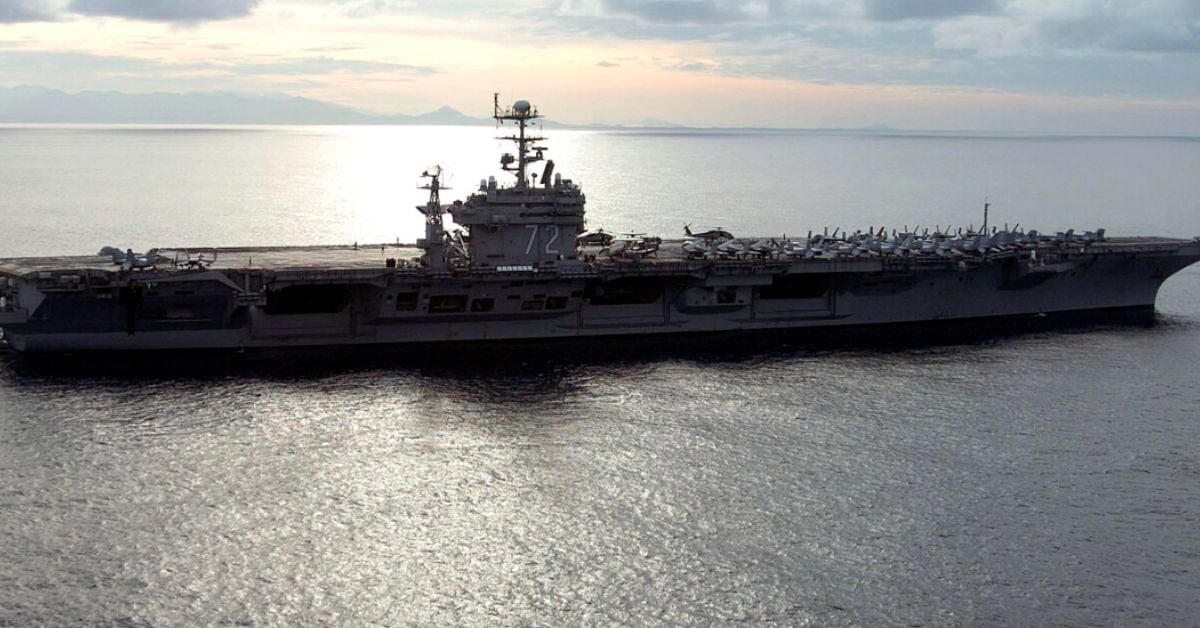
Naval Personnel Incident Under Review Following Overseas Altercation
Two sailors from the USS Abraham Lincoln are under review after an overseas altercation outside a bar, with a citizen calling police to resolve the incident. Discipline in such moments reflects directly on operational readiness, and the Navy's response will be closely watched. Incidents like this underscore why standards matter, especially as the service pushes forward on integration of new capabilities. For broader context on that push, see our coverage of the Navy's new center for autonomous systems integration.
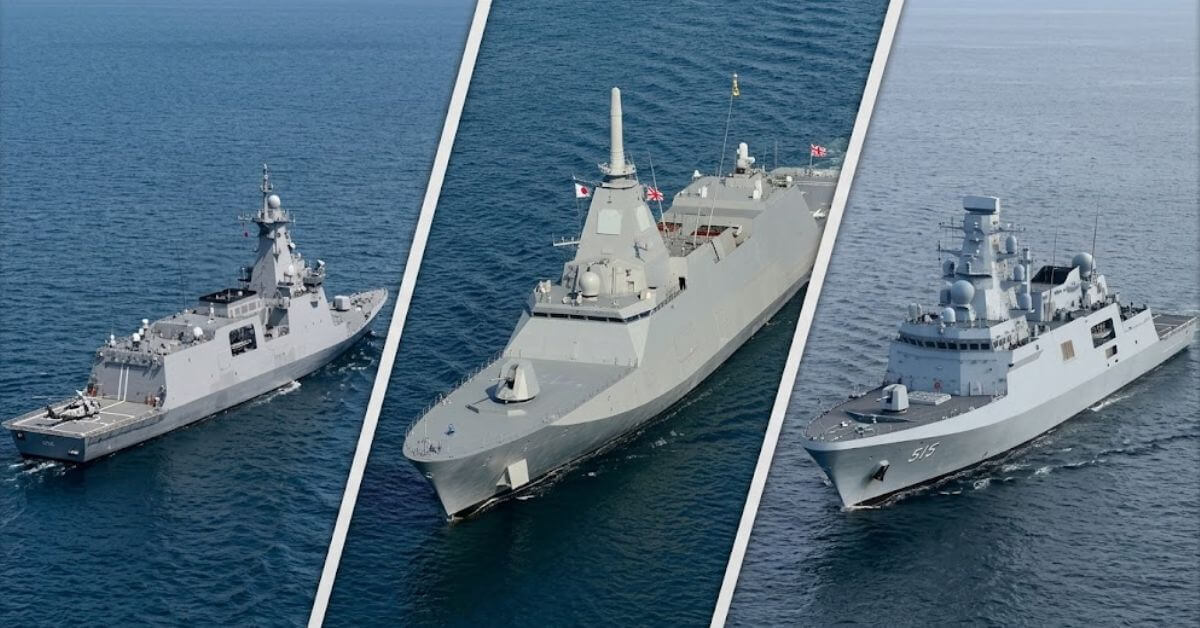
Global Shipbuilding Collaboration: Navy Explores International Frigate Options
The U.S. Navy's move to explore international frigate options signals a pragmatic shift toward speed without sacrificing domestic investment. This approach, which pairs foreign collaboration with targeted funding for U.S. shipyards and workforce expansion, reflects a measured strategy for meeting modern demands. It is a practical acknowledgment that no single nation can build everything alone, and that shared expertise strengthens overall capability. For readers tracking parallel efforts, our coverage of India's expanded naval fleet offers a useful counterpoint.
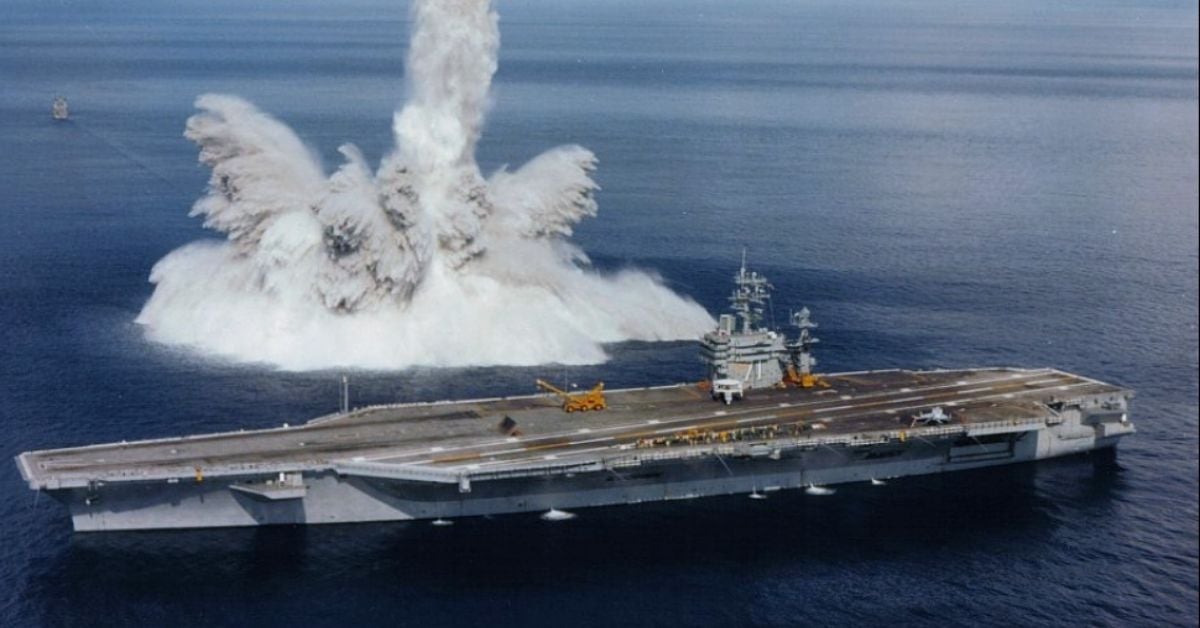
Transition of Naval Power: USS Theodore Roosevelt Heads to the Middle East
The USS Theodore Roosevelt now heads to the Middle East, closing a month of preparation that followed its command of the Rim of the Pacific 2026 exercise off Hawaii. The transition underscores how naval power is shifting from static presence to agile, integrated force projection. This deployment arrives as our coverage highlights parallel pressures: the Gulf of Oman STS transfers maxing out amid rising Saudi exports, and the Navy's push to accelerate autonomous systems integration.
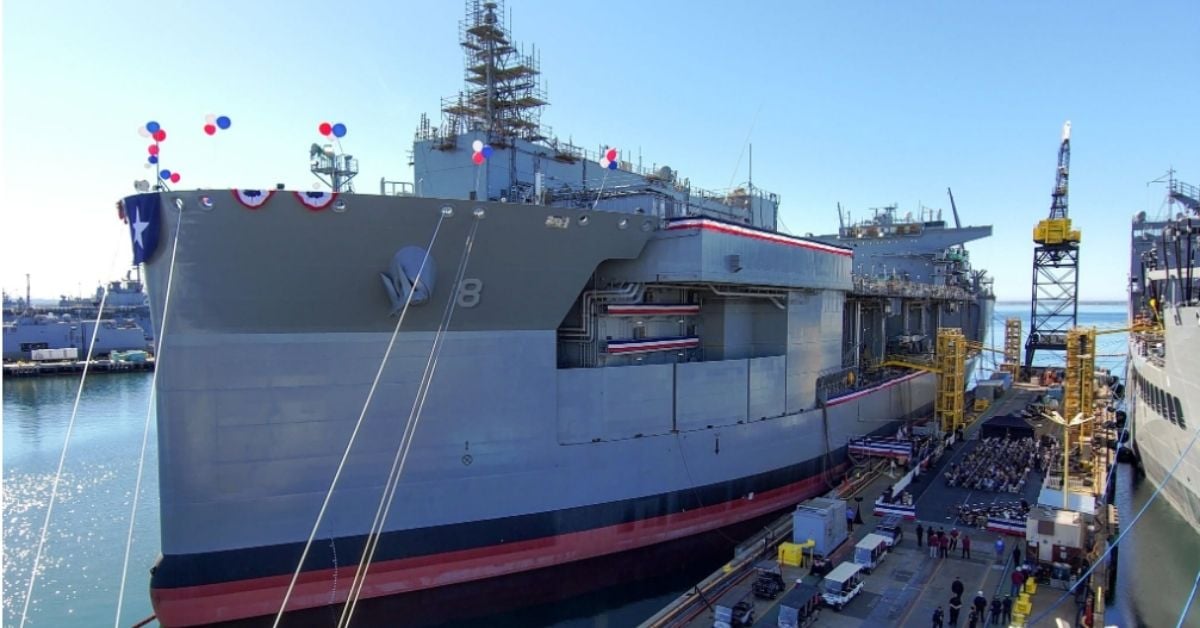
Expanding Naval Capabilities: USNS Hector A. Cafferata Jr. Joins the Fleet
The last expeditionary sea base has joined the fleet. USNS Hector A. Cafferata Jr. (ESB-8) was delivered this week in San Diego by General Dynamics NASSCO, marking the completion of a class designed for versatility and reach. This is a practical step in sustaining maritime operations where traditional ports are unavailable. For broader context on where naval strategy is heading, see our coverage of the Navy's new center for autonomous systems integration. The sea base is a platform; how it networks will define its value.

Indigenous Design Bolsters Indian Navy’s Anti-Submarine Warfare Capabilities
INS Mangrol, with over 80 percent indigenous content, signals a practical stride in India's naval self-reliance. Designed and built by Cochin Shipyard, this anti-submarine warfare vessel proves that domestic capability can meet complex operational demands. We see this as measured progress, not hype. It aligns with the broader push for an expanded fleet, a topic we explore in "India Projects Expanded Naval Fleet to Navigate Evolving Maritime Landscape." Strengthening local design now builds a more resilient maritime future.

A Presidential Carrier: Examining the Navy's Naming Shift.
Aircraft carrier namings are deliberate signals, and this one cuts against a long-standing norm. If the Navy names a carrier for a sitting commander-in-chief, it would mark the first time a president received that honor while still in office. That is a substantive break from precedent, not a symbolic footnote. The choice deserves scrutiny, not just celebration. For readers tracking how naval policy and procurement evolve, our coverage of the Navy's push to integrate autonomous systems offers useful context on where the service is headed.

Engineering Casualty Impacts US Navy Destroyer Operations in South China Sea
An engineering casualty aboard the USS Benfold has sidelined the destroyer's generators during routine South China Sea operations. The incident underscores how mechanical reliability remains the quiet backbone of naval power, even as the fleet pushes toward autonomous systems and expanded reach. For a region where readiness is measured in real-time, a single malfunction carries strategic weight. The Navy's broader push, including its new center for autonomous integration, signals a shift worth watching. Operational resilience, after all, starts below deck.

On-Demand Repairs: Navy Ships Leverage 3D Printing at Sea
The USS Theodore Roosevelt printed replacement parts at sea on July 3, 2026, using a hybrid-metal 3D printer during Rim of the Pacific exercises. This is maintenance redefined: repairs happen where the ship is, not where the supply chain says it should be. The capability shortens downtime and extends operational reach, a practical answer to a persistent logistical problem. For context on how navies are adapting to broader strategic pressures, India's fleet expansion offers a useful parallel.

Increased Naval Presence: UK Monitors Rising Russian Activity.
The latest figures land with quiet precision: UK authorities released new data on Russian naval activity weeks after interdicting a sanctioned shadow fleet tanker in the English Channel. This is measured escalation, not alarm. Intercepting that vessel sent a clear signal, and the numbers now confirm why. For readers tracking broader maritime pressure, India's fleet expansion offers a parallel thread. But here, the focus stays local: surveillance, deterrence, and the unglamorous work of patrolling our own waters.