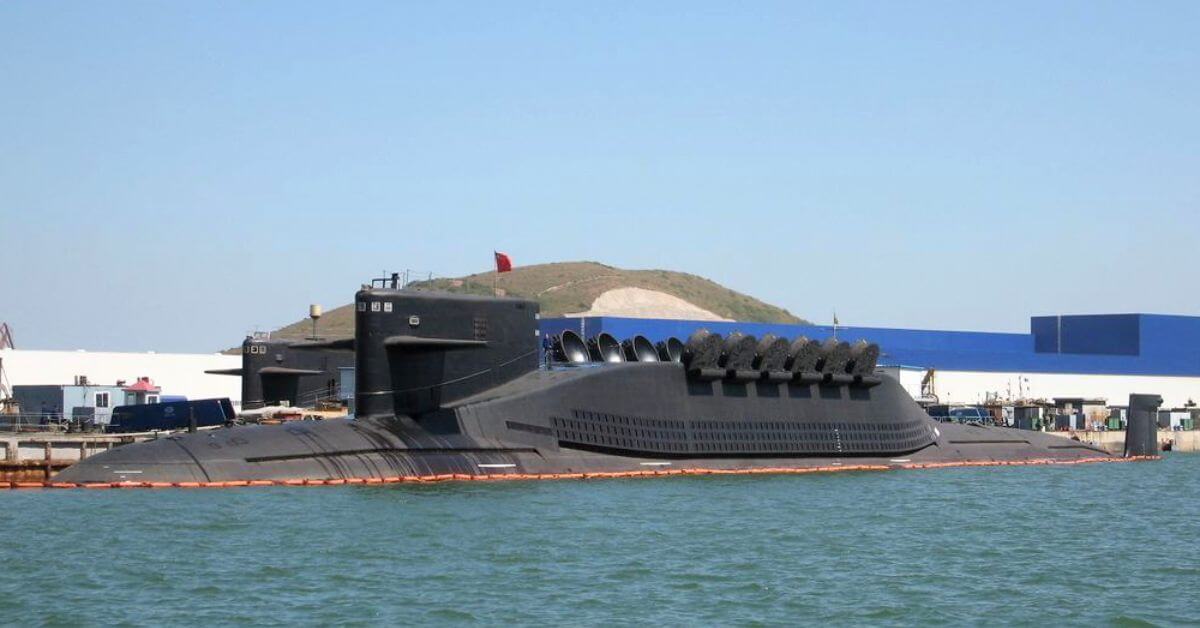
The People's Liberation Army Navy's reported integration of acoustic mapping into submarine target tracking is a quiet but telling development. Using ambient sound to refine how submarines identify and follow surface vessels in challenging underwater conditions is not about a single breakthrough; it is about layering existing sensor data into a more coherent operational picture. This aligns with a broader trend we are tracking across regional navies, where the emphasis is shifting from individual platforms to how information flows between them. The India Projects Expanded Naval Fleet to Navigate Evolving Maritime Landscape similarly signals a focus on endurance and reach, but the acoustic work points to something more specific: a commitment to making sense of the noisy, complex environments where stealth and counter-stealth decide outcomes.
What stands out here is the practical realism of the approach. Acoustic mapping is not a magic solution; it is a calibration exercise. It acknowledges that sonar performance degrades in shallow, trafficked, or thermally variable waters, and that a submarine's ability to classify a contact depends on context. By integrating these acoustic signatures into a broader data ecosystem, the PLAN is effectively treating the ocean as a layered information environment rather than a single sensor challenge. This is the same logic we see in Integrated Maritime Data Collection Underway in Philippine Exercise, where the focus is on feeding multiple sources into a shared picture. The lesson for our readers, whether in policy, research, or operations, is that the competitive edge is increasingly defined by data fusion, not just sensor hardware.
We would caution against reading this as an escalation or a dramatic shift in the balance of power. Instead, view it as a measured improvement in a long-term capability-building process. The open question is how this acoustic data is shared across units and whether it improves decision-making speed in real time. The Iranian Warship IRIS Lavan Extended Stay in Indian Port Raises Questions reminds us that maritime presence carries its own signals and frictions, but the acoustic integration is more mundane and, for that reason, more significant. The specific detail to watch is whether this capability extends beyond nuclear submarines to the conventional fleet, which would suggest broader operational adoption rather than a niche trial. That would make the difference between an experiment and a doctrine.