Saudi Arabia
Saudi Arabia at World Data Ocean is a file of 57 stories. The newest of them: “Tanker Struck by Rocket-Propelled Grenade Near Saudi Coast, UKMTO Reports”, “Mesenchymal tumors in fish help calibrate ecosystem stress baselines”, and “Yemeni Forces Consolidate Position Along Strategic Bab el-Mandeb Strait”. A tanker northeast of Al Jubayl was struck by a rocket-propelled grenade fired from a small boat, UKMTO reports. A 0.54% observed frequency of mesenchymal tumors in commercially important fish from the Arabian Gulf demands attention, not alarm, but calibrated investigation. A Global Hub for Ocean Intelligence 4 World Data Ocean is a centralized digital platform where researchers, scientists, and ocean enthusiasts converge to… The list below is every Saudi Arabia story on World Data Ocean, newest first.
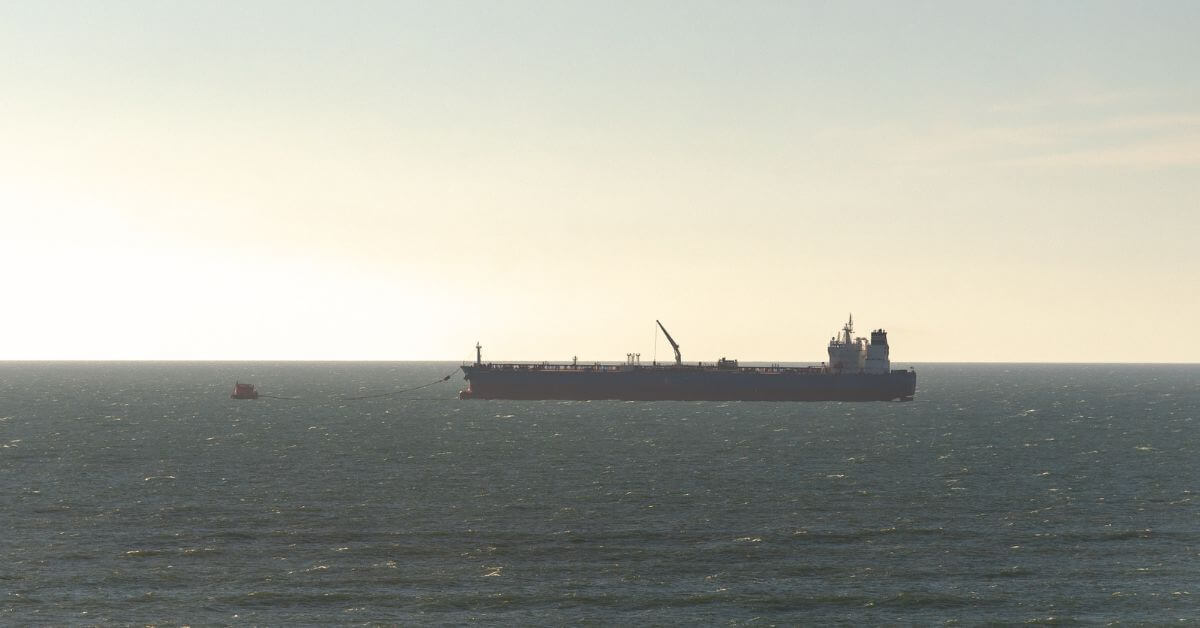
Tanker Struck by Rocket-Propelled Grenade Near Saudi Coast, UKMTO Reports
A tanker northeast of Al Jubayl was struck by a rocket-propelled grenade fired from a small boat, UKMTO reports. This direct attack on commercial shipping in Saudi waters adds another layer of risk to an already volatile maritime corridor. Measurable threats like this demand integrated security responses. For context on the expanding spectrum of naval hazards, see our coverage of the French frigate *Languedoc* neutralizing an airborne threat in the Bab el-Mandeb.

Mesenchymal tumors in fish help calibrate ecosystem stress baselines
A 0.54% observed frequency of mesenchymal tumors in commercially important fish from the Arabian Gulf demands attention, not alarm, but calibrated investigation. These ten neoplastic growths, from benign lipomas to malignant rhabdomyosarcoma displacing visceral organs, provide empirical baselines for measuring ecosystem stress. Tumorigenesis in aquatic organisms is a validated climate indicator, yet interpreting these findings requires peer-reviewed caution. Understanding drives protection. For deeper context on regional environmental pressures, see our coverage of "Shamal Winds Reveal the Physical Drivers of Arabian Gulf Mixing."
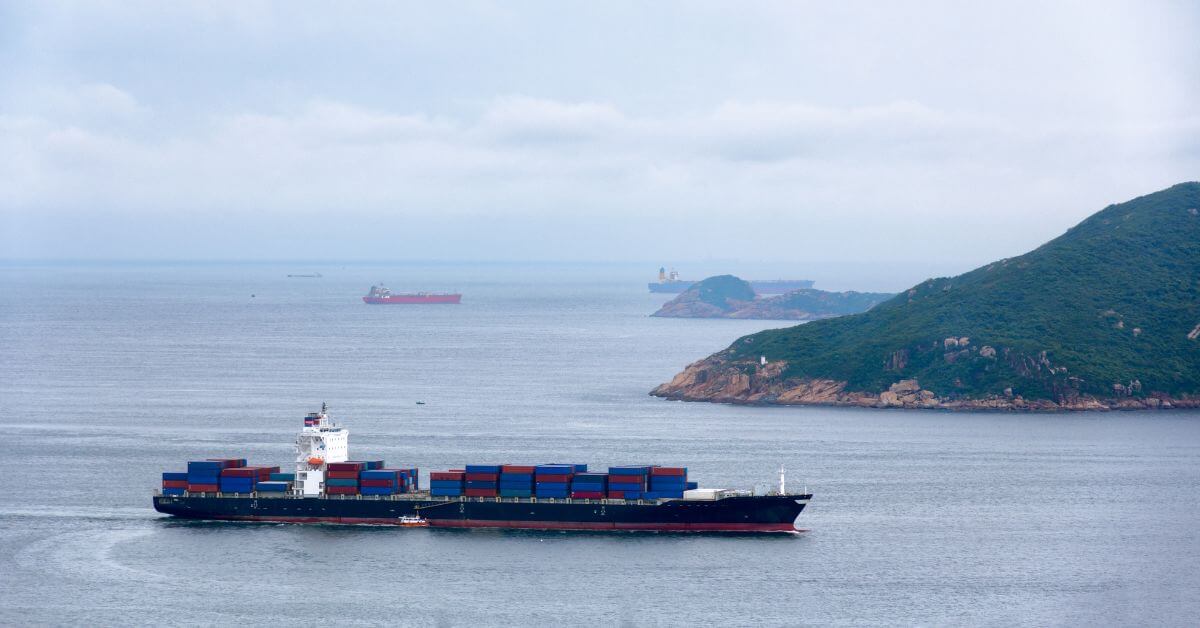
Yemeni Forces Consolidate Position Along Strategic Bab el-Mandeb Strait
Yemeni government forces now hold the Bab el-Mandeb Strait, a choke point for roughly 10 percent of global seaborne oil. This consolidation along the Red Sea coast is a measured, strategic gain, not a call for alarm. Control of this waterway carries real implications for energy security and regional stability. For calibrated context on similar maritime shifts, our coverage of Iraq moving 2 million barrels beyond the Strait of Hormuz offers a parallel read. Understanding these positions is essential, not sensational.
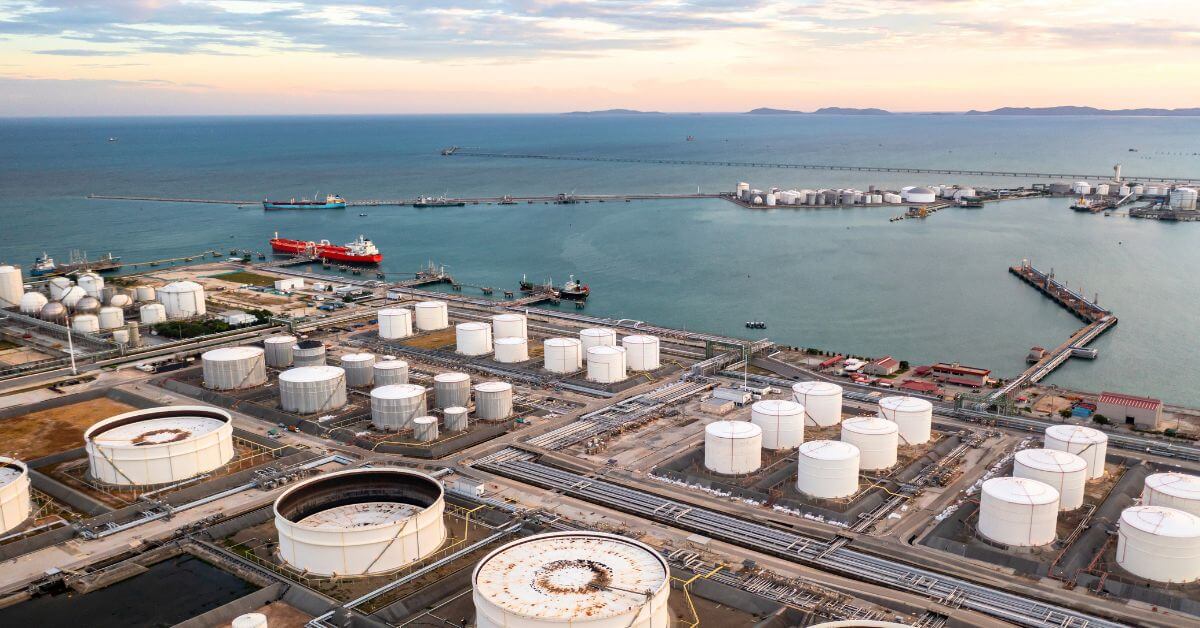
Projectile Strike at Yanbu Port Disrupts Tanker Operations
An unidentified projectile struck inside Saudi Arabia's Yanbu port on October 1, igniting a fire that disrupted tanker operations. This incident underscores the fragility of critical maritime infrastructure in a region already under strain. Measurable disruptions like this demand calibrated, real-time monitoring to protect global energy flows. For deeper context on how such risks reshape supply chains, see our coverage of refiners chartering tankers through Hormuz to secure India's oil supply. Understanding these threats drives smarter protection.
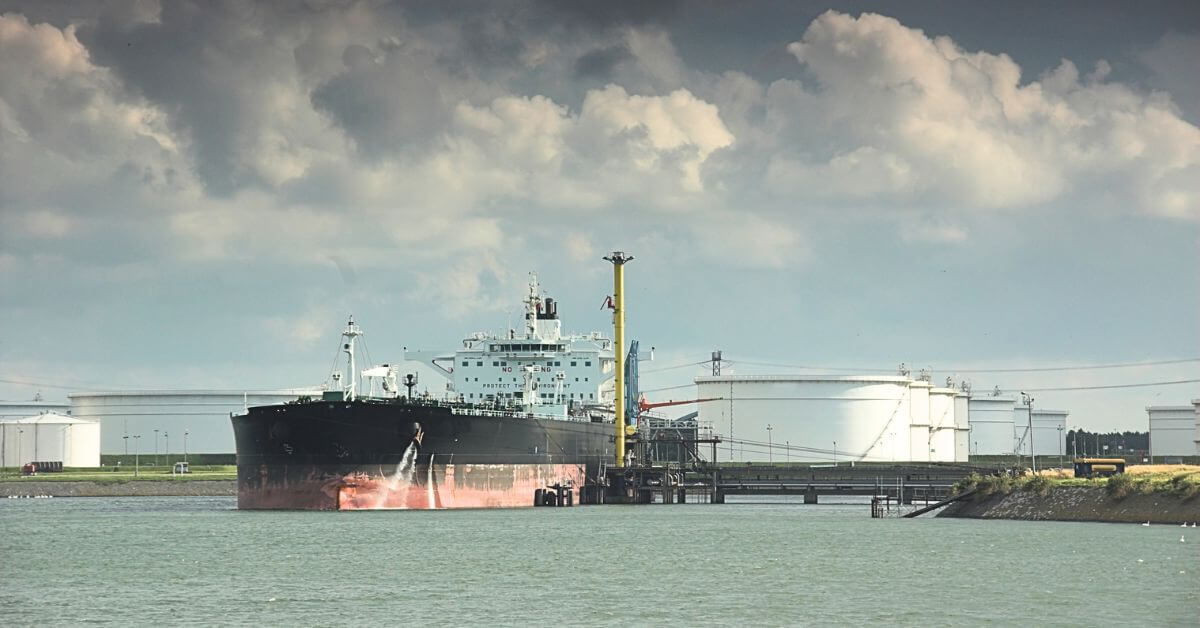
Red Sea crude flows rise as Strait of Hormuz disruptions reshape global routes
Crude loadings at Yanbu have held at roughly 2 million barrels per day since last week, according to trade estimates. This surge in Red Sea flows signals a tangible recalibration of global routes as Strait of Hormuz disruptions force new calculations. The shift is measurable and consequential for energy security. For deeper context on maritime risk, see our coverage of the vessel struck by an unknown projectile in the Strait of Hormuz. Understanding these patterns is essential, because where oil moves, ocean intelligence follows.
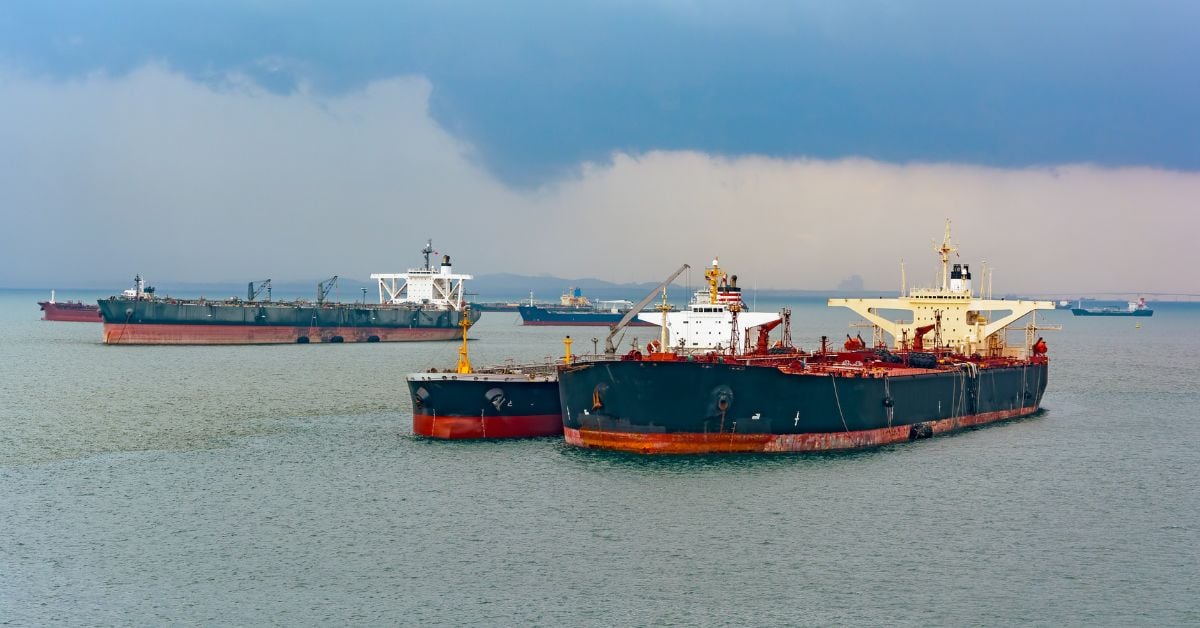
Gulf of Oman STS Transfers Max Out Amid Rising Saudi Oil Exports
Ship-to-ship transfers in the Gulf of Oman have reached maximum capacity, with traders and analysts pointing to surging Saudi crude exports as the driving force. This operational ceiling underscores how swiftly regional logistics can tighten when cargo volumes climb. The strain is a measurable signal of shifting energy flows, one that demands calibrated attention from those tracking maritime trade. For context on broader infrastructure pressures, our piece on integrated subsea systems in the Indian Ocean offers a useful parallel.
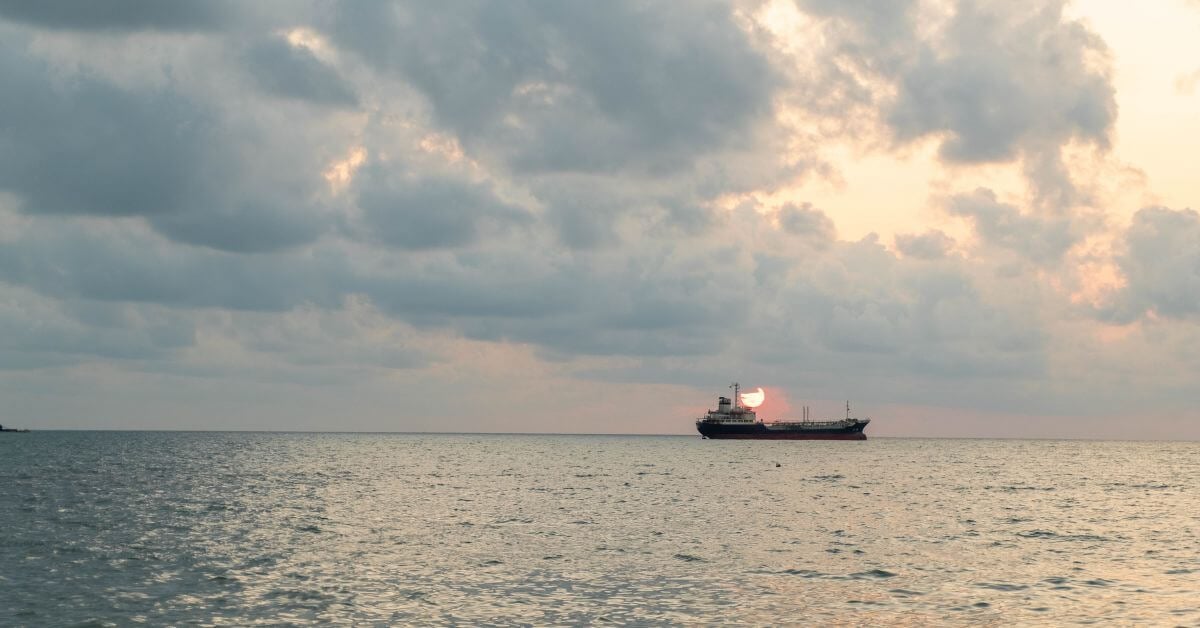
Eighty Nations Urge Reopening of Vital Strait of Hormuz Shipping Lane
Eighty nations, led by Bahrain's foreign minister, have formally urged the United Nations to reopen the Strait of Hormuz, a waterway that carries nearly a fifth of global oil supply. The collective call is a measured but firm push for maritime stability, grounded in shared economic and security interests. Diplomacy, not disruption, is the clearest path forward here. For those tracking the region's momentum, our related piece on phased negotiations between Washington and Tehran offers useful context on what reopening might actually require.
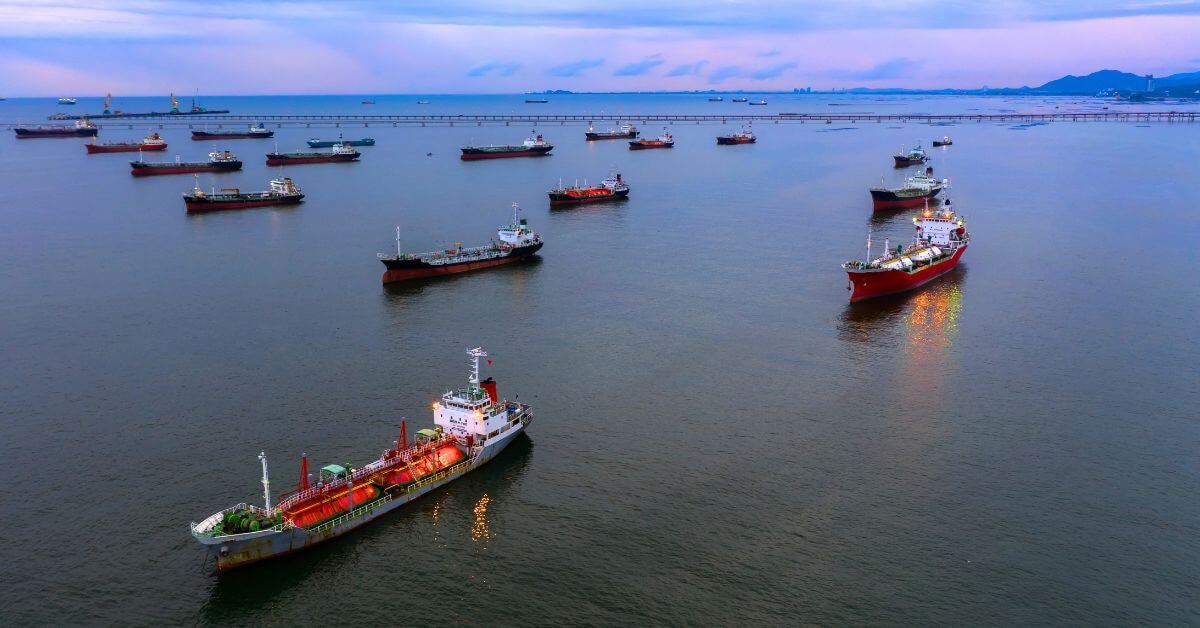
Saudi Arabia Refutes Tanker Acquisition Claims Amid Rising Shipping Costs
Saudi Arabia has denied reports it purchased 25 oil tankers for $4.5 billion, a claim Iraq linked to rising costs for shipping its crude. The denial carries weight in a region where maritime logistics already face intense pressure. With ship-to-ship transfers in the Gulf of Oman reportedly at full capacity, the stakes for transparent energy trade have rarely been higher. Measured communication matters here; the market is watching, and clarity supports stability.
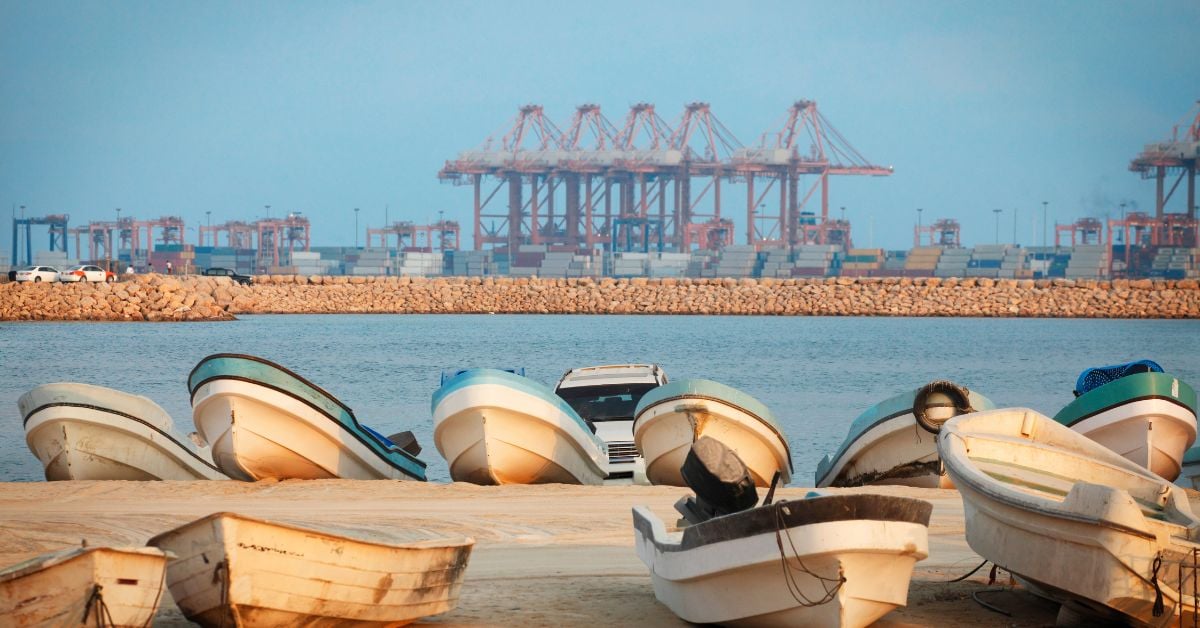
Sohar Port Facilitates Growing Indian Trade Routes to the GCC
Sohar Port has positioned itself as a critical transit point for Indian exports entering the GCC, a role that reflects the broader rebalancing of regional trade flows. The port's capacity to handle this volume signals practical, measurable gains in logistics integration. That matters as Gulf economies diversify. For readers tracking these corridors, our related piece on integrated subsea infrastructure in the Indian Ocean offers useful context on the region's digital backbone. The port's progress is steady, and it anchors a connection worth watching closely.
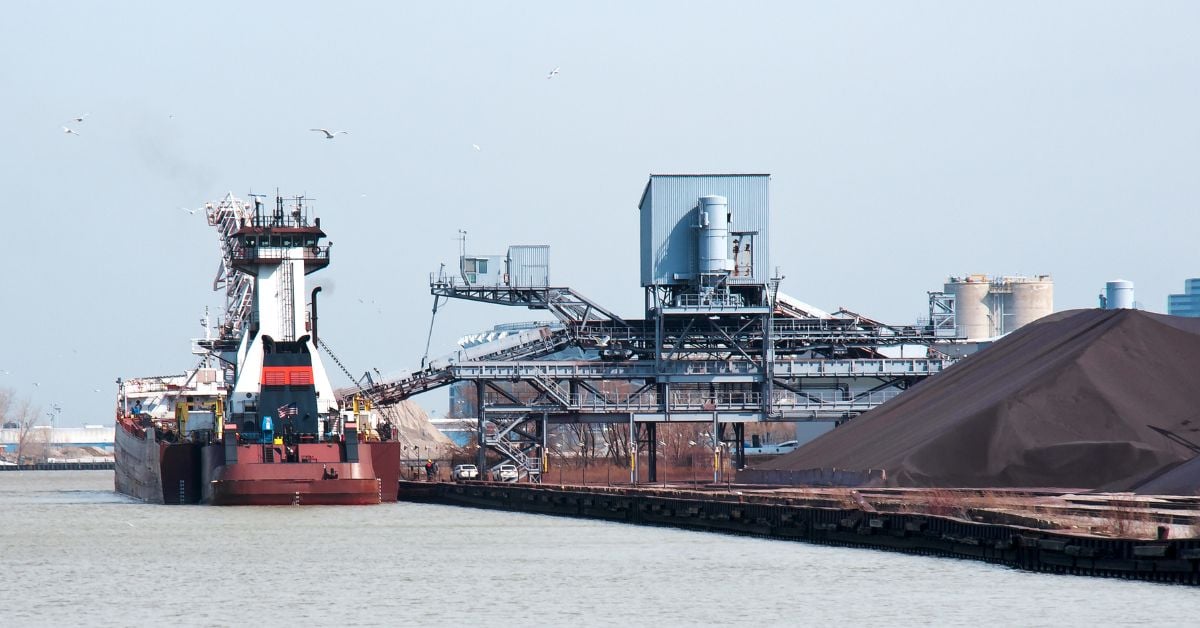
Shifting Cargo: Russian Terminals Adapt for Grain Export Surge
The Baltic and Arctic terminals that once moved fertiliser and coal are now turning to grain, a pragmatic response to shifting export demands. It is a quiet recalibration of infrastructure, and one that speaks to how quickly trade flows can redirect. Russia is adapting its logistics to stay competitive, and that flexibility is worth watching. For broader context on how export routes are evolving, our piece on Russia Calibrates Export Revenue for the Northern Sea Route Icebreaker Fleet offers a useful parallel.
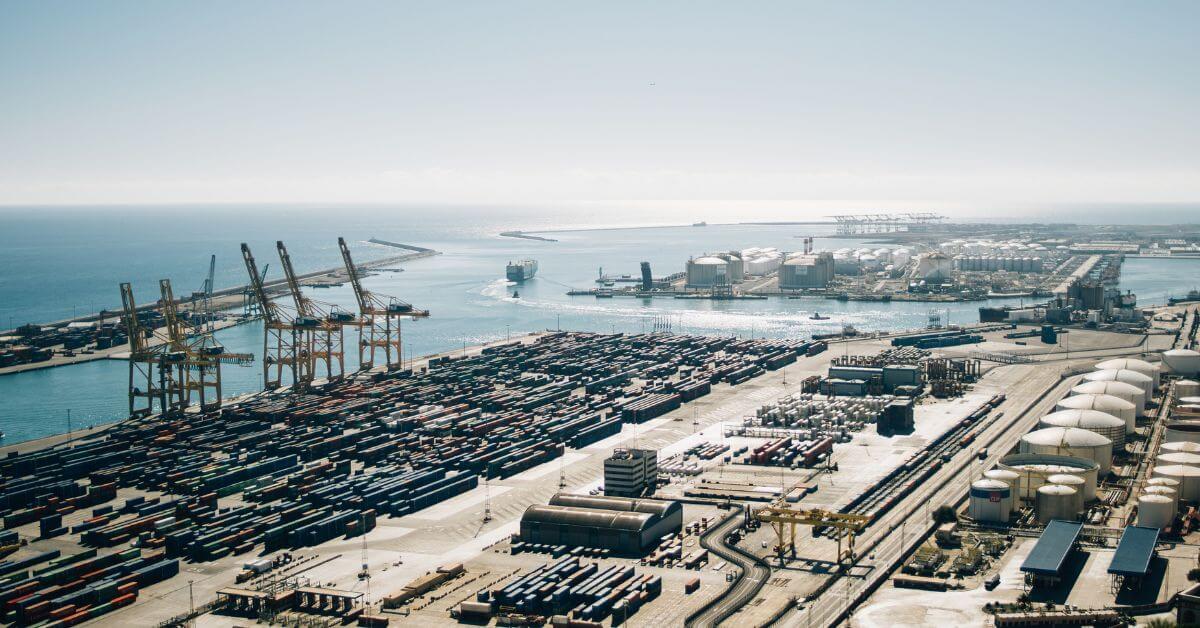
Fishermen Halt Mediterranean Ports Amid Rising Fuel Costs, Geopolitical Tensions
French fishermen blockaded the ports of Nice and Sète, along with an oil depot in Frontignan, on Thursday, September 17, grounding their trawlers in a protest over soaring fuel costs and mounting geopolitical strain. The action is a pointed reminder that maritime economies operate on a knife's edge, where diesel prices and international tensions converge. It is a measured, tactical standstill, not a spectacle.
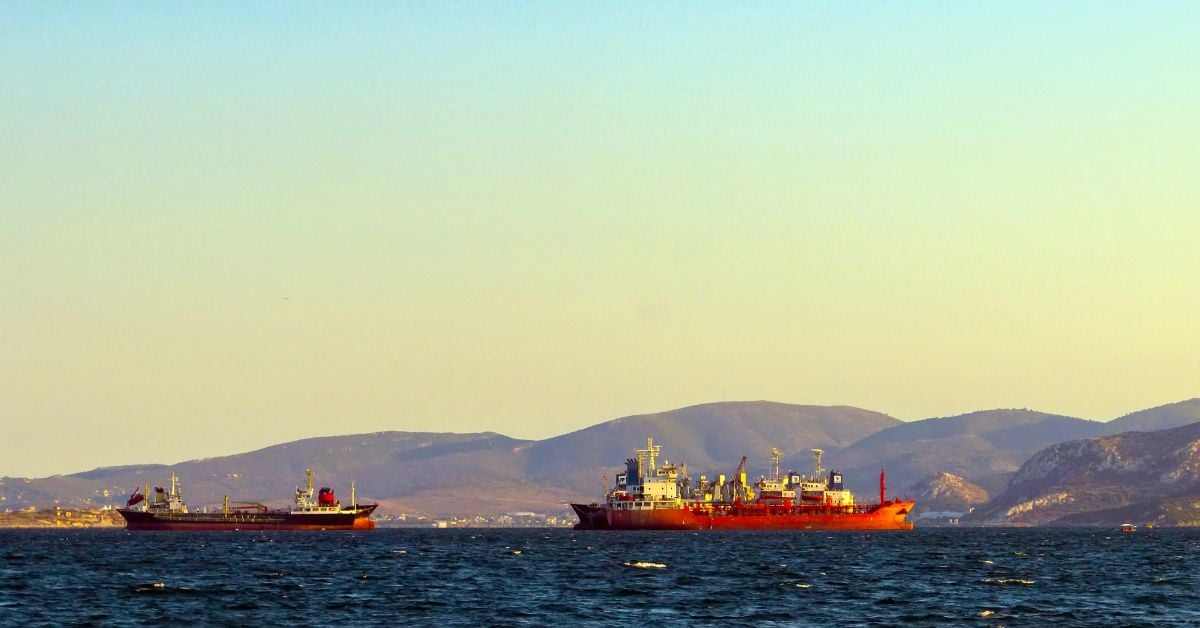
Oman Mediates Talks Between U.S. and Houthi Representatives Amid Red Sea Tensions
Diplomatic channels remain open even as tensions escalate along Yemen's Red Sea coast. Omani officials hosted U.S. Embassy personnel and Houthi representatives in Muscat, days after the group seized additional shoreline. This meeting signals a pragmatic attempt to manage a volatile situation, though concrete outcomes stay unclear. For context on regional maritime stress, our piece on Gulf of Oman STS transfers maxing out offers useful perspective. Dialogue is a start; sustained, verifiable commitments will determine whether this track produces stability.
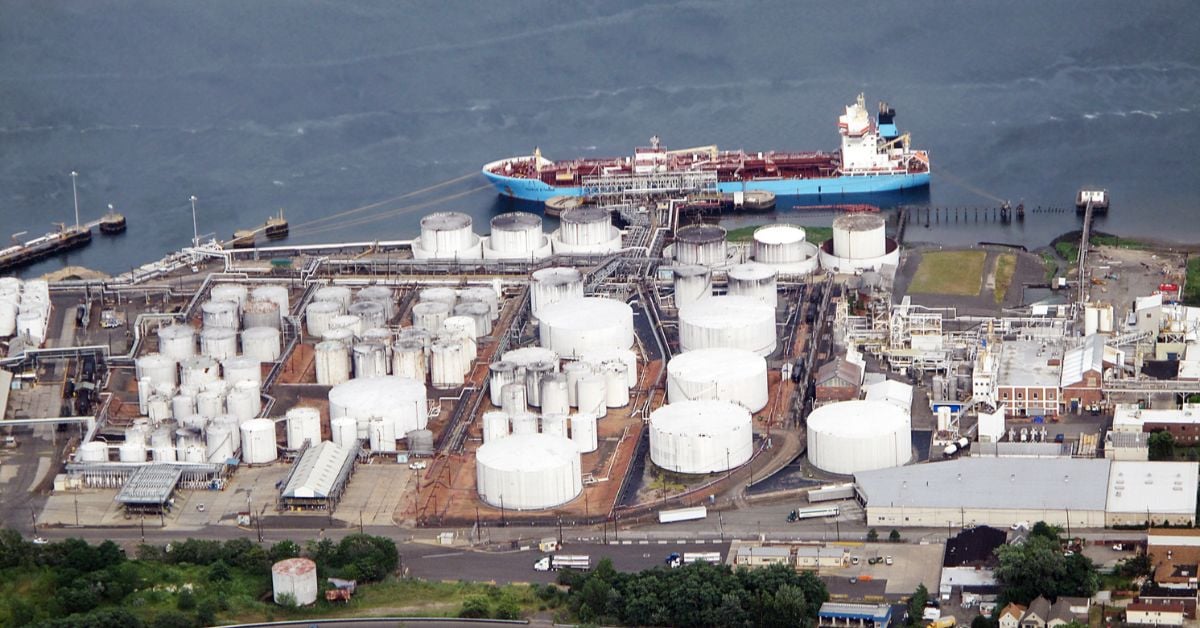
Saudi Arabia Redirects Oil Exports; Global Supply Concerns Ease.
Saudi Arabia's decision to reroute crude through Oman has already trimmed oil prices by 1.2%, a measured market response to reduced supply fears. The move does not erase the Strait of Hormuz's fragility, but it buys time for diplomacy. This is pragmatic recalibration, not panic. For those tracking the mechanics, our related piece on Gulf of Oman STS transfers shows how strained these alternative routes have become. The pressure has not lifted; it has simply shifted.

Disruption on East-West Pipeline Impacts Saudi Oil Export Routes.
A 1,200-kilometer artery of Saudi crude has been disrupted. The East-West Pipeline, which bypasses the Strait of Hormuz to deliver oil to Red Sea terminals, now faces operational impacts. This is not merely a logistical snag; it is a stress test for alternative export routes. When a calibrated system falters, the ripple effects are measurable. For deeper context on regional bottlenecks, see our coverage of "Gulf of Oman STS Transfers Max Out Amid Rising Saudi Oil Exports."
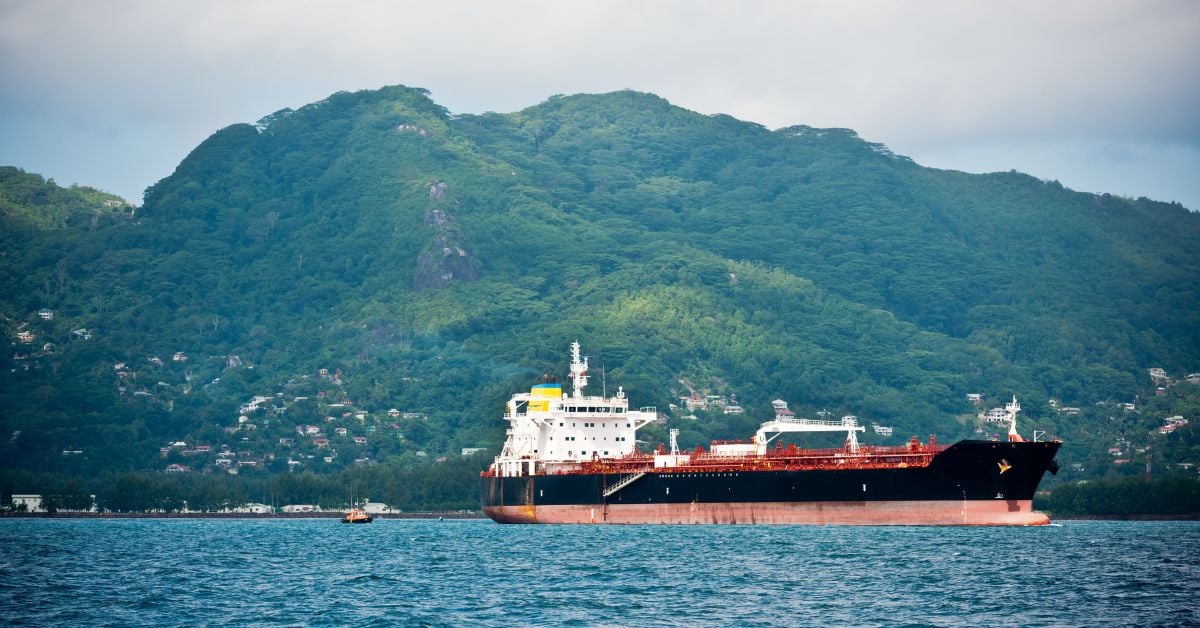
Heightened Tensions: Houthi Control of Perim Island Impacts Shipping Route
The Houthi seizure of Perim Island places a validated chokepoint under direct threat. Control of this island means the Bab El-Mandeb Strait, a corridor for global commerce, is now within range of Iran-backed forces. This is not speculation; it is a measurable escalation in regional instability. For readers tracking these disruptions, our report on "Puntland Forces Intercept Hijacked, US-Sanctioned Oil Tanker After 48 Hours" shows how quickly maritime security unravels. Understanding these links drives protection of vital sea lanes.

Houthi Control Expands Near Vital Bab el-Mandeb Strait.
The Houthis have seized new territory near the Bab el-Mandeb Strait, tightening their grip on a chokepoint that connects the Red Sea to the Gulf of Aden. This expansion is a measured but significant shift in regional leverage. Validated by empirical observation, their increased control raises calibrated concerns for maritime security and global trade flows. For deeper context on regional maritime pressures, our related coverage on Gulf of Oman STS transfers offers an integrated perspective. Understanding drives protection, this development demands attention.
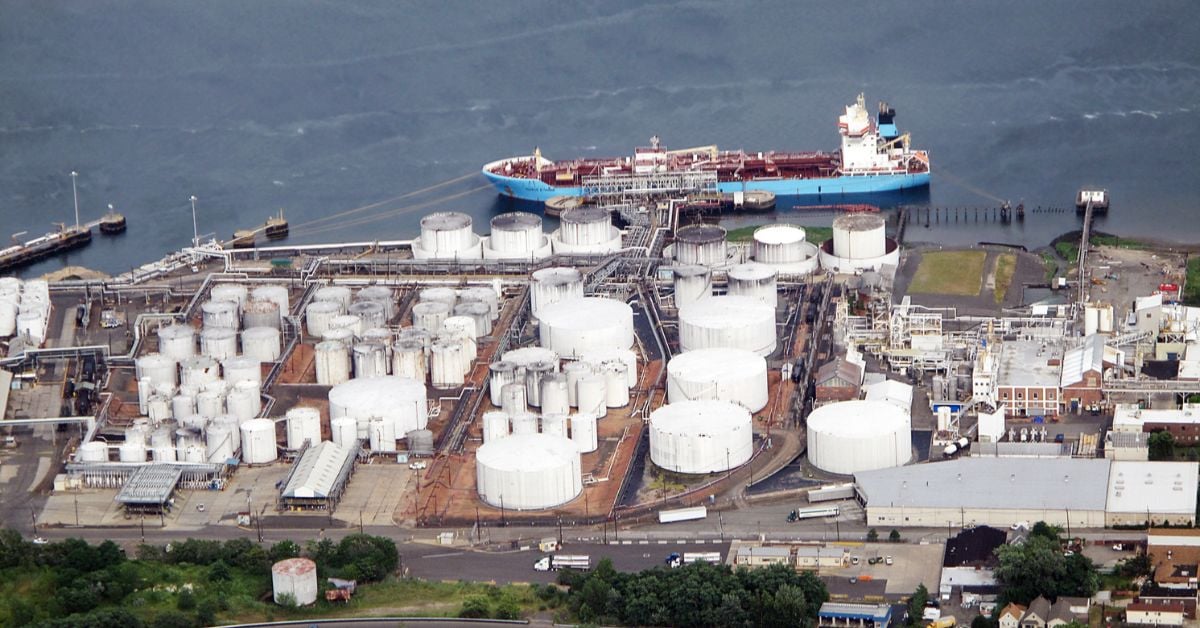
Attacks Disrupt Saudi Oil Operations; Regional Instability Intensifies.
Houthi attacks struck southern Saudi Arabia, including an Aramco oil refinery, disrupting operations and intensifying regional instability. These strikes underscore the fragility of energy infrastructure in contested zones. Measurable impacts on global oil flows demand calibrated monitoring. For deeper context on shifting maritime pressures, see our related coverage of Gulf of Oman STS transfers maxing out amid rising Saudi exports. Understanding these disruptions is essential, protection begins with empirical awareness.
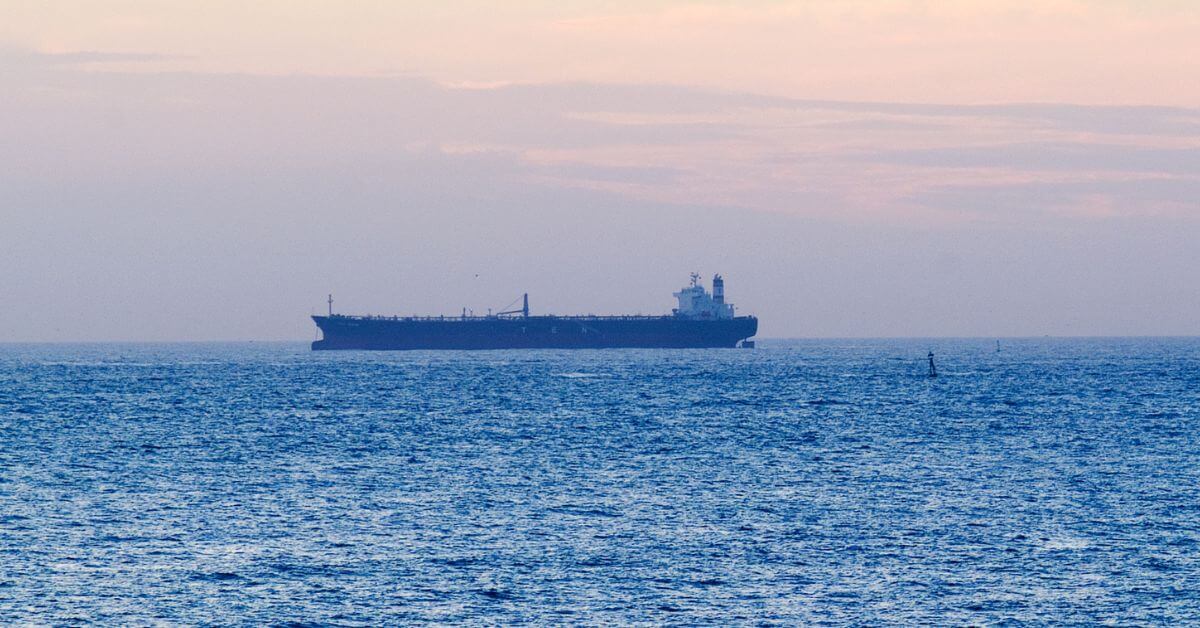
Strait of Hormuz Attack: Incident Highlights Regional Maritime Risks
Two Filipino crew members were killed in the attack on a Bahri vessel near the Strait of Hormuz. This is not an isolated incident; it is a measurable data point in a region where maritime risks are escalating. The human cost is validated by empirical reports from Saudi Arabia's shipping company. Understanding these threats drives protection of global trade routes. For deeper context, our article "Gulf of Oman STS Transfers Max Out Amid Rising Saudi Oil Exports" examines related capacity pressures.
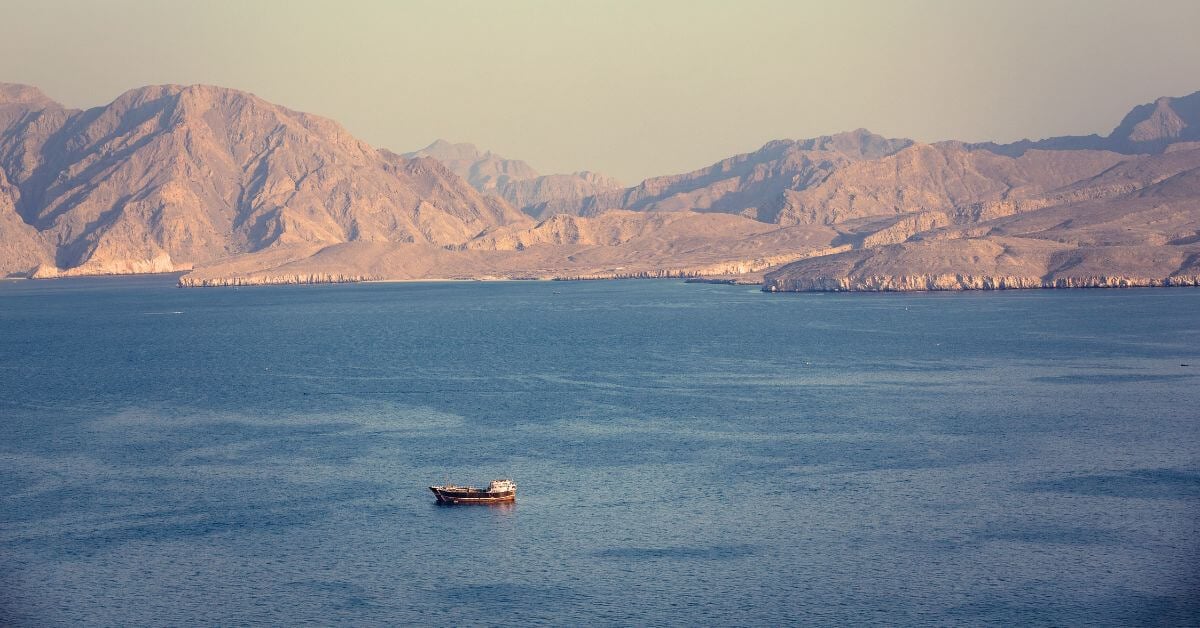
Geopolitical Shifts: Strait of Hormuz Renaming Proposal Sparks Debate
A proposal to rename the Strait of Hormuz has injected geopolitical friction into one of the world's most vital maritime chokepoints. President Trump asserted U.S. control over the strait on Truth Social, questioning whether it should be rebranded. The debate is more than symbolic; it carries real implications for shipping and energy security. For context on the region's mounting pressures, our piece on Gulf of Oman STS transfers maxing out offers a grounded look at the logistical strains nearby. Measured analysis matters here, not hyperbole.
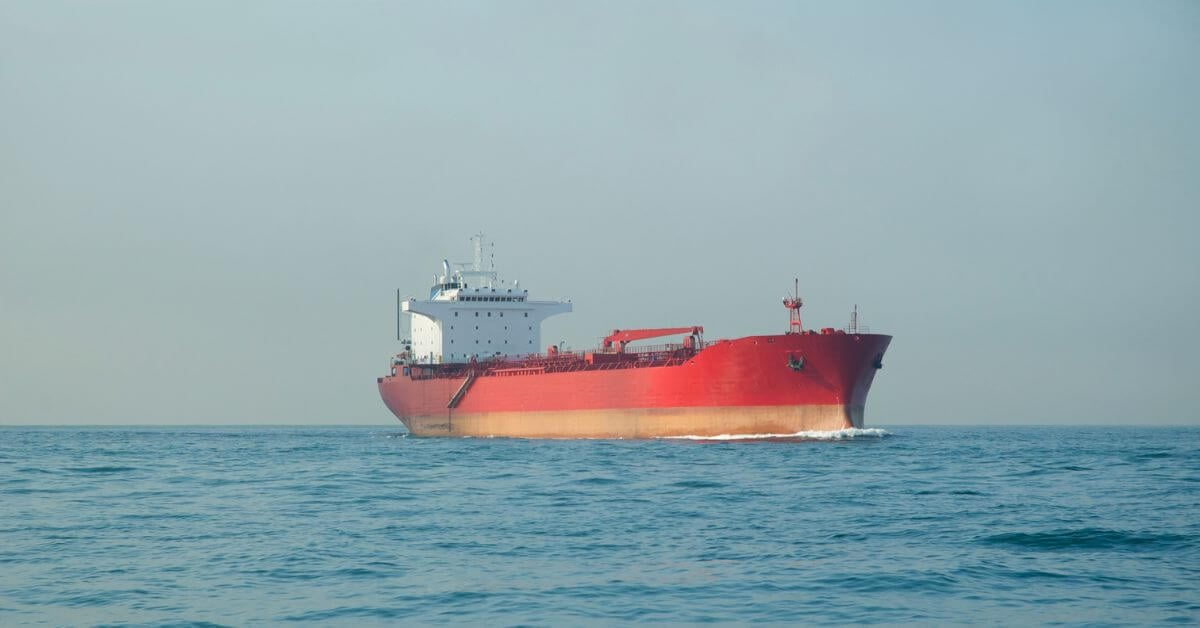
Strait of Hormuz Attack Claims Lives of Two Filipino Seafarers
Three projectiles struck a tanker leaving the Strait of Hormuz on Aug. 31, claiming the lives of two Filipino seafarers, according to the UK Maritime Trade Operations. The attack underscores a volatile corridor where commercial risk and geopolitical friction converge. Every incident here carries measurable human cost, not just tonnage delays. For context on how regional dynamics shape these waters, our coverage of phased negotiations to ease Strait restrictions offers a deeper look at what is at stake diplomatically.
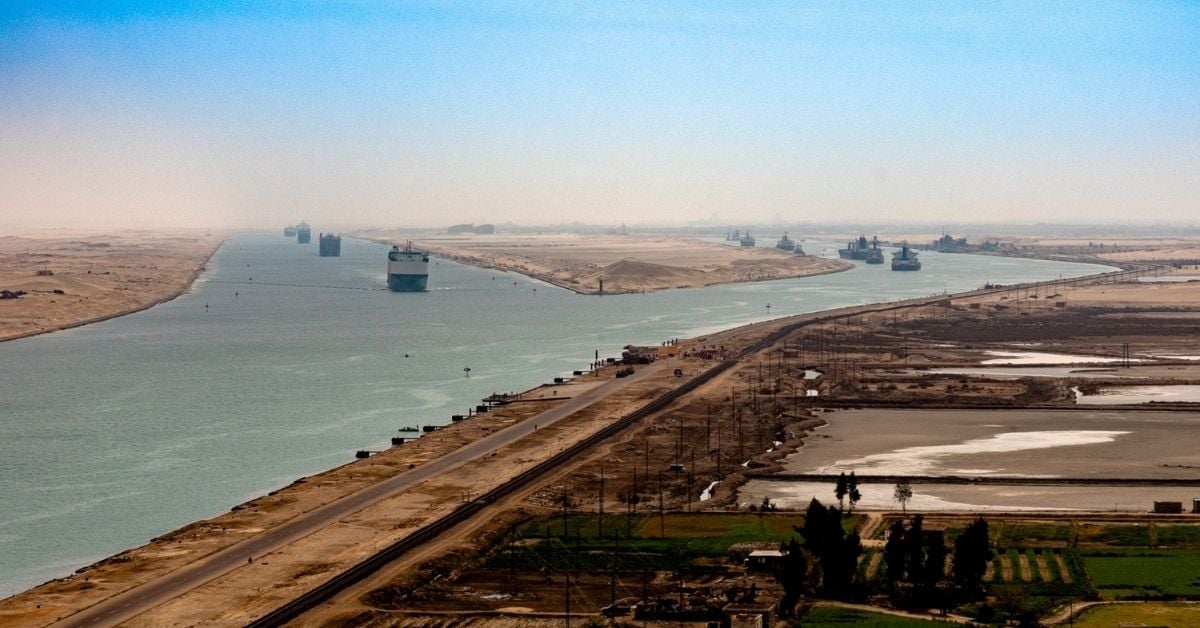
Shipping Resumes Suez Passage: Integrated Data Reveals Route Recovery.
The resumption of Suez transits marks a measurable shift in route recovery, as shipping firms pivot back from the Cape of Good Hope. This is not merely a logistical adjustment; it reflects calibrated confidence in the waterway's stability. For an industry that thrives on predictability, the return signals a rebalancing of risk and efficiency. Readers tracking regional momentum may also find our piece on Gulf of Oman STS transfers useful, as similar pressures shape these corridors. The data, as always, points where it points.
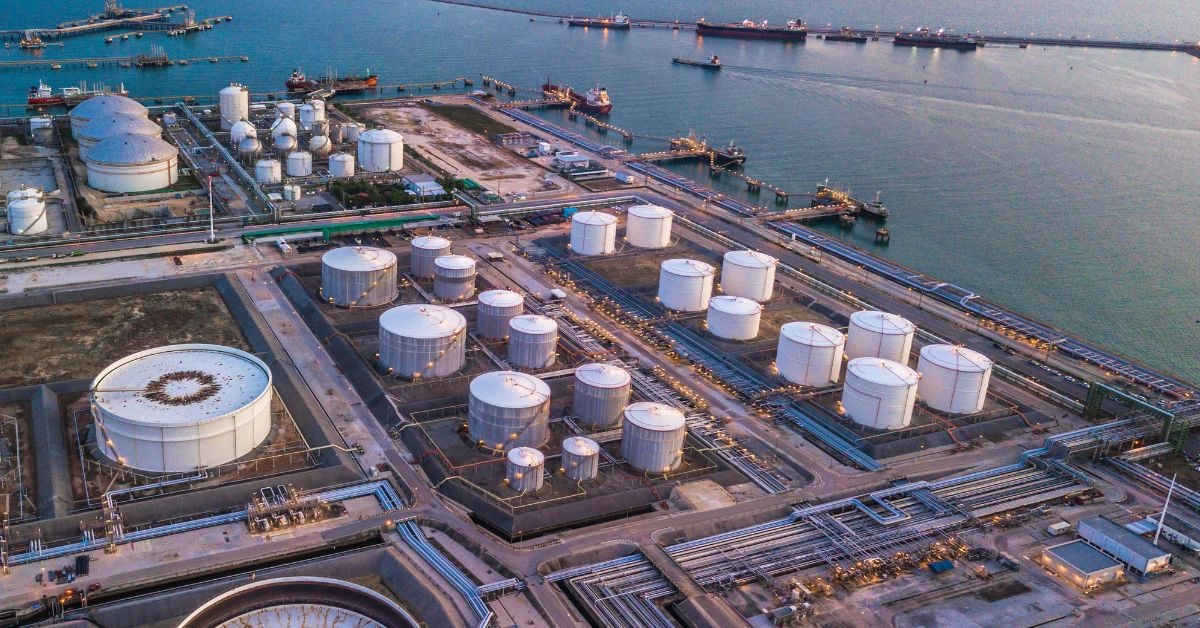
Securing Energy: Japan Plans Integrated Pipeline Network Beyond Hormuz Strait
Japan is moving to secure its energy lifeline with an integrated pipeline network designed to bypass the Strait of Hormuz, a strategic chokepoint where geopolitical friction carries real economic weight. The plan reflects a calculated shift toward resilience, not alarm. It is a measured response to a fragile maritime route, and one that warrants attention as global supply chains recalibrate. For broader context on regional bottlenecks, our related coverage on Gulf of Oman STS transfers offers a useful lens.

Integrated Port Expansion: Saudi Arabia and CMA CGM Enhance Red Sea Trade
Jeddah Islamic Port is about to get a serious upgrade. Saudi Arabia's Red Sea Gateway Terminal has signed a contract with CMA CGM, France's shipping giant, to build and operate a new terminal there. It's a direct bet on the Red Sea's growing role in global trade, and a smart one. This isn't just concrete and cranes; it's about positioning for the long haul.

Red Sea Shipping Disrupted: Missile Strike Impacts Oil Tanker Near Yanbu
A ballistic missile strike has disrupted shipping near Yanbu, with the Houthis reporting that the tanker Amzan, operated by Bahri, was hit. The incident underscores how fragile Red Sea transit has become for energy flows. This is not an isolated disruption; it follows reports of Gulf of Oman STS transfers maxing out amid rising Saudi exports. The interconnected pressure on these routes demands attention.