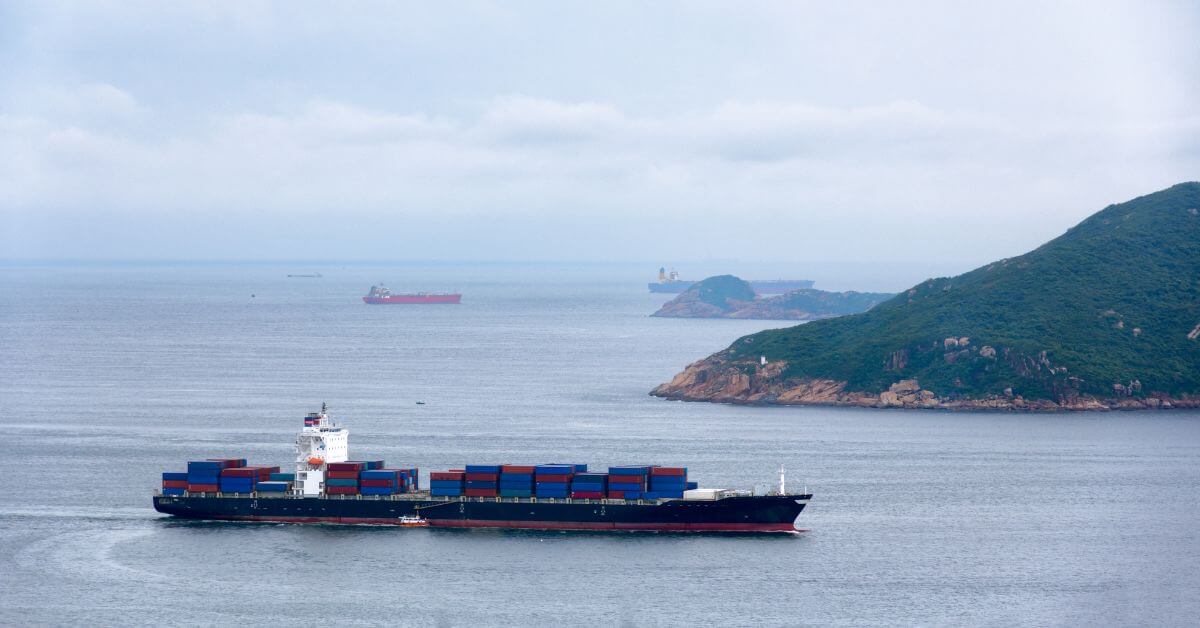
Control of a strait is control of a current, and at Bab el-Mandeb, the current carries roughly 12% of global trade. Yemeni government forces, backed by Saudi airpower, have reportedly pushed Houthi fighters out of most coastal areas near the strategic waterway, including the city of Mocha. This is not a minor territorial shift. It is a direct bid to secure a chokepoint that has already been destabilized by Iran's closure of the Strait of Hormuz, a subject we have tracked closely in 2 million barrels of crude move beyond the Strait of Hormuz in a calibrated shift and Laser Deterrence Deploys in the Strait as Naval Defense Enters a New Measured Era. Our take is straightforward: this development matters less for the headlines it generates today than for the calibrated, long-term risk it introduces to energy transit, naval posture, and regional stability.
The Houthis reject the government's claims, and they still hold positions inland and along the coast north of Mocha. They have already shown they can strike vessels with drones from farther up the coast, and they continue to besiege Taiz, Yemen's third-largest city. That siege, if sustained, pins down thousands of government troops and creates a humanitarian bottleneck, residents queue for fuel and cooking gas while a damaged culvert blocks the Taiz-Aden road. The government's advance toward Bab el-Mandeb is real, but it is not a complete victory. It is a consolidation that requires continuous air cover, which Saudi Arabia has provided with over 100 fighter jets and hundreds of strikes. The Houthis, for their part, have fired missiles and drones at Saudi cities and infrastructure. This is not a static front; it is a dynamic, contested corridor where every kilometer gained comes with a logistical and diplomatic cost.
For readers tracking global energy flows and maritime security, the practical implication is a shift in where risk concentrates. With the Strait of Hormuz effectively closed to Gulf energy exports, Bab el-Mandeb becomes the next pressure point. If Houthi forces can disrupt traffic there, even from inland positions, they impose a cost on the Saudi-led coalition and on global shipping that is harder to defend against than a conventional naval blockade. The U.S. military's deployment of laser weapons in the Strait of Hormuz, as we reported in Carrier Bush Arrives in Thailand With 4,800 Personnel After Deployment, underscores that navies are adapting to asymmetric threats in narrow waters. Bab el-Mandeb may now test whether those adaptations scale.
The open question is whether the government's hold on the strait is durable. Houthi fighters have made gains near Taiz and al-Turbah, and they still control Sanaa. The road to Mocha may be secured, but the road to a stable Yemen is not. Watch whether the Houthis shift their drone and missile tactics to target the strait's shipping lanes directly, and whether the Saudi air umbrella can sustain coverage without drawing the conflict into a broader regional exchange. That is the concrete detail to track: not the flag planted on the coast, but the pattern of attacks that follows.