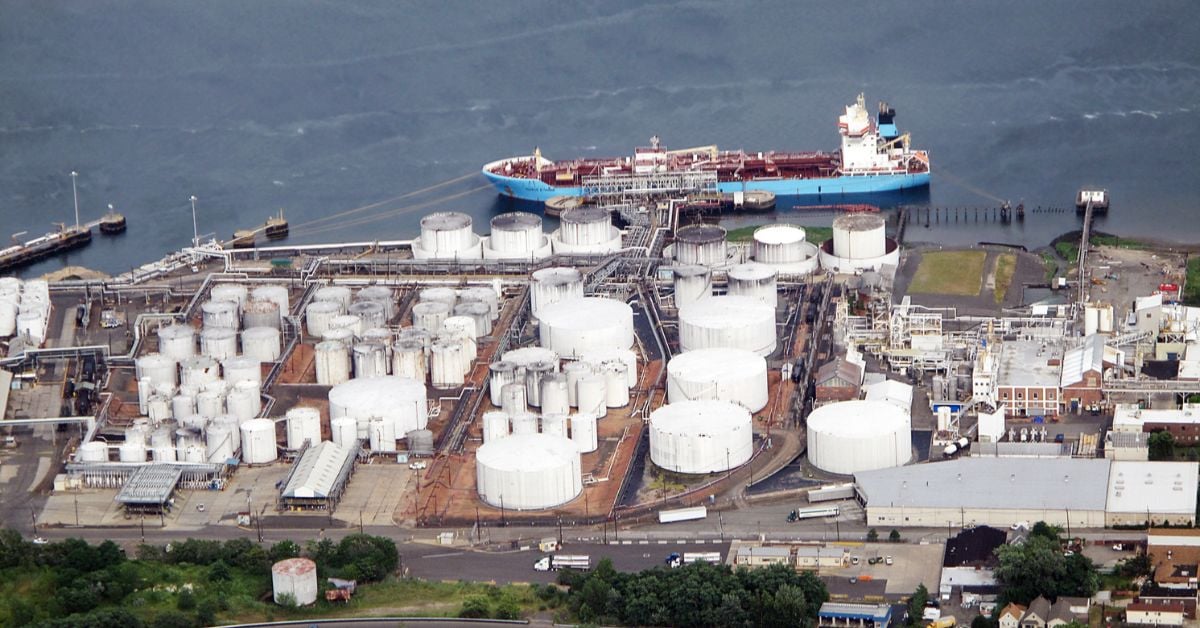
The Houthi attacks on Saudi Aramco's oil refinery in the southern region represent more than a headline in geopolitical risk; they are a measurable disruption to global energy logistics and maritime stability. When a key node in the world's energy supply chain comes under direct fire, the effects ripple across shipping routes, insurance markets, and the operational calculus of every tanker operator in the region. This is not abstract. For those monitoring real-time ocean intelligence, the immediate consequence is a recalibration of risk vectors in the Red Sea and the Gulf of Aden. We can already observe how this event intersects with other recent developments, such as the report that Gulf of Oman STS Transfers Max Out Amid Rising Saudi Oil Exports, which indicates that the infrastructure for alternative transfer methods is already under strain. When primary export terminals face disruption, secondary systems like ship-to-ship transfers absorb the pressure, but only up to a point.
Our take is straightforward: this attack validates the need for integrated data ecosystems that track both environmental and security variables. Too often, ocean intelligence is siloed into climate indicators or commercial shipping data, but an attack on a refinery is a climate indicator in its own right. A sudden spike in tanker idling, a rerouting of crude away from the Bab el-Mandeb, or a change in vessel insurance premiums all carry empirical signals that inform everything from fuel pricing to naval deployment. Consider the parallel with the recent Puntland Forces Intercept Hijacked, US-Sanctioned Oil Tanker After 48 Hours. Both incidents underscore that the maritime domain is increasingly contested, not just by state actors but by non-state forces leveraging asymmetric tactics. The difference is scale: a hijacking is a tactical event; a strike on a national refinery is a strategic one. The common thread is that real-time, calibrated data on vessel movements and port activity is no longer optional, it is operational necessity.
For our readers, whether they are researchers modeling energy flows, policymakers assessing regional security, or logistics planners, the practical takeaway is this: you should treat every disruption to a major oil terminal as a leading indicator for cascading effects across the ocean economy. The attack on Aramco does not exist in isolation. It coincides with reports that India Projects Expanded Naval Fleet to Navigate Evolving Maritime Landscape, a clear signal that regional powers are anticipating a more contested environment. When a navy plans to nearly double its fleet size over the next two decades, it is responding to the same kind of empirical instability we are witnessing today. The question for the global community is whether our ocean intelligence frameworks are keeping pace with the speed of these disruptions.
The specific detail to watch is the duration of the refinery outage and the subsequent rerouting of Saudi crude exports. If the disruption persists beyond a week, we will likely see a measurable uptick in STS transfers in the Gulf of Oman, pushing that system closer to its reported maximum capacity. That is the concrete point: the margin for error in the global oil logistics chain is shrinking, and the ocean data we collect must shrink with it.