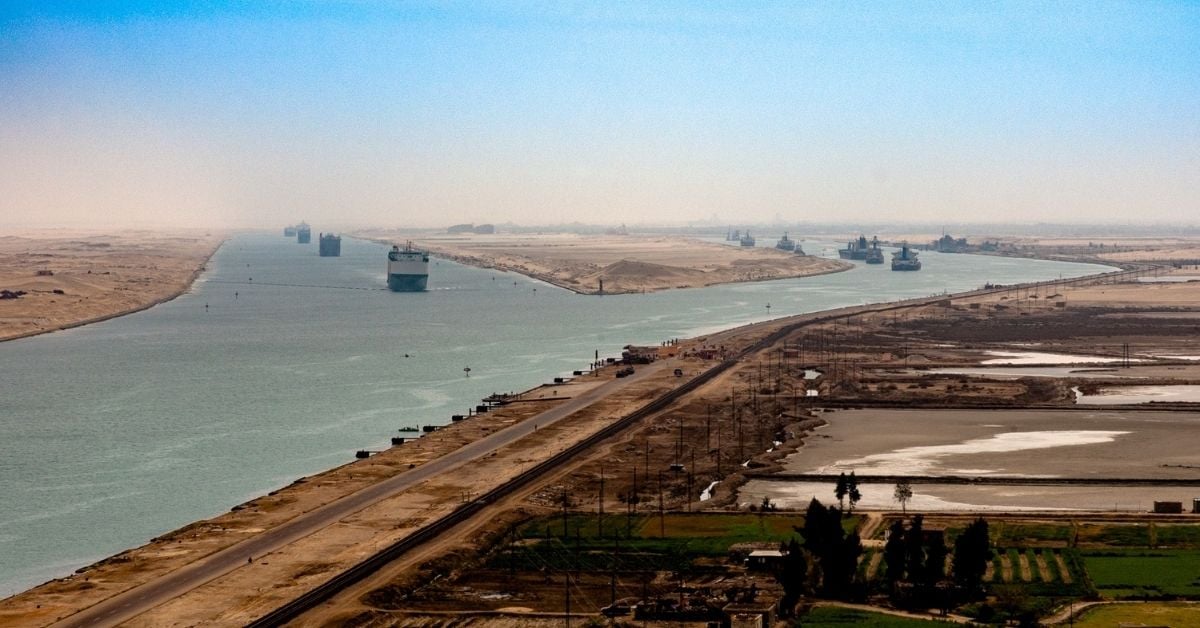
The resumption of Suez transits marks a measurable inflection point, one that our integrated data ecosystem is only beginning to capture in real time. For months, the Cape of Good Hope detour has been the default, a reliable but costly workaround that stretched schedules and stretched fuel budgets. Now, as sources indicate shipping companies are shifting back to the strategic route, we are not witnessing a simple return to normal. We are observing a recalibration of risk, a calculated bet on stability that carries implications far beyond transit times. This is not a moment for triumphant headlines; it is a moment for empirical observation.
The decision to re-enter the Suez corridor does not occur in a vacuum. It parallels the pressures seen in Gulf of Oman STS Transfers Max Out Amid Rising Saudi Oil Exports, where capacity constraints are forcing creative, if temporary, solutions. Similarly, the strategic maneuvering around chokepoints is echoed in the Phased Negotiations Aim to Ease Restrictions on Strait of Hormuz, where diplomatic calibration could reshape energy flows. These are not isolated incidents; they are data points in a larger, integrated picture of maritime commerce under stress. The Suez recovery is the latest variable, and its validation will come from longitudinal tracking of tonnage, not from anecdotal confidence.
Our take for readers who operate fleets or manage logistics is practical: do not rush to reallocate assets based on early signals. The rerouting to the Cape was a rational response to a perceived threat, and the reversal is a rational response to its perceived abatement. But the underlying volatility remains. We would advise calibrating your own models with the same rigor you apply to weather routing. Watch the Russia Calibrates Export Revenue for Northern Sea Route Icebreaker Fleet story closely, as it signals a longer-term competition for alternative routes that could alter the calculus of the Suez's dominance. The question is not whether the Suez is open, but whether the conditions that closed it have been durably resolved.
What we would tell a reader who asks, "Is this safe?" is that safety is now a function of data integration, not geography. The real takeaway here is that route recovery is a lagging indicator. The leading indicators are the negotiated settlements, the tanker transfer bottlenecks, and the icebreaker investments. A single incident in the Red Sea could reverse this trend within a week. So, as you plan your next voyage, do not ask if the Suez is open. Ask what the integrated data on regional stability, insurance premiums, and port congestion tells you about the next quarter. The concrete point to watch is the rate differential between Suez transits and Cape diversions; if that spread narrows to pre-disruption levels, then, and only then, will we call it a recovery.