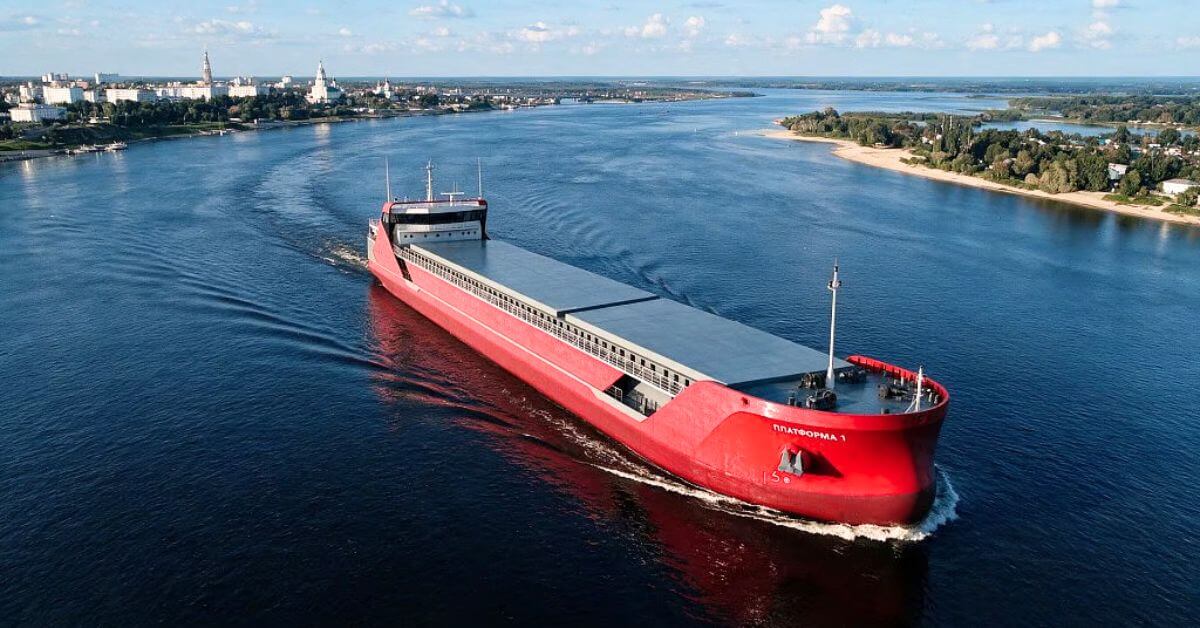
The steel cutting for the first KSD1 dry cargo vessel at Krasnoye Sormovo marks a tangible step for Russia's new unified fleet platform, but the context of this construction cannot be separated from the region's broader maritime security realities. This is not merely a shipbuilding milestone; it is a development that raises immediate questions about how these vessels will operate within a sea lane system already strained by conflict and legal scrutiny. As we reported in Strikes on Odesa Port Underscore Broader Maritime Security Risks, military actions have repeatedly targeted port infrastructure and cargo vessels, creating an environment where any new commercial shipping capacity must navigate operational risk as much as market demand.
For our readers, researchers, analysts, and maritime professionals tracking global trade flows, this unified platform represents a strategic bet on domestic logistics independence. Yet the same week the steel was cut, our coverage of Strikes Target Ports and Vessels in Confirmed Military Action confirmed that Russian forces have struck Ukrainian cargo ships and port facilities. The contradiction is stark: building new tonnage while simultaneously degrading the regional infrastructure those ships would rely upon for safe transit. The practical consequence is that any vessel from this fleet will likely face restricted access to Black Sea corridors, higher insurance premiums, and enhanced scrutiny from international maritime authorities.
The legal dimension further complicates matters. Our related reporting on the Captain of Russian-controlled bulker charged over 54,000 tonnes of Ukrainian grain demonstrates that individual vessels and their crews are increasingly being held accountable for cargo movements that violate sanctions or international law. The new unified cargo platform does not operate in a legal vacuum; every ship built under this program will need to demonstrate transparent cargo documentation and compliance with existing maritime regulations, or risk becoming a target for enforcement actions. The burden of proof will fall on the operators, not the shipbuilders.
Our take is straightforward: the steel cutting is a data point, not a turning point. The unified platform may improve domestic cargo flow along Russia's internal waterways, but its viability for international trade depends on conditions outside the shipyard, specifically, whether the security environment and legal framework can accommodate new tonnage without escalating existing tensions. The specific detail to watch is not the launch date of the KSD1, but the first port it attempts to call at outside Russian territorial waters. That call will determine whether this fleet is a logistical asset or a geopolitical liability.