Gulf of Oman
Gulf of Oman at World Data Ocean is a file of 32 stories. The newest of them: “Ship-to-ship transfers shift Gulf congestion toward India's western maritime corridor”, “US Forces Neutralize Iranian-Affiliated Vessel in Gulf of Oman”, and “Strait of Hormuz Posture Raises Stakes for Maritime Data Verification”. Ship-to-ship transfers once clustered near the Strait of Hormuz are now stretching toward India's western maritime corridor. A U.S. A Global Hub for Ocean Intelligence 4 World Data Ocean is a centralized digital platform where researchers, scientists, and ocean enthusiasts converge to… The list below is every Gulf of Oman story on World Data Ocean, newest first.
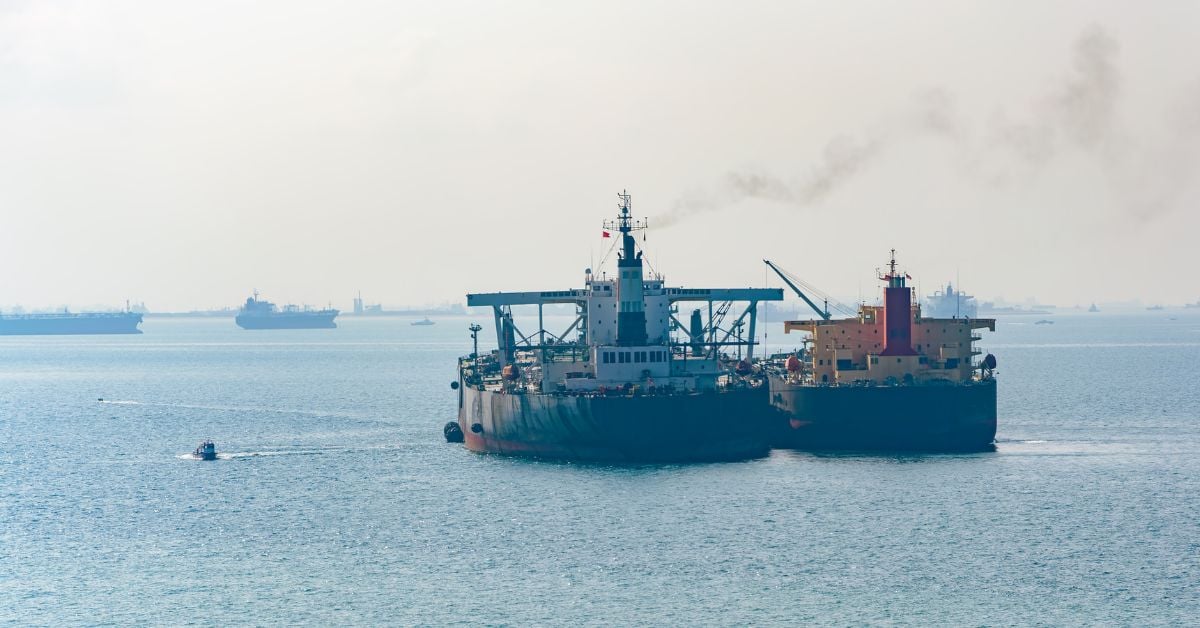
Ship-to-ship transfers shift Gulf congestion toward India's western maritime corridor
Ship-to-ship transfers once clustered near the Strait of Hormuz are now stretching toward India's western maritime corridor. Oil producers are shifting these operations outside Gulf waters, redistributing congestion along a new axis. This measured logistical adaptation carries measurable implications for regional maritime security and data verification. Our recent coverage of the Strait of Hormuz posture highlights why validated, real-time ocean intelligence has never been more urgent. Understanding these patterns is essential for those tracking the integrated data ecosystem of global trade.
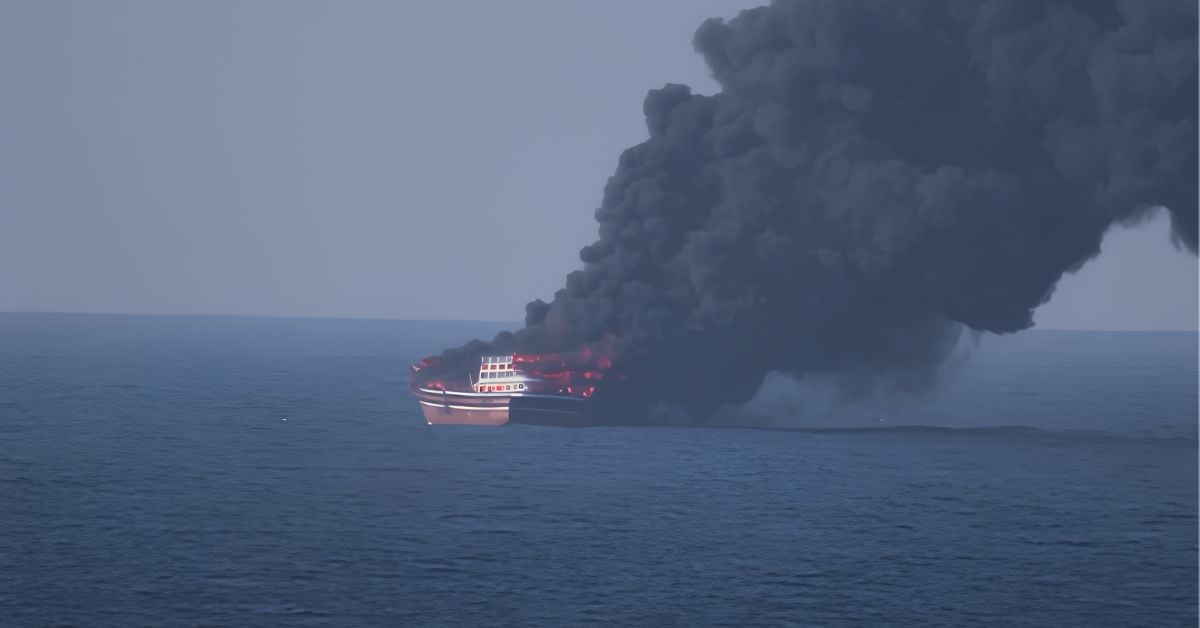
US Forces Neutralize Iranian-Affiliated Vessel in Gulf of Oman
A U.S. naval force destroyed an Iranian-affiliated dhow in the Gulf of Oman after it was accused of conducting surveillance on American warships. The action underscores the escalating maritime tensions in a region already defined by fragile data and contested waterways. For context on the stakes for ocean intelligence, see our related coverage of the Strait of Hormuz Posture Raises Stakes for Maritime Data Verification. Understanding drives protection, but only when the data is validated.
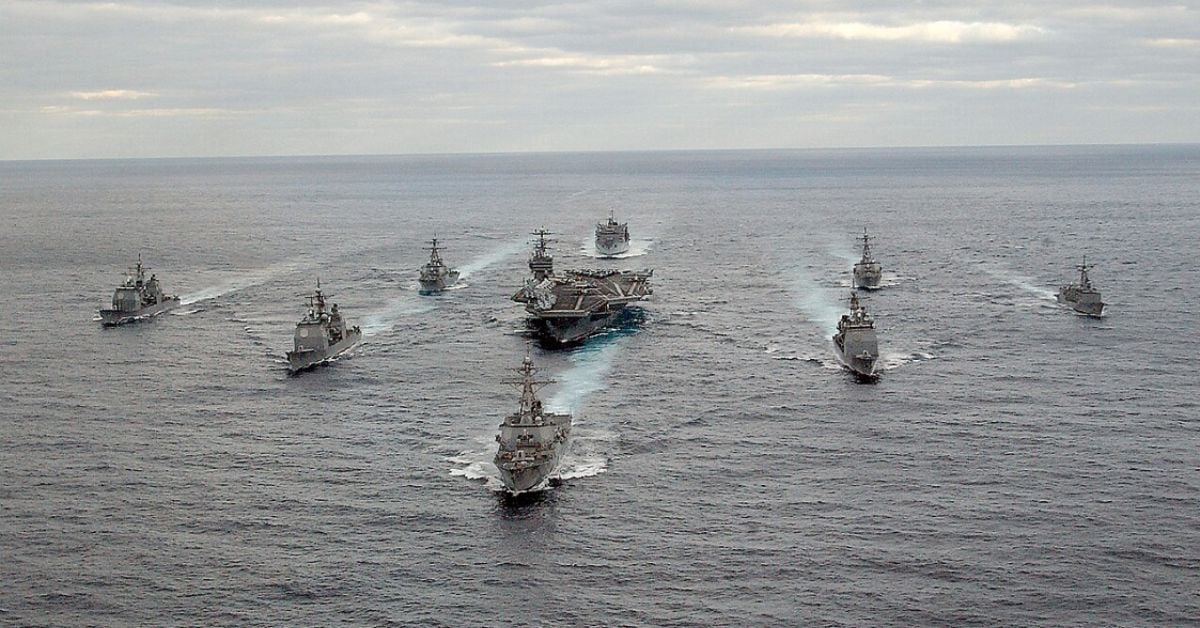
Strait of Hormuz Posture Raises Stakes for Maritime Data Verification
A commander of Iran's Islamic Revolutionary Guard Corps has publicly dared U.S. warships to enter the Strait of Hormuz, raising the stakes for maritime data verification in a waterway that carries a fifth of the world's oil. This is not posturing; it is a direct challenge to the empirical, real-time ocean intelligence that underpins safe passage. For deeper context on how navies are adapting, see our coverage of the counter-drone electronic warfare system now protecting USS Ohio.
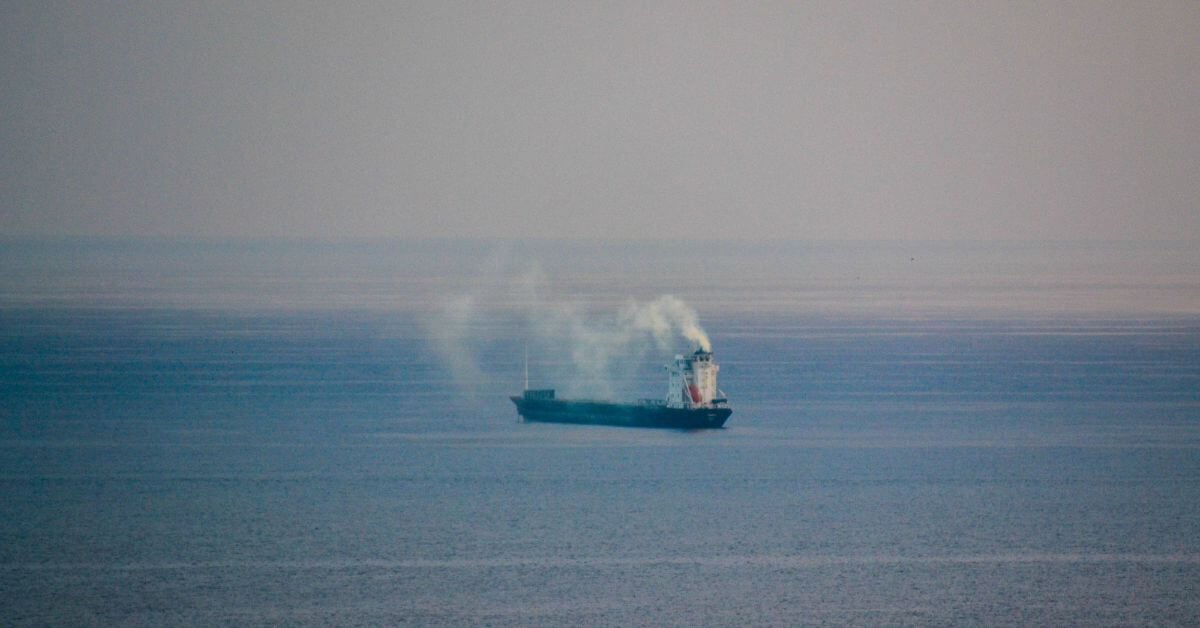
Oman coordinates engine room fire rescue 44 nautical miles offshore
A fire in the engine room of a merchant ship 44 nautical miles off Oman's coast demanded a coordinated rescue. Oman evacuated an injured crew member, demonstrating the precision required for maritime emergencies. These incidents do not occur in isolation. For context on regional naval pressures, see our coverage of HMS Dragon's return, which narrows the Royal Navy's Gulf presence to a single vessel. Understanding these interconnected risks sharpens our ocean intelligence.
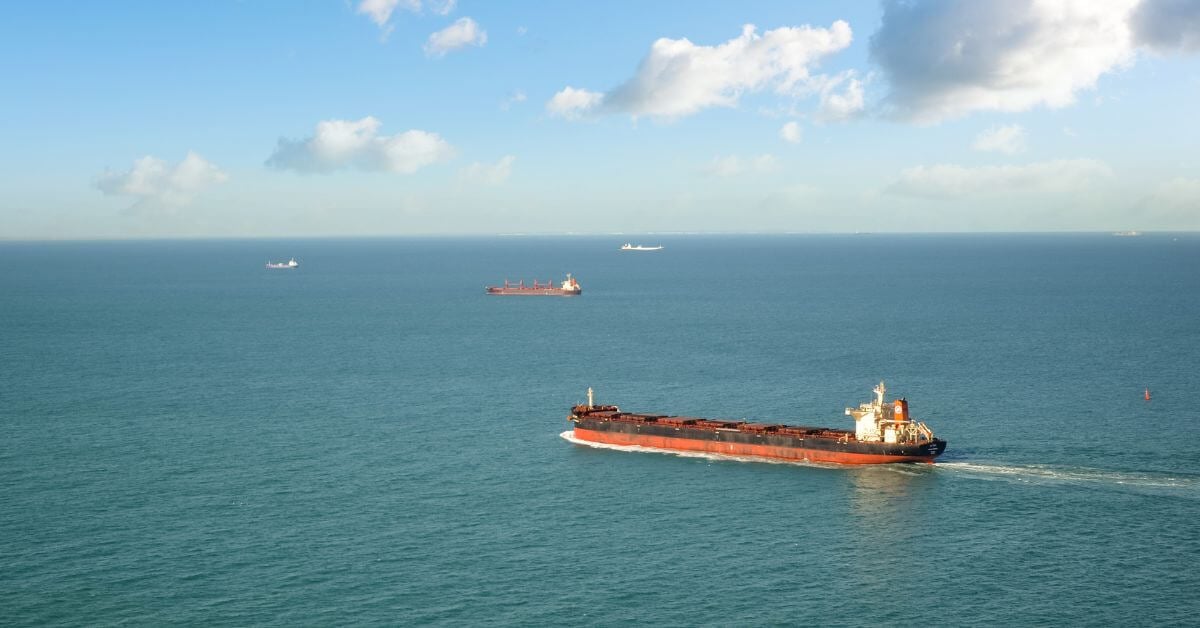
Strait of Hormuz tensions rise as Iran signals new maritime restrictions
The Strait of Hormuz is once again a flashpoint, with Iran signaling new maritime restrictions even as Gulf oil exports rise. Tanker attacks and logistical disruptions continue to plague shipments, a reality reflected in risk premiums exceeding $100,000 per month for captains. These are not abstract tensions; they are measured, empirical challenges to global energy flow. Our related coverage on those soaring risk premiums offers a deeper look at the human and economic cost. Understanding these dynamics is the first step toward protecting maritime stability.
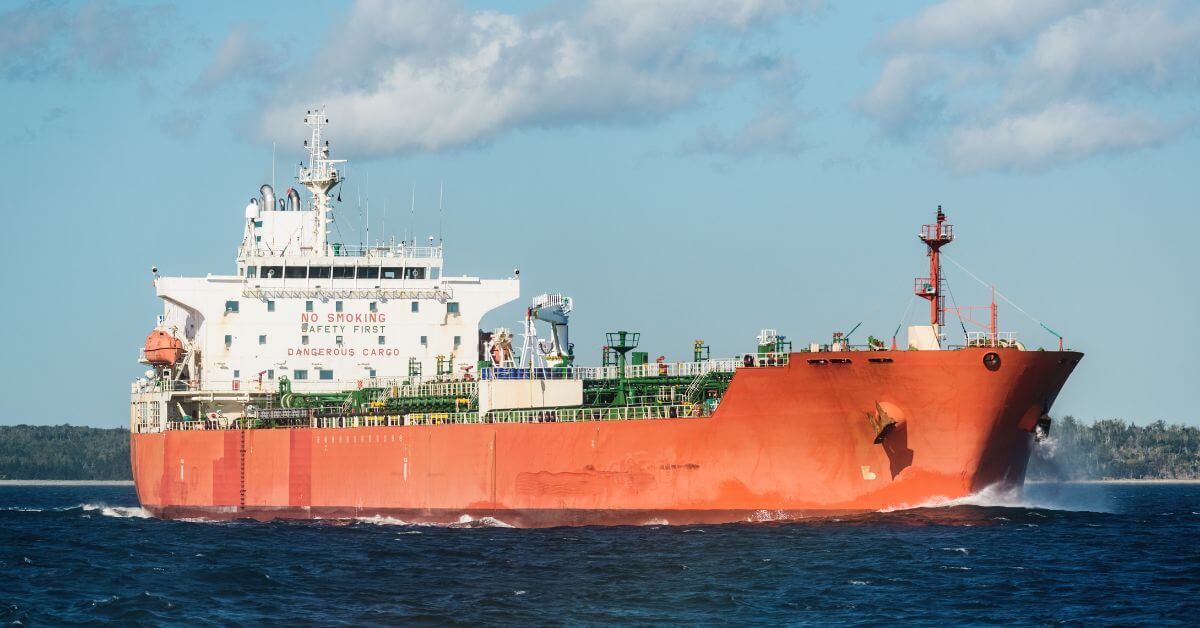
Risk premiums on global shipping lanes exceed $100,000 per month
Risk premiums on global shipping lanes now exceed $100,000 per month. Oil tanker captains sailing the Strait of Hormuz are offered up to that sum, plus a $50,000 bonus per crossing. These figures quantify a dangerous new reality for maritime commerce. Our related report, "Weekly tanker strikes near Strait of Hormuz reach highest count in years," documents at least 12 recent attacks. This is not abstract risk; it is a measurable, empirical cost of instability in a critical chokepoint.

Projectile Strike on Tanker Off Qatar Coast Yields Reported Casualties
Multiple projectiles struck an oil tanker off Qatar's northern coast, with casualties now reported among the crew. This attack adds a dangerous new dimension to maritime insecurity in a region already strained by rising tensions. Understanding these threats requires calibrated, real-time observation of shipping lanes and geopolitical shifts. For deeper context on regional instability, read our coverage of rising Strait of Hormuz tensions and Iran's new maritime restrictions.
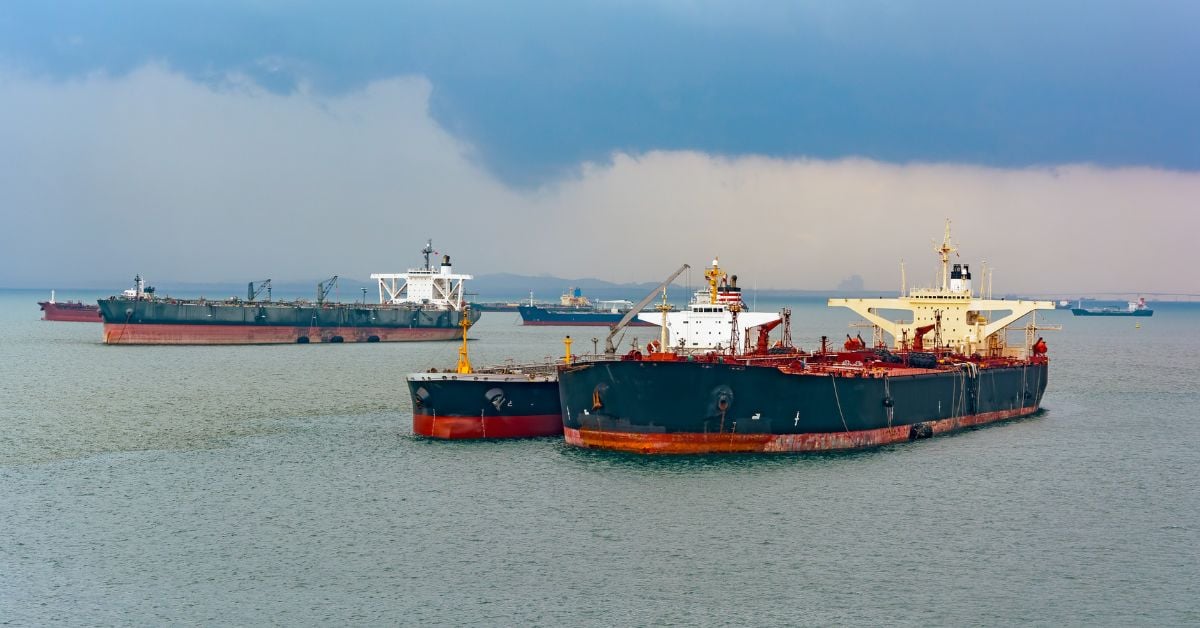
Gulf of Oman STS Transfers Max Out Amid Rising Saudi Oil Exports
Ship-to-ship transfers in the Gulf of Oman have reached maximum capacity, with traders and analysts pointing to surging Saudi crude exports as the driving force. This operational ceiling underscores how swiftly regional logistics can tighten when cargo volumes climb. The strain is a measurable signal of shifting energy flows, one that demands calibrated attention from those tracking maritime trade. For context on broader infrastructure pressures, our piece on integrated subsea systems in the Indian Ocean offers a useful parallel.
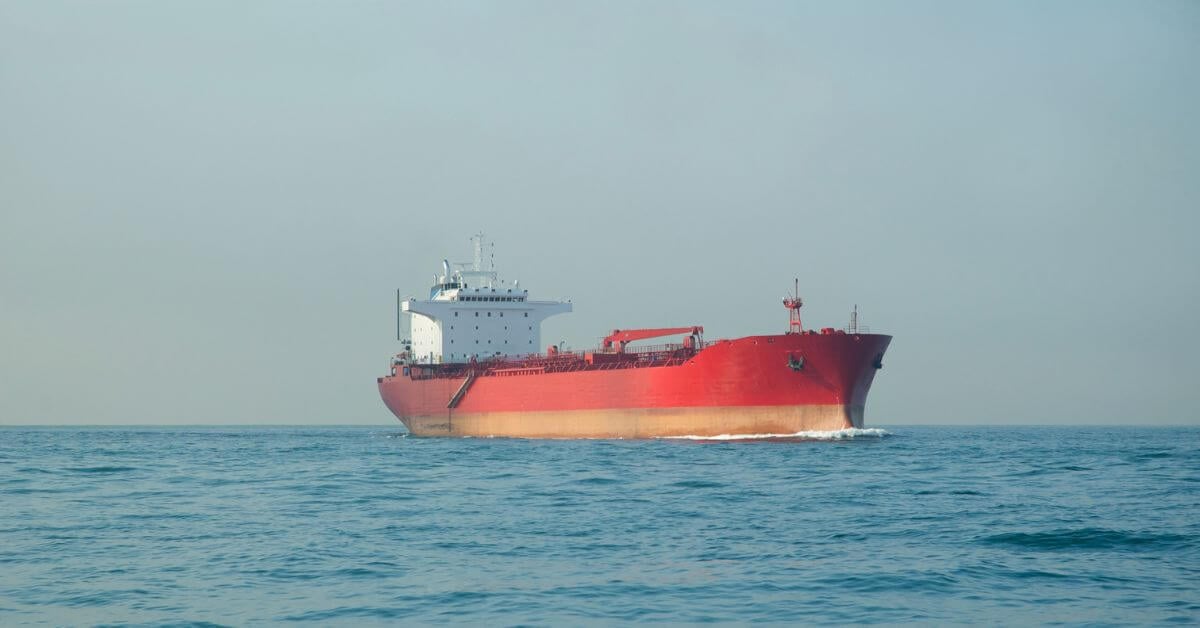
Drone Strike Impacts LPG Tanker Near Strait of Hormuz.
A Liberia-flagged LPG tanker carrying nine Indian seafarers was struck by a drone while sailing eastbound outside the Strait of Hormuz. The incident underscores how vulnerable commercial shipping remains in a waterway that carries a third of the world's liquefied gas. Precision matters here: every attack raises the cost of transit, and the ripple effects are measurable. For context on the region's mounting pressure, our related coverage in "Phased Negotiations Aim to Ease Restrictions on Strait of Hormuz" outlines the diplomatic stakes.
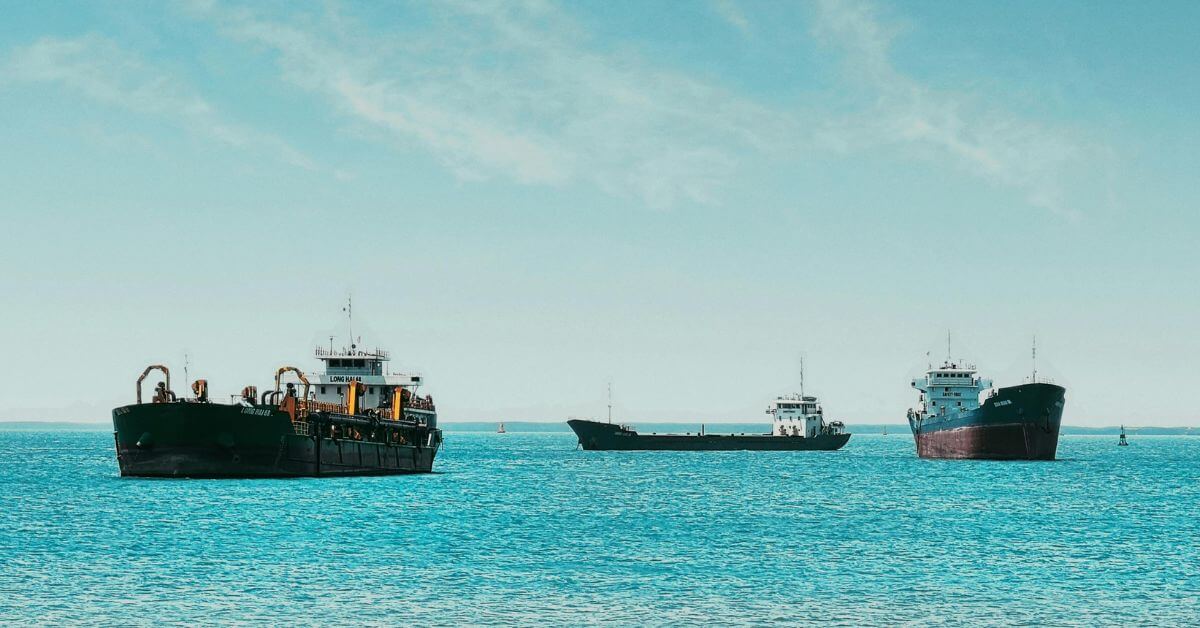
Shipping Lanes Under Scrutiny: Indian Crews Affected by Gulf Region Attacks
Three foreign-flagged vessels with Indian crew members were struck on September 8 and 9 as West Asia conflict escalates into shipping lanes. These attacks validate what we have long measured: maritime corridors are becoming direct targets. The crews are not combatants, they are professionals navigating volatile waters. Understanding drives protection, and this incident demands calibrated, empirical scrutiny. For deeper context on regional shipping pressures, our coverage of the Strait of Hormuz negotiations offers integrated analysis.

Shipping Caution Advised: Incident Near Strait of Hormuz Impacts Transit
The UKMTO's warning on September 10 is a measured but necessary response to an incident near the Strait of Hormuz. Vessels in that corridor now face heightened risk, and the call for cautious transit and reporting of suspicious activity reflects a reality we cannot ignore. This is not alarmism, it is empirical caution. For deeper context on the pressures shaping this waterway, our article "Phased Negotiations Aim to Ease Restrictions on Strait of Hormuz" examines the diplomatic efforts underway. Understanding drives protection.
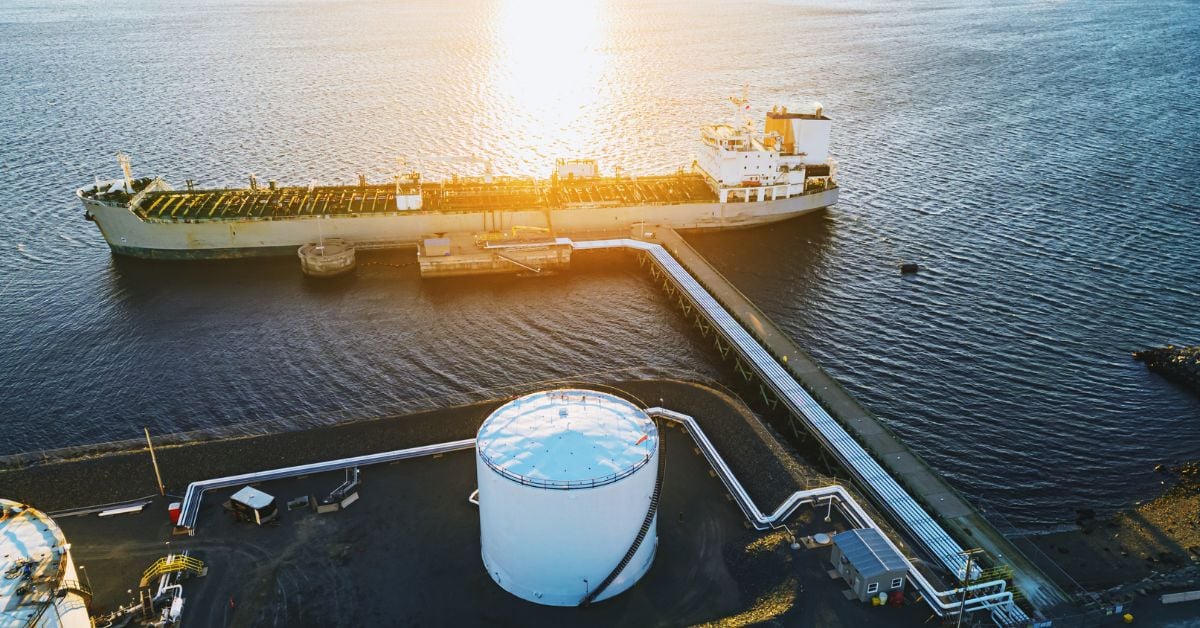
Escalating Tensions: Iran Issues Warnings to Tanker Crews in Persian Gulf
Iran's Islamic Revolutionary Guard Corps Navy has warned tanker crews near Kuwaiti and Bahraini ports to abandon their vessels. This escalation injects measurable risk into an already volatile Persian Gulf. Regional maritime stability is not a theoretical concern, it is a climate indicator of geopolitical friction. For deeper context on how such tensions intersect with energy routes, see our related coverage on "Phased Negotiations Aim to Ease Restrictions on Strait of Hormuz." Understanding these pressures is essential for calibrating both security and environmental responses.
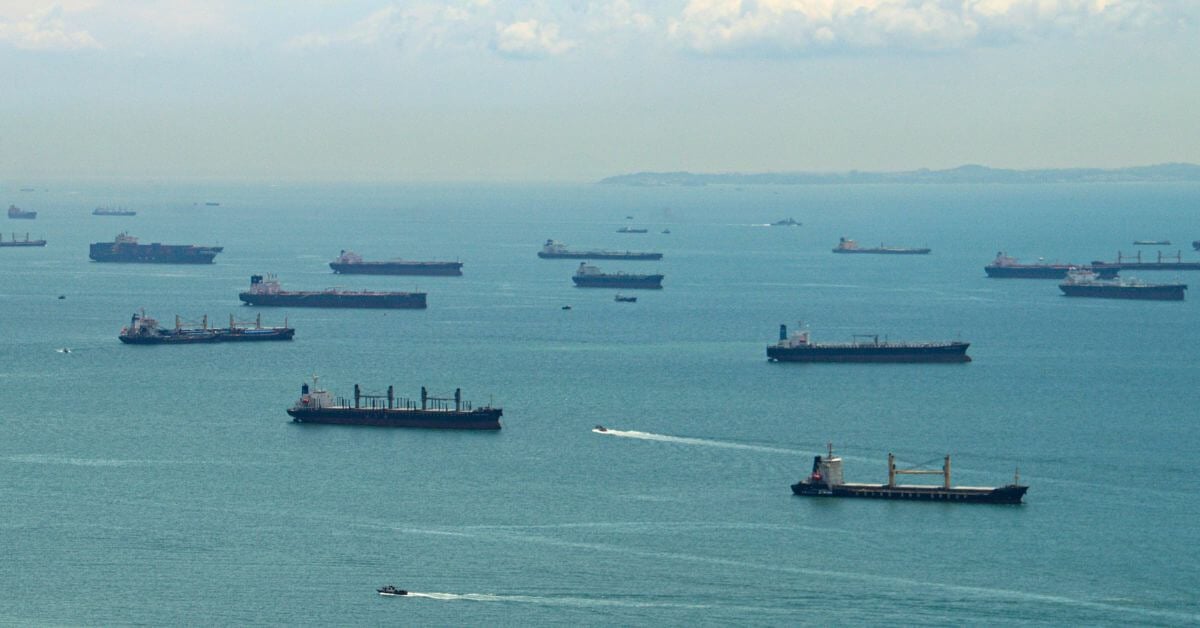
Escalation in Strait of Hormuz: Maritime Traffic Disrupted by Reported Attacks
Reports of multiple merchant vessels struck in the northern Gulf and Gulf of Oman signal a dangerous escalation in the Strait of Hormuz. Maritime traffic is now disrupted, and the immediate consequences for global energy flows are measurable. This is not a moment for alarmist speculation, but for empirical observation. For deeper analysis on regional capacity pressures, readers may consult our related report on Gulf of Oman STS transfers maxing out amid rising Saudi oil exports.
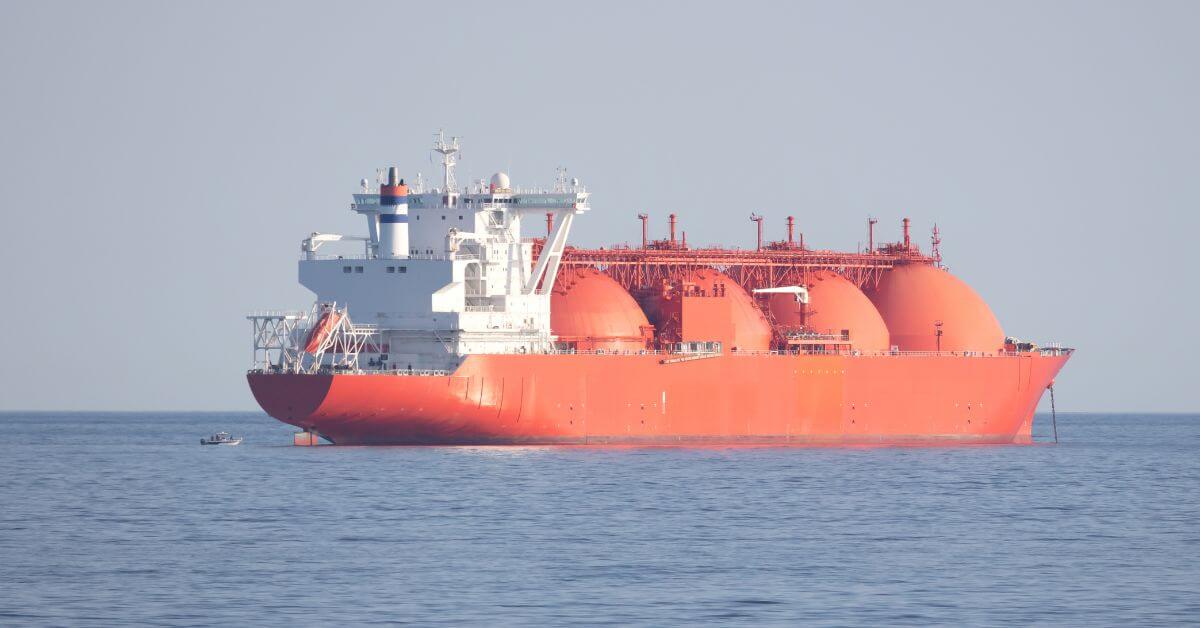
Qatar LNG Transits Strait of Hormuz, Marking a Shift in Flows
The Al Marrouna, a Qatari LNG carrier now transiting the Strait of Hormuz, signals a tangible recalibration of global energy flows. This is not just a vessel movement, it is a measured, empirical data point in a volatile corridor. We track these shifts because ocean intelligence demands precision, not alarm. For deeper context on regional capacity, see our analysis on Gulf of Oman STS transfers maxing out amid rising Saudi exports. Understanding drives protection.
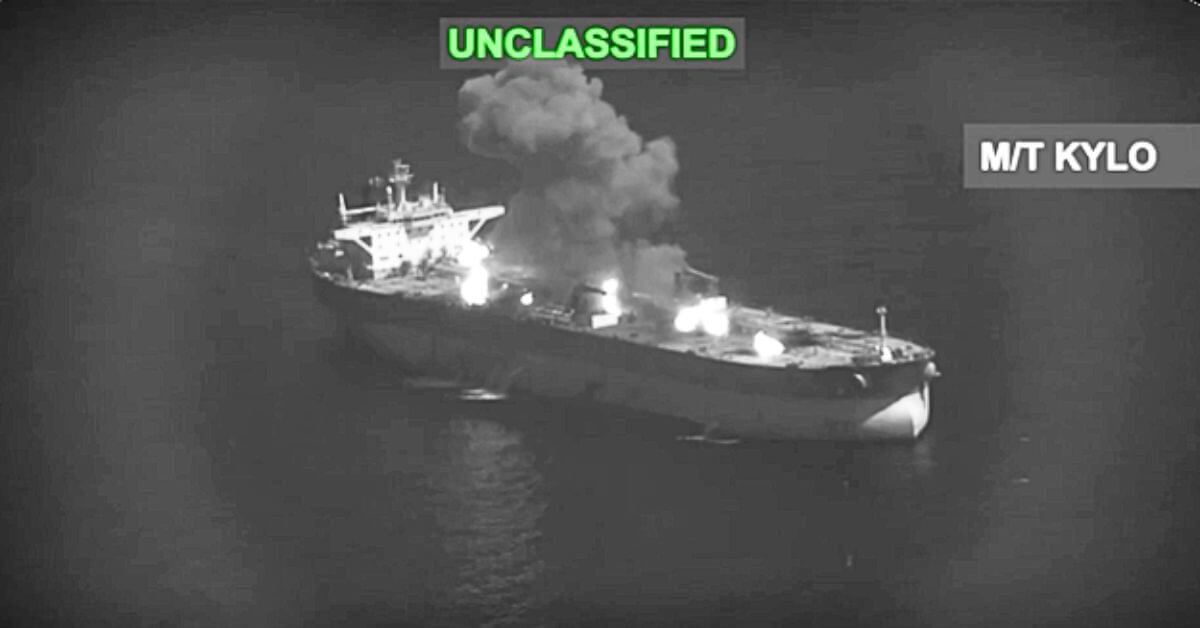
Escalation in the Persian Gulf: U.S. Responds to Iranian Attacks
A U.S. aircraft carrier and a guided-missile destroyer navigated through a series of Iranian attacks in the Persian Gulf without a single American casualty, according to CENTCOM. The outcome reflects precision under pressure, though the episode underscores how fragile maritime security remains in a region where energy flows and geopolitical stakes converge. This incident sits alongside broader tensions, such as those detailed in "Phased Negotiations Aim to Ease Restrictions on Strait of Hormuz," where diplomatic pathways remain tentative yet essential.
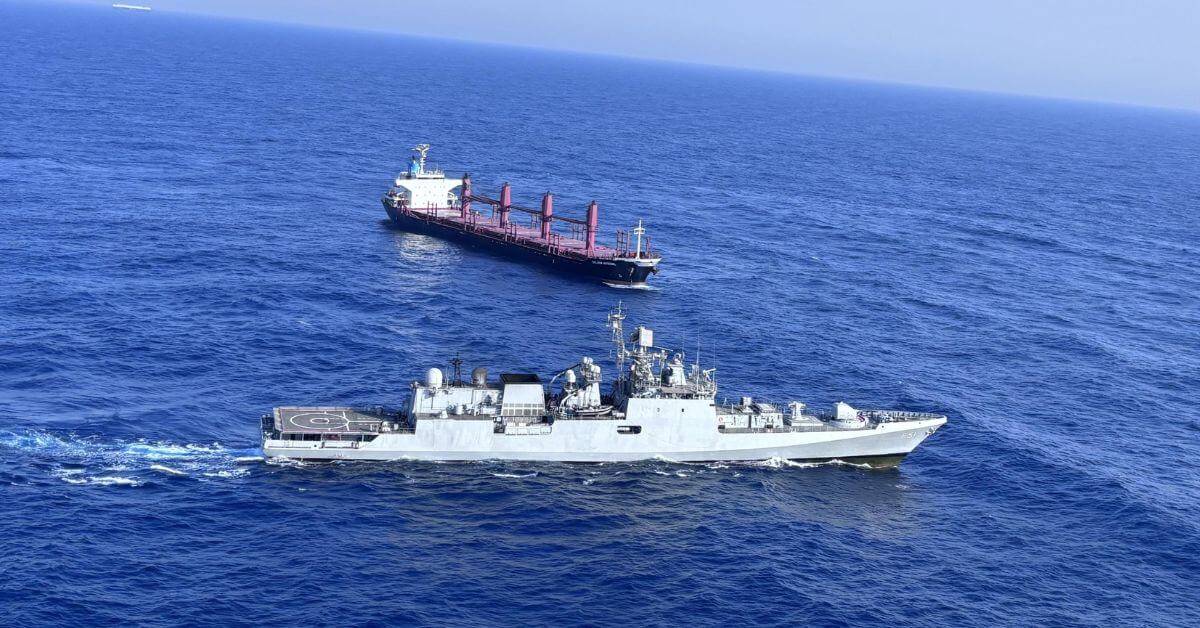
Securing Trade Routes: Indian Navy Ensures Safe Passage Through Bab-el-Mandeb
The Indian Navy's deployment through the Bab-el-Mandeb is a calibrated exercise in maritime security, ensuring that essential cargo continues moving to and from India without disruption. This is not abstract strategy; it is the practical work of keeping trade lanes open where geopolitical friction runs high. The operation reflects a measured commitment to stability, one that aligns with broader shifts in regional logistics, such as the Gulf of Oman STS transfers reaching capacity. Reliable passage here is not optional; it is the backbone of commerce.
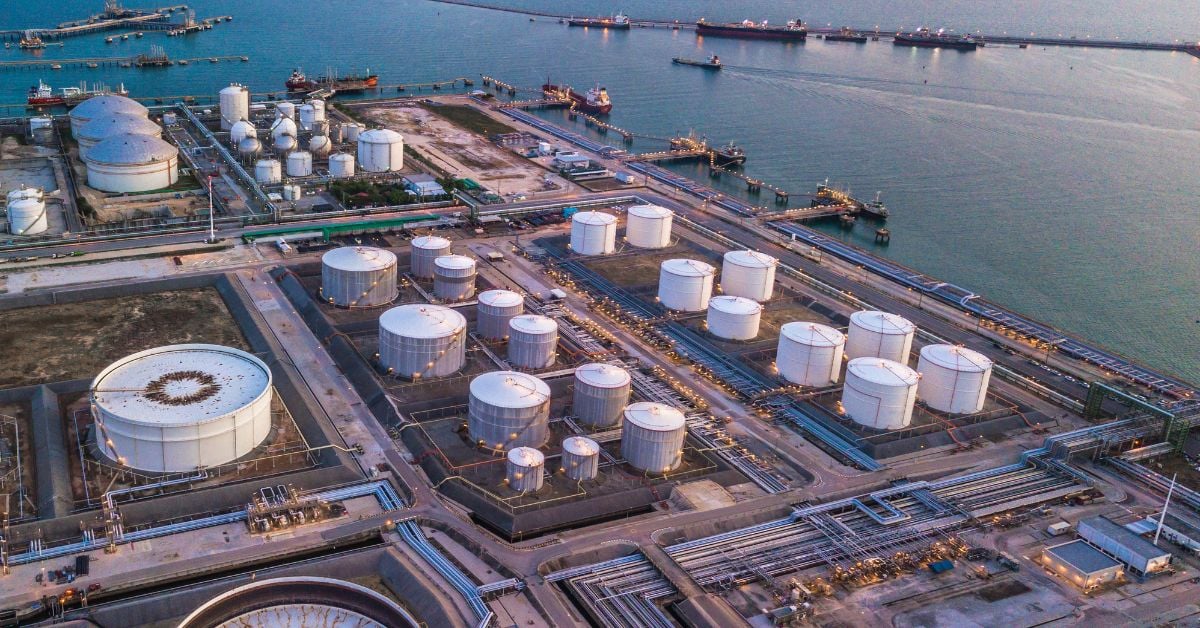
Securing Energy: Japan Plans Integrated Pipeline Network Beyond Hormuz Strait
Japan is moving to secure its energy lifeline with an integrated pipeline network designed to bypass the Strait of Hormuz, a strategic chokepoint where geopolitical friction carries real economic weight. The plan reflects a calculated shift toward resilience, not alarm. It is a measured response to a fragile maritime route, and one that warrants attention as global supply chains recalibrate. For broader context on regional bottlenecks, our related coverage on Gulf of Oman STS transfers offers a useful lens.

Strait of Hormuz Traffic Dips Amid Rising Geopolitical Tensions.
Tanker traffic through the Strait of Hormuz is tightening as Iran vows retaliation against U.S. sanctions designed to sever its economic lifelines. The shift is measurable, and it carries weight for global energy flows. Geopolitical friction is no longer abstract; it is showing up in real-time transit data. For context, our coverage of Gulf of Oman STS Transfers Max Out Amid Rising Saudi Oil Exports highlights how regional chokepoints are already operating at capacity.

Shipping Routes Shift: Chinese Tankers Navigate Geopolitical Risks.
Chinese and Hong Kong-owned tankers are now turning to ship-to-ship transfers in the Gulf of Oman and near Fujairah, a quiet but telling adjustment to shifting geopolitical pressures. The maneuver is practical, measured, and speaks to how rapidly maritime strategy adapts when routes tighten. This is not alarmism; it is logistics under constraint. For deeper context on how regional chokepoints are evolving, our related coverage on Gulf of Oman STS transfers maxing out offers useful grounding.

Shifting Shipping Patterns: Omani Route Gains Prominence Through Strait.
A month ago, the Omani route saw almost no commercial traffic. Now, it is gaining prominence through the Strait, a shift that speaks to how quickly maritime dynamics can change. Kpler's data makes the pivot measurable, and that matters. This is not speculation; it is empirical movement. For deeper context on the pressure building in these waters, our piece on Gulf of Oman STS Transfers Max Out Amid Rising Saudi Oil Exports tracks the capacity constraints driving such realignments.

U.S. Navy Intercepts Shipbound for Iran, Enforcing Maritime Restrictions
The U.S. Navy has intercepted the Vela Nova, the third vessel disabled since the July 14 blockade began, according to CENTCOM. Enforcement of maritime restrictions near Iran remains deliberate and measurable. Each interdiction reinforces a simple premise: rules at sea are not optional. For context on the region's rising tanker activity, our report on Gulf of Oman STS transfers offers useful depth. This is pressure applied methodically, not theatrically. The ocean is a shared system, and accountability is part of its operation.

Naval Deployment Bolsters U.S. Enforcement of Maritime Restrictions in the Middle East
The U.S. Navy's forward deployment in the Middle East sharpens the teeth of maritime enforcement, with CENTCOM confirming warships are now supporting "strict enforcement" of the blockade against Iran. This is measured, calibrated pressure, not saber-rattling. It signals a firm commitment to contested waters where commercial traffic and geopolitical friction converge. For readers tracking the region's fluid energy flows, the adjacent reporting on Gulf of Oman STS transfers offers useful context on how these restrictions ripple through real-time trade routes.

Indian Maritime Effort Ensures Safe Passage for Vessels and Seafarers
The Indian government confirmed that vessels completed their transits through the West Asia region despite heightened security concerns, underscoring the maritime effort that ensured safe passage for ships and seafarers. This is steady, measured progress in a volatile corridor. The commitment reflects a practical approach to ocean stewardship, where operational reliability carries weight. For those tracking regional dynamics, our related coverage on the Gulf of Oman STS transfers offers additional context on the pressures shaping these routes. Safe passage is not incidental; it is engineered.

U.S. Verifies Tanker in Gulf of Oman, Voyage Continues.
A U.S. verification boarding of the Comoros-flagged tanker M/T Charminar in the Gulf of Oman proceeded without incident, and the vessel has since resumed its voyage. Such checks are calibrated, routine measures that sustain maritime transparency. They reinforce the integrated data ecosystem that keeps vital shipping lanes open. For context on the pressures shaping these waters, our related coverage on Gulf of Oman STS transfers maxing out offers a clearer picture. Verification is not disruption; it is the empirical anchor of safe passage.