crew members
World Data Ocean keeps crew members in one place: 33 stories so far. The section currently leads with “Cargo spill in the Strait of Hormuz scatters consumer goods across shipping lane”, “Injured crew evacuated after fire erupts aboard tanker in Strait of Hormuz”, and “Attack in the Strait of Hormuz Injures 11 Indian Crew on Panama-Flagged Tanker”. Perfume bottles and iPhone boxes now float in the Strait of Hormuz, scattered from a cargo spill that has turned a critical shipping lane into an improvised retrieval zone. A Global Hub for Ocean Intelligence 4 World Data Ocean is a centralized digital platform where researchers, scientists, and ocean enthusiasts converge to… The list below is every crew members story on World Data Ocean, newest first.
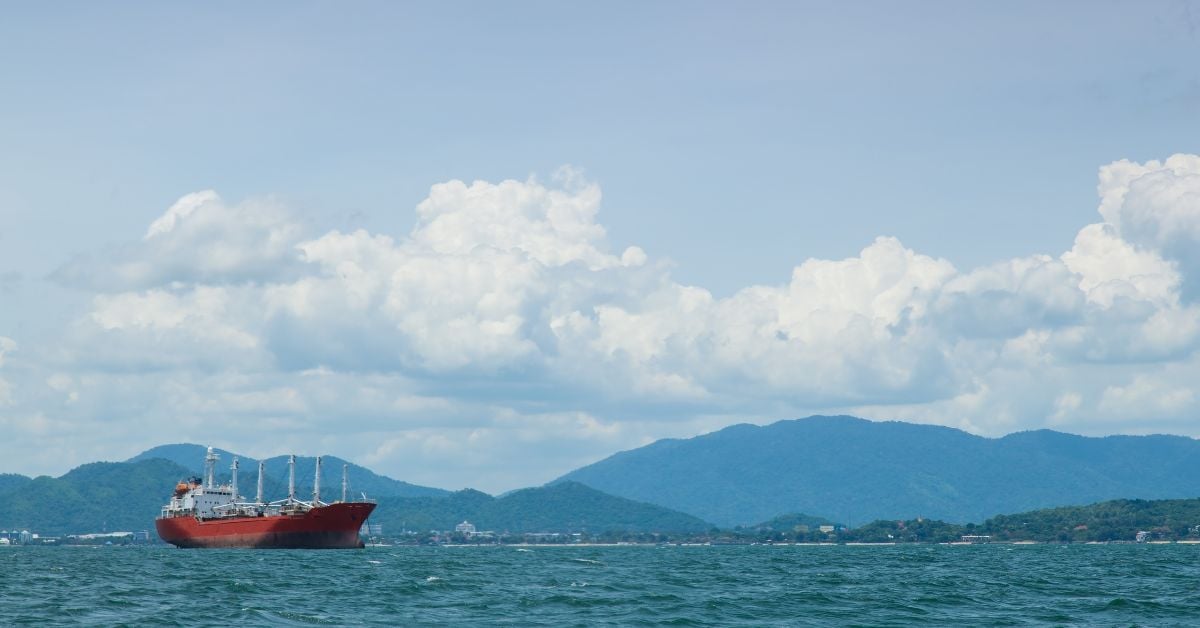
Cargo spill in the Strait of Hormuz scatters consumer goods across shipping lane
Perfume bottles and iPhone boxes now float in the Strait of Hormuz, scattered from a cargo spill that has turned a critical shipping lane into an improvised retrieval zone. This is not a story about lost luxury goods, it is a measurable disruption in a calibrated global supply chain. Such incidents remind us that ocean intelligence requires real-time awareness of every vessel and its cargo.
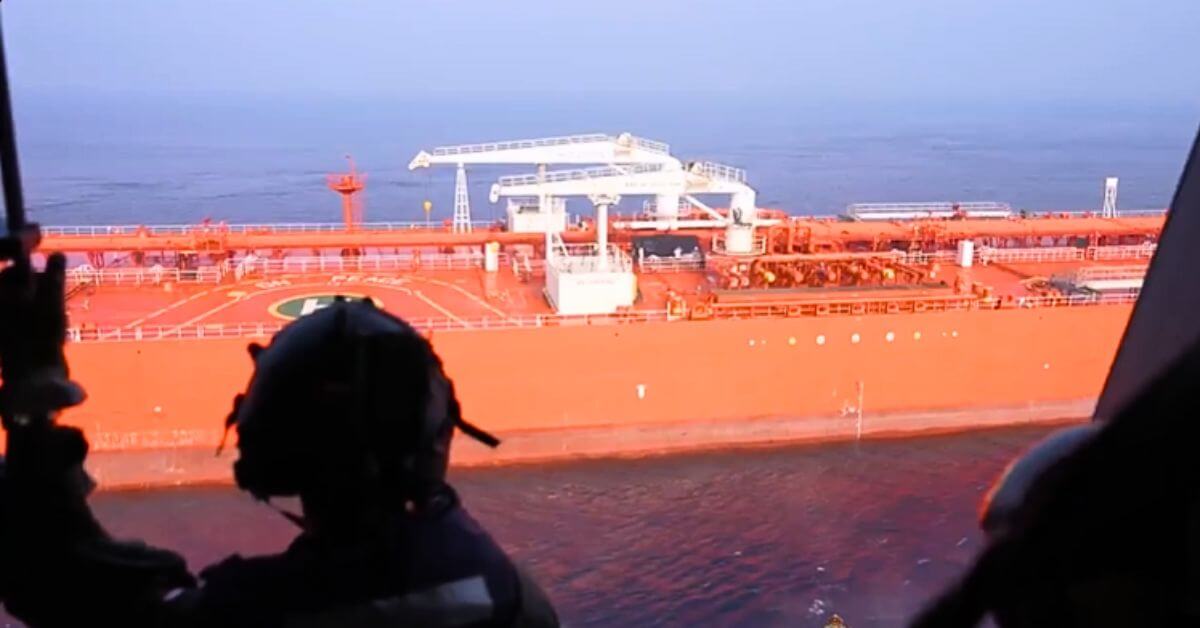
Injured crew evacuated after fire erupts aboard tanker in Strait of Hormuz
A fire and an attack on a tanker in the Strait of Hormuz injured 12 of its 19 crew members, prompting an evacuation confirmed by Oman's Ministry of Defence. This is not an isolated incident. The same volatile waters that demand calibrated maritime security now test the resilience of global trade routes. For deeper context on regional diplomatic efforts, see our coverage of "India Proposes Measured Maritime Truce to Protect Black Sea Shipping."
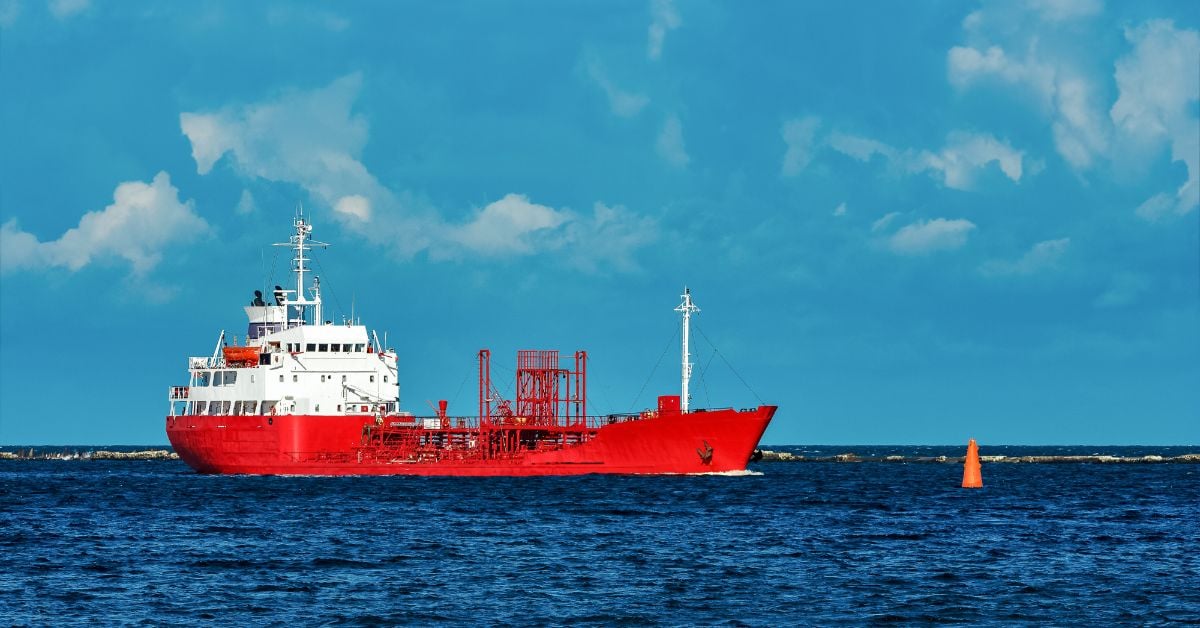
Attack in the Strait of Hormuz Injures 11 Indian Crew on Panama-Flagged Tanker
Eleven Indian crew members were injured in an attack on the Panama-flagged tanker MT On Peace in the Strait of Hormuz. This is not an isolated incident. Our reporting on delayed UKMTO reports confirms five separate IRGC vessel incidents in the same waterway on a single day. Measurable data on these attacks is essential for maritime safety. Understanding these patterns drives protection for the crews who keep global trade moving.
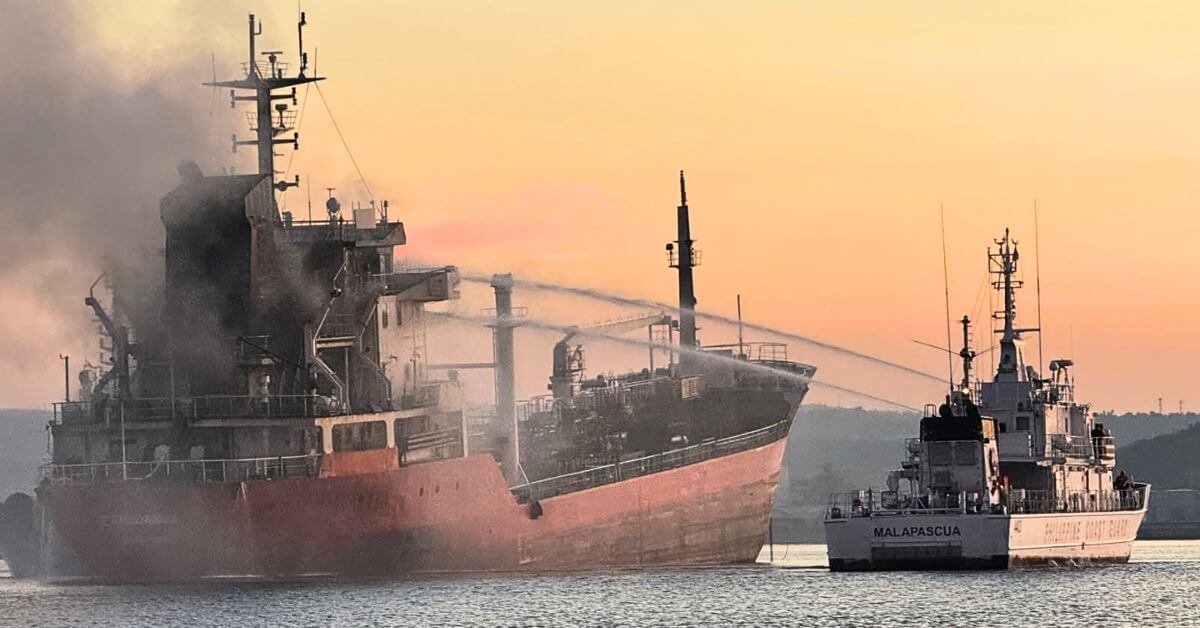
Tanker Engine-Room Fire at Calaca Port Injures Two Crew Members
A fire in the engine room of tanker Gindara at Balayan Distillery Inc. Port in Calaca City has injured two crew members. The incident underscores the persistent hazards aboard commercial vessels, where engineering spaces carry inherent risks even during routine port operations. Our coverage of the recent projectile strike at Yanbu Port serves as a reminder that maritime safety threats arrive in many forms. We will monitor this situation as response teams assess the damage and crew conditions become clearer.
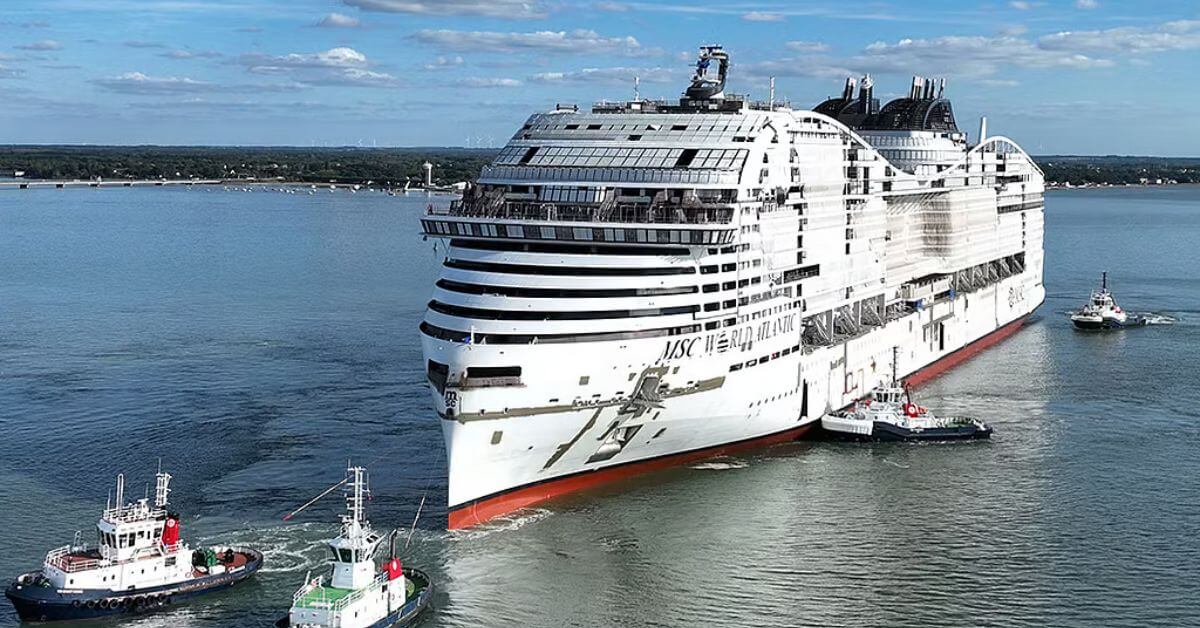
MSC World Atlantic floated: LNG marine fuel enters a validated phase
The float-out of MSC World Atlantic marks a validated step for LNG marine fuel, not a promise, but a measurable reality. This vessel moves liquefied natural gas from experimental to operational, calibrated for real-world performance. We see this as empirical progress in decarbonizing maritime transport, a shift grounded in engineering, not hype. For deeper context on maritime emergencies and real-time response, see our coverage of the Indian Coast Guard's rescue off Odisha. Understanding drives protection.
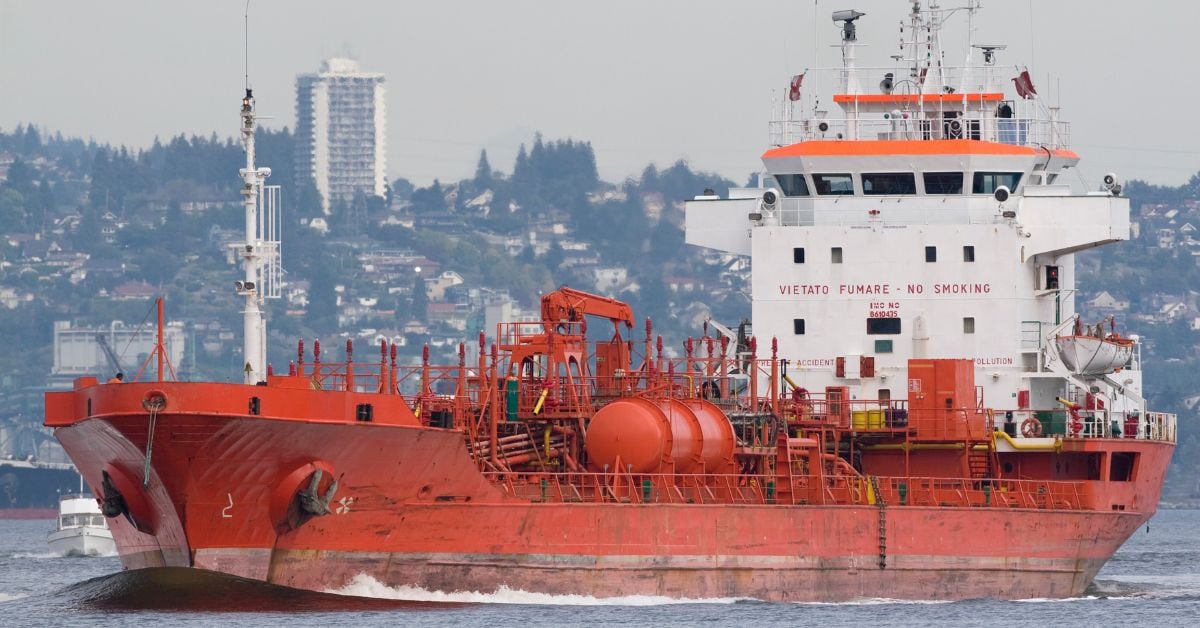
Coast Guard Response Validates Real-Time Rescue Coordination Off Odisha
Twenty-three crew members are safe tonight because real-time coordination turned a chemical tanker's engine failure and flooding off Odisha into a validated rescue. The Indian Coast Guard's response demonstrates what calibrated, integrated operations achieve when seconds matter. This is empirical proof that ocean intelligence saves lives. For deeper context on maritime emergency preparedness, read our coverage of the MEDSLIK-II upgrade sharpening oil spill modeling, another example of how precise data drives protection at sea.
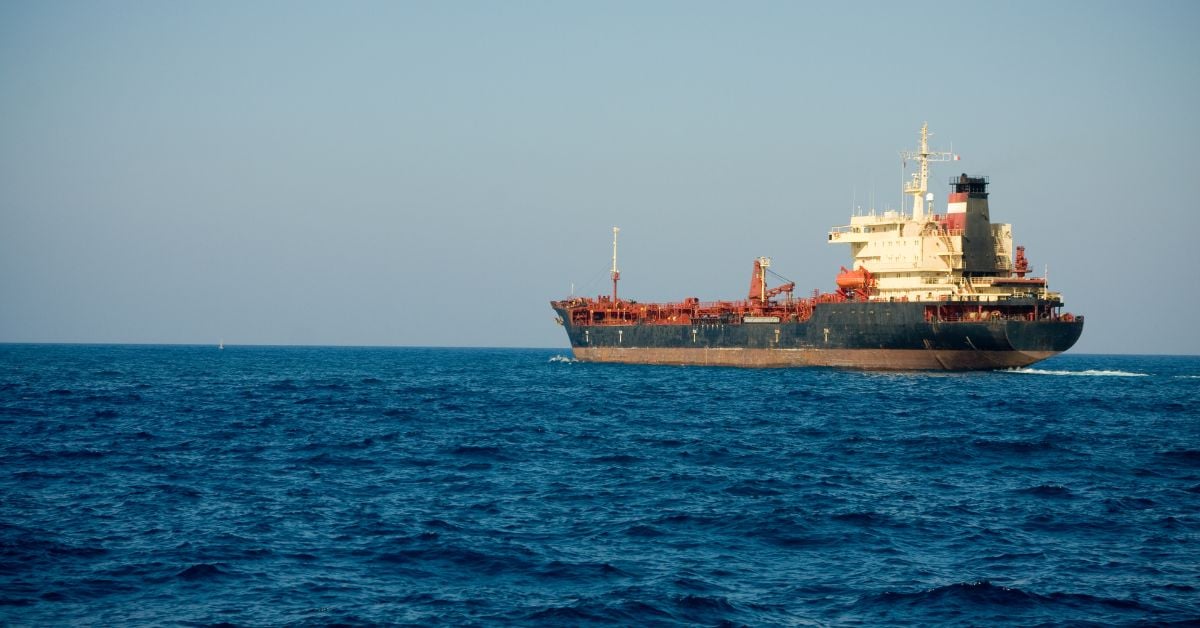
Five seafarers killed as pirates open fire on hijacked tanker during rescue
Five seafarers killed as pirates opened fire on a hijacked tanker during a rescue operation. The vessel carried 17 crew members; five were shot. Among the deceased: three from Pakistan, one from Myanmar, one from India. This is not an abstract risk, it is the human cost of failing to secure global shipping lanes. Our related coverage, "New Coalition Charts Measurable Course for Safer Global Shipping," examines one emerging framework for change. Measurable action, not rhetoric, is what these crews deserve.
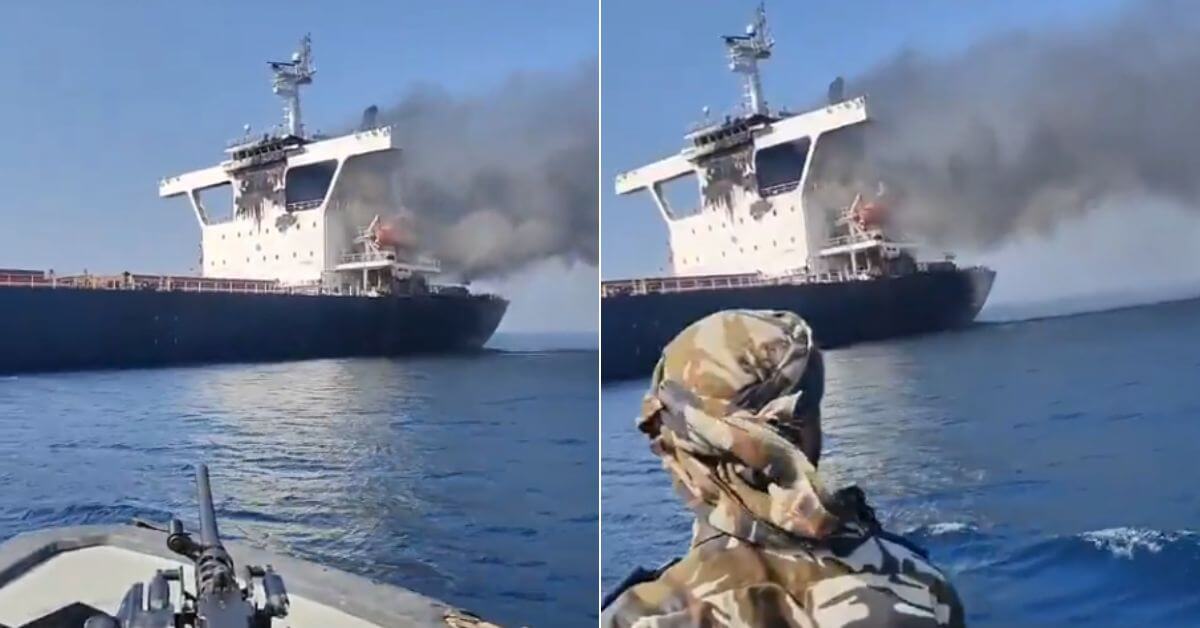
Fatal Attack on Bulk Carrier Near Oman Highlights Maritime Security Risks
The fatal attack on the MV Cape Dao off Oman, which killed an Indian seafarer, is a stark reminder that maritime security remains a pressing global concern. This incident underscores the persistent dangers facing those who move our goods across volatile waters. While our recent coverage of the Gladstone grounding highlighted navigational challenges, this is a violent reminder that crew safety requires constant vigilance.
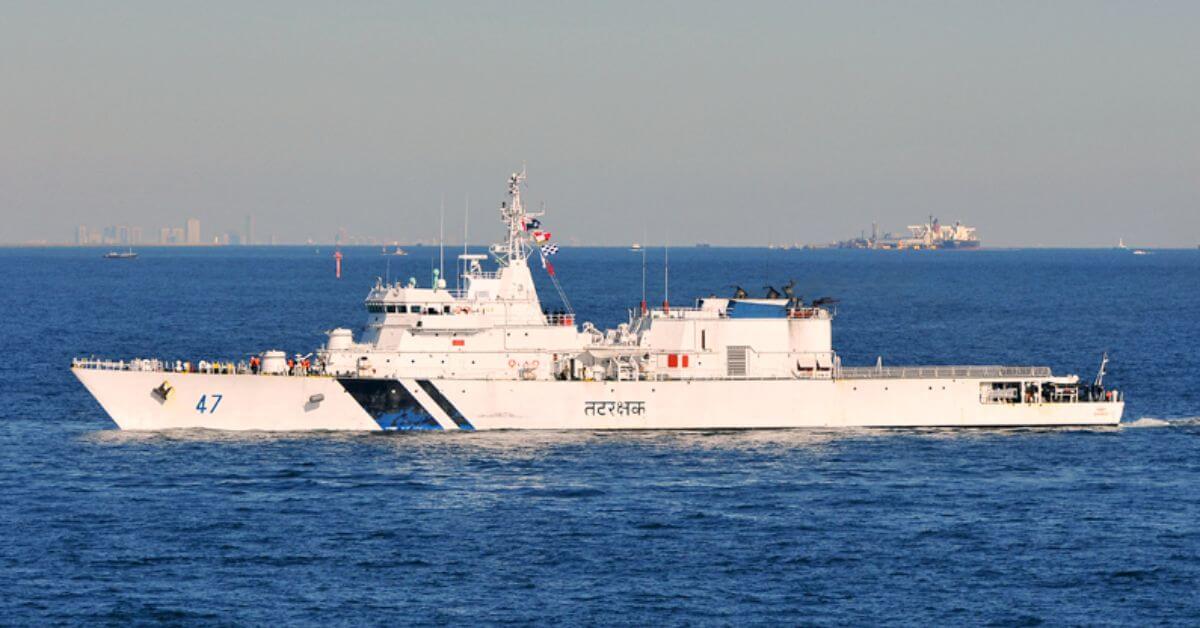
Coast Guard Intercepts Suspected Oil Smuggling Vessel Near Mumbai.
At 2:10 p.m. on September 10, the Coast Guard acted on intelligence of unauthorized activity near an offshore oil rig off Mumbai, intercepting a suspected oil smuggling vessel. This interdiction underscores the persistent challenge of maritime crime and the need for constant vigilance. Protecting ocean resources requires more than data; it demands decisive, real-world enforcement. For broader context on maritime security operations, see our coverage of "Maritime Interdictions Yield 25,000 Pounds of Cocaine, Supporting Ocean Security."
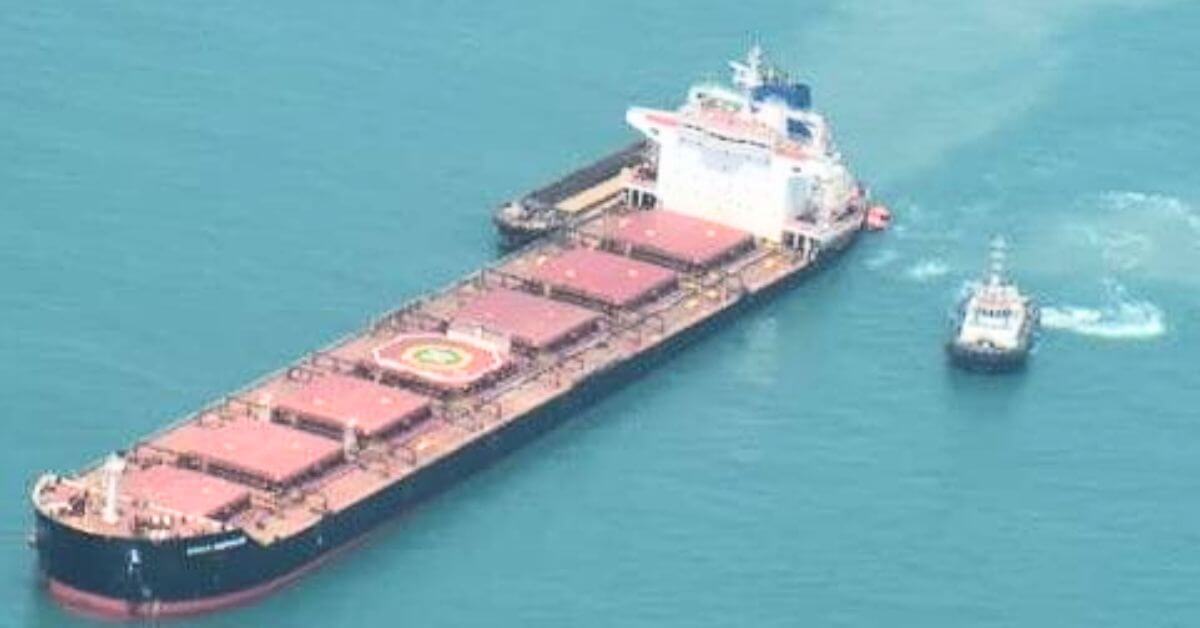
Crew Rescued After Merchant Ship Collision Near India’s Coast.
A collision off India's coast forced the evacuation of 21 crew members from the merchant vessel MV KMAX EMPEROR. The Coast Guard's rapid response prevented a greater crisis, but this incident underscores the persistent risks in busy shipping lanes. Maritime safety demands continuous vigilance, not just reaction. For deeper context on related maritime emergencies, read our coverage of the cargo ship fire near Mykonos, each event reminds us that ocean intelligence must extend to human safety at sea.
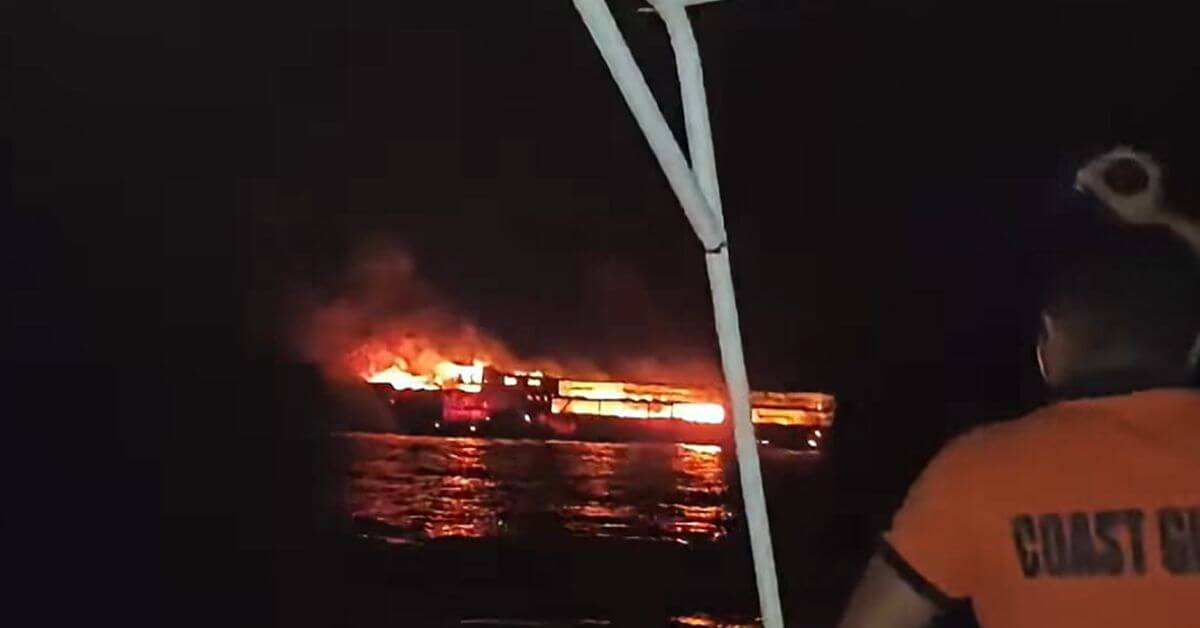
Philippines Ferry Fire: Search Underway for Dozens Missing at Sea
A fire erupted aboard the MV June Aster at 6:45 p.m. on September 9, while the ferry sailed from Manila to Coron in Palawan province. A search is now underway for dozens still missing at sea. These incidents demand rigorous, data-driven investigation. For deeper context on maritime emergencies, see our coverage of the recent cargo ship fire near Mykonos. Understanding these patterns is essential to improving safety protocols across global shipping lanes.
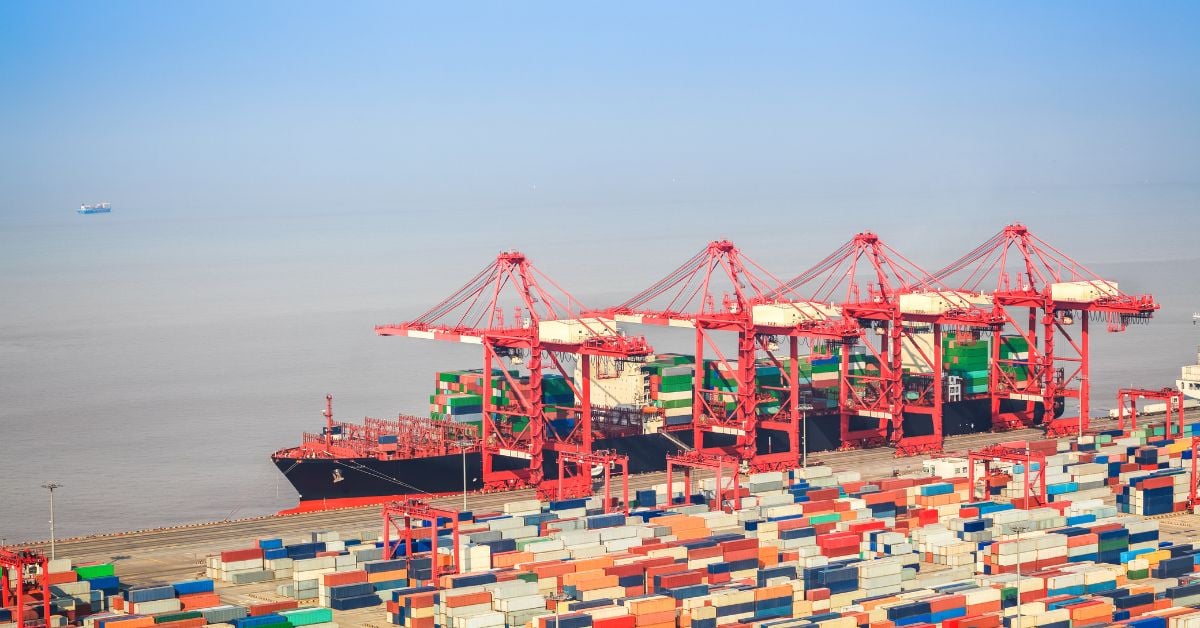
AI-Powered Vessel Design Integrates Ocean Data for Enhanced Efficiency
At SMM 2026 in Hamburg, Shanghai Merchant Ship Design, CMA CGM, and Bureau Veritas signed a contract to integrate ocean data directly into vessel design. This is not a small step; it is a calibrated move toward measurable efficiency. Pairing validated, real-time climate indicators with empirical engineering gives the industry a clearer path forward. For readers tracking maritime logistics, our coverage of the Strait of Hormuz shipping lane dispute offers useful context on why such efficiency matters now.
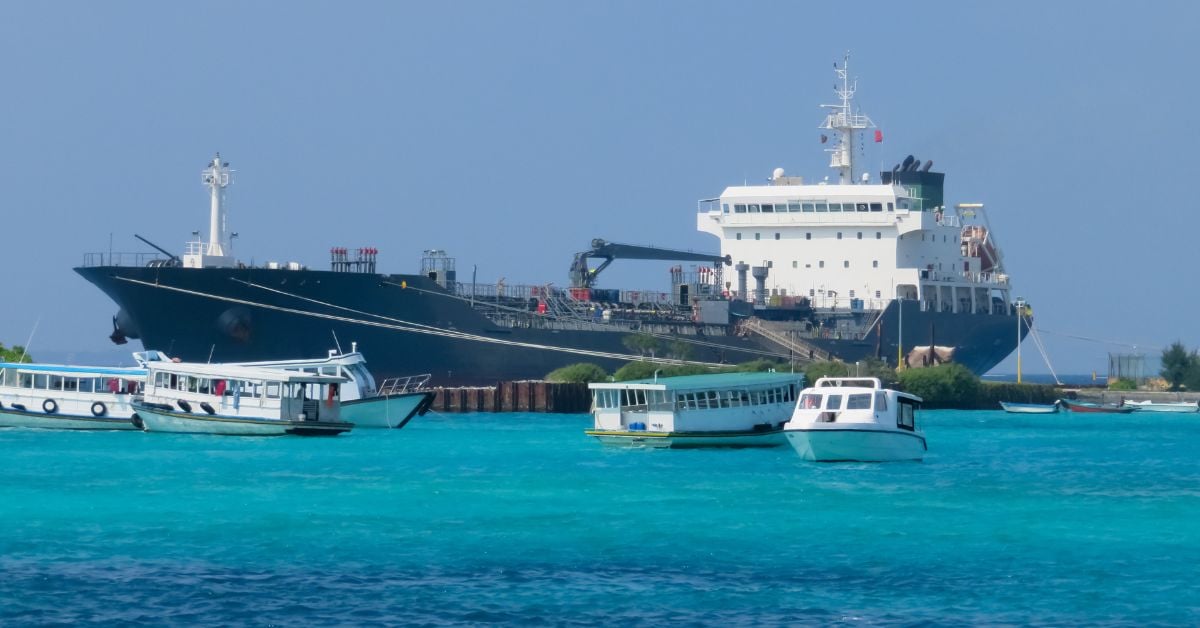
Chemical Spill and Fire Result in Fatal Loss at Sea Near Sulawesi
A chemical spill and fire aboard a ship off Indonesia's southeast Sulawesi province has resulted in the deaths of two crew members, a stark reminder that the sea's perils extend beyond weather and navigation. The vessel, carrying chemicals and equipment, turned deadly in moments. Each incident like this, whether it is a fatal attack near Oman or a sinking transport, underscores the same truth: operational safety remains a fragile line. We cover these losses because understanding them is the first step toward prevention.
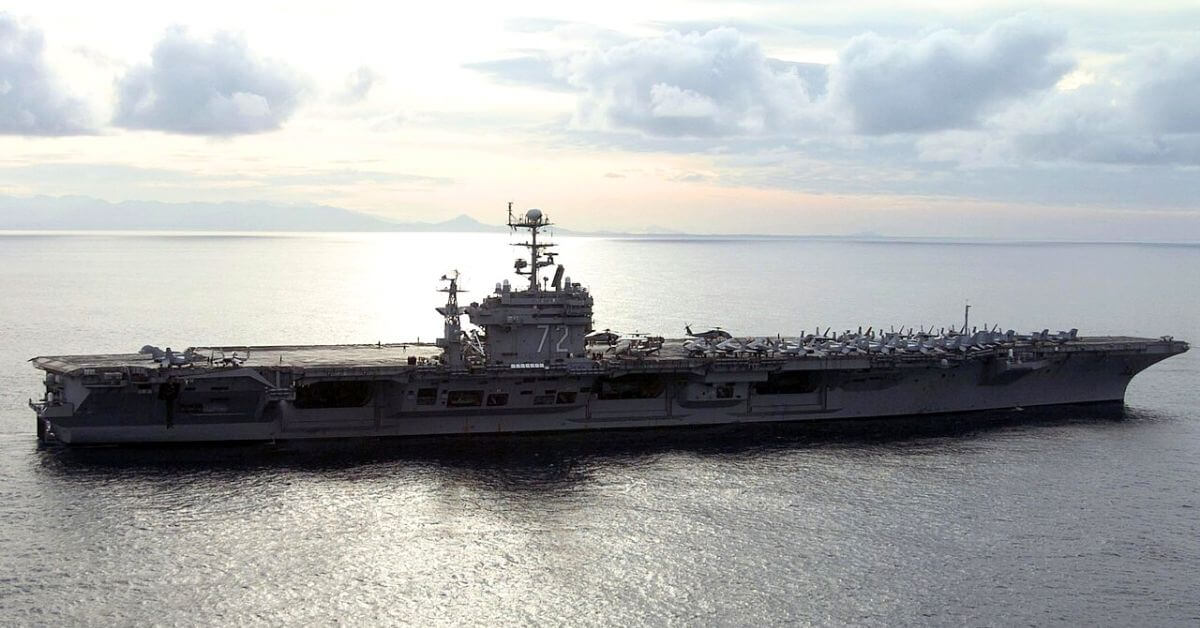
Longitudinal Deployment: Abraham Lincoln Carrier Completes 250+ Days at Sea
Two hundred fifty days. The Abraham Lincoln's extended deployment is a measured statement on readiness, not a boast. Spending nearly seven months in the U.S. Central Command area without a port call tests every system and every crew member. This endurance matters. It reflects a calculated projection of force where it is needed most, supporting stability in critical waters. As the Navy pushes for faster integration of unmanned systems, the Lincoln's tour proves the human and material backbone remains resilient.
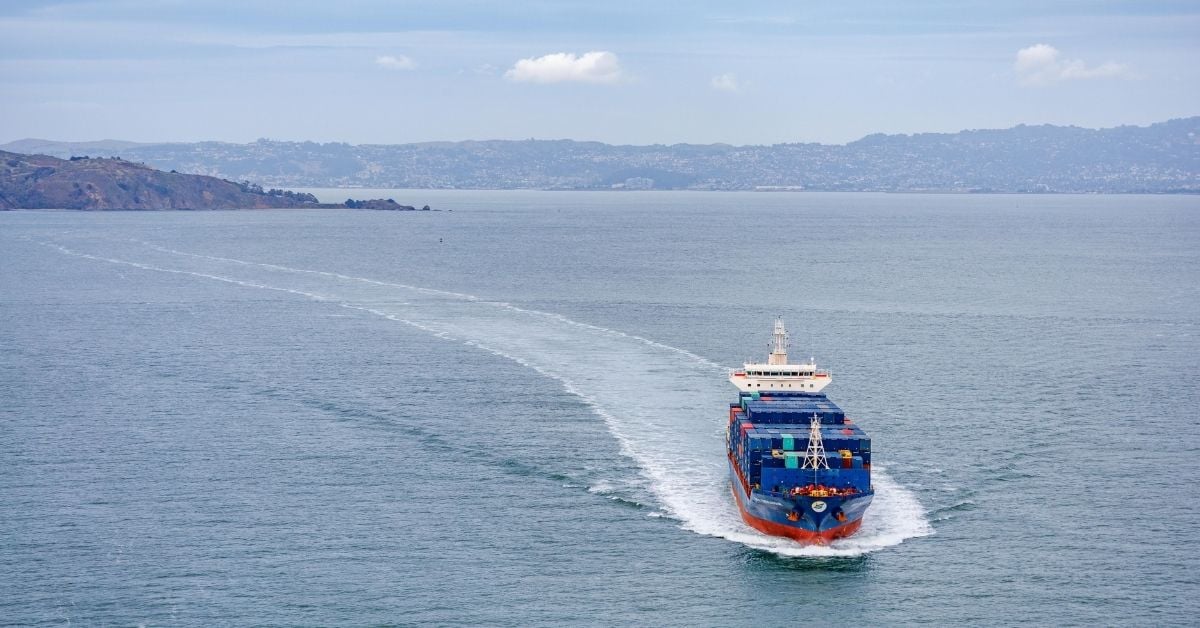
Drone Strike Suspected in Black Sea Cargo Ship Sinking
A cargo ship caught fire and sank off Romania on Thursday evening, with a drone strike the suspected cause. The incident injects a volatile new variable into Black Sea shipping lanes already strained by regional conflict. This is not a remote concern; it is a direct challenge to the safety of commercial routes and the maritime data that tracks them. As we monitor these climate and security indicators, the need for transparent, real-time reporting has never been clearer.
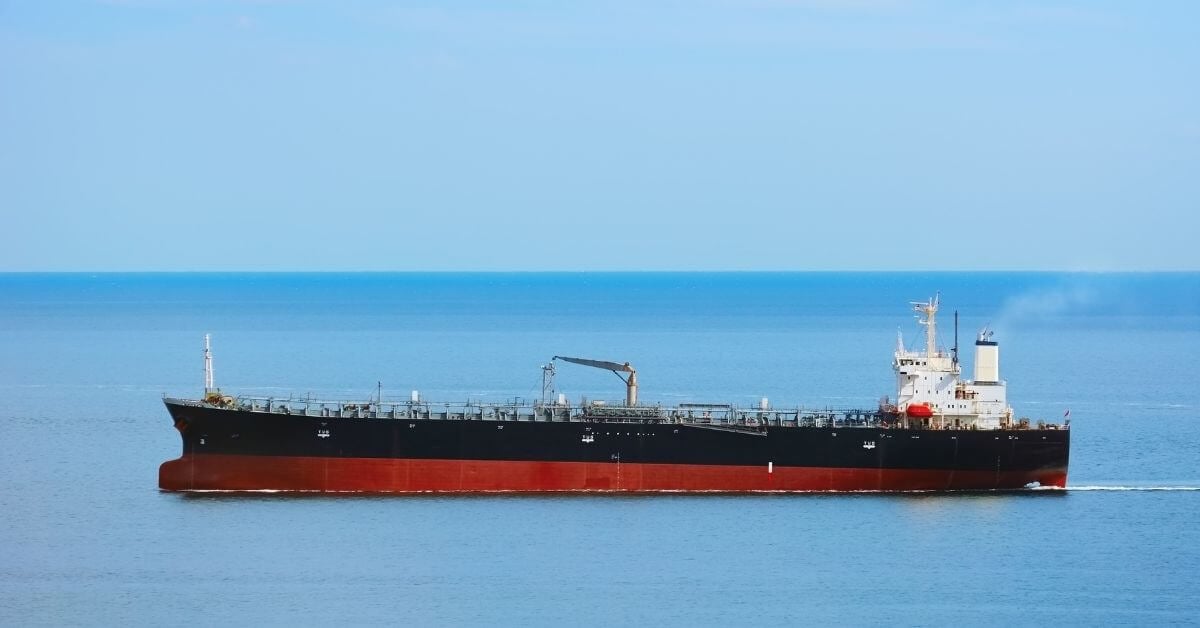
Fatal Fire Aboard Oil Tanker Highlights Maritime Safety Concerns
At 10:38 p.m. on Aug. 27, a fire broke out aboard a 7,000-ton-class Korean oil tanker approximately 7.4 kilometers north of Jawoldo in Ongjin County, underscoring the persistent risks facing maritime operations. The incident, which involved a fatal outcome, demands rigorous scrutiny of existing safety protocols. Vessel fires remain among the most preventable yet devastating emergencies at sea, and this tragedy reinforces the need for continuous, empirical improvements in crew training and vessel design.

MV Ocean Winner Sinks in Bay of Bengal; 22 Crew Missing
The MV Ocean Winner, a Panama-flagged bulk carrier, has sunk in the Bay of Bengal off Odisha, leaving 22 crew missing and only two survivors rescued from liferafts. The incident underscores the harsh realities of maritime transit in these waters, where operational risks remain high despite advancing navigation technology. Rescue efforts are now the priority, but the loss raises pressing questions about crew safety protocols.

Maritime Security Incident: Two Vessels and 22 Crew Affected by Piracy.
Two merchant vessels, carrying 22 Indian crew members total, have been hijacked by pirates in separate incidents off Yemen and Somalia. The attacks underscore the persistent threat maritime piracy poses to seafarers and global shipping lanes. This is not a distant problem; it is a live disruption to the ocean economy and the people who move it. For deeper context on regional responses, our report on Puntland Forces Intercept Hijacked, US-Sanctioned Oil Tanker After 48 Hours illustrates the ongoing volatility.

Lake Kariba Ferry Disaster: A Tragic Loss of Life in Zimbabwe
The capsizing of the *Mbuya Nehanda* on August 11, en route from Kariba town to the remote community of Chalala, is a devastating blow to Zimbabwe's inland waterways. This is not a statistic; it is a profound loss that underscores the perilous reality facing those who depend on the lake for connection. The tragedy demands rigorous scrutiny of maritime safety protocols. For context on how regional infrastructure pressures are being managed elsewhere, our report on record port activity offers a broader view of logistical resilience.

Incident in Indian Ocean: U.S. Navy Reports Personnel Casualties
After 263 days deployed, the USS Abraham Lincoln now operates in the Indian Ocean, where the U.S. Navy reports personnel casualties. Extended deployments carry measurable human costs, and this incident underscores the strain on maritime forces operating far from home. The Indian Ocean's strategic importance continues to grow, particularly as integrated subsea infrastructure shifts in the region. For broader context on how this waterway's role is evolving, our related piece, "Integrated Subsea Infrastructure Shifts to Enhance Indian Ocean Connectivity," offers deeper insight.

Attack on Cargo Ship Near Yemen Claims 6 Lives, Injures 10
A second strike on the cargo ship Tihamah near Yemen has killed six people and injured ten, with four crew members dying in the initial attack and two rescuers killed in a subsequent hit. These are not abstract numbers; they are lives lost in a volatile corridor. The incident underscores how fragile maritime security remains in the region, a reality that demands rigorous, data-driven monitoring.

Shipping Risk: Hormuz Attack Triggers $10.98 Million Payout.
The Thai-flagged Mayuree Naree, IMO 9323649, was struck by two projectiles on March 11, shortly after crossing the Strait of Hormuz, triggering a $10.98 million payout. That figure is a stark reminder of how quickly maritime risk translates into real financial consequence. The attack underscores the vulnerability of vessels in this corridor, a reality our Gulf of Oman STS Transfers Max Out piece also touches on. For now, the payout is settled, but the broader question of navigational security remains open.

Engine Room Fire Aboard Car Carrier Reported Off Costa Rica
At 1:09 p.m. local time, the U.S. Coast Guard Southwest District received an Inmarsat distress alert from a car carrier reporting an engine room fire off Costa Rica. The incident underscores the persistent risks facing modern shipping, where mechanical failure can escalate swiftly into a safety emergency. Response efforts are now underway, though details remain limited. For broader context on recent maritime fire incidents, our coverage of the cargo ship fire near Mykonos offers a comparable case.

Black Sea Attack: RORO Ship Crew Faces Critical Injuries Amid Drone Assault
Three crew members of a Turkish-owned RORO ship are in critical condition after a drone swarm struck their vessel in the Black Sea. This attack underscores a grim reality: commercial shipping has become a target. Such assaults demand a calibrated, international response grounded in maritime law. The incident follows the strikes on ports and vessels confirmed by Russia, and we urge readers to review our coverage of those broader military actions. Protecting seafarers remains an urgent, shared responsibility.