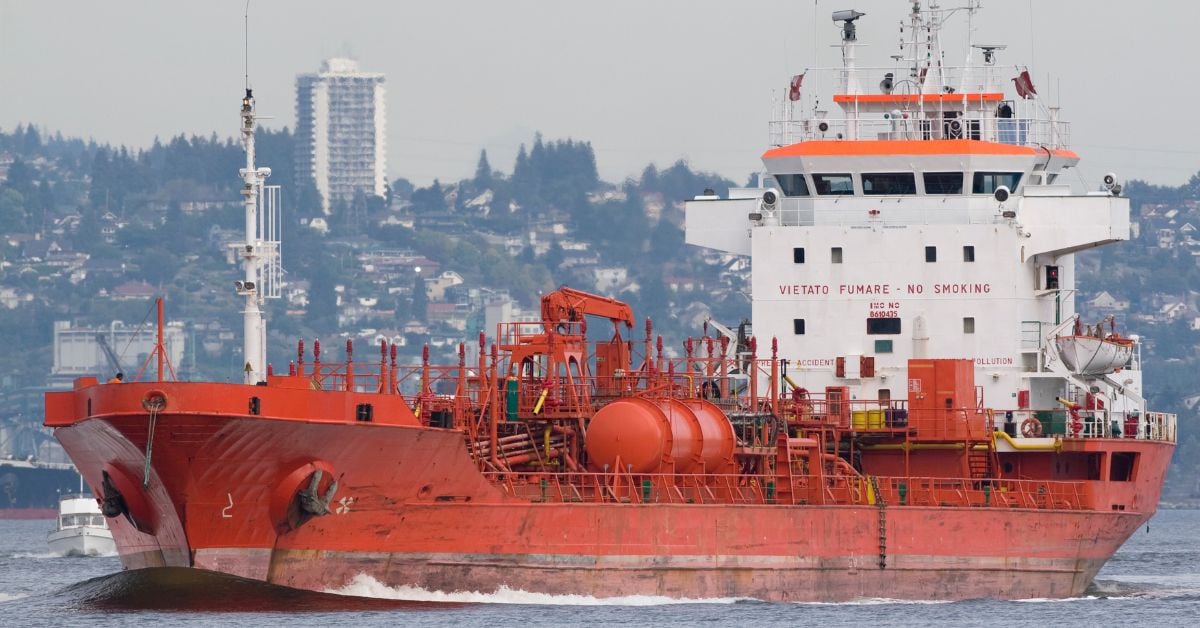
The Indian Coast Guard's swift rescue of 23 crew members from a chemical tanker off Odisha is a clear, practical validation of what real-time maritime coordination can achieve. This is not simply a feel-good story about lives saved; it is an empirical case study in how integrated response systems function under pressure. When a vessel suffers engine failure and ballast tank flooding, the margin for error shrinks to minutes, and the difference between a successful rescue and a tragedy often comes down to the quality of data flowing between responders. This operation proved that the systems worked, and that matters deeply for anyone who relies on the safety of our oceans.
The incident highlights a capability that is too often taken for granted: the ability to locate, assess, and extract personnel from a distressed vessel in open water. What made this rescue possible was not luck, but a calibrated chain of communication, from the distress signal to the Coast Guard's deployment of assets. This is the kind of operational reliability that the maritime industry must continue to strengthen, especially as shipping lanes grow busier and climate indicators point toward more volatile sea conditions. As we noted in our coverage of the MEDSLIK-II upgrade sharpens oil spill modeling from surface release data, modeling and real-time data integration are becoming essential tools for predicting hazards. A rescue like this one demonstrates that the same principles apply to human safety: you cannot respond effectively to what you cannot see in real time.
This event also invites a sobering comparison. Our related reporting on the Five seafarers killed as pirates open fire on hijacked tanker during rescue reminds us that not every maritime emergency ends with all hands safely ashore. The Odisha rescue succeeded because the threat was mechanical, not malicious. But the difference in outcomes underscores a larger point: the ocean intelligence ecosystem must account for both natural and human-caused dangers. The same validated communication protocols that saved these 23 lives could, with further integration of security data, help prevent future tragedies in piracy-prone waters. That is a measurable goal worth pursuing.
The specific takeaway here is direct: the Indian Coast Guard's response provides a replicable benchmark for real-time rescue coordination. For policymakers and maritime operators, the question is not whether the system can work, it just did, but how to ensure that every region has access to the same integrated data ecosystem. We will be watching for whether this incident prompts wider adoption of standardized real-time tracking and communication protocols across the Bay of Bengal. That is the next logical step, and the lives of future crews depend on it.