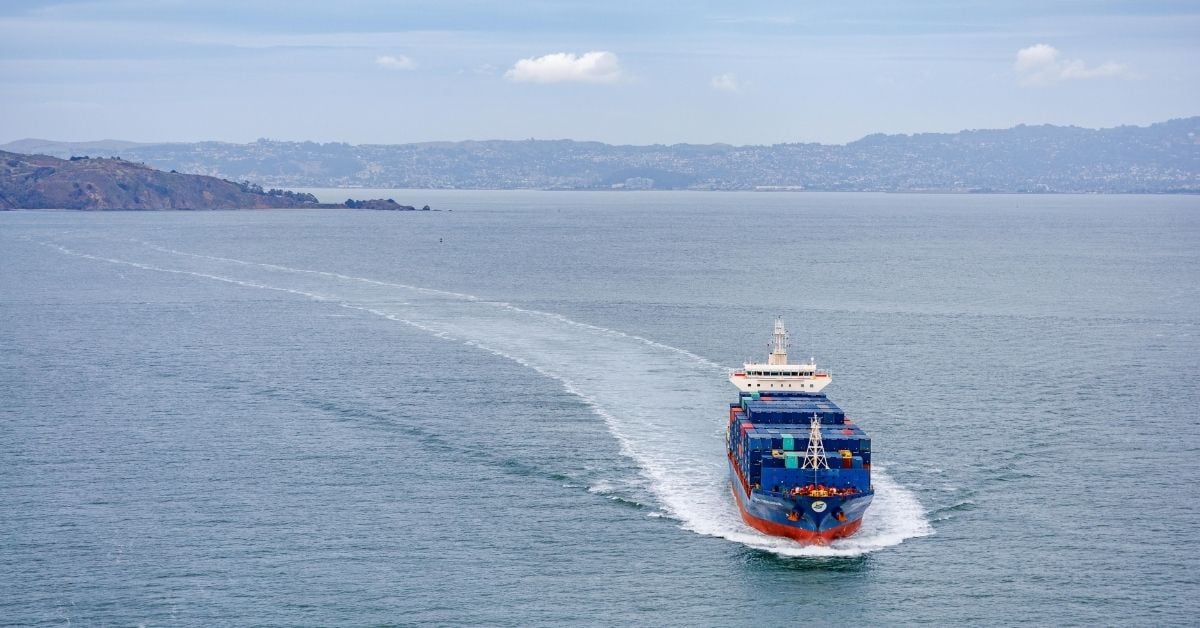
A cargo ship caught fire and sank off the coast of Romania on Thursday evening following what is suspected to have been a drone strike. The incident, reported by Marine Insight, adds another layer of complexity to an already volatile maritime corridor. For our readers, this is not merely a data point in a string of escalating incidents; it is a signal that the fundamental assumptions underpinning safe transit in the Black Sea require urgent recalibration. We are witnessing a shift from isolated incidents to a pattern where commercial vessels are becoming instruments of geopolitical proxy, and the cost is measured in both tonnage and human risk. This is not about alarmism; it is about assessing empirical threats with the same rigor we apply to oceanographic data. The incident follows a pattern we have been tracking, much like the recent Cargo Ship Fire Prompts Evacuation Near Mykonos; Incident Under Investigation, though the causes there remain under investigation, whereas a drone strike suggests a deliberate kinetic act.
The practical implication for mariners, insurers, and policymakers is immediate and measurable. If a suspected drone strike can sink a vessel in the western Black Sea, close to NATO member Romania, the risk envelope for all commercial traffic has expanded beyond the traditional war-risk zones in the eastern and northern waters. This is not a theoretical projection. We would tell a reader asking for guidance to scrutinize their war-risk insurance clauses with new precision and to demand real-time, validated threat assessments from their flag states and security providers. The old methods of static risk mapping are obsolete; they must be replaced by dynamic, integrated data ecosystems that incorporate not just meteorological and oceanographic data, but also live intelligence on drone activity and electronic warfare. The related Ukraine Supports India’s Initiative for Black Sea Shipping Routes suggests diplomatic efforts to open safe corridors exist, but Thursday's sinking underscores how fragile those initiatives are when they are not backed by enforceable security guarantees. A corridor is only as safe as the guarantee that enforces it.
Our take is that the maritime industry must stop treating these events as aberrations and start treating them as a persistent condition. The drone is the new mine; it is cheap, deniable, and effective. The response cannot be merely reactive. We would argue for a more robust investment in defensive countermeasures on civilian vessels, from electronic jamming to passive detection systems, and a clearer protocol for military escort in high-risk zones. The conversation about Arctic oil exports, as seen with the Vostok Project Launches Arctic Oil Exports Amid Geopolitical Shifts, shows that energy infrastructure is being weaponized across multiple theatres, but the Black Sea remains the most acute flashpoint because of its proximity to major grain and energy routes. The question we should be asking is not why this happened, but what specific sensor data and intelligence were missed that could have altered the vessel's course or timing.
The concrete point to watch in the coming weeks is the response from the Bucharest and NATO command structures. If they declare a formal security zone or begin escorting commercial traffic, that is a measurable escalation with direct consequences for shipping schedules and insurance premiums. If they do not, the signal to aggressors is that the cost of striking a civilian vessel remains low. For our readers, the takeaway is clear: validate your safety protocols against this new threat matrix, and do not wait for a formal declaration to adjust your risk posture. The ocean does not issue warnings; it presents conditions. The condition here is that the surface is no longer neutral.