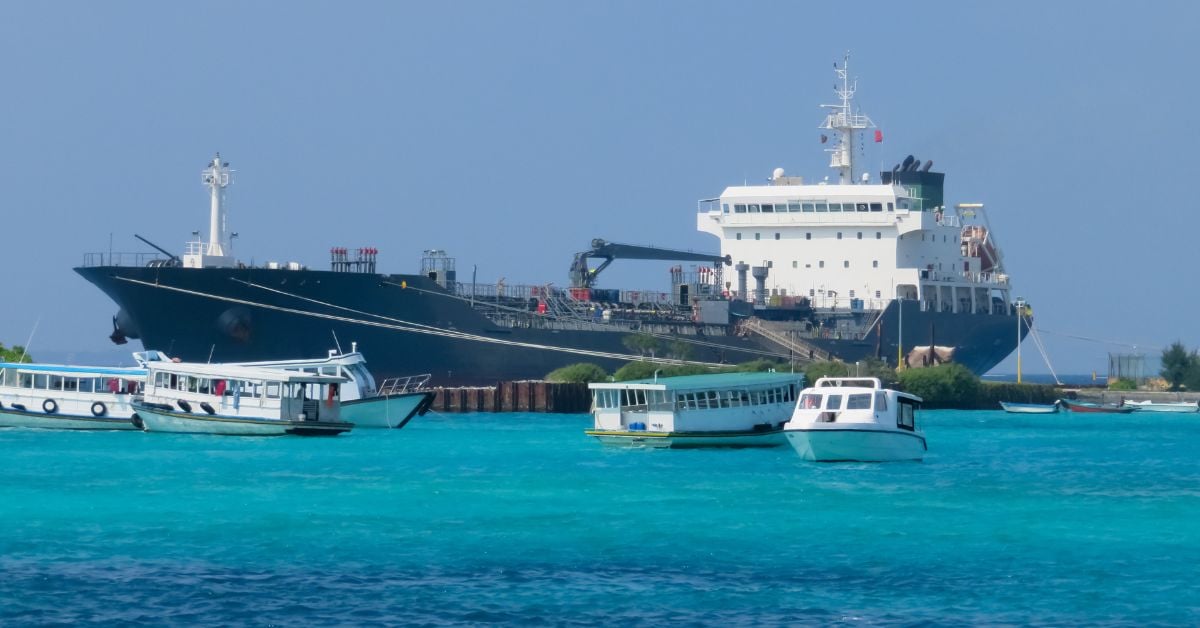
The loss of two crew members aboard a chemical carrier off southeast Sulawesi is not just a maritime casualty statistic; it is a sharp reminder of the thin margins between routine passage and catastrophe. When a vessel carrying hazardous materials catches fire, the immediate human cost is compounded by a longer, quieter threat: the potential release of chemicals into one of the most biodiverse marine regions on Earth. This incident follows a troubling pattern we have tracked closely, from the fatal attack on a bulk carrier near Oman to the sinking of the KM Virgo Transport 8 in Indonesian waters. Each event underscores a different vulnerability, but together they point to a systemic issue: the margin for error in maritime operations remains dangerously narrow, particularly in archipelagic nations where response times are long and environmental stakes are high.
Our take is not to speculate on the fire's ignition source, which remains under investigation, but to focus on what we can control: preparedness and data integration. The chemical carrier was not carrying a cargo that is rare; it was carrying equipment and substances that traverse these waters daily. What is rare is a coordinated, real-time response that accounts for both firefighting safety and chemical containment. In the immediate aftermath, the priority is search and rescue, but within hours, the question shifts to environmental impact. We would tell readers that this is where the gap between intention and capability becomes visible. The IMO's ongoing global survey on maritime port digitalization is a relevant thread here, because better digital integration could mean faster sharing of cargo manifests and chemical data with first responders, reducing guesswork during the critical first hour of an incident.
The practical takeaway for researchers, policymakers, and seafarers is not that we need more regulation for its own sake, but that we need better calibrated emergency protocols that are empirically tested and peer-reviewed. A fire on a chemical carrier is a distinct event with a specific set of response protocols, yet the industry often treats it with the same generic playbook used for cargo fires. That is a failure of intelligence, not of effort. We would advise our readers to watch how the Indonesian authorities structure their investigation and whether they publicly release the cargo manifest and the fire's progression timeline. That data is more valuable than any statement of condolence, because it will allow the maritime community to model similar scenarios and validate its response strategies.
The open question we are left with is whether the Sulawesi incident will accelerate the push for mandatory chemical data sharing in real time, or if it will be filed away as a tragic anomaly. For now, the concrete point to watch is the official investigation's scope: if it includes a toxicological assessment of the water column and sediment in the surrounding area, we will learn whether this was a close call or a slow-burning environmental crisis. Until that data is released, every claim about containment is just an assumption. We would tell our readers to treat any preliminary assurance with measured skepticism and to demand the longitudinal data that proves the ocean's resilience, not just the crew's bravery.