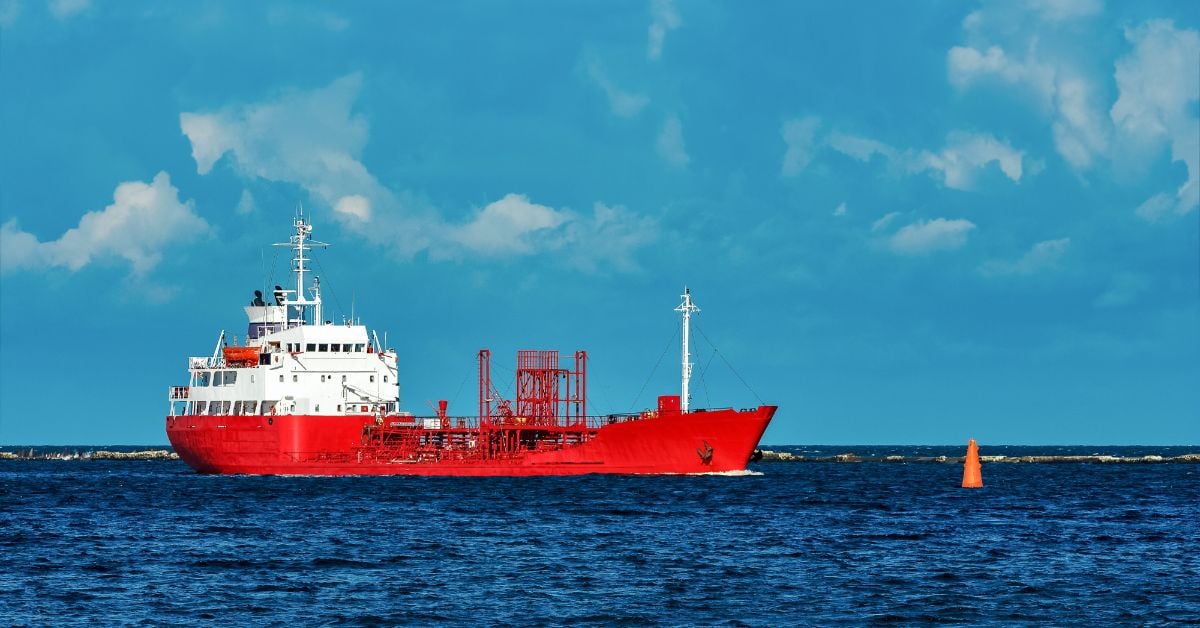
The attack on the Panama-flagged MT On Peace, which left eleven Indian crew members injured in the Strait of Hormuz, is not an isolated act of maritime violence, it is a direct consequence of a regional security vacuum that has been allowed to fester. New Delhi's condemnation is warranted, but it must be matched by concrete, coordinated action because the current trajectory is unsustainable for the civilians who crew these vessels and the global economy that depends on their safe passage. The Strait of Hormuz carries roughly a fifth of the world's liquefied natural gas and petroleum, yet we are witnessing a normalization of attacks on commercial shipping that would have been unthinkable a decade ago.
The Indian Ministry of External Affairs has rightly called for an immediate halt to strikes on civilian shipping infrastructure, but words alone will not restore freedom of navigation. The MT On Peace was carrying 19 crew members, 17 of them Indian nationals, when it was struck by an unverified projectile near Oman. Omani authorities responded swiftly, evacuating the injured to Khasab for medical treatment, and that coordination is precisely the kind of operational reliability that must be scaled up. However, the fact that this incident follows delayed reports confirming five IRGC vessel incidents in the Strait of Hormuz from just a day earlier reveals a troubling pattern: attacks are becoming more frequent, and the international community's response remains reactive rather than preventive. The UKMTO's late reporting on those incidents is a systemic weakness, if we cannot track threats in real-time, we cannot protect crews effectively.
What makes this situation more urgent is the broader context of maritime governance. Oman's recent mandate requiring foreign vessels to continuously transmit AIS signals in its territorial waters is a step toward better situational awareness, but it is a unilateral measure in a waterway that demands integrated data ecosystems. Meanwhile, the shipping industry is already reeling from financial and regulatory pressures, as seen in the $16.7 million fine faced by COSCO for delayed payments, which underscores how commercial stability is eroding across the board. The MT On Peace attack is not just a security story; it is an economic indicator that risk premiums, insurance costs, and operational disruptions are becoming the new baseline for any vessel transiting this chokepoint.
The practical takeaway for our readers is stark: the freedom of navigation is not a given, and it is being eroded in real-time by unverified projectiles and delayed incident reports. The international coalition must move beyond diplomatic statements and implement a calibrated, measurable response, whether through enhanced naval escorts, real-time intelligence sharing, or mandatory reporting protocols for all military and civilian vessels in the region. The specific point to watch is whether India and Oman will now push for a joint maritime surveillance mechanism in the Strait, because without that, the next attack will not just injure eleven crew members, it could close the strait entirely, and that is a consequence no one can afford to calibrate.