bulk carrier
bulk carrier at World Data Ocean is a file of 44 stories. The newest of them: “Cargo spill in the Strait of Hormuz scatters consumer goods across shipping lane”, “When Communication Fails: Ambiguous VHF Exchange Prevents TSS Collision”, and “Fumigated Cassava Cargo: 13 Crew Lost to Unmonitored Phosphine Gas”. Perfume bottles and iPhone boxes now float in the Strait of Hormuz, scattered from a cargo spill that has turned a critical shipping lane into an improvised retrieval zone. A bulk carrier and tanker collided in a Traffic Separation Scheme after an ambiguous VHF exchange, poor situational awareness, and inadequate checks before a major course alteration. A Global Hub for Ocean Intelligence 4 World Data Ocean is a centralized digital platform where researchers, scientists, and ocean enthusiasts converge to… The list below is every bulk carrier story on World Data Ocean, newest first.

Cargo spill in the Strait of Hormuz scatters consumer goods across shipping lane
Perfume bottles and iPhone boxes now float in the Strait of Hormuz, scattered from a cargo spill that has turned a critical shipping lane into an improvised retrieval zone. This is not a story about lost luxury goods, it is a measurable disruption in a calibrated global supply chain. Such incidents remind us that ocean intelligence requires real-time awareness of every vessel and its cargo.
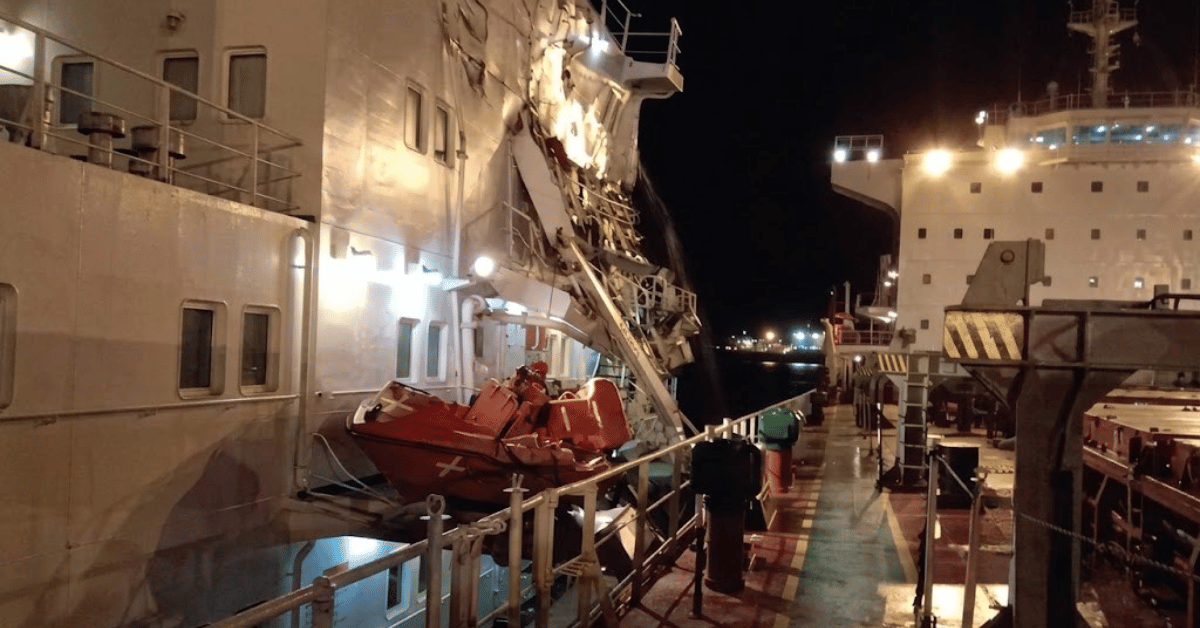
When Communication Fails: Ambiguous VHF Exchange Prevents TSS Collision
A bulk carrier and tanker collided in a Traffic Separation Scheme after an ambiguous VHF exchange, poor situational awareness, and inadequate checks before a major course alteration. When communication fails, the consequences are measurable and immediate. This incident underscores how human factors remain a leading cause of maritime accidents, a theme we explore further in our analysis of quantifying human factors in vessel loss-of-control risk models. Understanding these failures drives better protection at sea.

Fumigated Cassava Cargo: 13 Crew Lost to Unmonitored Phosphine Gas
Thirteen of 21 crew members died after phosphine gas from fumigated cassava cargo infiltrated their living quarters. This is a preventable tragedy born of unmonitored fumigation. The maritime industry must treat onboard chemical treatments as the critical safety events they are. Validated, real-time gas monitoring is not optional, it is a basic requirement. For further context on maritime safety and cargo innovation, see our coverage of the first ship-to-ship green ammonia bunkering.
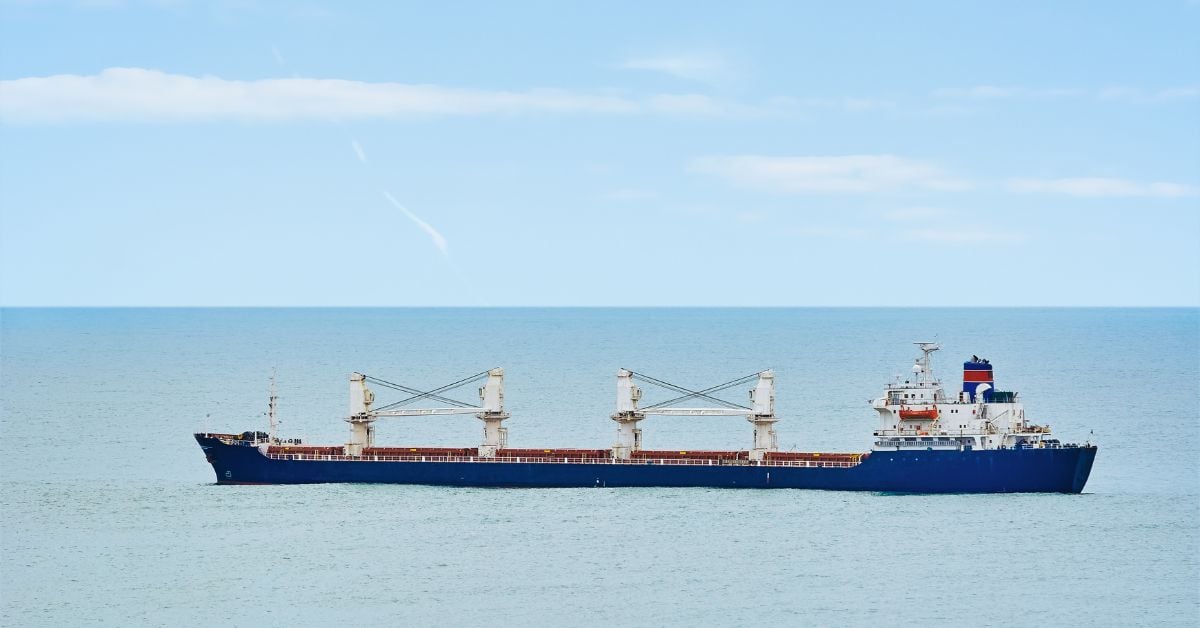
1 000 Metric Tons of Green Ammonia Delivered in First Ship-to-Ship Bunkering
1,000 metric tons of green ammonia transferred in a single ship-to-ship bunkering. That is a validated step toward decarbonizing maritime fuel. The Shenghang Yongle, the world's first liquid ammonia bunkering vessel, delivered this load to a bulk carrier with measurable precision. This is not a pilot or a promise, it is empirical progress. We see this as a calibrating moment for integrated energy ecosystems at sea. For deeper context on how port infrastructure is evolving, see our coverage of NYK's floating data center concept.
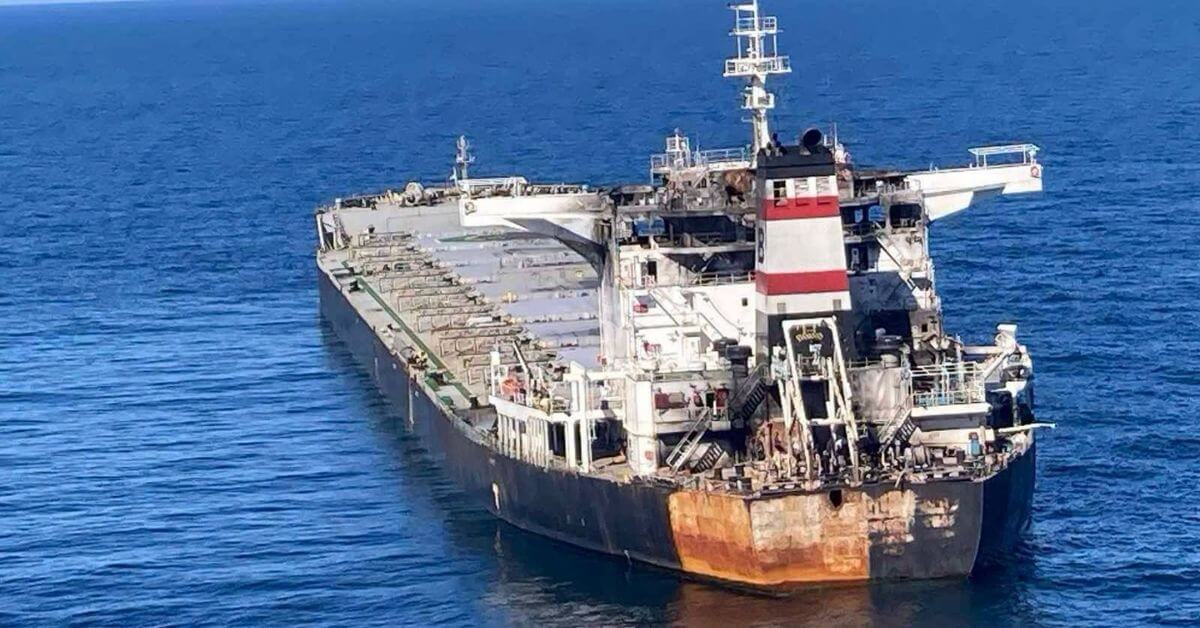
Drone-Struck Abandoned Cargo Ship Drifts Through Black Sea Toward Bulgaria
A single abandoned cargo ship, damaged by a Russian drone near Odesa in August, is now drifting through the Black Sea toward Bulgaria. The vessel's unguided path underscores how fragile maritime security remains in the region. Each drifting hull is a measurable reminder that stability here is not abstract; it is a climate and food security indicator. For deeper context on these risks, our related coverage on Black Sea stability offers a broader view.
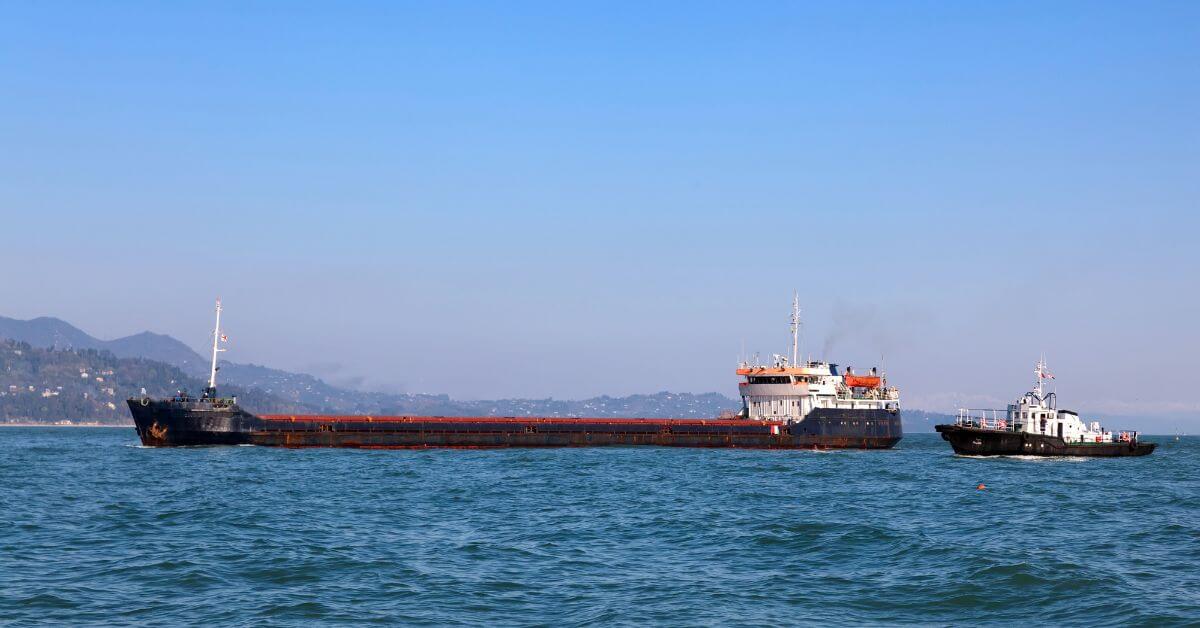
Collision in Valderhaugfjorden Triggers Maritime Detainment for Investigation
A collision involving three vessels in the narrow waters of Valderhaugfjorden, near Ålesund, has triggered a formal maritime detainment for investigation. Such incidents in constrained channels demand precise, empirical analysis of navigational data and human factors. The event underscores the persistent risks in congested sea lanes. For a parallel examination of maritime security challenges, our coverage of the delayed reports confirming five IRGC vessel incidents in the Strait of Hormuz offers further context.
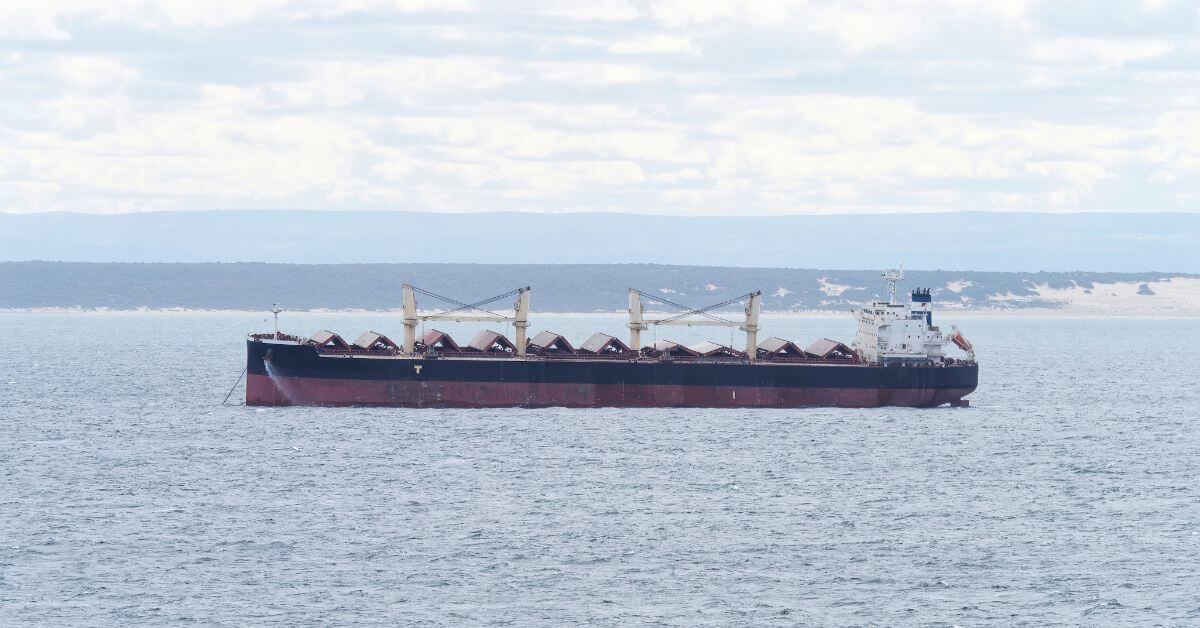
Two vessels collide at Chittagong anchorage as maritime incident data emerges
Two vessels collided at Chittagong anchorage, with the first incident recorded at Kutubdia anchorage involving Panama-flagged MV APJ Shirin and Liberia-flagged MV HG Sydney. These incidents emerge as maritime data becomes more measurable and integrated, a reminder that empirical tracking is essential for safety. Understanding drives protection. For deeper context on maritime accountability, read our coverage of the captain charged over Ukrainian grain transport.
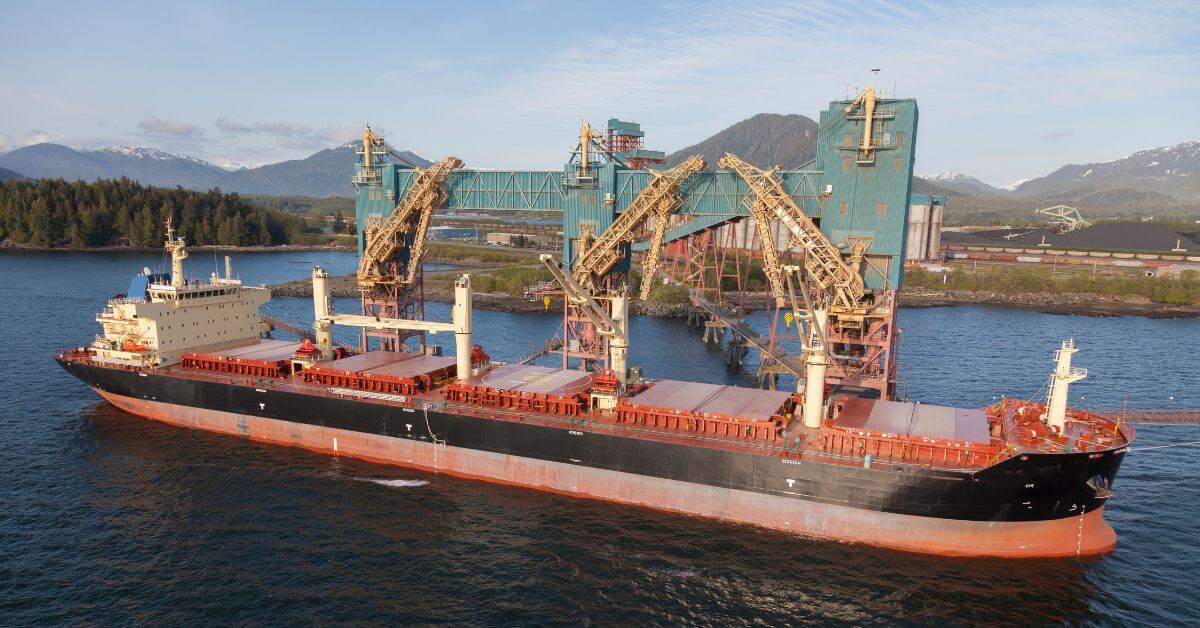
Captain of Russian-controlled bulker charged over 54,000 tonnes of Ukrainian grain
The captain of a Russian-controlled bulker now faces charges in Ukraine over the alleged transport of 54,000 tonnes of Ukrainian grain. This is not merely a shipping dispute; it is a measurable act within a larger pattern of resource exploitation. Accountability must be calibrated to the scale of the crime. For broader context on maritime accountability, see our coverage of the *June Aster* ferry fire tragedy, where a captain also faces criminal charges.
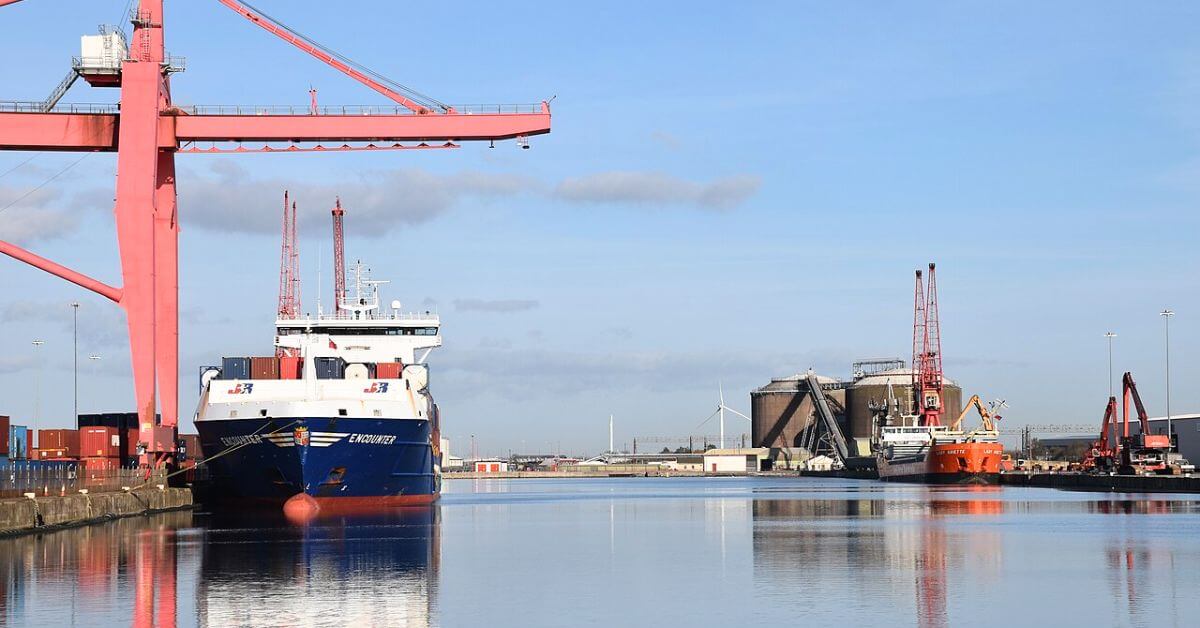
Fourth Filipino Maritime Worker Attack Case Proceeds in UK Court
A fourth person has been charged in the UK over an assault on three Filipino maritime workers near Avonmouth Docks. These attacks are unacceptable. The industry depends on the safety of every crew member, and justice must be delivered without delay. This case reinforces why collaborative frameworks matter. Our related coverage explores "New Coalition Charts Measurable Course for Safer Global Shipping", a timely example of how nations are working to protect seafarers. Accountability and prevention must advance together.
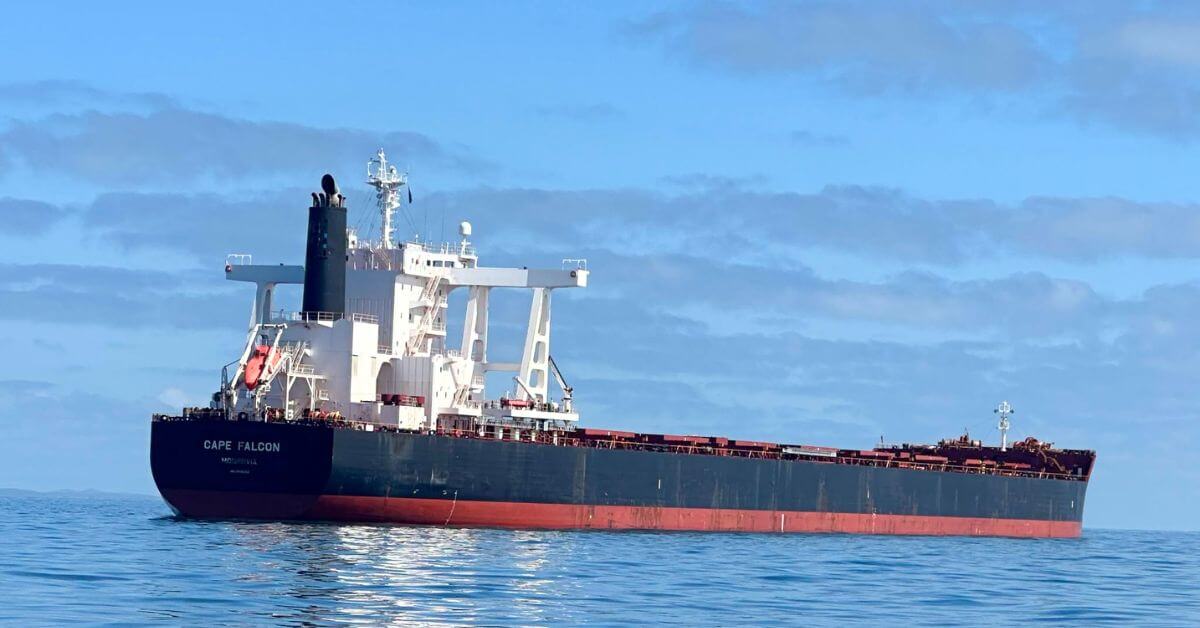
Bulk Carrier Freed After Prolonged Grounding Near Gladstone, Australia
Six days on the sandbar near Gladstone is a stark reminder of how unforgiving the Queensland coast can be, and the successful refloat of this bulk carrier speaks to the skill of the response teams involved. A prolonged grounding disrupts schedules and tests operational limits, but the vessel is now free, which is the outcome that matters most.
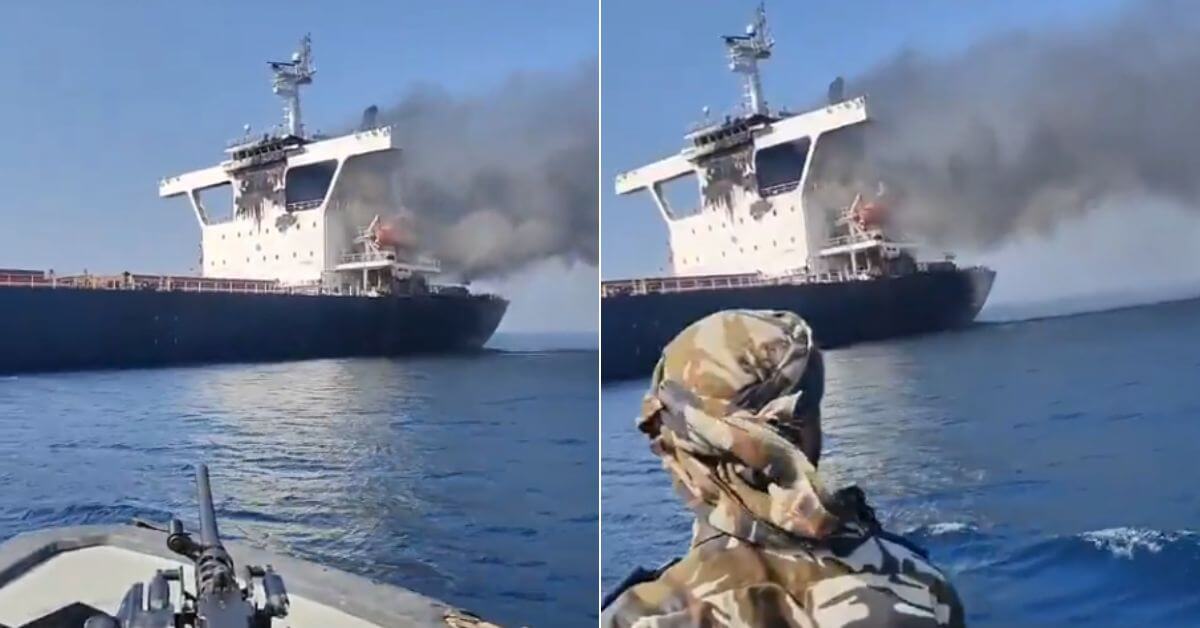
Fatal Attack on Bulk Carrier Near Oman Highlights Maritime Security Risks
The fatal attack on the MV Cape Dao off Oman, which killed an Indian seafarer, is a stark reminder that maritime security remains a pressing global concern. This incident underscores the persistent dangers facing those who move our goods across volatile waters. While our recent coverage of the Gladstone grounding highlighted navigational challenges, this is a violent reminder that crew safety requires constant vigilance.
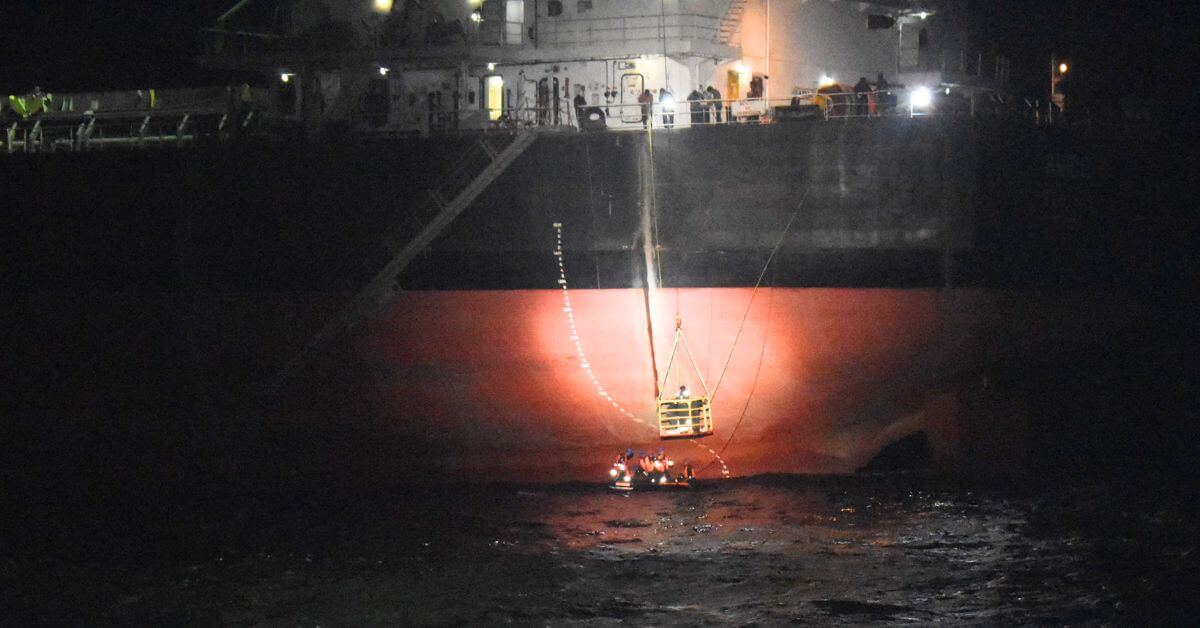
Ocean Data Enables Swift Rescue of Injured Seafarer Near Andamans
A fall on board a vessel near the Andaman Islands led to a swift rescue operation, with the Coast Guard responding to a crew member suffering severe head and spinal injuries. The incident underscores how real-time maritime data and integrated response systems turn critical moments into coordinated action. Ocean intelligence does not just track currents; it enables protection where it matters most. For more on maritime emergencies, see our coverage of the cargo ship fire near Mykonos.
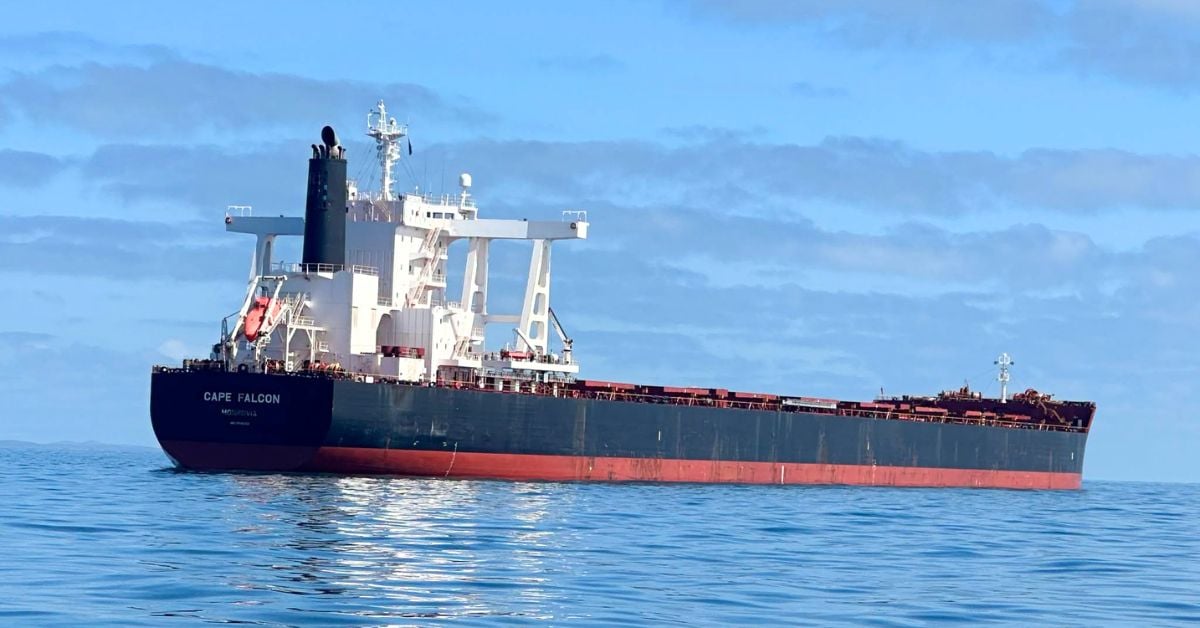
Refloating Efforts Unsuccessful; Bulk Carrier Remains Grounded Near Gladstone
The Cape Falcon remains firmly aground near Gladstone, with two refloat attempts failing to move the Liberian-flagged bulk carrier. The setback underscores how unforgiving coastal conditions can be, even for modern vessels. Patience and precision will be required before the ship returns to open water. For broader context on how such incidents unfold, our related coverage of prolonged groundings, including "Bulk Carrier Freed After Prolonged Grounding Near Gladstone, Australia," offers useful perspective.

Gulf of Aden Sees First Reported Piracy Incident Since August.
The Gulf of Aden has recorded its first piracy incident since August, a sobering reminder that maritime security remains fragile. This hijacking, the 25th worldwide since the start of 2026, underscores the persistent vulnerability of critical shipping lanes. Measurable threats like this demand calibrated, data-driven responses, not alarm. For broader context on regional maritime pressures, see our report on how Gulf of Oman STS transfers have maxed out amid rising Saudi oil exports. Understanding these interconnected risks is the first step toward effective ocean stewardship.
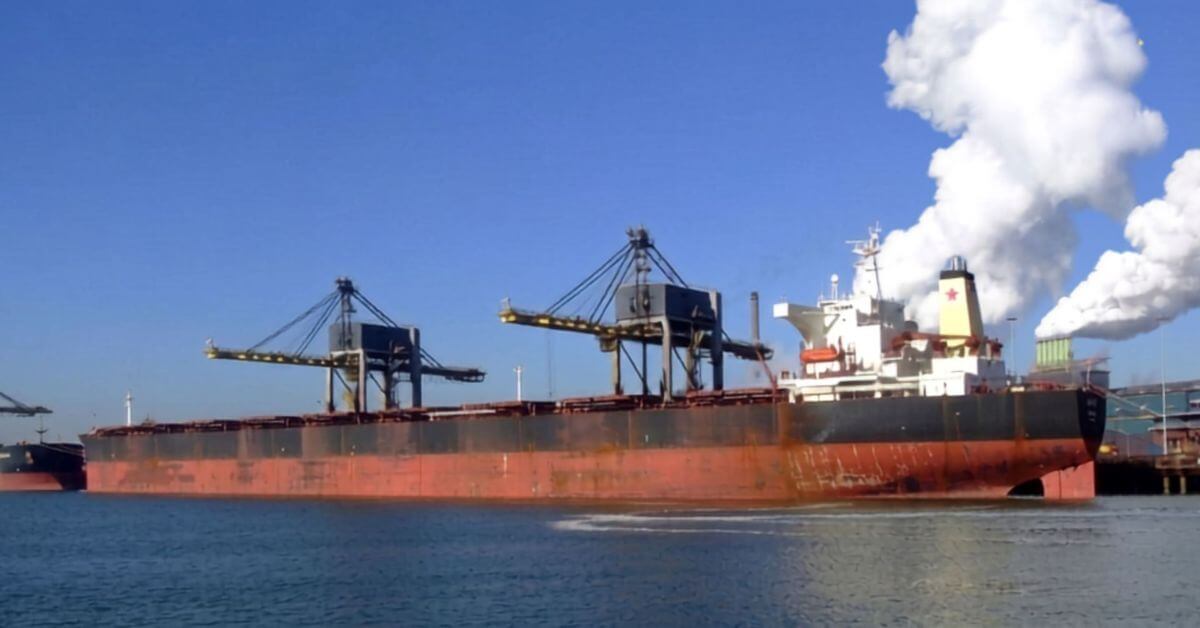
Filipino Seafarers Safe After Ukraine Attack; Await Repatriation
All 26 Filipino seafarers are safe and awaiting repatriation after disembarking from their vessel by Sept. 4, unharmed. The Department of Migrant Workers confirmed no casualties. This measured outcome contrasts sharply with the broader volatility in the region. For deeper context on escalating maritime risks, see our coverage of the *Fatal Attack on Cargo Ship Highlights Black Sea Shipping Risks*. Protection of crew remains paramount in these waters.
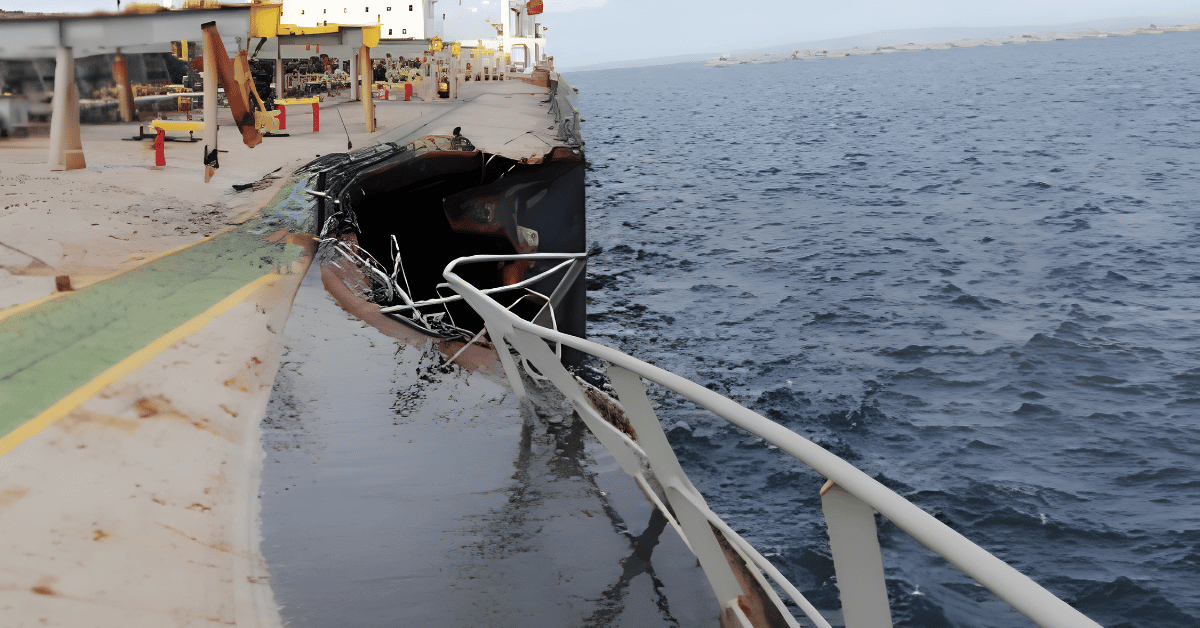
Unmonitored Vessel Contributes to Collision in Dense Fog TSS Area
In dense fog, a bulk carrier collision in a busy TSS reveals a critical gap: an unmonitored vessel went unnoticed. This incident underscores that navigation safety depends on complete situational awareness, not just the traffic that is actively tracked. The loss of oversight in a high-density corridor is a measurable failure of maritime intelligence. For deeper context on how navies and data systems are addressing such gaps, see our related coverage on the "Kiwi Frigate Monitors Sanctions, Enhancing Global Maritime Security Intelligence."
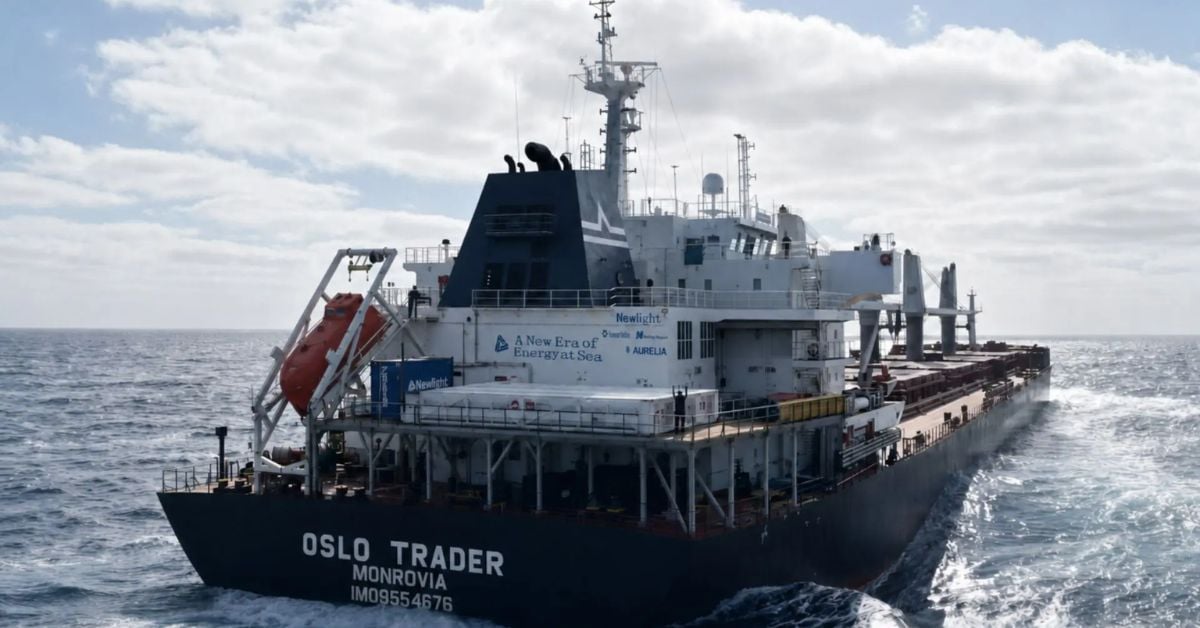
Hydrogen-Hybrid Propulsion Validates 24% Fuel Reduction on Transoceanic Voyage
A hydrogen-hybrid retrofit has delivered a 24% fuel reduction on a transoceanic voyage, a result that moves marine decarbonization from theory into measurable practice. Newlight's system, fitted to a bulk carrier's diesel engine, completed the 8,500-nautical-mile run from Singapore to Ghana with validated efficiency gains. This is the kind of empirical progress shipping needs, real-world performance, not pilot-project promise. For more on how such vessels face persistent hazards, see our coverage of the bulk carrier freed after grounding near Gladstone, Australia.
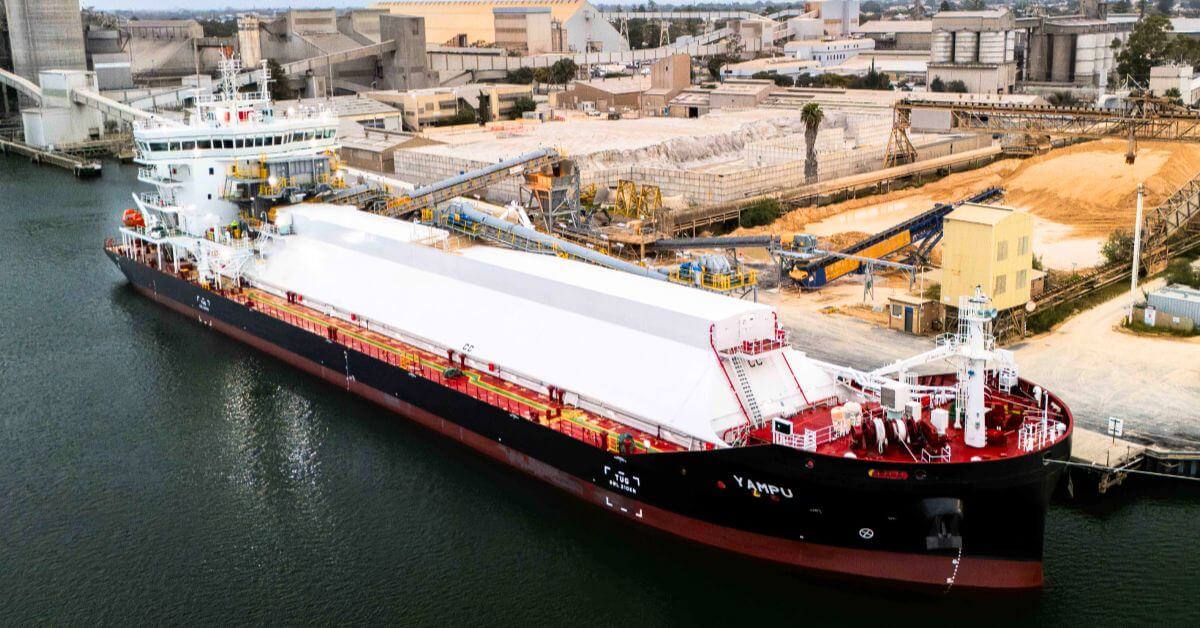
Optimized Limestone Transport: New Vessel Boosts Capacity and Sustainability.
A 35% increase in annual limestone carrying capacity is a measurable step forward for sustainable material transport. Adbri's new vessel, set to replace MV Accolade II, delivers that gain without compromising operational efficiency. This is the kind of practical, validated progress that moves ocean logistics closer to its climate commitments. For context on how vessel movements intersect with coastal risk, our recent coverage of the bulk carrier freed near Gladstone offers a timely look at the region's operational challenges.
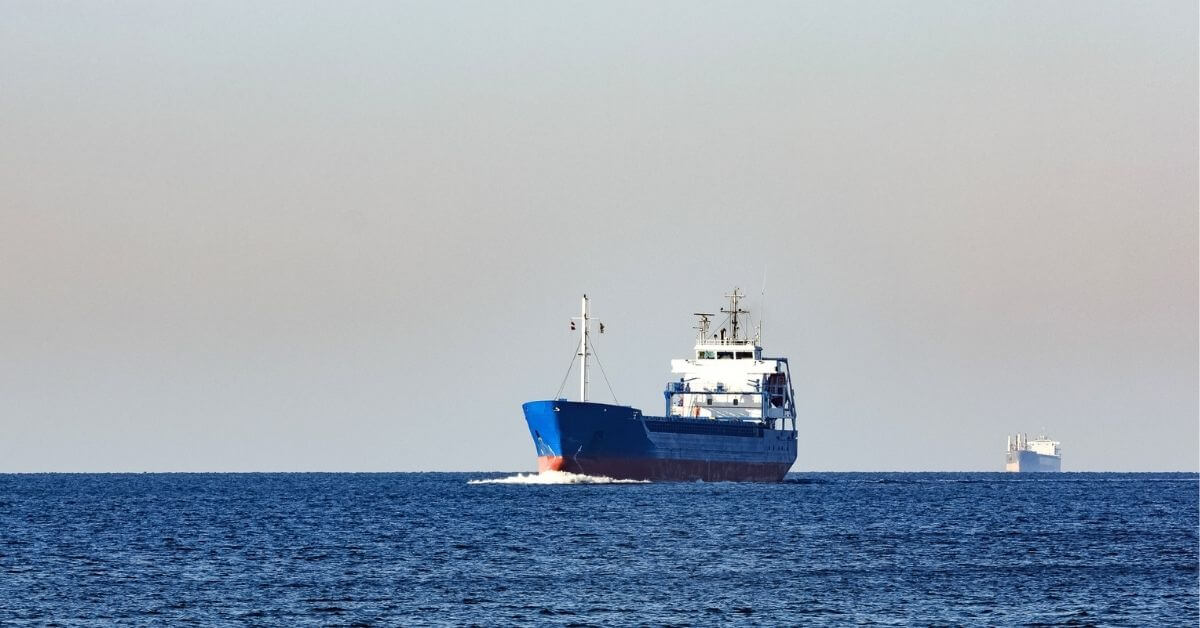
Strait of Hormuz: Iran Investigates Bulk Carrier Over Pollution Incident
Iran's investigation into a bulk carrier over a pollution incident in the Strait of Hormuz underscores the region's mounting environmental scrutiny. The vessel remains under judicial proceedings, even as authorities confirm the contamination has been cleaned. Enforcement here is as much about accountability as it is about prevention. For context on how pressure builds across these waters, our coverage of Gulf of Oman STS transfers maxing out offers a useful parallel. Measured oversight, applied consistently, is what protects vital chokepoints.
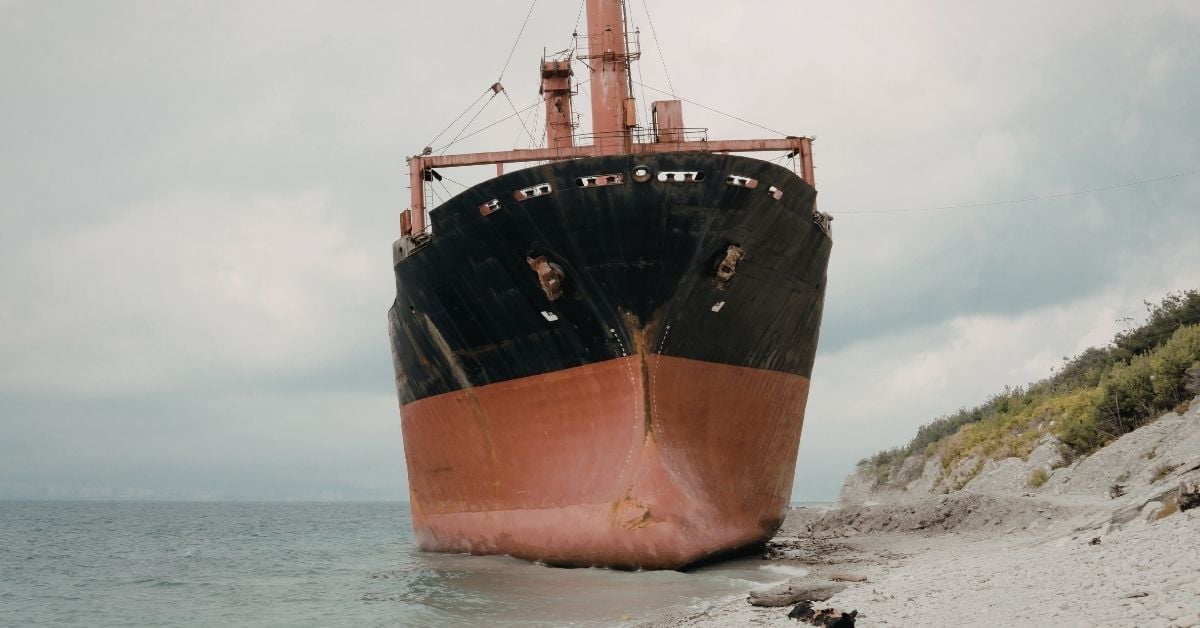
Damaged Cargo Ship, Linked to Russia, Grounds Near Istanbul
A Russian-flagged cargo ship has run aground on Alacalı Beach near Istanbul, grounding in Turkish waters. The incident adds another layer to the region's already complex maritime traffic, where every disruption carries weight. We've seen similar challenges recently, including the bulk carrier freed near Gladstone, Australia, after six days. Each grounding reminds us that navigation remains a test of precision, not just technology. Vessels push through crowded corridors daily; this one met the shore instead. The incident warrants close attention as assessments begin.
Maritime Traffic and Revenue Sharing Agreement Reached Between Iran and Oman.
Iran and Oman have reached a maritime traffic and revenue sharing agreement, a practical step toward regional coordination. Yet commercial shipping continues to face genuine risk in these waters, even as direct US-Iran hostilities have cooled in recent weeks. We view this pact as a measured, useful move, but not a cure-all. For context on the broader pressures, our related piece on Gulf of Oman STS transfers maxing out shows how strained regional logistics have become. Understanding drives protection.

Lifeboat Recovered, Search Continues for Missing Crew in Bay of Bengal
The Indian Coast Guard ship *Varad* recovered the lifeboat from the Bay of Bengal at approximately 7 a.m. Tuesday, yet the search for the missing crew continues. A boarding team inspected the craft and found no survivors. The absence of personnel raises sobering questions about the sequence of events. This measured outcome underscores the urgency of coordinated search efforts. For broader maritime context, our related coverage, including "Integrated Subsea Infrastructure Shifts to Enhance Indian Ocean Connectivity," highlights the region's growing strategic importance.

Indian Sailor's Journey Home Ends After Deadly Ship Strike.
The remains of 22-year-old Abhishek Nishad have arrived home, closing a voyage that began with promise and ended in devastating loss. His death in a missile strike aboard a cargo ship is a sobering reminder that seafarers navigate risks far beyond the weather. We extend our condolences to his family. This tragedy also underscores why maritime safety and welfare must remain a global priority.

Bulk Carrier Sinks in Bay of Bengal; 22 Seafarers Missing.
A bulk carrier carrying 72,000 tonnes of iron ore from India's Paradip Port to China has sunk in the Bay of Bengal, leaving 22 seafarers missing. The loss is a stark reminder that maritime routes, however routine, remain exposed to sudden catastrophe. Search efforts continue, but each hour narrows the window for survival. Such incidents underscore why real-time data and integrated ocean intelligence matter, not as abstract concepts, but as tools that can guide safer passage.