UKMTO
World Data Ocean keeps UKMTO in one place: 33 stories so far. The section currently leads with “Tanker Struck by Rocket-Propelled Grenade Near Saudi Coast, UKMTO Reports”, “Singapore-flagged vessel with 2,500 containers sinks in Strait of Hormuz”, and “Oman coordinates engine room fire rescue 44 nautical miles offshore”. A tanker northeast of Al Jubayl was struck by a rocket-propelled grenade fired from a small boat, UKMTO reports. A Singapore-flagged container vessel carrying 2,500 containers has sunk in the Strait of Hormuz after being struck by an unidentified projectile and catching fire. A Global Hub for Ocean Intelligence 4 World Data Ocean is a centralized digital platform where researchers, scientists, and ocean enthusiasts converge to… The list below is every UKMTO story on World Data Ocean, newest first.
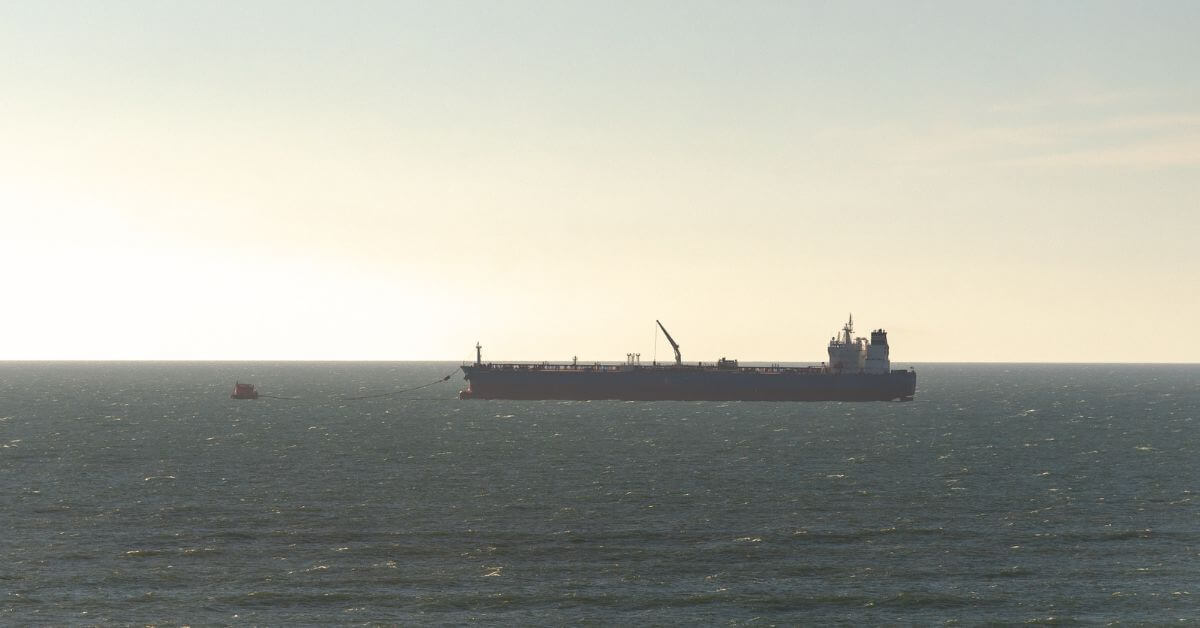
Tanker Struck by Rocket-Propelled Grenade Near Saudi Coast, UKMTO Reports
A tanker northeast of Al Jubayl was struck by a rocket-propelled grenade fired from a small boat, UKMTO reports. This direct attack on commercial shipping in Saudi waters adds another layer of risk to an already volatile maritime corridor. Measurable threats like this demand integrated security responses. For context on the expanding spectrum of naval hazards, see our coverage of the French frigate *Languedoc* neutralizing an airborne threat in the Bab el-Mandeb.
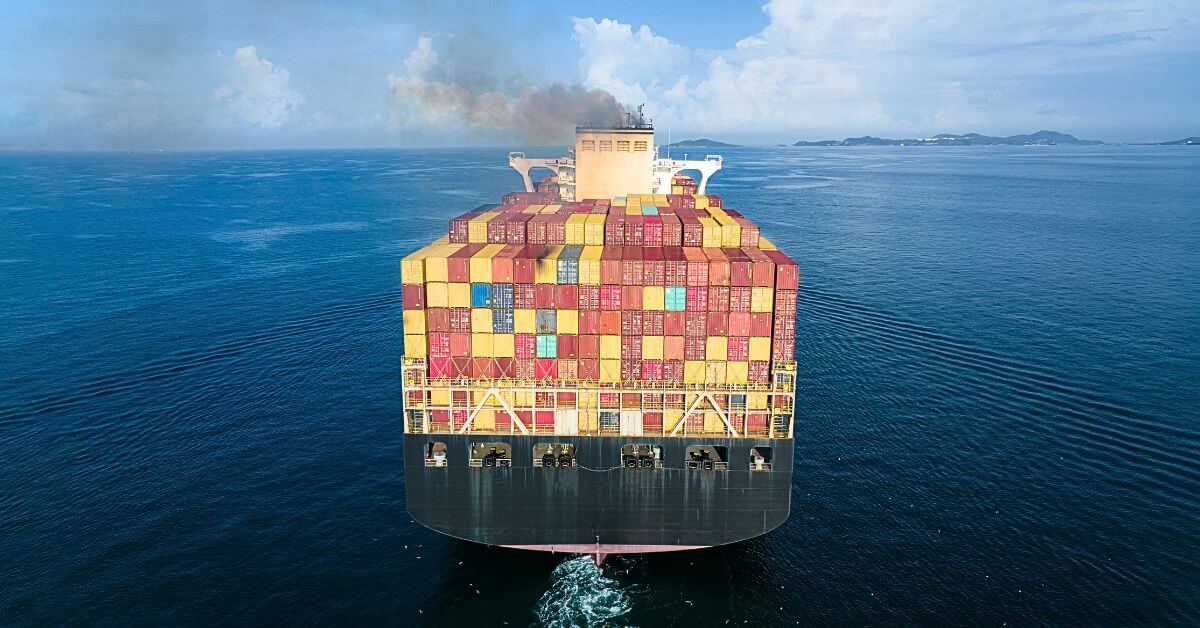
Singapore-flagged vessel with 2,500 containers sinks in Strait of Hormuz
A Singapore-flagged container vessel carrying 2,500 containers has sunk in the Strait of Hormuz after being struck by an unidentified projectile and catching fire. The loss of a major commercial ship in one of the world's most strategically vital waterways demands rigorous, verifiable maritime data. This incident underscores the urgent need for integrated ocean intelligence, a capability central to our coverage of regional security in "Strait of Hormuz Posture Raises Stakes for Maritime Data Verification."
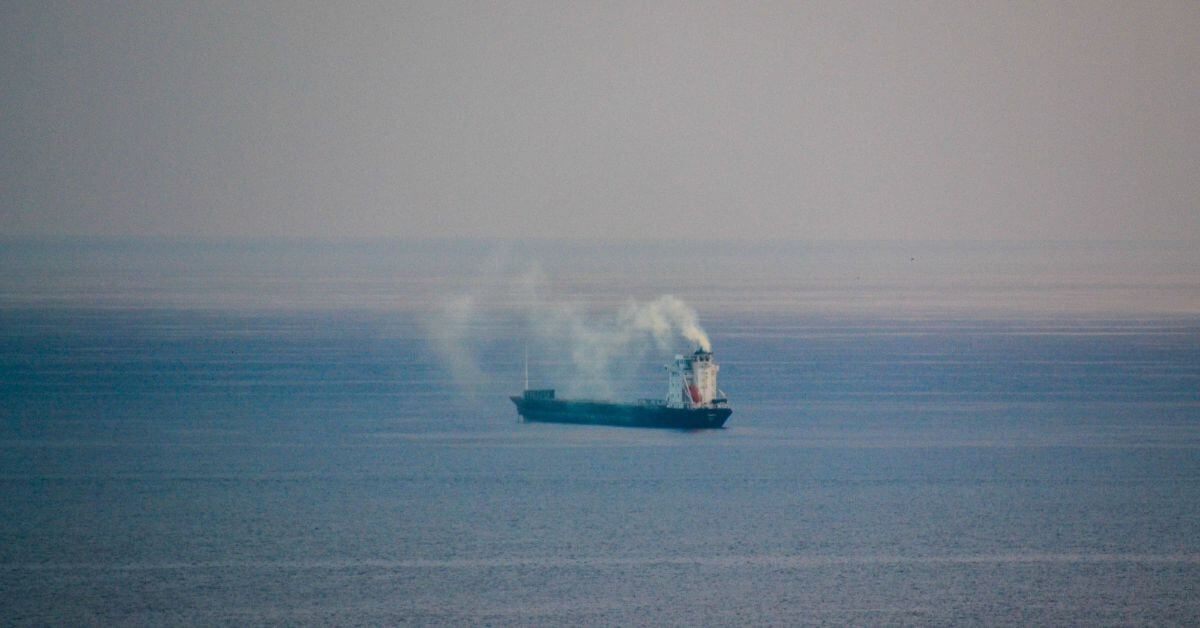
Oman coordinates engine room fire rescue 44 nautical miles offshore
A fire in the engine room of a merchant ship 44 nautical miles off Oman's coast demanded a coordinated rescue. Oman evacuated an injured crew member, demonstrating the precision required for maritime emergencies. These incidents do not occur in isolation. For context on regional naval pressures, see our coverage of HMS Dragon's return, which narrows the Royal Navy's Gulf presence to a single vessel. Understanding these interconnected risks sharpens our ocean intelligence.
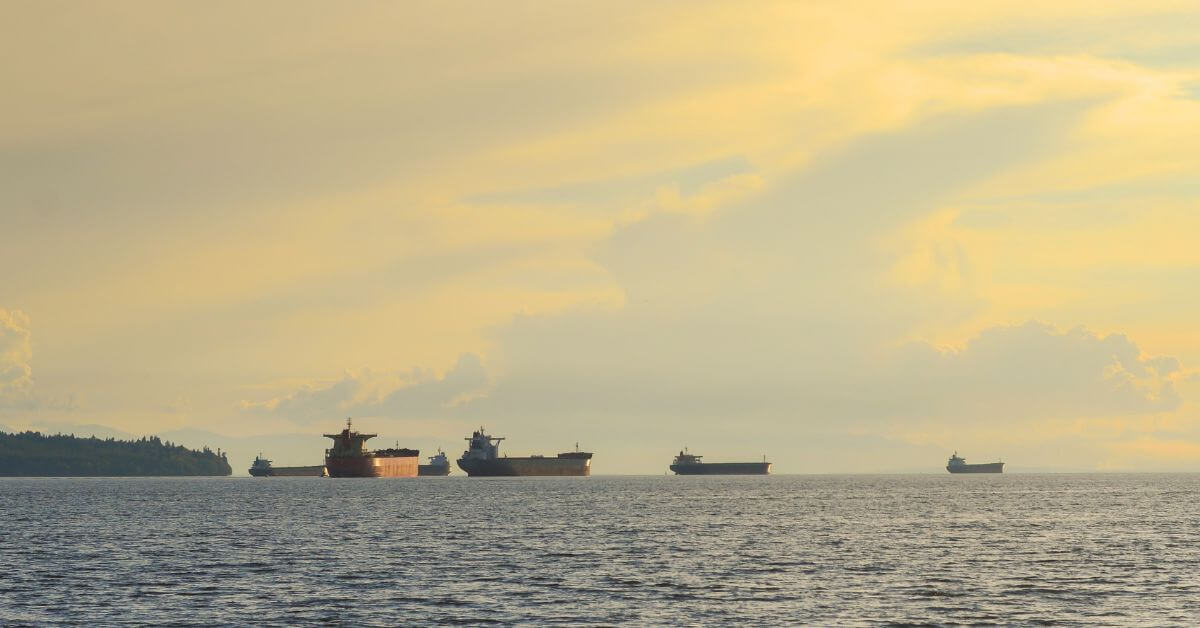
Weekly tanker strikes near Strait of Hormuz reach highest count in years
Twelve attacks on oil, LNG, and LPG tankers near the Strait of Hormuz in a single week mark the highest count in years, a measurable escalation in maritime risk. These are not isolated incidents; they are part of a broader pattern of aggression that demands empirical attention. For deeper context on the region's reliability, see our related coverage on verified transit data that counters Iranian claims of closure. Understanding these attacks requires calibrated, real-time intelligence, not alarm.
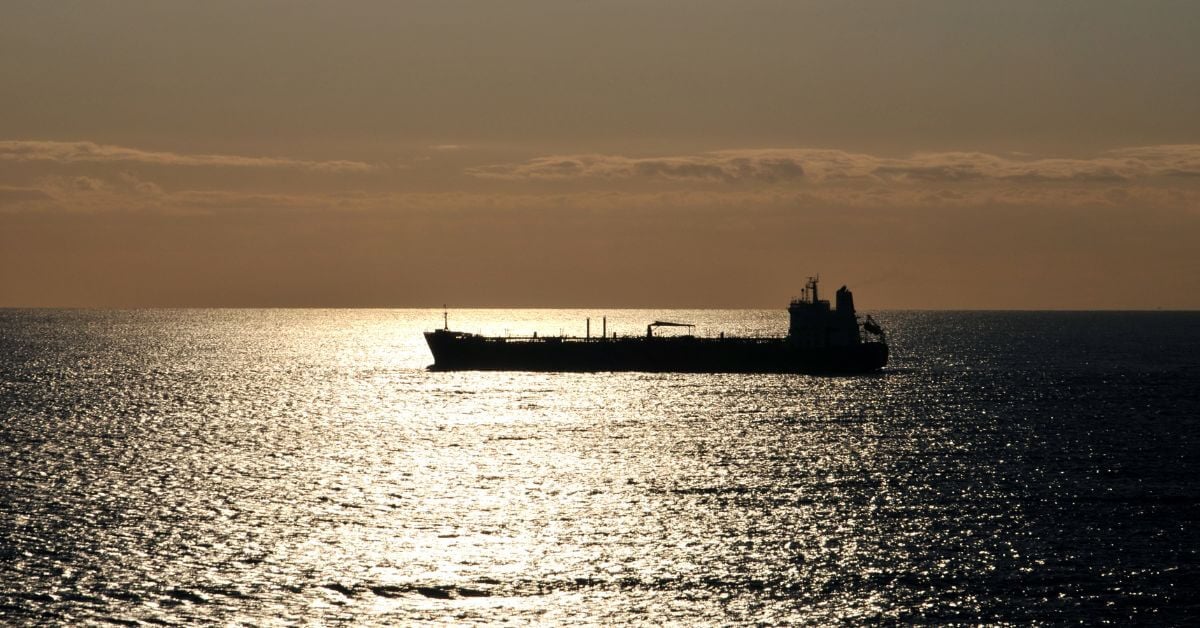
Projectile Strike on Tanker Off Qatar Coast Yields Reported Casualties
Multiple projectiles struck an oil tanker off Qatar's northern coast, with casualties now reported among the crew. This attack adds a dangerous new dimension to maritime insecurity in a region already strained by rising tensions. Understanding these threats requires calibrated, real-time observation of shipping lanes and geopolitical shifts. For deeper context on regional instability, read our coverage of rising Strait of Hormuz tensions and Iran's new maritime restrictions.
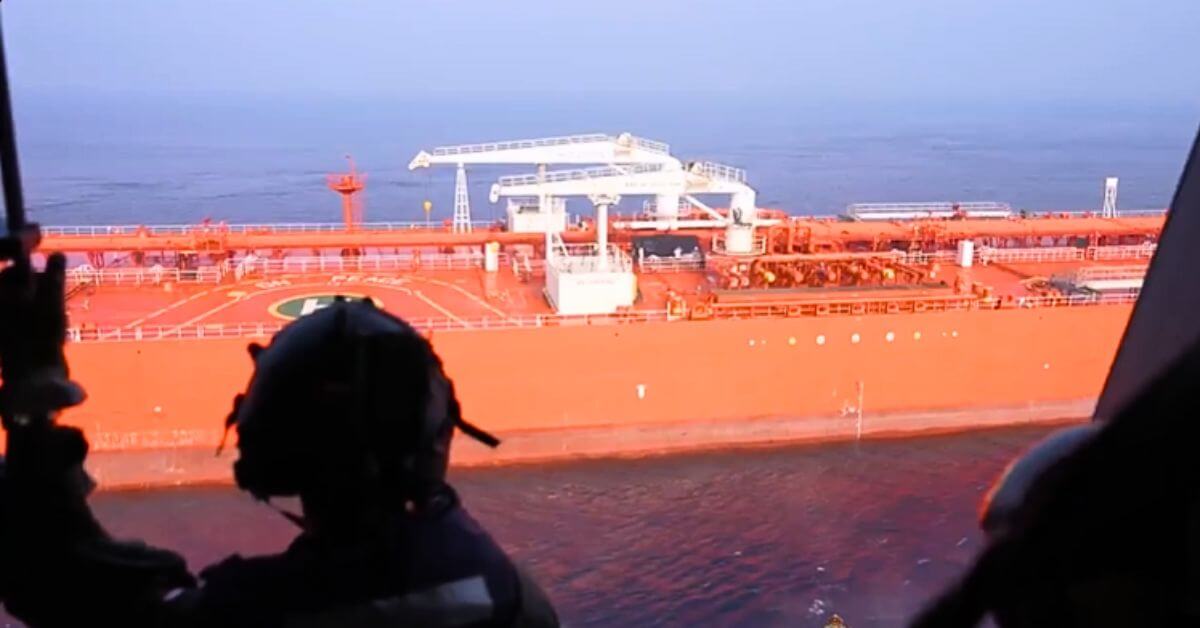
Injured crew evacuated after fire erupts aboard tanker in Strait of Hormuz
A fire and an attack on a tanker in the Strait of Hormuz injured 12 of its 19 crew members, prompting an evacuation confirmed by Oman's Ministry of Defence. This is not an isolated incident. The same volatile waters that demand calibrated maritime security now test the resilience of global trade routes. For deeper context on regional diplomatic efforts, see our coverage of "India Proposes Measured Maritime Truce to Protect Black Sea Shipping."
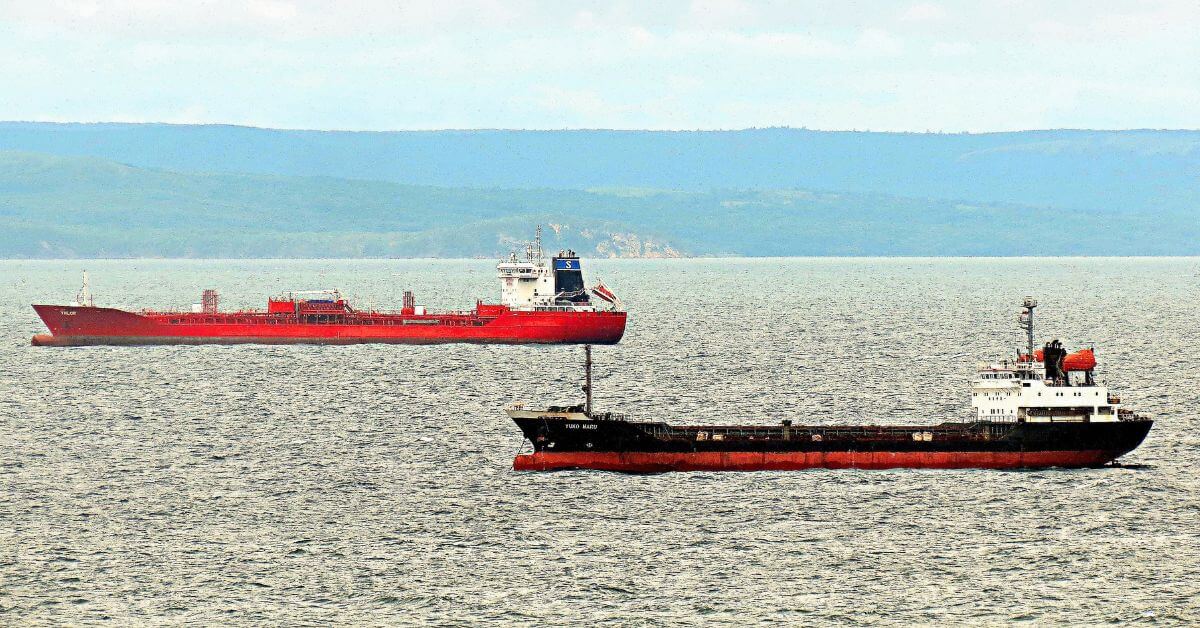
Delayed reports confirm five IRGC vessel incidents in the Strait of Hormuz
Five separate incidents involving IRGC vessels in the Strait of Hormuz were only confirmed after delayed reports reached the UKMTO on October 5, three of them dating back to October 3-4. This lag in reporting raises questions about transparency in one of the world's most critical maritime chokepoints. For broader context on regional maritime shifts, see our coverage of the calibrated movement of 2 million barrels of crude beyond the Strait. Understanding these patterns is essential.
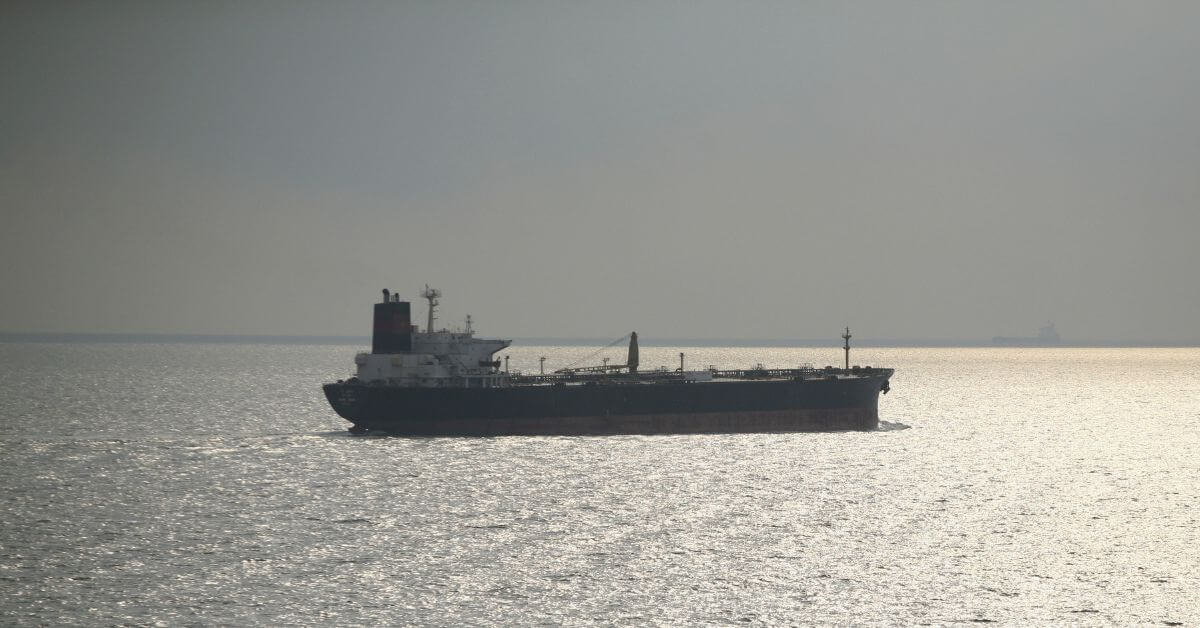
Explosions Reported Near Tanker Transiting Regional Waters, Crew Unharmed
A crew witnessed explosions while their tanker transited regional waters today. The company security officer reported the incident; all personnel remain unharmed. Maritime safety demands vigilance, and this event underscores the need for reliable reporting networks. No injuries, but the pattern is concerning. For deeper context on how geopolitical shocks are reshaping shipping routes, see our related analysis, "Geopolitical shocks reshape shipping routes with measurable regional divergence."
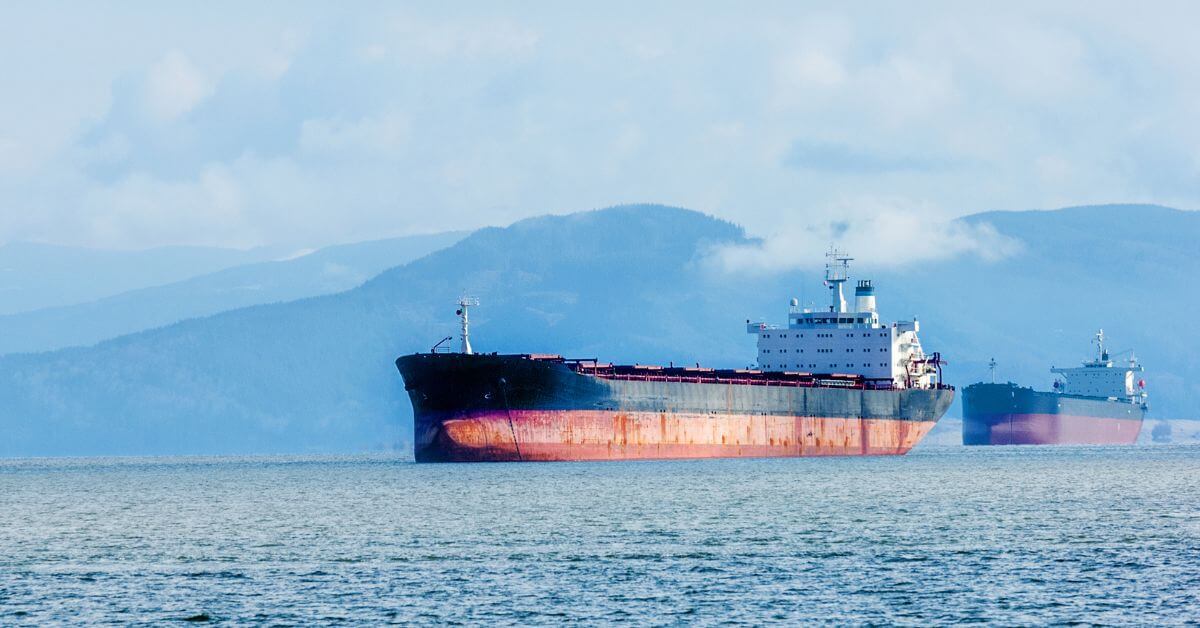
Projectiles Strike Two Tankers Near Strait of Hormuz, UKMTO Reports
Projectiles striking two tankers near the Strait of Hormuz, as reported by UKMTO, underscore the persistent volatility in this critical maritime corridor. Such direct threats to commercial vessels demand rigorous, real-time monitoring and collaborative security frameworks. The incident follows a similar disruption at Yanbu Port, where an unidentified projectile ignited a fire, highlighting a troubling pattern. Understanding these empirical threats is the first step toward developing calibrated responses that protect global shipping and ocean intelligence.
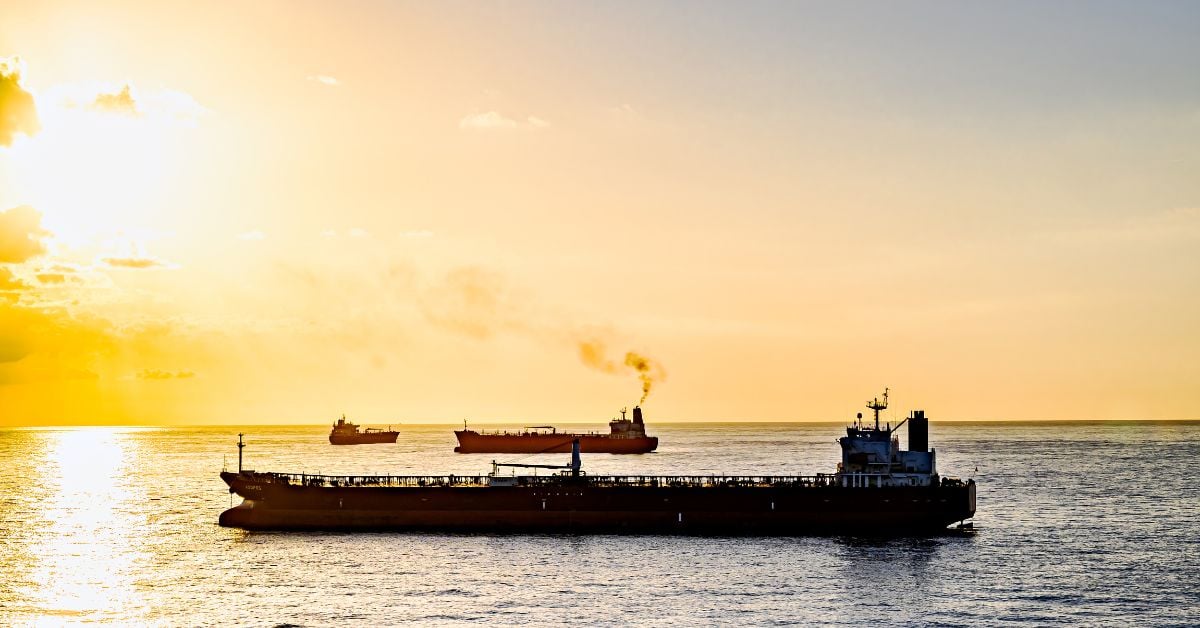
Projectiles strike crude and LNG tankers in the Strait of Hormuz
Three vessels, a crude oil tanker, an LNG tanker, and another ship, were struck by projectiles in the Strait of Hormuz, UKMTO reports. This is not a random escalation. It is a calibrated disruption to one of the world's most measured energy corridors. For those tracking ocean intelligence, the pattern is clear: these strikes test supply chains already under pressure. Our coverage of how Indian refiners are chartering tankers through Hormuz connects directly to this story's implications.
Vessel Struck by Unknown Projectile in Strait of Hormuz, Fire Reported
A vessel struck by an "unknown projectile" in the Strait of Hormuz on Monday evening has ignited a fire onboard, marking another dangerous incident in one of the world's most critical maritime chokepoints. We cannot afford to treat these attacks as isolated events. As we saw in the tragic *June Aster* ferry fire, where 77 lives were lost, the ocean demands rigorous safety protocols and transparent accountability.
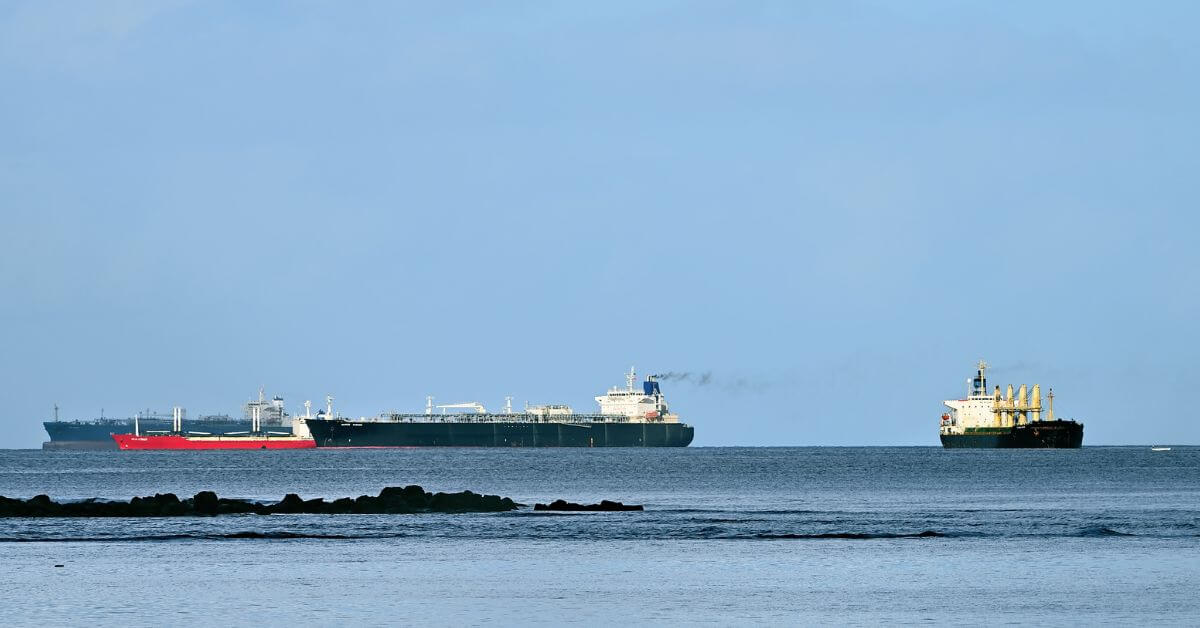
Strait of Hormuz Incidents Prompt Inquiry Into Tanker Impacts
Two tankers were struck by an unknown projectile or debris in the Strait of Hormuz on Monday, reigniting questions about the vulnerability of commercial shipping in one of the world's most vital waterways. The incident demands empirical scrutiny, not speculation, as we assess the measurable risks to vessels and crews. This is precisely why our coverage, including the recent report on Gulf of Oman STS transfers maxing out, must remain grounded in validated, real-time data.
Strait of Hormuz: Conflicting Reports of Vessel Detentions Raise Tensions.
The Strait of Hormuz is once again a flashpoint, with the UKMTO flagging a separate incident involving a vessel in its waters. Conflicting reports of detentions are doing little to calm a region already bracing for disruption. These are not abstract metrics; they are real-world friction with global consequences. The situation demands precise, empirical monitoring, not alarmism.
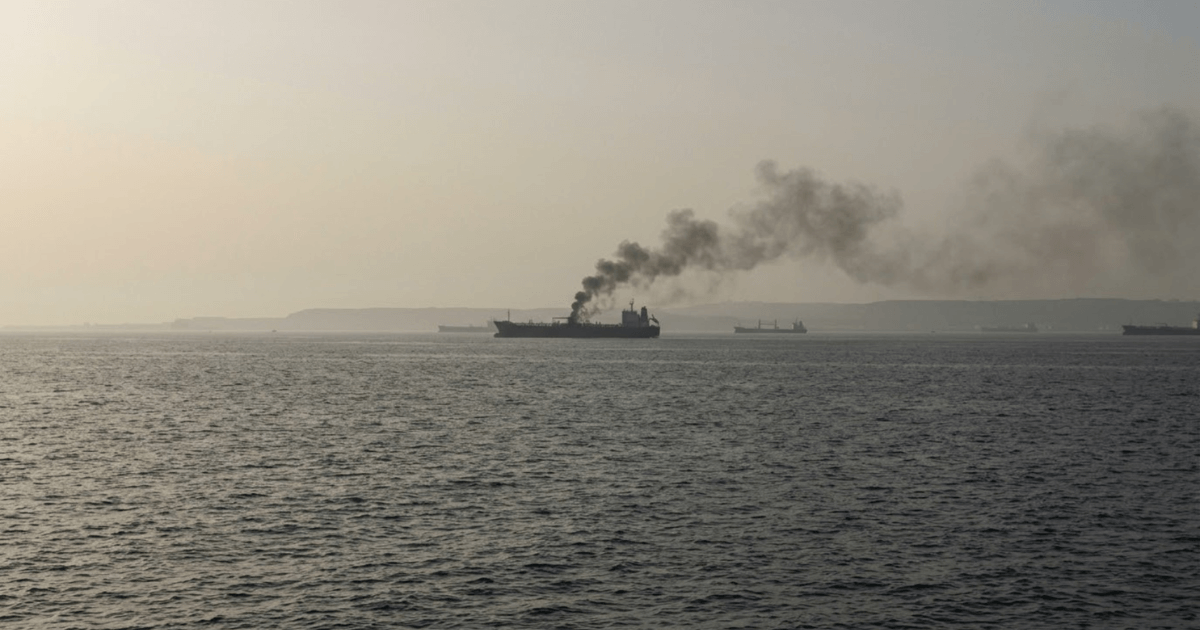
Shipping Incident Near Hormuz Raises Regional Tensions, Claims One Life.
A commercial vessel was struck off Qeshm Island in the Strait of Hormuz, killing one crew member. Iran now prepares to brief regional powers on shipping control. This incident raises tensions along a waterway already strained by capacity, our related coverage on Gulf of Oman STS Transfers Max Out Amid Rising Saudi Oil Exports underscores the logistical pressure. Measurable maritime data matters here: safety and security are empirical conditions, not abstractions. Understanding drives protection.

Gulf of Aden Sees First Reported Piracy Incident Since August.
The Gulf of Aden has recorded its first piracy incident since August, a sobering reminder that maritime security remains fragile. This hijacking, the 25th worldwide since the start of 2026, underscores the persistent vulnerability of critical shipping lanes. Measurable threats like this demand calibrated, data-driven responses, not alarm. For broader context on regional maritime pressures, see our report on how Gulf of Oman STS transfers have maxed out amid rising Saudi oil exports. Understanding these interconnected risks is the first step toward effective ocean stewardship.

Shipping Caution Advised: Incident Near Strait of Hormuz Impacts Transit
The UKMTO's warning on September 10 is a measured but necessary response to an incident near the Strait of Hormuz. Vessels in that corridor now face heightened risk, and the call for cautious transit and reporting of suspicious activity reflects a reality we cannot ignore. This is not alarmism, it is empirical caution. For deeper context on the pressures shaping this waterway, our article "Phased Negotiations Aim to Ease Restrictions on Strait of Hormuz" examines the diplomatic efforts underway. Understanding drives protection.
Incident Aboard Tanker Near Dubai Results in Fatality, One Missing.
A single death and a missing crew member now mark an incident aboard a tanker at anchor near Dubai. Peninsula confirmed the fatality but has not disclosed its cause. Maritime safety demands transparency, and the silence here is notable. For broader context on recent vessel emergencies, readers may turn to our coverage of the cargo ship fire near Mykonos. Each incident underscores the persistent risks at sea and the need for rigorous, empirical investigation.
Strait of Hormuz Incident Raises Concerns Over Maritime Security and Trade.
New tolls and targeted attacks in the Strait of Hormuz are not abstract threats; they are live disruptions to the trade routes that move global energy. Iran's actions against vessels it accuses of bypassing its preferred path introduce a volatile new layer of risk, turning a critical waterway into a flashpoint. This escalation demands measured, empirical observation.

Red Sea Shipping Disrupted: Missile Strike Impacts Oil Tanker Near Yanbu
A ballistic missile strike has disrupted shipping near Yanbu, with the Houthis reporting that the tanker Amzan, operated by Bahri, was hit. The incident underscores how fragile Red Sea transit has become for energy flows. This is not an isolated disruption; it follows reports of Gulf of Oman STS transfers maxing out amid rising Saudi exports. The interconnected pressure on these routes demands attention.

Shipping Traffic in Strait of Hormuz Declines Amid Geopolitical Tensions
Tracking shipping through the Strait of Hormuz has become a sharper exercise in reading the gaps. Recent data shows a decline in transiting vessels, but the figures carry a caveat: some ships have switched off their transponders while crossing this critical waterway. That means the true volume is likely higher than reported, a reminder that geopolitical tension distorts even our most reliable metrics.

Red Sea Incident: Unmanned Cargo Vessel Sustains Total Loss.
The loss of an unmanned cargo vessel to unknown projectiles in the southern Red Sea marks a stark instance of maritime vulnerability. The UKMTO's declaration of a total loss is a measurable outcome, yet the incident underscores a broader fragility in a region already defined by complex logistics. We view this not with alarm, but as a calibrated data point. It validates why integrated, real-time ocean intelligence is essential for understanding risk.

Strait of Hormuz Incident: Vessel Damaged, Crew Member Injured
A vessel was struck while making an outbound transit of the Strait of Hormuz, leaving a crew member injured, according to the Company Security Officer. The incident underscores how quickly risk can escalate in a waterway where geopolitical tension already runs high. Such disruptions are not isolated events; they are part of a broader pattern affecting regional energy flows. For deeper context on these dynamics, our coverage of phased negotiations aimed at easing restrictions on the Strait offers useful perspective.

Somali Hijacking: Status of Crew on Cargo Ship Lutuf Unconfirmed
The confirmed hijacking of the cargo ship *Lutuf* off Somalia's coast, as reported by the UKMTO, leaves the crew's status unresolved. For those of us tracking maritime security, this silence is the most pressing detail. The uncertainty underscores how fragile safe passage remains in these waters. While diplomatic efforts focus on chokepoints like the Strait of Hormuz, as our coverage of the phased negotiations suggests, the Indian Ocean's own risks demand equal attention. We will keep a close watch on developments.

Uncrewed Vessel Incident Leads to Ship Sinking Near Yemen
A ship sank off the Yemeni coast after an unknown uncrewed surface vessel targeted it, the United Kingdom Maritime Trade Operations confirmed. The incident underscores a troubling escalation in maritime threats that now extend beyond crewed attacks. Our coverage of Gulf of Oman STS transfers maxing out amid rising Saudi exports shows how regional instability and shifting trade patterns are forcing vessels into riskier operational territory. This sinking is a stark reminder that ocean intelligence must now account for autonomous threats.