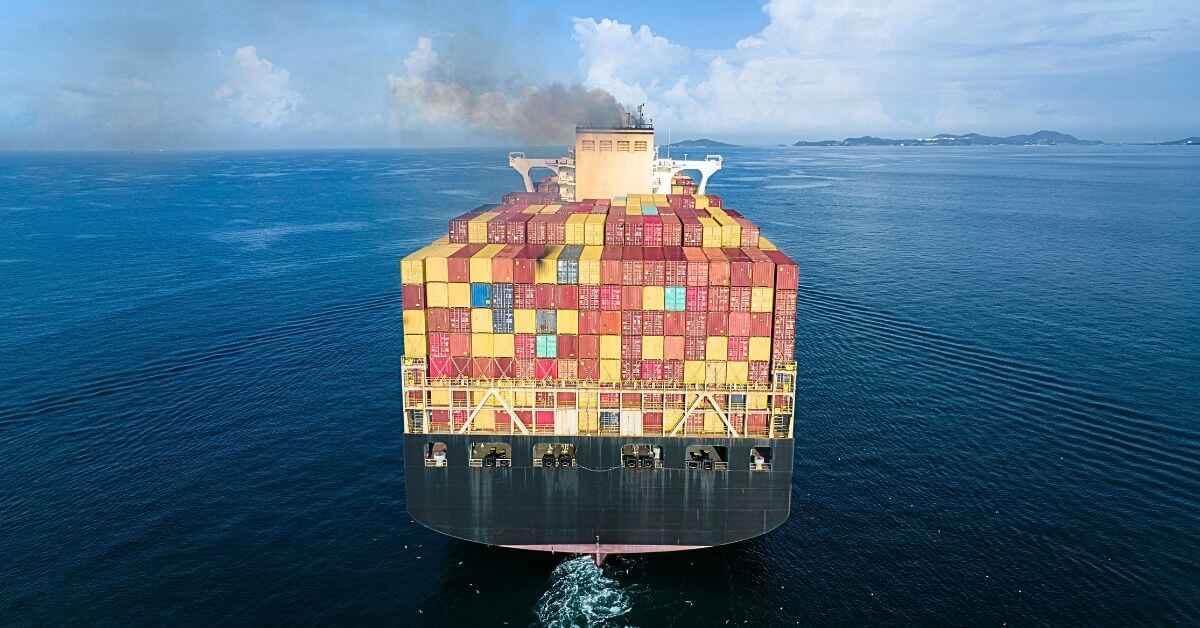
The sinking of the GFS Pride in the Strait of Hormuz is not an isolated incident; it is the predictable outcome of treating the world's most critical maritime chokepoint as a contested battlespace. When a container ship carrying 2,500 boxes of global commerce becomes a casualty of an unverified projectile strike, the loss is measured not just in steel and cargo, but in the reliability of the entire ocean intelligence ecosystem that shipping depends on. Our position is straightforward: the lack of independent verification in these attacks is as dangerous as the attacks themselves.
The facts on the water are stark enough. Singapore's Maritime and Port Authority confirmed the GFS Pride sank after being struck on Tuesday, with all 21 crew safely evacuated. Iran's Revolutionary Guard claims a naval mine; maritime security firm MARISKS says there is no independent evidence to support that. Meanwhile, the GFS Giselle suffered hull damage in a separate strike, and the Antigua and Barbuda-flagged Cape Dao sank weeks after its own September hit, killing one crew member. The UKMTO is logging more than 20 vessel attacks this month alone. Crude exports through Hormuz averaged 8.5 million barrels per day last week, nearly 40 percent below pre-war norms, with daily flows swinging from 3 million to 6 million barrels. This is not a supply chain hiccup; it is a systemic failure of maritime security governance.
For our readers, the practical takeaway is that navigational warnings and incident reports are no longer sufficient for routing decisions. As we noted in our coverage of Strait of Hormuz Posture Raises Stakes for Maritime Data Verification, the challenge from Iran's Revolutionary Guard to U.S. warships is not rhetoric; it is a direct pressure test on who controls the strait's data narrative. The GFS Pride's sinking is that test made physical. When a flag state like Singapore must rely on third-party security firms for ground truth, and when the IMO records multiple sinkings since February without a clear causal chain, the gap between what is claimed and what is empirically validated widens. That gap is where operational risk multiplies for every shipmaster transiting the Gulf.
What should be watched next is not another attack count, but the response of the insurance and chartering markets. If underwriters begin pricing Hormuz transits on the basis of unverified mine claims versus confirmed projectile impacts, the cost of ambiguity will be passed directly to cargo owners and consumers. The Oman coordinates engine room fire rescue 44 nautical miles offshore and the HMS Dragon's return narrows Royal Navy presence in the Gulf to one vessel both point to a thinning safety net: one regional rescue, one fewer warship. The concrete question is whether the MPA and UKMTO can move beyond statements of concern to publish a calibrated, real-time incident database that distinguishes confirmed strikes from alleged mines. Until that data exists, every container crossing Hormuz carries an unquantified risk, and that is a fact no evacuation report can offset.