commercial vessels
commercial vessels at World Data Ocean is a file of 42 stories. The newest of them: “Strait of Hormuz Posture Raises Stakes for Maritime Data Verification”, “HMS Dragon's return narrows Royal Navy presence in the Gulf to one vessel”, and “Projectile Strike on Tanker Off Qatar Coast Yields Reported Casualties”. A commander of Iran's Islamic Revolutionary Guard Corps has publicly dared U.S. HMS Dragon's return to Portsmouth after seven months in the Gulf leaves just one Royal Navy vessel in the region, a narrow presence that demands scrutiny. A Global Hub for Ocean Intelligence 4 World Data Ocean is a centralized digital platform where researchers, scientists, and ocean enthusiasts converge to… The list below is every commercial vessels story on World Data Ocean, newest first.
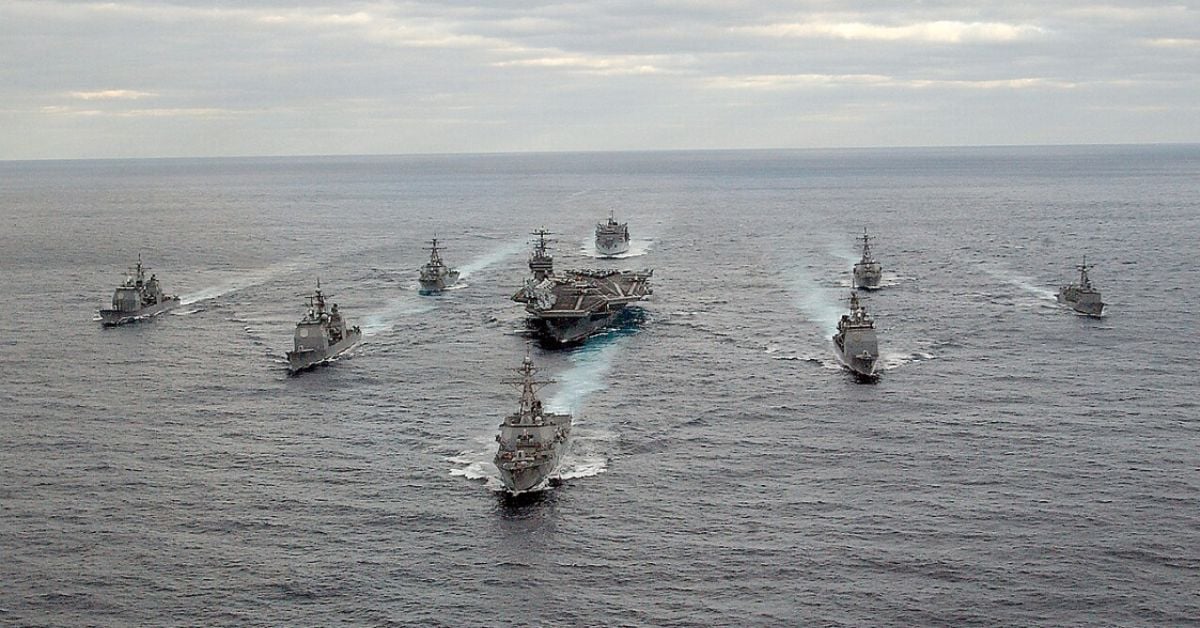
Strait of Hormuz Posture Raises Stakes for Maritime Data Verification
A commander of Iran's Islamic Revolutionary Guard Corps has publicly dared U.S. warships to enter the Strait of Hormuz, raising the stakes for maritime data verification in a waterway that carries a fifth of the world's oil. This is not posturing; it is a direct challenge to the empirical, real-time ocean intelligence that underpins safe passage. For deeper context on how navies are adapting, see our coverage of the counter-drone electronic warfare system now protecting USS Ohio.
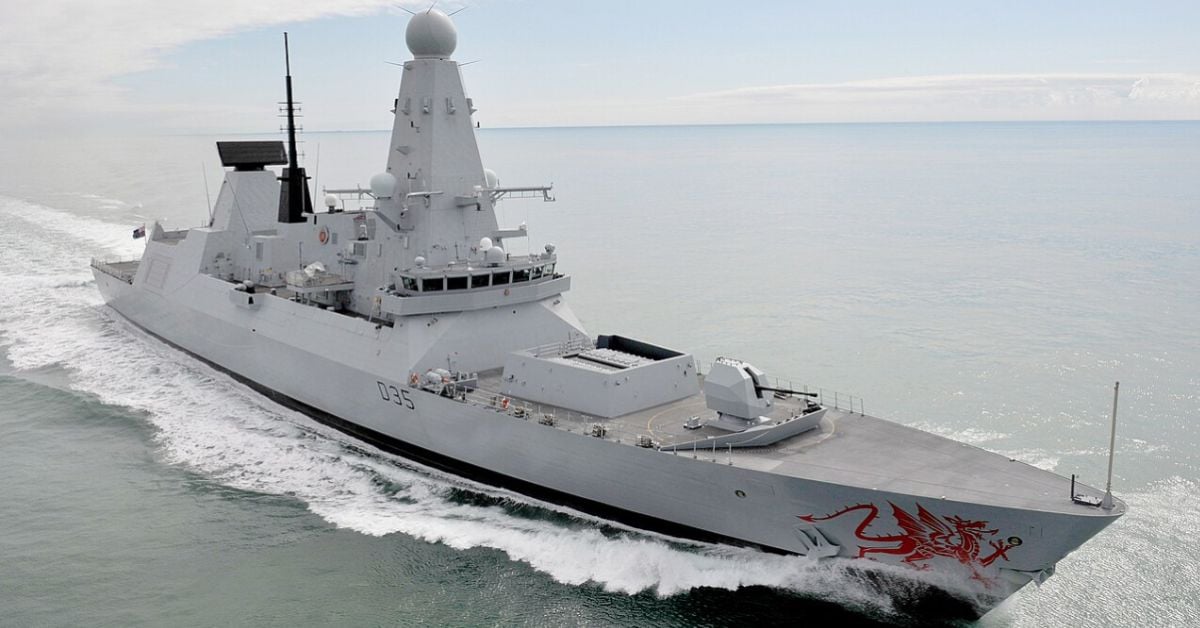
HMS Dragon's return narrows Royal Navy presence in the Gulf to one vessel
HMS Dragon's return to Portsmouth after seven months in the Gulf leaves just one Royal Navy vessel in the region, a narrow presence that demands scrutiny. This reduction comes as maritime threats persist, evidenced by recent drone and fire attacks targeting tankers near the Strait of Hormuz. For deeper context on those escalating risks, see our coverage of the strikes on three tankers. Measured vigilance, not alarm, is the appropriate response.
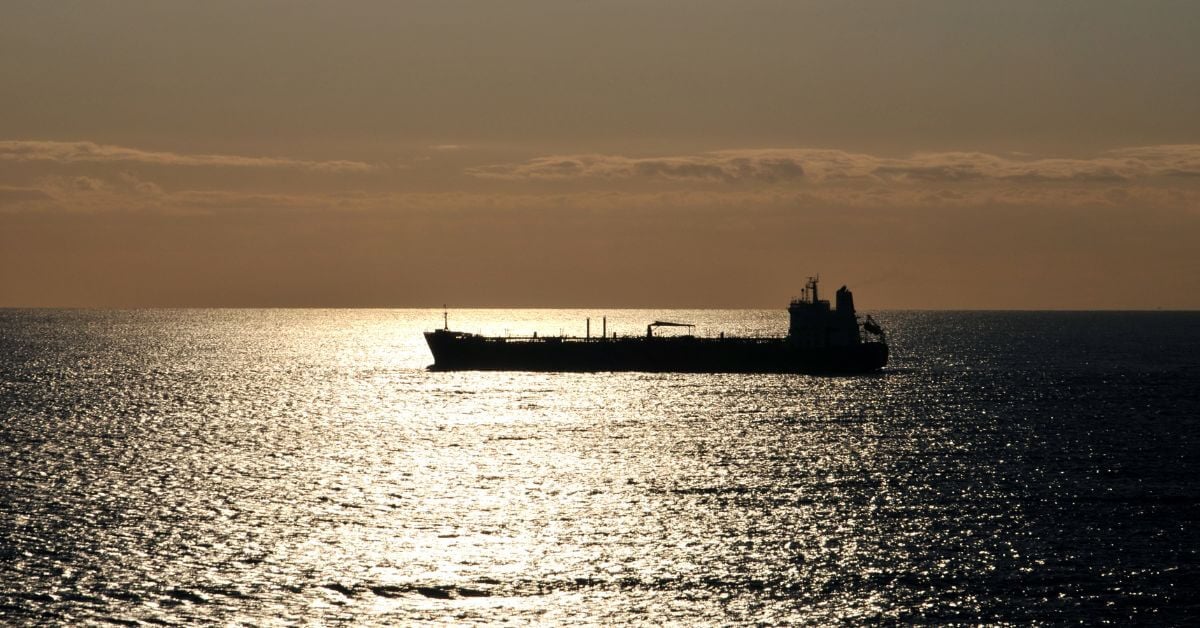
Projectile Strike on Tanker Off Qatar Coast Yields Reported Casualties
Multiple projectiles struck an oil tanker off Qatar's northern coast, with casualties now reported among the crew. This attack adds a dangerous new dimension to maritime insecurity in a region already strained by rising tensions. Understanding these threats requires calibrated, real-time observation of shipping lanes and geopolitical shifts. For deeper context on regional instability, read our coverage of rising Strait of Hormuz tensions and Iran's new maritime restrictions.
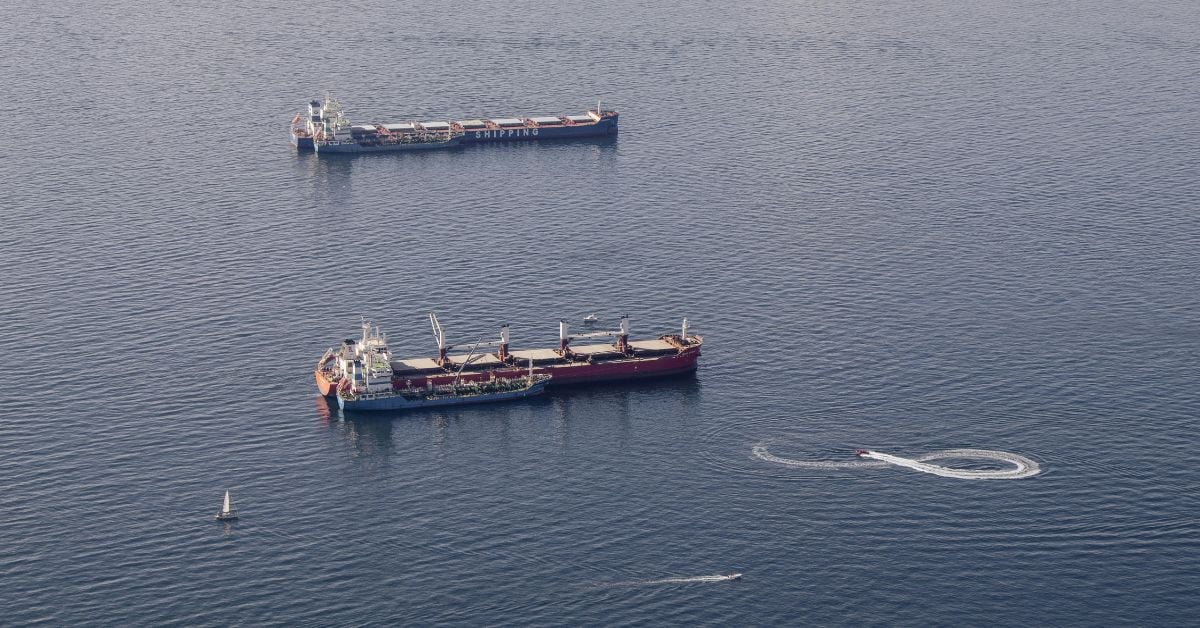
India Proposes Measured Maritime Truce to Protect Black Sea Shipping
India has proposed a measured maritime truce to protect commercial shipping in the Black Sea, offering a three-point framework to de-escalate the Russia-Ukraine conflict. This calibrated diplomatic intervention prioritizes verified cessation of attacks on vessels, a step toward restoring stability in a critical corridor. It is a purposeful move grounded in empirical security concerns. For deeper context on recent threats to seafarers, see our coverage of the drone strikes in the Black Sea that sank a freighter.
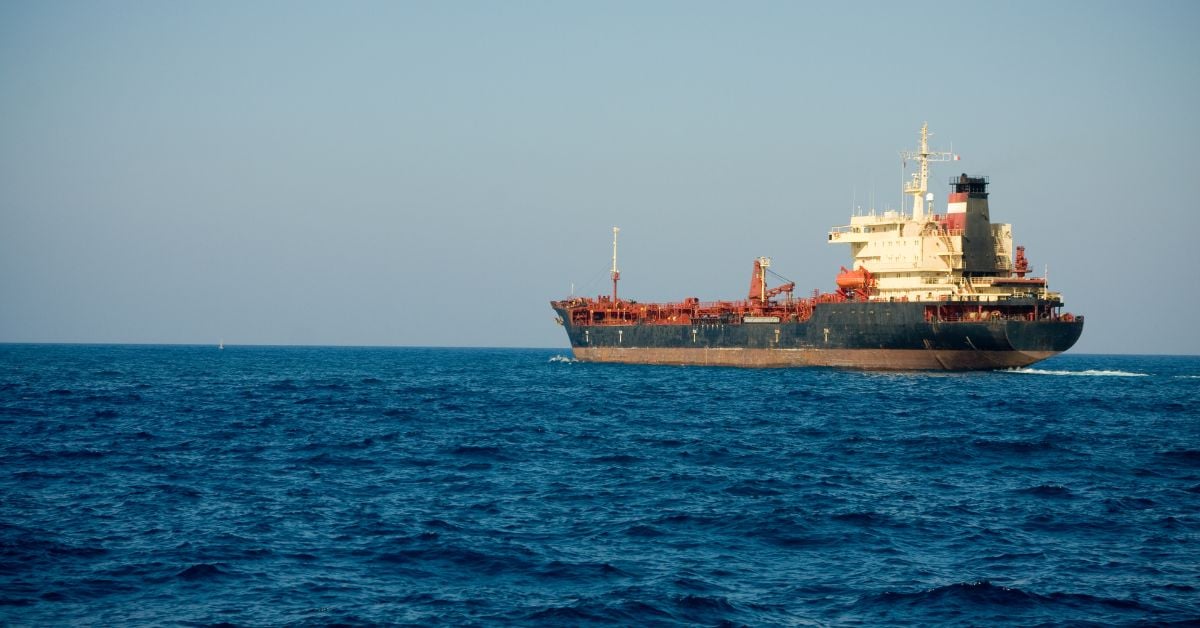
Five seafarers killed as pirates open fire on hijacked tanker during rescue
Five seafarers killed as pirates opened fire on a hijacked tanker during a rescue operation. The vessel carried 17 crew members; five were shot. Among the deceased: three from Pakistan, one from Myanmar, one from India. This is not an abstract risk, it is the human cost of failing to secure global shipping lanes. Our related coverage, "New Coalition Charts Measurable Course for Safer Global Shipping," examines one emerging framework for change. Measurable action, not rhetoric, is what these crews deserve.
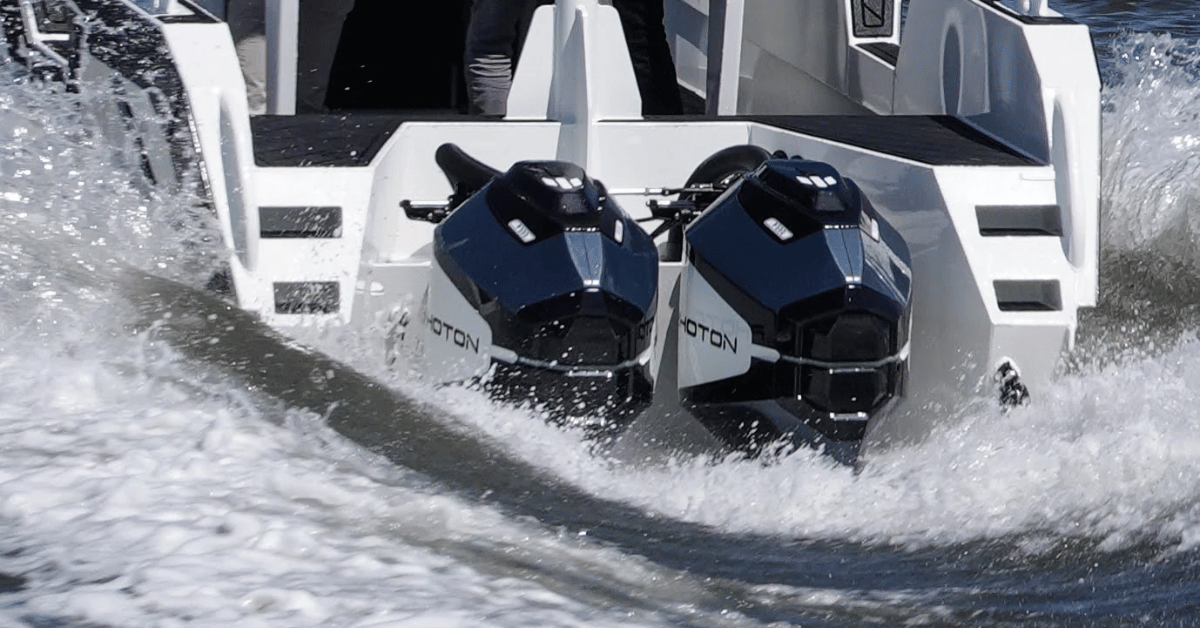
Photon Marine's floating battery powers a new electric workboat for New York waters
A floating battery is about to prove its worth in New York waters. Photon Marine has secured a $1 million award to deploy an electric workboat, fast charger, and floating energy storage platform. This is practical ocean intelligence, empirical, measurable, and deployed where it matters. We track coastal innovation because understanding drives protection. For another look at how data meets real-world marine challenges, see our coverage of satellite and field data merging to track harmful blooms in El-Mex Bay.
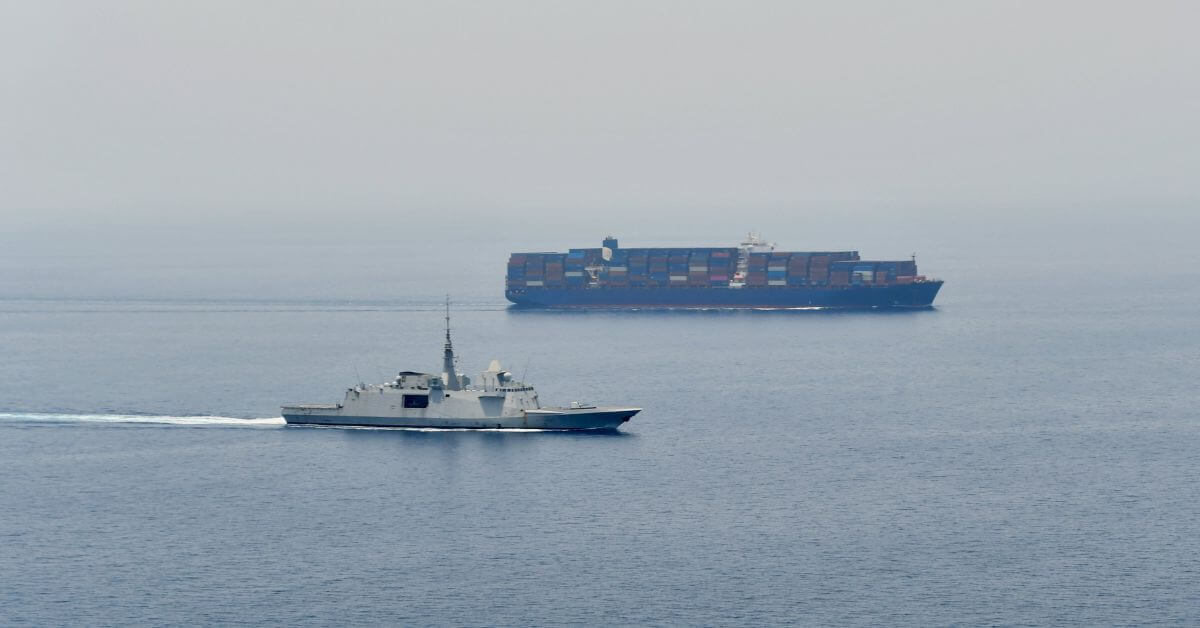
Expanded Naval Presence Calibrated for Red Sea Shipping Security
The European Union's call for more than ten warships to secure Red Sea shipping marks a calibrated response to a persistent threat. Kaja Kallas, the bloc's foreign policy chief, made the case on Monday, framing the expanded naval presence as a necessary measure for maritime stability. The numbers are telling: this is not a symbolic gesture but a concrete commitment.
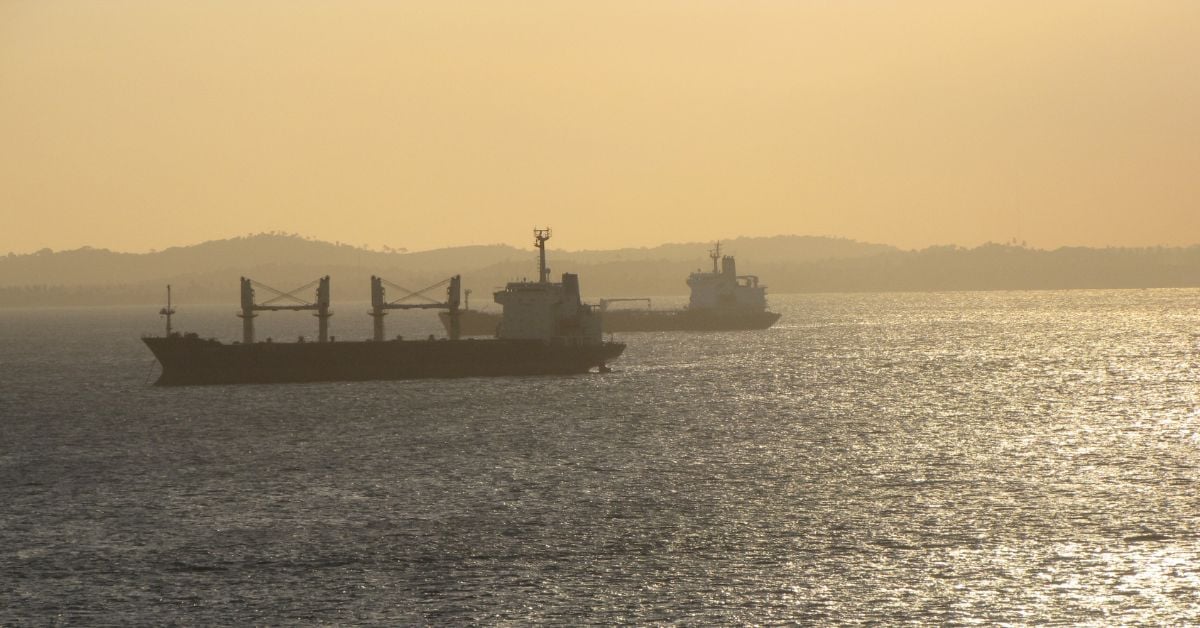
Maritime Cybersecurity Incident: U.S. Coast Guard Boards Vessels Following Cyber Breach
The U.S. Coast Guard's boarding of vessels on August 21, following a cyber breach attributed to "foreign cyber actors," signals a sobering reality: maritime security now extends well beyond physical threats. This action is a measured, necessary response, yet it raises questions about the vulnerability of our integrated data ecosystems. The Coast Guard's restraint in naming the actors is understandable, but the incident underscores a collective urgency. Such disruptions ripple across global shipping lanes, reminding us that ocean intelligence must include cybersecurity.
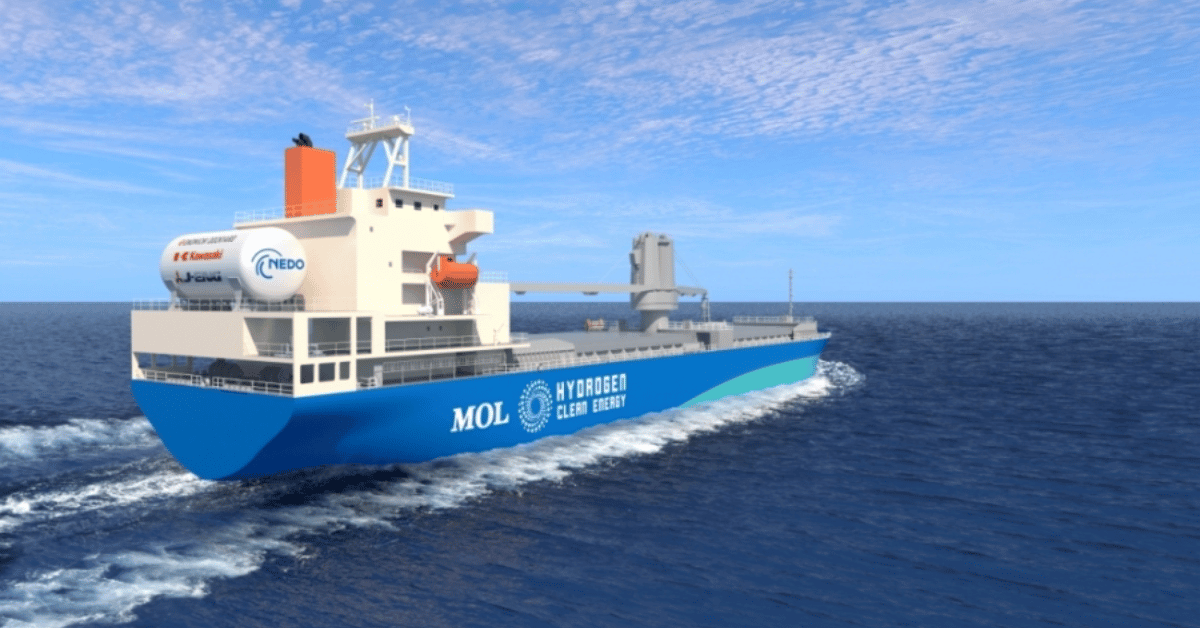
Hydrogen Engine Marks Major Step Toward Decarbonizing Ocean Shipping
Japan Engine has completed the world's first hydrogen-fuelled engine for large commercial vessels, achieving over 95% GHG reductions during factory testing. This is the kind of measurable progress that moves ocean shipping closer to real decarbonization. The technology is validated, and the implications are direct. For more on how marine environments are drawing attention, our piece on the unidentified structure in Port Phillip Bay offers a different kind of maritime intrigue.
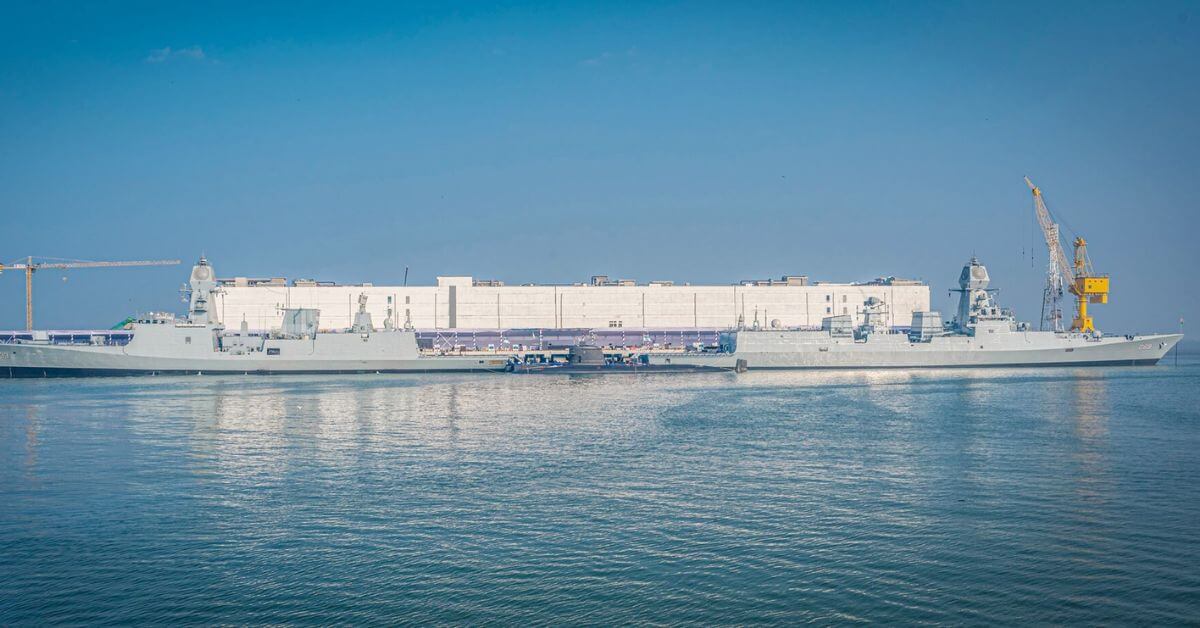
India's Shipbuilding Cluster Set to Drive Economic Growth and Job Creation
A new shipbuilding cluster in Maharashtra is projected to generate roughly 90,000 jobs, according to the state government's Tuesday announcement. This is the kind of measurable, long-term investment that builds economic resilience while strengthening India's maritime capabilities. Job creation at this scale signals more than industrial growth; it reflects a calibrated commitment to coastal development. For readers tracking parallel progress, our coverage of Cochin Shipyard's recent design equity stake offers useful context on how Indian shipbuilders are expanding their expertise.
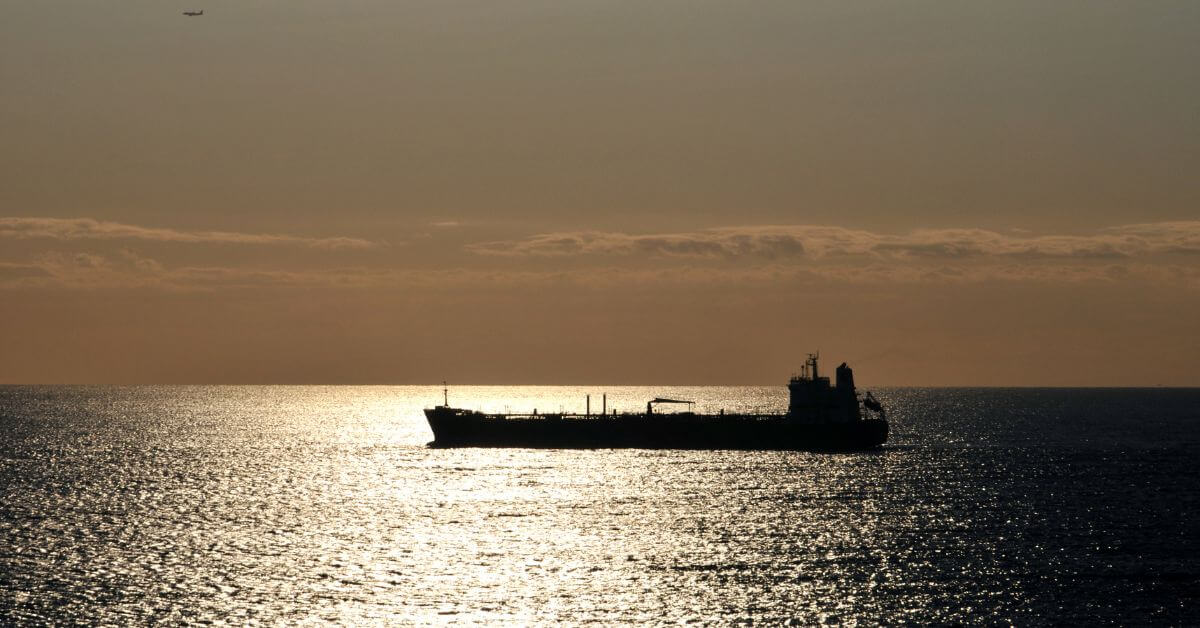
Disputed Incident: U.S. Challenges Iran's Account of Tanker Attack
The United States has rejected Iran's account that the Panama-flagged oil tanker El Gaia struck a naval mine in the Strait of Hormuz, casting further doubt on a waterway already strained by diplomatic friction. Attribution matters here, and so does verification. Disputed incidents like this one do not clarify; they complicate. The stakes are measurable, and the margin for error is thin.
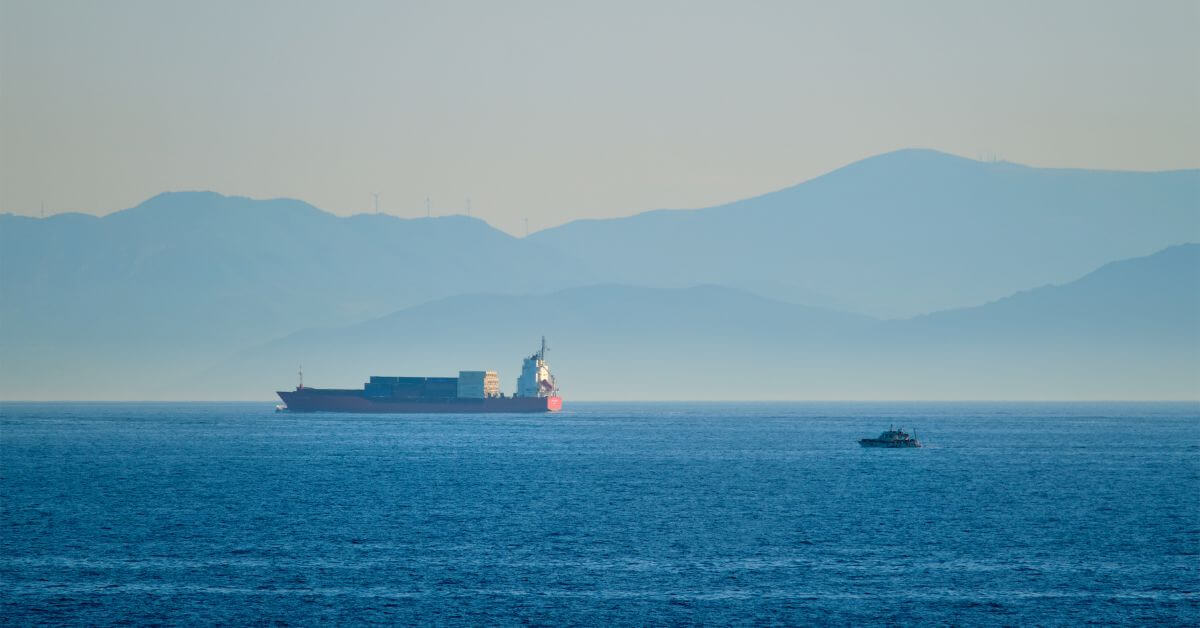
Crew Freed: Integrated Data Confirms Resolution of Somali Hijacking Incident
On April 26, Somali pirates seized a tanker carrying 15 Syrian and two Indian nationals. Integrated data ecosystems now confirm the crew's release, a resolution grounded in measurable, real-time intelligence. This outcome validates the power of empirical monitoring over alarmist speculation. Understanding drives protection, and here, it restored lives. For deeper context on regional interdiction efforts, see our coverage of "Puntland Forces Intercept Hijacked, US-Sanctioned Oil Tanker After 48 Hours." The ocean's security challenges demand calibrated, not sensational, responses.
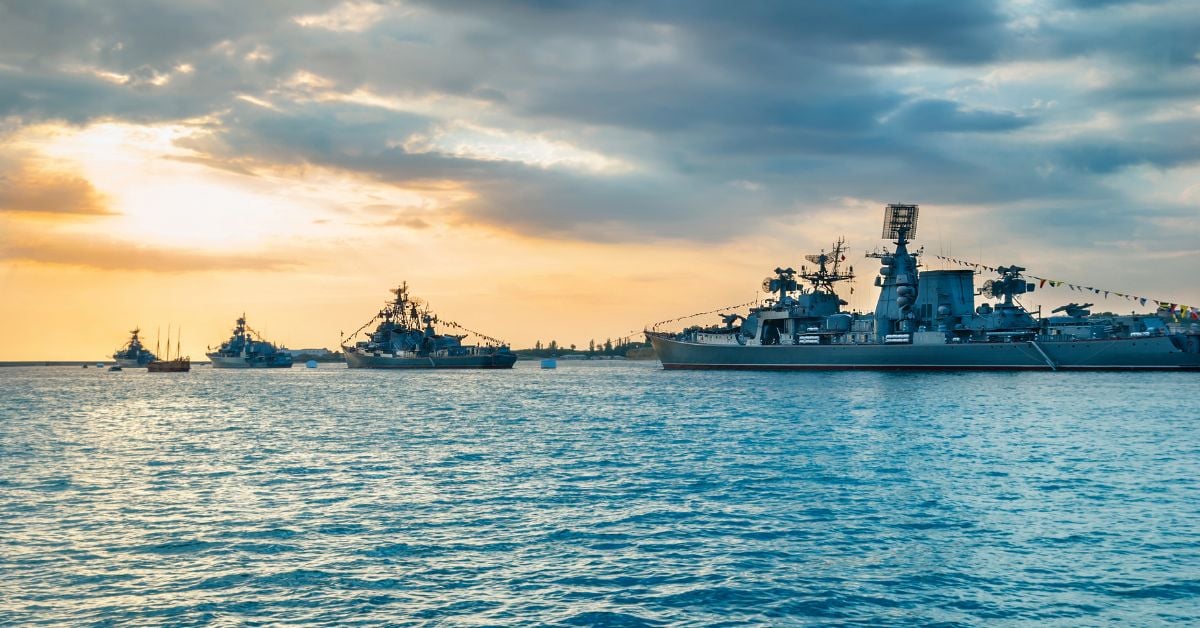
Securing the Strait: Navy SEALs Conduct Covert Mine Clearing Operation
For four months, U.S. Navy SEALs operated in the Strait of Hormuz, clearing naval mines placed by Iran. This covert operation secures a waterway where geopolitical tension meets global energy flow. Measurable, empirical action, not rhetoric, protects maritime stability. It is the kind of calibrated, real-world intervention that underscores why integrated ocean intelligence matters. For deeper context on regional pressures, see our coverage of how Gulf of Oman STS transfers have maxed out amid rising Saudi oil exports.
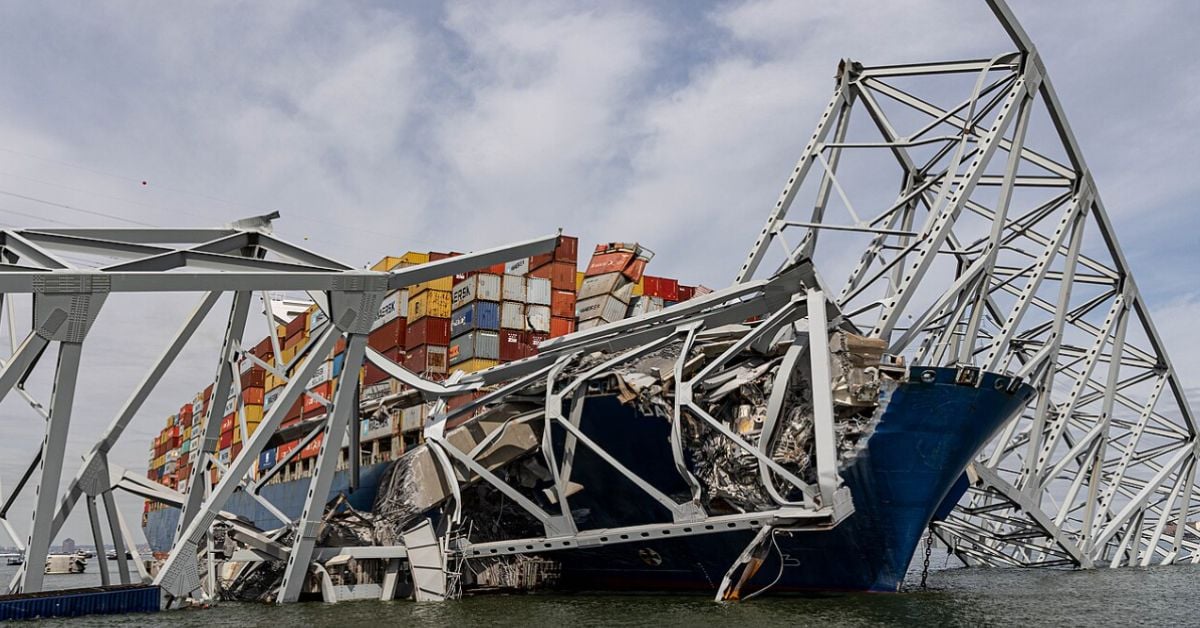
Key Bridge Collapse Reveals Critical Gaps in Port Safety Assessments
The final report on the Key Bridge collapse confirms what empirical data has long indicated: waterway risk assessment tools remain underutilized, leaving port infrastructure vulnerable to evolving threats. This is a measurable failure, not an abstract one. Validated, real-time ocean intelligence must be integrated into safety protocols, understanding drives protection. For deeper context on maritime infrastructure development, see our coverage of Paradip Port's designation as a Mega Port, anchoring Eastern India's growth.
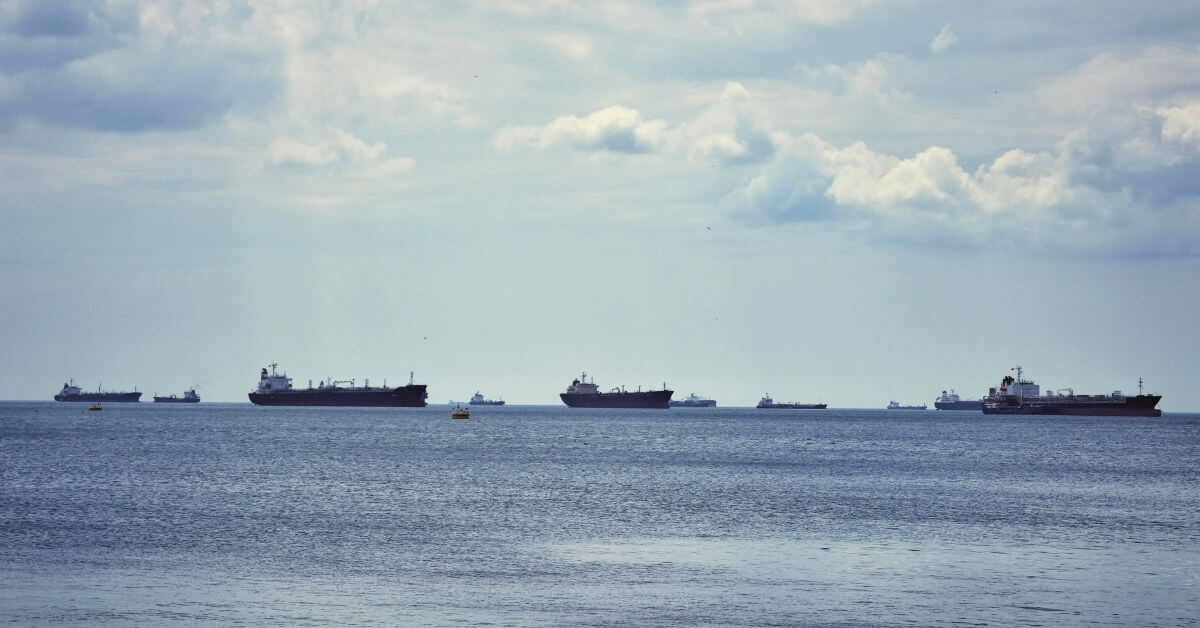
Maritime Traffic Shifts: Iran Intercepts Vessels Near Strait of Hormuz.
The Strait of Hormuz has become a chokepoint under pressure, with more than 1,500 oil tankers and 1,700 commercial vessels transiting the designated route before the war began in January 2026. Now, Iran's interceptions of vessels near these waters signal a hardening reality. This is not alarmism; it is measured observation. Disruptions here carry global consequences, and understanding the pattern matters. For broader context, our related piece on Gulf of Oman STS transfers offers a useful lens on how regional capacity is straining.
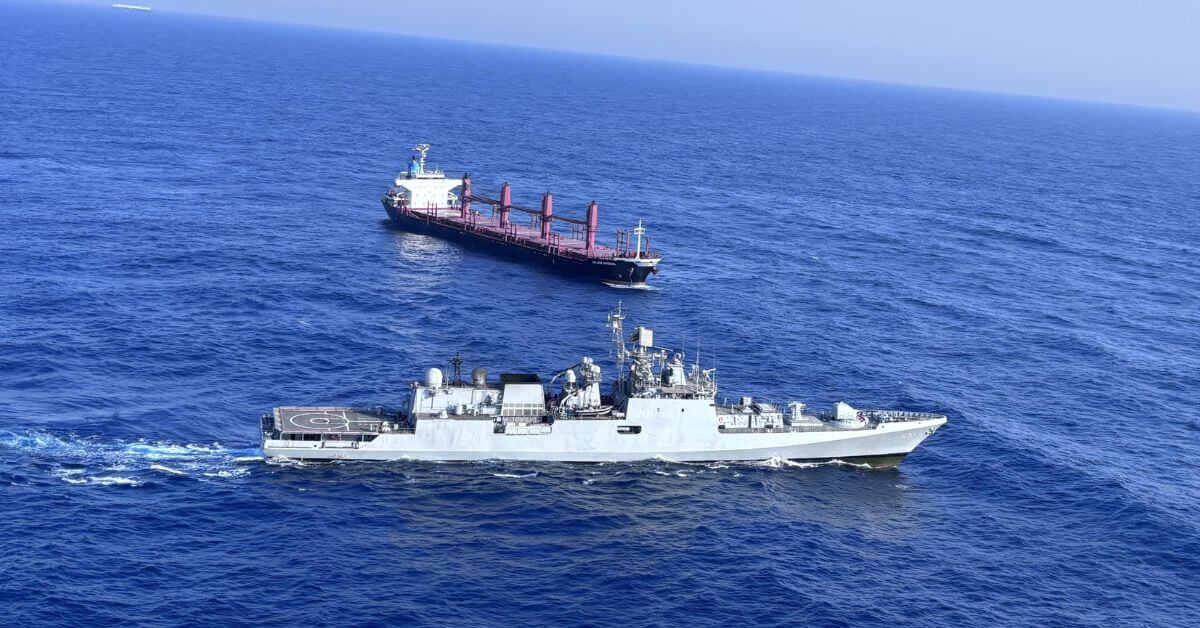
Securing Trade Routes: Indian Navy Ensures Safe Passage Through Bab-el-Mandeb
The Indian Navy's deployment through the Bab-el-Mandeb is a calibrated exercise in maritime security, ensuring that essential cargo continues moving to and from India without disruption. This is not abstract strategy; it is the practical work of keeping trade lanes open where geopolitical friction runs high. The operation reflects a measured commitment to stability, one that aligns with broader shifts in regional logistics, such as the Gulf of Oman STS transfers reaching capacity. Reliable passage here is not optional; it is the backbone of commerce.

Modular Batteries Accelerate Electric Ship Adoption.
AYK is already taking orders for its modular battery system while the unit moves through class approval, a clear signal that the technology is ready for real-world deployment. The pace matters. Electric ship adoption has lagged behind other transport sectors, and modular design directly addresses the retrofitting and scalability challenges that slowed progress. This is practical ocean intelligence: validated hardware, measured demand, and a credible path forward.

Norway Advances Maritime Innovation with Groundbreaking Ship Tunnel Project
Norway is carving a 1,700-meter passage through the Stadlandet peninsula, a 50-meter-high, 36-meter-wide tunnel designed to reroute ships from one of its most exposed seas. This is not a novelty; it is a calibrated response to a persistent maritime hazard. The project reflects a practical brand of ocean intelligence, where engineering meets geography. For readers tracking how nations mitigate risk at sea, this effort pairs well with our coverage of the bulk carrier freed near Gladstone, another reminder that safe passage is never guaranteed.

Red Sea Incident: Unmanned Cargo Vessel Sustains Total Loss.
The loss of an unmanned cargo vessel to unknown projectiles in the southern Red Sea marks a stark instance of maritime vulnerability. The UKMTO's declaration of a total loss is a measurable outcome, yet the incident underscores a broader fragility in a region already defined by complex logistics. We view this not with alarm, but as a calibrated data point. It validates why integrated, real-time ocean intelligence is essential for understanding risk.

Somali Hijacking: Status of Crew on Cargo Ship Lutuf Unconfirmed
The confirmed hijacking of the cargo ship *Lutuf* off Somalia's coast, as reported by the UKMTO, leaves the crew's status unresolved. For those of us tracking maritime security, this silence is the most pressing detail. The uncertainty underscores how fragile safe passage remains in these waters. While diplomatic efforts focus on chokepoints like the Strait of Hormuz, as our coverage of the phased negotiations suggests, the Indian Ocean's own risks demand equal attention. We will keep a close watch on developments.

Leveraging Civilian Shipping: China Assesses Fleet for Potential Military Use
China's call for a detailed survey of its civilian shipping fleet signals a pragmatic step toward integrating commercial capacity into national defense. Li's request for a vessel database reflects a methodical approach, one grounded in measurable readiness rather than speculation. This move aligns with broader maritime trends, as seen in our related coverage of Gulf of Oman STS transfers maxing out. The ocean is a shared operating environment, and understanding its assets is part of responsible stewardship. Calibrated preparation, not alarm, defines this strategic review.

U.S. Navy Intercepts Shipbound for Iran, Enforcing Maritime Restrictions
The U.S. Navy has intercepted the Vela Nova, the third vessel disabled since the July 14 blockade began, according to CENTCOM. Enforcement of maritime restrictions near Iran remains deliberate and measurable. Each interdiction reinforces a simple premise: rules at sea are not optional. For context on the region's rising tanker activity, our report on Gulf of Oman STS transfers offers useful depth. This is pressure applied methodically, not theatrically. The ocean is a shared system, and accountability is part of its operation.

Naval Deployment Bolsters U.S. Enforcement of Maritime Restrictions in the Middle East
The U.S. Navy's forward deployment in the Middle East sharpens the teeth of maritime enforcement, with CENTCOM confirming warships are now supporting "strict enforcement" of the blockade against Iran. This is measured, calibrated pressure, not saber-rattling. It signals a firm commitment to contested waters where commercial traffic and geopolitical friction converge. For readers tracking the region's fluid energy flows, the adjacent reporting on Gulf of Oman STS transfers offers useful context on how these restrictions ripple through real-time trade routes.

Black Sea Shipping Restricted Amid Rising Security Concerns.
Türkiye is tightening its grip on Black Sea shipping as attacks escalate against Turkish commercial vessels bound for Russian ports. The restriction reflects a sobering reality: no route is neutral when security fractures. Measured, deliberate action is necessary, but the cost to regional trade is mounting. This is not alarmism; it is the arithmetic of risk.