Arctic
Arctic at World Data Ocean is a file of 38 stories. The newest of them: “Northern Sea Route Logs 14,000 TEUs in Eight Pre-Winter Transits”, “Refining sea ice models to capture fractal features reshapes estimates of Arctic marine production”, and “Alaska ceremony validates integrated radar and fleet defense capability”. 14,000 TEUs moved through the Northern Sea Route in eight pre-winter transits, carrying energy equipment, power batteries, and new electric vehicles. The Arctic's thinning ice pack is not just shrinking; it is fracturing into leads, ridges, and polynyas that fundamentally alter where and when phytoplankton bloom. A Global Hub for Ocean Intelligence 4 World Data Ocean is a centralized digital platform where researchers, scientists, and ocean enthusiasts converge to… The list below is every Arctic story on World Data Ocean, newest first.
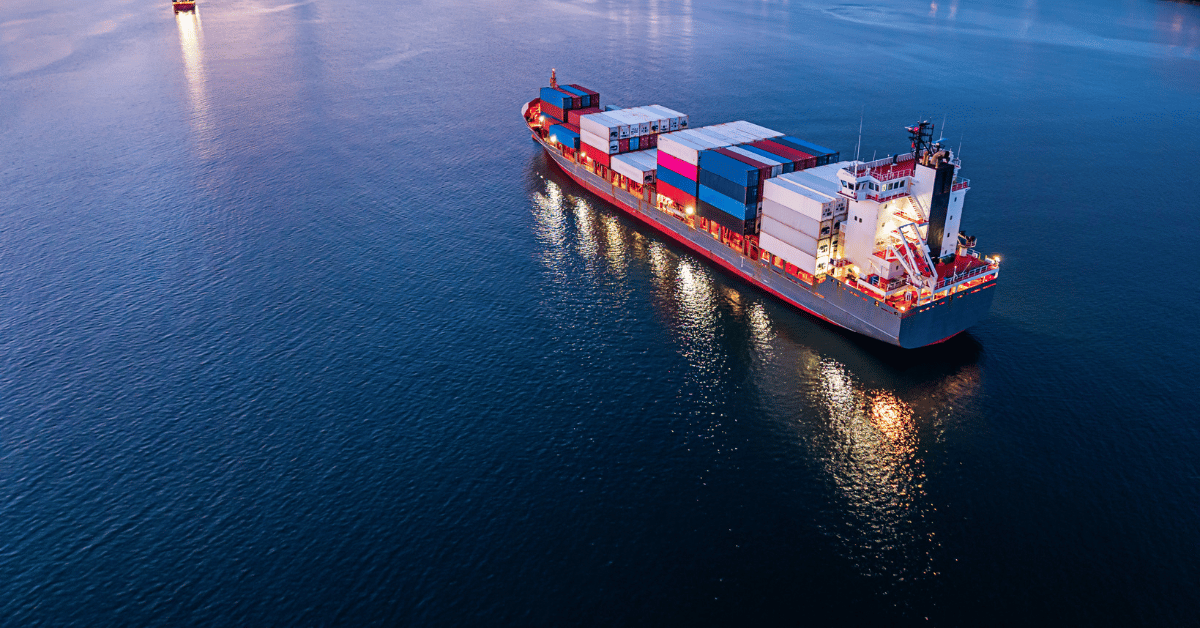
Northern Sea Route Logs 14,000 TEUs in Eight Pre-Winter Transits
14,000 TEUs moved through the Northern Sea Route in eight pre-winter transits, carrying energy equipment, power batteries, and new electric vehicles. These are not speculative projections, they are validated, measurable cargo flows demonstrating the Arctic's growing role in global logistics. As sea ice models evolve, understanding these shifts becomes essential. For deeper context on how we refine such environmental baselines, see "Refining sea ice models to capture fractal features reshapes estimates of Arctic marine production."

Refining sea ice models to capture fractal features reshapes estimates of Arctic marine production
The Arctic's thinning ice pack is not just shrinking; it is fracturing into leads, ridges, and polynyas that fundamentally alter where and when phytoplankton bloom. New simulations with HYCOM-ECOSMO show that the choice of sea ice rheology, from CICE's elastic-viscous-plastic to neXtSIM's brittle framework, shifts spring-bloom timing and carbon export in the Chukchi Sea. Light flux through refreezing leads matters. Mechanical damage is not a detail; it is central to estimating marine production. Related coverage on DNA metabarcoding of fragile Arctic zooplankton deepens this picture.
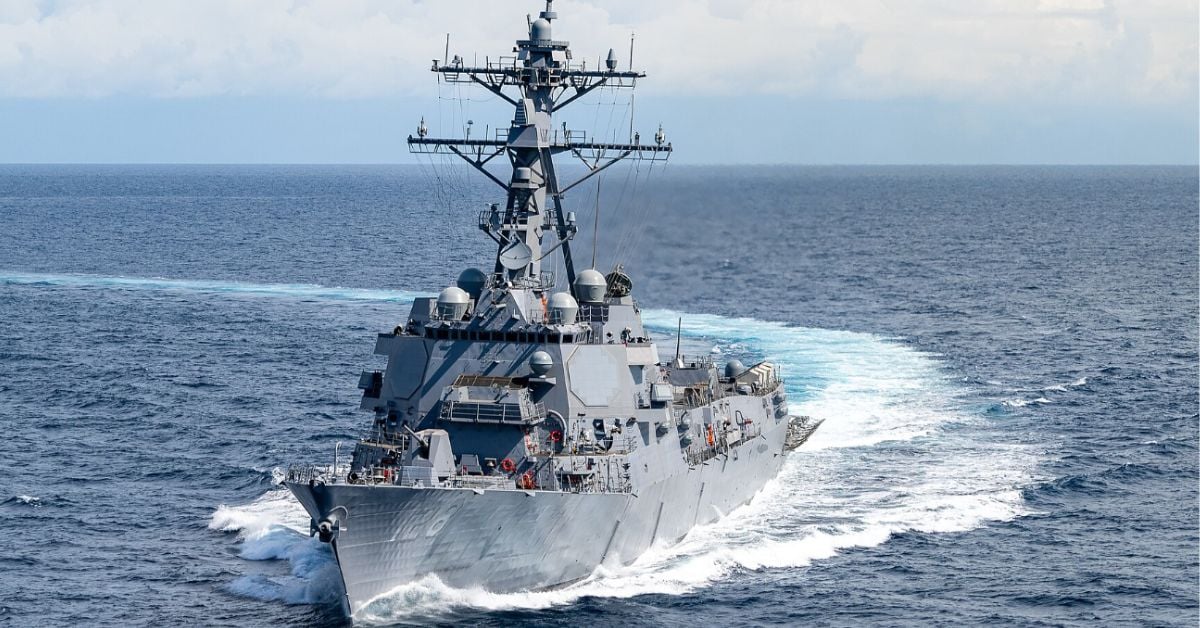
Alaska ceremony validates integrated radar and fleet defense capability
The commissioning of USS *Ted Stevens* in Whittier, Alaska, validates an integrated radar and fleet defense capability that is both measurable and calibrated for real-world conditions. This is empirical progress, a warship purpose-built to operate where climate indicators shift fastest. Understanding drives protection, and this ceremony marks a moment where innovation meets the long arc of stewardship. For deeper context, see our coverage of how laser deterrence deploys in the Strait as naval defense enters a new measured era.
Validating DNA metabarcoding for fragile Arctic gelatinous zooplankton
Two universal primer pairs, one targeting 18S rRNA, one mitochondrial COI, reveal complementary strengths and clear limitations for detecting fragile Arctic gelatinous zooplankton. The COI primers delivered high species-level resolution but missed key hydrozoans and ctenophores; 18S captured broader diversity but lacked taxonomic precision. These findings underscore the urgent need to expand public reference databases and explore new genetic markers. Understanding drives protection, and for these elusive organisms facing climate-driven shifts, validated tools are non-negotiable.
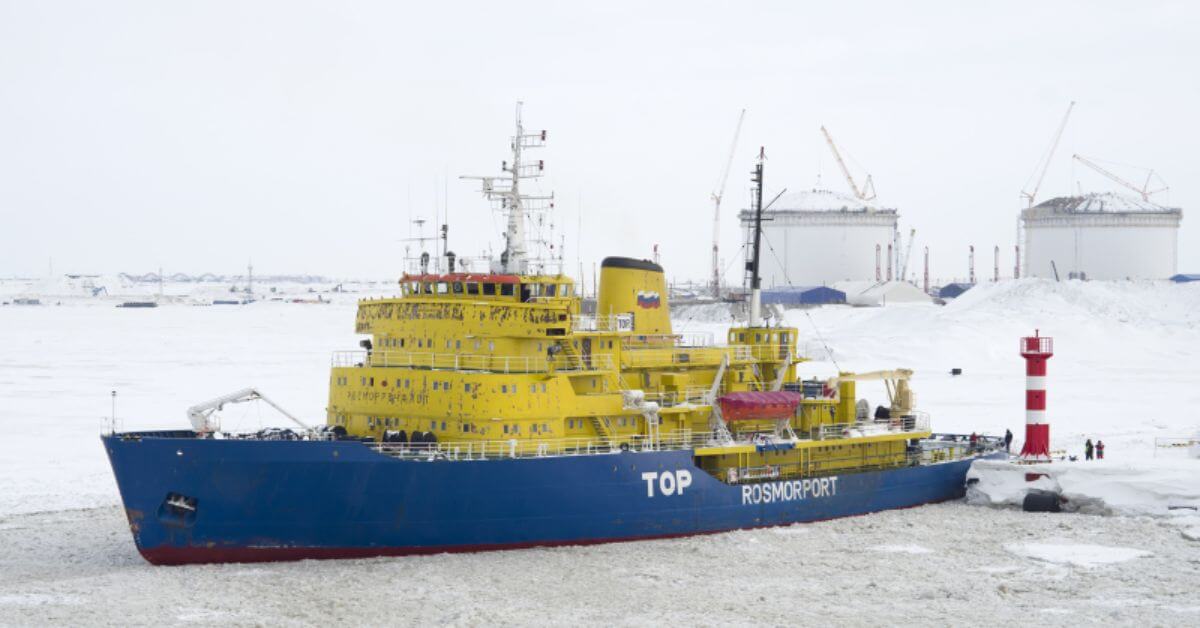
Russia Calibrates Export Revenue for Northern Sea Route Icebreaker Fleet
Russia plans to collect more than 200 billion roubles from exporters to fund two new icebreakers for the Northern Sea Route, a move that ties Arctic access directly to fiscal strategy. It is a calibrated bet: revenue marshaled now for extended navigation later. The sums are substantial, and the intent is clear. For context on how maritime infrastructure continues to shape regional ambitions, see our coverage of the Vostok project's Arctic oil exports.
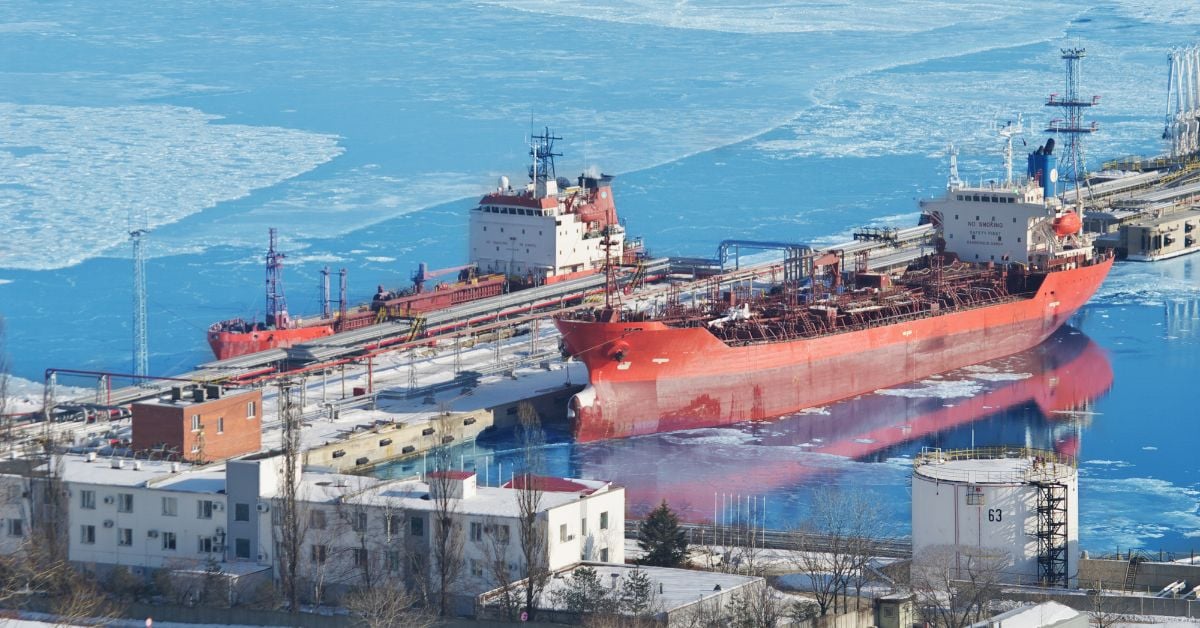
Vostok Project Launches Arctic Oil Exports Amid Geopolitical Shifts
The Vostok project has finally begun producing oil, a long-delayed step for Rosneft's Arctic ambitions after Western sanctions ground progress to a halt. This is not just a commercial milestone; it is a signal of how energy strategy and geopolitics remain deeply intertwined. The Arctic's potential is vast, but so are its logistical and environmental demands. As Russia recalibrates its export revenue to fund icebreaker fleets, the Northern Sea Route's viability grows clearer.
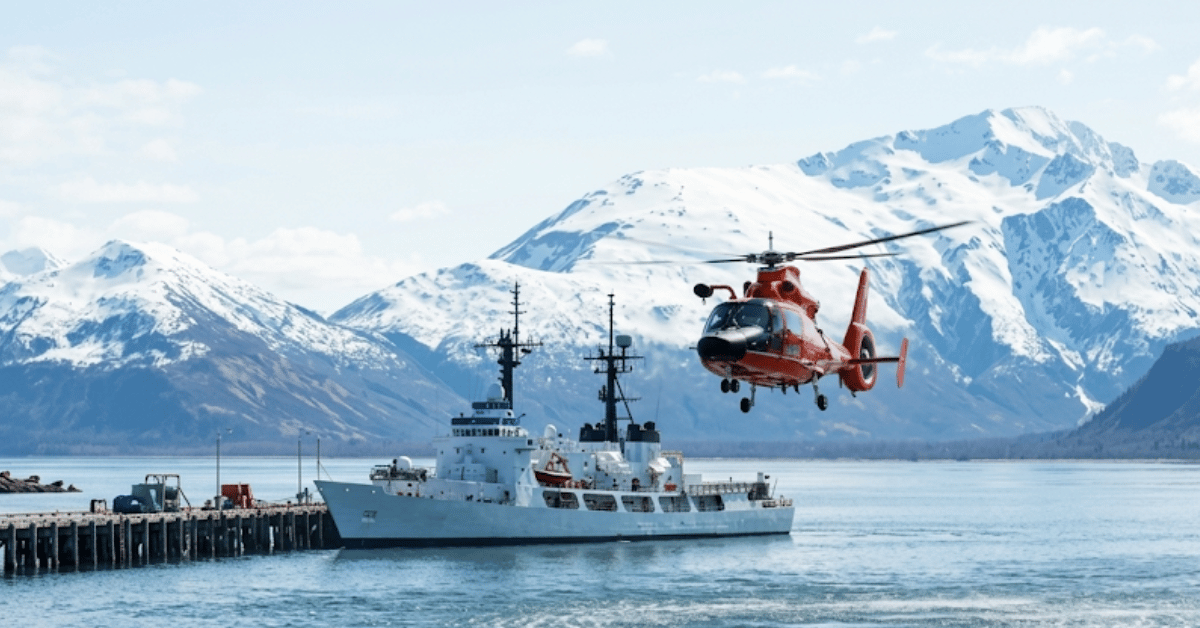
Alaska’s Base Kodiak to Gain Enhanced Arctic Capabilities with New Pier
The U.S. Coast Guard's $315 million contract for a new cutter mooring and fuel pier at Base Kodiak is a measured step toward strengthening Arctic readiness. This investment gives Alaska's hub the infrastructure to sustain operations where climate indicators demand attention. It is practical, forward-looking, and overdue. For broader context on polar infrastructure momentum, our coverage of Russia's Northern Sea Route icebreaker financing offers a useful contrast. This pier is about capacity, plain and simple, and that is how we measure progress.
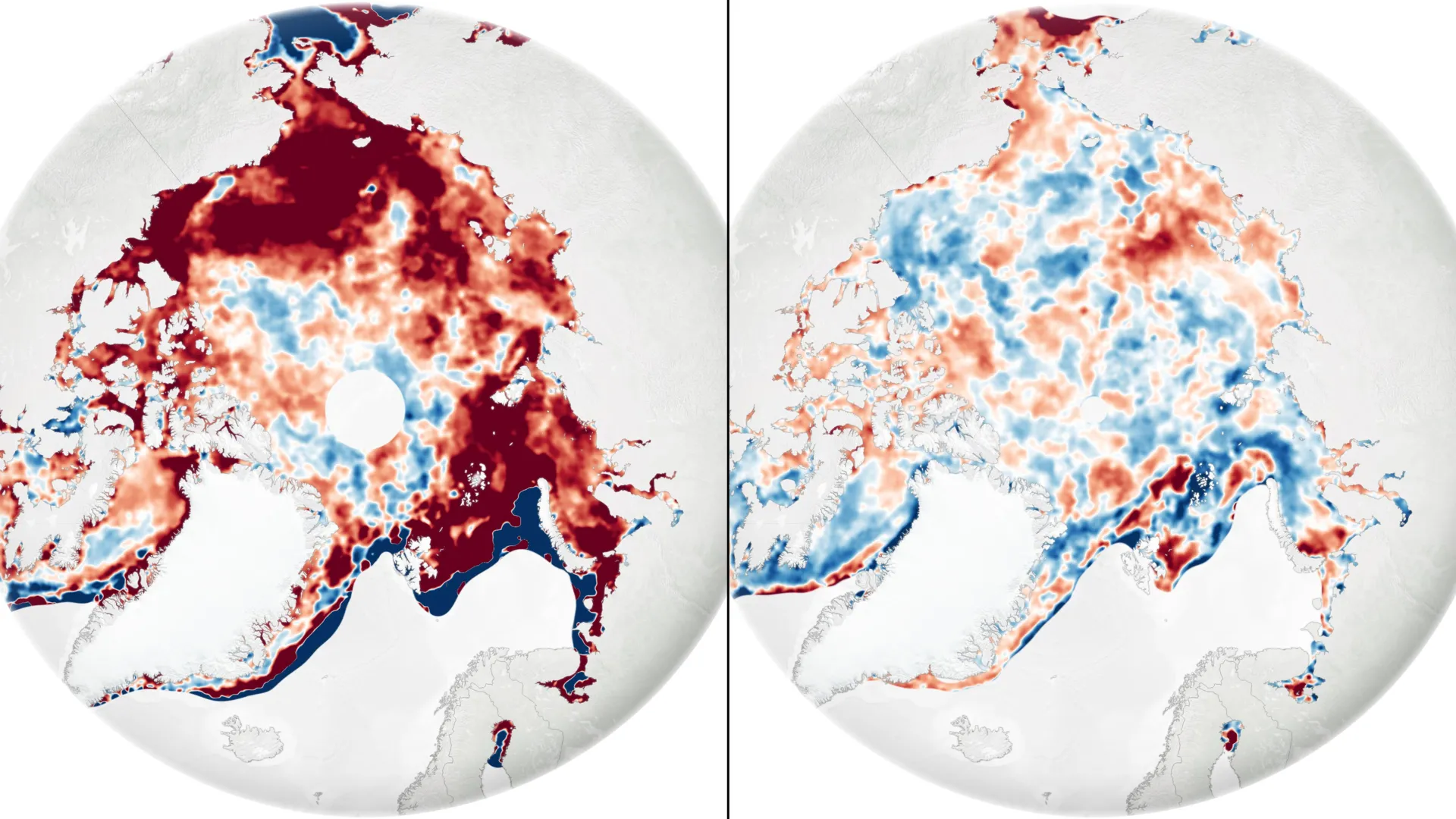
Arctic Sea Ice Melt Season Stabilizes After Decades of Expansion
The Arctic's melt season now runs roughly 40 days longer than in 1979, yet its rapid expansion unexpectedly stalled around 2010. Scientists point to shifting clouds and increasingly thin ice as possible drivers of this pause. That plateau is not a reprieve; continued warming could trigger another surge of change. For context on how Arctic dynamics intersect with commercial ambition, our coverage of Russia's Northern Sea Route icebreaker plans offers a practical counterpoint. The ice is settling, but its stability remains an open question.
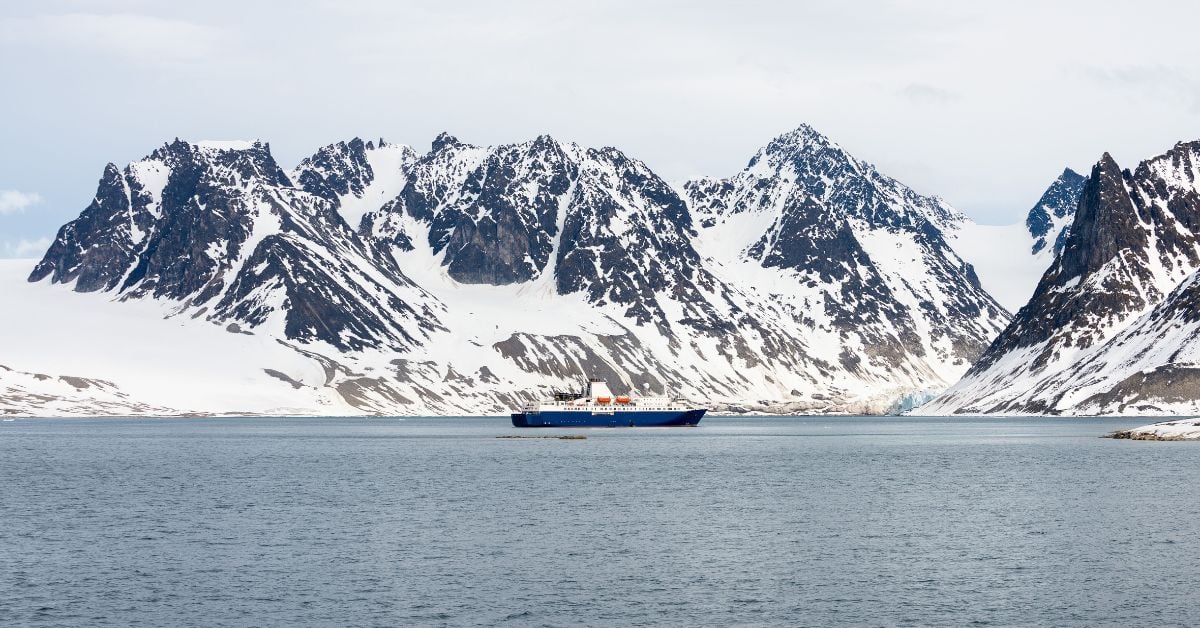
Chinese Research Vessels Operate Near Alaskan Coast, Raising Security Concerns
The presence of Chinese research vessels near the Alaskan coast signals a new layer of complexity in Arctic oversight. The United States views these operations as a potential security concern, and that reaction is measured, not alarmist. For those tracking maritime strategy, this is not abstract posturing; it is a concrete development in a region where access and influence are tightening. We should monitor these transits closely, because in the Arctic, presence itself is a form of leverage.
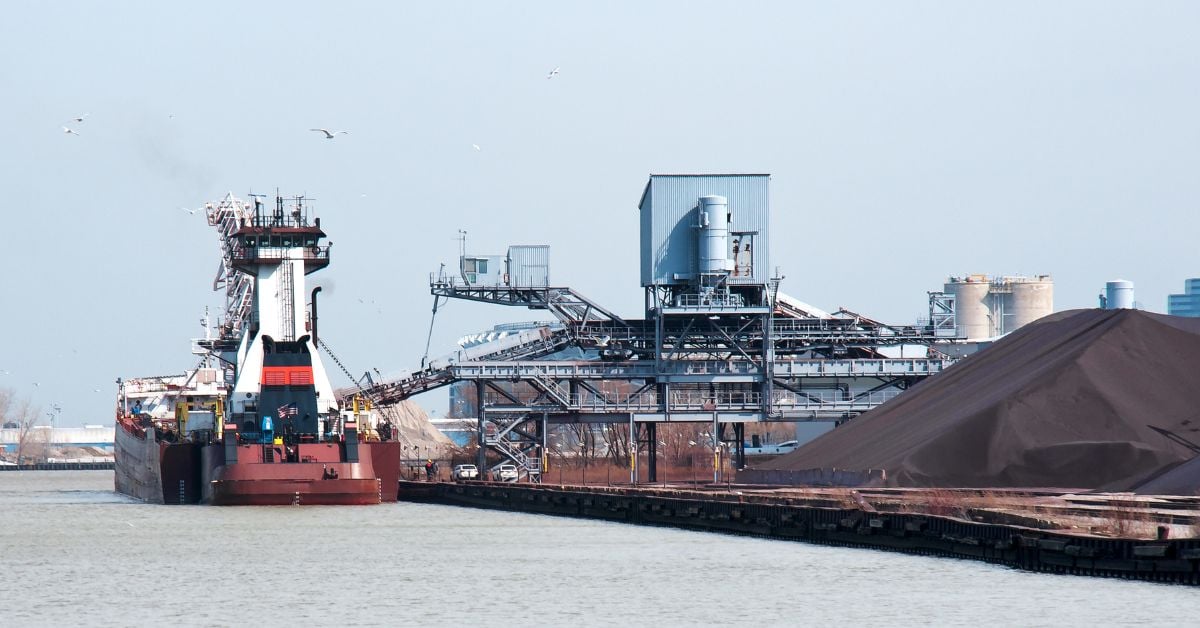
Shifting Cargo: Russian Terminals Adapt for Grain Export Surge
The Baltic and Arctic terminals that once moved fertiliser and coal are now turning to grain, a pragmatic response to shifting export demands. It is a quiet recalibration of infrastructure, and one that speaks to how quickly trade flows can redirect. Russia is adapting its logistics to stay competitive, and that flexibility is worth watching. For broader context on how export routes are evolving, our piece on Russia Calibrates Export Revenue for the Northern Sea Route Icebreaker Fleet offers a useful parallel.

NATO Intervenes to Prevent Russian Subsea Cable Disruption Exercise
NATO intervened to prevent a Russian exercise aimed at disrupting subsea cables, a direct challenge to the global data networks we rely on. Two Western officials confirmed the vessels were stopped and later departed. This is not an isolated provocation. Our related coverage of *Russian Maritime Activity Raises Concerns of Drone Operations in Mediterranean* suggests a pattern of calibrated, high-risk behavior. Protecting ocean intelligence infrastructure is no longer theoretical; it is an operational necessity. Understanding drives protection.
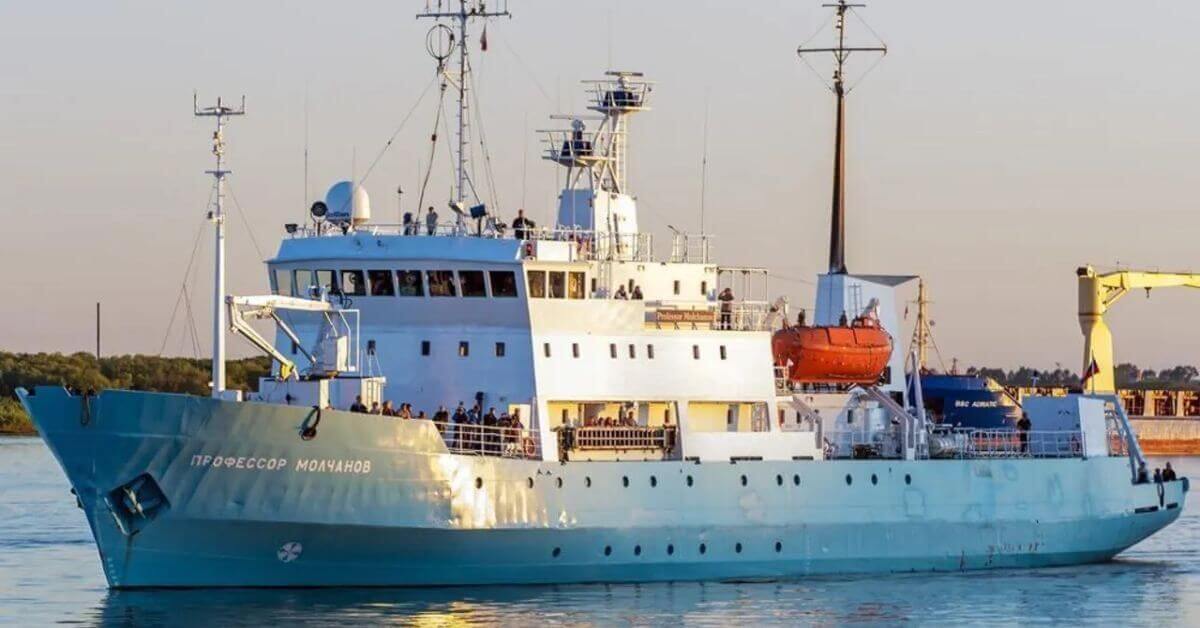
Arctic Stranding: Norway Assists 69 Russians Amid Maritime Dispute.
A Norwegian court ordered the seizure of a Russian vessel, and then Oslo assisted the 69 stranded crew members. This is pragmatic diplomacy during a maritime dispute driven by Ukraine's Naftogaz. Arctic operations cannot afford political standstills; they require calibrated cooperation. The incident highlights how commercial shipping becomes entangled in geopolitical currents. For deeper context on Russia's Arctic ambitions, see our coverage of the Vostok Project's oil exports amid shifting sanctions.
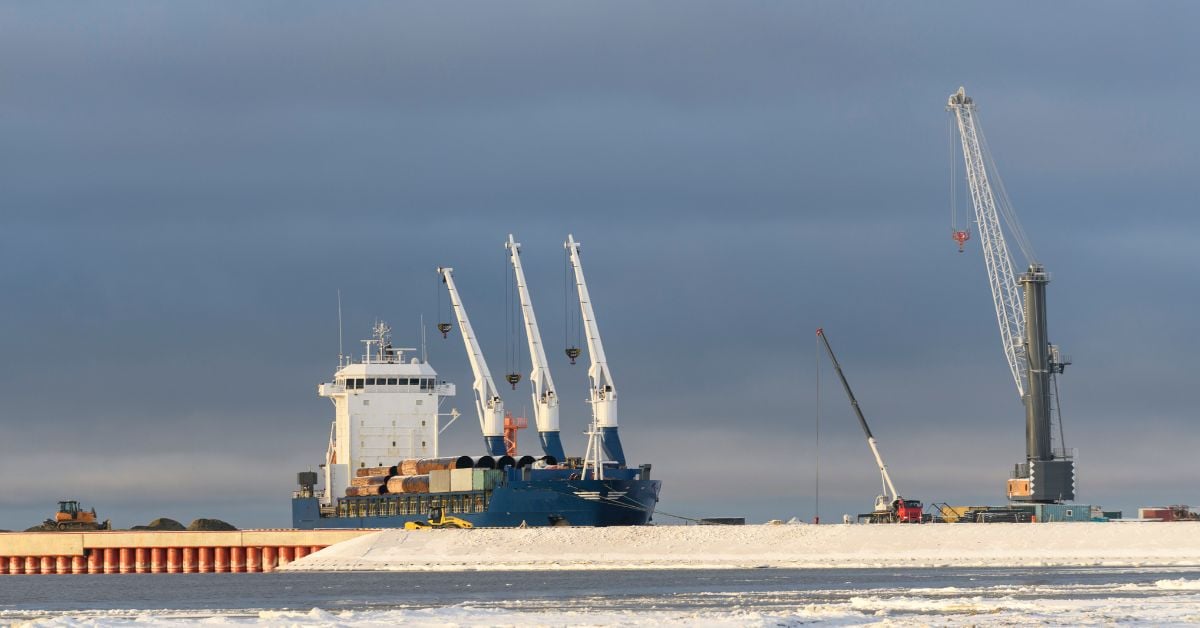
Arctic Passage Time Cut: Container Ship Charts New Route.
A Chinese container vessel has completed the Northern Sea Route in just 25 days, validating the Arctic's potential as a viable commercial passage. This is not an experiment; it is a measurable step in global shipping's realignment. The voyage demonstrates how climate indicators and integrated data ecosystems are reshaping trade logistics. For deeper context on shifting maritime corridors, see our coverage of "Russia Calibrates Export Revenue for Northern Sea Route Icebreaker Fleet." Understanding these routes drives smarter stewardship of our ocean intelligence.
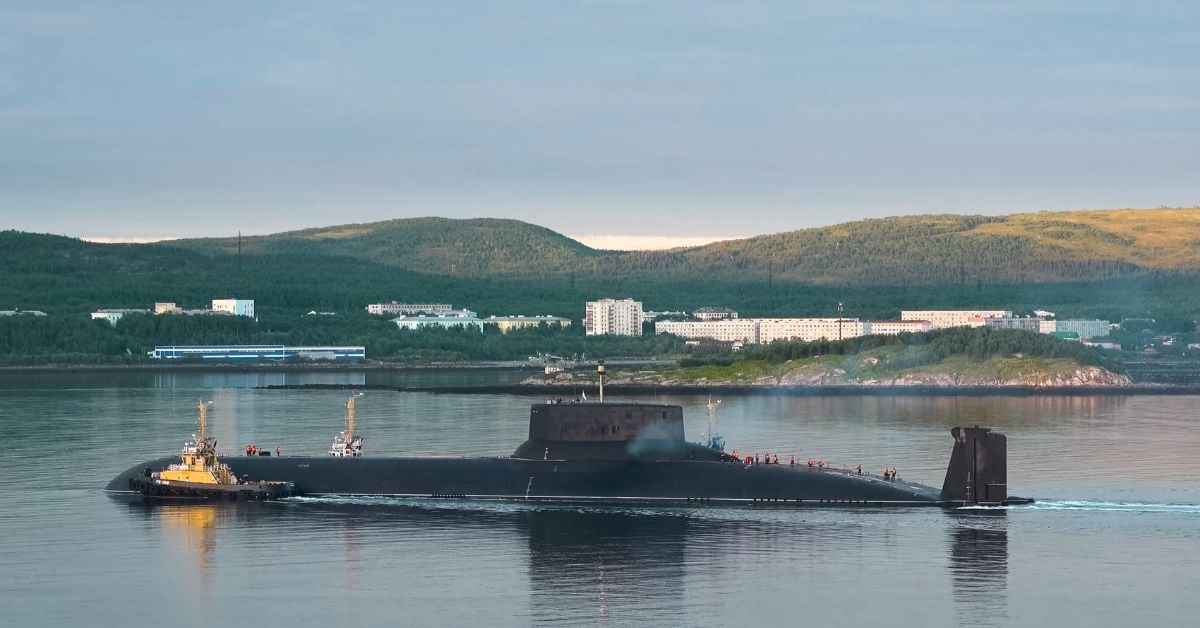
Rising Russian Submarine Activity Demands Enhanced NATO Ocean Intelligence.
A former NATO Commander has flagged the expansion of Russian submarine capabilities as a direct challenge to Atlantic security. This is not a distant concern, it is a measurable shift in naval defence infrastructure demanding calibrated response. Enhanced ocean intelligence, integrating real-time data from seabed to surface, becomes essential. For context, our coverage of the Vostok Project's Arctic oil exports shows how Russia's maritime ambitions extend beyond military posture, linking economic and strategic pressures in the same integrated data ecosystem.
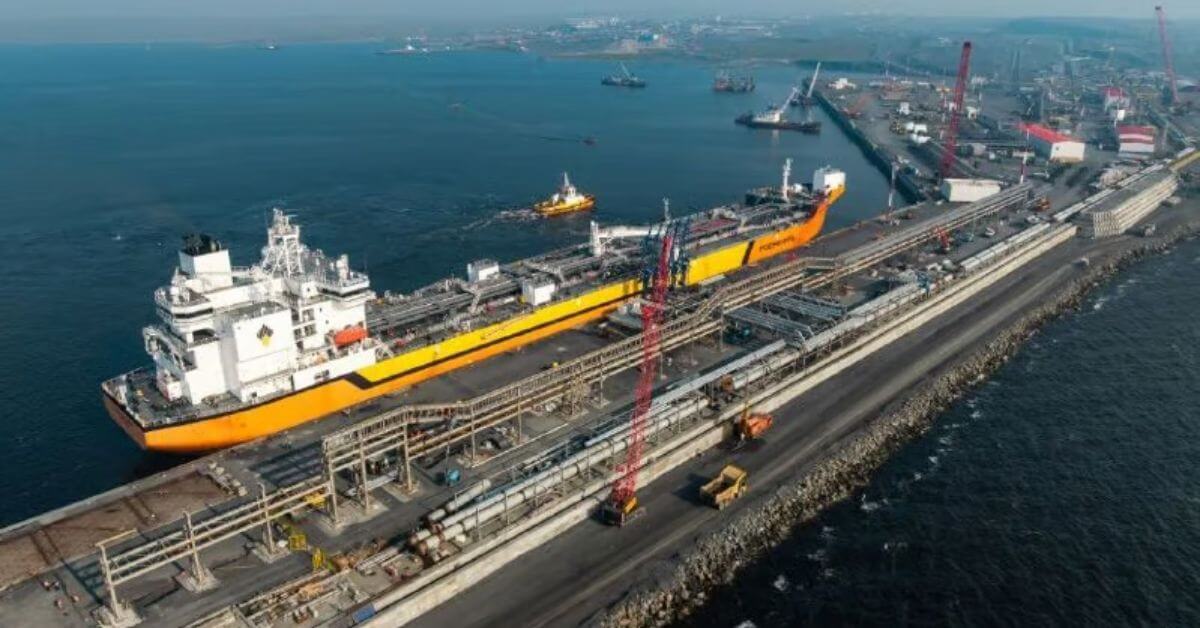
Arctic Route Gains New Supply: Vostok Oil Flows to Northern Sea Route
The first crude oil from Russia's Vostok Oil project has moved through the Arctic, adding a new supply line to the Northern Sea Route. It's a logistical step forward, but one that carries real strategic weight. The route's expansion is worth watching closely, especially as export revenues get recalibrated to fund new icebreakers. For a deeper look at that financial balancing act, our related coverage on Russia's export revenue plans is a useful next stop.
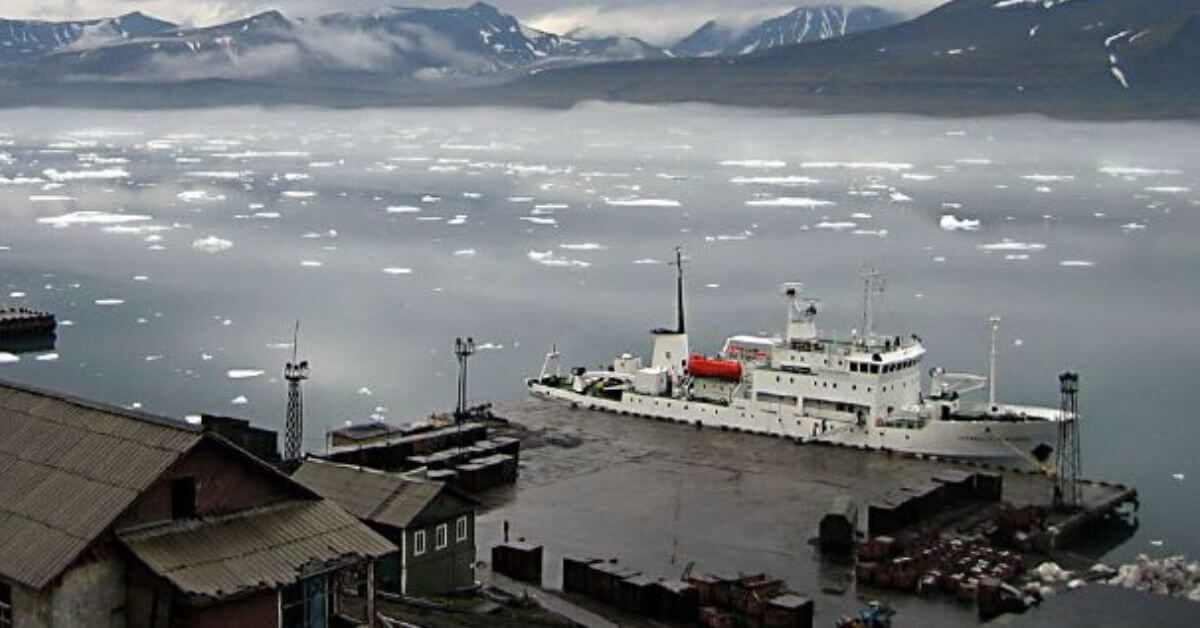
Dispute Escalates: Vessel Seized Amid Ukraine’s Energy Claim Against Russia
A vessel has been seized in escalating legal conflict. Ukraine's state energy company, Naftogaz, pursues a $4.2 billion compensation claim for assets taken by Russia. This is not merely a financial dispute, it is a calibrated test of international maritime law and the boundaries of energy sovereignty. The claim invites scrutiny of how state-sponsored seizures intersect with broader geopolitical pressures. For deeper context on Russia's evolving maritime strategy, see our coverage of the Northern Sea Route icebreaker revenue plan.

Massive Iceberg Calving and Transit: A Longitudinal Arctic Observation
A 76-square-kilometer iceberg broke from Greenland's Petermann Glacier in August 2026, the Arctic's largest calving event in six years. It struck Joe Island yet held together, and satellites now track its drift through Nares Strait. Such empirical, real-time observation is essential for calibrating climate indicators. Understanding drives protection. For deeper context on Arctic maritime shifts, see our coverage of Russia's icebreaker fleet revenue plans.
Arctic Glacier Retreat Creates New Coastal Lagoons, Expanding Ecosystems
Retreating glaciers across the Arctic are redrawing coastlines, and Svalbard now hosts a growing number of coastal lagoons where none existed before. These newly emerged paraglacial systems remain largely absent from regional monitoring, despite their rapid expansion. We see this as a missed opportunity: the lagoons form a developmental continuum, from glacier-influenced basins to biologically structured systems, and early evidence suggests they act as biogeochemical reactors, including potential methane sources.
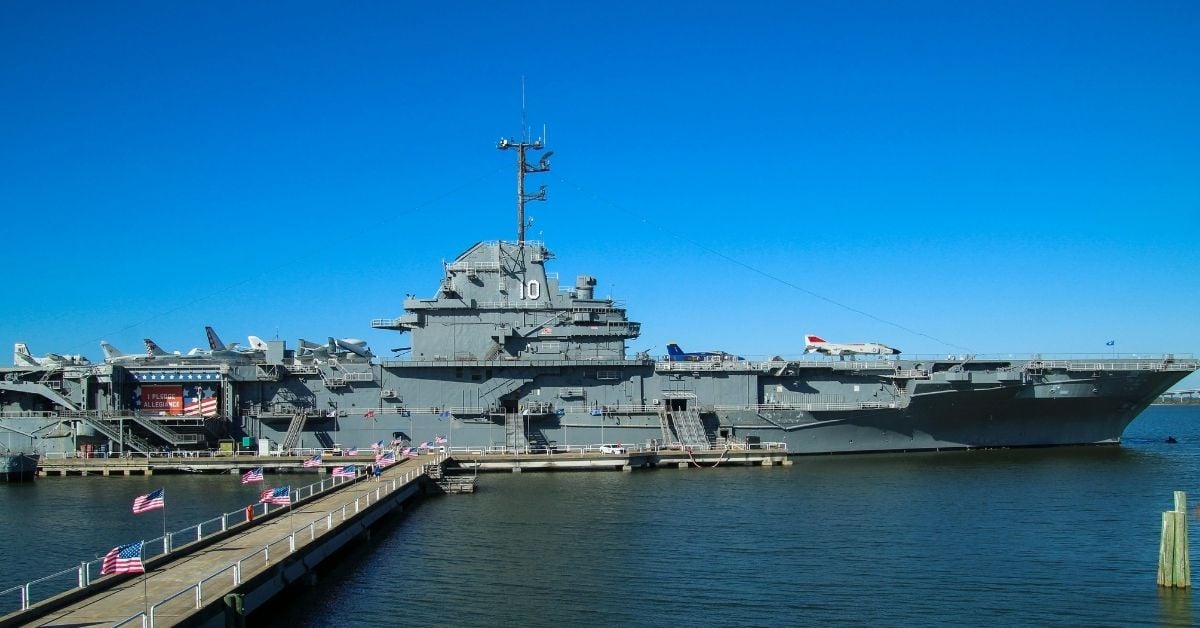
Drone-Launched Weapons Enhance Carrier-Based Anti-Submarine Capabilities
The U.S. Naval Air Systems Command is developing a weapon designed to be fired from carrier-launched drones against enemy submarines, extending strike reach beyond the ship's horizon. This is a calibrated step toward integrated ocean intelligence, pairing unmanned platforms with anti-submarine warfare in ways that demand precision. The capability reflects a broader naval evolution, much like India's expanded fleet projections. The ocean is vast, but layered, measured responses like these keep it navigable.
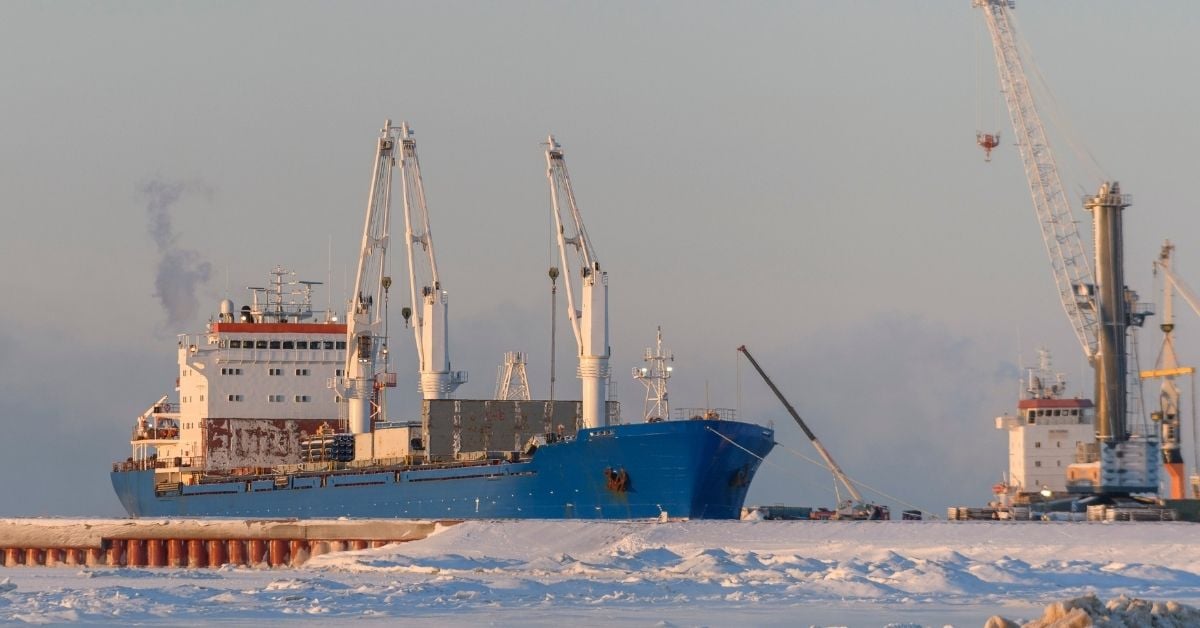
Canadian Grain Resumes European Shipping Via Churchill Port After Six-Year Hiatus
Thirty thousand tonnes of durum wheat now sit aboard a vessel bound for Europe, the first such departure from Churchill, Manitoba, in six years. This resumption of Canadian grain shipping through the Port of Churchill signals a practical return to a vital Arctic corridor. It is a measured step, but a telling one for northern logistics. For broader context on shifting Arctic trade routes, our coverage of the Vostok Project's Arctic oil exports offers a parallel view.
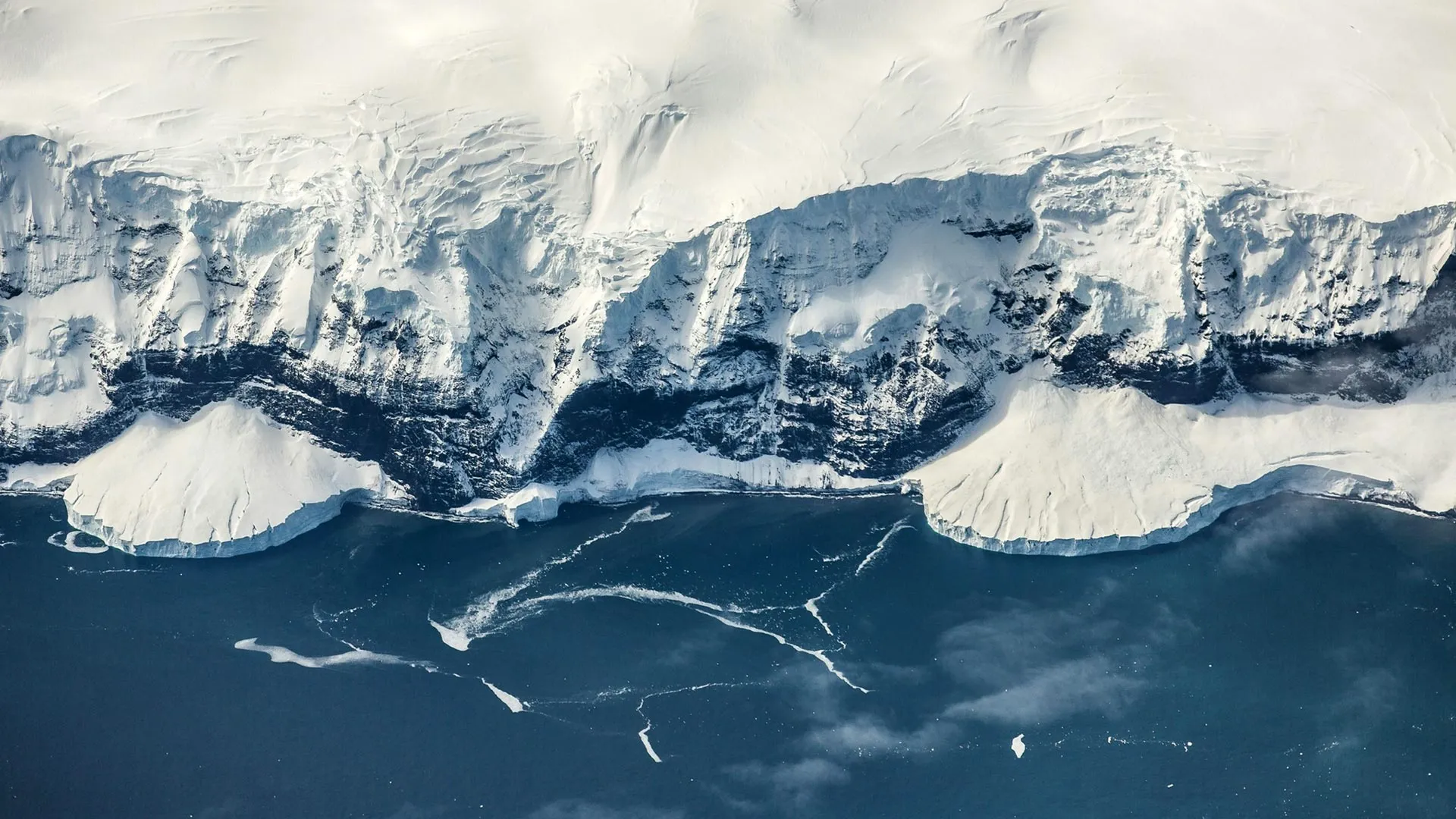
Earth's Interior Shaped Antarctica's Early Ice Age
East Antarctica's ice sheet did not appear because of a cooling planet alone. Slow-moving waves deep within Earth lifted the region, raising mountains and a high plateau where snow could persist even in a warmer world. Once glaciers formed, their reflective surfaces amplified the cooling. This is a reminder that geology and climate move together, not in isolation. For more on how deep Earth processes echo through time, see our coverage of magma and microbial activity rewriting a 2-billion-year-old carbon signal.

Canada Bolsters Arctic Capabilities with New Icebreaker Fleet.
Canada is putting steel behind its Arctic strategy with a new icebreaker fleet that will give NATO its largest polar capability. The move sharpens a quiet but consequential gap: the United States operates just three aging polar icebreakers. This is what integrated ocean intelligence looks like in practice: measured, deliberate, and forward-deployed. For readers tracking the wider picture, our coverage of Russia's Northern Sea Route fleet plans offers a useful counterpoint. The Arctic is no longer a frontier; it is a jurisdiction.

Arctic Operations Bolstered: Nordica Icebreaker Deploys to Canadian Waters
The Nordica has left Kotka, Finland, bound for Canadian waters, where its deployment will reinforce the Canadian Coast Guard's Arctic operations. This is a practical move, a response to a region where conditions demand more than intention. The Arctic is not a frontier for sentiment; it is a theater for capability. We see the strategic calculus in related coverage, such as Russia's export revenue plans for its own icebreaker fleet. These are parallel efforts, each nation calibrating its presence.

North Pole Reached: Canada's Icebreaker Prepares for 2026 Arctic Mission
The CCGS Louis S. St-Laurent has reached the North Pole, marking a decisive step for Canada's 2026 Arctic mission. This is what calibrated ocean intelligence looks like: measured, deliberate, and essential. As our largest icebreaker pushes into waters that demand respect, we're reminded that sovereignty and science move together. For context on how these polar routes connect to broader maritime security, our coverage of the Puntland Forces' recent tanker interception offers a parallel look at ocean vigilance.