Arctic
Arctic at World Data Ocean is a file of 38 stories. The newest of them: “Arctic Ice Edge Creates Unexpected Cloud-Seeding Boost, Climate Models May Need Update”, “Arctic Seal Microbiomes: Establishing Baselines for a Changing Ecosystem”, and “India Eyes Northern Sea Route for Expedited Trade with Russia”. Sunlight meeting melting sea ice is doing more than brightening the Arctic. Ringed seals carry a steady signal of Arctic change, but until now, their microbial baselines have remained largely uncharted. A Global Hub for Ocean Intelligence 4 World Data Ocean is a centralized digital platform where researchers, scientists, and ocean enthusiasts converge to… The list below is every Arctic story on World Data Ocean, newest first.
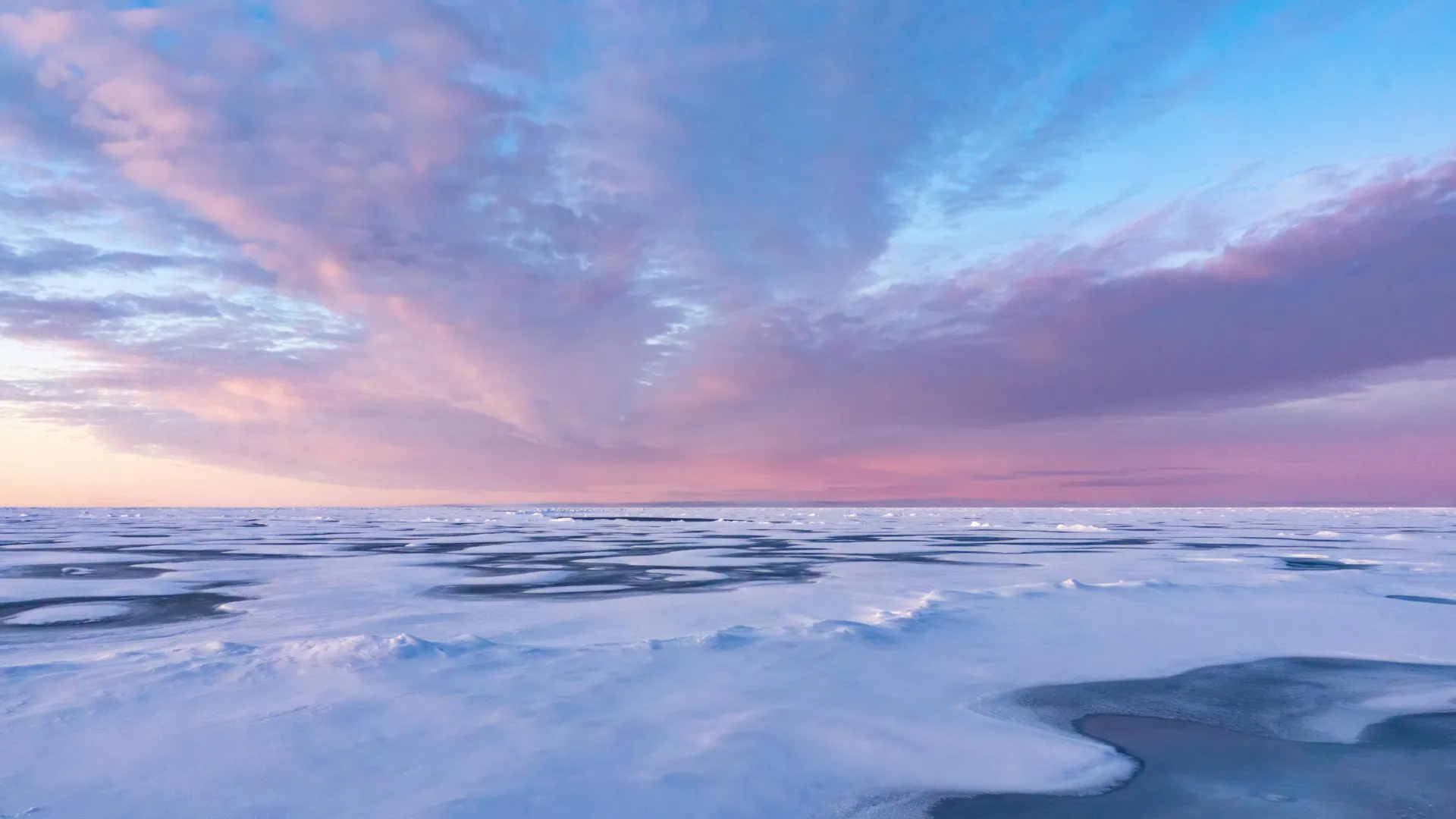
Arctic Ice Edge Creates Unexpected Cloud-Seeding Boost, Climate Models May Need Update
Sunlight meeting melting sea ice is doing more than brightening the Arctic. It is triggering a chemical reaction that multiplies cloud-seeding particles by up to 50 times in a single day. That is a striking jump, and it comes from a region actively expanding as ice retreats. This process deserves serious attention. We should not assume current models capture it. Understanding this mechanism could refine how we project Arctic warming, and that matters for everyone watching the poles.

Arctic Seal Microbiomes: Establishing Baselines for a Changing Ecosystem
Ringed seals carry a steady signal of Arctic change, but until now, their microbial baselines have remained largely uncharted. This study profiles 90 seals across eight Canadian locations, revealing that body site, not geography, drives microbiome structure. Nasal communities stay remarkably stable, while anal assemblages shift with latitude, tracking ecological constraints rather than distance. It is a practical reference point for monitoring, though one that will need ongoing validation as conditions evolve.

India Eyes Northern Sea Route for Expedited Trade with Russia
India is charting a new course to the Arctic. With plans to send its first cargo ship along Russia's Northern Sea Route in 2027, New Delhi is looking to bypass the Suez Canal and cut transit time as bilateral trade with Moscow expands under sanctions. It is a pragmatic, data-driven move, one that reflects how geopolitical pressures are redrawing maritime logistics. For readers tracking parallel disruptions, our coverage of strikes targeting ports and vessels in confirmed military action offers broader context on the region's volatility.

Arctic Submarine Collaboration Expands: Germany, Norway, and Canada Unite.
Four days of talks in Kiel brought Germany, Norway, and Canada alongside TKMS, Kongsberg, and Multiconsult, signaling a deliberate step toward shared submarine capability. This is not merely procurement; it is the architecture of deterrence taking shape in Arctic waters. The collaboration reflects a practical recognition that no single nation patrols these expanses alone. For readers tracking Russia's icebreaker ambitions, including its calibrated export revenue scheme, this trilateral move adds a measured counterweight. We will follow how these industrial partnerships translate into operational reality.

Arctic Shipping Route Emerges as Climate-Driven Alternative.
A scheduled Arctic route now links Ningbo to Felixstowe, with Sea Legend running the weekly service. This is not a distant proposal; it is a working commercial response to receding ice and shifting trade realities. The passage shortens transit times, yet it also demands calibrated investment in icebreaker support and polar infrastructure. Climate change is redrawing maritime maps, and carriers are adapting. For context on how nations are financing these northern lanes, see our coverage of Russia's icebreaker export revenue plans.

Chinese Shipping Expands Arctic Route Access via Northern Sea Route.
Seven Chinese vessels have received permits to transit the Northern Sea Route to Europe, a concrete step in Beijing's Arctic engagement. Rosatom's approval signals Russia's willingness to integrate Chinese shipping into its ice-covered corridor. The move is practical, not ceremonial: it extends commercial reach while testing the route's reliability. For readers tracking the region's momentum, our related piece on Russia's icebreaker export revenue calibrations offers useful context on the infrastructure behind these transits.

Arctic Icebreaker Fleet: Examining Costs, Scope, and USCG Needs
The U.S. Coast Guard's plan to build 11 polar icebreakers marks a significant expansion from its earlier stated requirement of just four or five vessels. This gap between ambition and operational need raises questions about scope, cost, and strategic priorities. While the larger fleet signals a serious commitment to Arctic presence, the justification must remain grounded in validated, measurable requirements. For broader context on global icebreaker investments, our related coverage of Russia's Northern Sea Route fleet offers a useful comparison.
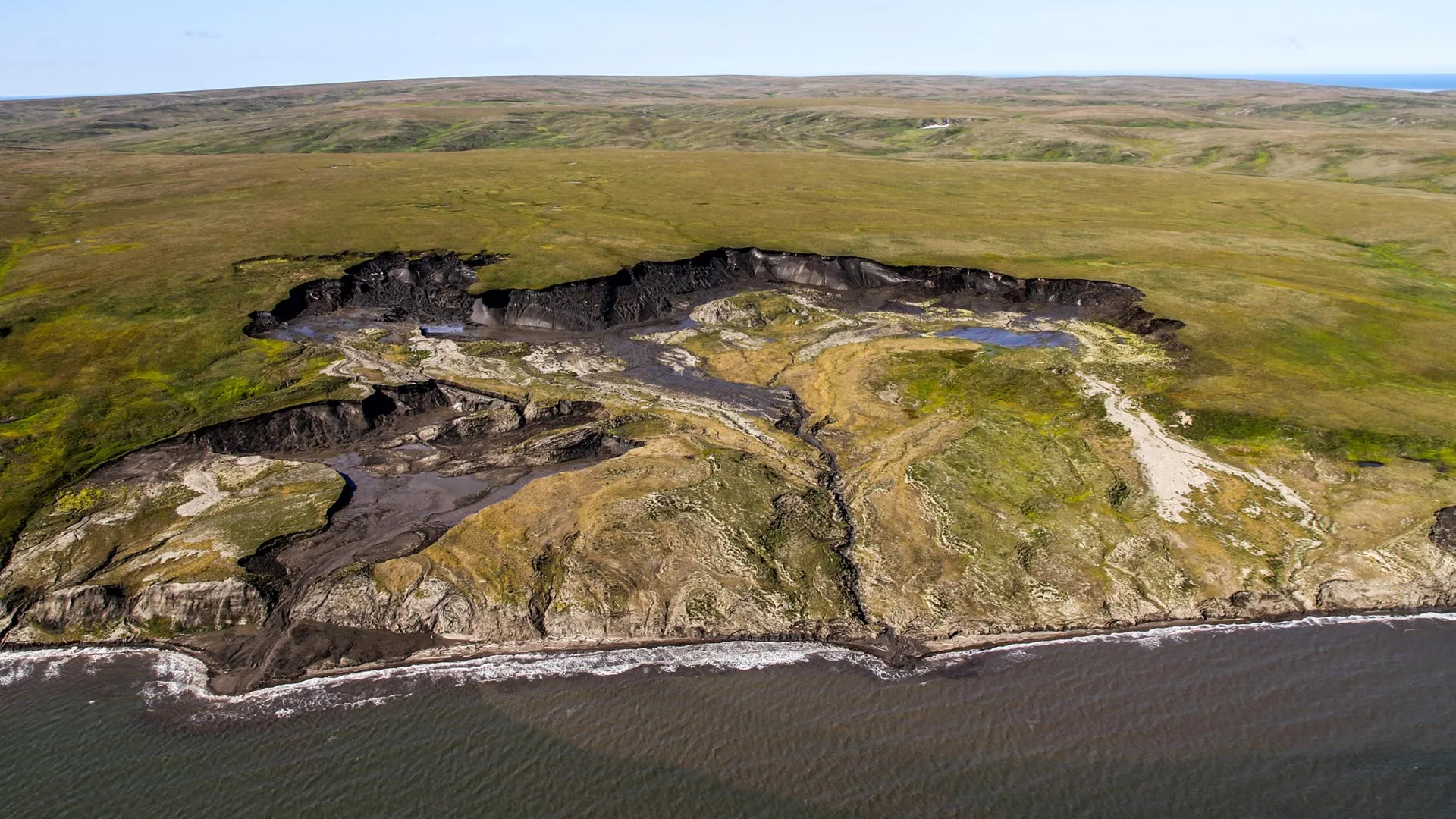
Arctic Carbon Release: Seafloor Sediment Limits Greenhouse Gas Impact
Sediment cores pulled from the seabed near Canada's Herschel Island deliver a measured counterpoint to alarm. Thawing permafrost is releasing ancient carbon into the ocean, yet the data show most of it gets buried in the seafloor, with only about 10 percent converted into greenhouse gases. That distinction matters for climate projections. We read this as a validation of integrated observation, not complacency.

Validated Safety Review Confirms Floating Nuclear Plant’s Polar Utility
A validated safety review now confirms what polar infrastructure specialists have long argued: the world's only floating nuclear plant can serve as a reliable utility in the Arctic. Supplying both electricity and heating to isolated communities, the vessel offers a measurable, peer-reviewed path toward energy resilience where grids do not exist. This is not speculative ambition; it is calibrated, empirical evidence. For broader context on Arctic logistics, readers may also consult our coverage of Russia's Northern Sea Route icebreaker financing.

Healy Icebreaker Returns to Seattle Following Engineering Casualty During Trials
The Healy's unplanned return to Seattle on July 13, towed by tugboats after an engineering casualty interrupted its trials, is a stark reminder that even the most capable vessels answer to the sea's unforgiving standards. The Coast Guard's concise statement leaves the damage unspoken, yet the disruption underscores a hard truth: reliability is the quiet backbone of polar operations. As Russia calibrates export revenue for its own icebreaker fleet, the contrast sharpens, our maritime ambitions must be matched by mechanical resilience.

Enhanced Admiral Nakhimov Integrates Advanced Missile Defense Capabilities.
The Admiral Nakhimov's return to service marks a measured, deliberate step in naval modernization. With 80 universal vertical launch cells for heavy strike missiles and 96 long-range surface-to-air launchers, this is not a boast but a calibrated enhancement of maritime defense. The integration is precise, the capability tangible. As Russia also recalibrates export revenue for its Northern Sea Route icebreaker fleet, the pattern is clear: strategic investment in naval power remains a priority. This is ocean intelligence applied to statecraft, plain and effective.

Chinese Research Vessel Transits U.S. Waters, Signals Arctic Expansion.
The Chinese research icebreaker Xue Long has transited U.S. waters, crossing the extended continental shelf in the Bering Sea. This is not a routine passage; it signals a deliberate expansion into Arctic waters. The move carries weight for ocean intelligence, where measured, transparent activity shapes regional understanding. We track these movements because they are empirical markers of shifting marine access. For context on how maritime routes are being recalibrated elsewhere, see our related coverage in "Russia Calibrates Export Revenue for Northern Sea Route Icebreaker Fleet."

EU Sanctions Debate Complicates Russian LNG Restrictions.
The European Union's push to tighten restrictions on Russian LNG has stalled, with Greece leading the resistance. It's a reminder that collective action often collides with national priorities. The bloc's resolve is clear, but unity is the real test here. For broader context on Russia's maritime strategy, our coverage of the Vostok project's Arctic oil launch offers a useful parallel. For now, the question is whether the EU can turn shared climate and security goals into decisive policy.

EU's Yamal LNG Imports Reached $6.8B Before Import Ban
Between January and June, Europe's Yamal LNG imports hit $6.8 billion, with 140 cargoes of 10.25 million tonnes departing Russia's western Arctic. That scale underscores the continent's pre-ban dependence. The numbers are measurable, and they arrived before any formal restriction took hold. This is not alarmism; it is a clear signal of how tightly energy flows can bind policy. For deeper context on how Russia is adapting its Arctic export revenue, see our piece on Russia's icebreaker fleet calibration.