U.S Navy Prepares Aircraft Carrier USS Theodore Roosevelt For Middle East Deployment To Relieve USS George Washington
Our take
The impending deployment of the USS Theodore Roosevelt to the Middle East, relieving the USS George Washington, represents a significant, albeit expected, shift in U.S. naval posture within a region experiencing heightened instability. Following a month of intensive preparation, including participation in the large-scale Rim of the Pacific 2026 exercise off Hawaii, the Roosevelt’s transition underscores the sustained commitment of the U.S. Navy to maintaining maritime security and freedom of navigation in the Persian Gulf. The ongoing uncertainty surrounding the Strait of Hormuz, with 6,000 Seafarers And 400 Ships Remain Trapped Amid Six Months Of Strait Of Hormuz Uncertainty, further amplifies the necessity for a robust naval presence to deter potential threats and ensure the safe passage of vital commercial shipping lanes. This operational tempo, however, highlights the considerable strain on naval resources, especially considering the recent delivery of the final expeditionary sea base, the U.S Navy’s Final Expeditionary Sea Base, The 90,000-Ton USNS Hector A. Cafferata Jr. Delivered, which while enhancing logistical capabilities, does not directly address the persistent need for carrier strike groups in volatile regions.
The Roosevelt’s deployment is not simply a routine rotation; it occurs against a backdrop of complex geopolitical dynamics. The continued conflict has created a precarious environment for maritime operations, demanding heightened vigilance and responsiveness from the U.S. Navy. While the Roosevelt's capabilities – its air wing, advanced radar systems, and robust defensive measures – provide a powerful deterrent, the extended deployments and operational demands place significant pressure on personnel and equipment. The recent incident involving a sailor aboard the USS Abraham Lincoln, where U.S Navy Charges 19-Year-Old Sailor After Apparent Suicide Attempt Aboard USS Abraham Lincoln, serves as a stark reminder of the mental health challenges faced by service members operating in high-stress environments. Maintaining operational readiness while prioritizing the well-being of personnel is a critical balancing act.
Beyond the immediate security concerns, this deployment reinforces the broader strategic implications of U.S. naval power projection. The carrier strike group functions as a mobile, adaptable platform for diplomacy, crisis response, and humanitarian assistance, demonstrating the U.S.’s commitment to regional stability and international law. The data generated by these deployments—from sensor readings to logistical performance metrics—offers valuable empirical insights into naval operational effectiveness in diverse environments. Analyzing this longitudinal data, particularly concerning fuel consumption, maintenance schedules, and personnel performance under duress, can be calibrated to improve future fleet design and operational procedures. The integrated data ecosystem supporting these operations is becoming increasingly crucial for informed decision-making, allowing for real-time adjustments to strategy and resource allocation.
Looking ahead, the sustainability of this level of naval engagement remains a key question. As climate indicators continue to demonstrate the impact of rising sea levels and increasingly frequent extreme weather events on global maritime infrastructure, the demand for naval presence and response capabilities will likely intensify. The ability to adapt naval strategies and technologies to address these emerging challenges, while simultaneously maintaining operational readiness in regions of conflict, will be paramount. The Roosevelt's deployment, and those that follow, will be critical test cases for evaluating the resilience and adaptability of the U.S. Navy in an increasingly complex and unpredictable world.
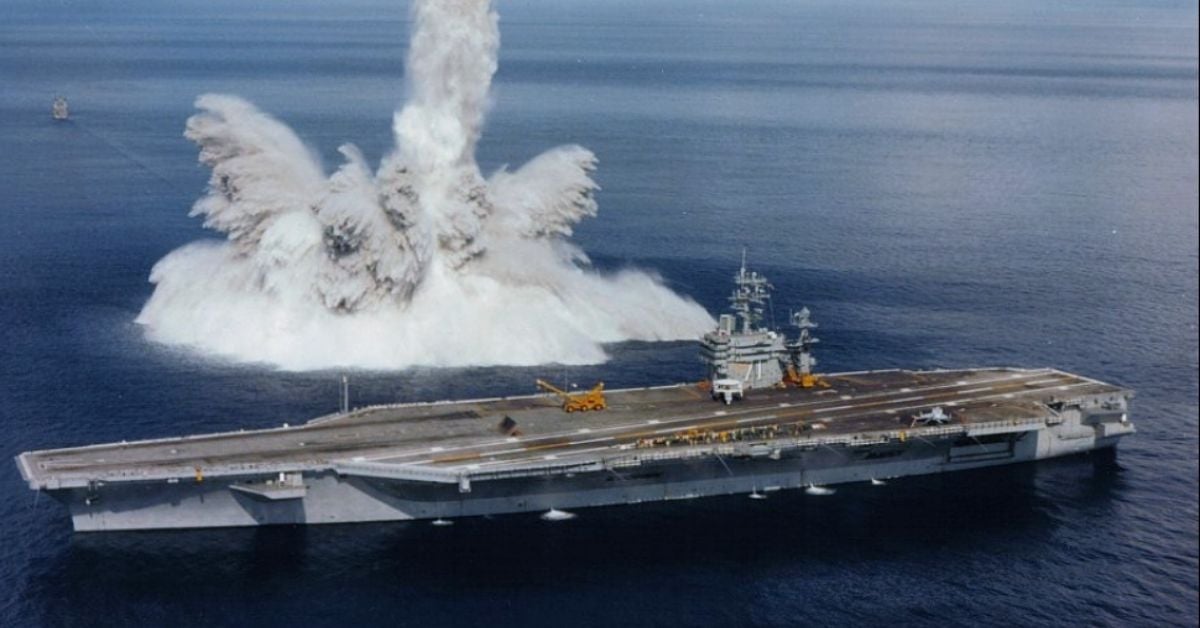
The U.S Navy is planning to send its 4th Nimitz-class Aircraft Carrier, the USS Theodore Roosevelt, to the Middle East to continue its naval blockade against Iran in the Arabian Sea. The warship will also replace another carrier, the USS George Washington.
According to sources, Roosevelt would remain in the region for 7 months; however, its commanding officer has told the sailors that they should be prepared for a longer stay extending to even 8 months.
The carrier has been preparing for this deployment for the entire month after leading the largest maritime exercise, the Rim of the Pacific 2026, off Hawaii.
Longer Middle East Deployments, have, however, taken a toll on the mental health of U.S Navy sailors. The 5000 personnel on the carrier USS Abraham Lincoln, which remained in the Gulf waters for over 5 months, almost 250 days without a port call, reported several such cases.
One sailor even attempted to jump from the warship. The families of the sailors spoke to the Naval Secretary about shortage of food, clean water, delay in mail, clogged toilets, which exacerbated their anxiety.
Now similar concerns are being raised about the deployment of USS Theodore Roosevelt, though officials said it would make a port call in Thailand so sailors might relax and rejuvenate.
Chief of Naval Operations Adm. Daryl Caudle said that the Navy is trying to streamline the processes and supply chains so it can avoid the issues it met with the Abraham Lincoln carrier.
As the Navy is preparing to rotate its vessels in Middle Eastern waters, Treasury Secretary Scott Bessent has announced an economic D-Day to further pressure Iran and isolate it by preventing its oil exports, which would force it to get back on the negotiating table with Washington.
Read on the original site
Open the publisher's page for the full experience