supply chains
supply chains at World Data Ocean is a file of 16 stories. The newest of them: “Chartering tankers through Hormuz to secure India's oil supply chains”, “Revised Bid Signals Shifting Currents in Global Maritime Valuation”, and “Expanded Naval Presence Calibrated for Red Sea Shipping Security”. India's refiners are chartering tankers through the Strait of Hormuz, a calculated response to rising risk in a waterway that moves a fifth of global oil. Hapag-Lloyd's decision to revise its $4.2 billion bid for Zim Integrated Shipping Services signals a recalibration of how the market values maritime assets. A Global Hub for Ocean Intelligence 4 World Data Ocean is a centralized digital platform where researchers, scientists, and ocean enthusiasts converge to… The list below is every supply chains story on World Data Ocean, newest first.
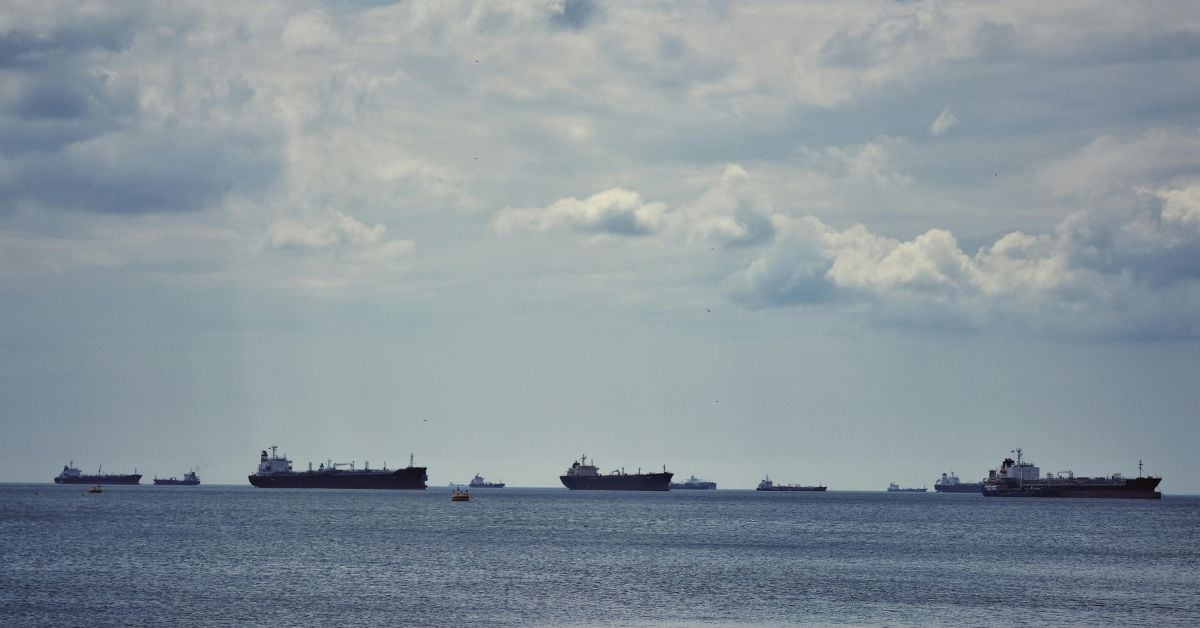
Chartering tankers through Hormuz to secure India's oil supply chains
India's refiners are chartering tankers through the Strait of Hormuz, a calculated response to rising risk in a waterway that moves a fifth of global oil. Rather than deploying their own vessels, they are shifting procurement strategy to secure supply chains with measurable precision. This is not alarm, it is calibrated adaptation. For deeper context on how these disruptions are reshaping global routes, see our related coverage of rising Red Sea crude flows.
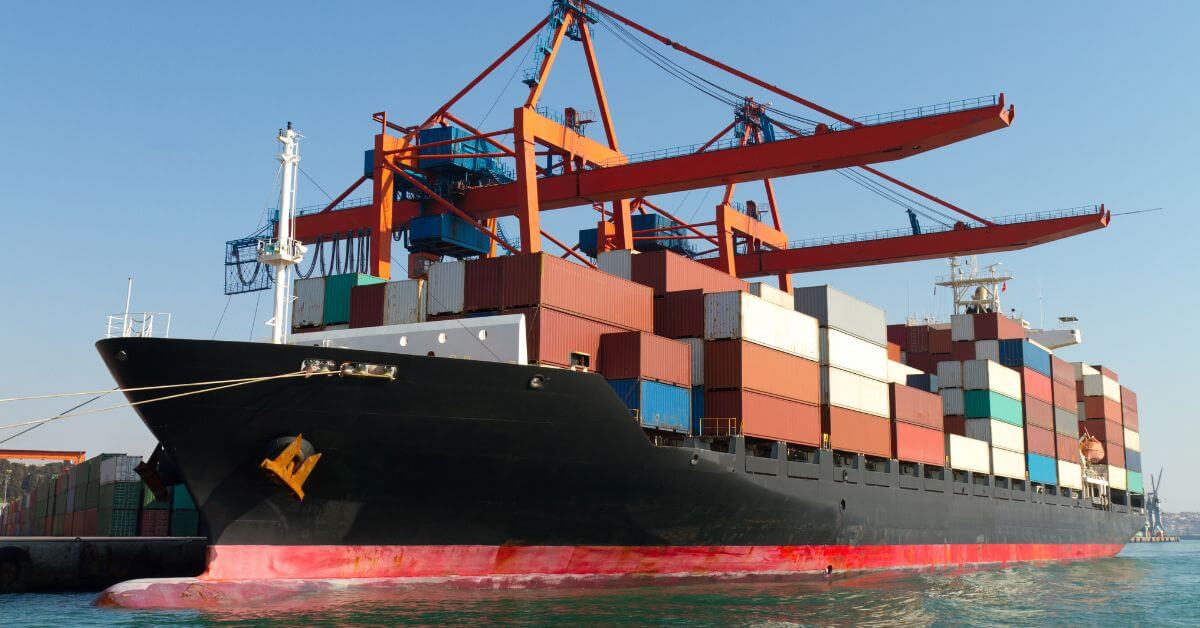
Revised Bid Signals Shifting Currents in Global Maritime Valuation
Hapag-Lloyd's decision to revise its $4.2 billion bid for Zim Integrated Shipping Services signals a recalibration of how the market values maritime assets. This is not a retreat, it is a measured response to shifting currents in global trade and geopolitics. As ocean intelligence becomes more empirical and real-time, such moves validate the need for integrated data ecosystems. For deeper context on naval strategy, see our coverage of the British government's £6 billion investment in submarine-support dry docks. Understanding drives protection.
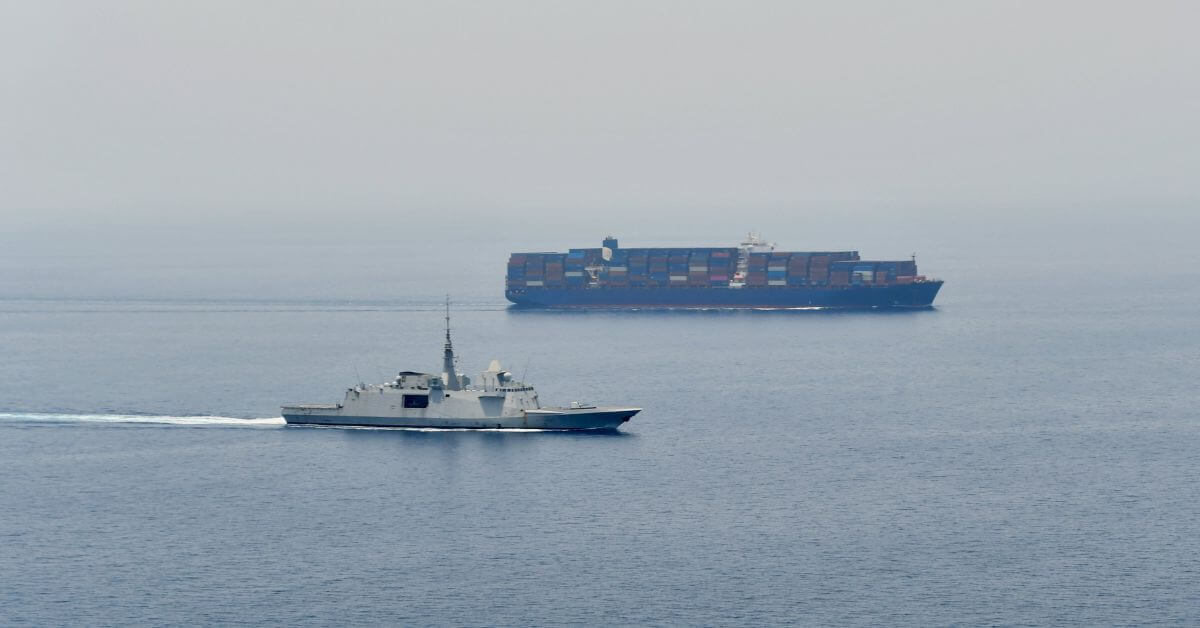
Expanded Naval Presence Calibrated for Red Sea Shipping Security
The European Union's call for more than ten warships to secure Red Sea shipping marks a calibrated response to a persistent threat. Kaja Kallas, the bloc's foreign policy chief, made the case on Monday, framing the expanded naval presence as a necessary measure for maritime stability. The numbers are telling: this is not a symbolic gesture but a concrete commitment.
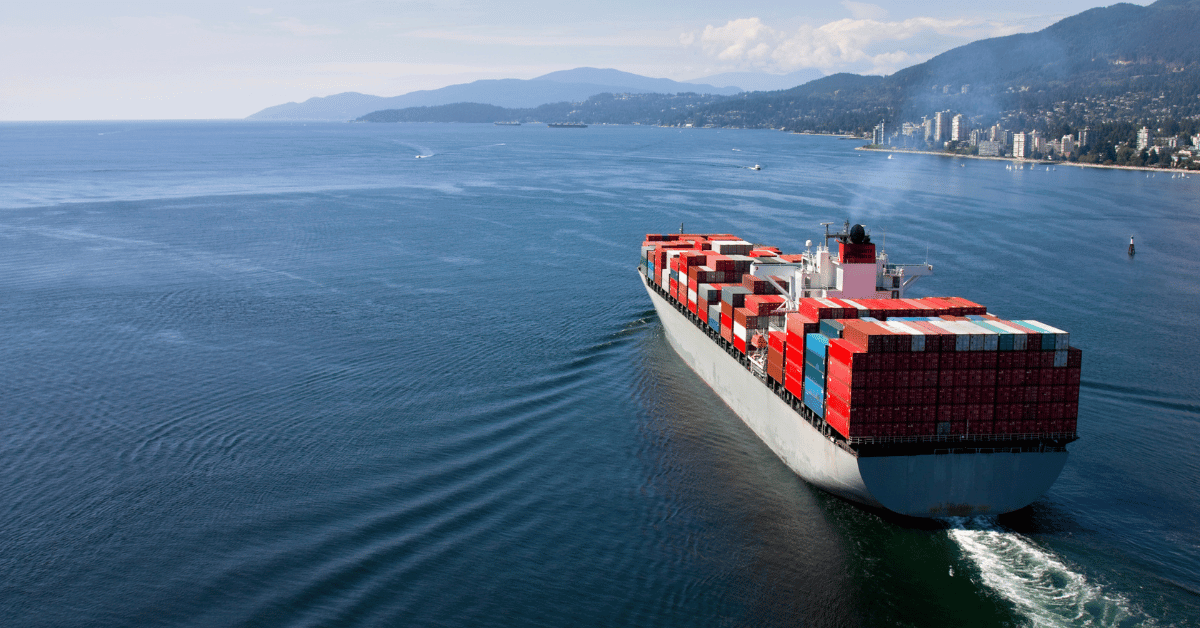
Verified Emissions Reduction: NORDEN and Microsoft Set Maritime Standard
The first verified maritime emissions reduction through the RSB Book & Claim registry is not just a technical achievement; it is a practical template for an industry learning to measure what matters. NORDEN and Microsoft have turned a contractual idea into a documented, peer-reviewed transaction, grounding climate action in data rather than declarations. This is how standards become habits. For more on how ports are optimizing their own integrated systems, see our coverage of terminal crane and truck coordination.
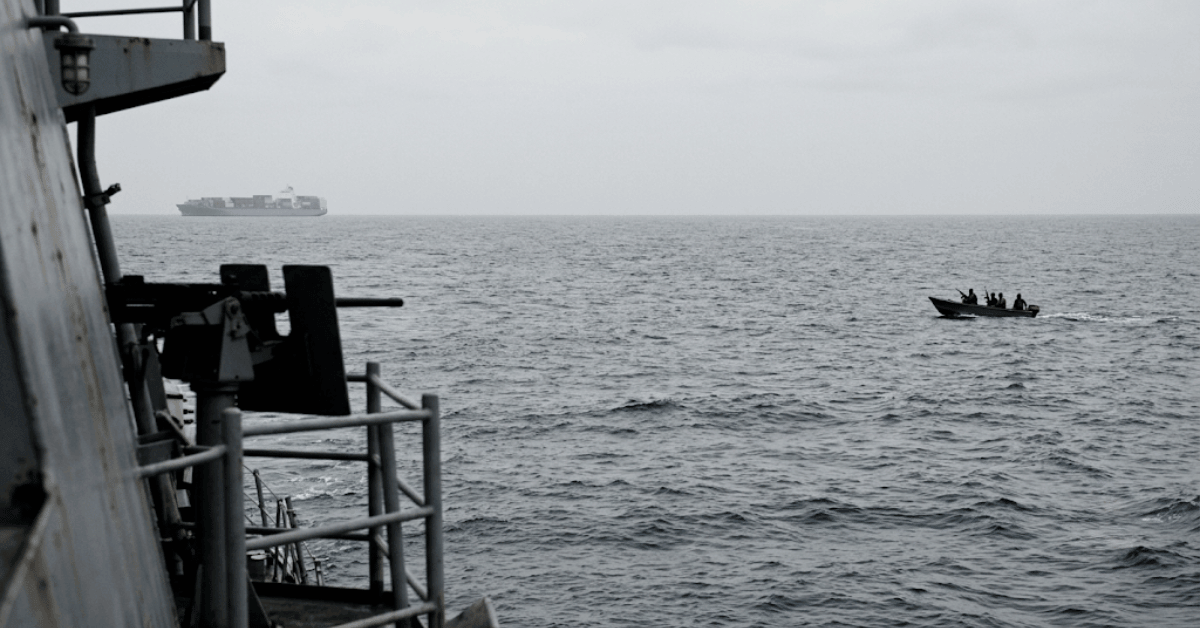
Integrated Maritime Security: Red Sea Nations Enhance Ocean Intelligence Efforts
The Red Sea's security perimeter is tightening as Ethiopia, Yemen, Djibouti, and Somalia move to align their maritime strategies against rising piracy, trafficking, and regional friction. This is not abstract policy; it is the practical work of building an integrated data ecosystem where ocean intelligence becomes a shared asset. For readers tracking how these dynamics unfold, our related coverage on Gulf of Oman STS transfers offers useful context on the region's commercial pressures. Cooperation here is measured, deliberate, and long overdue.

Maritime Professionals Honored for Service to UK Shipping Industry
Eleven seafarers have earned the Merchant Navy Medal for their service to the UK shipping industry, a recognition that carries weight where it matters most: at sea. This honor reflects the steady, often unseen work that keeps global trade moving and maritime operations sound. We value recognition grounded in demonstrated contribution, and this award delivers exactly that. For more on how maritime efforts extend beyond commerce into security, see our coverage of recent drug interdictions supporting ocean safety. Congratulations to all honored.
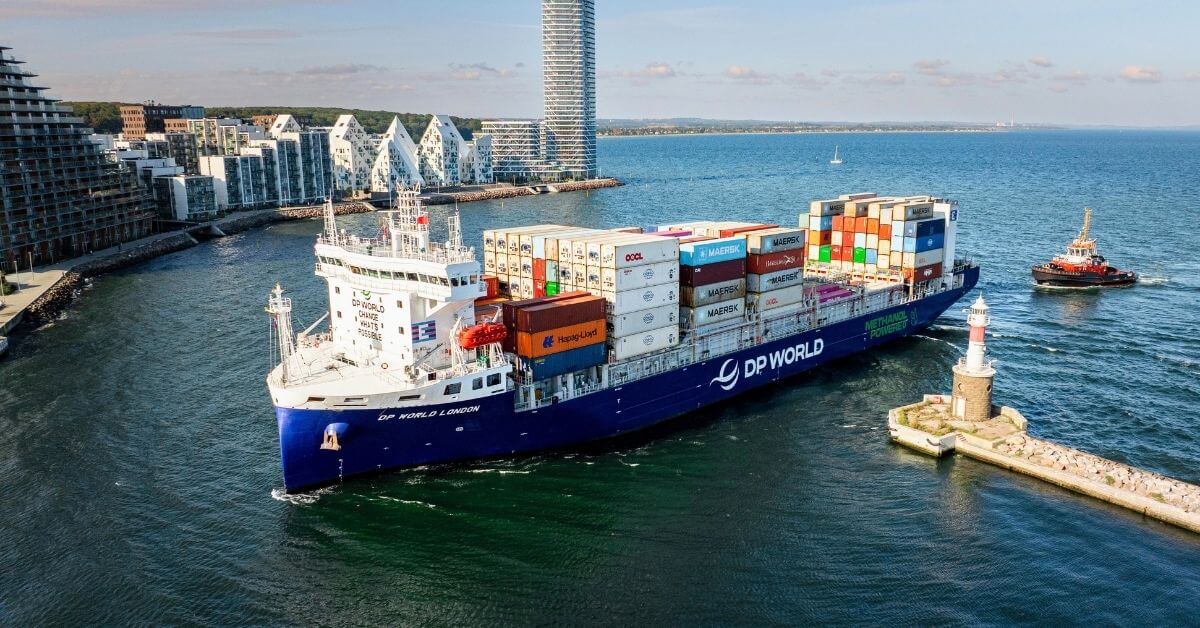
DP World Launches First Methanol-Powered Vessel, Advancing Sustainable Shipping
DP World has named its first methanol dual-fuel vessel at a ceremony in Aarhus, Denmark, marking a concrete step toward lower-emission shipping. The move aligns with the kind of practical, measurable progress the maritime sector needs. Methanol offers a viable path forward, and this launch signals intent backed by action. For readers tracking ocean security and infrastructure developments, our coverage of the U.S. Coast Guard's recent Arctic pier contract complements this story well.
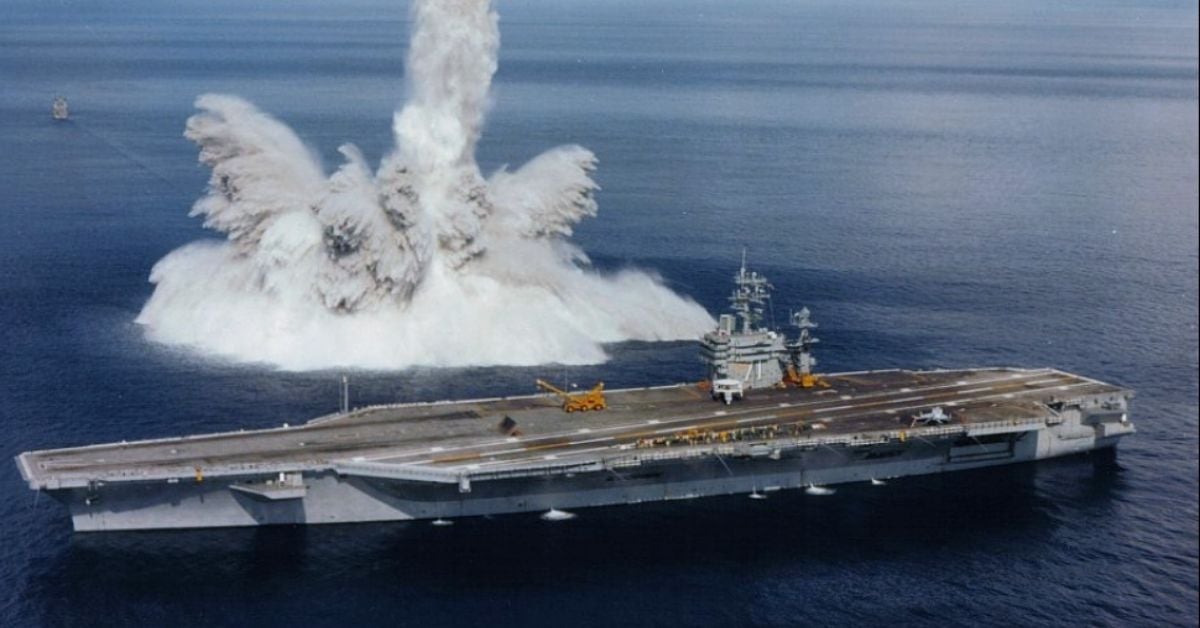
Transition of Naval Power: USS Theodore Roosevelt Heads to the Middle East
The USS Theodore Roosevelt now heads to the Middle East, closing a month of preparation that followed its command of the Rim of the Pacific 2026 exercise off Hawaii. The transition underscores how naval power is shifting from static presence to agile, integrated force projection. This deployment arrives as our coverage highlights parallel pressures: the Gulf of Oman STS transfers maxing out amid rising Saudi exports, and the Navy's push to accelerate autonomous systems integration.
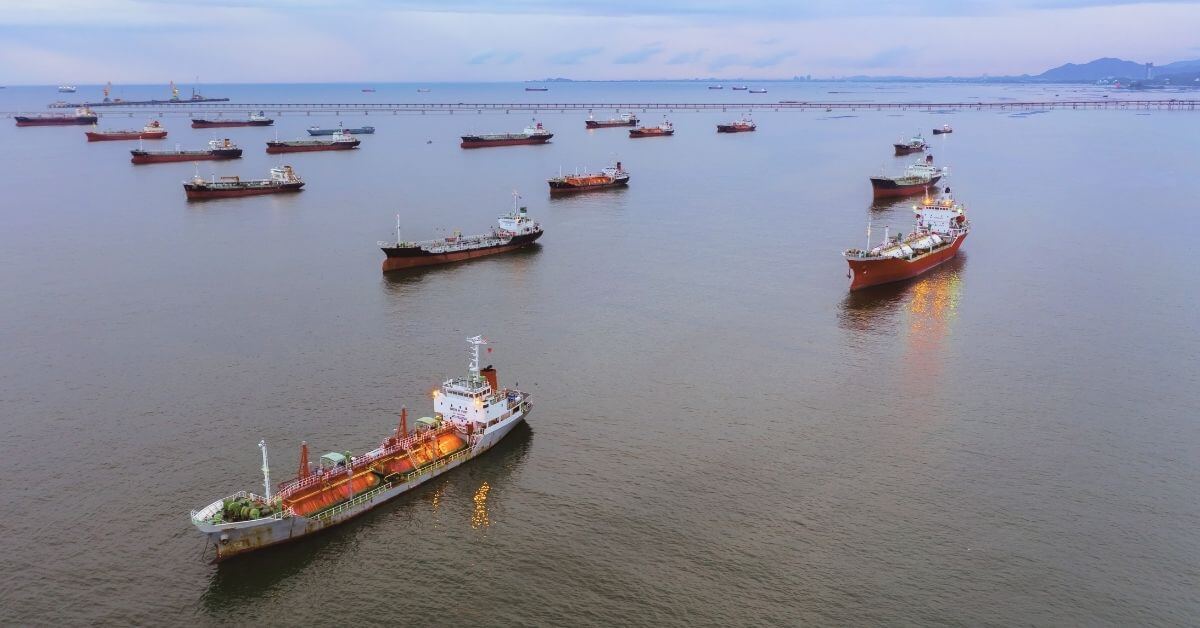
Strait of Hormuz Impasse: Uncertainty Impacts Thousands of Seafarers.
Since late February, the Strait of Hormuz has become a holding pattern for thousands of seafarers. The impasse leaves crews in limbo, their movements frozen by geopolitical friction that shows no sign of easing. It is a precarious position for the people who keep global energy moving. For context on how regional dynamics are straining maritime operations, our coverage of the Gulf of Oman STS transfers offers a related look at the pressure points.

Collaborative Shipbuilding Advances Naval Capabilities for Peru and HD Hyundai
Chimbote marks the first step in a four-vessel program that pairs Peru with HD Hyundai Heavy Industries, delivering frigates and offshore support ships to strengthen the Peruvian Navy. This is pragmatic, measurable progress in naval capability, and we see it as a signal of how collaborative shipbuilding accelerates regional readiness. The work aligns with broader maritime security discussions, such as our coverage in "Expanded Naval Presence Calibrated for Red Sea Shipping Security," where fleet capacity directly shapes operational confidence.

Navy Drone Data Transmission Raises Cybersecurity Concerns, Ministry Confirms
A routine cyber vulnerability check on navy drones took an unexpected turn when the cameras onboard transmitted a squark to a Chinese IP address, the Ministry confirmed. The detail is precise, measurable, and worth pausing on. We do not speculate on intent, but the incident underscores why calibrated, peer-reviewed security protocols are not optional. For broader context on shifting maritime data infrastructure, see our coverage of "Integrated Subsea Infrastructure Shifts to Enhance Indian Ocean Connectivity.

Rhine River Lows: Disruptions Loom for European Supply Chains.
The Rhine's falling water levels are more than a seasonal inconvenience; they are a looming fracture for European logistics. As the river risks splitting into two disconnected zones, the halt of shipping on this critical stretch threatens to sever a vital artery for continental trade. This is a measurable disruption, a clear climate indicator demanding attention. For context on how environmental stress is reshaping global routes, our coverage of reduced canal transits offers a broader perspective.

Rapid 3D Printing at Sea: Enhancing Naval Operational Independence
Aboard naval vessels, the ability to print a critical component on demand transforms readiness. This trial directly targets the logistical bottleneck of shore-based supply chains, putting manufacturing power into the crew's hands. It is a practical step toward operational independence, reducing wait times for essential parts. The implications for sustained maritime presence are significant. For broader context on how navies are adapting, our related piece, "India Projects Expanded Naval Fleet to Navigate Evolving Maritime Landscape," offers further perspective.

Shipping Industry Cautions Against Transit Tolls in Strait of Hormuz
The shipping industry is pushing back against proposed transit tolls in the Strait of Hormuz, urging caution as Iran and Oman reportedly near an agreement to manage the waterway. The stakes are measurable: this is a critical artery for global energy, and adding costs now could ripple across supply chains still recalibrating from past disruptions. The concern is legitimate, though negotiation details remain thin.

AI and Robotics Drive Modernization of US Shipyards
The integration of AI and robotics into U.S. shipyards marks a deliberate step toward modernization, with two companies agreeing to collaborate across the full lifecycle, from construction to operations. This is not speculative ambition; it is a calibrated response to operational demands. We see this as a practical alignment of emerging technology with industrial necessity.

Integrated Data Drives Port Efficiency and Digital Transformation.
Port efficiency depends on how well data moves between ship, shore, and terminal. Marine Insight's global reach combined with Infyz's AI-driven operational expertise creates a practical path toward digital transformation. This collaboration prioritizes measurable outcomes over hype. For readers tracking maritime security's broader impact, our coverage of recent interdictions, including "Maritime Interdictions Yield 25,000 Pounds of Cocaine, Supporting Ocean Security," reinforces the same principle: integrated intelligence drives real-world results. Understanding drives protection, and here, it also drives throughput.