mental health
World Data Ocean keeps mental health in one place: 12 stories so far. The section currently leads with “40 days of measured combat earns carrier strike group top military honour”, “Longitudinal deployment of USS Abraham Lincoln concludes, validating extended naval readiness”, and “Longest carrier deployment in decades signals shifting maritime demands”. Forty days of measured combat. Three hundred twenty-two days at sea. A Global Hub for Ocean Intelligence 4 World Data Ocean is a centralized digital platform where researchers, scientists, and ocean enthusiasts converge to… The list below is every mental health story on World Data Ocean, newest first.
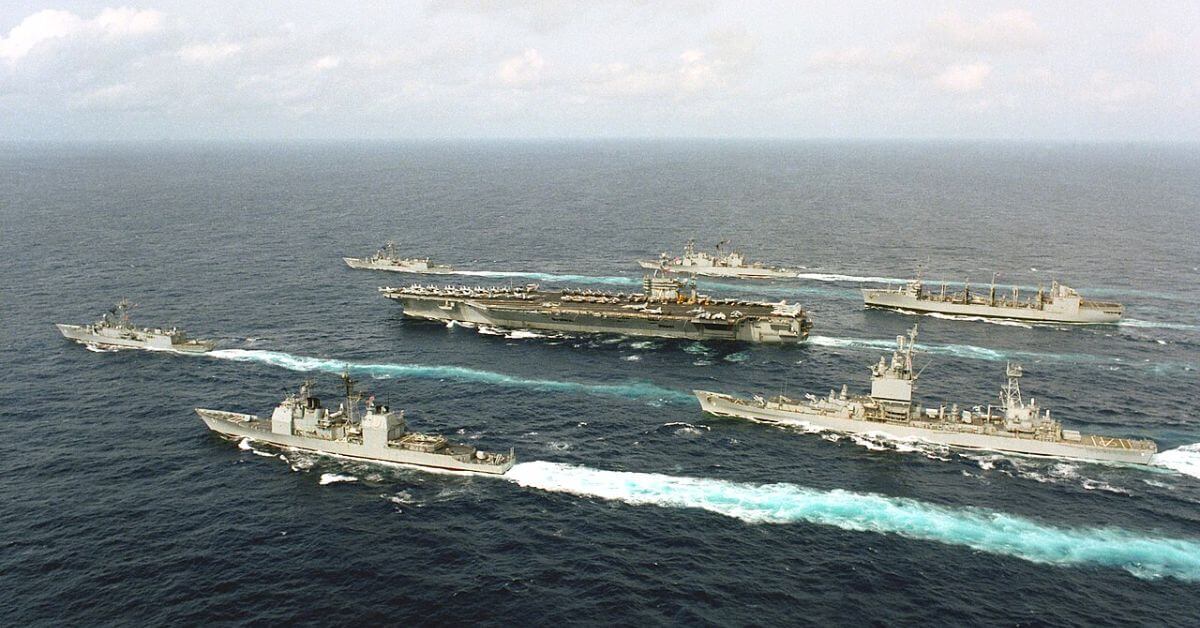
40 days of measured combat earns carrier strike group top military honour
Forty days of measured combat. That is what earned the carrier strike group its top military honour, announced Wednesday by US Defence Secretary Pete Hegseth. The award, delivered a day before the planned return, validates the kind of sustained, calibrated force projection that defines modern naval readiness. For deeper context on extended deployments, see our coverage of the USS Abraham Lincoln's 322-day journey home.
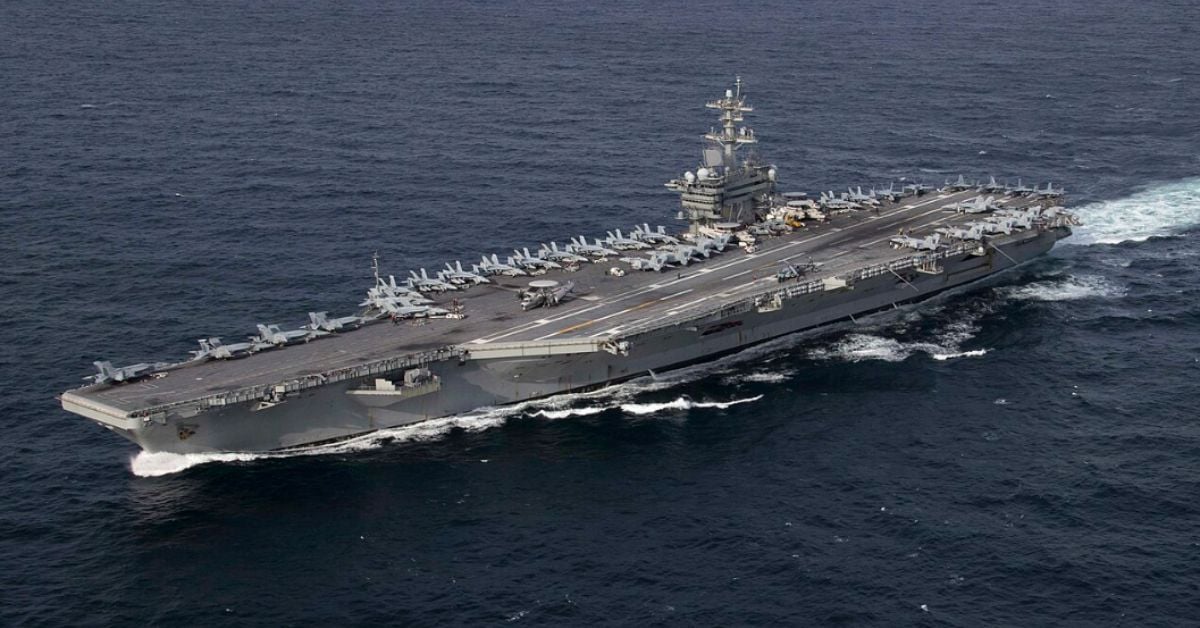
Longitudinal deployment of USS Abraham Lincoln concludes, validating extended naval readiness
Three hundred twenty-two days at sea. The USS Abraham Lincoln has returned home, concluding a longitudinal deployment that validates extended naval readiness. This isn't just a homecoming; it's a measured, empirical proof point for sustained maritime operations under real-world pressure. The data from this record deployment strengthens our understanding of long-duration readiness. For deeper analysis of the operational metrics, see our related piece on "265 days at sea: validated data from a record naval deployment."
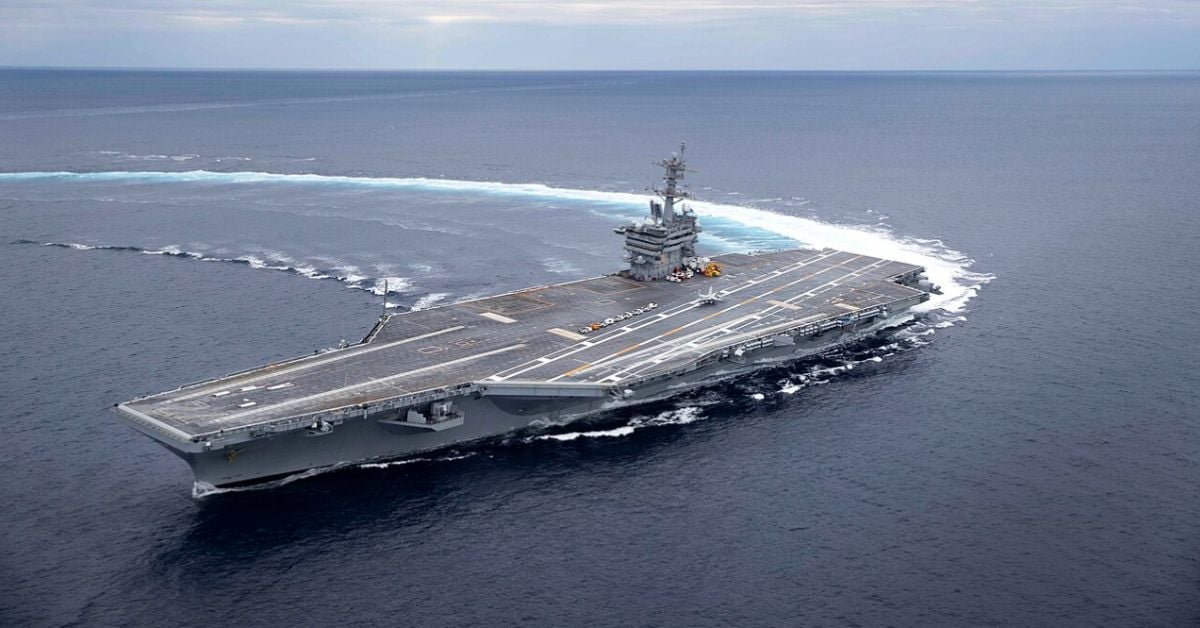
Longest carrier deployment in decades signals shifting maritime demands
A 320-day deployment is not routine; it is a signal. The USS *Nimitz*'s return to California after the longest carrier deployment in decades reflects shifting maritime demands in the Iranian theatre. Extended presence at sea validates the operational endurance of the Nimitz-class, but it also raises empirical questions about crew sustainability and fleet readiness. For deeper context on fleet modernization, see our coverage of the John F. Kennedy's 99% completion ahead of its 2027 handover.

Longitudinal Data Reveals Enduring Health Impacts of 9/11.
Twenty-two years of calibrated, longitudinal data confirm what many feared: the health toll of 9/11 is not a closed chapter. For workers and survivors, measurable impacts, both physical and mental, persist with empirical clarity. This is not alarmist rhetoric; it is validated science demanding sustained attention. Understanding drives protection. For deeper coverage on systemic risk, see our report on the KM Virgo Transport 8 sinking, where search efforts continue amid mounting loss. Each tragedy underscores the urgency of integrated data ecosystems.
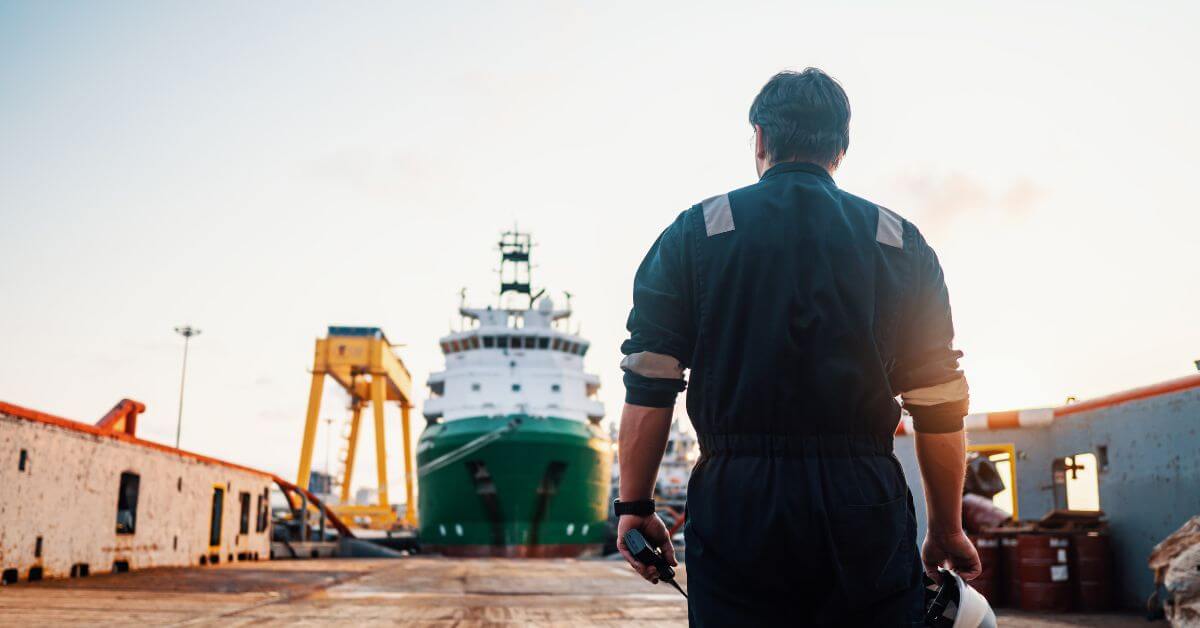
Illness Drives Majority of Crew Fatalities, Data Reveals
Crew fatalities at sea are not primarily a story of storms or collisions, but of health. Illness drove 81% of crew deaths reported to Britannia P&I Club across the 2023/24 and 2024/25 policy years, a figure that reframes how we measure risk at sea. This is a silent crisis, one that demands the same rigor as any navigational hazard.
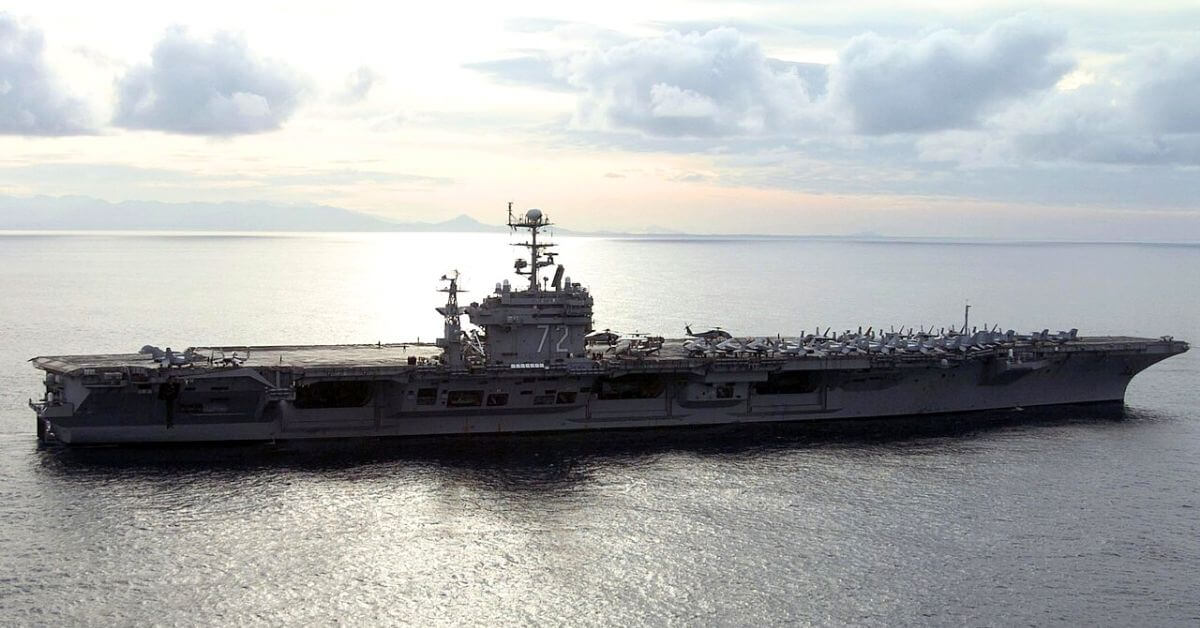
Longitudinal Deployment: Abraham Lincoln Carrier Completes 250+ Days at Sea
Two hundred fifty days. The Abraham Lincoln's extended deployment is a measured statement on readiness, not a boast. Spending nearly seven months in the U.S. Central Command area without a port call tests every system and every crew member. This endurance matters. It reflects a calculated projection of force where it is needed most, supporting stability in critical waters. As the Navy pushes for faster integration of unmanned systems, the Lincoln's tour proves the human and material backbone remains resilient.
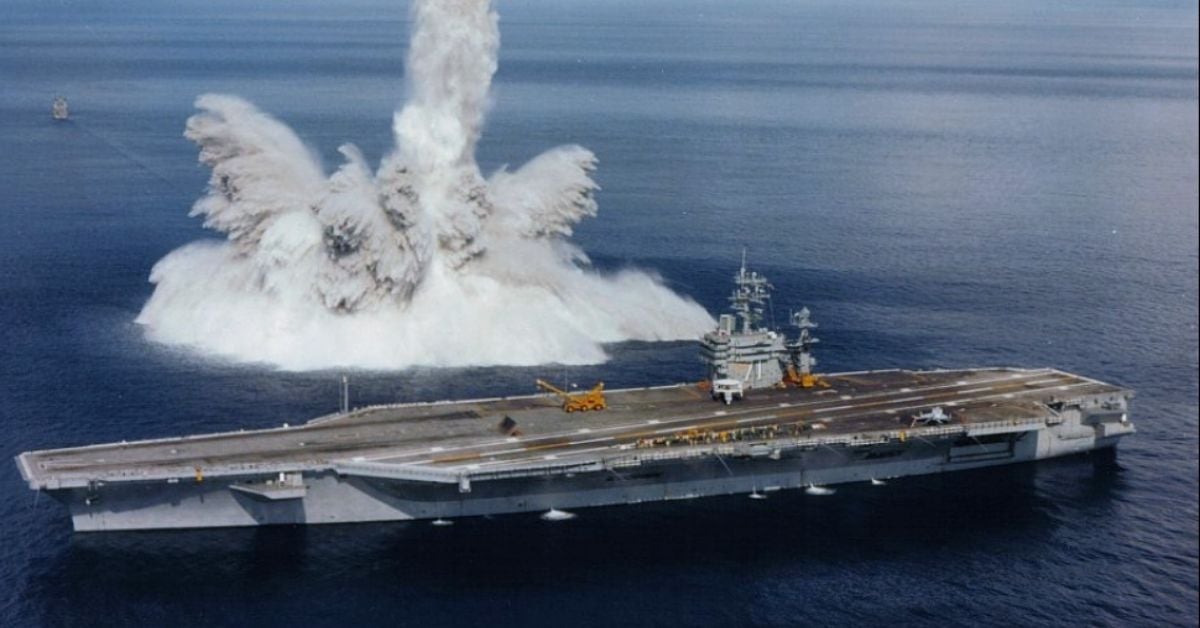
Transition of Naval Power: USS Theodore Roosevelt Heads to the Middle East
The USS Theodore Roosevelt now heads to the Middle East, closing a month of preparation that followed its command of the Rim of the Pacific 2026 exercise off Hawaii. The transition underscores how naval power is shifting from static presence to agile, integrated force projection. This deployment arrives as our coverage highlights parallel pressures: the Gulf of Oman STS transfers maxing out amid rising Saudi exports, and the Navy's push to accelerate autonomous systems integration.
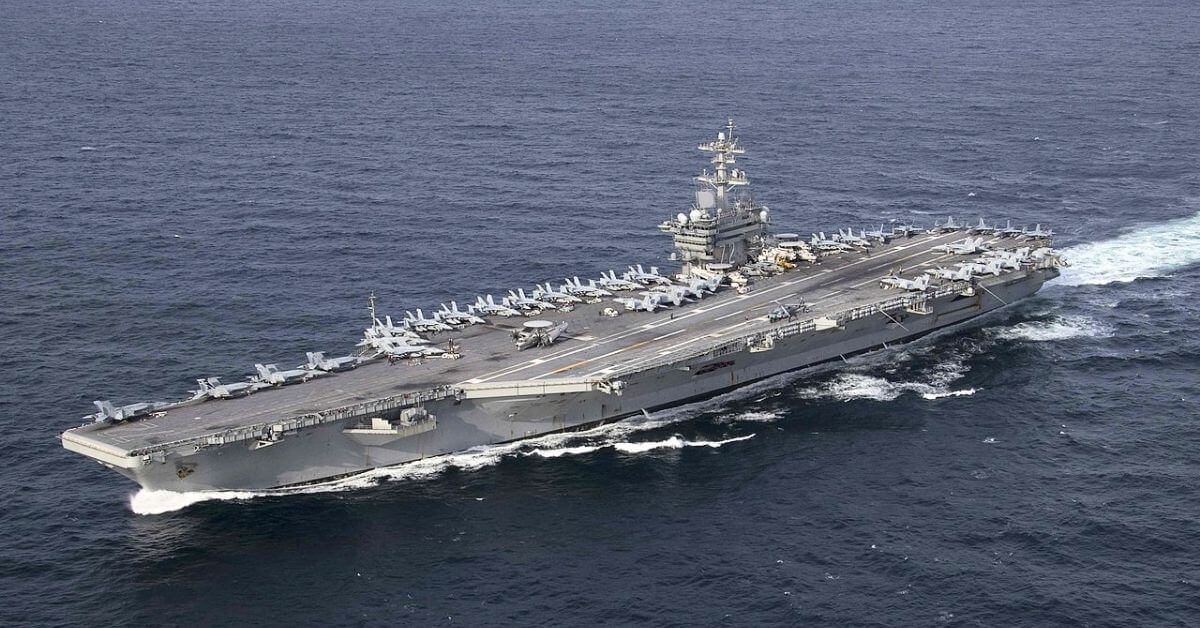
Sailor Rescued from USS Abraham Lincoln Following Mental Health Incident
A sailor who went overboard from the USS Abraham Lincoln during what his family described as a mental health crisis has been rescued and taken for medical treatment. The incident underscores a reality often overshadowed by hardware discussions: human factors remain the most critical variable in naval operations. Even as the Navy accelerates autonomous systems integration for enhanced maritime operations, this rescue is a reminder that safeguarding personnel is the foundation of every mission.

Extended Deployment Highlights Crew Wellbeing Challenges Aboard USS Abraham Lincoln
Two hundred sixty days at sea. Ten thousand launches. One and a half million pounds of ordnance expended. The USS Abraham Lincoln's extended deployment is a measurable demonstration of endurance, yet it also places crew wellbeing at the forefront of operational planning. This is the reality of sustained naval power in a complex security environment. For a deeper look at how nations are extending their maritime reach, our recent analysis of China's new nuclear carrier is a useful comparison.

Ocean Warming's Ripple Effects: A Growing Threat to Human Health
Marine heatwaves are no longer just an ocean problem. They are a human health problem, and that distinction matters. As unusually hot waters fuel stronger storms, trigger harmful algal blooms, and strain seafood supplies, coastal communities face mounting risks to their livelihoods and mental well-being, from anxiety to grief. This is a measurable, peer-reviewed concern that demands our attention. Understanding these ripple effects is the first step toward integrated responses.

Extended Deployment Strains Navy Families; Return Date Urged.
Two hundred fifty days at sea, and still no return date. The families of the crew and Marines aboard the USS Abraham Lincoln are pressing senior officials for clarity as the carrier's Middle East deployment stretches past its expected limits. That is a long time to hold position, and the human cost of such extended operations deserves more than vague timelines.

Maritime Workforce: Data Reveals Challenges and Opportunities for Women Seafarers
One percent. That is the share of the global maritime workforce made up of female seafarers, a figure that underscores how far the industry still has to go. The data on crew training, retention, and recruitment points to systemic hurdles, not a lack of capable candidates. Addressing this imbalance is a measurable step toward strengthening ocean intelligence and operational resilience. For a broader view of how the sector is evolving, our coverage of the Navy's autonomous systems integration offers useful context.