USS Theodore Roosevelt
USS Theodore Roosevelt at World Data Ocean is a file of 11 stories. The newest of them: “Carrier Presence Shifts as Middle East Naval Posture Reduces to Two Vessels”, “Three carrier strike groups now converge in Middle Eastern waters”, and “Three US Nuclear Carriers Could Converge in the Middle East by Late 2026”. The USS George Washington's departure after only three months reduces the U.S. Three carrier strike groups now converge in Middle Eastern waters, with USS Theodore Roosevelt joining as the third American naval force in the region. A Global Hub for Ocean Intelligence 4 World Data Ocean is a centralized digital platform where researchers, scientists, and ocean enthusiasts converge to… The list below is every USS Theodore Roosevelt story on World Data Ocean, newest first.
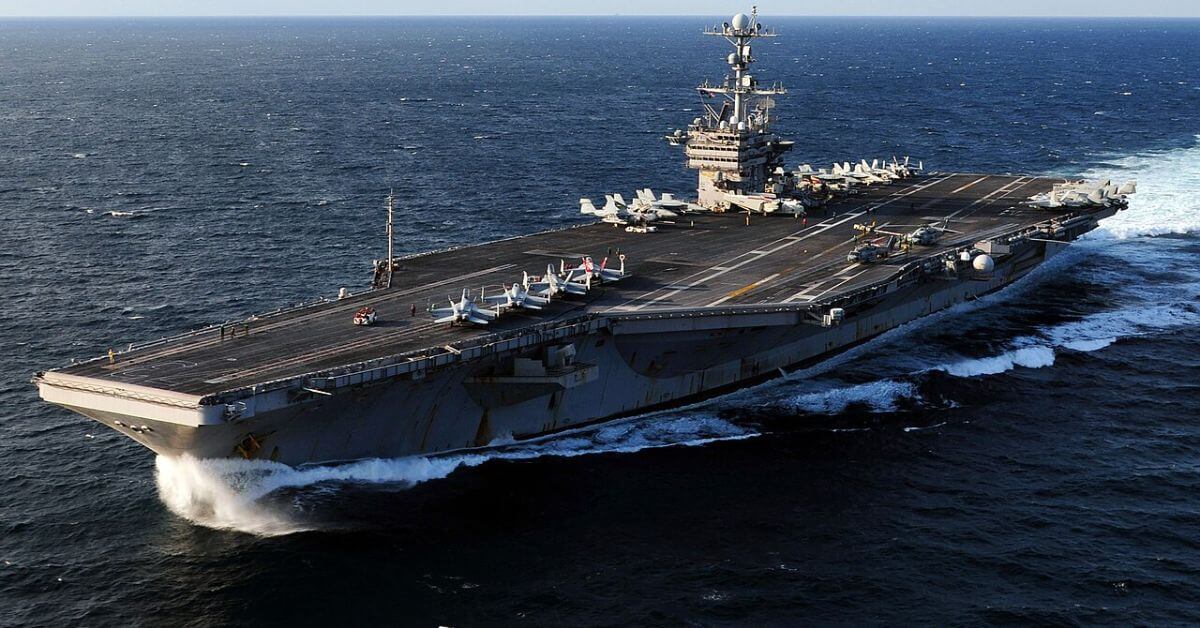
Carrier Presence Shifts as Middle East Naval Posture Reduces to Two Vessels
The USS George Washington's departure after only three months reduces the U.S. carrier presence in the Middle East to two vessels: the USS George H.W. Bush and USS Theodore Roosevelt. This is a calibrated, measurable shift in naval posture, not a withdrawal. The remaining carriers sustain credible force projection while signaling a deliberate recalibration of resources. For context on parallel maritime cooperation, see our coverage of the Quad nations aligning patrol operations for 2027.
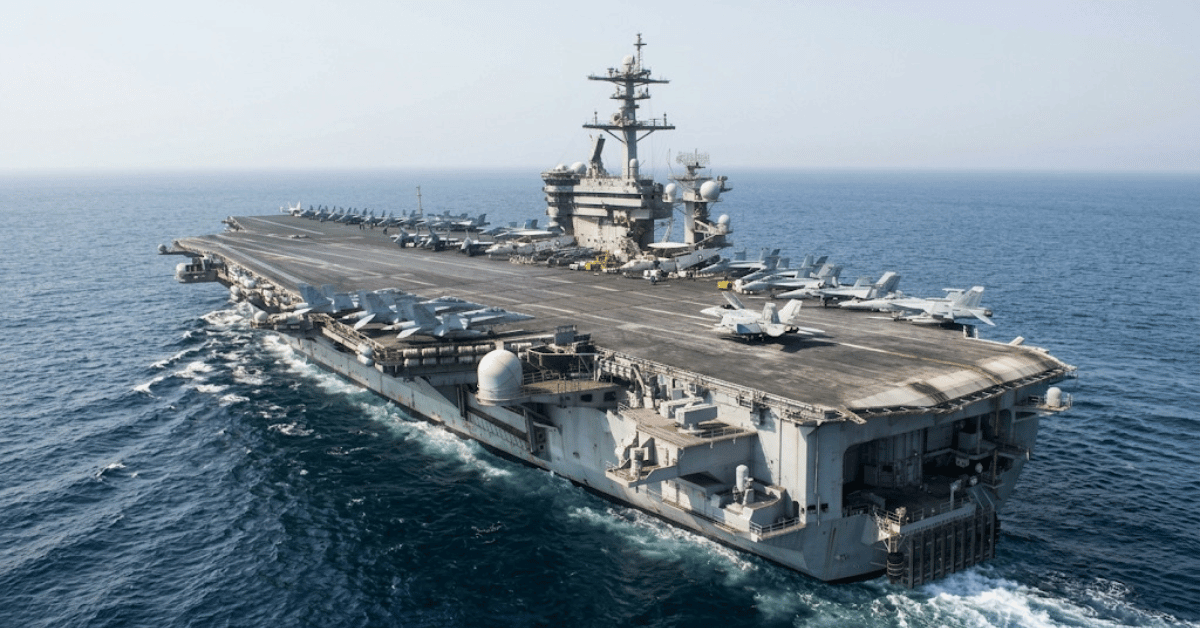
Three carrier strike groups now converge in Middle Eastern waters
Three carrier strike groups now converge in Middle Eastern waters, with USS Theodore Roosevelt joining as the third American naval force in the region. This concentration of maritime power signals a deliberate response to escalating threats, just days after Iran's embassy in South Africa issued threats against USS Spruance officers, and a supertanker sank after a mine strike in the Strait of Hormuz. Measured force, not alarm, defines our approach to ocean security. For deeper context, read our coverage of the supertanker loss.
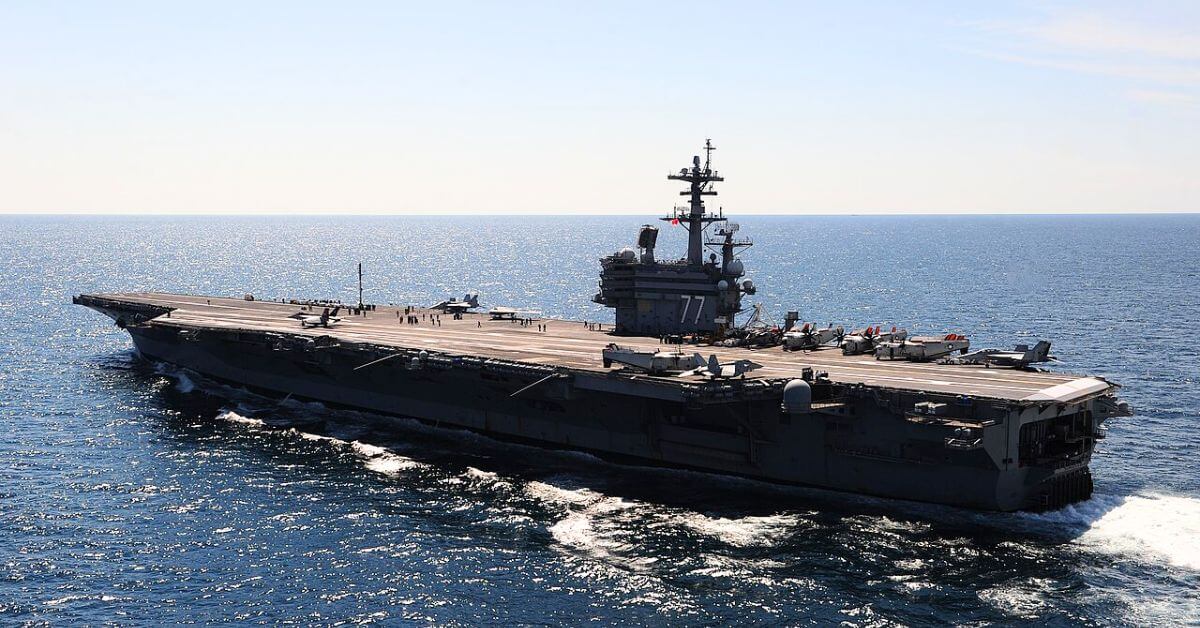
Three US Nuclear Carriers Could Converge in the Middle East by Late 2026
The simultaneous positioning of three US nuclear carriers in the Middle East by late 2026 marks a calibrated demonstration of naval presence. USS Theodore Roosevelt, having reached Singapore on November 6, could join USS George H.W. Bush and USS George Washington in the region. This convergence, validated by operational timelines, signals measurable intent. For deeper context on regional maritime dynamics, our coverage of Iraq and US alignment on Gulf oil routes near Omani waters provides empirical grounding.
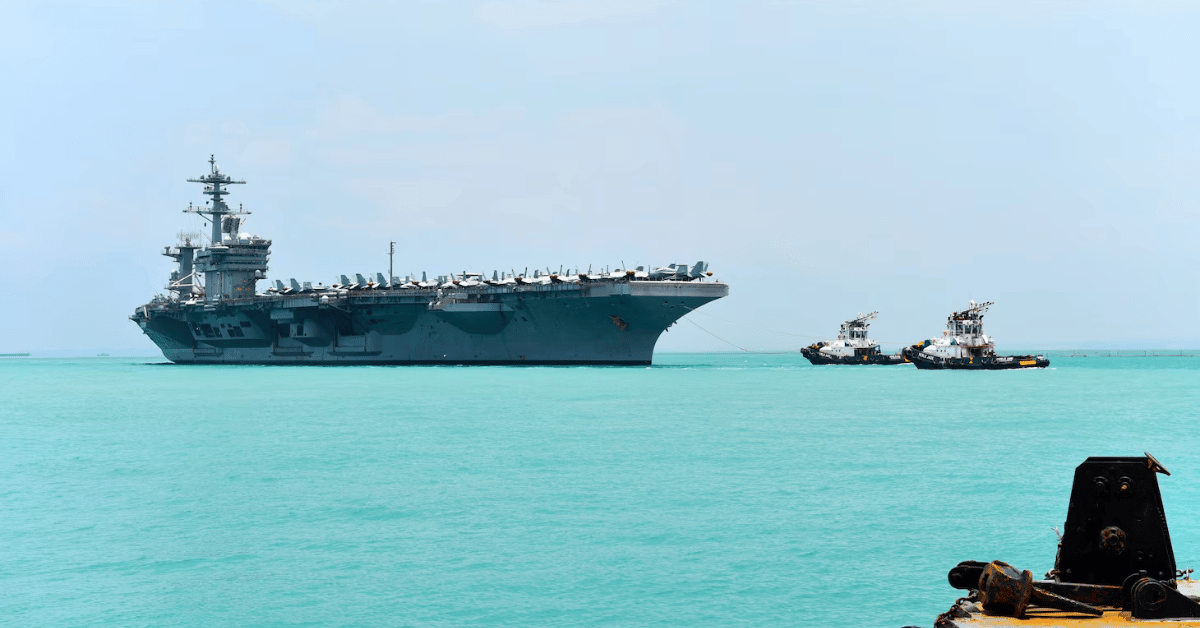
Nuclear Carrier Roosevelt Ties Strategic Port Call to Global Maritime Data
The USS Theodore Roosevelt's port call in Singapore is more than a routine naval stop, it's a strategic link to global maritime data. As the carrier prepares to transit the Malacca Strait, its presence underscores the value of integrated, real-time ocean intelligence for security and climate monitoring. Understanding drives protection, from naval operations to the collaborative science explored in "Continental Shelf Science Charts a Collaborative Course for the Blue Economy."
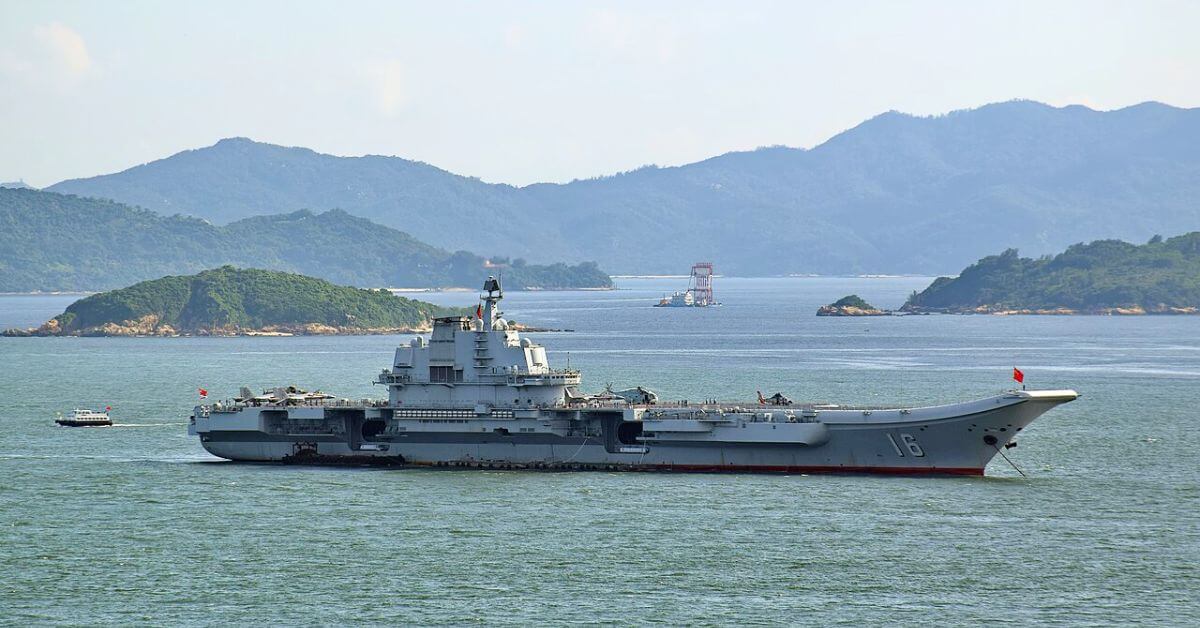
Carrier Group Liaoning Deploys Toward Southern Philippines Amid Pacific Exercises
On October 14, the Liaoning carrier group deployed into the Pacific, now moving toward the southern Philippines amid regional exercises. This measured display of maritime capacity signals evolving ocean intelligence. For deeper context on how data and naval strategy converge, see our related coverage on AI and oceanography predicting coastal cesium levels, a reminder that ocean stewardship demands both empirical rigor and strategic clarity.
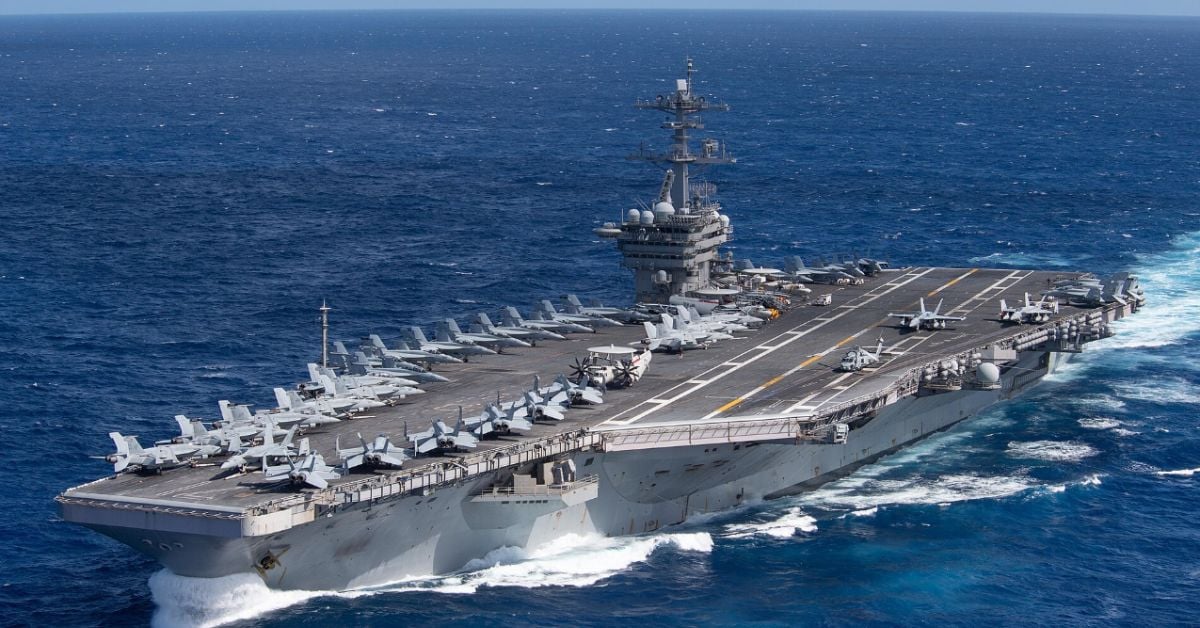
Carrier Roosevelt Arrives in Yokosuka as Pacific Exercises Begin
The USS Theodore Roosevelt, destroyer Decatur, and cruiser Chosin arrived in Yokosuka on Friday as Pacific exercises begin. This measured, forward deployment demonstrates integrated naval power and a commitment to regional stability. Understanding drives protection, and these operations provide empirical data on readiness. For deeper context on maritime security challenges, see our coverage of the cargo spill in the Strait of Hormuz.
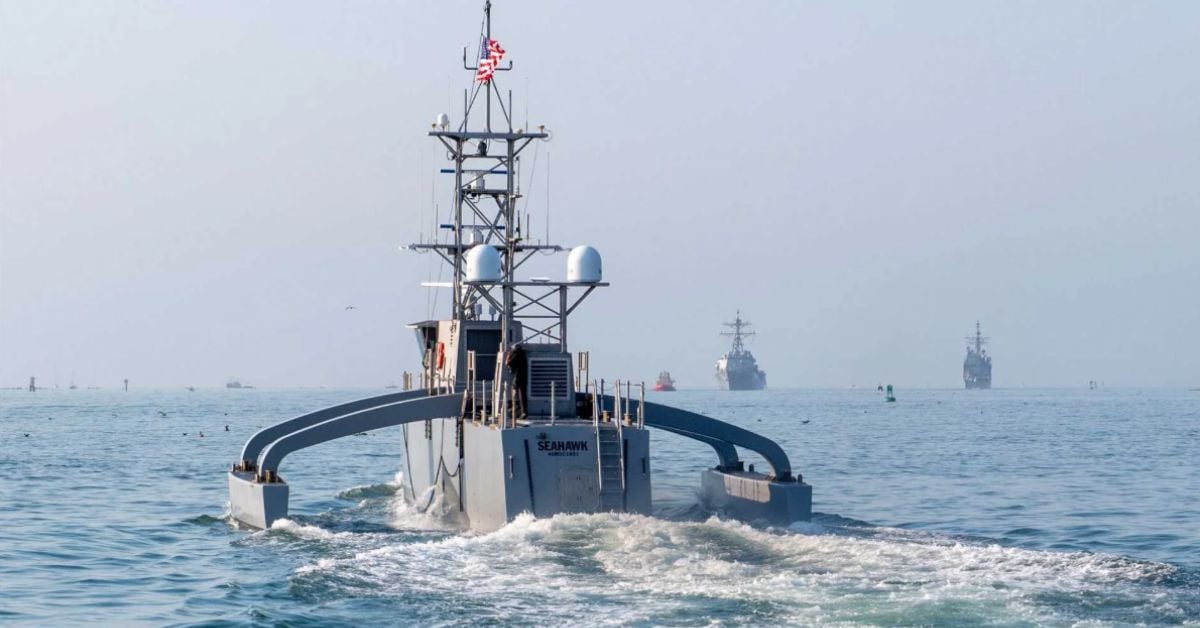
Autonomous surface vessel joins carrier strike group in historic first
For the first time in U.S. naval history, an unmanned surface vessel has completed a sustained deployment with a carrier strike group. This is not a test run or a proof of concept, it is operational integration. Autonomous systems are no longer hypothetical; they are sailing alongside crewed warships, recalibrating what naval power means. The shift is measurable and real. For deeper context on how maritime demands are evolving, see our coverage of the longest carrier deployment in decades.
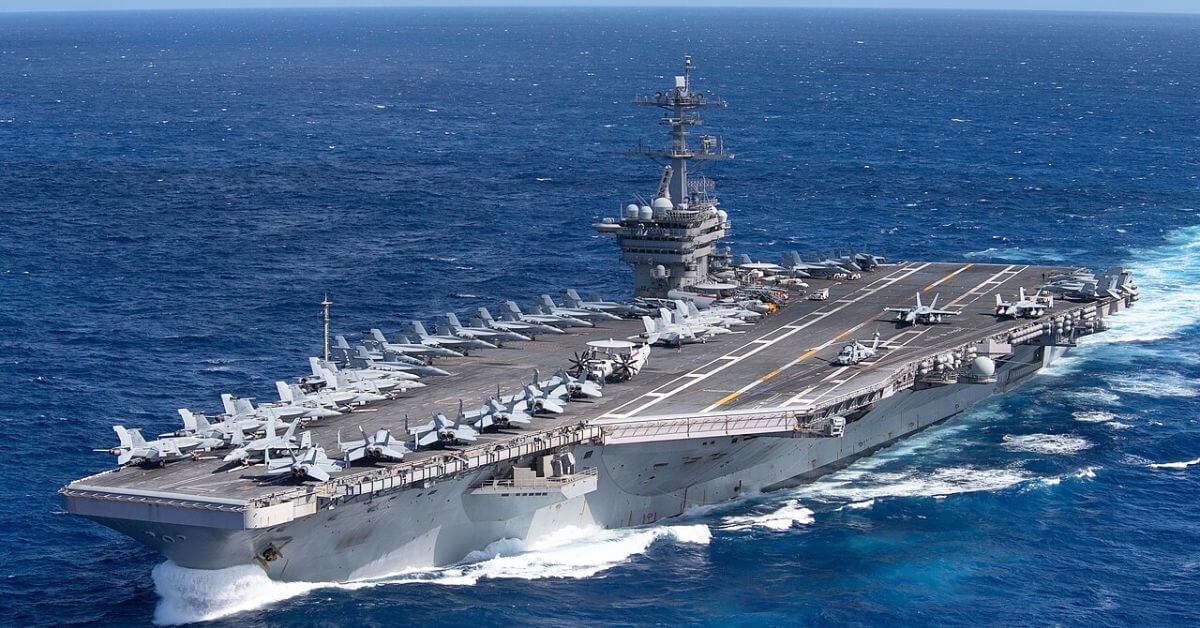
US Naval Deployments Continue as Middle East Operations Extend to Eighth Month
The USS Theodore Roosevelt carrier strike group departed San Diego on Sunday, with the USS Makin Island amphibious readiness group following a day later, extending US naval deployments in the Middle East into an eighth month. Sustained presence reflects measured, strategic commitment, not escalation theater. For context on regional risk, our coverage of projectiles striking tankers near the Strait of Hormuz underscores why such deployments remain calibrated responses to measurable threats. Operational endurance matters, but the data driving these decisions matters more.
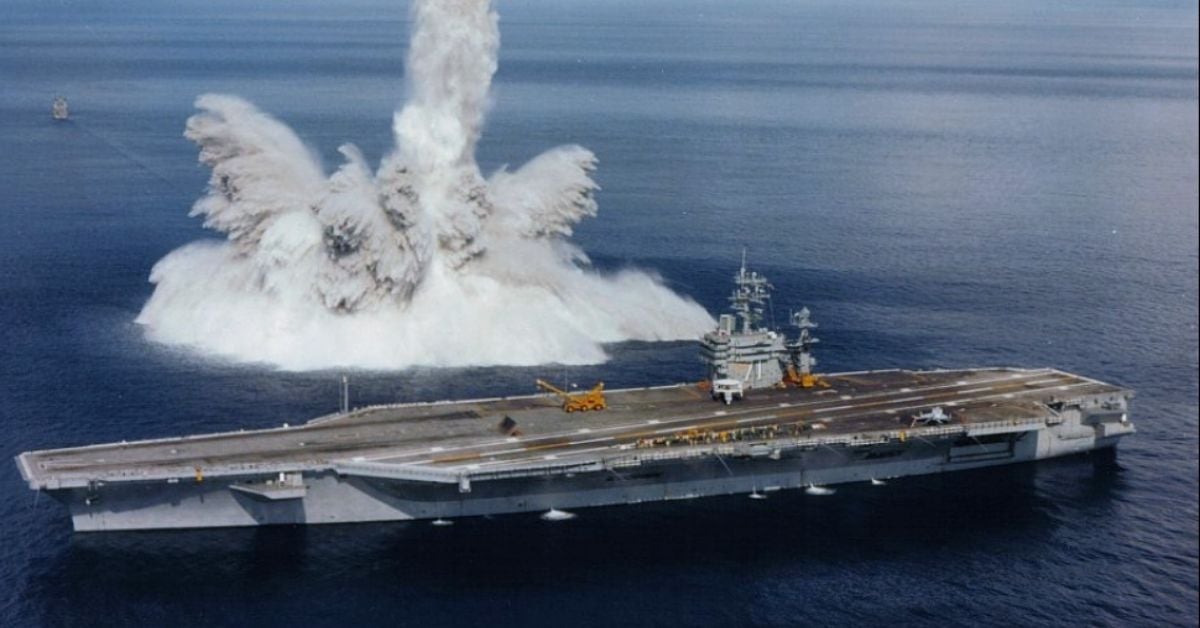
Transition of Naval Power: USS Theodore Roosevelt Heads to the Middle East
The USS Theodore Roosevelt now heads to the Middle East, closing a month of preparation that followed its command of the Rim of the Pacific 2026 exercise off Hawaii. The transition underscores how naval power is shifting from static presence to agile, integrated force projection. This deployment arrives as our coverage highlights parallel pressures: the Gulf of Oman STS transfers maxing out amid rising Saudi exports, and the Navy's push to accelerate autonomous systems integration.

On-Demand Repairs: Navy Ships Leverage 3D Printing at Sea
The USS Theodore Roosevelt printed replacement parts at sea on July 3, 2026, using a hybrid-metal 3D printer during Rim of the Pacific exercises. This is maintenance redefined: repairs happen where the ship is, not where the supply chain says it should be. The capability shortens downtime and extends operational reach, a practical answer to a persistent logistical problem. For context on how navies are adapting to broader strategic pressures, India's fleet expansion offers a useful parallel.

Extended Deployment Strains Navy Families; Return Date Urged.
Two hundred fifty days at sea, and still no return date. The families of the crew and Marines aboard the USS Abraham Lincoln are pressing senior officials for clarity as the carrier's Middle East deployment stretches past its expected limits. That is a long time to hold position, and the human cost of such extended operations deserves more than vague timelines.