Nimitz class
8 stories filed under Nimitz class on World Data Ocean. The newest of them: “Incident during carrier recovery operations injures four Navy sailors”, “Naval Innovation: Aircraft Carrier Ford to Power Norfolk Base.”, and “Naval Aviation's Future: HII Secures Contract for Next-Generation Carrier”. Aircraft recovery operations are among the most demanding tasks at sea. The USS Gerald R. A Global Hub for Ocean Intelligence 4 World Data Ocean is a centralized digital platform where researchers, scientists, and ocean enthusiasts converge to… The list below is every Nimitz class story on World Data Ocean, newest first.
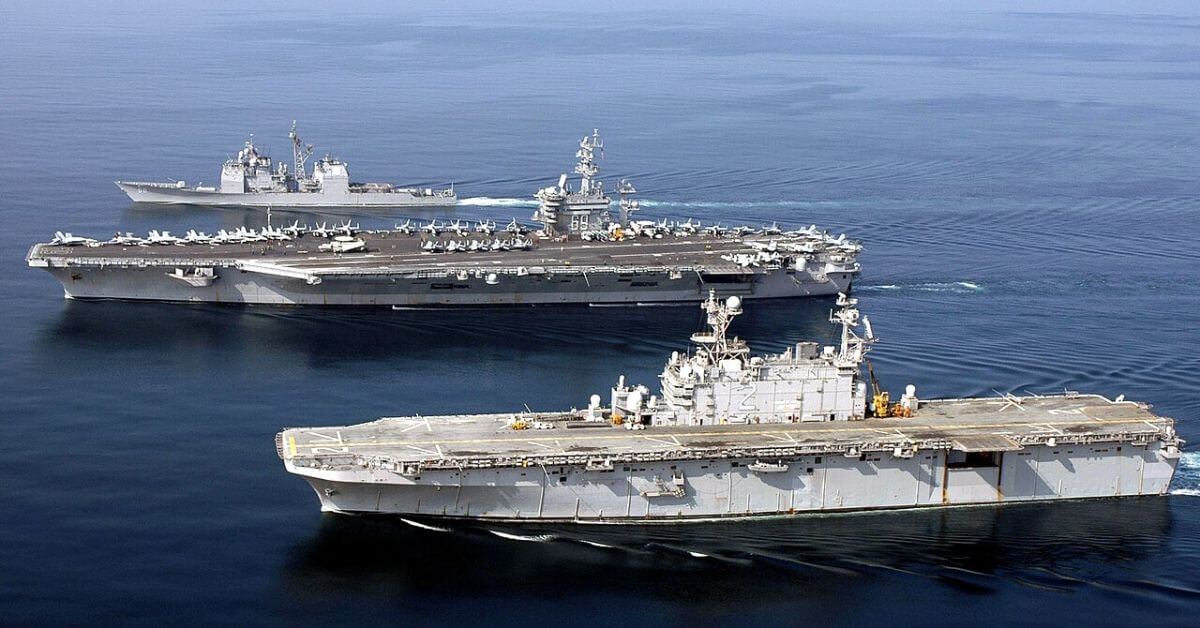
Incident during carrier recovery operations injures four Navy sailors
Aircraft recovery operations are among the most demanding tasks at sea. On Sept. 28, at 6:18 p.m. EDT, a Nimitz-class carrier experienced an incident that injured four Navy sailors. We take no comfort in reporting these events, but they underscore the human cost behind every operational cycle. The Navy's concurrent push to integrate autonomous systems, detailed in our article "Navy Accelerates Autonomous Systems Integration for Enhanced Maritime Operations", suggests a future where such risks may be reduced. Safety must remain measurable, not aspirational.
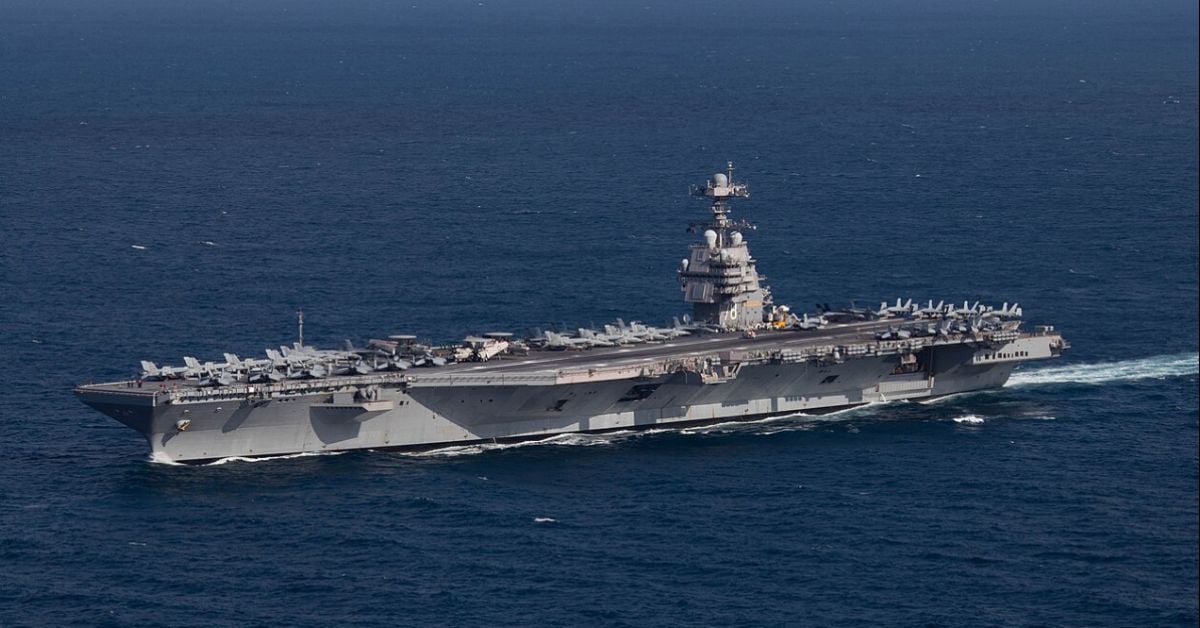
Naval Innovation: Aircraft Carrier Ford to Power Norfolk Base.
The USS Gerald R. Ford, the world's largest aircraft carrier, is set to power a Norfolk naval base, a move that turns operational might into energy resilience. We see this as a practical fusion of defense capability and infrastructure needs, though the details remain scarce. The logic is compelling: leverage a floating reactor for shore-side stability.
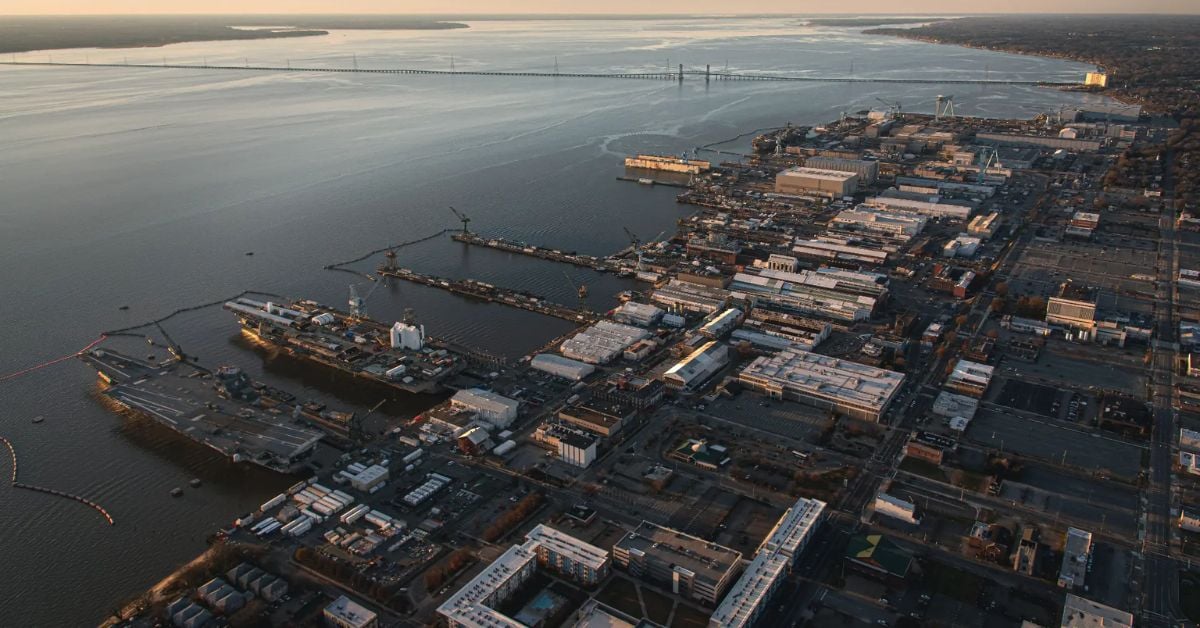
Naval Aviation's Future: HII Secures Contract for Next-Generation Carrier
A $336 million agreement with HII secures the components for CVN 82, a nuclear-powered carrier that will extend the Navy's operational reach. This is a deliberate investment in long-term maritime capability, not a headline-grabbing gesture. The ship represents the kind of sustained, measurable progress that defines modern naval force design. For readers tracking how these platforms fit into a broader picture, our coverage of "China's New Nuclear Carrier Signals Extended Naval Operations Capability" offers useful context.
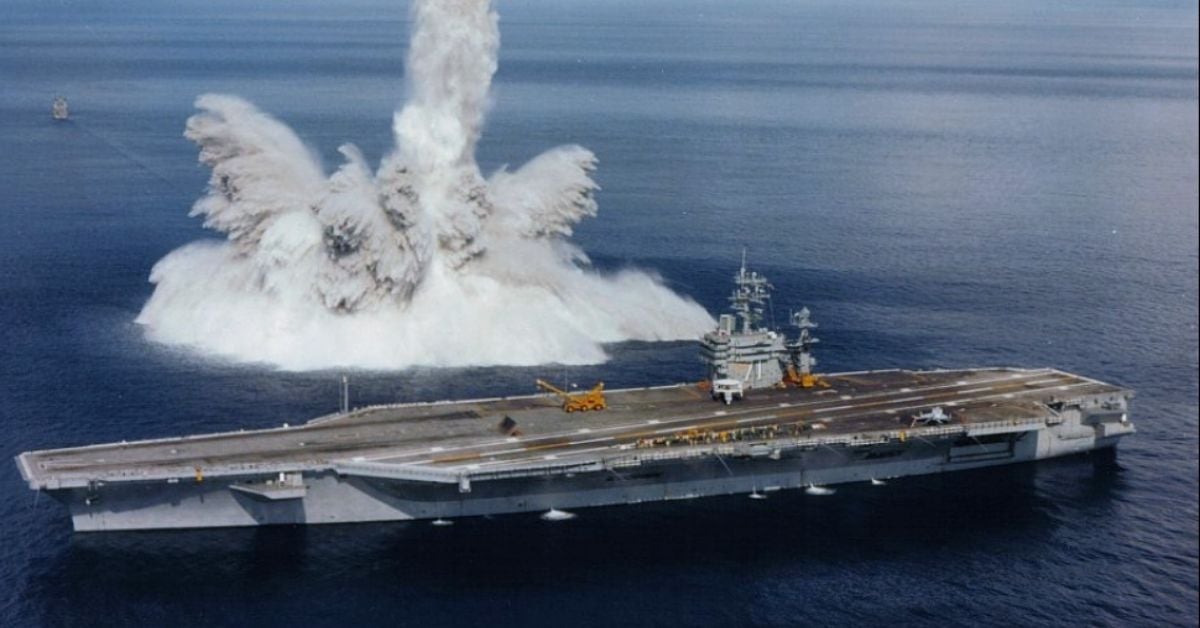
Transition of Naval Power: USS Theodore Roosevelt Heads to the Middle East
The USS Theodore Roosevelt now heads to the Middle East, closing a month of preparation that followed its command of the Rim of the Pacific 2026 exercise off Hawaii. The transition underscores how naval power is shifting from static presence to agile, integrated force projection. This deployment arrives as our coverage highlights parallel pressures: the Gulf of Oman STS transfers maxing out amid rising Saudi exports, and the Navy's push to accelerate autonomous systems integration.

On-Demand Repairs: Navy Ships Leverage 3D Printing at Sea
The USS Theodore Roosevelt printed replacement parts at sea on July 3, 2026, using a hybrid-metal 3D printer during Rim of the Pacific exercises. This is maintenance redefined: repairs happen where the ship is, not where the supply chain says it should be. The capability shortens downtime and extends operational reach, a practical answer to a persistent logistical problem. For context on how navies are adapting to broader strategic pressures, India's fleet expansion offers a useful parallel.

Extended Deployment Highlights Demands on Naval Resources and Crew Welfare
The USS Abraham Lincoln's 250-plus days at sea mark a significant operational stretch, and the confirmation of its replacement underscores the mounting strain on naval resources. This is not merely a scheduling matter; it is a calibration of endurance against welfare. The carrier's extended deployment highlights a tangible tension between mission demands and crew sustainability. As the Navy accelerates autonomous systems integration for enhanced maritime operations, this moment raises a pressing question: can innovation keep pace with the human cost of prolonged presence?

Kennedy Carrier Trials Begin Amid Shift in Navy Propulsion Strategy
The USS John F. Kennedy has begun acceptance sea trials, yet the Navy's propulsion strategy is already pivoting. President Trump's order to strip EMALS from the future USS Doris Miller in favor of steam catapults signals a deliberate retreat to proven technology. It is a pragmatic, if conservative, choice. While innovation drives us forward, reliability remains the anchor of operational readiness. For deeper context on how global shipbuilders are adapting their own capabilities, see our coverage of Cochin Shipyard's recent design expansion.

NorthStar Awarded $418M Contract for Historic USS Enterprise Decommissioning
The Navy's decision to reopen bidding for the USS Enterprise's decommissioning has landed on NorthStar, a $418M contract that carries the weight of naval history. This isn't just another disposal job; it's a test of how the fleet handles its nuclear-powered past. NorthStar's win, following HII ShipCycle's legal challenge, signals a measured shift toward specialized expertise in this demanding arena. For context on how the service is thinking about maritime power, our piece on China's new nuclear carrier offers a useful counterpoint.