Arabian Sea
Arabian Sea at World Data Ocean is a file of 17 stories. The newest of them: “Ship-to-ship transfers shift Gulf congestion toward India's western maritime corridor”, “US Forces Neutralize Iranian-Affiliated Vessel in Gulf of Oman”, and “Oman coordinates engine room fire rescue 44 nautical miles offshore”. Ship-to-ship transfers once clustered near the Strait of Hormuz are now stretching toward India's western maritime corridor. A U.S. A Global Hub for Ocean Intelligence 4 World Data Ocean is a centralized digital platform where researchers, scientists, and ocean enthusiasts converge to… The list below is every Arabian Sea story on World Data Ocean, newest first.
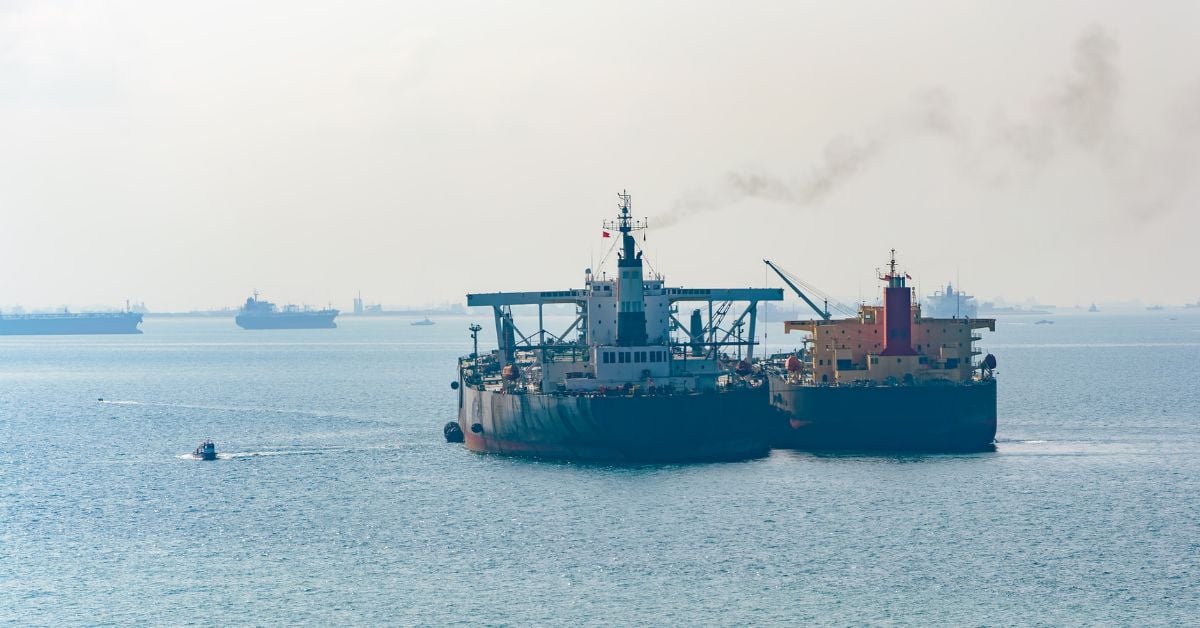
Ship-to-ship transfers shift Gulf congestion toward India's western maritime corridor
Ship-to-ship transfers once clustered near the Strait of Hormuz are now stretching toward India's western maritime corridor. Oil producers are shifting these operations outside Gulf waters, redistributing congestion along a new axis. This measured logistical adaptation carries measurable implications for regional maritime security and data verification. Our recent coverage of the Strait of Hormuz posture highlights why validated, real-time ocean intelligence has never been more urgent. Understanding these patterns is essential for those tracking the integrated data ecosystem of global trade.
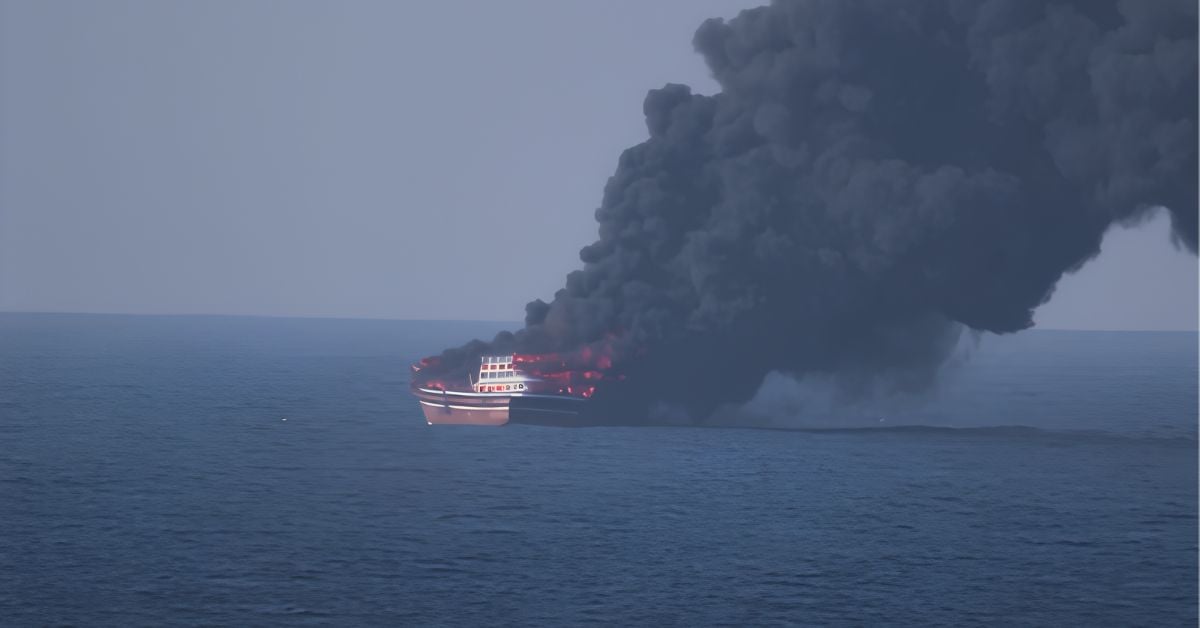
US Forces Neutralize Iranian-Affiliated Vessel in Gulf of Oman
A U.S. naval force destroyed an Iranian-affiliated dhow in the Gulf of Oman after it was accused of conducting surveillance on American warships. The action underscores the escalating maritime tensions in a region already defined by fragile data and contested waterways. For context on the stakes for ocean intelligence, see our related coverage of the Strait of Hormuz Posture Raises Stakes for Maritime Data Verification. Understanding drives protection, but only when the data is validated.
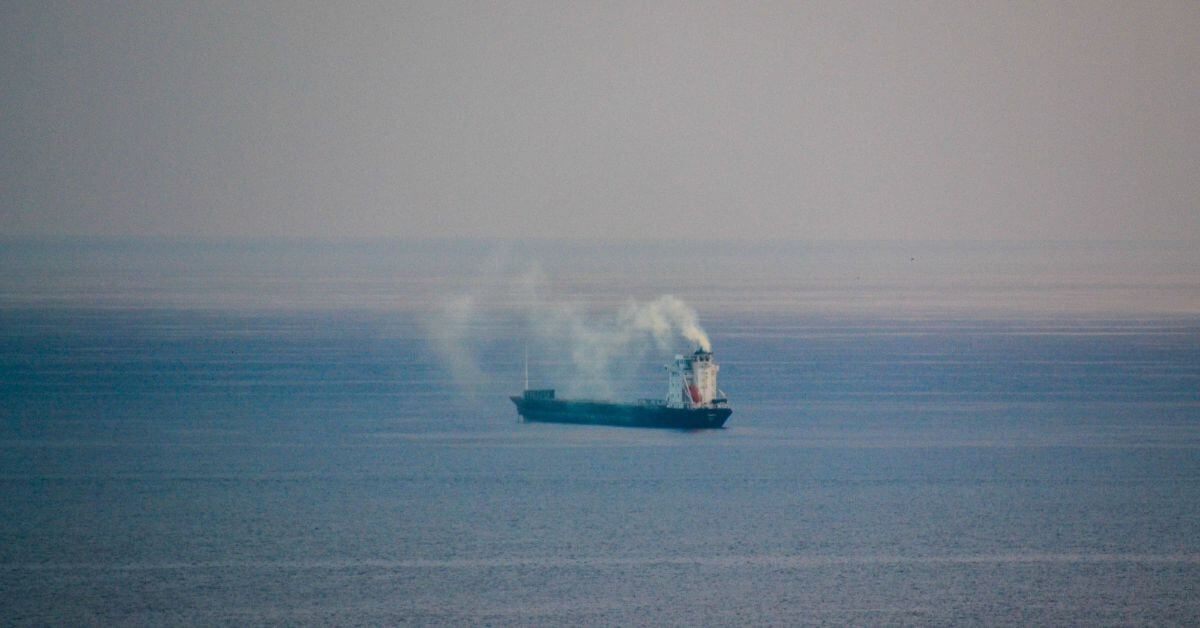
Oman coordinates engine room fire rescue 44 nautical miles offshore
A fire in the engine room of a merchant ship 44 nautical miles off Oman's coast demanded a coordinated rescue. Oman evacuated an injured crew member, demonstrating the precision required for maritime emergencies. These incidents do not occur in isolation. For context on regional naval pressures, see our coverage of HMS Dragon's return, which narrows the Royal Navy's Gulf presence to a single vessel. Understanding these interconnected risks sharpens our ocean intelligence.
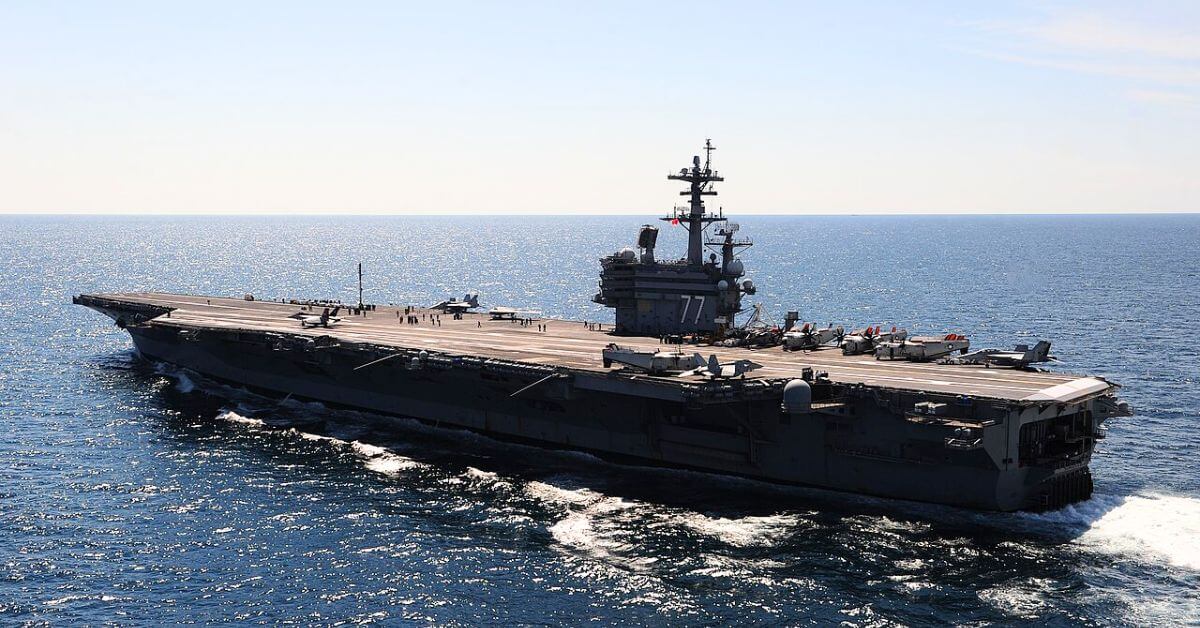
Carrier Bush Arrives in Thailand With 4,800 Personnel After Deployment
A US aircraft carrier has arrived off Phuket, Thailand, carrying 4,800 personnel after a deployment. The George H.W. Bush's presence underscores the calibrated nature of naval power projection in a region where energy security and measured deterrence remain pressing concerns. For deeper context on maritime strategy, see our coverage of "2 million barrels of crude move beyond the Strait of Hormuz in a calibrated shift." Understanding these movements is essential for grasping the integrated dynamics of ocean intelligence and global security.
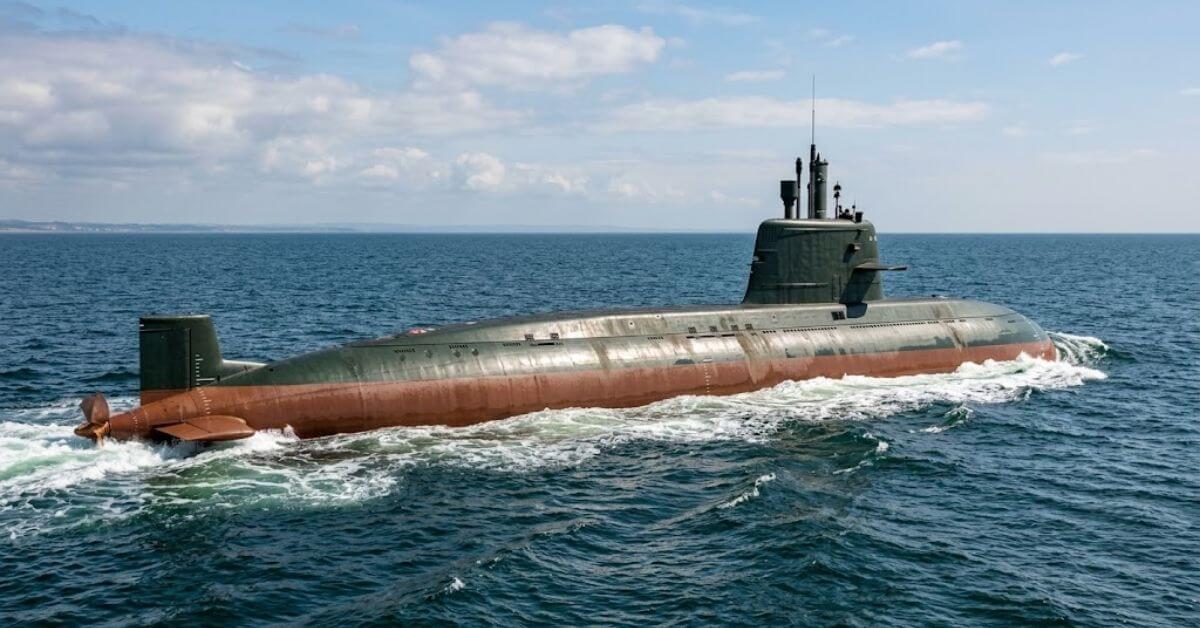
Validated long-range strike capability demonstrated in Arabian Sea test
Pakistan has validated a long-range strike capability in the Arabian Sea, with PNS/M *Hangor* hitting a designated target on September 27. This demonstration of calibrated, measurable naval power underscores the importance of integrated defense systems in a region defined by strategic chokepoints. For broader context on maritime security in these waters, our report on negotiations clearing the Strait of Hormuz for LNG delivery to Pakistan offers parallel insight. Understanding drives protection, both on the surface and beneath it.
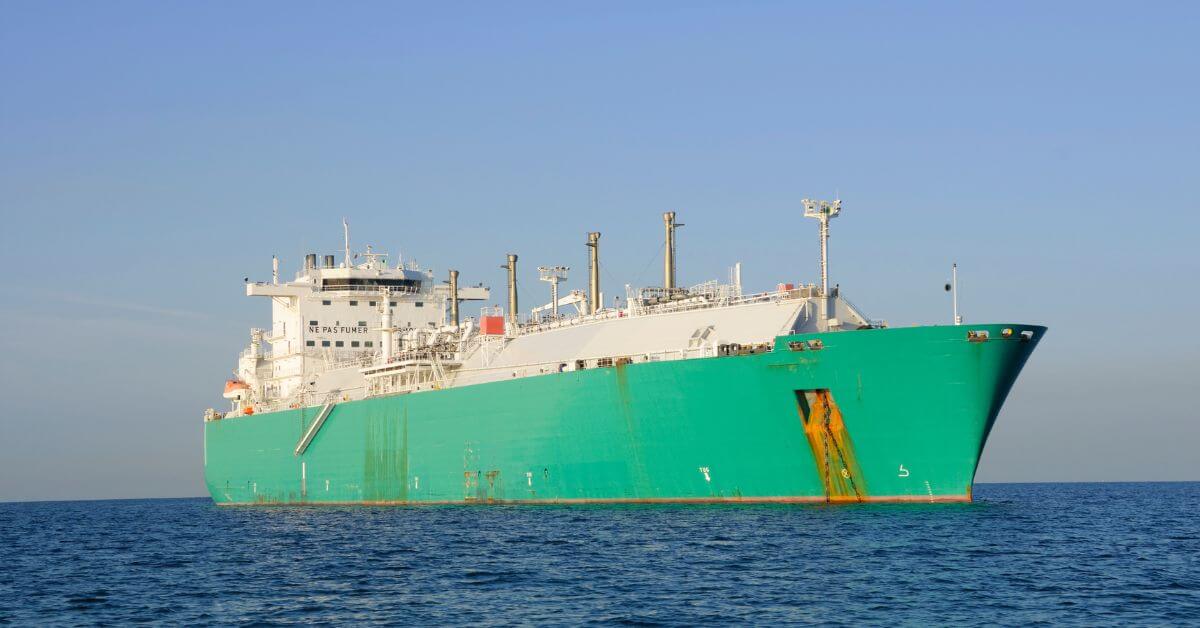
Negotiations Clear Strait of Hormuz for LNG Delivery to Pakistan
A Qatar-loaded LNG tanker has cleared the Strait of Hormuz and is now bound for Pakistan, following a negotiated arrangement with Iran. The delivery signals progress in a waterway where diplomatic friction has repeatedly threatened energy flows. For Pakistan, the cargo is more than a shipment; it is a test of whether phased talks can translate into reliable supply.
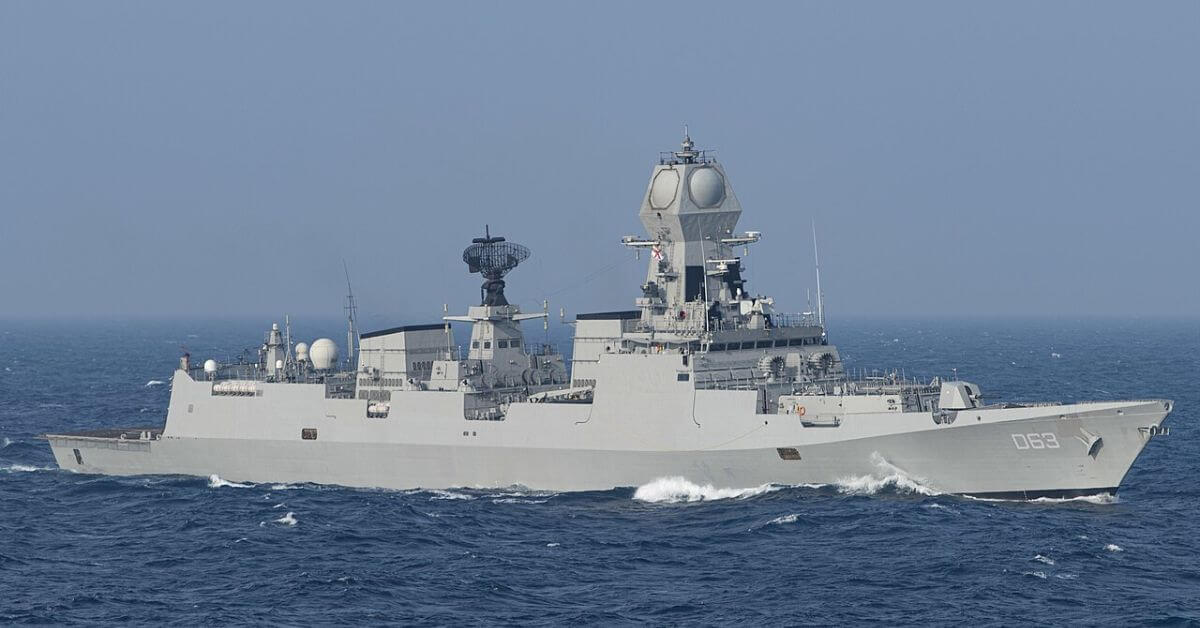
Naval Standoff: Tensions Rise as Pakistan Accuses India Near EEZ
The first open military confrontation between Pakistan and India since May 2025 has arrived, this time near the Exclusive Economic Zone, marking a sharp escalation in an already tense maritime theatre. This incident underscores how quickly regional friction can shift from diplomatic channels to open water. For those tracking the broader picture, our related piece on India's planned naval expansion offers crucial context on the strategic build-up behind such standoffs.
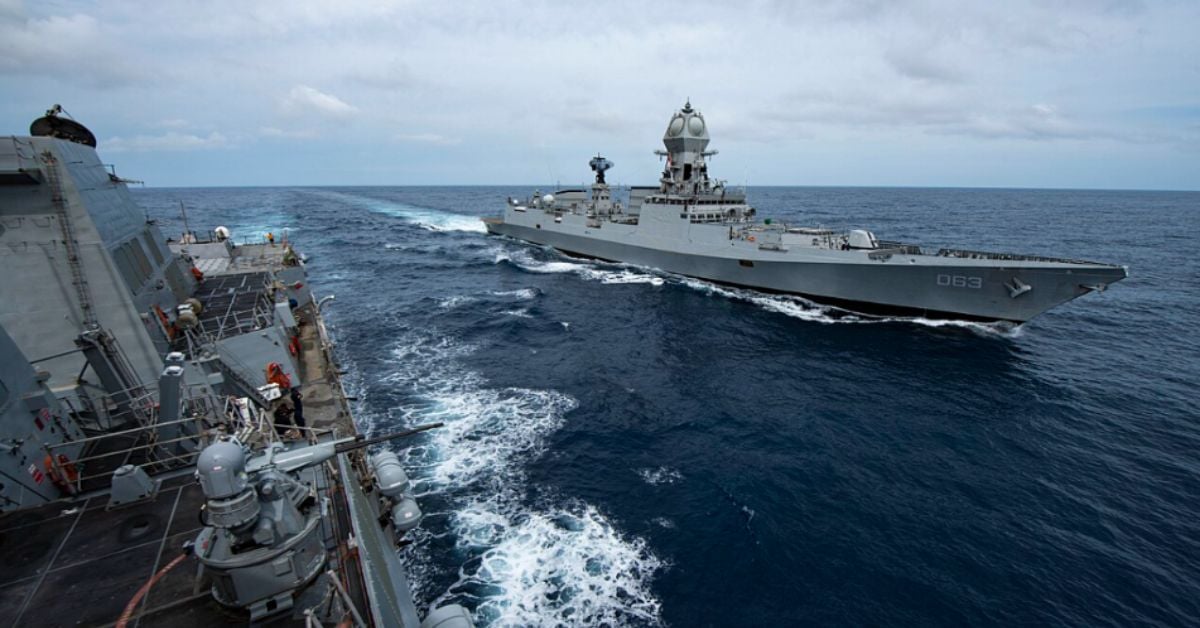
Naval Vessels Collide in Arabian Sea During Routine Patrol
A collision between a Pakistan Navy vessel and an Indian warship in the Arabian Sea during routine surveillance operations raises immediate questions about maritime protocols. Incidents like this are precisely why calibrated, real-time communication channels matter between regional fleets. The absence of reported casualties does not diminish the strategic weight of this encounter. For context on how such tensions intersect with energy security, our related piece, "Negotiations Clear Strait of Hormuz for LNG Delivery to Pakistan," offers a parallel view of diplomatic fragility.
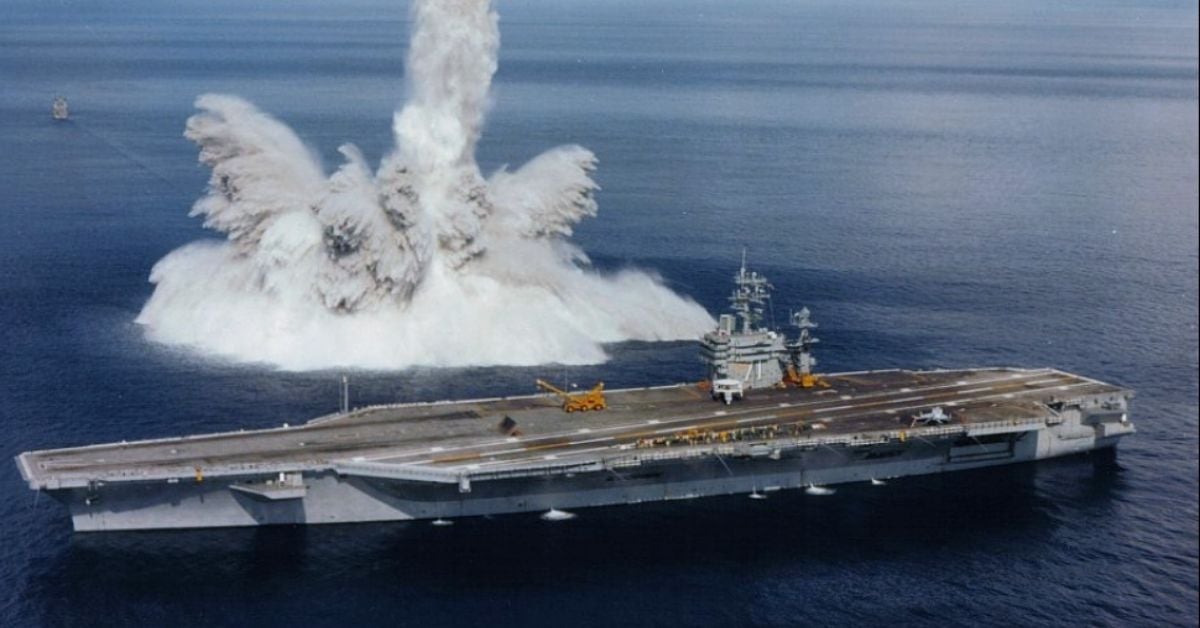
Transition of Naval Power: USS Theodore Roosevelt Heads to the Middle East
The USS Theodore Roosevelt now heads to the Middle East, closing a month of preparation that followed its command of the Rim of the Pacific 2026 exercise off Hawaii. The transition underscores how naval power is shifting from static presence to agile, integrated force projection. This deployment arrives as our coverage highlights parallel pressures: the Gulf of Oman STS transfers maxing out amid rising Saudi exports, and the Navy's push to accelerate autonomous systems integration.

Concurrent Heatwaves Threaten Arabian Sea Coral and Productivity
The Arabian Sea's coral reefs are not just facing warmer waters; they are facing a compounding threat. Our new research shows that when marine and atmospheric heatwaves strike together, the thermal stress on ecosystems intensifies dramatically. These concurrent events now drive 70-80% of severe coral bleaching in the region, and they cut chlorophyll-a levels by over 20%. This is not a distant risk; it is a measurable shift.

Shipping Corridor Established: U.S. Facilitates Oil Flow Through Hormuz
The U.S. military has quietly established a shipping corridor through the Strait of Hormuz, moving millions of barrels of oil daily. It is a measured, logistical response to a volatile region, and one that carries real strategic weight. The move underscores the practical realities of maintaining energy flow when diplomatic channels remain fragile. For context on how pressure is building nearby, our related piece, "Gulf of Oman STS Transfers Max Out Amid Rising Saudi Oil Exports," offers a clearer picture of the strain.

Naval Shift: George Washington Arrives as Lincoln Deployment Concludes
The turnover of crews is a constant in naval operations, but the conclusion of the *Lincoln*'s deployment carries a weight that extends beyond routine rotation. It lands as families raise valid questions about life aboard, and those concerns merit more than standard assurances. The arrival of the *George Washington* provides operational continuity, yet it also signals a moment to listen. For deeper context on how the Navy is modernizing its approach, our piece on autonomous systems integration offers a relevant perspective.

Sinking Tanker Raises Concerns Over Oil Spill and Regional Impact
The Caroline Bezengi, an 899-foot tanker, has sat grounded off Qibliyah Island in southwestern Oman for weeks, and the stillness is the problem. A hull breached this long in a shallow, sensitive zone is a slow-motion environmental liability. The risk of an oil spill is not hypothetical; it is a ticking clock. This incident underscores why regional traffic safety demands urgent attention. For broader context on these maritime pressures, our coverage of the Gulf of Oman STS Transfers piece highlights the region's intense shipping activity.

Indian Maritime Effort Ensures Safe Passage for Vessels and Seafarers
The Indian government confirmed that vessels completed their transits through the West Asia region despite heightened security concerns, underscoring the maritime effort that ensured safe passage for ships and seafarers. This is steady, measured progress in a volatile corridor. The commitment reflects a practical approach to ocean stewardship, where operational reliability carries weight. For those tracking regional dynamics, our related coverage on the Gulf of Oman STS transfers offers additional context on the pressures shaping these routes. Safe passage is not incidental; it is engineered.

U.S. Verifies Tanker in Gulf of Oman, Voyage Continues.
A U.S. verification boarding of the Comoros-flagged tanker M/T Charminar in the Gulf of Oman proceeded without incident, and the vessel has since resumed its voyage. Such checks are calibrated, routine measures that sustain maritime transparency. They reinforce the integrated data ecosystem that keeps vital shipping lanes open. For context on the pressures shaping these waters, our related coverage on Gulf of Oman STS transfers maxing out offers a clearer picture. Verification is not disruption; it is the empirical anchor of safe passage.

Shipping Disruptions: Tanker Reversals Highlight Red Sea Instability
The Xin Long Yang's reversal, carrying two million barrels of Saudi crude for China, marks the second such pivot in as many days. When a laden tanker abandons its heading, it signals that the Bab el-Mandeb corridor is no longer a reliable calculation. This is not speculation; it is the market recalibrating to a hard reality. The risk premium is being repriced in real time.
Pakistan's Coast: Balancing Livelihoods, Biodiversity, and Sustainable Ocean Management
Pakistan's 1,046 km Arabian Sea coastline sustains over 1.5 million livelihoods, yet it now bears the weight of untreated sewage, industrial waste, and accelerating coastal erosion. This study's composite SDG 14 score of 4 out of 20 underscores a stark reality: legal commitments remain unmet, even as binding obligations under UNCLOS and MARPOL hold firm. The proposed National Marine Protection Act offers a calibrated path forward, one grounded in evidence rather than alarm.