naval blockade
38 stories filed under naval blockade on World Data Ocean. The newest of them: “US Forces Neutralize Iranian-Affiliated Vessel in Gulf of Oman”, “Stranded Iranian Vessels Off Sri Lanka Test Supply Limits and Sanctions Calculus”, and “Carrier Bush Arrives in Thailand With 4,800 Personnel After Deployment”. A U.S. At least 19 Iranian cargo vessels sit idle off Sri Lanka, their fuel, food, and water supplies running low. A Global Hub for Ocean Intelligence 4 World Data Ocean is a centralized digital platform where researchers, scientists, and ocean enthusiasts converge to… The list below is every naval blockade story on World Data Ocean, newest first.
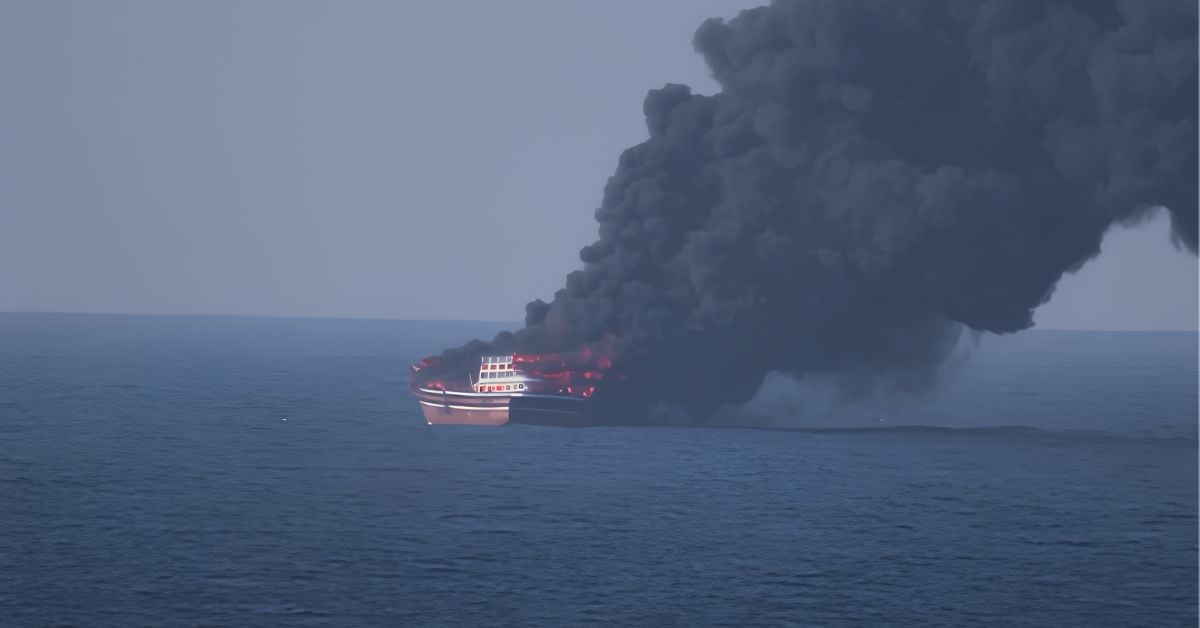
US Forces Neutralize Iranian-Affiliated Vessel in Gulf of Oman
A U.S. naval force destroyed an Iranian-affiliated dhow in the Gulf of Oman after it was accused of conducting surveillance on American warships. The action underscores the escalating maritime tensions in a region already defined by fragile data and contested waterways. For context on the stakes for ocean intelligence, see our related coverage of the Strait of Hormuz Posture Raises Stakes for Maritime Data Verification. Understanding drives protection, but only when the data is validated.
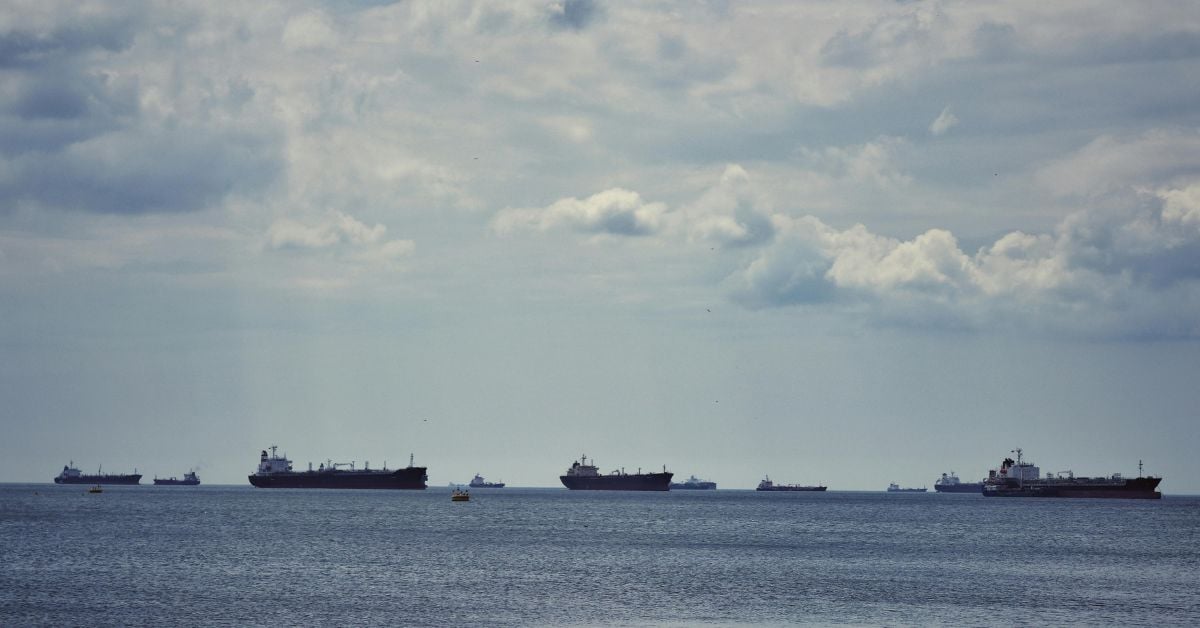
Stranded Iranian Vessels Off Sri Lanka Test Supply Limits and Sanctions Calculus
At least 19 Iranian cargo vessels sit idle off Sri Lanka, their fuel, food, and water supplies running low. This is not merely a logistical standoff; it tests the limits of supply-chain resilience and the calculus of international sanctions. The stranded ships highlight how geopolitical pressures ripple through global trade networks. Our related coverage on how divergent population trajectories reshape climate indicators offers a broader context for understanding such interconnected pressures.
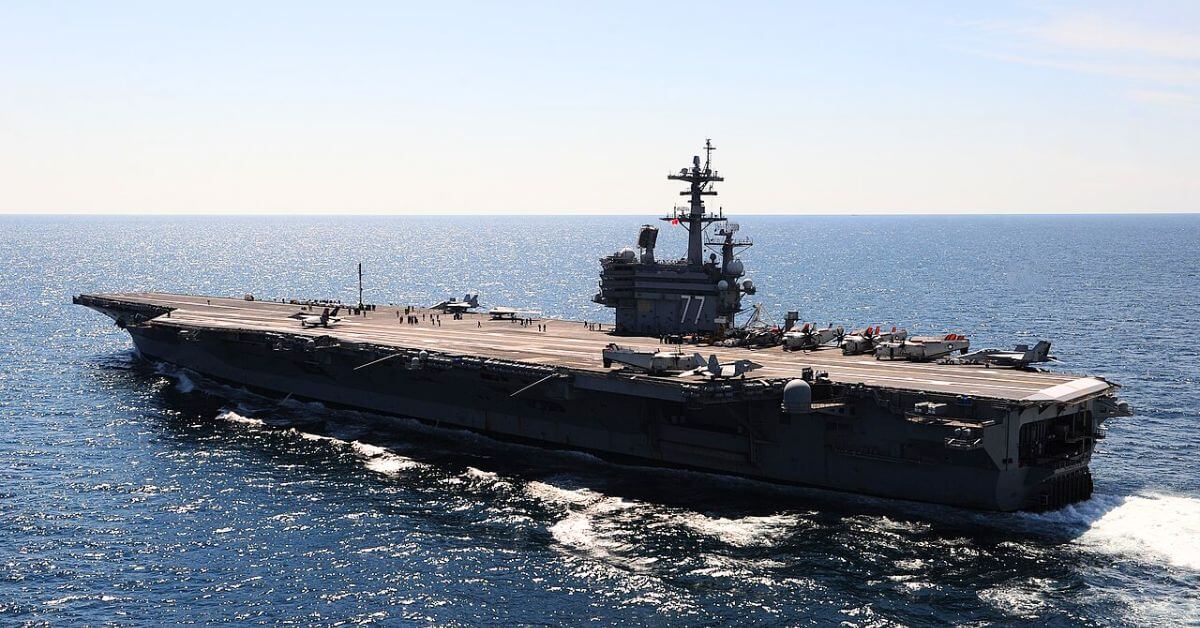
Carrier Bush Arrives in Thailand With 4,800 Personnel After Deployment
A US aircraft carrier has arrived off Phuket, Thailand, carrying 4,800 personnel after a deployment. The George H.W. Bush's presence underscores the calibrated nature of naval power projection in a region where energy security and measured deterrence remain pressing concerns. For deeper context on maritime strategy, see our coverage of "2 million barrels of crude move beyond the Strait of Hormuz in a calibrated shift." Understanding these movements is essential for grasping the integrated dynamics of ocean intelligence and global security.
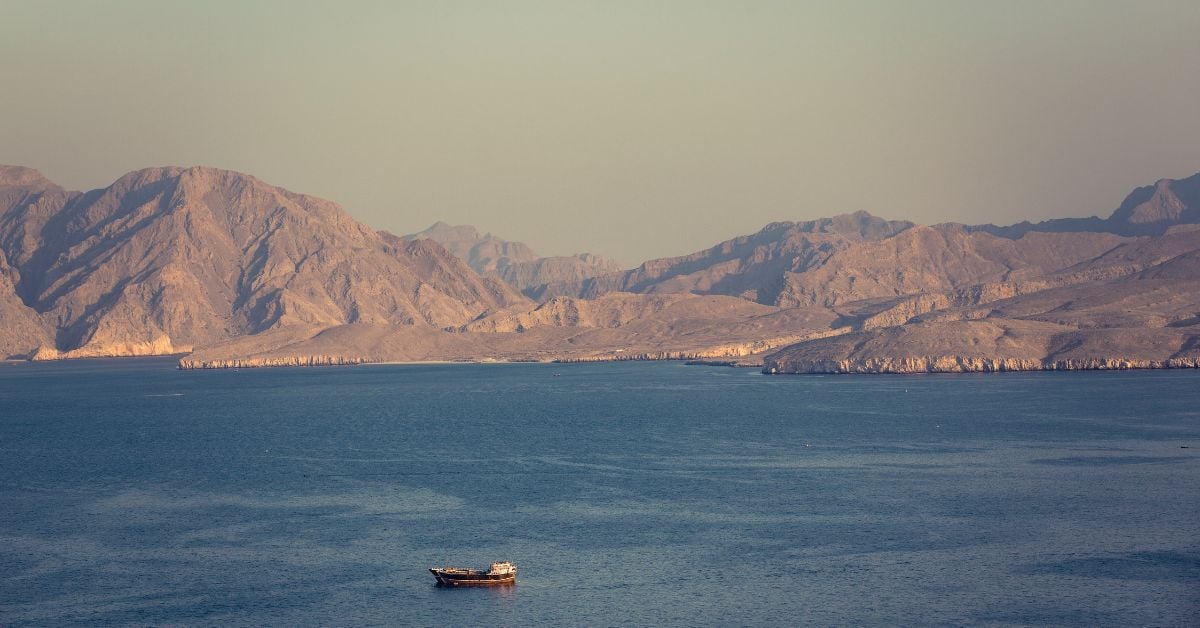
Strait of Hormuz Reopening Contingent on U.S. Actions, Iran States
Iran has linked the Strait of Hormuz's reopening to a single condition: the U.S. must lift its naval blockade of Iranian ports and end sanctions on Tehran. The announcement, which sets a one-week timeline, is a direct test of diplomatic intent. It is a high-stakes calculation, but not an unreasonable one. For context, our related coverage on Gulf of Oman STS transfers shows how regional oil flows are already straining at their limits.

Houthi Control Expands Near Vital Bab el-Mandeb Strait.
The Houthis have seized new territory near the Bab el-Mandeb Strait, tightening their grip on a chokepoint that connects the Red Sea to the Gulf of Aden. This expansion is a measured but significant shift in regional leverage. Validated by empirical observation, their increased control raises calibrated concerns for maritime security and global trade flows. For deeper context on regional maritime pressures, our related coverage on Gulf of Oman STS transfers offers an integrated perspective. Understanding drives protection, this development demands attention.
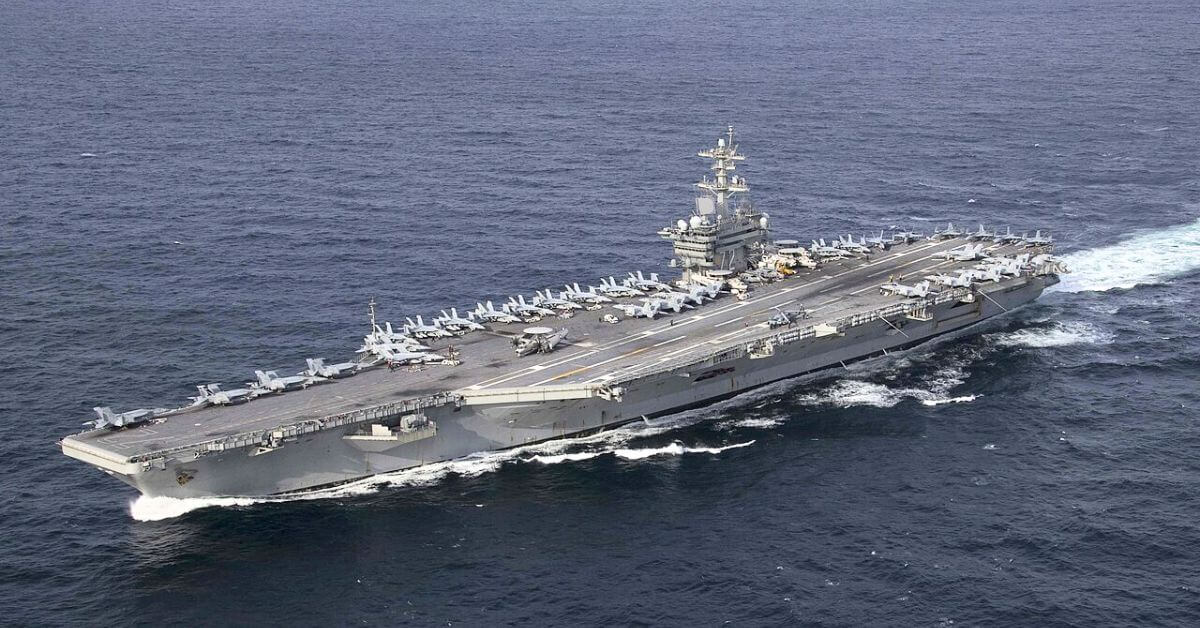
Abraham Lincoln Carrier Crew Recovers After Middle East Operations
The carrier crew's return marks the end of a demanding deployment, one that included extended operations in the Middle East. A short break now offers a measured pause before the rhythms of duty resume. Such respites matter; they restore focus and readiness. For context on the region's maritime pressures, our related piece on Gulf of Oman STS transfers highlights the logistical intensity that continues nearby. Operational tempo takes a toll, and acknowledging that is part of understanding naval power.
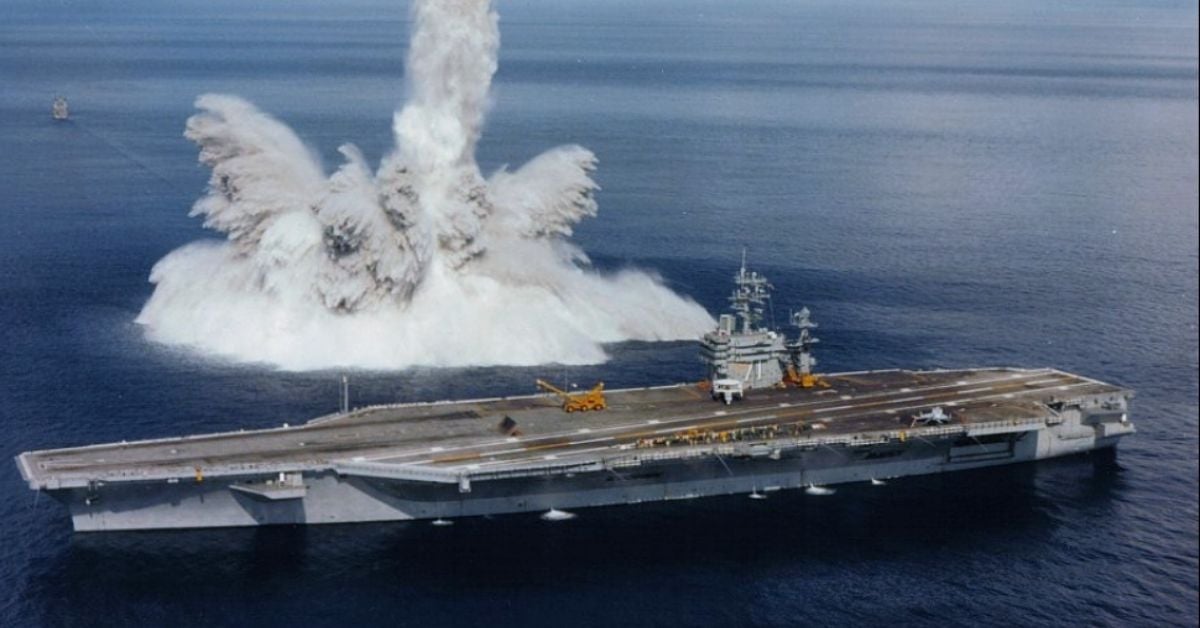
Transition of Naval Power: USS Theodore Roosevelt Heads to the Middle East
The USS Theodore Roosevelt now heads to the Middle East, closing a month of preparation that followed its command of the Rim of the Pacific 2026 exercise off Hawaii. The transition underscores how naval power is shifting from static presence to agile, integrated force projection. This deployment arrives as our coverage highlights parallel pressures: the Gulf of Oman STS transfers maxing out amid rising Saudi exports, and the Navy's push to accelerate autonomous systems integration.

Yemen Conflict: Houthis Report Attack on Saudi Naval Vessel in Red Sea
The Houthis claim they struck a Saudi military landing ship and four escort vessels near the Red Sea port of Mocha, a direct escalation in a waterway already strained by regional tensions. The attack, if confirmed, underscores how fragile maritime security has become. We treat such reports with caution, but the pattern is clear: the Red Sea is now a flashpoint.

Strait of Hormuz Traffic Plummets Amidst Escalating Tensions and Attacks
The Strait of Hormuz is tightening under pressure. Ship traffic has plummeted after attacks on five commodity tankers, a stark reminder that instability directly chokes global energy lifelines. While U.S.-Iran negotiations for a peace agreement remain stalled, the cost of inaction is measurable in real-time data. The parallel rise of Gulf of Oman STS transfers, covered in our related piece on maxed-out ship-to-ship operations, underscores how trade adapts, but never without risk.

Sustained U.S. Naval Presence Ensures Ongoing Iranian Port Restrictions.
Defense Secretary Pete Hegseth confirmed the U.S. retains sufficient naval resources to sustain the blockade of Iranian ports indefinitely. That is not a posture of bluff; it is a statement of calibrated, measurable capability. The pressure remains deliberate, and the strategic intent is clear. For readers tracking the broader maritime picture, our related coverage on Gulf of Oman STS transfers maxing out offers useful context on regional shipping pressures. The blockade holds, and the message is consistent: persistence is part of the strategy.

Geopolitical Tensions Mount: Strait of Hormuz Control Disputed.
The Strait of Hormuz remains a flashpoint, with Iran holding the waterway's reopening hostage to unmet US demands. This is not posturing; it is a calculated standoff with global energy implications. The pressure is measurable, and the stakes are empirical. For deeper context on how such tensions shape regional flows, our piece on "Gulf of Oman STS Transfers Max Out Amid Rising Saudi Oil Exports" offers a related view. The channel's status is not a given; it is a condition under negotiation.

Geopolitical Tensions Ease: US and Iran Dialogue Advances in Strait of Hormuz
The Strait of Hormuz remains a flashpoint, yet Tuesday's talks in Tehran signal a measured step toward de-escalation. Iranian Foreign Minister Abbas Araqchi's meeting with Pakistan's Interior Minister Mohsin Naqvi underscores that dialogue, however tentative, is advancing. We view this as a pragmatic move; the region's stability depends on such channels. For context on how pressure is building elsewhere, our piece on Gulf of Oman STS Transfers Max Out Amid Rising Saudi Oil Exports highlights the logistical strains already reshaping tanker traffic.

Iran Imposes Shipping Fees, Restricts U.S. and Israeli Vessels Through Hormuz.
Iran's move to impose shipping fees of up to 7% of cargo value on vessels transiting the Strait of Hormuz, alongside 20% fines for violations, injects a new layer of economic pressure into an already tense maritime corridor. The measure is direct and measurable, a calibrated response that signals resolve without escalating to confrontation. For shippers and insurers, the calculus shifts immediately. This follows patterns seen in our coverage of Gulf of Oman STS transfers, where capacity constraints already test regional logistics.

Integrated Shipping Lanes: Iran and Oman Calibrate Transit Through Hormuz.
Iran and Oman have agreed on the transit routes ships will use through the Strait of Hormuz, a calibrated step toward stabilizing one of the world's most critical maritime chokepoints. The arrangement signals practical diplomacy at work, replacing uncertainty with measurable coordination. For shippers and nations alike, this is ocean intelligence in its most actionable form: clear lanes, agreed parameters, and a shared commitment to keeping trade moving.

Uncrewed Vessel Incident Leads to Ship Sinking Near Yemen
A ship sank off the Yemeni coast after an unknown uncrewed surface vessel targeted it, the United Kingdom Maritime Trade Operations confirmed. The incident underscores a troubling escalation in maritime threats that now extend beyond crewed attacks. Our coverage of Gulf of Oman STS transfers maxing out amid rising Saudi exports shows how regional instability and shifting trade patterns are forcing vessels into riskier operational territory. This sinking is a stark reminder that ocean intelligence must now account for autonomous threats.

Iranian Official: U.S. Naval Blockade Risks Escalation in Persian Gulf
Iran's military adviser, Mohsen Rezaei, has made the position unmistakable: Tehran will not tolerate a continued U.S. naval blockade in the Persian Gulf. The warning carries weight, but the region's maritime tensions are already stretching elsewhere. As our coverage notes, Gulf of Oman STS transfers are maxing out amid rising Saudi exports, and India is expanding its fleet for a more contested sea. These pressures do not exist in isolation. The Strait of Hormuz remains the fault line where economic pressure meets strategic risk.

Red Sea Incident: Indian Cargo Ship Sinks Following Attack
The sinking of the Indian-flagged cargo ship MSV Faize Noore Oliya, after being struck by an unknown projectile off Yemen, marks a sobering escalation in the Red Sea's volatile maritime corridor. The vessel overturned and sank, underscoring how commercial traffic remains exposed to asymmetric threats with little warning. This incident is not isolated; it follows heightened pressure across regional waterways, from Gulf of Oman STS transfers to Strait of Hormuz negotiations.

Red Sea Risk Zone Expands as Insurers Respond to Houthi Actions
London's marine insurance market has widened the Red Sea's high-risk zone following Houthi attacks on Saudi-linked vessels, a measured response to a volatile reality. This is prudent, not panicked. Insurers are calibrating risk with precision, and the expansion reflects empirical threats rather than speculation. For those tracking regional chokepoints, our coverage of Gulf of Oman STS transfers offers useful context. Understanding drives protection, and here, the data speaks clearly.

U.S. Military Bolsters Blockade of Iranian Vessels Amid Rising Tensions
U.S. Central Command announced on X that its warships, reconnaissance aircraft, and service members are enforcing a naval blockade of Iranian vessels. The move tightens pressure in an already volatile maritime corridor. It is a deliberate, measurable escalation, one that signals resolve without theatrical alarm. For readers tracking how Gulf tensions intersect with energy flows, our related piece on Gulf of Oman STS transfers offers useful context. The blockade is not theater; it is a calibrated projection of force.

Red Sea Security: Saudi Arabia Proposes International Maritime Coalition.
Saudi Arabia's proposal for an international maritime coalition targets the Houthi Group's escalating Red Sea disruption with a direct, collective response. The plan signals a calibrated shift toward shared security, though its success hinges on broad naval cooperation and sustained political will. It is a measured step, not a headline grab. For context on regional pressure points, our coverage of the Gulf of Oman STS transfers maxing out shows how tightly linked these maritime chokepoints have become.

U.S. Verifies Tanker in Gulf of Oman, Voyage Continues.
A U.S. verification boarding of the Comoros-flagged tanker M/T Charminar in the Gulf of Oman proceeded without incident, and the vessel has since resumed its voyage. Such checks are calibrated, routine measures that sustain maritime transparency. They reinforce the integrated data ecosystem that keeps vital shipping lanes open. For context on the pressures shaping these waters, our related coverage on Gulf of Oman STS transfers maxing out offers a clearer picture. Verification is not disruption; it is the empirical anchor of safe passage.

Shipping Route Shift: Supertanker Alters Course Amid Red Sea Tensions
A supertanker bound for Yanbu turned back before reaching the Bab el-Mandeb Strait, a quiet but telling correction in a crowded maritime corridor. The move reflects how swiftly risk reshapes routing decisions, even for cargoes already committed. We read this as a practical response to tension, not alarm. For broader context on regional pressure points, our coverage of Gulf of Oman STS Transfers Max Out Amid Rising Saudi Oil Exports offers a useful parallel. The ocean rewards adaptability; this diversion proves the point.

Red Sea Incident: Vessel Fire Follows Houthi Blockade Announcement
A fire aboard a vessel in the Red Sea has followed the Houthi rebels' announcement of a naval blockade on Saudi Arabia, escalating a volatile maritime corridor. The move signals a deliberate tightening of pressure on shipping lanes that carry global trade. We read this as a calculated escalation, not a casual threat. For context on how these disruptions ripple outward, our related piece, "Eighty Nations Urge Reopening of Vital Strait of Hormuz Shipping Lane," details the diplomatic stakes.

Red Sea Shipping Disrupted: Houthis Report Missile Strike on Oil Tankers
The Houthis report a missile strike on oil tankers in the Red Sea, adding another layer of disruption to a waterway already strained by conflict. Targeting commercial shipping during the Gaza war, these actions extend beyond drones and hijackings into a broader pattern of risk. The threat is measurable, but so is the response. For context on how tanker traffic is adapting elsewhere, our coverage of Gulf of Oman STS Transfers Max Out Amid Rising Saudi Oil Exports offers a useful counterpoint.