Suez Canal Reports Recovery In Container Ship Crossings & Eyes Greater Cooperation With Panama Canal
Our take
The reported recovery in container ship crossings through the Suez Canal, coupled with discussions of increased cooperation with the Panama Canal, represents a significant, albeit complex, recalibration of global maritime trade routes. The shift away from the longer and more costly route around the Cape of Good Hope, spurred initially by disruptions earlier this year, signals a degree of stabilization in the region. However, this recovery must be viewed within the context of ongoing geopolitical tensions and emerging security challenges. Recent developments, such as Iran’s Supreme Leader Mojtaba Khamenei urging Muslim nations to recognise their ‘real enemy’ [Iran’s Supreme Leader Mojtaba Khamenei Urges Muslim Nations To Recognise ‘Real Enemy’ As Hormuz Traffic Falls To New Lows], highlight the persistent volatility in the surrounding waters, particularly the Strait of Hormuz. Furthermore, Iran's assertion of preventing ships from deviating from approved routes [Iran Says It Prevented 30 Ships From Crossing Strait Of Hormuz Outside Approved Route Since Aug. 22] demonstrates a continued willingness to exert influence over maritime traffic, impacting transit times and operational costs. These factors underscore the need for a nuanced understanding of the evolving risk landscape.
The potential for greater cooperation between the Suez and Panama Canal authorities is a noteworthy development, suggesting a strategic effort to optimize global shipping flows and mitigate future disruptions. Such integrated planning could involve synchronized infrastructure investments, streamlined customs procedures, and enhanced security protocols. It’s crucial to analyze the underlying drivers for this collaboration – are they purely economic, or do they reflect a shared concern about regional instability? The deployment of the US Navy aircraft carrier Abraham Lincoln through the Singapore Strait [US Navy Aircraft Carrier Abraham Lincoln Passes Through Singapore Strait En Route To Thailand After More Than 250 Days At Sea] further underscores the heightened security presence in critical chokepoints, reflecting a broader effort to safeguard international trade lanes. The Suez Canal's resilience, demonstrated by this recovery, is vital for maintaining the efficiency of global supply chains, particularly given the escalating demand for goods worldwide. A return to predictable transit times through the canal reduces uncertainty for shippers and consumers alike, contributing to economic stability.
The long-term implications of these developments extend beyond immediate operational adjustments. The data generated from increased Suez Canal traffic will provide valuable insights into evolving shipping patterns, cargo volumes, and the effectiveness of security measures. This longitudinal data, when integrated with other maritime intelligence sources, can contribute to more accurate predictive modeling of future disruptions and inform proactive risk mitigation strategies. The calibrated response to earlier disruptions – including the shift to alternative routes and the subsequent return to Suez – offers a valuable empirical case study for understanding the adaptability of the global shipping industry. An integrated data ecosystem, incorporating real-time tracking data, weather forecasts, and geopolitical assessments, is becoming increasingly essential for effective maritime operations and strategic decision-making. This underscores the growing importance of ocean intelligence in navigating an increasingly complex world.
Looking ahead, the sustainability of this recovery remains contingent on several factors. The ongoing geopolitical tensions in the Middle East, particularly the potential for escalation in the Strait of Hormuz, pose a significant threat. Maintaining open and secure trade routes will require continued diplomatic efforts, robust security measures, and a commitment to international cooperation. A key question worth watching is whether the increased cooperation between the Suez and Panama Canals will translate into tangible benefits for shippers and consumers, or if it remains primarily a strategic exercise. Furthermore, the impact of climate change – including rising sea levels and more frequent extreme weather events – on canal infrastructure and operations warrants careful consideration and proactive adaptation measures. The validated performance of both canals in the face of these challenges will be a critical indicator of their long-term viability as vital arteries of global trade.
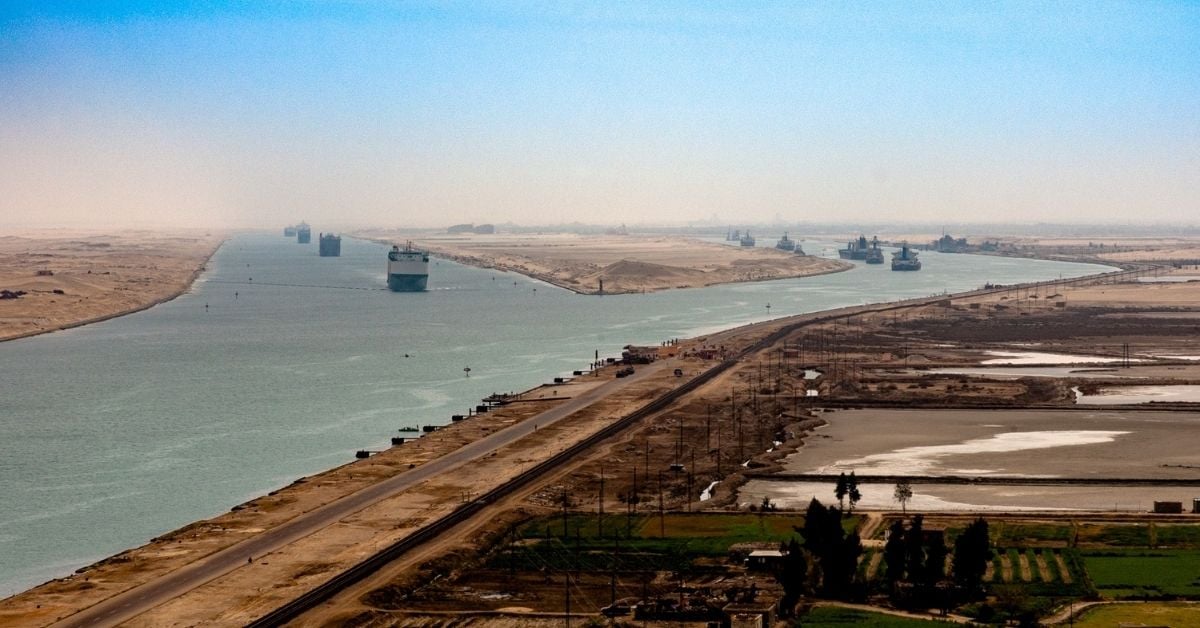
According to the chairman of the Suez Canal Authority, Admiral Osama Rabie, the container ship crossings through the waterway are steadily increasing.
Sources suggest that shipping companies are gradually resuming their services through the strategic route, shifting from the alternative route around the Cape of Good Hope.
This announcement was made on Sunday in a meeting at Ismailia’s SCA’s Guidance Building Headquarters, where he hosted Ahmed Fawzy El-Sherif, Egypt’s ambassador to Panama.
In the talks, both officials discussed the strategies to improve th relationship between the Suez and Panama Canals, in a way beneficial for both countries, controlling the strategic waterways handling a large proportion of world maritime trade.
Rabie highlighted the similarities between both canals and the challenges that they continue to face, due to recent weather conditions, including a drought-like situation triggered by the worst El Niño event, along with a surge in traffic wanting to use the canals given the current geopolitical conflicts in the Gulf involving Iran and the U.S and the Houthis and Saudi Arabia.
The officials agreed that Suez and Panama Canal Authorities must ensure greater coordination and cooperation to ensure the sustainability of the global supply chains, which depend on the functioning of the canals.
El-Sherif said that both countries should also strengthen their bilateral relations across different areas.
He expressed interest in coordinating between both countries regarding this matter during his tenure and also proposed the idea of conducting joint maritime events and exercises to bolster the relationship further.
Read on the original site
Open the publisher's page for the full experience