shipping companies
15 stories filed under shipping companies on World Data Ocean. The newest of them: “Chartering tankers through Hormuz to secure India's oil supply chains”, “Shore power at Nhava Sheva anchors India's first blue-financing network”, and “Evaluating Maritime Port Digitalization: A Global Survey by the IMO”. India's refiners are chartering tankers through the Strait of Hormuz, a calculated response to rising risk in a waterway that moves a fifth of global oil. A Rs 650 crore shore-power project at Jawaharlal Nehru Port anchors India's first blue-financing network. A Global Hub for Ocean Intelligence 4 World Data Ocean is a centralized digital platform where researchers, scientists, and ocean enthusiasts converge to… The list below is every shipping companies story on World Data Ocean, newest first.
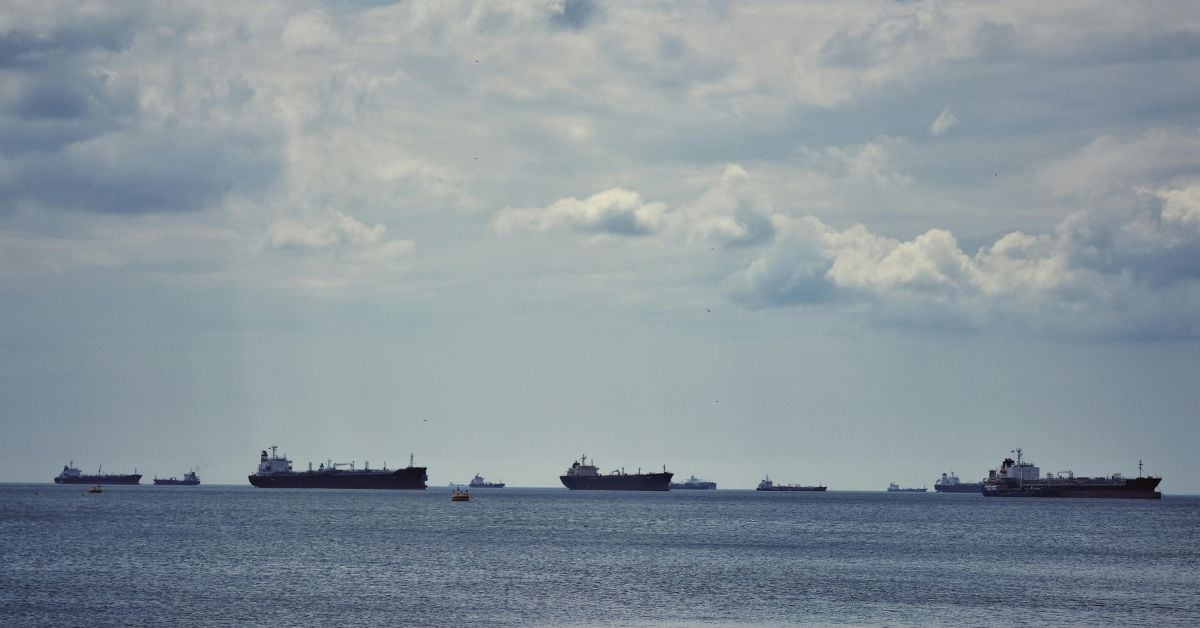
Chartering tankers through Hormuz to secure India's oil supply chains
India's refiners are chartering tankers through the Strait of Hormuz, a calculated response to rising risk in a waterway that moves a fifth of global oil. Rather than deploying their own vessels, they are shifting procurement strategy to secure supply chains with measurable precision. This is not alarm, it is calibrated adaptation. For deeper context on how these disruptions are reshaping global routes, see our related coverage of rising Red Sea crude flows.
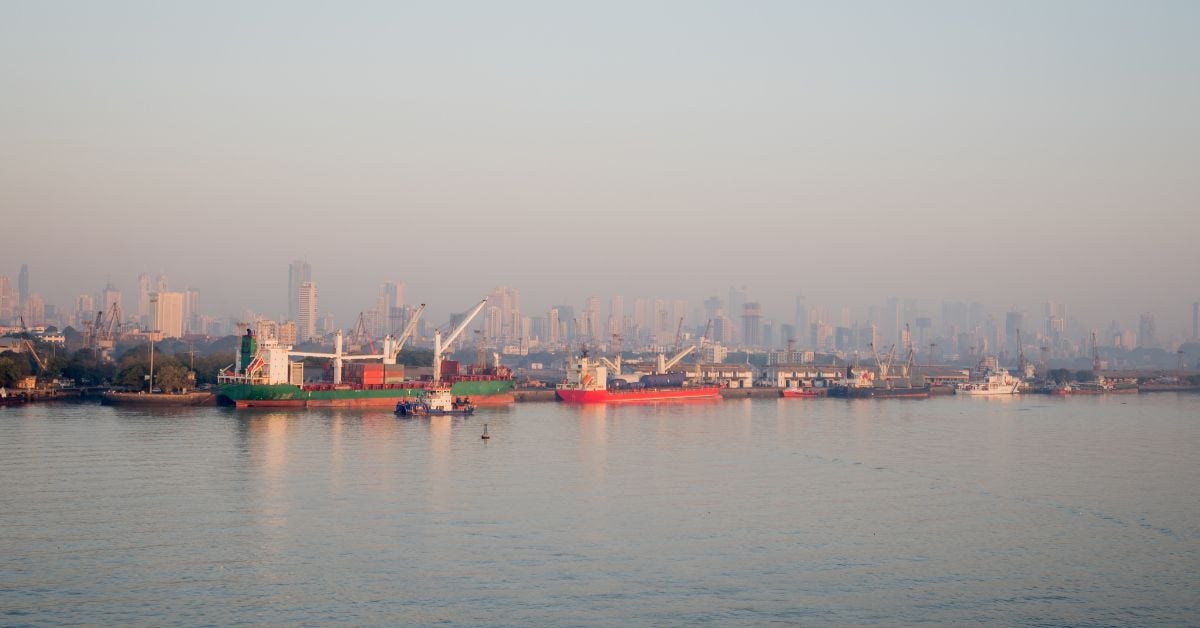
Shore power at Nhava Sheva anchors India's first blue-financing network
A Rs 650 crore shore-power project at Jawaharlal Nehru Port anchors India's first blue-financing network. This is how measurable climate action begins: validated infrastructure, integrated financing, and real-time emission reductions. The network links environmental performance to capital, giving ocean stewardship a practical lever. Readers tracking maritime security risks may find our related coverage of strikes on Odesa Port relevant to the broader geopolitical context shaping port investments. Understanding drives protection.
Evaluating Maritime Port Digitalization: A Global Survey by the IMO
The IMO's new global survey on Maritime Single Windows turns a critical lens on how digitalization actually performs in the field. By inviting stakeholders to report their experiences and challenges, the organization is treating port efficiency as a measurable, shared goal rather than a theoretical one. It is a practical move toward refining the data ecosystem that underpins global shipping. For context on how such infrastructure intersects with geopolitical pressures, our coverage of Russia's icebreaker financing offers a useful parallel.

Mundra Port Resumes Operations After Strike Impacts Global Shipping.
Mundra Port has resumed operations after a strike disrupted cargo flows, with major carriers including MSC, Hapag-Lloyd, ONE and CMA CGM notifying customers of delays. This interruption underscores the fragility of global supply chains when critical nodes falter. Reliable port activity is measurable, and its disruption sends real-time ripple effects across markets. For deeper context on India's maritime infrastructure, see our coverage of Paradip Port's designation as a Mega Port.
Shipping Companies Penalized for Illegal Ocean Waste Discharge
A U.S. court has found two shipping companies guilty of illegally discharging oily bilge waste into the open ocean. These are not victimless actions. Such discharges degrade marine ecosystems and undermine the calibrated, real-time monitoring systems that responsible operators rely on. Accountability is measurable, and this ruling reinforces that maritime law applies equally to all. For deeper context on how ocean security is being enforced across domains, see our coverage of the Coast Guard's recent maritime interdictions.
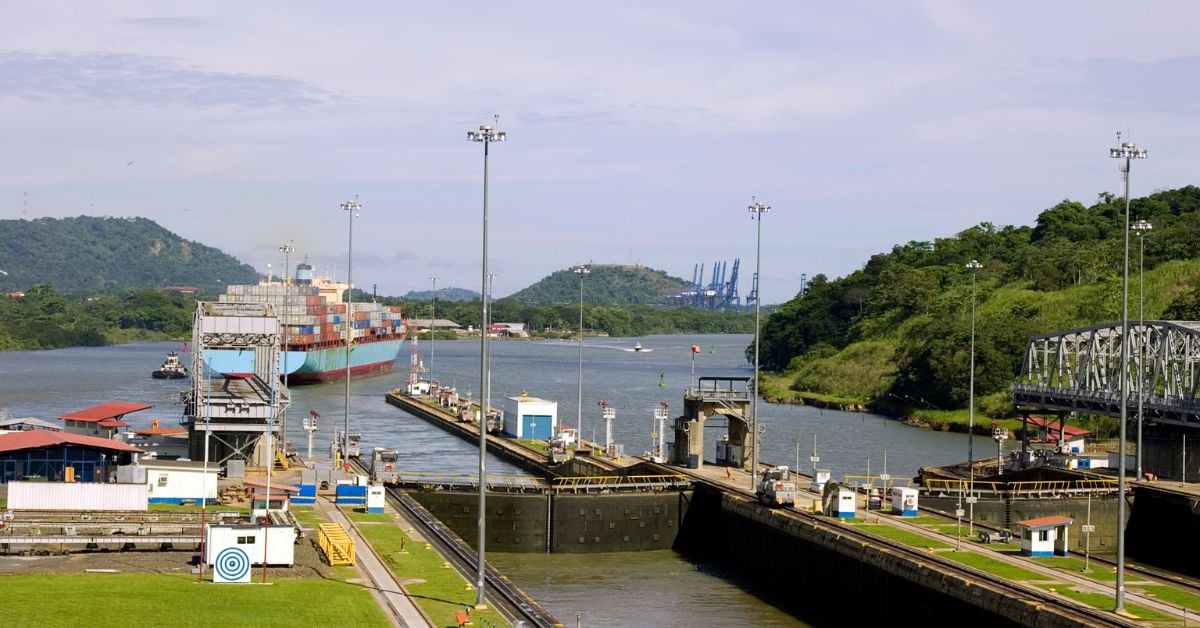
Reduced Canal Crossings: Climate Impacts Threaten Global Trade Flows
Reduced canal crossings now stand at just 29 per day. Drought and low rainfall are tightening the Panama Canal's capacity, a measurable strain on global trade flows that demands empirical attention. This is not an isolated pressure point. Our coverage of "Russia Calibrates Export Revenue for Northern Sea Route Icebreaker Fleet" shows how nations are already recalibrating infrastructure in response. Climate indicators are reshaping maritime logistics. Understanding these integrated disruptions is the first step toward protecting the systems we depend on.
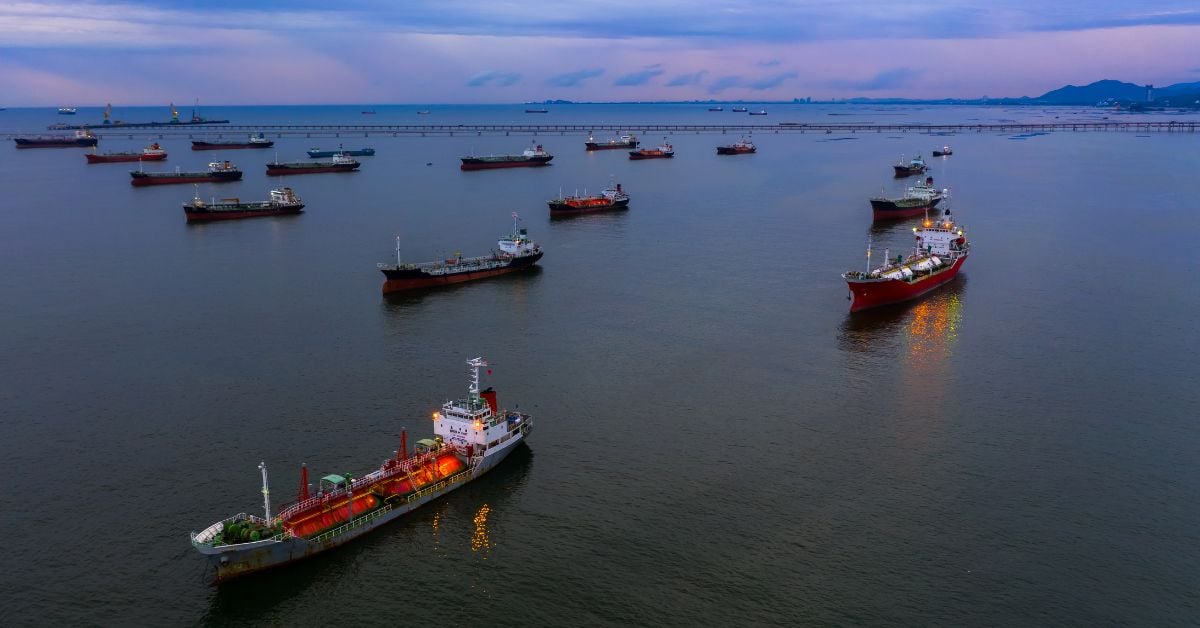
Naval Escort Ensures Oil Transit Through Strait of Hormuz.
On Tuesday, 40 tankers carrying roughly 18 million barrels of crude moved through the Strait of Hormuz under U.S. Navy escort, a measured show of force that underscores how vital this corridor remains to global energy stability. The transit proceeded without incident, but the escort is a reminder that maritime security is not automatic. For those tracking the region's shifting dynamics, our coverage of phased negotiations to ease restrictions on the Strait offers useful context. Reliable passage here is not just strategic; it is foundational.
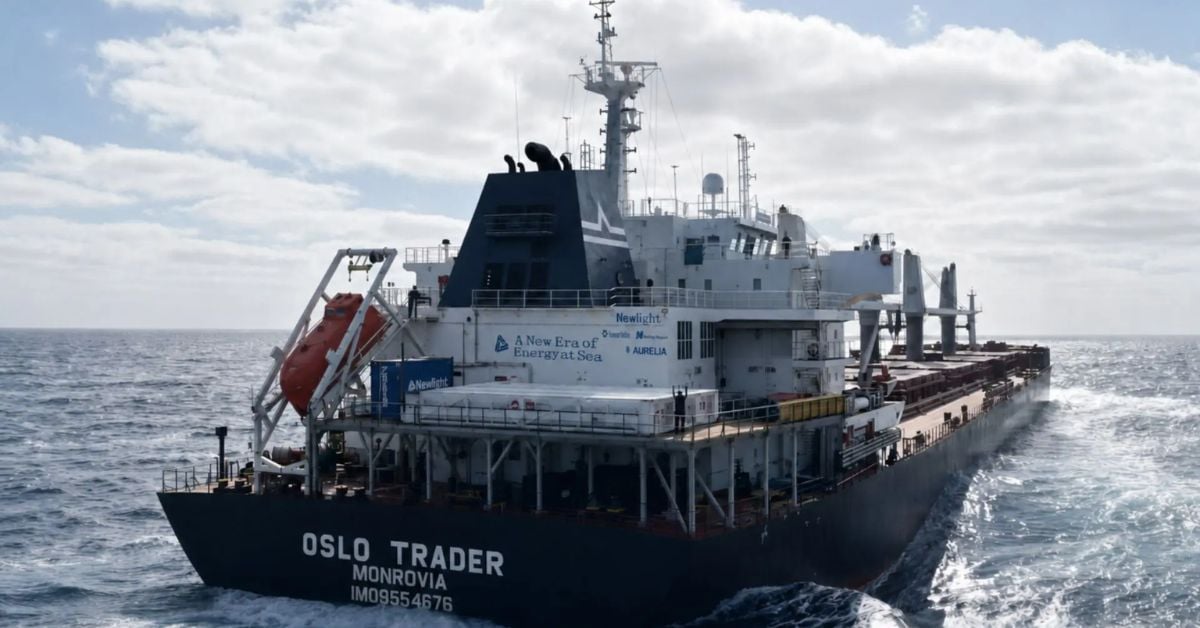
Hydrogen-Hybrid Propulsion Validates 24% Fuel Reduction on Transoceanic Voyage
A hydrogen-hybrid retrofit has delivered a 24% fuel reduction on a transoceanic voyage, a result that moves marine decarbonization from theory into measurable practice. Newlight's system, fitted to a bulk carrier's diesel engine, completed the 8,500-nautical-mile run from Singapore to Ghana with validated efficiency gains. This is the kind of empirical progress shipping needs, real-world performance, not pilot-project promise. For more on how such vessels face persistent hazards, see our coverage of the bulk carrier freed after grounding near Gladstone, Australia.
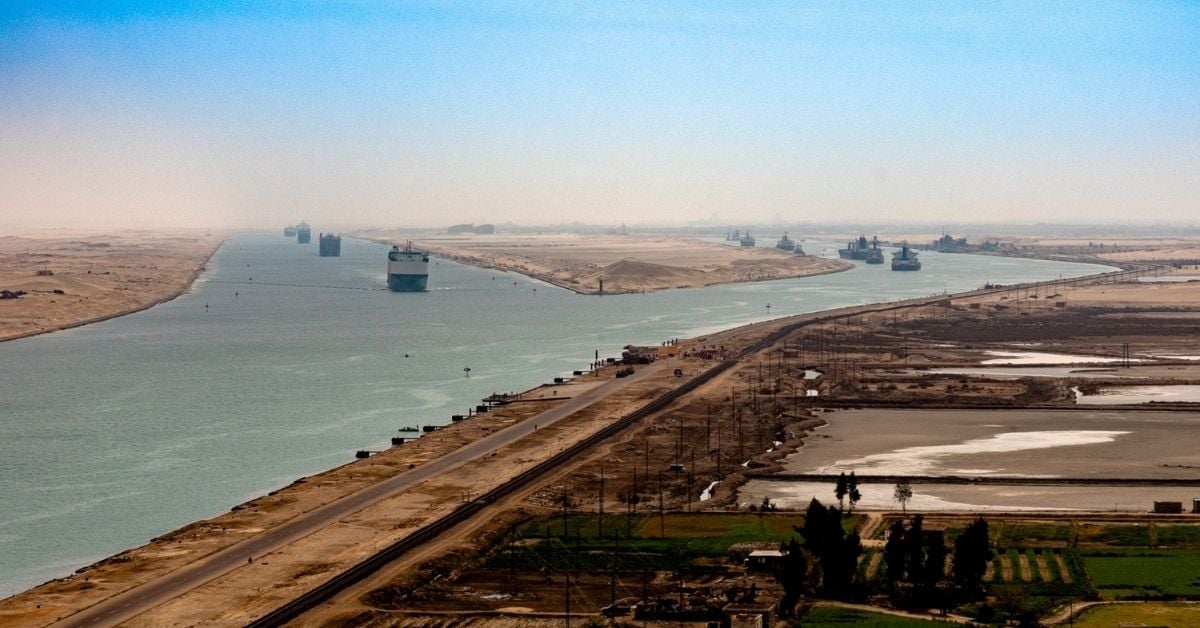
Shipping Resumes Suez Passage: Integrated Data Reveals Route Recovery.
The resumption of Suez transits marks a measurable shift in route recovery, as shipping firms pivot back from the Cape of Good Hope. This is not merely a logistical adjustment; it reflects calibrated confidence in the waterway's stability. For an industry that thrives on predictability, the return signals a rebalancing of risk and efficiency. Readers tracking regional momentum may also find our piece on Gulf of Oman STS transfers useful, as similar pressures shape these corridors. The data, as always, points where it points.
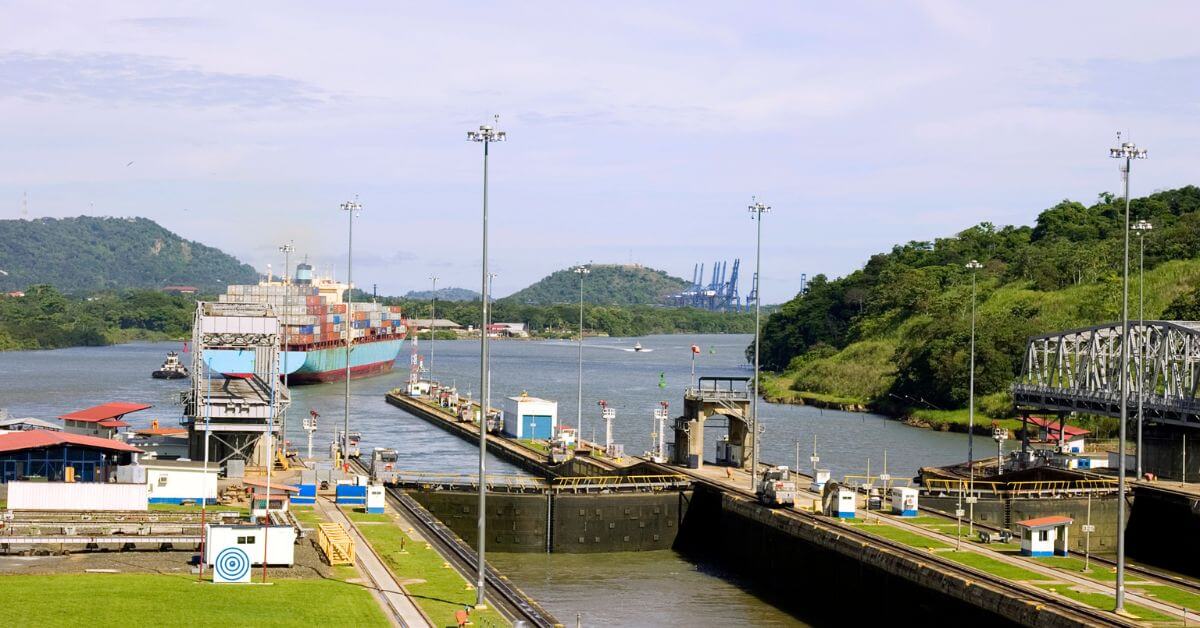
Record Canal Transit Fee Reflects Growing Demand for Ocean Routes
A $5.3 million bid for a single Panama Canal transit slot signals more than deep pockets; it reflects a strategic response to tightening global routes. SK Gas has secured passage for its LPG carrier G. Spirit on Sept. 1, paying a premium that underscores the growing value of reliable ocean corridors. This is the cost of certainty in a constrained system. As demand intensifies, such investments become necessary.

Houthis Dispute Transit Fee Claims; Shipping Caution Advised.
Claims of transit fee demands have surfaced, but Houthi officials dispute them, urging caution across shipping lanes. The organisation advises companies against payments or information sharing with unauthorised parties, a measured stance we find reassuring. Clarity here is operational, not optional. For broader context on regional pressures, our coverage of Gulf of Oman STS transfers offers useful perspective. Vessels should verify instructions through official channels. Vigilance, not alarm, remains the operative principle.

Disagreement Over Hormuz Strait Impacts Vital Shipping Route Accessibility.
The latest disagreement over the Strait of Hormuz marks a direct setback to reopening one of the world's most vital energy arteries after months of conflict. Progress was never guaranteed, but this stalling carries measurable weight for global shipping and climate-dependent supply chains. The path forward demands calibrated negotiation, not posturing. For context on how regional pressures are already reshaping oil flows, our related coverage on Gulf of Oman STS transfers maxing out offers a clearer picture of the strain.

Yemen's Houthis Impose Naval Blockade, Threaten Shipping to Saudi Ports
At 1201 GMT Monday, the Houthis' naval blockade against Saudi Arabia took effect, a direct challenge to shipping lanes that sustain regional trade. This is not posturing; it is a calculated disruption with immediate consequences for vessels bound for Saudi ports. The move escalates tensions in a waterway already strained by heightened oil flows, as our coverage of Gulf of Oman STS transfers maxing out illustrates. Measured, empirical monitoring of these chokepoints remains essential.

Shipping Costs Surge as Gulf Attacks Impact Crew Availability.
The loss of seafarers' lives in Gulf attacks is no longer a distant risk; it is a measurable cost. Shipping companies are facing surging recruitment expenses as crew availability tightens, a direct consequence of vessels becoming targets in contested waters. This is not abstract market pressure; it is operational reality. The human toll is reshaping commercial calculations. For deeper context on how regional instability compounds these pressures, our coverage of phased negotiations to ease Strait of Hormuz restrictions offers a relevant parallel.

Shipping Traffic Declines in Strait of Hormuz Amid Rising Tensions.
Ship traffic through the Strait of Hormuz fell to multi-week lows on Sunday, a measurable shift for one of the world's most vital energy chokepoints. The decline reflects rising tensions in the region, and the numbers warrant close attention. This is not speculation; it is calibrated observation. For broader context on how regional dynamics are shifting, our coverage of phased negotiations, including "Phased Negotiations Aim to Ease Restrictions on Strait of Hormuz," offers a constructive counterpoint.