cooperation
cooperation at World Data Ocean is a file of 4 stories. The newest of them: “Institutional Interplay: Calibrating BBNJ Governance with Regional Fisheries Bodies”, “Integrated Ocean Governance: Addressing Transboundary Pollution and Climate Risks”, and “Shipping Resumes Suez Passage: Integrated Data Reveals Route Recovery.”. Institutional interplay is no longer a theoretical concern; it is the operational core of BBNJ governance. Marine pollution does not respect borders, and neither should governance. A Global Hub for Ocean Intelligence 4 World Data Ocean is a centralized digital platform where researchers, scientists, and ocean enthusiasts converge to… The list below is every cooperation story on World Data Ocean, newest first.

Institutional Interplay: Calibrating BBNJ Governance with Regional Fisheries Bodies
Institutional interplay is no longer a theoretical concern; it is the operational core of BBNJ governance. This study asks whether the mechanisms for mutual deference between the Agreement and regional fisheries bodies are truly ready for action. The answer is conditional. Coordination requires clear rules, early participation, and genuine evaluation of RFMO input. States operating in both regimes will carry the weight of implementation. Readiness, on both sides, will determine whether this relationship strengthens integrated ocean governance.
Integrated Ocean Governance: Addressing Transboundary Pollution and Climate Risks
Marine pollution does not respect borders, and neither should governance. Plastic waste, ALPS-treated water, and ship-source pollution drift across jurisdictions, colliding with climate pressures to create compound risks. The Ecological and Environmental Code, while foundational, remains too fragmented to meet this challenge. Its principle-oriented provisions leave jurisdiction ambiguous, liability regimes incomplete, and cooperation largely aspirational. Strong governance demands more than intention. It requires operational mechanisms for transboundary harm. This paper outlines that institutional shift.
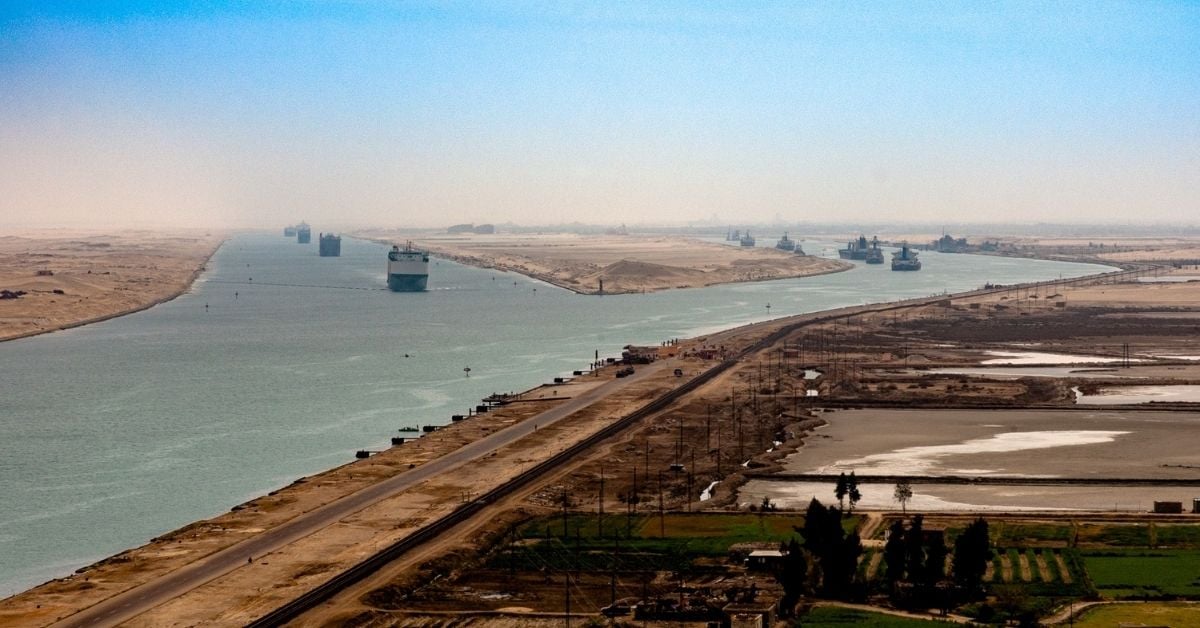
Shipping Resumes Suez Passage: Integrated Data Reveals Route Recovery.
The resumption of Suez transits marks a measurable shift in route recovery, as shipping firms pivot back from the Cape of Good Hope. This is not merely a logistical adjustment; it reflects calibrated confidence in the waterway's stability. For an industry that thrives on predictability, the return signals a rebalancing of risk and efficiency. Readers tracking regional momentum may also find our piece on Gulf of Oman STS transfers useful, as similar pressures shape these corridors. The data, as always, points where it points.
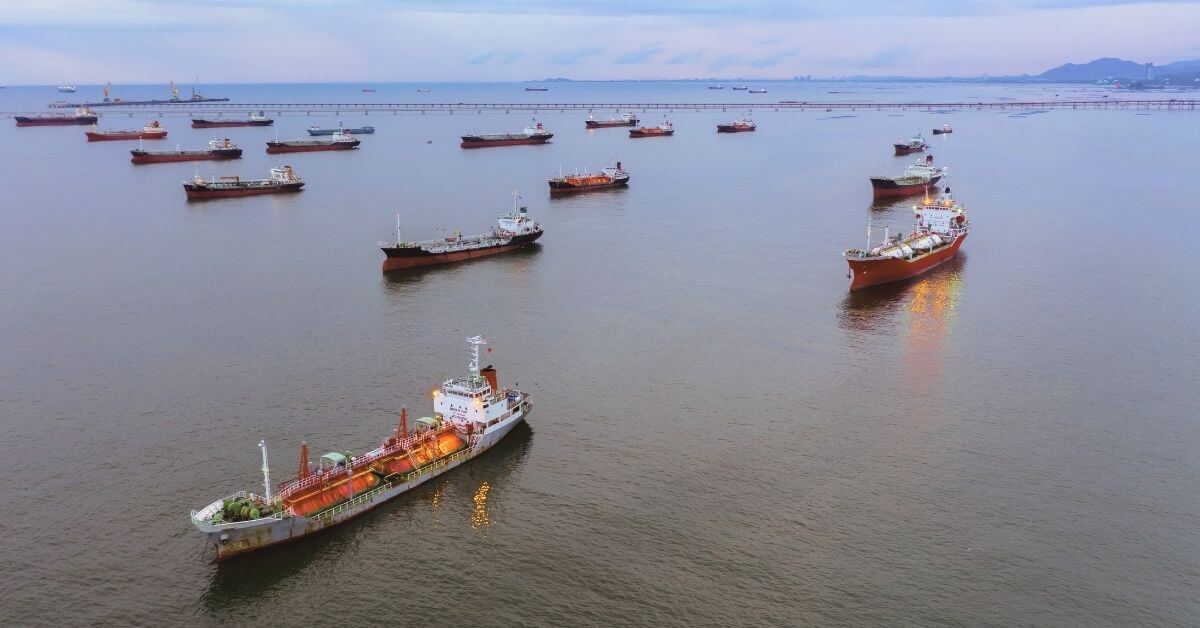
Strait of Hormuz Impasse: Uncertainty Impacts Thousands of Seafarers.
Since late February, the Strait of Hormuz has become a holding pattern for thousands of seafarers. The impasse leaves crews in limbo, their movements frozen by geopolitical friction that shows no sign of easing. It is a precarious position for the people who keep global energy moving. For context on how regional dynamics are straining maritime operations, our coverage of the Gulf of Oman STS transfers offers a related look at the pressure points.