Suez Canal
Suez Canal at World Data Ocean is a file of 26 stories. The newest of them: “French Defense Vessel Neutralizes Airborne Threat in Bab el-Mandeb Strait”, “HMS Dragon's return narrows Royal Navy presence in the Gulf to one vessel”, and “Arctic transit validated as PanStar Acro completes maiden commercial voyage”. A French frigate made a calibrated, real-time decision in the Bab el-Mandeb Strait, using its gun to destroy an airborne drone it judged to be a threat. HMS Dragon's return to Portsmouth after seven months in the Gulf leaves just one Royal Navy vessel in the region, a narrow presence that demands scrutiny. A Global Hub for Ocean Intelligence 4 World Data Ocean is a centralized digital platform where researchers, scientists, and ocean enthusiasts converge to… The list below is every Suez Canal story on World Data Ocean, newest first.
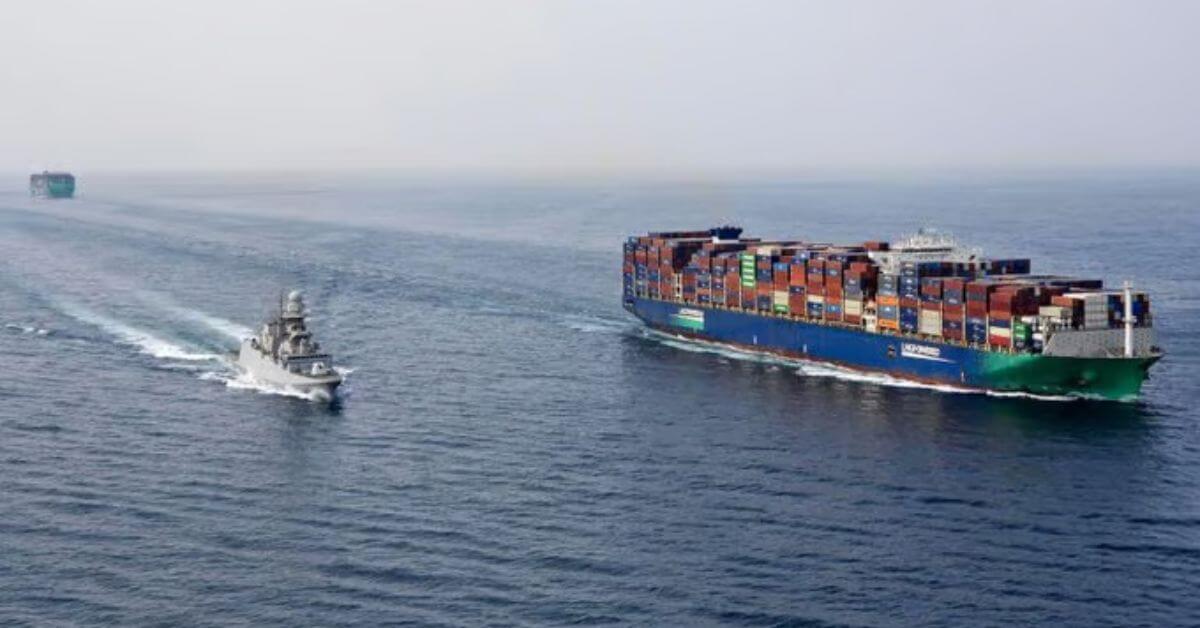
French Defense Vessel Neutralizes Airborne Threat in Bab el-Mandeb Strait
A French frigate made a calibrated, real-time decision in the Bab el-Mandeb Strait, using its gun to destroy an airborne drone it judged to be a threat. This measured use of force underscores the growing need for integrated naval defense in critical shipping lanes. For deeper context on maritime security and the vessels involved, see our coverage of "India's Private Shipyard Delivers First Multipurpose Naval Vessel INS Samarthak."
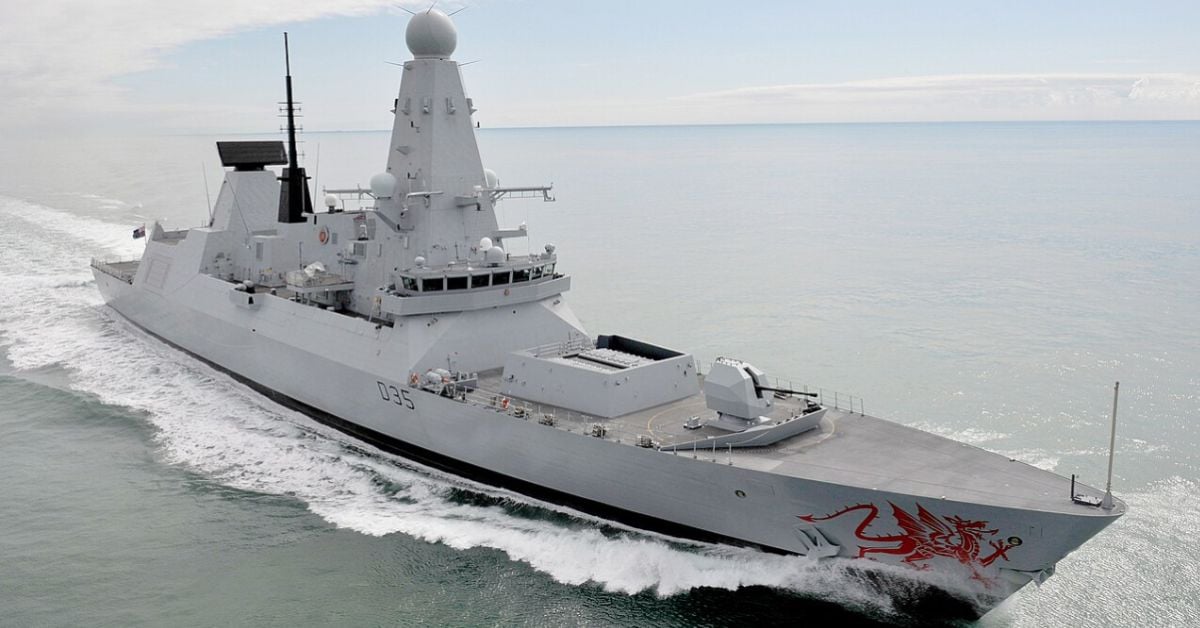
HMS Dragon's return narrows Royal Navy presence in the Gulf to one vessel
HMS Dragon's return to Portsmouth after seven months in the Gulf leaves just one Royal Navy vessel in the region, a narrow presence that demands scrutiny. This reduction comes as maritime threats persist, evidenced by recent drone and fire attacks targeting tankers near the Strait of Hormuz. For deeper context on those escalating risks, see our coverage of the strikes on three tankers. Measured vigilance, not alarm, is the appropriate response.
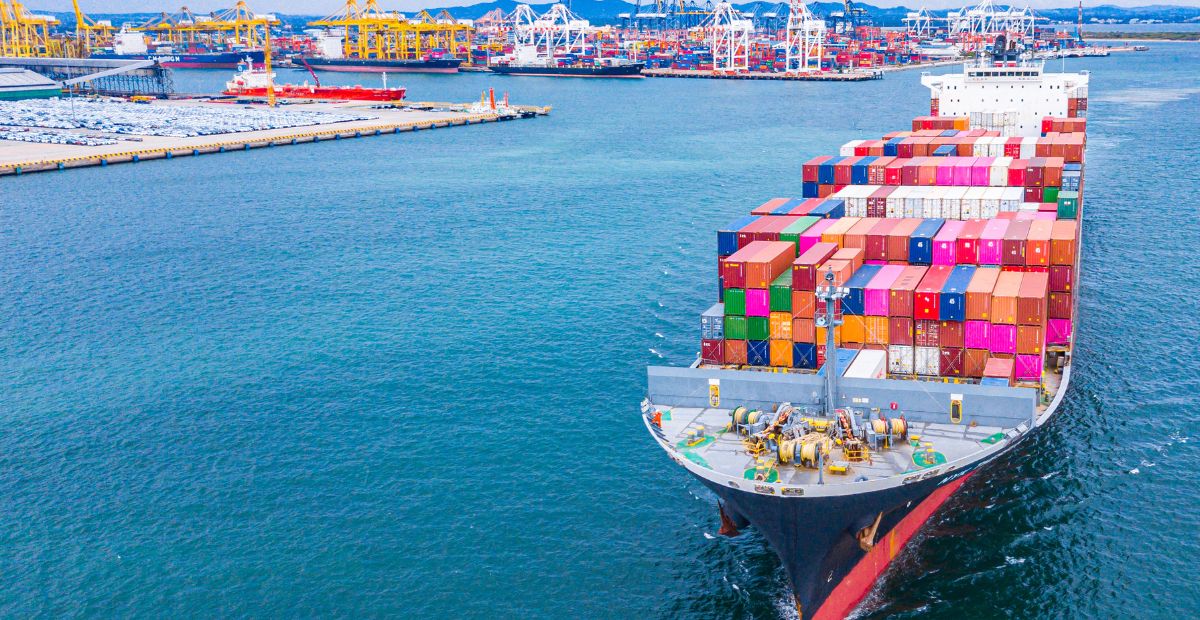
Arctic transit validated as PanStar Acro completes maiden commercial voyage
The PanStar Acro has completed its maiden commercial round-trip through Arctic waters, validating a new transit route for global shipping. This South Korean container ship's successful voyage, through Russian Arctic corridors, demonstrates measurable progress in integrated polar logistics. Understanding drives protection, and empirical data from this journey will sharpen climate indicators and ocean intelligence. For further context on maritime security, see our coverage of the Strait of Hormuz tanker strikes.

Geopolitical shocks reshape shipping routes with measurable regional divergence
Geopolitical shocks are not uniform in their effects, they reshape shipping routes with measurable regional divergence. A new two-scale framework, built from historical AIS data, reveals how maritime activity redistributed rapidly through the Red Sea-Suez Canal corridor versus the Cape of Good Hope, while Arctic shipping showed stronger temporal fluctuations tied to geopolitics, infrastructure, and environmental variability. This data-driven approach illuminates vulnerable corridors and network resilience.
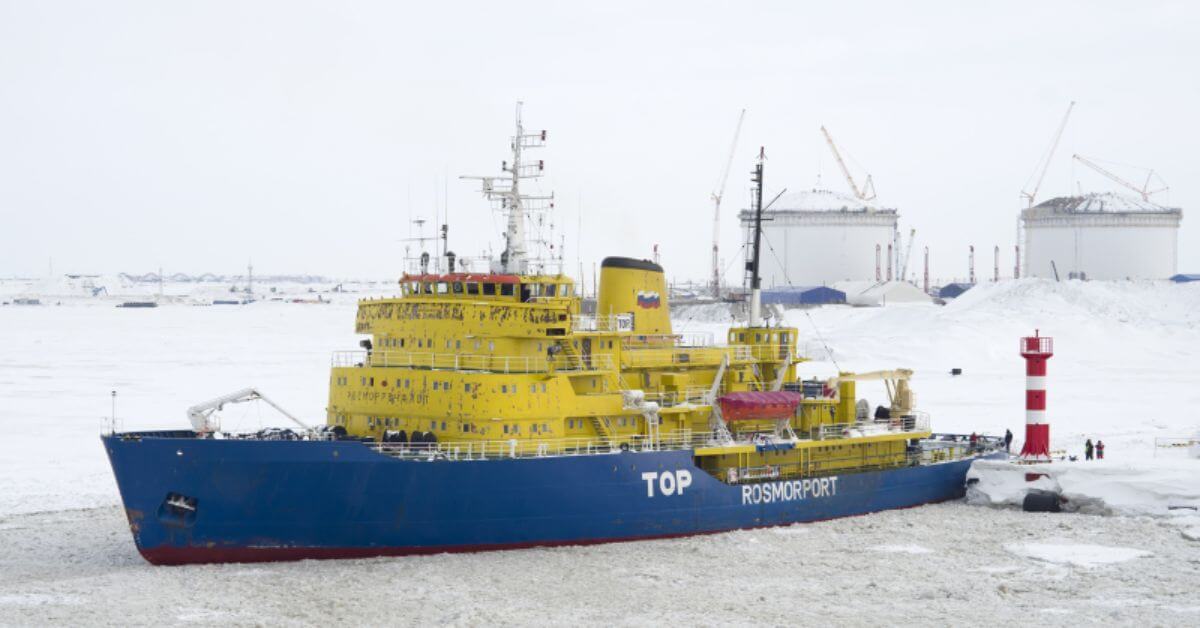
Russia Calibrates Export Revenue for Northern Sea Route Icebreaker Fleet
Russia plans to collect more than 200 billion roubles from exporters to fund two new icebreakers for the Northern Sea Route, a move that ties Arctic access directly to fiscal strategy. It is a calibrated bet: revenue marshaled now for extended navigation later. The sums are substantial, and the intent is clear. For context on how maritime infrastructure continues to shape regional ambitions, see our coverage of the Vostok project's Arctic oil exports.
Analyzing Container Shipping Resilience Amid Red Sea Disruptions
A corridor closure does not have to sever the network to degrade it. New modeling of the Red Sea, Suez disruption shows that passive diversion alone drops service levels to 0.827, even while the largest connected component stays intact. The real bottleneck is not port capacity but fleet turnover. That distinction matters as operators weigh Cape rerouting against joint optimization. For broader context, our coverage of Russia's icebreaker financing plans offers a useful counterpoint on how states are investing in Arctic alternatives.
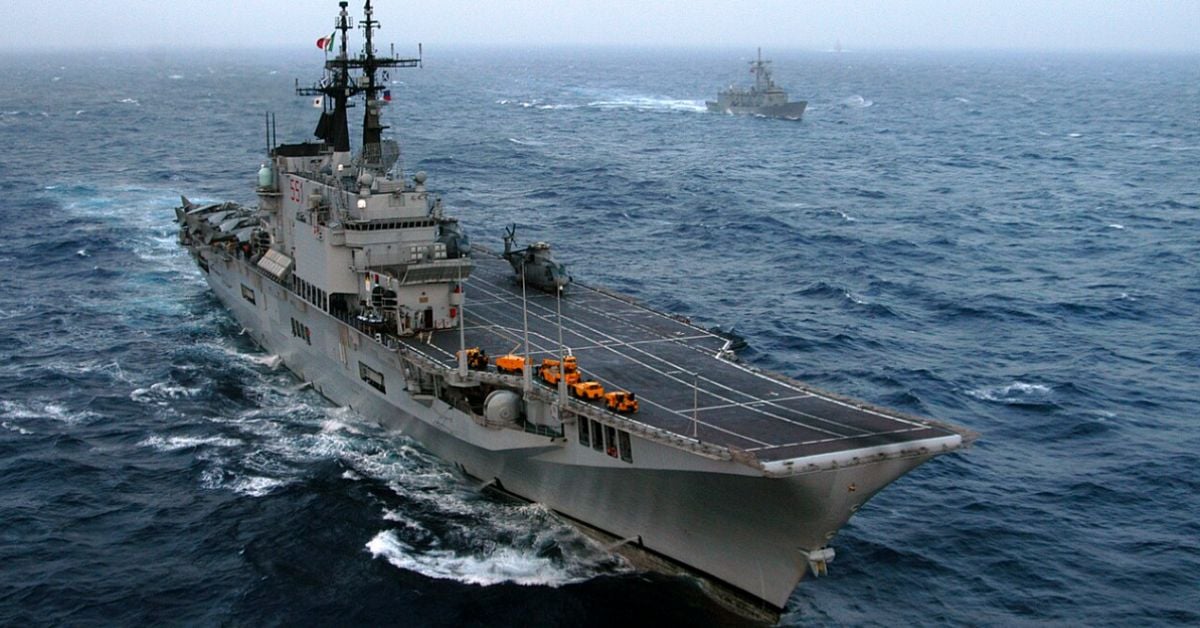
Indonesia Launches First Aircraft Carrier, Signaling Naval Expansion
Indonesia's acquisition of the Giuseppe Garibaldi marks a deliberate step into a more capable maritime posture, transforming a retired Italian carrier into its first aircraft carrier. This is not merely a hardware purchase; it is a statement of regional intent, validated by the ship's proven design. The move aligns with broader naval ambitions seen across Asia, from India's projected fleet growth to Russia's icebreaker investments. For Indonesia, the Garibaldi offers measurable power projection, yet its real value will depend on integrated operations and crew readiness.
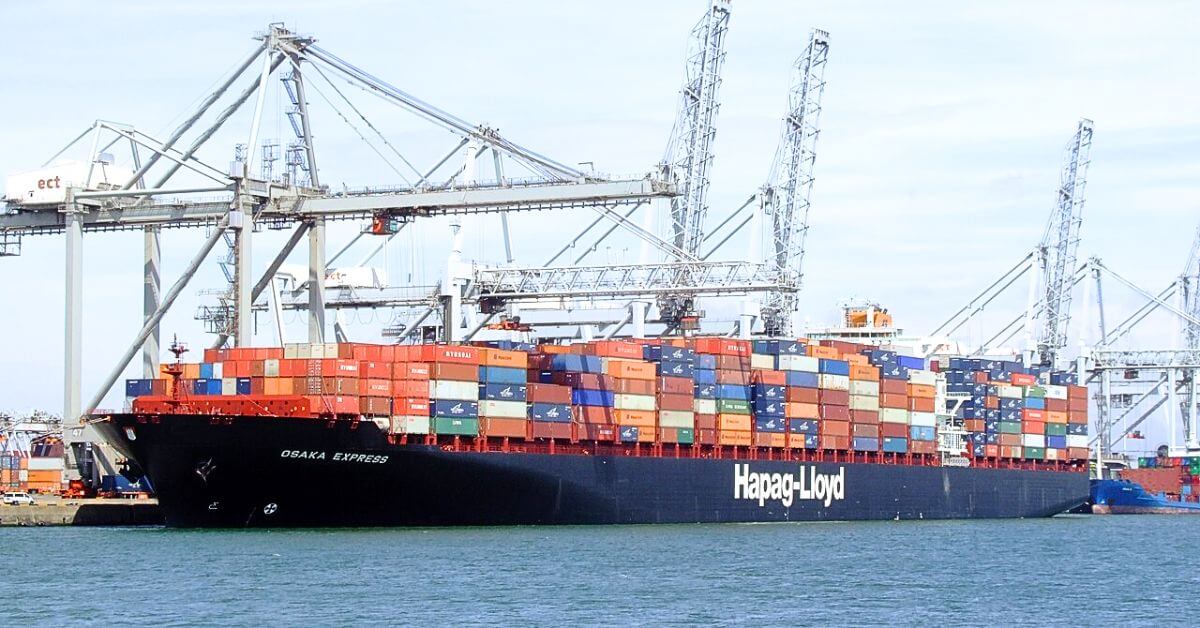
Shipping Services Return to Suez Canal Amid Ongoing Risk Assessments
Maersk's decision to reroute four services, AE5, AE11, AE12, and ME2, back through the Suez Canal marks a calculated return, not a careless one. The shift from the Cape of Good Hope reflects ongoing risk assessments that remain unresolved, a measured step rather than a full retreat to normalcy. It is a pragmatic move, grounded in operational data, and we respect that caution.
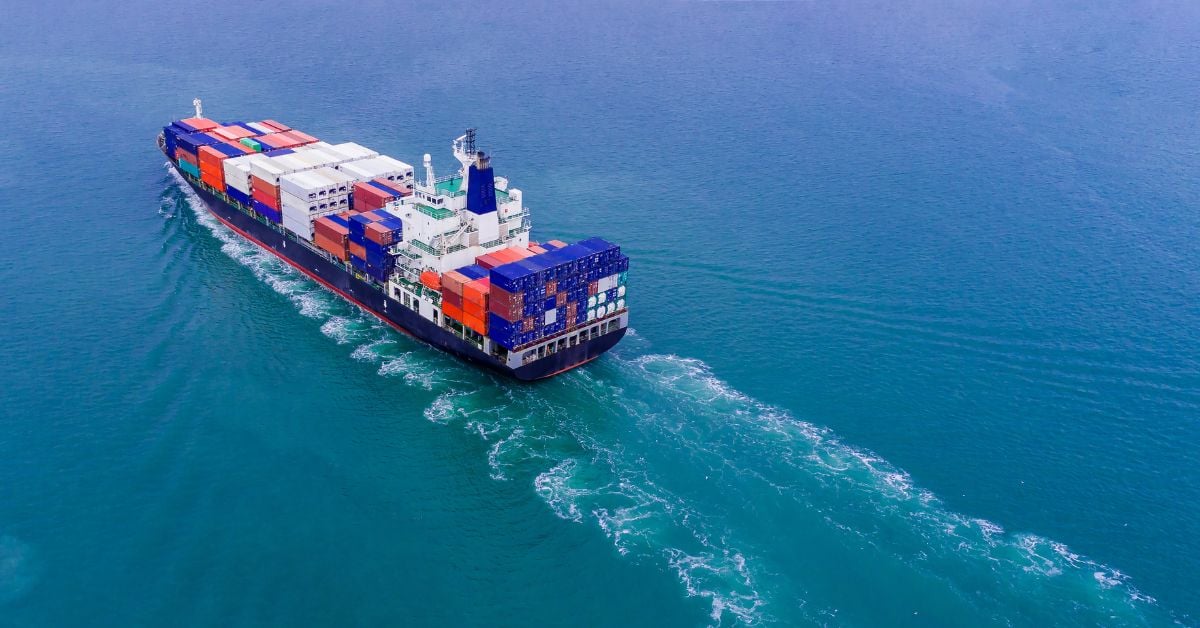
Scaling Seas: Gigamax Container Ships Forecasted for East-West Trade.
A 27,500-TEU vessel represents more than a simple capacity increase. It signals a recalibration of global trade infrastructure, where scale itself becomes a strategic asset. These Gigamax ships will demand deeper ports, stronger cranes, and tighter scheduling across entire supply chains. The question is whether our current systems can absorb that pressure. For context on how maritime nations are already adapting, see our coverage of "Russia Calibrates Export Revenue for Northern Sea Route Icebreaker Fleet."
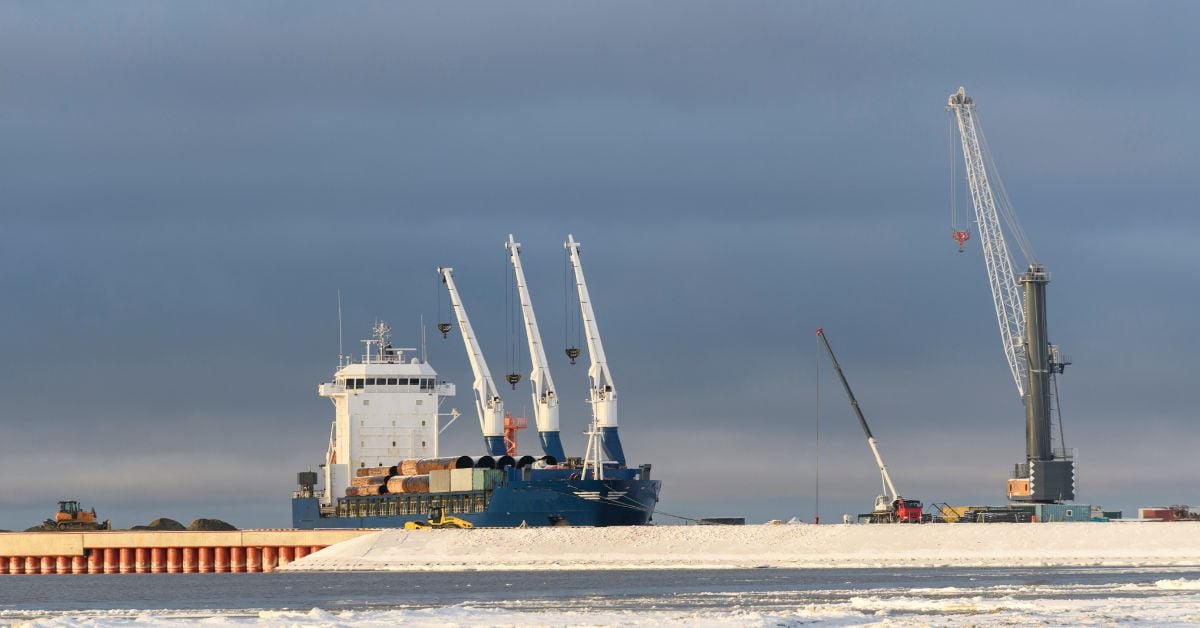
Arctic Passage Time Cut: Container Ship Charts New Route.
A Chinese container vessel has completed the Northern Sea Route in just 25 days, validating the Arctic's potential as a viable commercial passage. This is not an experiment; it is a measurable step in global shipping's realignment. The voyage demonstrates how climate indicators and integrated data ecosystems are reshaping trade logistics. For deeper context on shifting maritime corridors, see our coverage of "Russia Calibrates Export Revenue for Northern Sea Route Icebreaker Fleet." Understanding these routes drives smarter stewardship of our ocean intelligence.
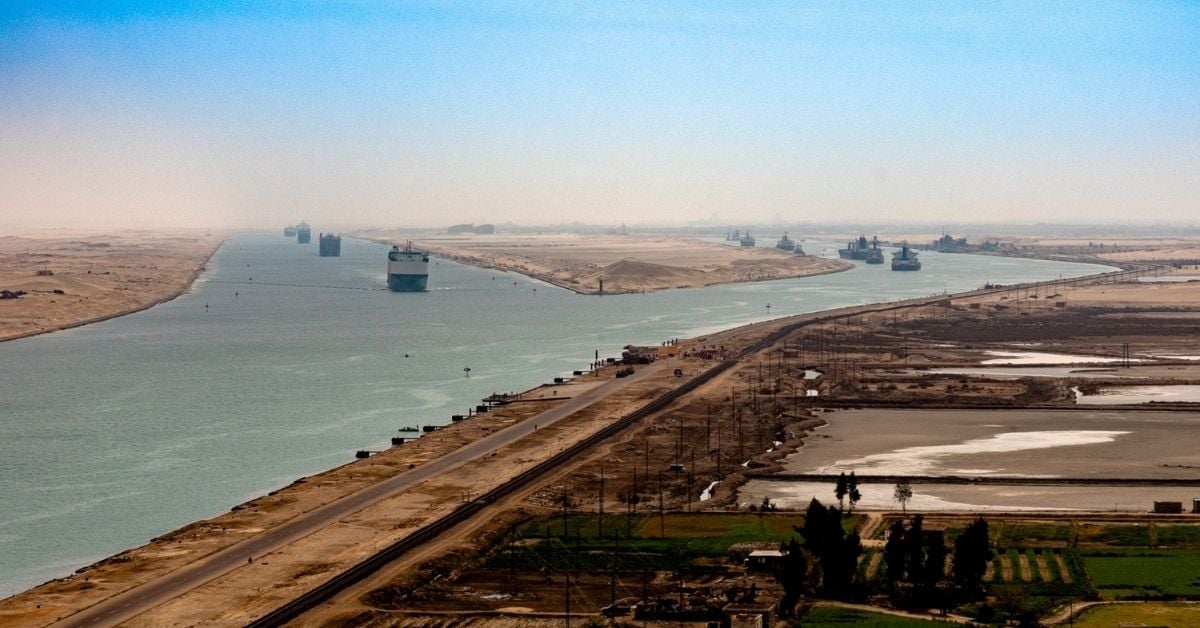
Shipping Resumes Suez Passage: Integrated Data Reveals Route Recovery.
The resumption of Suez transits marks a measurable shift in route recovery, as shipping firms pivot back from the Cape of Good Hope. This is not merely a logistical adjustment; it reflects calibrated confidence in the waterway's stability. For an industry that thrives on predictability, the return signals a rebalancing of risk and efficiency. Readers tracking regional momentum may also find our piece on Gulf of Oman STS transfers useful, as similar pressures shape these corridors. The data, as always, points where it points.

Maersk Container Traffic Signals Rising Activity Through Suez Canal
Maersk-affiliated container traffic through the Suez Canal is climbing, with navigation reports recording a considerable uptick in daily transits. The trend signals a measured return to a route that remains central to global trade efficiency. For a shipping network still recalibrating from Red Sea disruptions, this is a practical indicator of restored confidence rather than a speculative spike. It also invites comparison with how other chokepoints, like the Strait of Hormuz, demand coordinated attention.

South Korea Charts Arctic Route, Balancing Commerce and Geopolitical Concerns
South Korea's first Arctic-bound ship to Europe is a calculated test, not a statement. The route's commercial viability hinges on ice-free seasons and cost efficiency, yet the geopolitical undertow is undeniable. Western backlash over Russian cooperation complicates what might otherwise be a straightforward logistics calculation. We see a nation weighing measurable gains against diplomatic friction, a balance requiring calibrated judgment. For deeper context on Moscow's Arctic ambitions, our related piece, "Russia Calibrates Export Revenue for Northern Sea Route Icebreaker Fleet," outlines the financial stakes.

Vietnam Resumes Direct Diesel Imports from India Amid Duty Reduction
Vietnam's decision to cut its most-favoured-nation import duty on diesel from 7% to zero, extended until September 30, 2026, signals a calculated move toward energy cost stability. Resuming direct imports from India reflects practical diversification, not just policy adjustment. This is the kind of measurable, real-time shift that matters for regional trade flows. For readers tracking maritime and logistics implications, our related piece on India's approved seafarer welfare hub at Mormugao Port offers useful context on the broader India, Vietnam corridor.

Arctic Route Expands: China's "Ice Silk Road" Connects East and Europe.
On Aug. 15, Sea Legend launched its weekly China-Europe Arctic Express, a scheduled service that turns the fabled "Ice Silk Road" into a working corridor. The route matters because it shortens the physical and logistical distance between East Asia and Europe, offering a practical alternative to congested southern passages. This is not spectacle; it is measured progress in ocean logistics. For context on how Arctic shipping economics are evolving, our coverage of Russia's icebreaker export revenue plans provides useful calibration.

India Eyes Northern Sea Route for Expedited Trade with Russia
India is charting a new course to the Arctic. With plans to send its first cargo ship along Russia's Northern Sea Route in 2027, New Delhi is looking to bypass the Suez Canal and cut transit time as bilateral trade with Moscow expands under sanctions. It is a pragmatic, data-driven move, one that reflects how geopolitical pressures are redrawing maritime logistics. For readers tracking parallel disruptions, our coverage of strikes targeting ports and vessels in confirmed military action offers broader context on the region's volatility.

Chinese Shipping Expands Arctic Route Access via Northern Sea Route.
Seven Chinese vessels have received permits to transit the Northern Sea Route to Europe, a concrete step in Beijing's Arctic engagement. Rosatom's approval signals Russia's willingness to integrate Chinese shipping into its ice-covered corridor. The move is practical, not ceremonial: it extends commercial reach while testing the route's reliability. For readers tracking the region's momentum, our related piece on Russia's icebreaker export revenue calibrations offers useful context on the infrastructure behind these transits.

Red Sea Attacks Disrupt Oil Flow, Raising Regional Tensions.
Two more Saudi oil tankers came under attack in the Red Sea, pushing the total since the blockade began to nine. That is not a rounding error; it is a direct strain on a vital shipping lane. Each incident raises the cost of moving crude and tightens an already stretched market. The pattern is clear: regional tensions are now a measurable factor in global oil flow.

Protecting Red Sea Shipping: Saudi Arabia Pursues International Collaboration.
Saudi Arabia is moving to assemble an international coalition aimed at securing Red Sea shipping lanes against Houthi threats, according to media reports. This is a calculated step toward protecting a corridor that carries a significant share of global trade. The move signals a recognition that maritime security cannot be managed alone. For deeper context on regional oil flows, our related piece on Gulf of Oman STS Transfers Max Out Amid Rising Saudi Oil Exports offers useful grounding.

Shipping Route Shift: Supertanker Alters Course Amid Red Sea Tensions
A supertanker bound for Yanbu turned back before reaching the Bab el-Mandeb Strait, a quiet but telling correction in a crowded maritime corridor. The move reflects how swiftly risk reshapes routing decisions, even for cargoes already committed. We read this as a practical response to tension, not alarm. For broader context on regional pressure points, our coverage of Gulf of Oman STS Transfers Max Out Amid Rising Saudi Oil Exports offers a useful parallel. The ocean rewards adaptability; this diversion proves the point.

Hormuz Tanker Traffic Declines, Signaling Potential Maritime Shifts
A single tanker crossed the Strait of Hormuz on July 23, down from three the prior day, according to Kpler. That decline is measurable, and it warrants attention. We track maritime flows because they carry signals. Whether this reflects routine scheduling or something more deliberate remains unclear, but the data is clear. For context on regional pressure points, our coverage of Gulf of Oman STS transfers highlights how export routes are already maxing out.

Shipping Disruptions: Tanker Reversals Highlight Red Sea Instability
The Xin Long Yang's reversal, carrying two million barrels of Saudi crude for China, marks the second such pivot in as many days. When a laden tanker abandons its heading, it signals that the Bab el-Mandeb corridor is no longer a reliable calculation. This is not speculation; it is the market recalibrating to a hard reality. The risk premium is being repriced in real time.

Asian Refiners Adjust Crude Supply Routes Amid Suez Canal Disruption
South Korea's refiners are rerouting crude supply chains as Suez Canal disruptions force a pragmatic pivot. One major refiner is now seeking a Very Large Crude Carrier to load at Yanbu, with the option of transiting the Suez Canal still on the table. It's a measured response to a volatile corridor, reflecting how quickly logistics adapt when geopolitical friction meets energy demand. The calculus is straightforward: secure throughput, manage cost, keep refineries running.

Red Sea Shipping Disrupted: Houthi Actions Impact Global Trade Routes
The Bab el-Mandeb strait, a critical artery for global shipping, is now a flashpoint. Houthi actions have injected a new level of risk into this vital corridor, threatening the steady flow of goods and energy. This disruption demands a measured response, as the implications for trade routes are significant. We must monitor these developments with clear eyes, as the security of our shared ocean economy hangs in the balance.