Houthis
World Data Ocean keeps Houthis in one place: 31 stories so far. The section currently leads with “Projectile Strike at Yanbu Port Disrupts Tanker Operations”, “Projectiles strike crude and LNG tankers in the Strait of Hormuz”, and “Five seafarers killed as pirates open fire on hijacked tanker during rescue”. An unidentified projectile struck inside Saudi Arabia's Yanbu port on October 1, igniting a fire that disrupted tanker operations. Three vessels, a crude oil tanker, an LNG tanker, and another ship, were struck by projectiles in the Strait of Hormuz, UKMTO reports. A Global Hub for Ocean Intelligence 4 World Data Ocean is a centralized digital platform where researchers, scientists, and ocean enthusiasts converge to… The list below is every Houthis story on World Data Ocean, newest first.
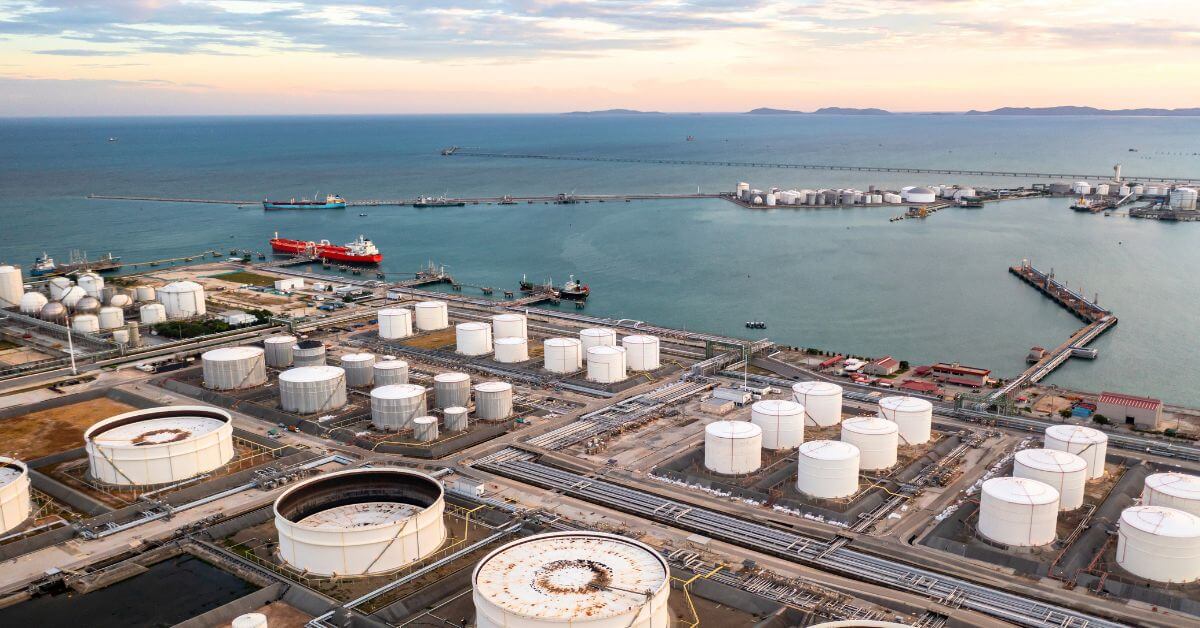
Projectile Strike at Yanbu Port Disrupts Tanker Operations
An unidentified projectile struck inside Saudi Arabia's Yanbu port on October 1, igniting a fire that disrupted tanker operations. This incident underscores the fragility of critical maritime infrastructure in a region already under strain. Measurable disruptions like this demand calibrated, real-time monitoring to protect global energy flows. For deeper context on how such risks reshape supply chains, see our coverage of refiners chartering tankers through Hormuz to secure India's oil supply. Understanding these threats drives smarter protection.
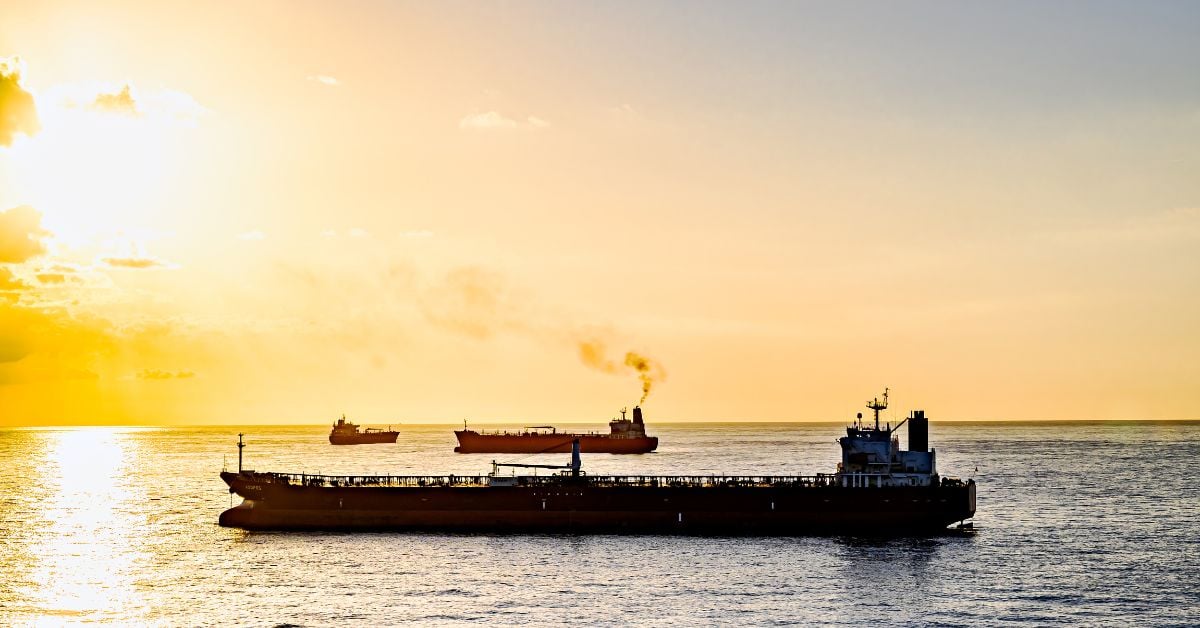
Projectiles strike crude and LNG tankers in the Strait of Hormuz
Three vessels, a crude oil tanker, an LNG tanker, and another ship, were struck by projectiles in the Strait of Hormuz, UKMTO reports. This is not a random escalation. It is a calibrated disruption to one of the world's most measured energy corridors. For those tracking ocean intelligence, the pattern is clear: these strikes test supply chains already under pressure. Our coverage of how Indian refiners are chartering tankers through Hormuz connects directly to this story's implications.
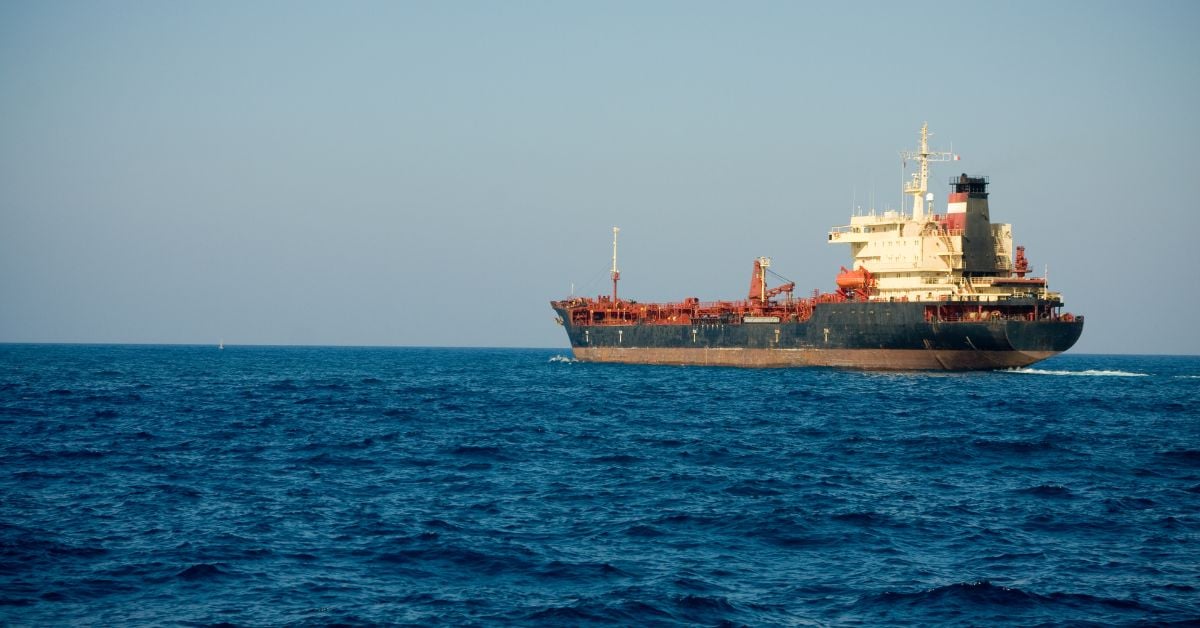
Five seafarers killed as pirates open fire on hijacked tanker during rescue
Five seafarers killed as pirates opened fire on a hijacked tanker during a rescue operation. The vessel carried 17 crew members; five were shot. Among the deceased: three from Pakistan, one from Myanmar, one from India. This is not an abstract risk, it is the human cost of failing to secure global shipping lanes. Our related coverage, "New Coalition Charts Measurable Course for Safer Global Shipping," examines one emerging framework for change. Measurable action, not rhetoric, is what these crews deserve.
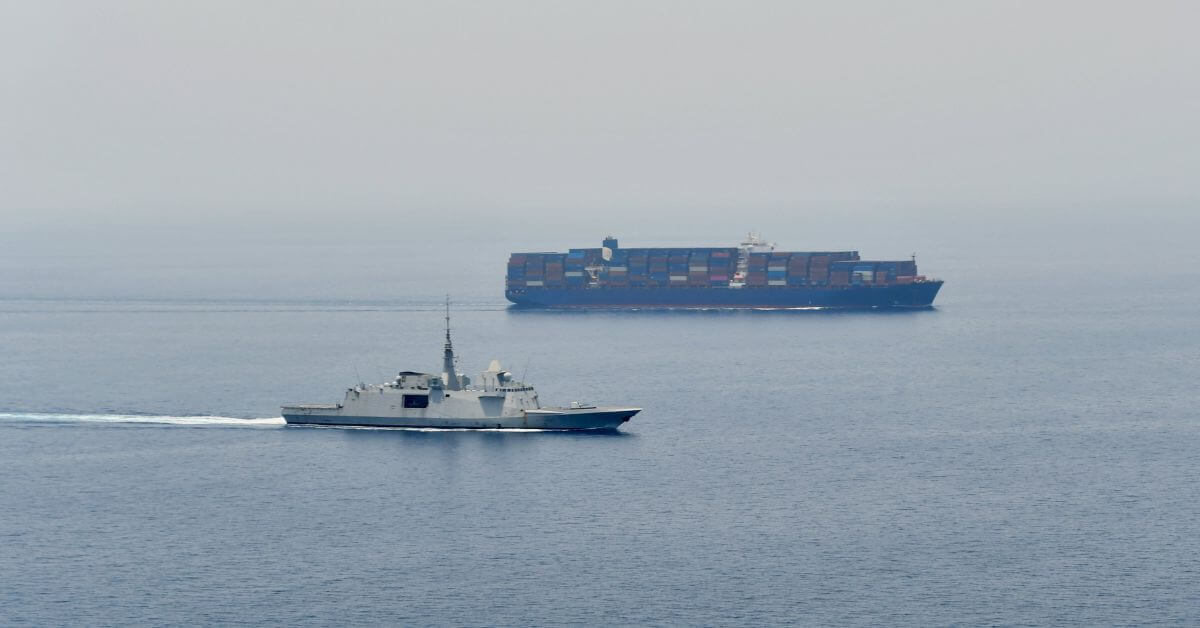
Expanded Naval Presence Calibrated for Red Sea Shipping Security
The European Union's call for more than ten warships to secure Red Sea shipping marks a calibrated response to a persistent threat. Kaja Kallas, the bloc's foreign policy chief, made the case on Monday, framing the expanded naval presence as a necessary measure for maritime stability. The numbers are telling: this is not a symbolic gesture but a concrete commitment.
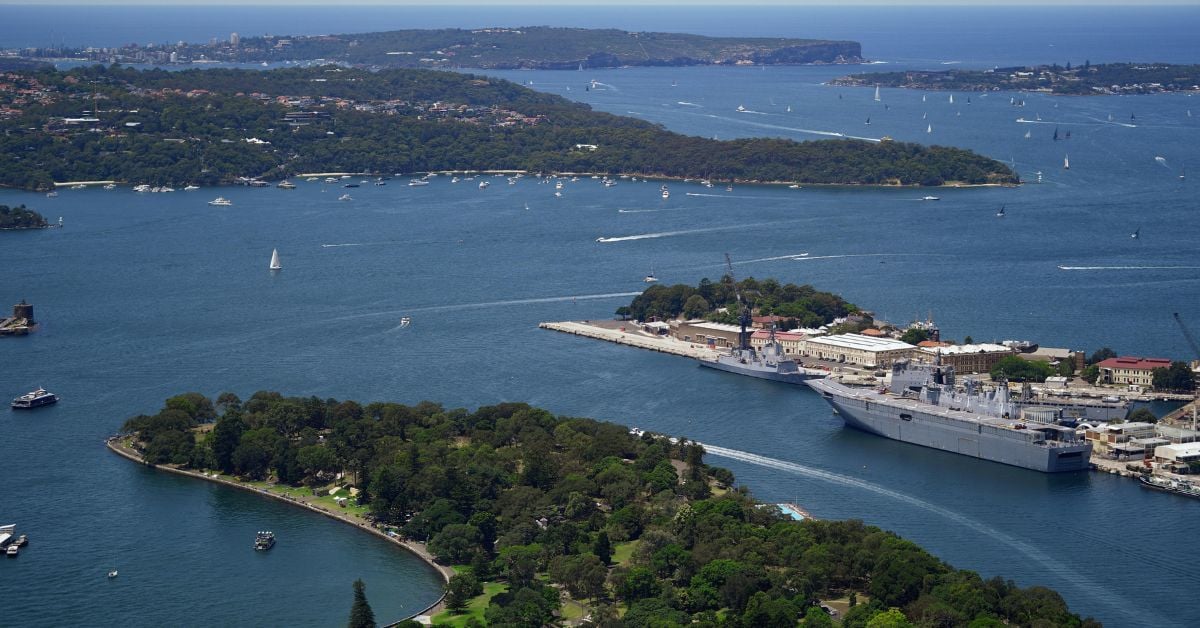
Enhanced Monitoring: China Expands Djibouti Base Near Key Shipping Lanes
Satellite imagery shows Beijing has expanded its Djibouti base with new radars, antennas, and naval assets, sharpening its watch over one of the world's busiest maritime corridors. The move is measured, deliberate, and strategically clear. It is not about alarm; it is about presence. For readers tracking how naval power reshapes trade routes, this pairs naturally with our report on Gulf of Oman STS transfers maxing out.
Oman Mediates Talks Between U.S. and Houthi Representatives Amid Red Sea Tensions
Diplomatic channels remain open even as tensions escalate along Yemen's Red Sea coast. Omani officials hosted U.S. Embassy personnel and Houthi representatives in Muscat, days after the group seized additional shoreline. This meeting signals a pragmatic attempt to manage a volatile situation, though concrete outcomes stay unclear. For context on regional maritime stress, our piece on Gulf of Oman STS transfers maxing out offers useful perspective. Dialogue is a start; sustained, verifiable commitments will determine whether this track produces stability.
Heightened Tensions: Houthi Control of Perim Island Impacts Shipping Route
The Houthi seizure of Perim Island places a validated chokepoint under direct threat. Control of this island means the Bab El-Mandeb Strait, a corridor for global commerce, is now within range of Iran-backed forces. This is not speculation; it is a measurable escalation in regional instability. For readers tracking these disruptions, our report on "Puntland Forces Intercept Hijacked, US-Sanctioned Oil Tanker After 48 Hours" shows how quickly maritime security unravels. Understanding these links drives protection of vital sea lanes.

Houthi Control Expands Near Vital Bab el-Mandeb Strait.
The Houthis have seized new territory near the Bab el-Mandeb Strait, tightening their grip on a chokepoint that connects the Red Sea to the Gulf of Aden. This expansion is a measured but significant shift in regional leverage. Validated by empirical observation, their increased control raises calibrated concerns for maritime security and global trade flows. For deeper context on regional maritime pressures, our related coverage on Gulf of Oman STS transfers offers an integrated perspective. Understanding drives protection, this development demands attention.
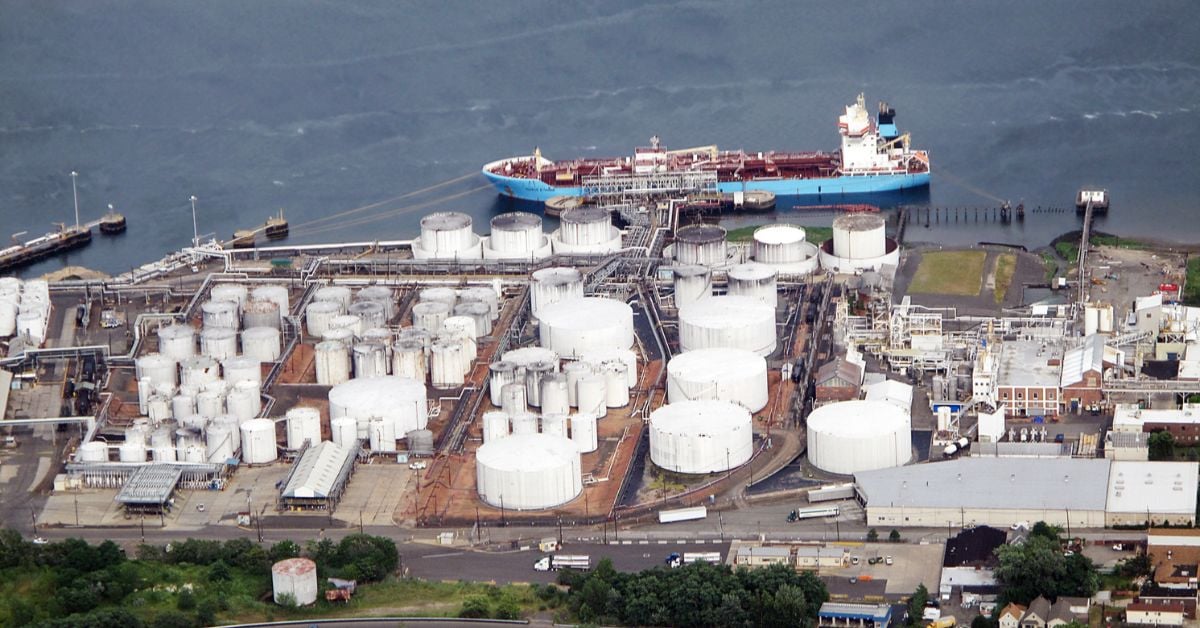
Attacks Disrupt Saudi Oil Operations; Regional Instability Intensifies.
Houthi attacks struck southern Saudi Arabia, including an Aramco oil refinery, disrupting operations and intensifying regional instability. These strikes underscore the fragility of energy infrastructure in contested zones. Measurable impacts on global oil flows demand calibrated monitoring. For deeper context on shifting maritime pressures, see our related coverage of Gulf of Oman STS transfers maxing out amid rising Saudi exports. Understanding these disruptions is essential, protection begins with empirical awareness.
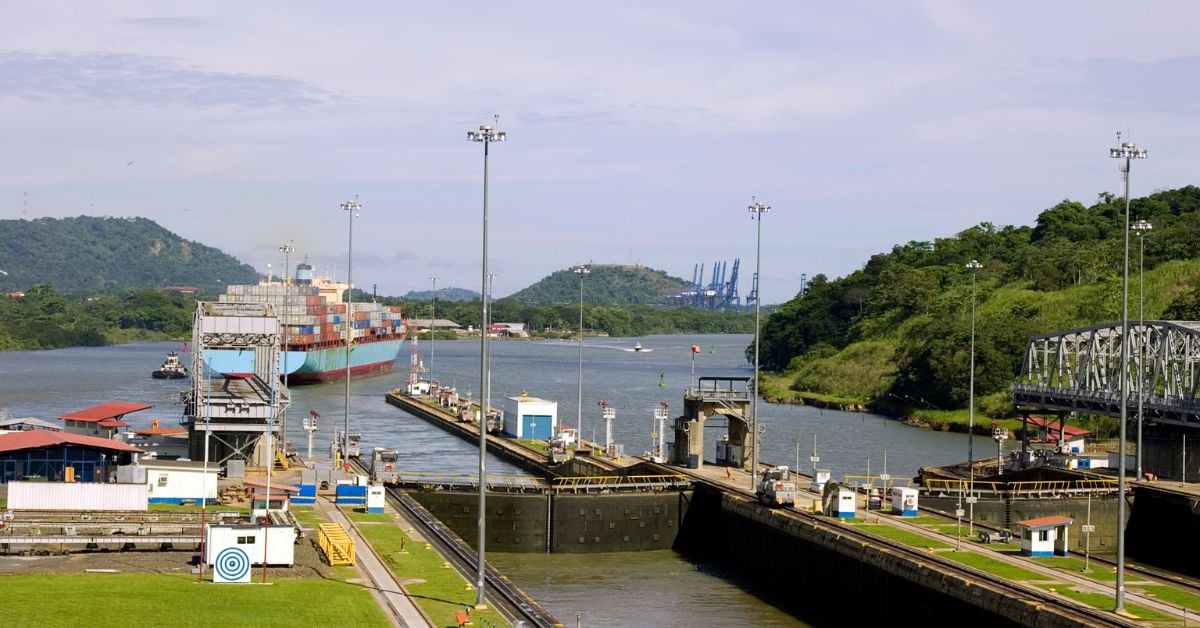
Reduced Canal Crossings: Climate Impacts Threaten Global Trade Flows
Reduced canal crossings now stand at just 29 per day. Drought and low rainfall are tightening the Panama Canal's capacity, a measurable strain on global trade flows that demands empirical attention. This is not an isolated pressure point. Our coverage of "Russia Calibrates Export Revenue for Northern Sea Route Icebreaker Fleet" shows how nations are already recalibrating infrastructure in response. Climate indicators are reshaping maritime logistics. Understanding these integrated disruptions is the first step toward protecting the systems we depend on.
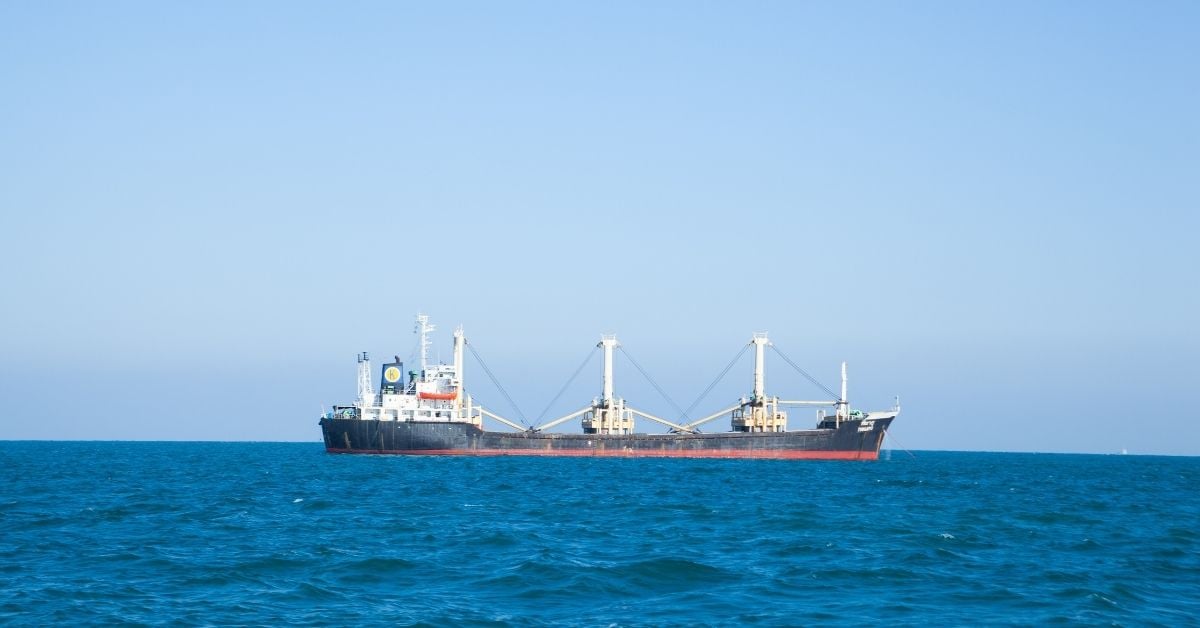
Joint Forces Intervene: Maritime Security Operation Frees Hijacked Vessel
The Turkish Navy and Somalia's Armed Forces concluded a decisive 10-day operation, neutralizing 14 pirates and freeing a hijacked vessel. This is what coordinated maritime security looks like when measured action meets clear objectives. The operation underscores a practical truth: effective ocean stewardship requires persistent, joint commitment, not just policy. For broader context on regional maritime pressures, our related coverage on Gulf of Oman STS transfers offers valuable perspective. This success signals a calibrated, reliable approach to protecting vital sea lanes.
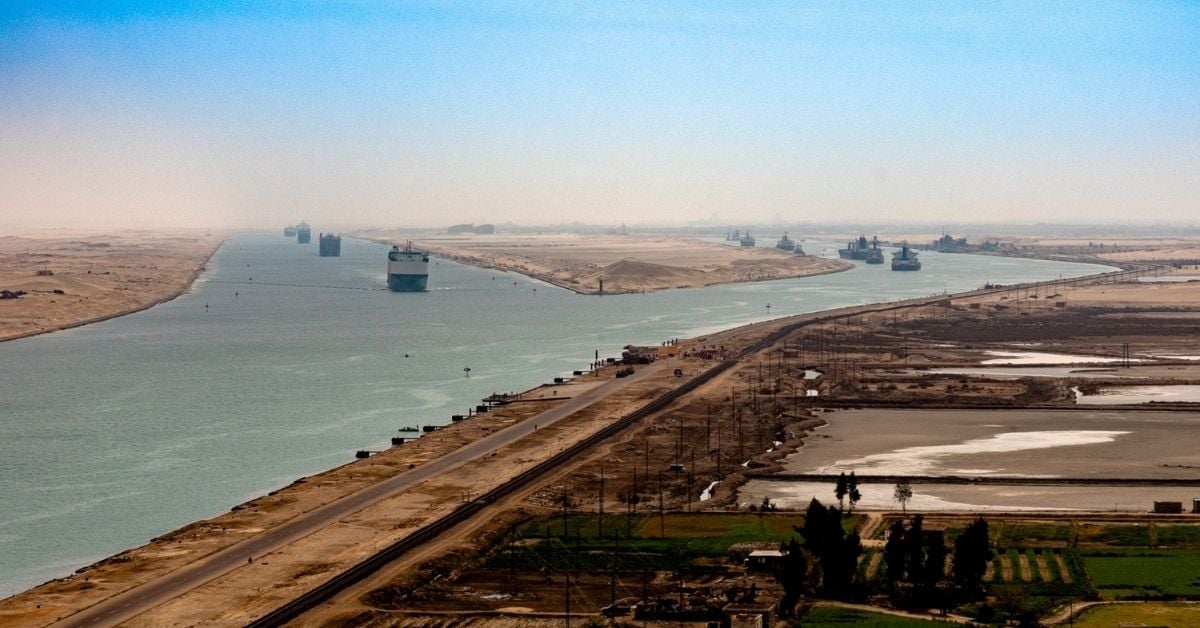
Shipping Resumes Suez Passage: Integrated Data Reveals Route Recovery.
The resumption of Suez transits marks a measurable shift in route recovery, as shipping firms pivot back from the Cape of Good Hope. This is not merely a logistical adjustment; it reflects calibrated confidence in the waterway's stability. For an industry that thrives on predictability, the return signals a rebalancing of risk and efficiency. Readers tracking regional momentum may also find our piece on Gulf of Oman STS transfers useful, as similar pressures shape these corridors. The data, as always, points where it points.

Integrated Port Expansion: Saudi Arabia and CMA CGM Enhance Red Sea Trade
Jeddah Islamic Port is about to get a serious upgrade. Saudi Arabia's Red Sea Gateway Terminal has signed a contract with CMA CGM, France's shipping giant, to build and operate a new terminal there. It's a direct bet on the Red Sea's growing role in global trade, and a smart one. This isn't just concrete and cranes; it's about positioning for the long haul.

Red Sea Incident: Unmanned Cargo Vessel Sustains Total Loss.
The loss of an unmanned cargo vessel to unknown projectiles in the southern Red Sea marks a stark instance of maritime vulnerability. The UKMTO's declaration of a total loss is a measurable outcome, yet the incident underscores a broader fragility in a region already defined by complex logistics. We view this not with alarm, but as a calibrated data point. It validates why integrated, real-time ocean intelligence is essential for understanding risk.

Yemen Conflict: Houthis Report Attack on Saudi Naval Vessel in Red Sea
The Houthis claim they struck a Saudi military landing ship and four escort vessels near the Red Sea port of Mocha, a direct escalation in a waterway already strained by regional tensions. The attack, if confirmed, underscores how fragile maritime security has become. We treat such reports with caution, but the pattern is clear: the Red Sea is now a flashpoint.

Red Sea Tensions Rise: Houthis Report Strike on Saudi Vessel
The latest Houthi claim of a strike on a Saudi vessel lands with familiar weight, arriving just days after a missile attack killed six crew members aboard the cargo ship *Tihamah* in the Bab al-Mandeb Strait. Each incident tightens the knot on maritime security, and the pattern is measurable. These are not isolated provocations; they are pressure points on a route that sustains global trade.

Red Sea Attack Disrupts Shipping, Impacts Yemeni Communities.
A four-troop and three-civilian death toll in Mokha marks a grim escalation, as the Red Sea attack disrupts shipping and deepens the hardship for Yemeni communities already navigating conflict. This is not a distant maritime statistic; it is a direct blow to local stability and a clear signal that the security of these waters remains fragile. The human cost is immediate, even as the broader economic ripples extend far beyond the shore.

Uncrewed Vessel Incident Leads to Ship Sinking Near Yemen
A ship sank off the Yemeni coast after an unknown uncrewed surface vessel targeted it, the United Kingdom Maritime Trade Operations confirmed. The incident underscores a troubling escalation in maritime threats that now extend beyond crewed attacks. Our coverage of Gulf of Oman STS transfers maxing out amid rising Saudi exports shows how regional instability and shifting trade patterns are forcing vessels into riskier operational territory. This sinking is a stark reminder that ocean intelligence must now account for autonomous threats.

Red Sea Attacks Disrupt Oil Flow, Raising Regional Tensions.
Two more Saudi oil tankers came under attack in the Red Sea, pushing the total since the blockade began to nine. That is not a rounding error; it is a direct strain on a vital shipping lane. Each incident raises the cost of moving crude and tightens an already stretched market. The pattern is clear: regional tensions are now a measurable factor in global oil flow.

Houthis Dispute Transit Fee Claims; Shipping Caution Advised.
Claims of transit fee demands have surfaced, but Houthi officials dispute them, urging caution across shipping lanes. The organisation advises companies against payments or information sharing with unauthorised parties, a measured stance we find reassuring. Clarity here is operational, not optional. For broader context on regional pressures, our coverage of Gulf of Oman STS transfers offers useful perspective. Vessels should verify instructions through official channels. Vigilance, not alarm, remains the operative principle.

Red Sea Risk Zone Expands as Insurers Respond to Houthi Actions
London's marine insurance market has widened the Red Sea's high-risk zone following Houthi attacks on Saudi-linked vessels, a measured response to a volatile reality. This is prudent, not panicked. Insurers are calibrating risk with precision, and the expansion reflects empirical threats rather than speculation. For those tracking regional chokepoints, our coverage of Gulf of Oman STS transfers offers useful context. Understanding drives protection, and here, the data speaks clearly.

Protecting Red Sea Shipping: Saudi Arabia Pursues International Collaboration.
Saudi Arabia is moving to assemble an international coalition aimed at securing Red Sea shipping lanes against Houthi threats, according to media reports. This is a calculated step toward protecting a corridor that carries a significant share of global trade. The move signals a recognition that maritime security cannot be managed alone. For deeper context on regional oil flows, our related piece on Gulf of Oman STS Transfers Max Out Amid Rising Saudi Oil Exports offers useful grounding.

Red Sea Incident: Houthi Claim Missile Strike on Oil Tanker
The Houthi missile strike on the oil tanker NCC GHAZAL, claimed by Yahya Saree, underscores how quickly maritime navigation bans escalate into active threats. The group acted after repeated warnings, a pattern that demands scrutiny from every stakeholder in global shipping. This is not hyperbole; it is a measurable disruption to seaborne trade. For broader context on regional chokepoints, our related piece on the Gulf of Oman STS Transfers Max Out Amid Rising Saudi Oil Exports offers valuable perspective. Understanding drives protection.

Red Sea Disruption: Houthis Emulate Iran, Impacting Maritime Trade Routes
The Houthis have declared a maritime blockade on Saudi shipping in the Red Sea, launching missiles and drones at the kingdom. This escalation, mirroring Iranian tactics, directly threatens a critical global artery. We view this not as posturing, but as a calibrated disruption with measurable consequences for energy flows. For deeper context on regional shipping pressures, our coverage of Gulf of Oman STS transfers maxing out offers a pertinent parallel. Understanding these integrated pressures is essential for navigating this volatile corridor.