El Niño
13 stories filed under El Niño on World Data Ocean. The newest of them: “Ocean's early warnings grow urgent as climate signals accelerate”, “El Niño and La Niña no longer define cool and warm years”, and “El Niño's Unprecedented Ocean Warming: A Record Broken”. The North Pacific's surface has warmed four times faster than the global average, a signal we can no longer ignore. El Niño and La Niña no longer define cool and warm years. A Global Hub for Ocean Intelligence 4 World Data Ocean is a centralized digital platform where researchers, scientists, and ocean enthusiasts converge to… The list below is every El Niño story on World Data Ocean, newest first.
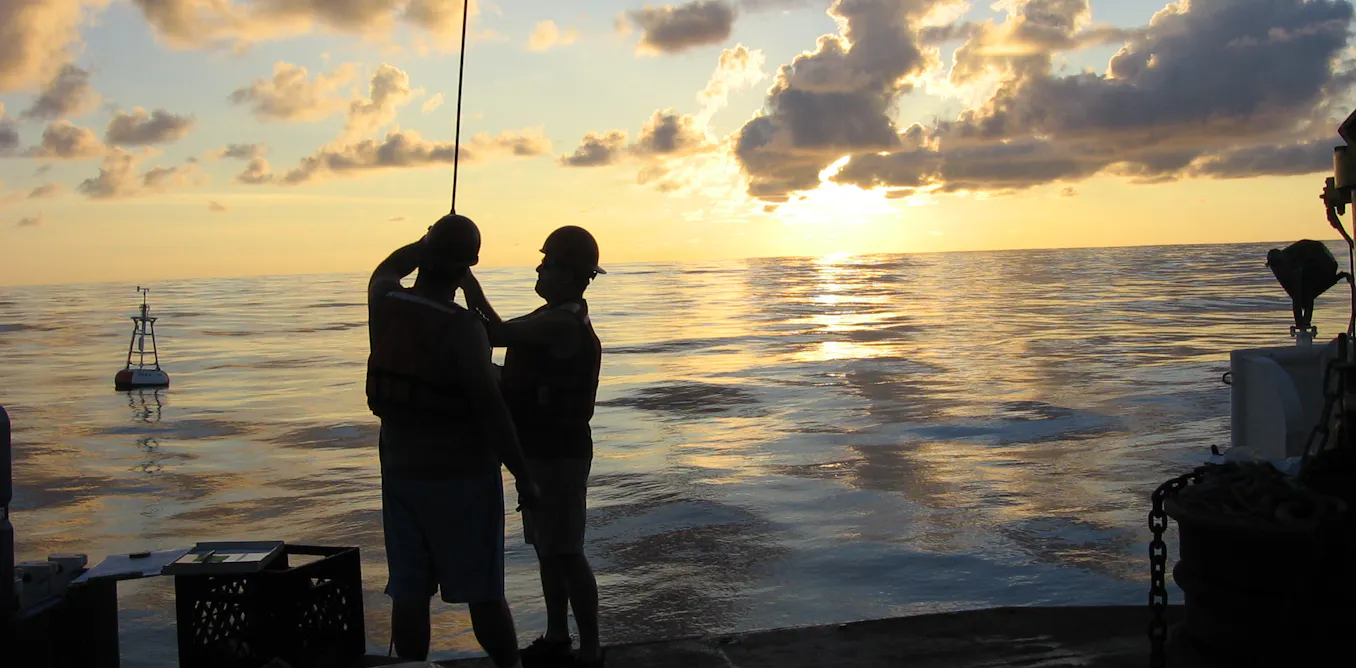
Ocean's early warnings grow urgent as climate signals accelerate
The North Pacific's surface has warmed four times faster than the global average, a signal we can no longer ignore. Ocean intelligence now shows climate indicators moving beyond modeled projections. These are not abstract trends; they are measurable, real-time shifts in a system we depend on. Understanding drives protection. Our related piece on ECCO‑Darwin's first multi‑decadal global ocean CO₂ flux estimates offers another calibrated look at how fast this change is actually happening.
El Niño and La Niña no longer define cool and warm years
El Niño and La Niña no longer define cool and warm years. "Cool" years are now hotter than the "warm" years of the past. This is not speculation; it is a measured, empirical recalibration of our climate baseline. The shift is validated by decades of peer-reviewed data. The ocean economy is booming, but as UNCTAD's integrated climate indicators show, its longevity depends on understanding these changes. The urgency is clear, and the data demands action.

El Niño's Unprecedented Ocean Warming: A Record Broken
The numbers are stark: daily sea surface temperatures in the El Niño development zone have broken every record in the historical ledger. This is not a marginal uptick; it is a clear, empirical signal that the ocean's heat engine is operating at an unprecedented intensity. We treat these measurements as calibrated warnings, not anomalies. For context on how such climatic stress reshapes global logistics, our piece on reduced canal transits offers a parallel view. Understanding these extremes is the first step toward meaningful adaptation.
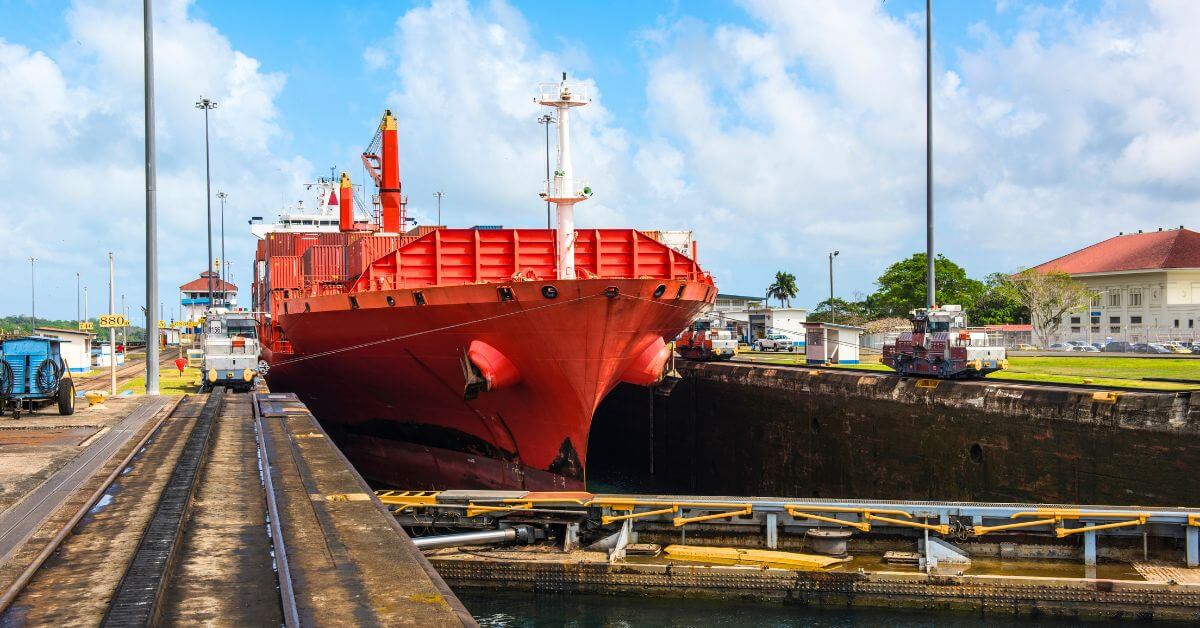
Reduced Canal Transits: Drought Impacts Global Shipping Routes.
The Panama Canal is tightening its grip. Starting in October, an average of 29.5 vessels per day will be allowed through, a direct response to the drought that is reshaping global shipping routes. This is not an abstract climate indicator; it is a measurable constraint on trade. We see the canal's draft plan as a practical, if difficult, calibration of limited resources. For context on how other chokepoints are straining, our piece on Gulf of Oman STS transfers offers a parallel view.

ENSO Impacts Guangdong's Coastal Wave Exposure: A Longitudinal Assessment
Understanding drives protection. This longitudinal assessment of ENSO's influence on typhoon-generated wave exposure along Guangdong's coast delivers precisely the kind of empirical clarity coastal planners need. By integrating 46 years of ERA5 data with TC records and ONI indices, the study reveals a clear scale-dependent relationship: ENSO conditions meaningfully shape annual patterns of cumulative wave exposure, yet exert limited influence on individual event severity. This distinction is critical, ENSO offers valuable climatic context for seasonal preparedness, not deterministic forecasting.
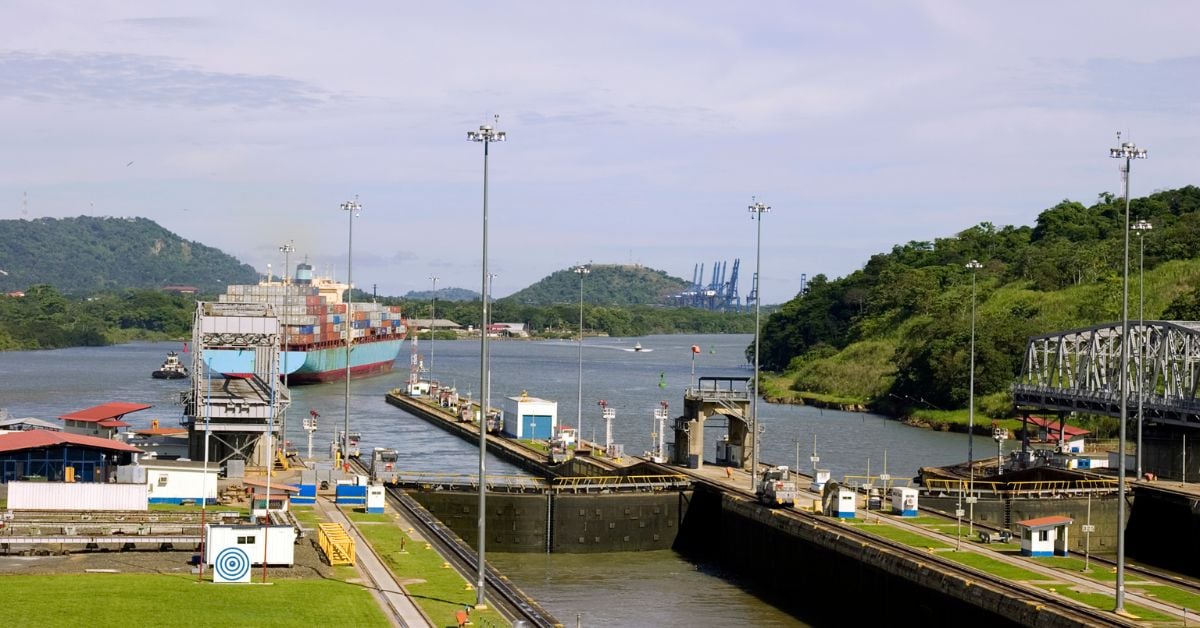
Reduced Canal Crossings: Climate Impacts Threaten Global Trade Flows
Reduced canal crossings now stand at just 29 per day. Drought and low rainfall are tightening the Panama Canal's capacity, a measurable strain on global trade flows that demands empirical attention. This is not an isolated pressure point. Our coverage of "Russia Calibrates Export Revenue for Northern Sea Route Icebreaker Fleet" shows how nations are already recalibrating infrastructure in response. Climate indicators are reshaping maritime logistics. Understanding these integrated disruptions is the first step toward protecting the systems we depend on.
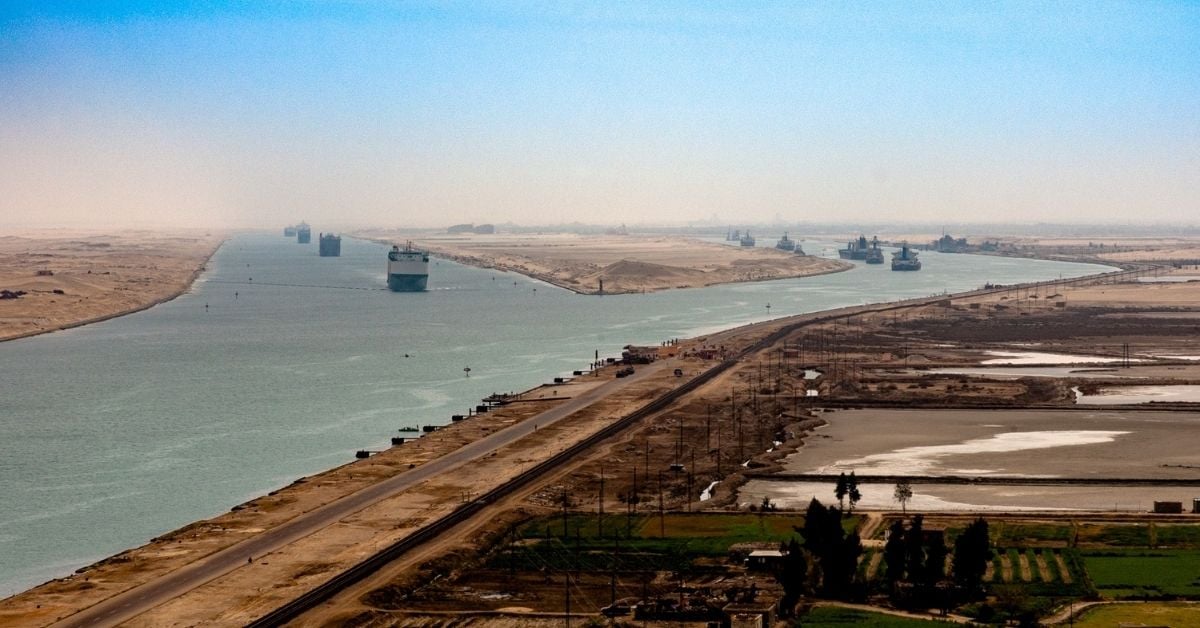
Shipping Resumes Suez Passage: Integrated Data Reveals Route Recovery.
The resumption of Suez transits marks a measurable shift in route recovery, as shipping firms pivot back from the Cape of Good Hope. This is not merely a logistical adjustment; it reflects calibrated confidence in the waterway's stability. For an industry that thrives on predictability, the return signals a rebalancing of risk and efficiency. Readers tracking regional momentum may also find our piece on Gulf of Oman STS transfers useful, as similar pressures shape these corridors. The data, as always, points where it points.

Port Delays Surge: Global Congestion Impacts Freight Rates and Operations
Port congestion is no longer a logistical footnote; it is a primary lever on global freight rates. Longer waiting times at anchor translate directly into longer turnaround times for vessels, and that idling carries a measurable cost. The result is an escalation in freight rates and operational expenses that ripples through every supply chain. This is the friction of a system operating at its limits. While record port activity reflects surging Chinese exports amid trade uncertainty, the operational strain is undeniable.

Record Sea Surface Temperatures Signal Urgent Ocean Change.
The daily global average sea surface temperature has now surpassed every record since modern tracking began, exceeding the previous high set in March 2024. This is not a subtle shift; it is a measurable signal that the ocean's heat capacity is responding faster than many models anticipated. We treat these numbers as empirical evidence, not speculation. The urgency is real, and the data demands action.

El Niño Drought Restricts Panama Canal Vessel Traffic.
The Panama Canal Authority has restricted daily vessel crossings, a direct response to drought-like conditions driven by El Niño. This is a practical, measured adjustment to a pressing climate reality. The waterway's reliability depends on predictable rainfall, and its absence demands immediate operational recalibration. It is a reminder that infrastructure, however advanced, remains tethered to environmental stability. For broader context on this phenomenon, our article on El Niño's unprecedented ocean warming offers critical insight.
Optimizing Salmon Feed with EPA & DHA Enhances Farm Sustainability.
A 2023-2024 El Niño period saw fish oil shortages that can reduce dietary EPA and DHA, but a new large-scale study shows how maintaining these omega-3s can make salmon farming more resilient. Analyzing over 430 million Atlantic salmon, the research links higher dietary EPA+DHA levels to lower mortality and better feed efficiency. These gains also cut the carbon and marine footprints of harvested salmon. For producers, this is a clear path to more stable and sustainable operations.

Panama Canal: A Century of Trade Navigates Evolving Climate Risks.
The Panama Canal recorded 10,623 deep-draft vessel transits in the first ten months of fiscal year 2026, according to the Panama Canal Authority. That volume underscores a century of trade resilience, yet the waterway now navigates a more volatile climate. We see this as a measure of both engineering endurance and growing environmental pressure. For context, our coverage of El Niño's unprecedented ocean warming offers a stark reminder of what drives such risks. The canal's operations remain a critical climate indicator.

Panama Canal Draft Restrictions Reflect Declining Water Levels.
The Panama Canal Authority's two-stage draft reduction for Neopanamax locks responds directly to declining water levels, a measured adjustment that prioritizes reliability over volume. This is prudent, calibrated decision-making, the kind that keeps global trade moving without pretending climate pressures don't exist. Water scarcity is no longer a future scenario; it is a present operational constraint. For context on how infrastructure adapts elsewhere, our coverage of Russia's icebreaker revenue plans offers a parallel in strategic resource management.