maritime trade
World Data Ocean keeps maritime trade in one place: 24 stories so far. The section currently leads with “Drone strike targets Panama-flagged tanker with 22 Indian crew at Sharjah anchorage”, “Panama Canal Opens 558 Advance Transit Slots for Early 2027”, and “Kandla Port's Record Cargo Day Signals Measured Growth in Ocean Commerce”. A Panama-flagged crude oil tanker with 22 Indian crew members was struck by a drone at the Sharjah Anchorage. The Panama Canal's advance booking window now stretches into early 2027, with 558 transit slots open across both Panamax and Neopanamax locks. A Global Hub for Ocean Intelligence 4 World Data Ocean is a centralized digital platform where researchers, scientists, and ocean enthusiasts converge to… The list below is every maritime trade story on World Data Ocean, newest first.
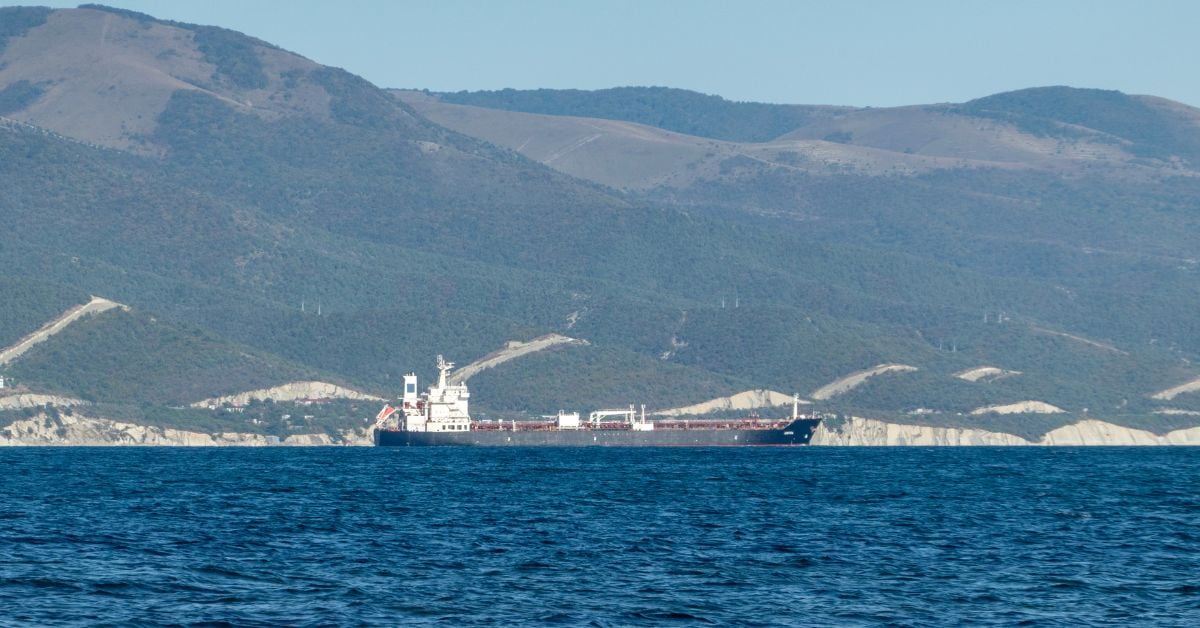
Drone strike targets Panama-flagged tanker with 22 Indian crew at Sharjah anchorage
A Panama-flagged crude oil tanker with 22 Indian crew members was struck by a drone at the Sharjah Anchorage. This incident underscores a troubling pattern: commercial vessels increasingly find themselves in harm's way. Our coverage of the abandoned cargo ship drifting through the Black Sea after a Russian drone strike reinforces that no maritime region is insulated from these threats. Measurable stability at sea remains a climate and food security indicator we cannot afford to ignore.
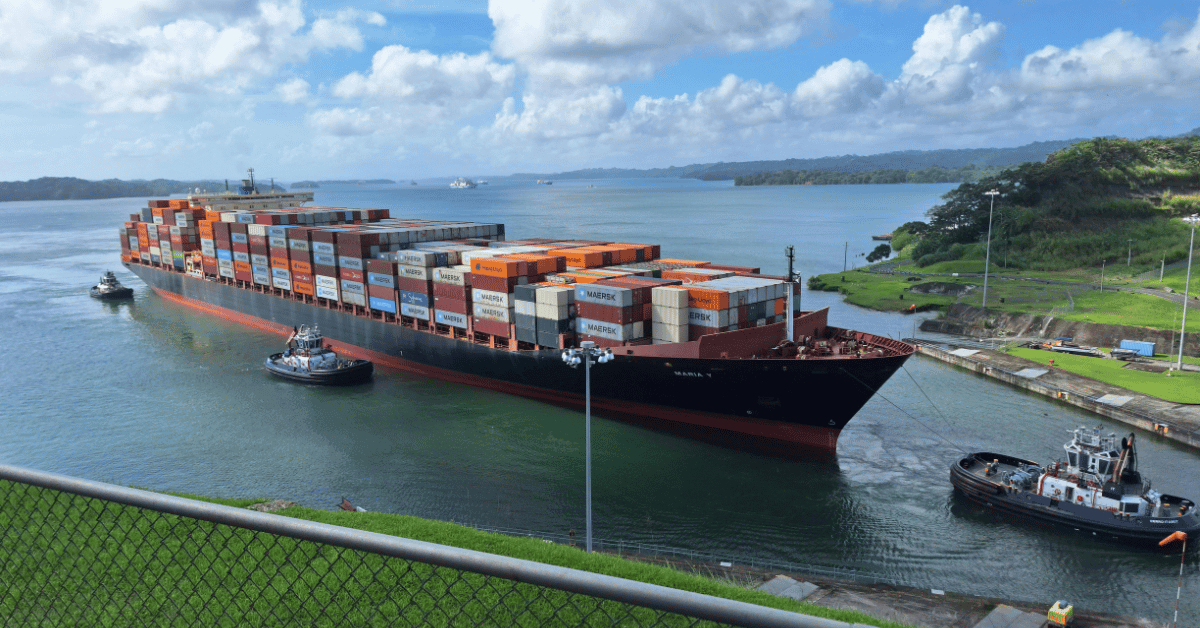
Panama Canal Opens 558 Advance Transit Slots for Early 2027
The Panama Canal's advance booking window now stretches into early 2027, with 558 transit slots open across both Panamax and Neopanamax locks. This expansion of the LoTSA program brings measurable predictability to shippers navigating tight schedules. It is a calibrated response to sustained demand, not a speculative gesture. For context on how ports are scaling alongside this, our coverage of Kandla Port's record cargo day offers a useful comparison. Understanding drives protection, and here, foresight drives efficiency.
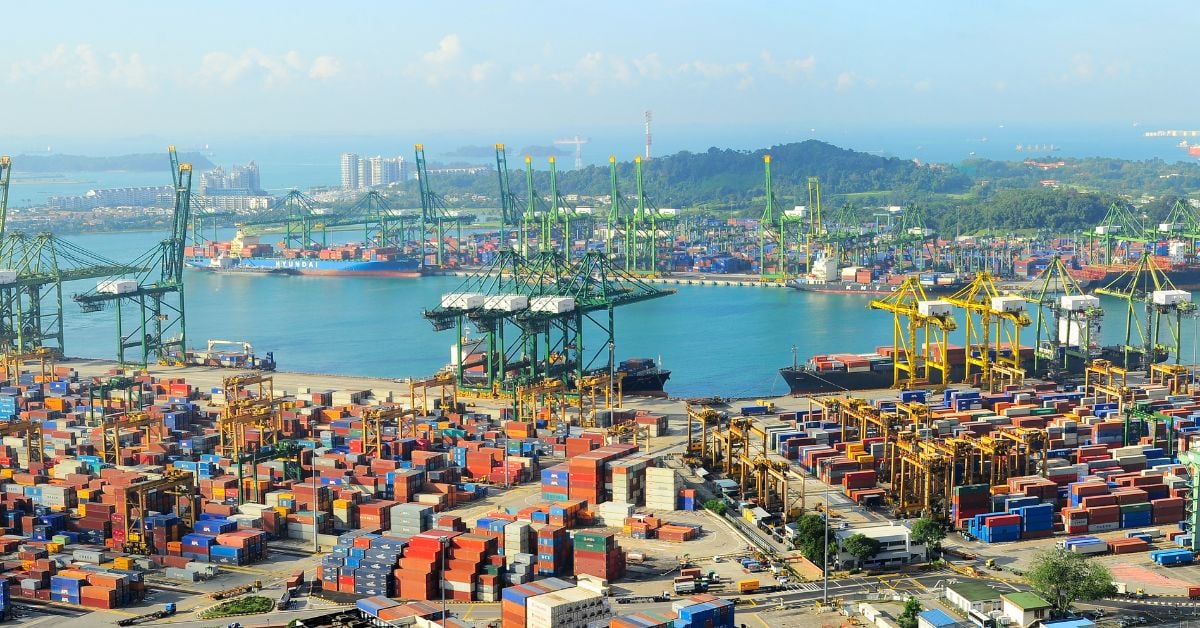
Kandla Port's Record Cargo Day Signals Measured Growth in Ocean Commerce
Kandla Port handled 9,63,951 metric tonnes of cargo in a single day, a national record that signals measured growth, not hype, in ocean commerce. This is empirical progress: real-time throughput validating India's maritime capacity. When infrastructure delivers validated results, it strengthens the entire integrated data ecosystem. For deeper context on global port developments, see our coverage of "A Measured Step Forward for West African Maritime Infrastructure." Understanding drives protection, and records like this one give us data worth tracking.
New Seaborne Trade Data Charts Global Economic Currents
New seaborne trade statistics from UNCTAD now chart global economic currents with empirical precision, offering a measurable view of how goods move across the world's oceans. This data matters. Validated shipping flows reveal not just commerce but climate indicators, the pulse of a system under pressure. For deeper context on what this boom means for ocean resilience, see our related coverage on measuring the longevity of a booming ocean economy through integrated climate indicators. Understanding drives protection.
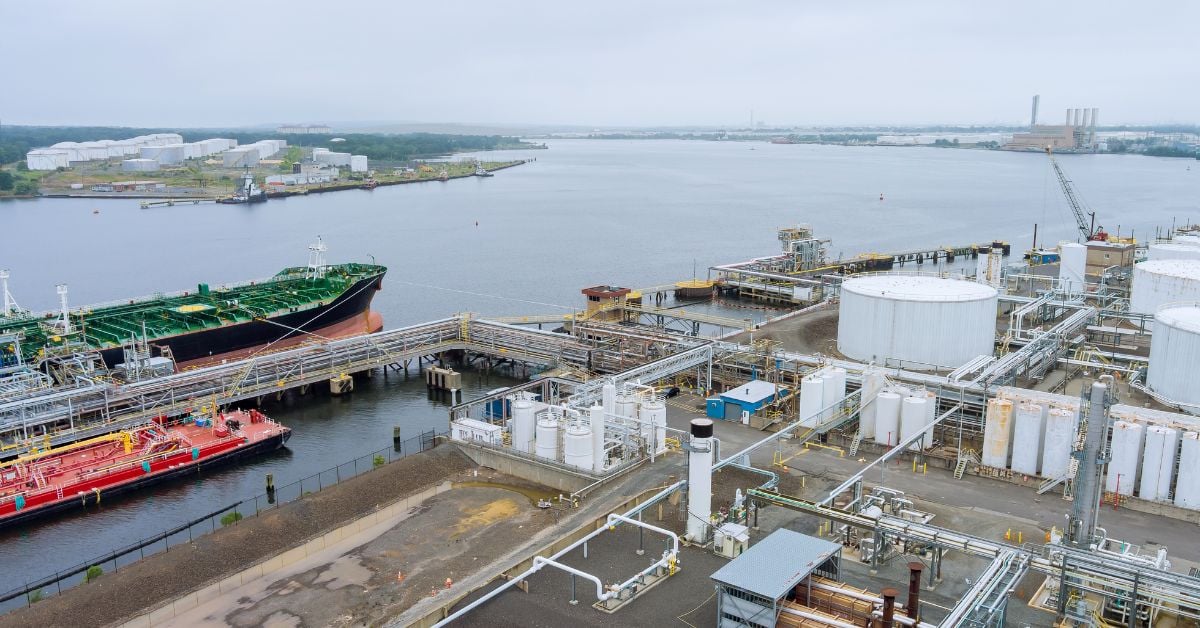
Vitol Acquires Substantial Iraqi Crude Volume Amid Price Discrepancies
Vitol's move to secure 25 to 30 million barrels of discounted Iraqi crude this month signals a sharp reading of market imbalances, and it's a calculated bet worth watching. Price discrepancies like these reward those who can move swiftly, and Vitol is leveraging its scale to lock in margin where others might hesitate. This kind of volume isn't opportunistic noise; it's a deliberate positioning play.
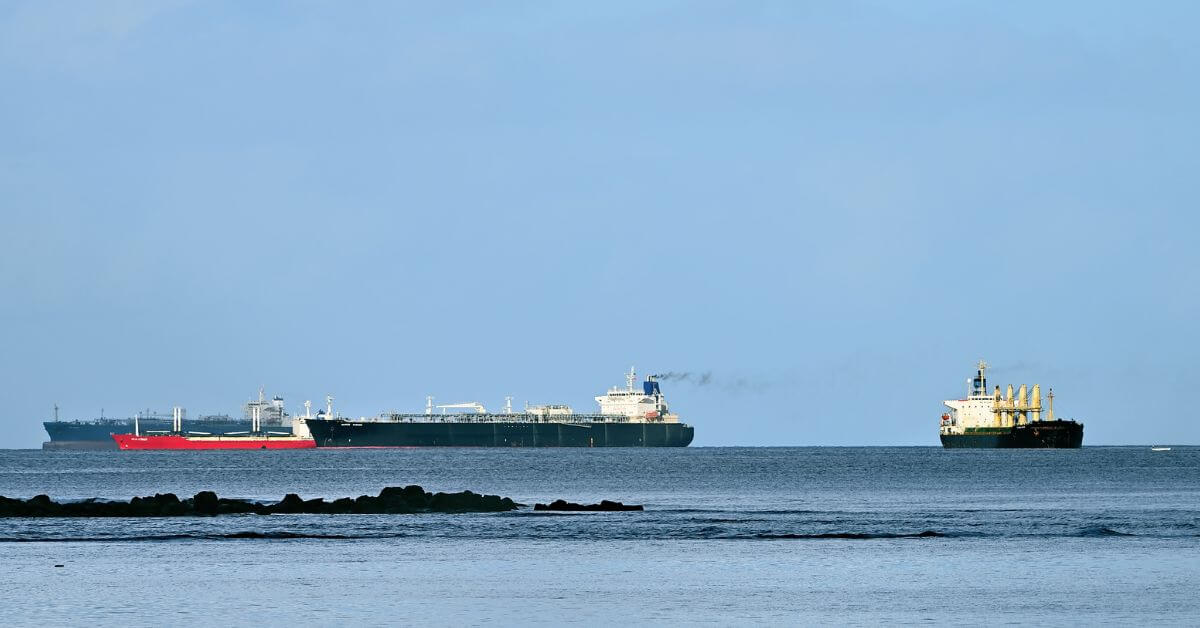
Strait of Hormuz Incidents Prompt Inquiry Into Tanker Impacts
Two tankers were struck by an unknown projectile or debris in the Strait of Hormuz on Monday, reigniting questions about the vulnerability of commercial shipping in one of the world's most vital waterways. The incident demands empirical scrutiny, not speculation, as we assess the measurable risks to vessels and crews. This is precisely why our coverage, including the recent report on Gulf of Oman STS transfers maxing out, must remain grounded in validated, real-time data.
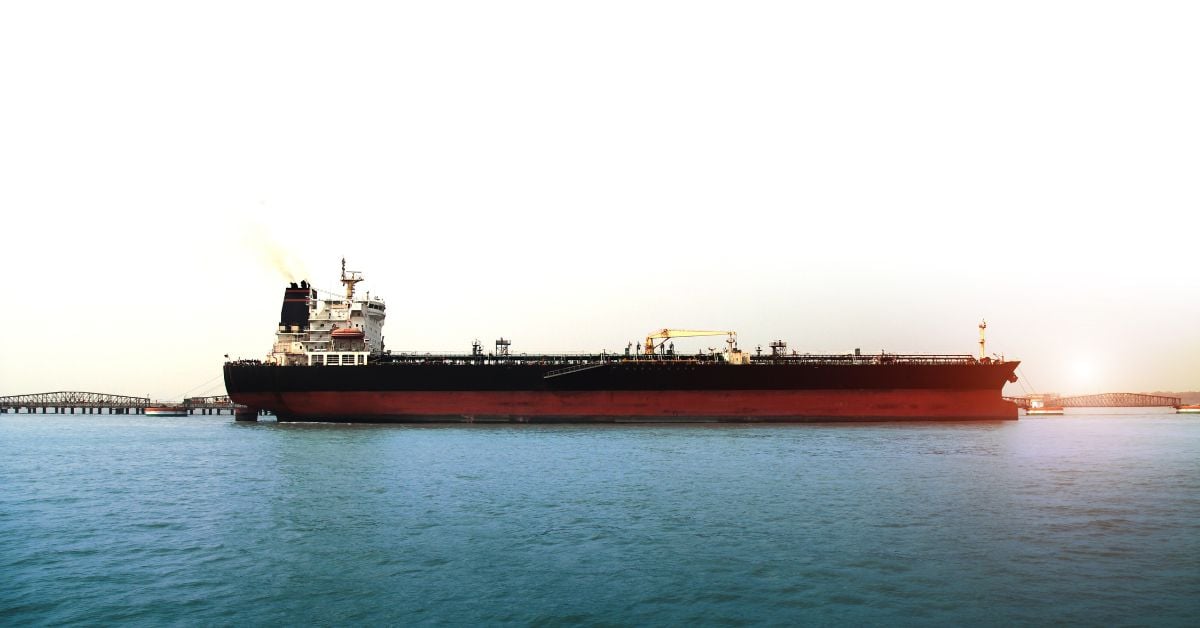
Strait of Hormuz: Conflicting Reports of Vessel Detentions Raise Tensions.
The Strait of Hormuz is once again a flashpoint, with the UKMTO flagging a separate incident involving a vessel in its waters. Conflicting reports of detentions are doing little to calm a region already bracing for disruption. These are not abstract metrics; they are real-world friction with global consequences. The situation demands precise, empirical monitoring, not alarmism.
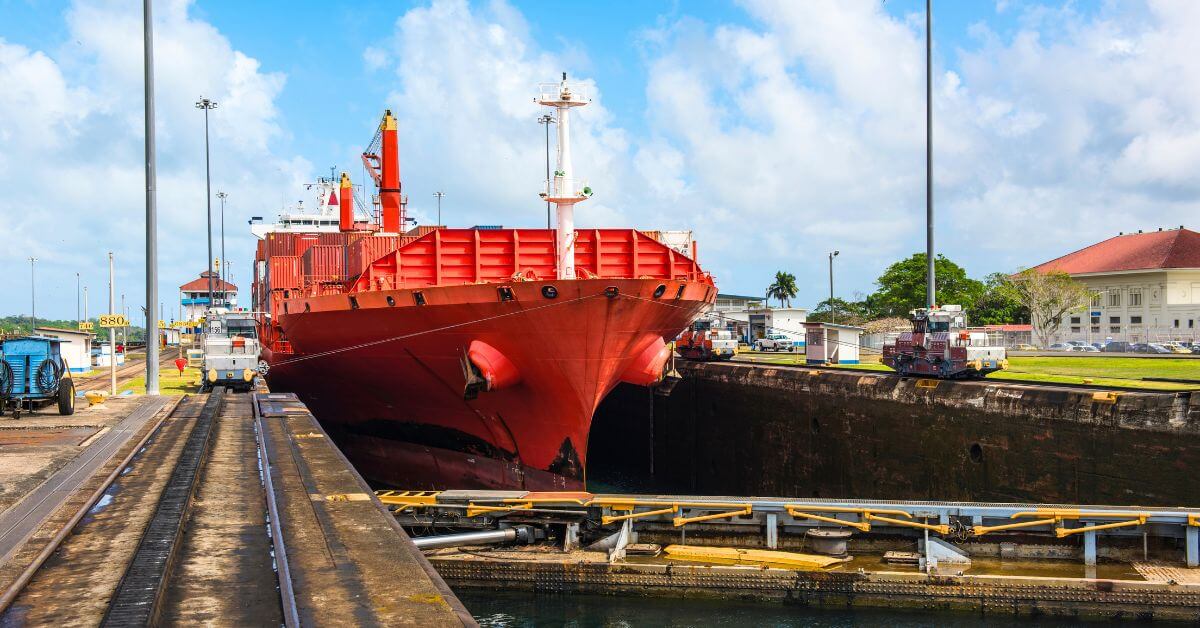
Reduced Canal Transits: Drought Impacts Global Shipping Routes.
The Panama Canal is tightening its grip. Starting in October, an average of 29.5 vessels per day will be allowed through, a direct response to the drought that is reshaping global shipping routes. This is not an abstract climate indicator; it is a measurable constraint on trade. We see the canal's draft plan as a practical, if difficult, calibration of limited resources. For context on how other chokepoints are straining, our piece on Gulf of Oman STS transfers offers a parallel view.
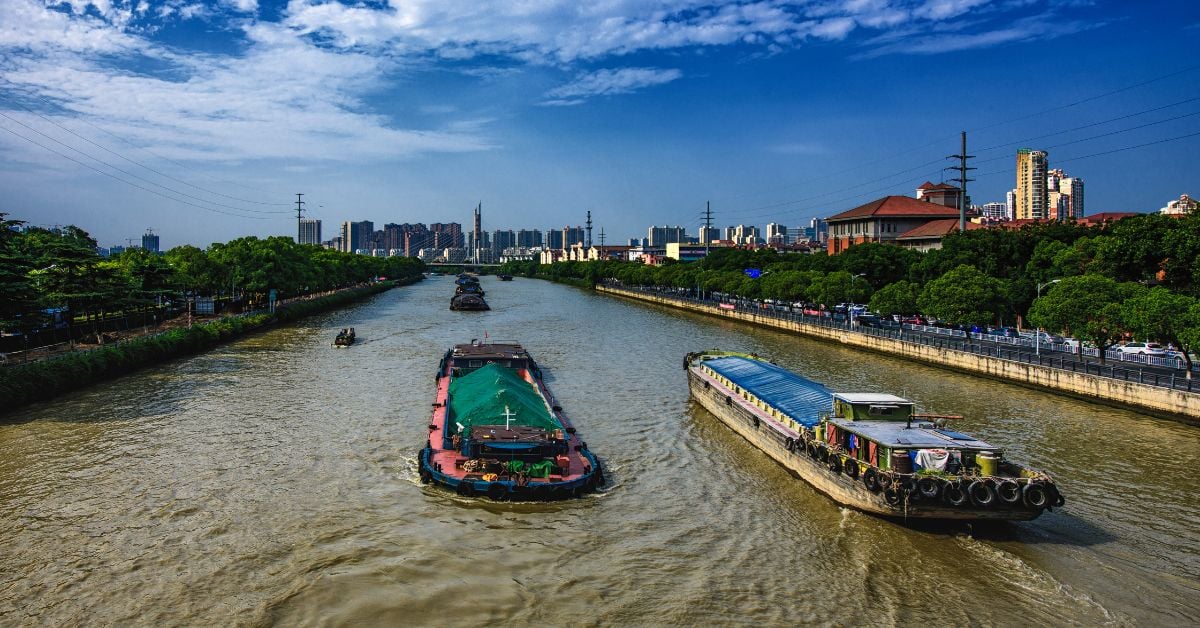
Integrated waterway connects China’s interior to Southeast Asian trade routes.
The Pinglu canal is engineered for ships up to five thousand tonnes, a scale that speaks to its ambition. It will carve a direct line from China's interior to Southeast Asian markets, trimming over 5 billion yuan in annual shipping costs. That is not a marginal efficiency; it is a structural shift in regional logistics. We see this as a deliberate move toward integrated waterway intelligence.
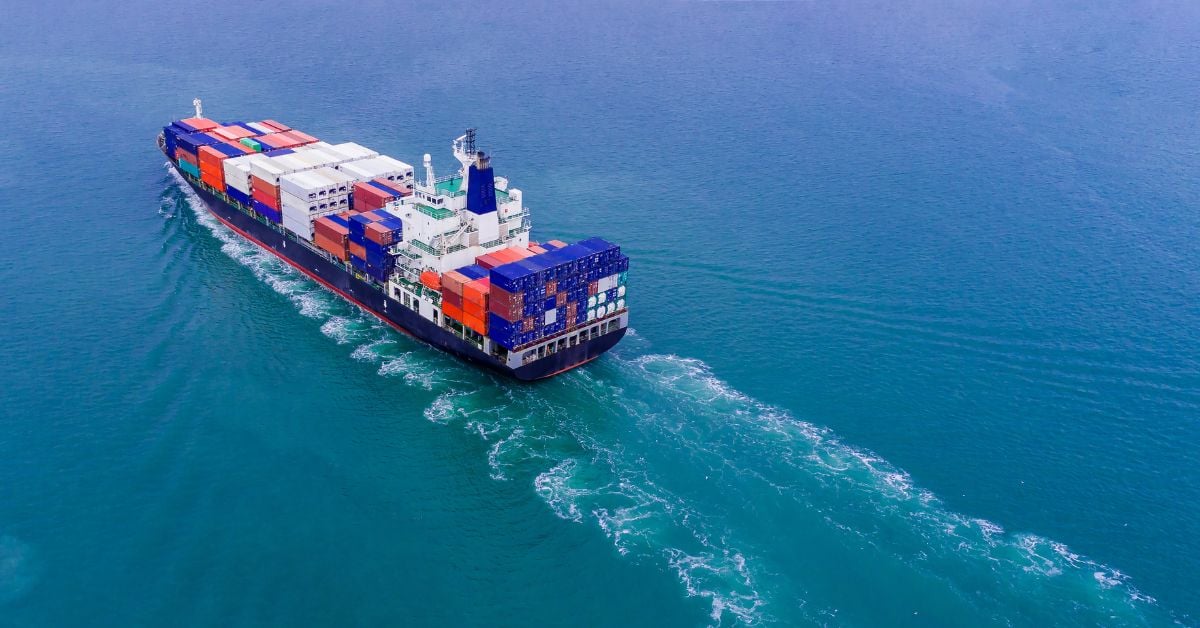
Scaling Seas: Gigamax Container Ships Forecasted for East-West Trade.
A 27,500-TEU vessel represents more than a simple capacity increase. It signals a recalibration of global trade infrastructure, where scale itself becomes a strategic asset. These Gigamax ships will demand deeper ports, stronger cranes, and tighter scheduling across entire supply chains. The question is whether our current systems can absorb that pressure. For context on how maritime nations are already adapting, see our coverage of "Russia Calibrates Export Revenue for Northern Sea Route Icebreaker Fleet."
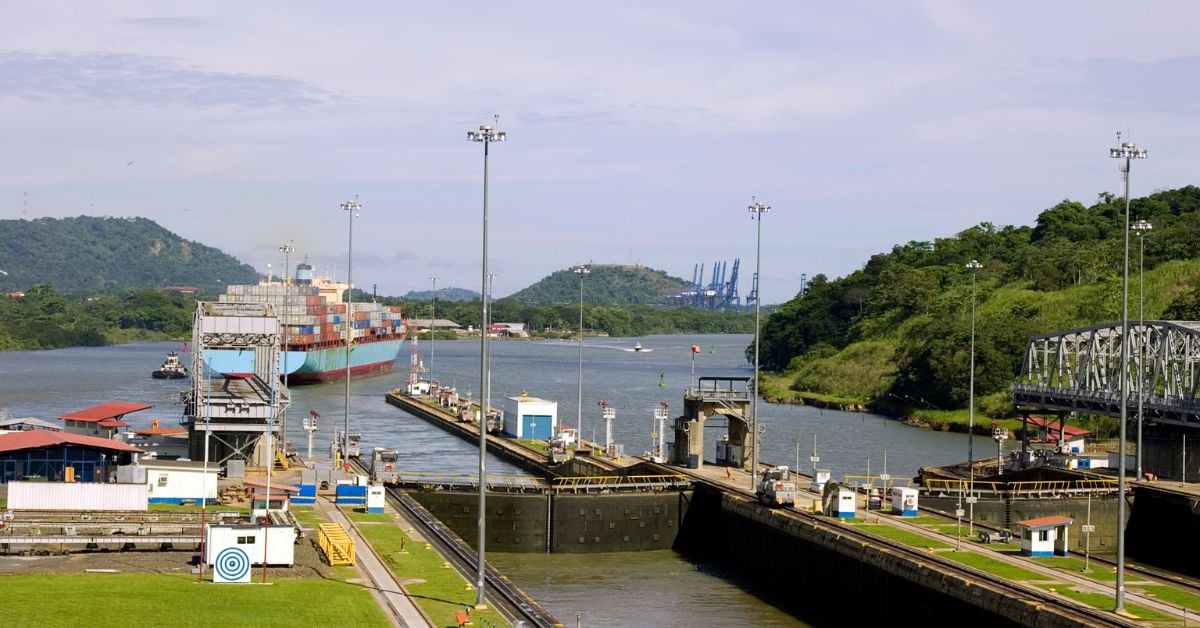
Reduced Canal Crossings: Climate Impacts Threaten Global Trade Flows
Reduced canal crossings now stand at just 29 per day. Drought and low rainfall are tightening the Panama Canal's capacity, a measurable strain on global trade flows that demands empirical attention. This is not an isolated pressure point. Our coverage of "Russia Calibrates Export Revenue for Northern Sea Route Icebreaker Fleet" shows how nations are already recalibrating infrastructure in response. Climate indicators are reshaping maritime logistics. Understanding these integrated disruptions is the first step toward protecting the systems we depend on.

China's Bill of Lading Practice: Bridging Legal Approaches for Global Trade
China's courts are charting a distinctive course on bills of lading, treating them as both contractual and real-right instruments where global practice leans on constructive possession. Our empirical review of 49 judgments shows this dual-attribute pathway dominates, acting as a judicial shock absorber that yields outcomes broadly comparable to international norms. Yet this compensation exacts a toll: reduced efficiency and heightened uncertainty, costs that paper masked. Trade digitalization and the coming NCD Convention expose these frictions, pressing China toward a more possession-aligned judicial stance.
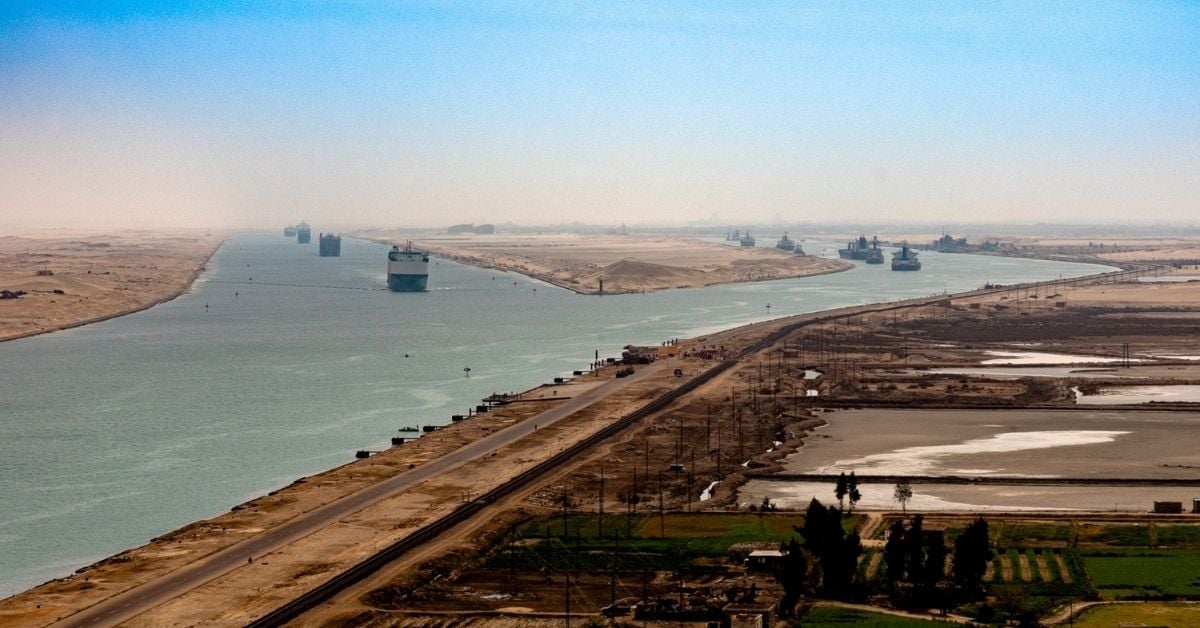
Shipping Resumes Suez Passage: Integrated Data Reveals Route Recovery.
The resumption of Suez transits marks a measurable shift in route recovery, as shipping firms pivot back from the Cape of Good Hope. This is not merely a logistical adjustment; it reflects calibrated confidence in the waterway's stability. For an industry that thrives on predictability, the return signals a rebalancing of risk and efficiency. Readers tracking regional momentum may also find our piece on Gulf of Oman STS transfers useful, as similar pressures shape these corridors. The data, as always, points where it points.
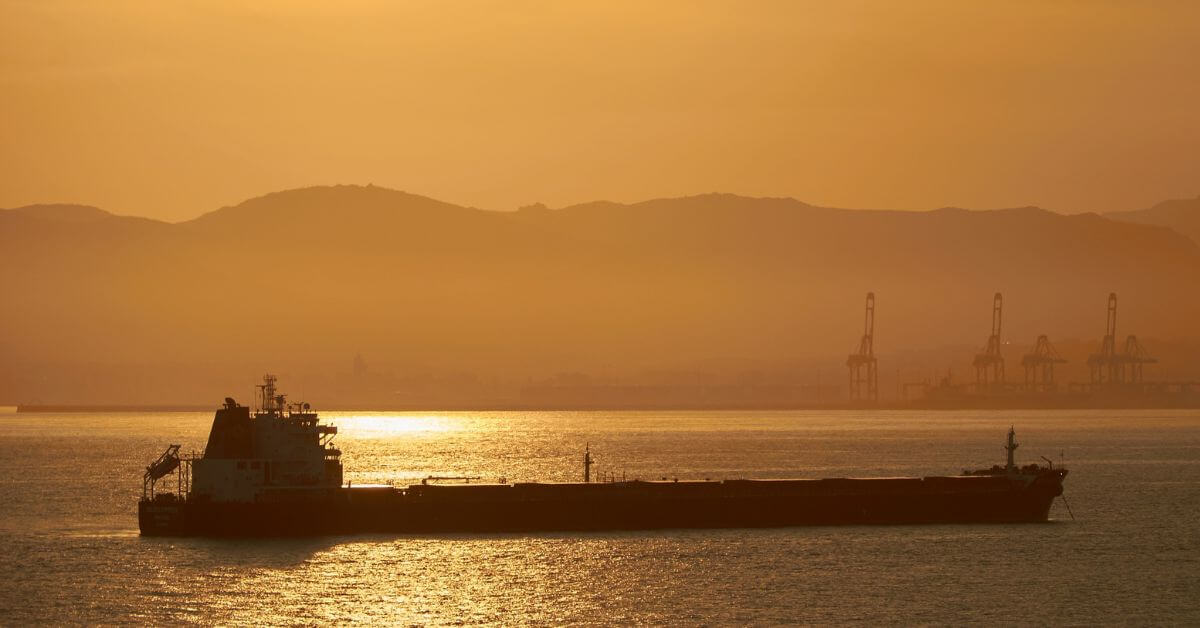
Strait of Hormuz Incident Raises Concerns Over Maritime Security and Trade.
New tolls and targeted attacks in the Strait of Hormuz are not abstract threats; they are live disruptions to the trade routes that move global energy. Iran's actions against vessels it accuses of bypassing its preferred path introduce a volatile new layer of risk, turning a critical waterway into a flashpoint. This escalation demands measured, empirical observation.

Integrated Port Expansion: Saudi Arabia and CMA CGM Enhance Red Sea Trade
Jeddah Islamic Port is about to get a serious upgrade. Saudi Arabia's Red Sea Gateway Terminal has signed a contract with CMA CGM, France's shipping giant, to build and operate a new terminal there. It's a direct bet on the Red Sea's growing role in global trade, and a smart one. This isn't just concrete and cranes; it's about positioning for the long haul.

El Niño Drought Restricts Panama Canal Vessel Traffic.
The Panama Canal Authority has restricted daily vessel crossings, a direct response to drought-like conditions driven by El Niño. This is a practical, measured adjustment to a pressing climate reality. The waterway's reliability depends on predictable rainfall, and its absence demands immediate operational recalibration. It is a reminder that infrastructure, however advanced, remains tethered to environmental stability. For broader context on this phenomenon, our article on El Niño's unprecedented ocean warming offers critical insight.

Panama Canal: A Century of Trade Navigates Evolving Climate Risks.
The Panama Canal recorded 10,623 deep-draft vessel transits in the first ten months of fiscal year 2026, according to the Panama Canal Authority. That volume underscores a century of trade resilience, yet the waterway now navigates a more volatile climate. We see this as a measure of both engineering endurance and growing environmental pressure. For context, our coverage of El Niño's unprecedented ocean warming offers a stark reminder of what drives such risks. The canal's operations remain a critical climate indicator.

Red Sea Attacks Disrupt Oil Flow, Raising Regional Tensions.
Two more Saudi oil tankers came under attack in the Red Sea, pushing the total since the blockade began to nine. That is not a rounding error; it is a direct strain on a vital shipping lane. Each incident raises the cost of moving crude and tightens an already stretched market. The pattern is clear: regional tensions are now a measurable factor in global oil flow.
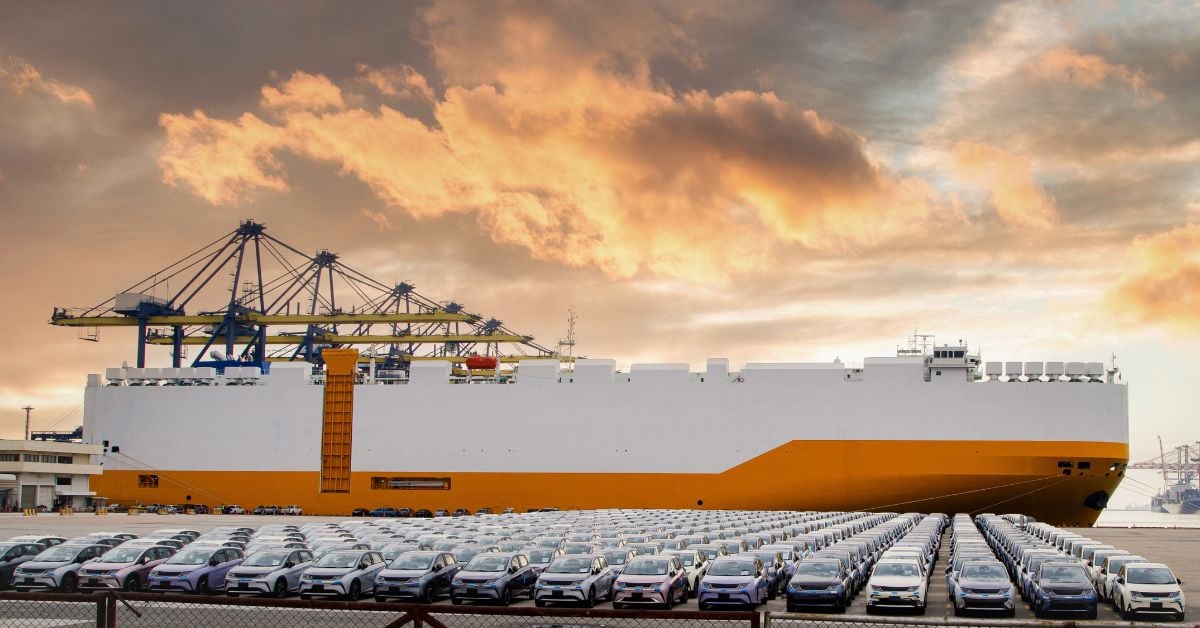
AI Modernizes Port Logistics, Eliminating Bottlenecks and Optimizing Operations
Legacy terminal operating systems were never built for the scale of modern shipping, and the result is predictable: berths sit idle while trucks queue at the gate. AI-driven TOS changes that equation by automating berth planning and smoothing cargo flow in real time. The efficiency gains are measurable, not theoretical. For those tracking how machine intelligence reshapes logistics, our coverage of integrated crane and truck coordination offers a deeper look at the same operational challenge. Precision here is not optional; it is the point.

India's Maritime Insurance Pool Bolsters Ocean Risk Management.
India's first sovereign-backed maritime insurance product, launched under the Bharat Maritime Insurance Pool, anchors a practical response to ocean risk. This is not abstract policy; it is calibrated, real-time protection for the vessels and supply lines that depend on stable coverage. The move signals measurable confidence in India's maritime future. For readers tracking port and welfare developments, our coverage of Paradip Port's designation as a Mega Port offers useful context. Understanding drives protection, and this pool gives that principle a tangible foundation.

Strait of Hormuz Ship Lay-up Risks Major Marine Bioinvasion Event
Idle ships are not neutral ships. A recent study warns that the mass lay-up of vessels in the Strait of Hormuz could trigger a marine bioinvasion "super-spreader" event once maritime trade resumes. The risk is measurable, and the window for calibrated action is now. This is the kind of integrated risk that demands empirical attention before the ballast water moves. For broader context on regional marine traffic pressures, our coverage of Gulf of Oman STS transfers maxing out offers a relevant parallel.

Strait of Hormuz Traffic Declines Amid Increased Security Measures.
Commercial traffic through the Strait of Hormuz has dropped sharply following recent missile, drone, and shipping attacks, a measurable shift in one of the world's most vital maritime corridors. The decline underscores how immediate security threats now override the steady flow of energy that typically defines this waterway. This is not an abstract disruption; it is a calibrated response to real-time risk, and one that demands integrated monitoring.

Vessel Struck in Strait of Hormuz; Crew Rescued, No Environmental Impact.
A fire burned aboard a vessel in the Strait of Hormuz, yet the crew was rescued by a tugboat after safely abandoning ship. UKMTO confirmed no environmental impact, a detail that matters in a waterway this critical. The strait's fragility is well-documented, and this incident underscores the stakes. For deeper context on regional pressures, our piece on "Phased Negotiations Aim to Ease Restrictions on Strait of Hormuz" offers a broader view. Measured outcomes like this one are the ones that count.

Escalation Risks: Maritime Chokepoints Face Potential Closures Amid Regional Tensions
A senior Houthi official has now warned that the group stands ready to close the Bab el-Mandeb Strait if Saudi attacks on Yemen persist. That is not a distant contingency; it is a direct escalation risk with immediate consequences for global shipping. Chokepoints are only reliable until they are not, and regional tensions have a way of turning transit lanes into flashpoints. The warning demands attention.