Panama Canal
14 stories filed under Panama Canal on World Data Ocean. The newest of them: “Panama Canal Opens 558 Advance Transit Slots for Early 2027”, “Reduced Canal Transits: Drought Impacts Global Shipping Routes.”, and “Scaling Seas: Gigamax Container Ships Forecasted for East-West Trade.”. The Panama Canal's advance booking window now stretches into early 2027, with 558 transit slots open across both Panamax and Neopanamax locks. The Panama Canal is tightening its grip. A Global Hub for Ocean Intelligence 4 World Data Ocean is a centralized digital platform where researchers, scientists, and ocean enthusiasts converge to… The list below is every Panama Canal story on World Data Ocean, newest first.
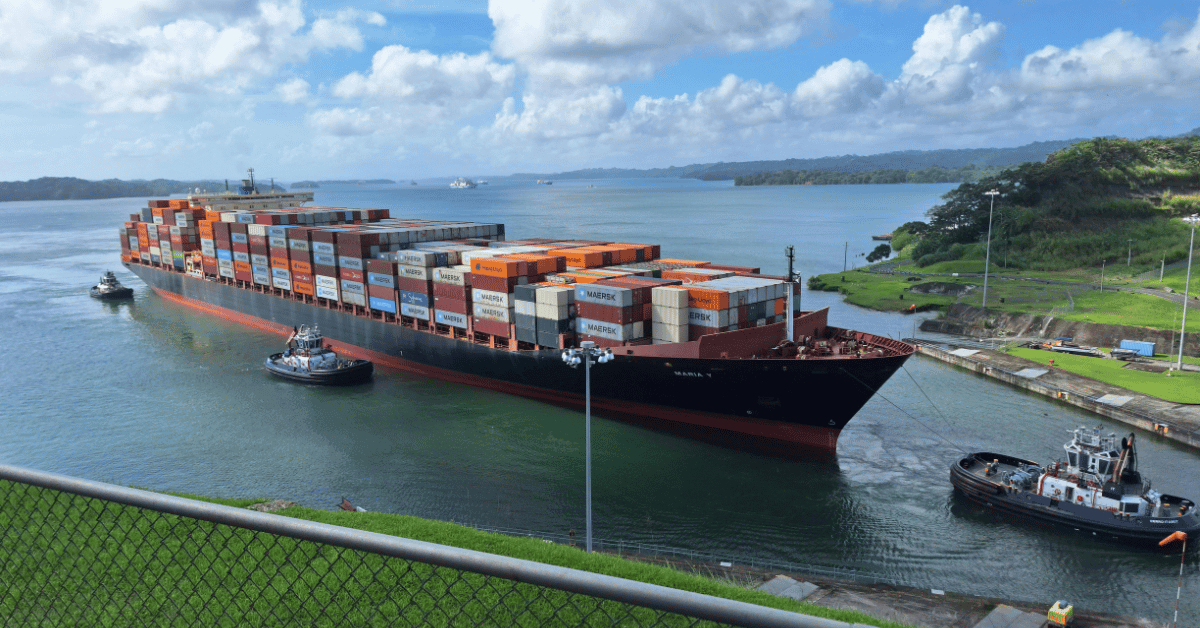
Panama Canal Opens 558 Advance Transit Slots for Early 2027
The Panama Canal's advance booking window now stretches into early 2027, with 558 transit slots open across both Panamax and Neopanamax locks. This expansion of the LoTSA program brings measurable predictability to shippers navigating tight schedules. It is a calibrated response to sustained demand, not a speculative gesture. For context on how ports are scaling alongside this, our coverage of Kandla Port's record cargo day offers a useful comparison. Understanding drives protection, and here, foresight drives efficiency.
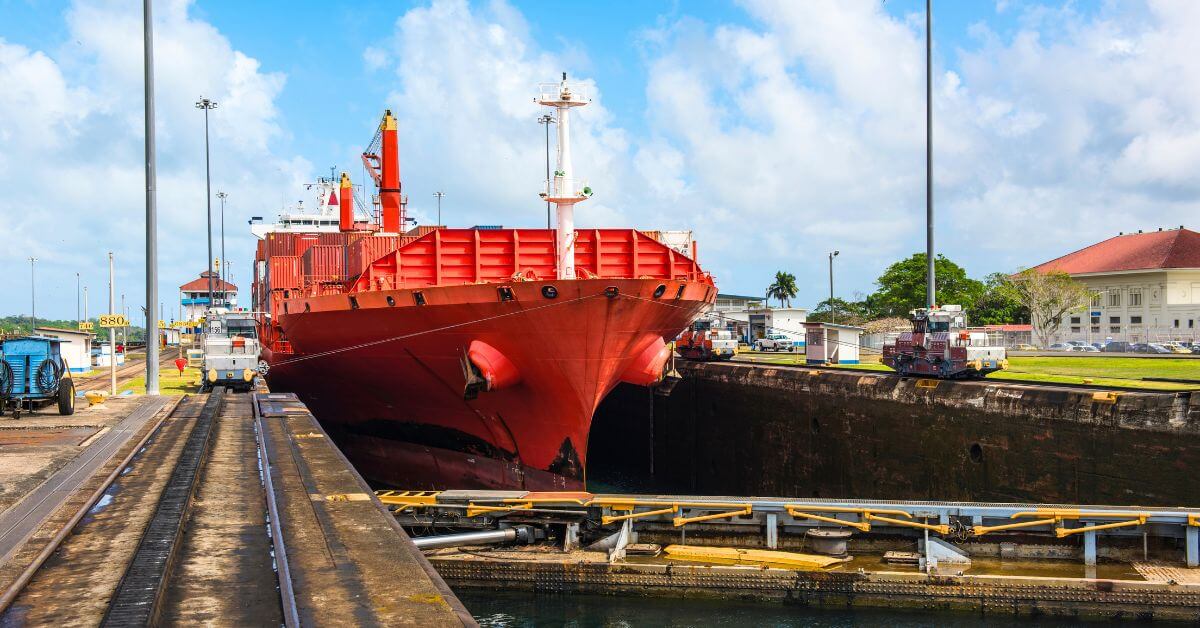
Reduced Canal Transits: Drought Impacts Global Shipping Routes.
The Panama Canal is tightening its grip. Starting in October, an average of 29.5 vessels per day will be allowed through, a direct response to the drought that is reshaping global shipping routes. This is not an abstract climate indicator; it is a measurable constraint on trade. We see the canal's draft plan as a practical, if difficult, calibration of limited resources. For context on how other chokepoints are straining, our piece on Gulf of Oman STS transfers offers a parallel view.
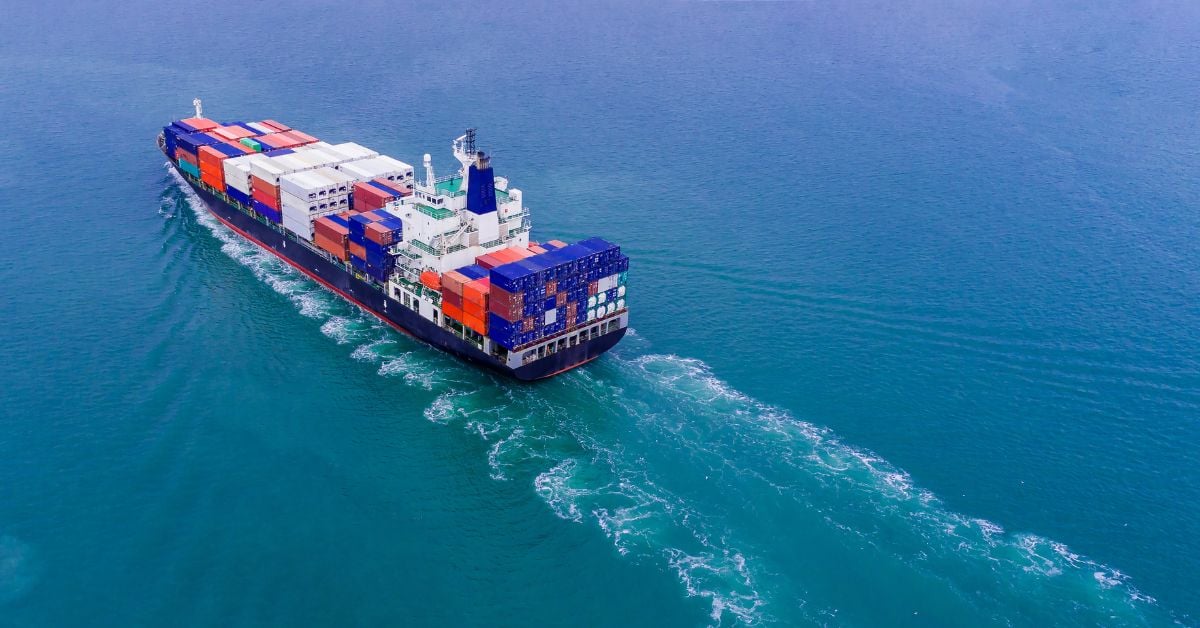
Scaling Seas: Gigamax Container Ships Forecasted for East-West Trade.
A 27,500-TEU vessel represents more than a simple capacity increase. It signals a recalibration of global trade infrastructure, where scale itself becomes a strategic asset. These Gigamax ships will demand deeper ports, stronger cranes, and tighter scheduling across entire supply chains. The question is whether our current systems can absorb that pressure. For context on how maritime nations are already adapting, see our coverage of "Russia Calibrates Export Revenue for Northern Sea Route Icebreaker Fleet."
Maritime Trade Faces Fragmentation Amid Sanctions and Evolving Regulations
Maritime trade now confronts fragmentation as sanctions and evolving regulations reshape global shipping routes. Over 80% of the world's goods move by sea, so these shifts carry measurable consequences for supply chains and economies. This is not a moment for alarm, but for calibrated observation. Our recent coverage of the Royal New Zealand Navy's sanctions-monitoring deployment illustrates how nations are adapting. Understanding these dynamics is essential, integrated ocean intelligence helps us track the real-time impact on trade flows and climate indicators alike.
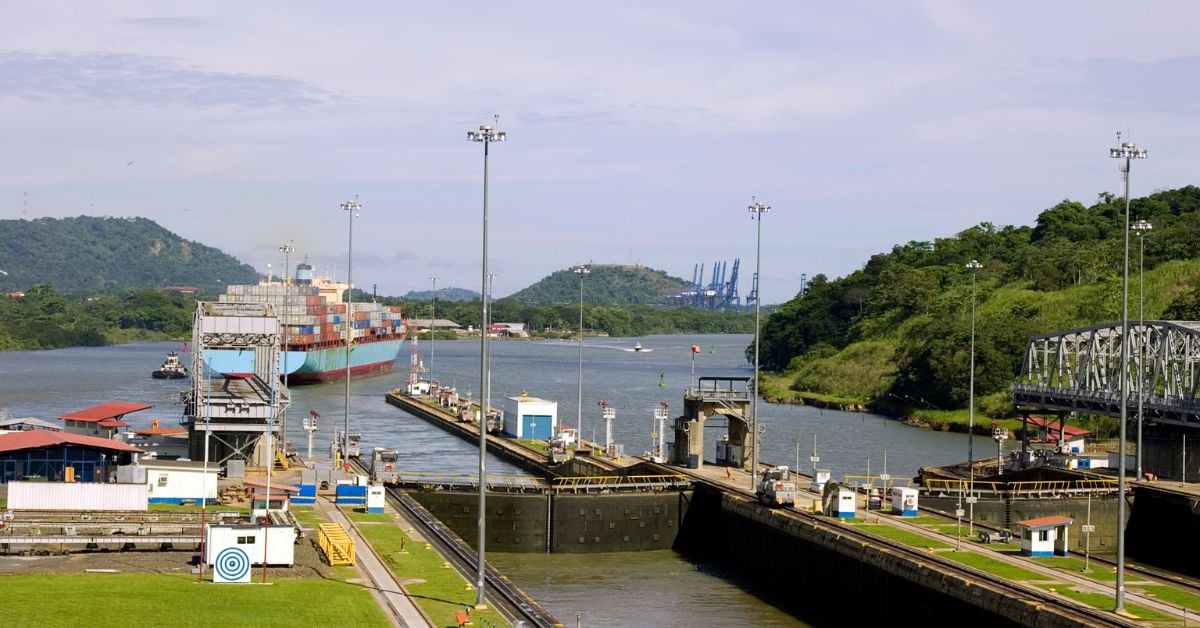
Reduced Canal Crossings: Climate Impacts Threaten Global Trade Flows
Reduced canal crossings now stand at just 29 per day. Drought and low rainfall are tightening the Panama Canal's capacity, a measurable strain on global trade flows that demands empirical attention. This is not an isolated pressure point. Our coverage of "Russia Calibrates Export Revenue for Northern Sea Route Icebreaker Fleet" shows how nations are already recalibrating infrastructure in response. Climate indicators are reshaping maritime logistics. Understanding these integrated disruptions is the first step toward protecting the systems we depend on.
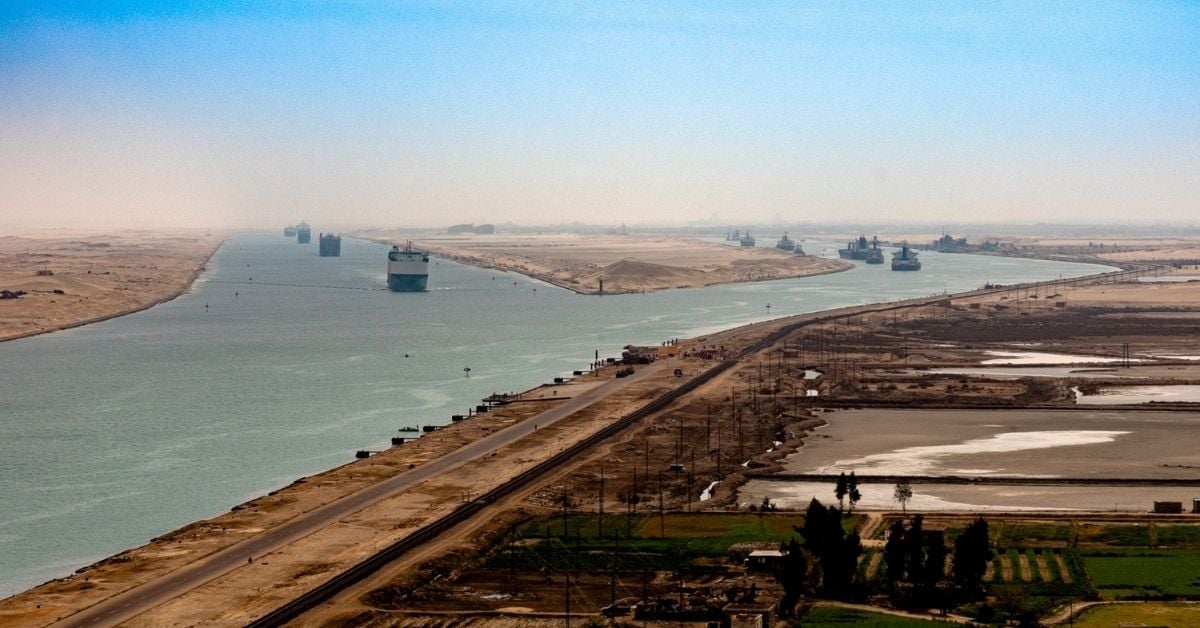
Shipping Resumes Suez Passage: Integrated Data Reveals Route Recovery.
The resumption of Suez transits marks a measurable shift in route recovery, as shipping firms pivot back from the Cape of Good Hope. This is not merely a logistical adjustment; it reflects calibrated confidence in the waterway's stability. For an industry that thrives on predictability, the return signals a rebalancing of risk and efficiency. Readers tracking regional momentum may also find our piece on Gulf of Oman STS transfers useful, as similar pressures shape these corridors. The data, as always, points where it points.
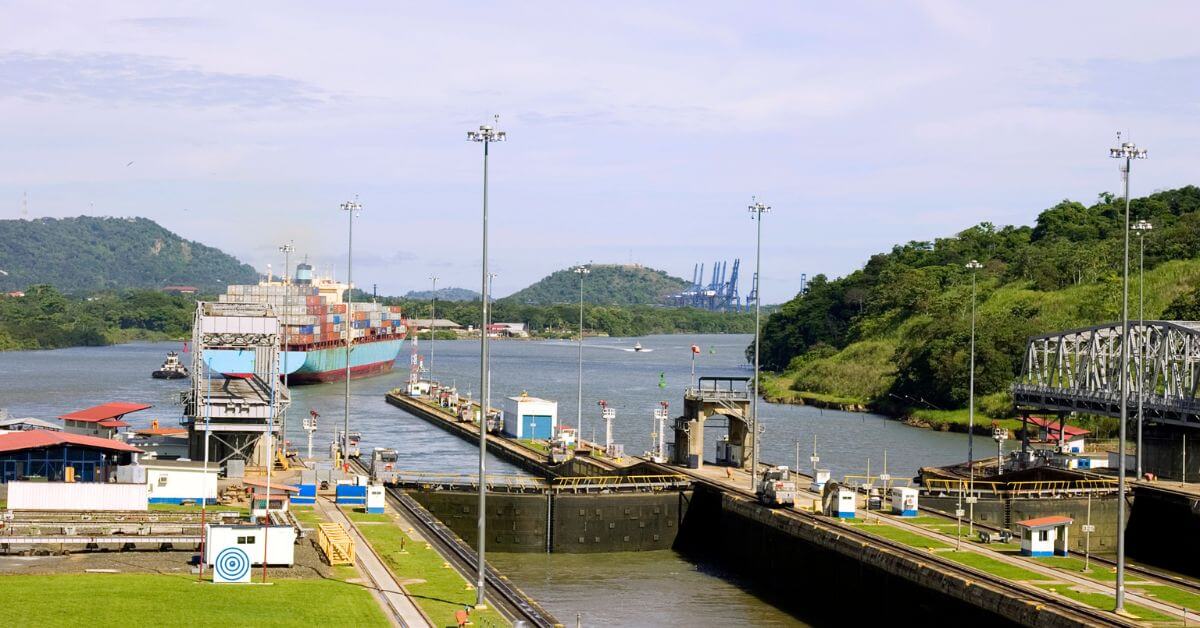
Record Canal Transit Fee Reflects Growing Demand for Ocean Routes
A $5.3 million bid for a single Panama Canal transit slot signals more than deep pockets; it reflects a strategic response to tightening global routes. SK Gas has secured passage for its LPG carrier G. Spirit on Sept. 1, paying a premium that underscores the growing value of reliable ocean corridors. This is the cost of certainty in a constrained system. As demand intensifies, such investments become necessary.

Port Delays Surge: Global Congestion Impacts Freight Rates and Operations
Port congestion is no longer a logistical footnote; it is a primary lever on global freight rates. Longer waiting times at anchor translate directly into longer turnaround times for vessels, and that idling carries a measurable cost. The result is an escalation in freight rates and operational expenses that ripples through every supply chain. This is the friction of a system operating at its limits. While record port activity reflects surging Chinese exports amid trade uncertainty, the operational strain is undeniable.

El Niño Drought Restricts Panama Canal Vessel Traffic.
The Panama Canal Authority has restricted daily vessel crossings, a direct response to drought-like conditions driven by El Niño. This is a practical, measured adjustment to a pressing climate reality. The waterway's reliability depends on predictable rainfall, and its absence demands immediate operational recalibration. It is a reminder that infrastructure, however advanced, remains tethered to environmental stability. For broader context on this phenomenon, our article on El Niño's unprecedented ocean warming offers critical insight.

Investment Dispute: CK Hutchison Seeks $1.5B from Panama Over Canal Ports
CK Hutchison's $1.5 billion claim against Panama is a stark reminder that port assets sit at the intersection of commerce and state power. The company alleges a coordinated, unlawful campaign breached an international investment treaty, a charge that carries weight far beyond balance sheets. This is not about inconvenience; it is about the rules that govern global trade. For context on how fragile such infrastructure can be, see our coverage of drought-driven transit reductions in "Reduced Canal Transits."

Panama Canal: A Century of Trade Navigates Evolving Climate Risks.
The Panama Canal recorded 10,623 deep-draft vessel transits in the first ten months of fiscal year 2026, according to the Panama Canal Authority. That volume underscores a century of trade resilience, yet the waterway now navigates a more volatile climate. We see this as a measure of both engineering endurance and growing environmental pressure. For context, our coverage of El Niño's unprecedented ocean warming offers a stark reminder of what drives such risks. The canal's operations remain a critical climate indicator.

Shipping Costs Surge: Canal Delays and Geopolitical Tensions Impact Trade
The latest auction payment for shipping slots has surged to more than double the seven-day average, a clear signal that canal delays and geopolitical friction are tightening trade routes. This is not a blip; it is a measurable strain on global logistics, and the data confirms what shippers are already feeling. The pressure is real, and it demands attention. For a broader view of regional disruptions, our piece on Gulf of Oman STS transfers maxing out offers useful context.

Panama Canal Draft Restrictions Reflect Declining Water Levels.
The Panama Canal Authority's two-stage draft reduction for Neopanamax locks responds directly to declining water levels, a measured adjustment that prioritizes reliability over volume. This is prudent, calibrated decision-making, the kind that keeps global trade moving without pretending climate pressures don't exist. Water scarcity is no longer a future scenario; it is a present operational constraint. For context on how infrastructure adapts elsewhere, our coverage of Russia's icebreaker revenue plans offers a parallel in strategic resource management.

Integrated Maritime Collaboration: India and Panama Enhance Global Logistics.
India and Panama have agreed to deepen maritime collaboration, a move that strengthens global logistics networks. The bilateral talks between India's Minister of Ports and Panama's Minister of Foreign Affairs signal a pragmatic step toward integrating supply chains across two strategic ocean regions. This partnership matters because logistics resilience depends on such alliances. For readers tracking port infrastructure progress, our earlier coverage of India's ₹13 crore seafarer welfare hub at Mormugao Port offers useful context on regional investments.