geopolitical conflicts
geopolitical conflicts at World Data Ocean is a file of 9 stories. The newest of them: “GenAI risk models strengthen coastal trade resilience through empirical validation”, “Resilience in transit: New metrics map the China: Europe shipping chain”, and “Seafarer Safety Paramount Amidst Geopolitical Tensions in U.S.-Iran Conflict”. Maritime transport carries the overwhelming majority of cross-border agricultural trade, yet coastal enterprises face mounting uncertainty from geopolitical shocks, climate anomalies, and port congestion. China, Europe container shipping is not a straight line between two ports. A Global Hub for Ocean Intelligence 4 World Data Ocean is a centralized digital platform where researchers, scientists, and ocean enthusiasts converge to… The list below is every geopolitical conflicts story on World Data Ocean, newest first.

GenAI risk models strengthen coastal trade resilience through empirical validation
Maritime transport carries the overwhelming majority of cross-border agricultural trade, yet coastal enterprises face mounting uncertainty from geopolitical shocks, climate anomalies, and port congestion. This study empirically validates that GenAI risk models, spanning multi-source identification, prediction accuracy, and calibration, directly strengthen trade resilience. The findings are measured and actionable: all three dimensions showed statistically significant positive associations, explaining nearly half the variance in resilience. For deeper context on the data underpinning these trade flows, see our related coverage of UNCTAD's new seaborne trade statistics.
Resilience in transit: New metrics map the China: Europe shipping chain
China, Europe container shipping is not a straight line between two ports. It is a system under constant pressure, and a new study gives that pressure a number. By coupling capabilities with market, port domains, the research builds a 12-indicator framework that tracks resilience through four global shocks. The inverted-U trend is telling: resilience peaks during the Russia, Ukraine conflict, then dips 2% in the Red Sea crisis, still 13.4% above trade-war levels. Resistance dominates early; recovery peaks later. That sequencing matters.

Seafarer Safety Paramount Amidst Geopolitical Tensions in U.S.-Iran Conflict
The loss of seafarers in the U.S.-Iran conflict is a tragedy that demands our attention. IBIA's condolences are a sobering reminder: geopolitical tensions carry human costs that validated data cannot measure alone. Protecting those who work our oceans is non-negotiable. This crisis echoes the stakes seen in "Eighty Nations Urge Reopening of Vital Strait of Hormuz Shipping Lane", a channel where safety and security converge. We must integrate maritime intelligence with a commitment to seafarer welfare.
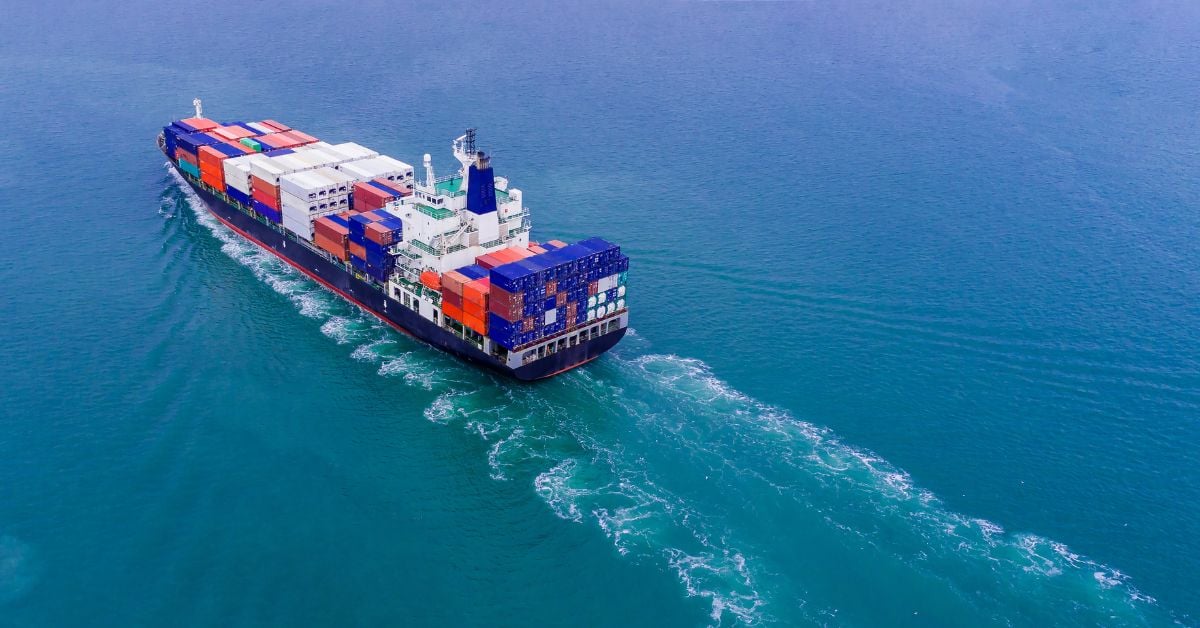
Scaling Seas: Gigamax Container Ships Forecasted for East-West Trade.
A 27,500-TEU vessel represents more than a simple capacity increase. It signals a recalibration of global trade infrastructure, where scale itself becomes a strategic asset. These Gigamax ships will demand deeper ports, stronger cranes, and tighter scheduling across entire supply chains. The question is whether our current systems can absorb that pressure. For context on how maritime nations are already adapting, see our coverage of "Russia Calibrates Export Revenue for Northern Sea Route Icebreaker Fleet."
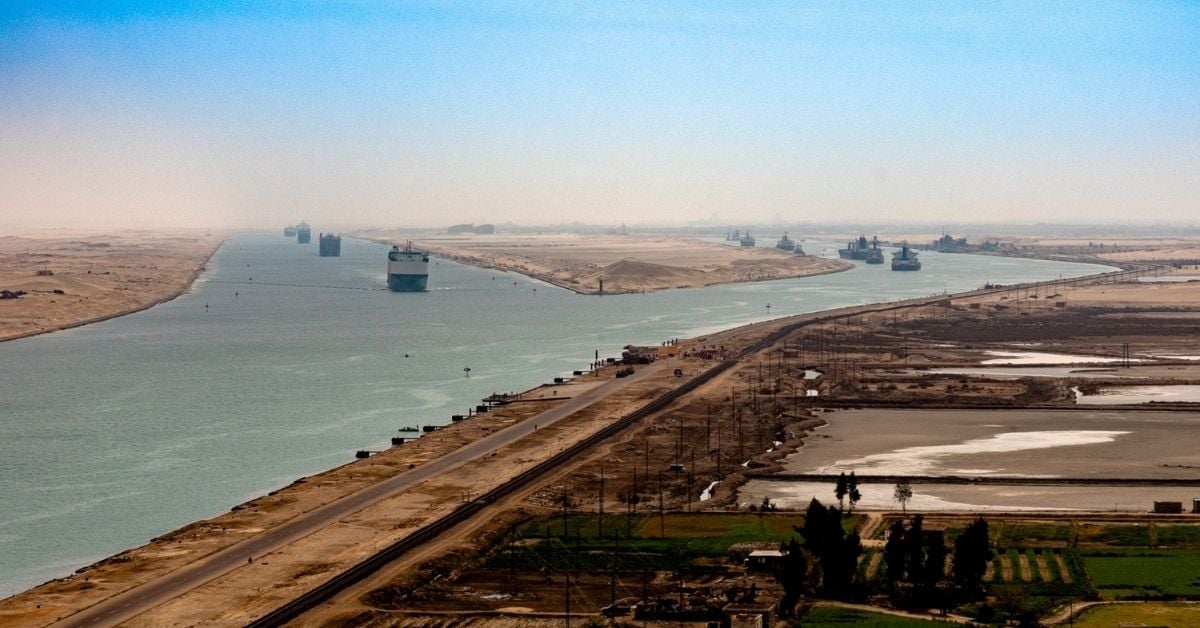
Shipping Resumes Suez Passage: Integrated Data Reveals Route Recovery.
The resumption of Suez transits marks a measurable shift in route recovery, as shipping firms pivot back from the Cape of Good Hope. This is not merely a logistical adjustment; it reflects calibrated confidence in the waterway's stability. For an industry that thrives on predictability, the return signals a rebalancing of risk and efficiency. Readers tracking regional momentum may also find our piece on Gulf of Oman STS transfers useful, as similar pressures shape these corridors. The data, as always, points where it points.

Port Delays Surge: Global Congestion Impacts Freight Rates and Operations
Port congestion is no longer a logistical footnote; it is a primary lever on global freight rates. Longer waiting times at anchor translate directly into longer turnaround times for vessels, and that idling carries a measurable cost. The result is an escalation in freight rates and operational expenses that ripples through every supply chain. This is the friction of a system operating at its limits. While record port activity reflects surging Chinese exports amid trade uncertainty, the operational strain is undeniable.

Shipbuilding Orders Surge, Signaling Accelerated Maritime Growth.
The global shipbuilding orderbook is climbing at a 27% year-on-year rate, the fastest pace since the 2008 financial crisis. That is a decisive signal, not a blip. It points to a maritime sector gearing up for sustained demand, likely tied to fleet renewal and shifting trade routes. We read this as a measured vote of confidence in ocean commerce's trajectory.

Fatal Attack on Bulk Carrier Highlights Strait of Hormuz Risks
The Strait of Hormuz claimed another life on August 17, when an attack on the Liberian-flagged bulk carrier Minoan Dignity killed a seafarer transiting the waterway. This is not an abstract statistic; it is a tangible cost of escalating risk in a passage that underpins global energy flows. The loss underscores how precarious maritime security has become.

Maritime Security Imperative: IMO Condemns Attacks on Shipping Lanes
The IMO's condemnation of attacks on shipping lanes is a measured, necessary response to a crisis that threatens the very framework of global trade. The Secretary-General's call for an end to unwarranted strikes is not just diplomatic language; it is a demand for the rules that keep our integrated data ecosystem moving to hold firm. Geopolitical friction cannot be allowed to destabilize the maritime routes we all depend on.