waterway
World Data Ocean keeps waterway in one place: 21 stories so far. The section currently leads with “Strait of Hormuz Posture Raises Stakes for Maritime Data Verification”, “Phased Negotiations Aim to Ease Restrictions on Strait of Hormuz”, and “Integrated waterway connects China’s interior to Southeast Asian trade routes.”. A commander of Iran's Islamic Revolutionary Guard Corps has publicly dared U.S. The United States and Iran are now discussing a phased deal that could reopen the Strait of Hormuz and lift the US economic blockade. A Global Hub for Ocean Intelligence 4 World Data Ocean is a centralized digital platform where researchers, scientists, and ocean enthusiasts converge to… The list below is every waterway story on World Data Ocean, newest first.
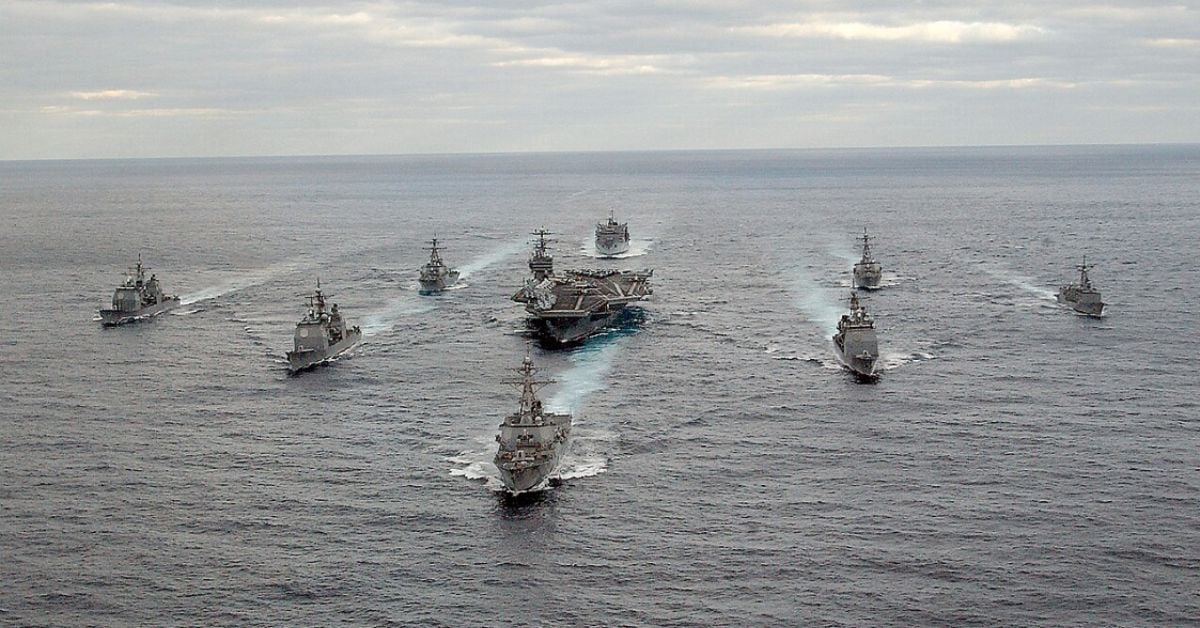
Strait of Hormuz Posture Raises Stakes for Maritime Data Verification
A commander of Iran's Islamic Revolutionary Guard Corps has publicly dared U.S. warships to enter the Strait of Hormuz, raising the stakes for maritime data verification in a waterway that carries a fifth of the world's oil. This is not posturing; it is a direct challenge to the empirical, real-time ocean intelligence that underpins safe passage. For deeper context on how navies are adapting, see our coverage of the counter-drone electronic warfare system now protecting USS Ohio.
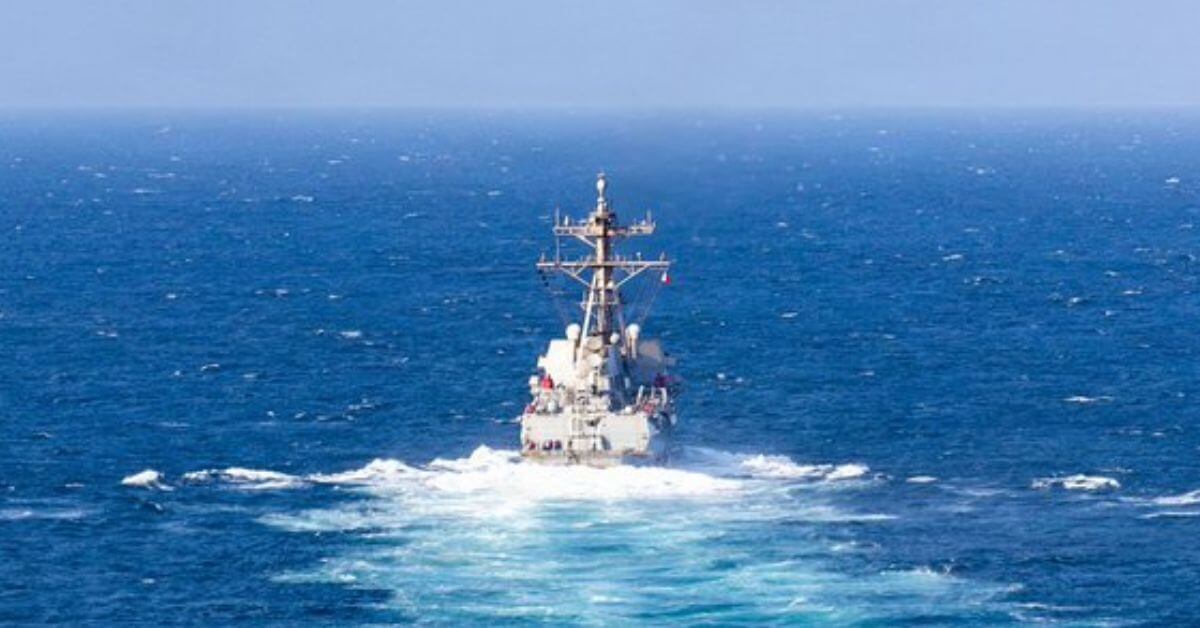
Phased Negotiations Aim to Ease Restrictions on Strait of Hormuz
The United States and Iran are now discussing a phased deal that could reopen the Strait of Hormuz and lift the US economic blockade. This is measured, incremental diplomacy, and that is precisely why it deserves attention. A full reopening would stabilize a shipping lane the entire world depends on. For readers tracking the region's momentum, our related coverage on Gulf of Oman STS transfers shows how strained the system has become. The path forward is narrow, but it is finally being walked.

Integrated waterway connects China’s interior to Southeast Asian trade routes.
The Pinglu canal is engineered for ships up to five thousand tonnes, a scale that speaks to its ambition. It will carve a direct line from China's interior to Southeast Asian markets, trimming over 5 billion yuan in annual shipping costs. That is not a marginal efficiency; it is a structural shift in regional logistics. We see this as a deliberate move toward integrated waterway intelligence.
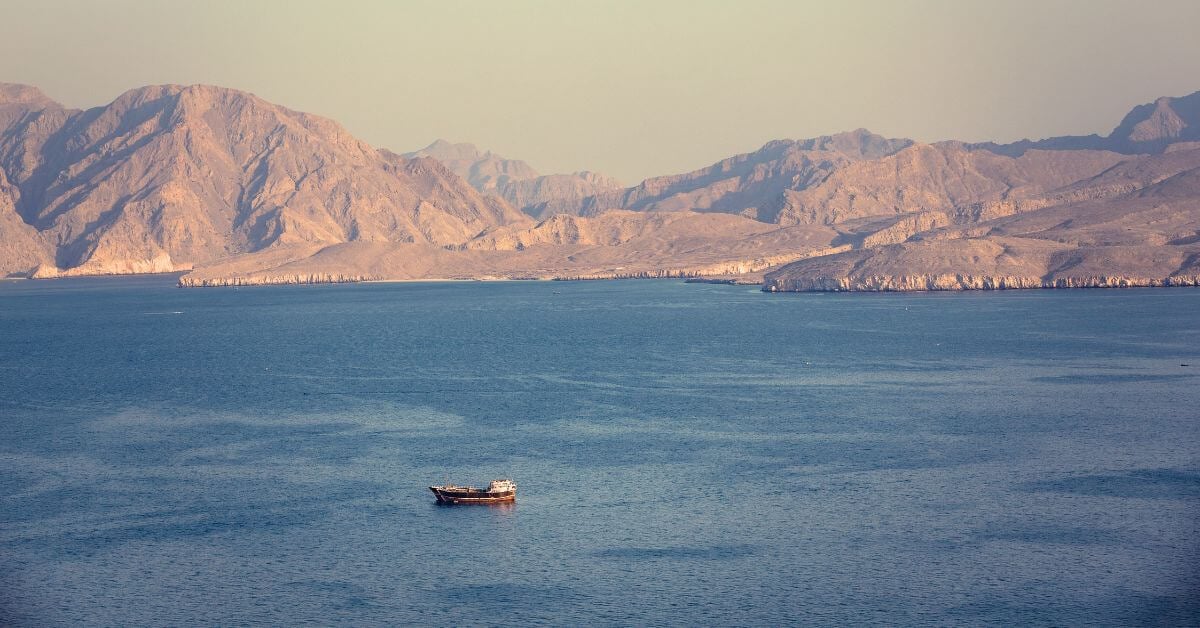
Geopolitical Shifts: Strait of Hormuz Renaming Proposal Sparks Debate
A proposal to rename the Strait of Hormuz has injected geopolitical friction into one of the world's most vital maritime chokepoints. President Trump asserted U.S. control over the strait on Truth Social, questioning whether it should be rebranded. The debate is more than symbolic; it carries real implications for shipping and energy security. For context on the region's mounting pressures, our piece on Gulf of Oman STS transfers maxing out offers a grounded look at the logistical strains nearby. Measured analysis matters here, not hyperbole.
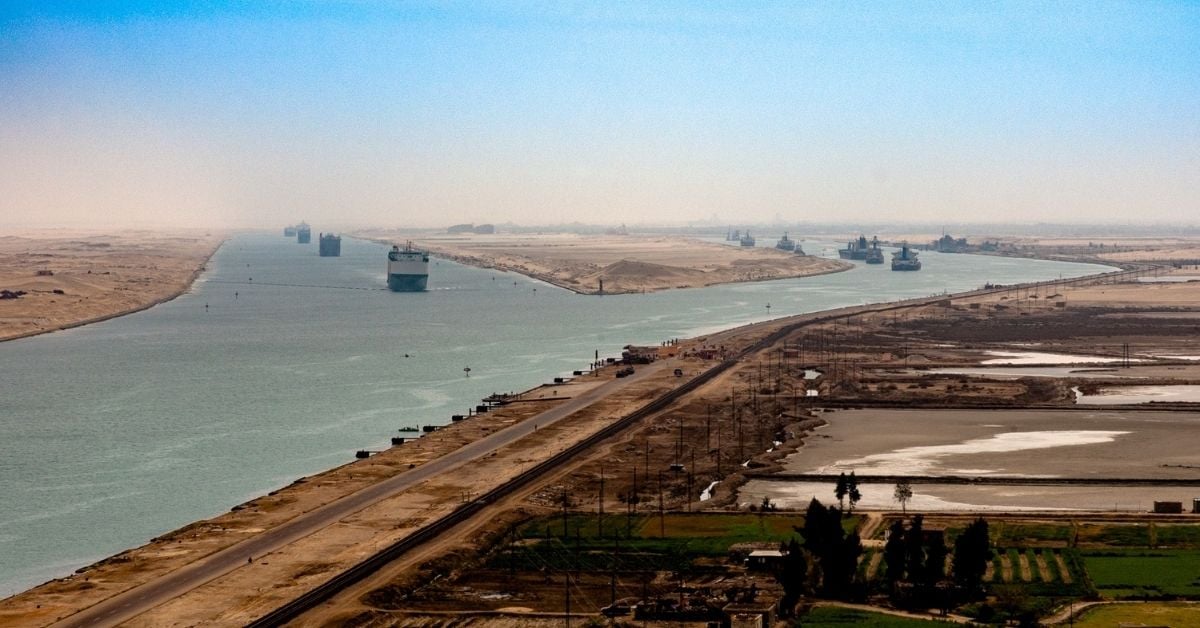
Shipping Resumes Suez Passage: Integrated Data Reveals Route Recovery.
The resumption of Suez transits marks a measurable shift in route recovery, as shipping firms pivot back from the Cape of Good Hope. This is not merely a logistical adjustment; it reflects calibrated confidence in the waterway's stability. For an industry that thrives on predictability, the return signals a rebalancing of risk and efficiency. Readers tracking regional momentum may also find our piece on Gulf of Oman STS transfers useful, as similar pressures shape these corridors. The data, as always, points where it points.
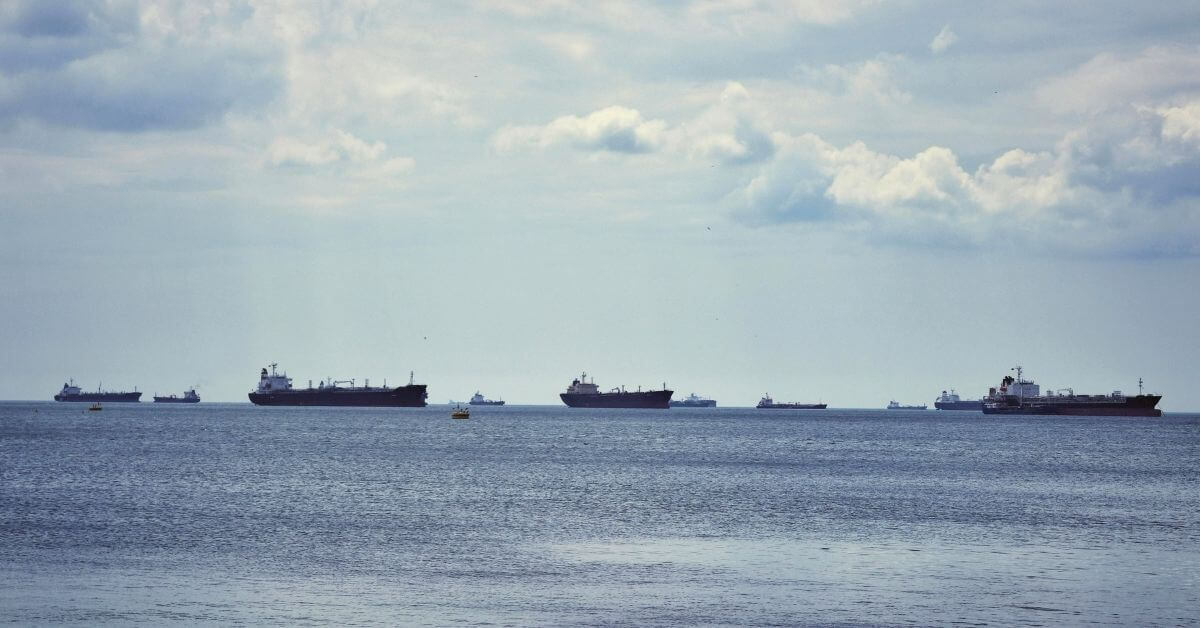
Maritime Traffic Shifts: Iran Intercepts Vessels Near Strait of Hormuz.
The Strait of Hormuz has become a chokepoint under pressure, with more than 1,500 oil tankers and 1,700 commercial vessels transiting the designated route before the war began in January 2026. Now, Iran's interceptions of vessels near these waters signal a hardening reality. This is not alarmism; it is measured observation. Disruptions here carry global consequences, and understanding the pattern matters. For broader context, our related piece on Gulf of Oman STS transfers offers a useful lens on how regional capacity is straining.
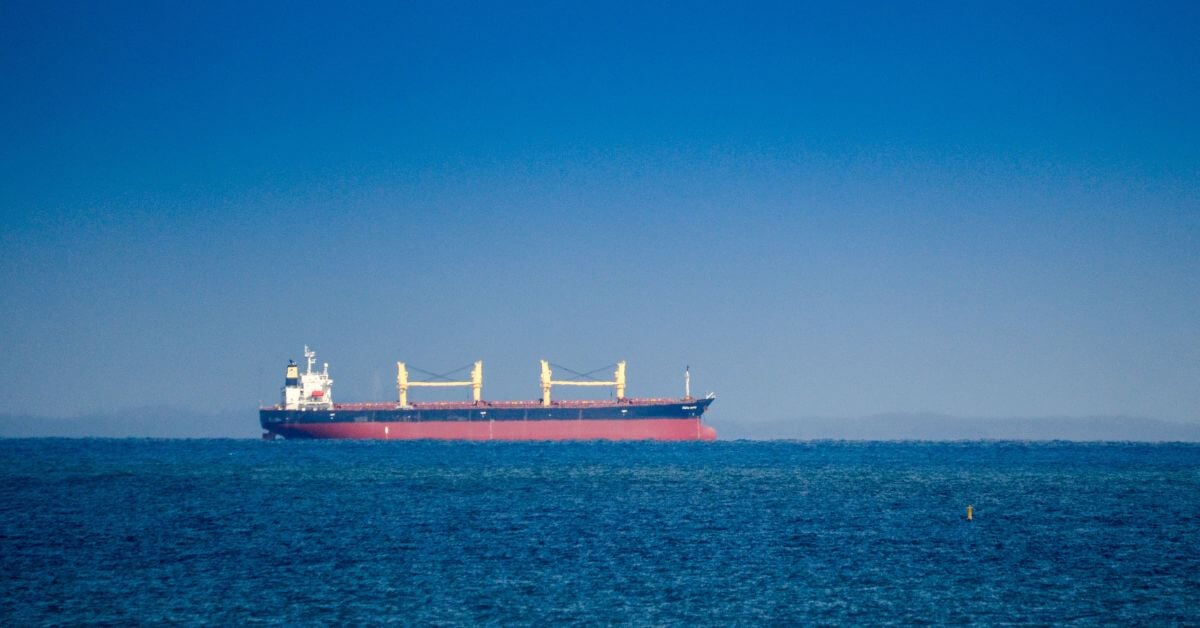
Maritime Traffic and Revenue Sharing Agreement Reached Between Iran and Oman.
Iran and Oman have reached a maritime traffic and revenue sharing agreement, a practical step toward regional coordination. Yet commercial shipping continues to face genuine risk in these waters, even as direct US-Iran hostilities have cooled in recent weeks. We view this pact as a measured, useful move, but not a cure-all. For context on the broader pressures, our related piece on Gulf of Oman STS transfers maxing out shows how strained regional logistics have become. Understanding drives protection.

Joint Navigation Corridor Proposed to Enhance Strait of Hormuz Transit
A joint navigation corridor through the Strait of Hormuz offers a practical path forward, pairing immediate transit security with a coordinated mine-clearing effort. The proposal is measured and specific, which is what makes it credible. It treats the waterway not as a symbol, but as a system that can be stabilized through deliberate, shared action. For readers tracking the region's pressure points, our related coverage on Gulf of Oman STS transfers provides useful context on how commercial traffic is already adapting to constraints.

Iran Implements Transit Fees for Ships Through Strait of Hormuz
Iran's decision to impose transit fees on ships passing through the Strait of Hormuz introduces a calibrated layer of accountability to one of the world's most vital maritime corridors. Covering navigation, environmental support, fuel supply under specific conditions, and insurance, the measure frames safety as a service with measurable value. It is a pragmatic step, though one that warrants close observation. For broader context on regional shipping pressures, our related coverage of Gulf of Oman STS transfers offers useful perspective.

Shifting Shipping Patterns: Omani Route Gains Prominence Through Strait.
A month ago, the Omani route saw almost no commercial traffic. Now, it is gaining prominence through the Strait, a shift that speaks to how quickly maritime dynamics can change. Kpler's data makes the pivot measurable, and that matters. This is not speculation; it is empirical movement. For deeper context on the pressure building in these waters, our piece on Gulf of Oman STS Transfers Max Out Amid Rising Saudi Oil Exports tracks the capacity constraints driving such realignments.

Strait of Hormuz Incident: Vessel Damaged, Crew Member Injured
A vessel was struck while making an outbound transit of the Strait of Hormuz, leaving a crew member injured, according to the Company Security Officer. The incident underscores how quickly risk can escalate in a waterway where geopolitical tension already runs high. Such disruptions are not isolated events; they are part of a broader pattern affecting regional energy flows. For deeper context on these dynamics, our coverage of phased negotiations aimed at easing restrictions on the Strait offers useful perspective.

Strait of Hormuz Traffic Plummets Amidst Escalating Tensions and Attacks
The Strait of Hormuz is tightening under pressure. Ship traffic has plummeted after attacks on five commodity tankers, a stark reminder that instability directly chokes global energy lifelines. While U.S.-Iran negotiations for a peace agreement remain stalled, the cost of inaction is measurable in real-time data. The parallel rise of Gulf of Oman STS transfers, covered in our related piece on maxed-out ship-to-ship operations, underscores how trade adapts, but never without risk.

Geopolitical Tensions Mount: Strait of Hormuz Control Disputed.
The Strait of Hormuz remains a flashpoint, with Iran holding the waterway's reopening hostage to unmet US demands. This is not posturing; it is a calculated standoff with global energy implications. The pressure is measurable, and the stakes are empirical. For deeper context on how such tensions shape regional flows, our piece on "Gulf of Oman STS Transfers Max Out Amid Rising Saudi Oil Exports" offers a related view. The channel's status is not a given; it is a condition under negotiation.

Integrated Shipping Lanes: Iran and Oman Calibrate Transit Through Hormuz.
Iran and Oman have agreed on the transit routes ships will use through the Strait of Hormuz, a calibrated step toward stabilizing one of the world's most critical maritime chokepoints. The arrangement signals practical diplomacy at work, replacing uncertainty with measurable coordination. For shippers and nations alike, this is ocean intelligence in its most actionable form: clear lanes, agreed parameters, and a shared commitment to keeping trade moving.

Oman Incident: Explosion Near Tanker Highlights Regional Maritime Risks
An explosion was heard near an oil products tanker approximately 20 nautical miles northeast of Khasab, Oman, at 4:37 am on Monday, underscoring the persistent volatility shadowing regional shipping lanes. The incident, while brief, is a measured reminder that maritime transit here remains exposed to sudden, destabilizing events. Such moments demand calibrated observation, not alarm. For context on how these waters are already straining under pressure, our related piece on Gulf of Oman STS transfers maxing out offers useful perspective.

Disagreement Over Hormuz Strait Impacts Vital Shipping Route Accessibility.
The latest disagreement over the Strait of Hormuz marks a direct setback to reopening one of the world's most vital energy arteries after months of conflict. Progress was never guaranteed, but this stalling carries measurable weight for global shipping and climate-dependent supply chains. The path forward demands calibrated negotiation, not posturing. For context on how regional pressures are already reshaping oil flows, our related coverage on Gulf of Oman STS transfers maxing out offers a clearer picture of the strain.

Strait of Hormuz Incident Highlights Navigation Risks and Geopolitical Tensions
The Islamic Revolutionary Guard Corps' warning is blunt: vessels heeding American influence and charting unsafe routes will face accidents. The Strait of Hormuz remains a flashpoint where navigation risk and geopolitical posturing converge. This is not hyperbole; it is a calibrated assertion of control over a critical maritime artery. For shippers, the calculus is stark. While diplomatic efforts like the phased negotiations may offer a path forward, the immediate reality demands vigilance. Understanding drives protection, and here, the data must guide every transit decision.

Tensions Rise as Vessel Fire Reported Near Strait of Hormuz
A fire aboard a vessel near the Strait of Hormuz has escalated tensions as the U.S.-Iran conflict enters its second week, with fresh attacks rippling across the region. The incident underscores how quickly maritime risks compound geopolitical instability. For context, recent reports of Gulf of Oman STS transfers maxing out highlight the strategic pressure on these waters. Reliable, real-time data remains essential for navigating such volatile conditions. Understanding these patterns is not optional; it is the foundation for measured response and resilient decision-making.

Trade Focus Alters Transit Fees in Gulf Region
President Trump's plan to pivot toward direct trade and investment agreements with Gulf allies signals a calculated shift in regional economics. By prioritizing bilateral deals, the administration aims to recalibrate transit fees and commercial leverage, a move that could yield mutual gains if executed with precision. The timing is telling, given the strain on Gulf of Oman STS transfers, as detailed in our related coverage. Trade policy here is not abstract; it is measured in barrels, routes, and renegotiated terms.

Naval Operations Impact Regional Shipping and Maritime Security.
CENTCOM's position is clear: commercial vessels transiting regional waters will continue to receive support, provided they respect the blockade. It is a calibrated stance, one that balances operational necessity with maritime stability. The decision reinforces that security in these shipping lanes is not abstract; it is measured, enforceable, and tied to compliance. This is not about rhetoric. It is about maintaining order where the margins for error are thin.

Shipping Traffic Declines in Strait of Hormuz Amid Rising Tensions.
Ship traffic through the Strait of Hormuz fell to multi-week lows on Sunday, a measurable shift for one of the world's most vital energy chokepoints. The decline reflects rising tensions in the region, and the numbers warrant close attention. This is not speculation; it is calibrated observation. For broader context on how regional dynamics are shifting, our coverage of phased negotiations, including "Phased Negotiations Aim to Ease Restrictions on Strait of Hormuz," offers a constructive counterpoint.