Cape of Good Hope
World Data Ocean keeps Cape of Good Hope in one place: 8 stories so far. The section currently leads with “Geopolitical shocks reshape shipping routes with measurable regional divergence”, “Massive marine pile-driver heads to Brazil for critical bridge foundations”, and “Data Gaps Threaten Vessels as Wave Conditions Go Unforecast”. Geopolitical shocks are not uniform in their effects, they reshape shipping routes with measurable regional divergence. The world's largest pile-driving vessel has departed China for Brazil, where it will anchor the foundations of the Salvador-Itaparica Bridge. A Global Hub for Ocean Intelligence 4 World Data Ocean is a centralized digital platform where researchers, scientists, and ocean enthusiasts converge to… The list below is every Cape of Good Hope story on World Data Ocean, newest first.

Geopolitical shocks reshape shipping routes with measurable regional divergence
Geopolitical shocks are not uniform in their effects, they reshape shipping routes with measurable regional divergence. A new two-scale framework, built from historical AIS data, reveals how maritime activity redistributed rapidly through the Red Sea-Suez Canal corridor versus the Cape of Good Hope, while Arctic shipping showed stronger temporal fluctuations tied to geopolitics, infrastructure, and environmental variability. This data-driven approach illuminates vulnerable corridors and network resilience.
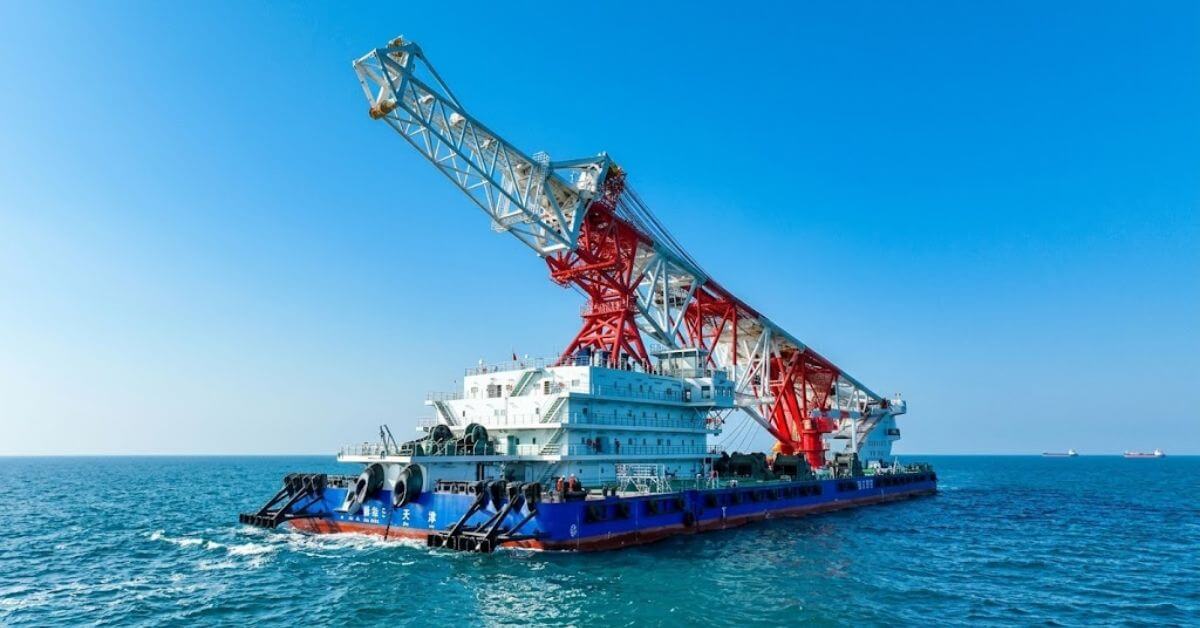
Massive marine pile-driver heads to Brazil for critical bridge foundations
The world's largest pile-driving vessel has departed China for Brazil, where it will anchor the foundations of the Salvador-Itaparica Bridge. This is engineering at a measurable scale, calibrated to build, not just to move. Such infrastructure demands integrated data ecosystems to validate safety and environmental impact. For deeper context on marine risks, see our analysis of wave-forecast gaps in "Data Gaps Threaten Vessels as Wave Conditions Go Unforecast." Understanding drives protection, from ocean floor to bridge deck.
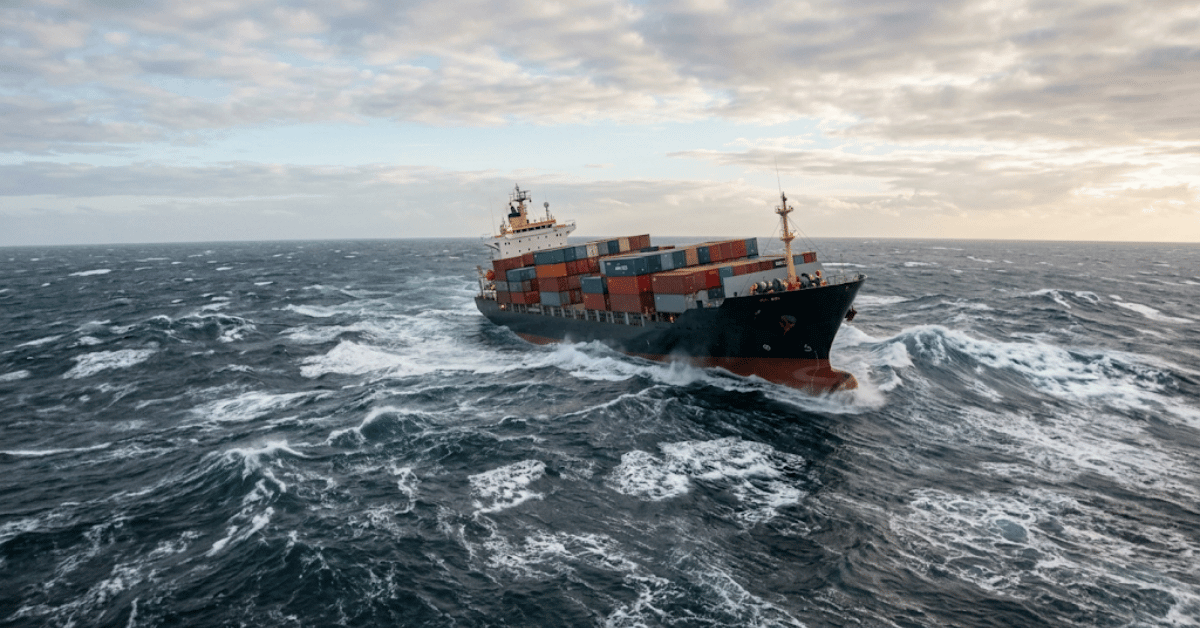
Data Gaps Threaten Vessels as Wave Conditions Go Unforecast
Accurate wave forecasting is not a luxury; it is a safety requirement. New Sofar Ocean analysis reveals that gaps in marine forecasts are leaving vessels exposed to unanticipated and dangerous wave conditions. This is a critical vulnerability in our ocean intelligence framework. When predictions fail, decision-makers are effectively navigating blind. For a deeper look at how measurement methods influence these critical data points, our related piece on wave height estimates from MEMS sensors offers valuable context.
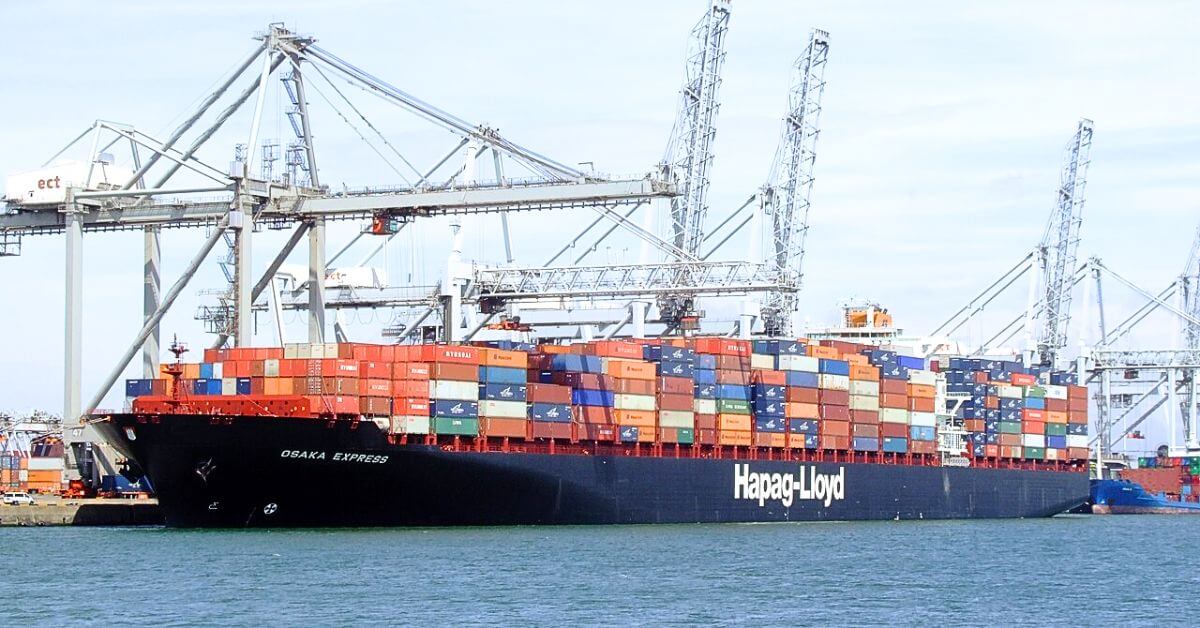
Shipping Services Return to Suez Canal Amid Ongoing Risk Assessments
Maersk's decision to reroute four services, AE5, AE11, AE12, and ME2, back through the Suez Canal marks a calculated return, not a careless one. The shift from the Cape of Good Hope reflects ongoing risk assessments that remain unresolved, a measured step rather than a full retreat to normalcy. It is a pragmatic move, grounded in operational data, and we respect that caution.
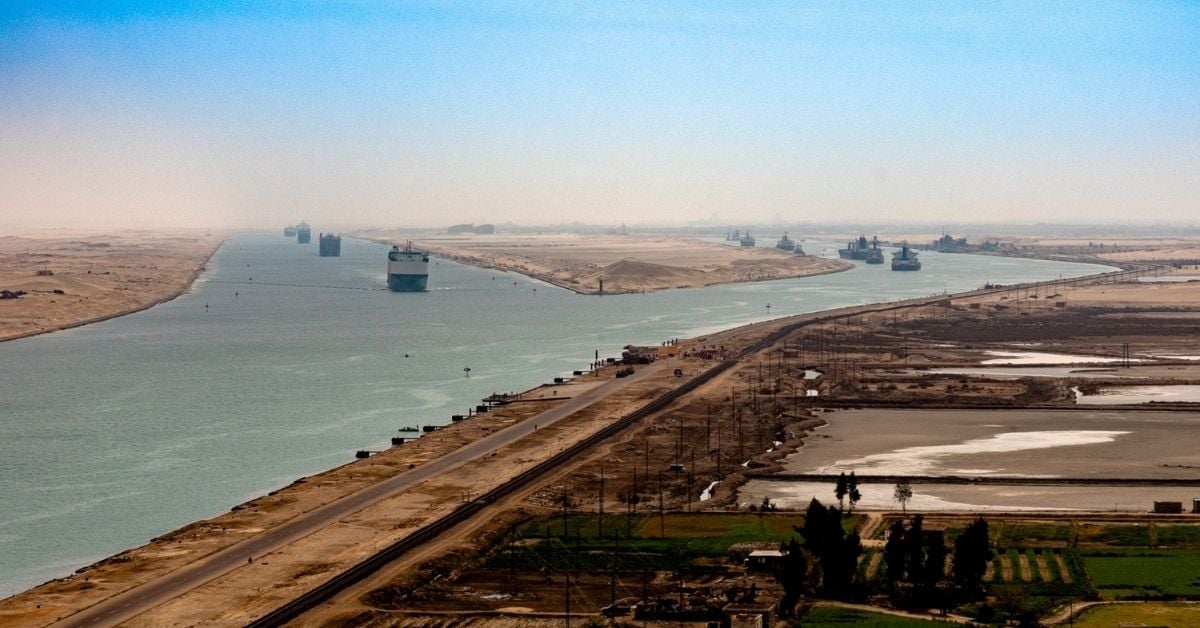
Shipping Resumes Suez Passage: Integrated Data Reveals Route Recovery.
The resumption of Suez transits marks a measurable shift in route recovery, as shipping firms pivot back from the Cape of Good Hope. This is not merely a logistical adjustment; it reflects calibrated confidence in the waterway's stability. For an industry that thrives on predictability, the return signals a rebalancing of risk and efficiency. Readers tracking regional momentum may also find our piece on Gulf of Oman STS transfers useful, as similar pressures shape these corridors. The data, as always, points where it points.

Protecting Red Sea Shipping: Saudi Arabia Pursues International Collaboration.
Saudi Arabia is moving to assemble an international coalition aimed at securing Red Sea shipping lanes against Houthi threats, according to media reports. This is a calculated step toward protecting a corridor that carries a significant share of global trade. The move signals a recognition that maritime security cannot be managed alone. For deeper context on regional oil flows, our related piece on Gulf of Oman STS Transfers Max Out Amid Rising Saudi Oil Exports offers useful grounding.

Pioneering Voyage: Indian Women Achieve Historic Tri-Service Circumnavigation
Nine women officers across the Indian Army, Navy, and Air Force have completed the world's first all-women tri-services global circumnavigation. That is not a footnote; it is a statement of capability. This voyage demonstrates that integrated maritime operations are as much about human resolve as they are about hulls and hardware. As India projects an expanded naval fleet for a more contested region, this achievement reinforces that readiness includes every service member willing to push beyond the horizon.

Asian Refiners Adjust Crude Supply Routes Amid Suez Canal Disruption
South Korea's refiners are rerouting crude supply chains as Suez Canal disruptions force a pragmatic pivot. One major refiner is now seeking a Very Large Crude Carrier to load at Yanbu, with the option of transiting the Suez Canal still on the table. It's a measured response to a volatile corridor, reflecting how quickly logistics adapt when geopolitical friction meets energy demand. The calculus is straightforward: secure throughput, manage cost, keep refineries running.