U.S.
World Data Ocean keeps U.S. in one place: 20 stories so far. The section currently leads with “China Submerges AI Data Center in Ocean Floor Deployment”, “Strait of Hormuz Reopening Contingent on U.S. Actions, Iran States”, and “Enhanced Monitoring: China Expands Djibouti Base Near Key Shipping Lanes”. China submerges an AI data center on the ocean floor, a move that prioritizes speed and cooling efficiency over the land-based debates stalling U.S. Iran has linked the Strait of Hormuz's reopening to a single condition: the U.S. A Global Hub for Ocean Intelligence 4 World Data Ocean is a centralized digital platform where researchers, scientists, and ocean enthusiasts converge to… The list below is every U.S. story on World Data Ocean, newest first.
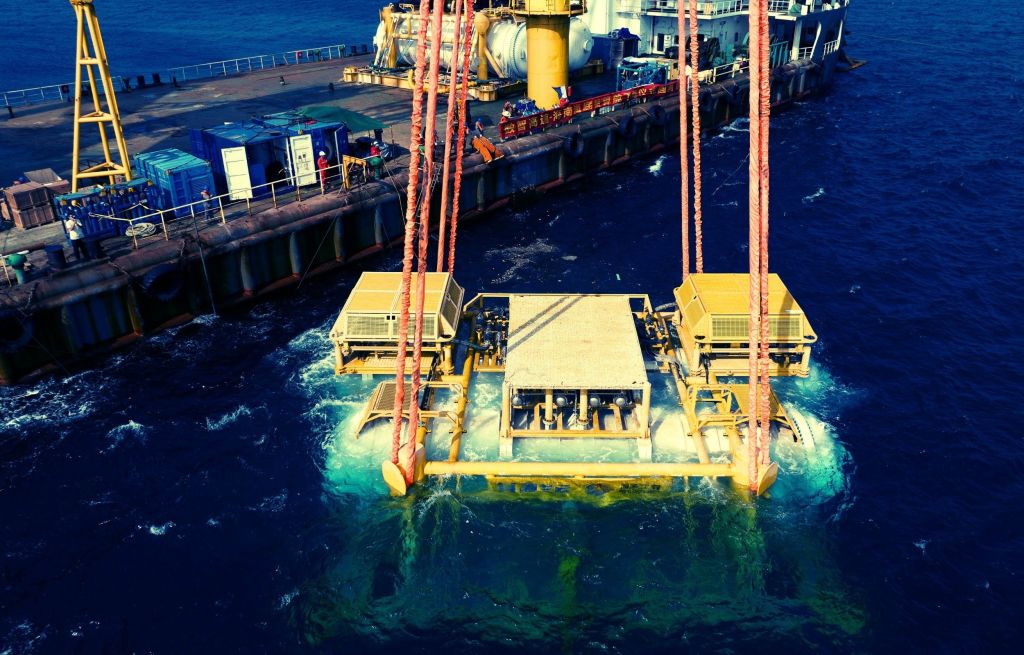
China Submerges AI Data Center in Ocean Floor Deployment
China submerges an AI data center on the ocean floor, a move that prioritizes speed and cooling efficiency over the land-based debates stalling U.S. projects. This deployment demands rigorous validation. How safe is a submerged digital infrastructure against pressure, corrosion, and real-time operational risks? The answer matters for the entire integrated data ecosystem. For deeper context on ocean system shifts, our coverage of a century of ocean intelligence revealing a measurable current slowdown provides essential reading.
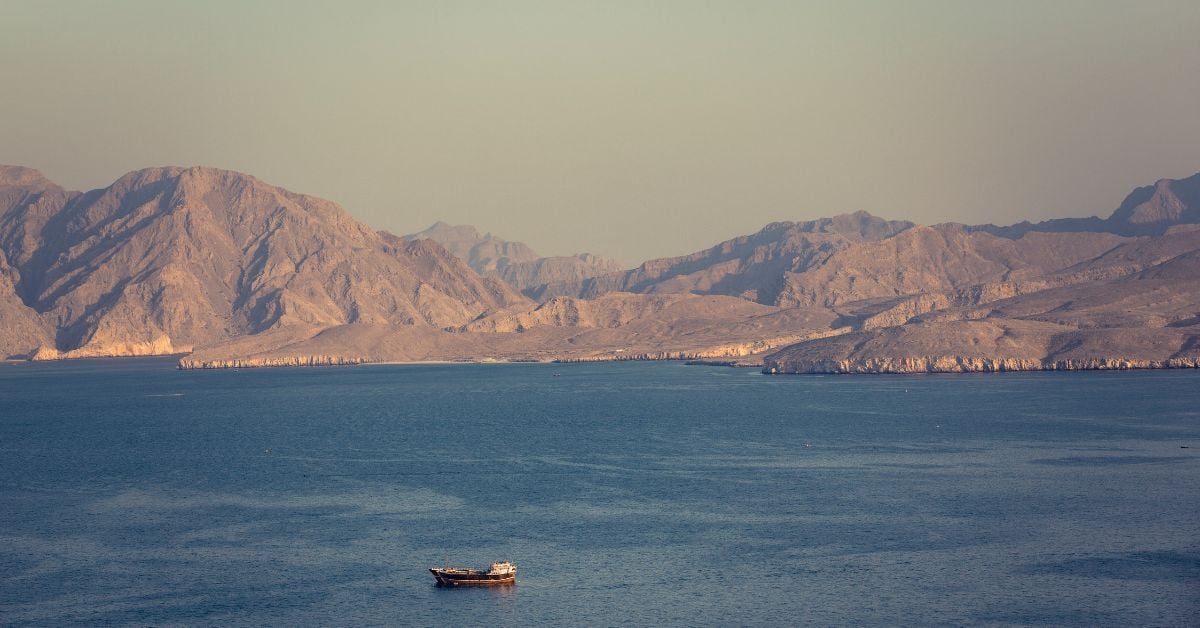
Strait of Hormuz Reopening Contingent on U.S. Actions, Iran States
Iran has linked the Strait of Hormuz's reopening to a single condition: the U.S. must lift its naval blockade of Iranian ports and end sanctions on Tehran. The announcement, which sets a one-week timeline, is a direct test of diplomatic intent. It is a high-stakes calculation, but not an unreasonable one. For context, our related coverage on Gulf of Oman STS transfers shows how regional oil flows are already straining at their limits.
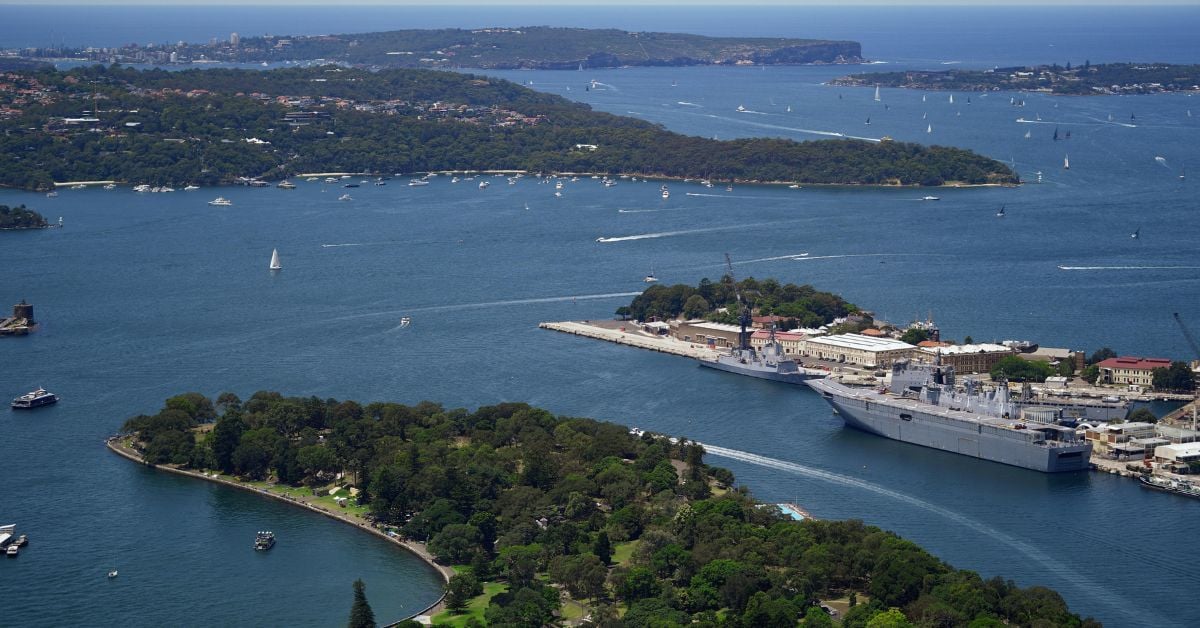
Enhanced Monitoring: China Expands Djibouti Base Near Key Shipping Lanes
Satellite imagery shows Beijing has expanded its Djibouti base with new radars, antennas, and naval assets, sharpening its watch over one of the world's busiest maritime corridors. The move is measured, deliberate, and strategically clear. It is not about alarm; it is about presence. For readers tracking how naval power reshapes trade routes, this pairs naturally with our report on Gulf of Oman STS transfers maxing out.
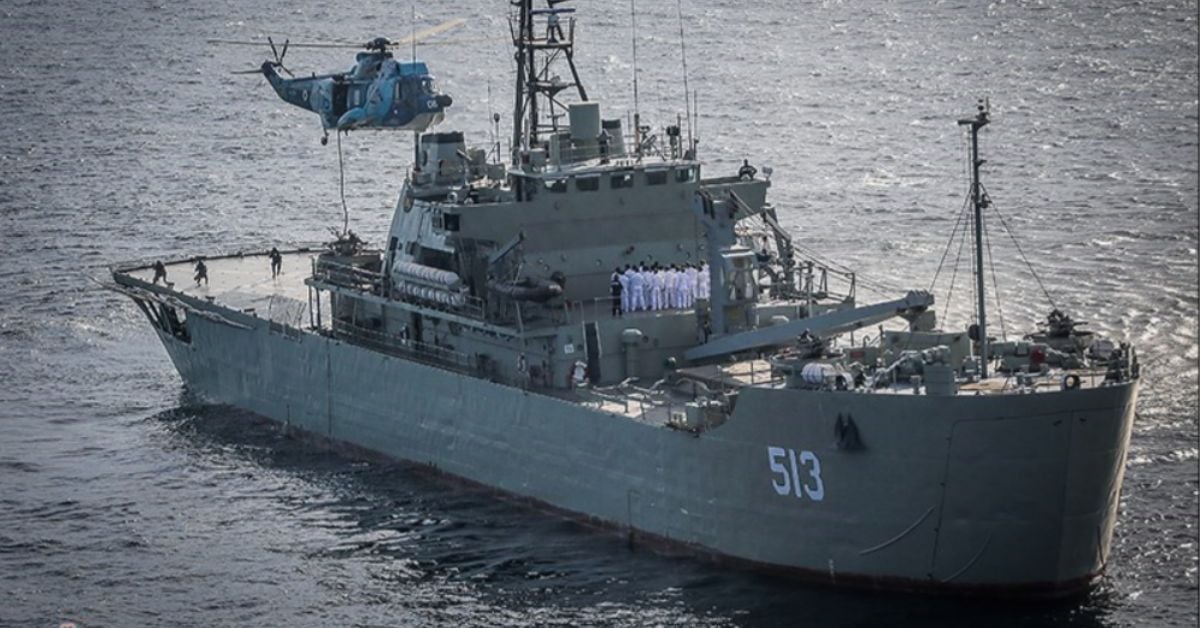
Iranian Warship IRIS Lavan Extended Stay in Indian Port Raises Questions.
Six months after seeking emergency docking, Iran's amphibious landing ship IRIS Lavan remains anchored in India's Port of Kochi. That is not a routine port call; that is a statement. Extended stays carry weight in maritime geopolitics, and this one deserves scrutiny. For readers tracking the region's shifting dynamics, our related piece on integrated subsea infrastructure highlights how the Indian Ocean is becoming a strategic corridor. The Lavan's presence adds a layer to that picture, one worth watching closely.
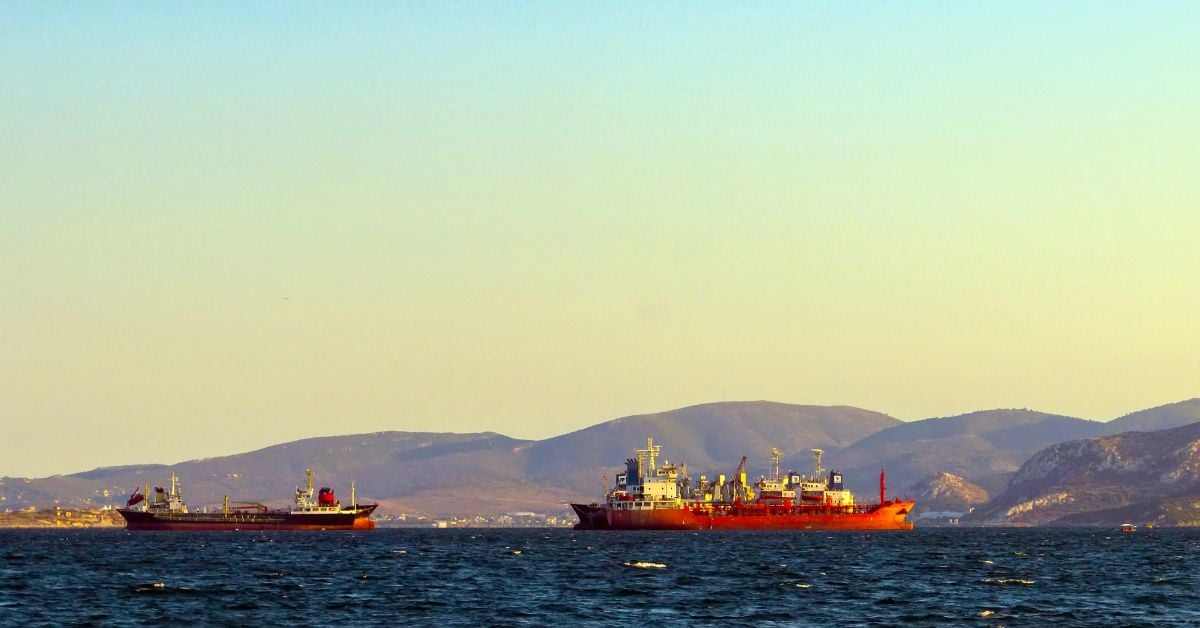
Oman Mediates Talks Between U.S. and Houthi Representatives Amid Red Sea Tensions
Diplomatic channels remain open even as tensions escalate along Yemen's Red Sea coast. Omani officials hosted U.S. Embassy personnel and Houthi representatives in Muscat, days after the group seized additional shoreline. This meeting signals a pragmatic attempt to manage a volatile situation, though concrete outcomes stay unclear. For context on regional maritime stress, our piece on Gulf of Oman STS transfers maxing out offers useful perspective. Dialogue is a start; sustained, verifiable commitments will determine whether this track produces stability.
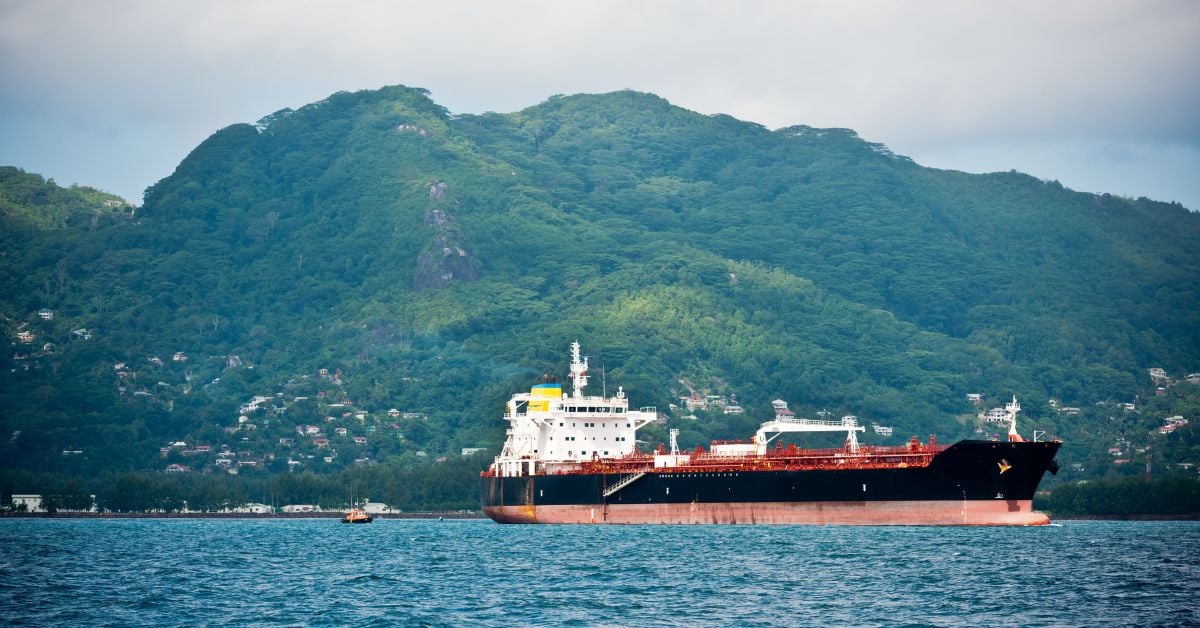
Heightened Tensions: Houthi Control of Perim Island Impacts Shipping Route
The Houthi seizure of Perim Island places a validated chokepoint under direct threat. Control of this island means the Bab El-Mandeb Strait, a corridor for global commerce, is now within range of Iran-backed forces. This is not speculation; it is a measurable escalation in regional instability. For readers tracking these disruptions, our report on "Puntland Forces Intercept Hijacked, US-Sanctioned Oil Tanker After 48 Hours" shows how quickly maritime security unravels. Understanding these links drives protection of vital sea lanes.
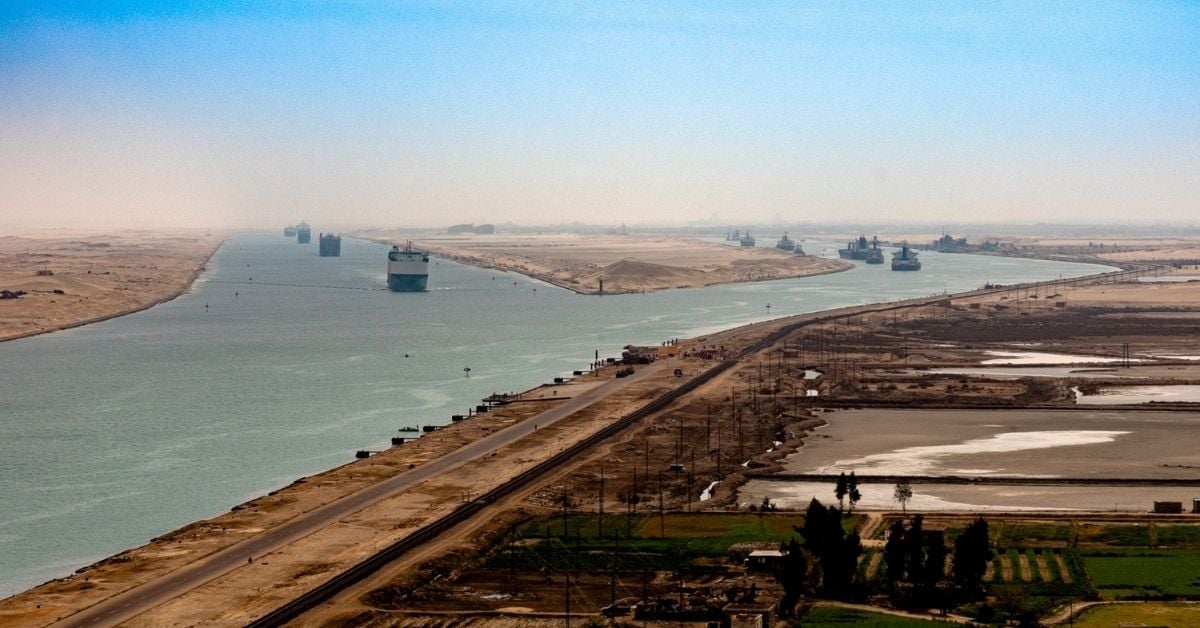
Shipping Resumes Suez Passage: Integrated Data Reveals Route Recovery.
The resumption of Suez transits marks a measurable shift in route recovery, as shipping firms pivot back from the Cape of Good Hope. This is not merely a logistical adjustment; it reflects calibrated confidence in the waterway's stability. For an industry that thrives on predictability, the return signals a rebalancing of risk and efficiency. Readers tracking regional momentum may also find our piece on Gulf of Oman STS transfers useful, as similar pressures shape these corridors. The data, as always, points where it points.
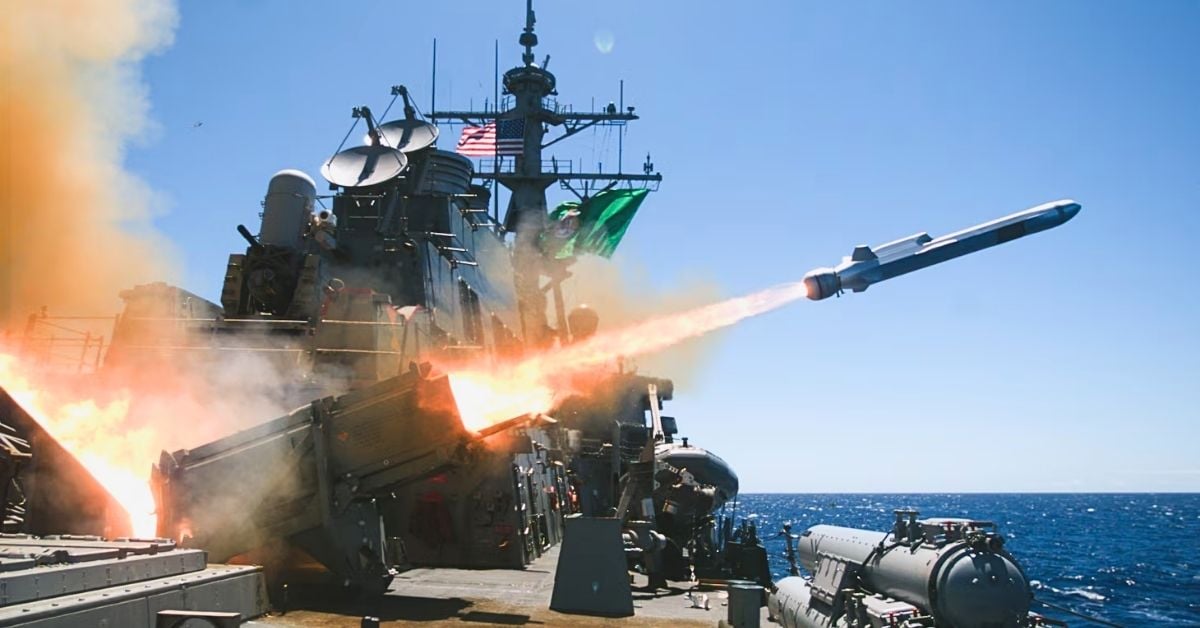
Escalation in Strait of Hormuz: U.S. Strikes Iranian Launchers
The strike on Iranian launchers marks a deliberate escalation, and General Hossein Mohebi's characterization of it as a "fatal mistake" cuts to the core of this high-stakes standoff. We view this not as a miscalculation but as a calculated flex in an economic war where the Strait of Hormuz remains the ultimate bargaining chip. The pressure is compounding, and as our piece on phased negotiations suggests, the window for de-escalation is narrowing. This is a volatile pivot point demanding calibrated responses, not rhetorical fireworks.
Geopolitical Tensions Rise as Iranian Leader Addresses Regional Security.
Iran's Supreme Leader, Mojtaba Khamenei, has called on Muslim nations to identify their "real enemy" and confront it collectively, framing regional security as a shared test of unity. The message is direct, and it carries weight in a region where alliances shift with the current. We see this not as rhetoric alone, but as a signal with measurable consequences.

Canada Bolsters Arctic Capabilities with New Icebreaker Fleet.
Canada is putting steel behind its Arctic strategy with a new icebreaker fleet that will give NATO its largest polar capability. The move sharpens a quiet but consequential gap: the United States operates just three aging polar icebreakers. This is what integrated ocean intelligence looks like in practice: measured, deliberate, and forward-deployed. For readers tracking the wider picture, our coverage of Russia's Northern Sea Route fleet plans offers a useful counterpoint. The Arctic is no longer a frontier; it is a jurisdiction.

Nigeria Ports Gain U.S. Access: Shipping Costs Set to Decrease
A decade of restricted access ends as the U.S. lifts its safety and security restrictions on Nigerian ports. The move targets reduced shipping costs and a stronger competitive position for a nation long hampered by compliance gaps. It is a practical win for trade efficiency, not a symbolic one. The decision signals measured confidence in Nigeria's maritime oversight. For context on broader maritime shifts, our coverage of India's planned naval expansion offers a timely comparison.

Drone Strikes on Oil Tankers Cease Following US Concerns.
The United States' intervention appears to have worked. Ukrainian drone strikes on oil tankers carrying Kazakh crude have ceased, following Washington's concerns last month that these attacks were disrupting global oil markets. The pause is a pragmatic acknowledgment that maritime security and economic stability are intertwined. For those tracking the ripple effects of naval conflict, this is a meaningful development. Russia's own maritime posturing remains a separate concern, as our coverage of suspected drone operations in the Mediterranean makes clear.

Iran Imposes Shipping Fees, Restricts U.S. and Israeli Vessels Through Hormuz.
Iran's move to impose shipping fees of up to 7% of cargo value on vessels transiting the Strait of Hormuz, alongside 20% fines for violations, injects a new layer of economic pressure into an already tense maritime corridor. The measure is direct and measurable, a calibrated response that signals resolve without escalating to confrontation. For shippers and insurers, the calculus shifts immediately. This follows patterns seen in our coverage of Gulf of Oman STS transfers, where capacity constraints already test regional logistics.

Integrated Shipping Lanes: Iran and Oman Calibrate Transit Through Hormuz.
Iran and Oman have agreed on the transit routes ships will use through the Strait of Hormuz, a calibrated step toward stabilizing one of the world's most critical maritime chokepoints. The arrangement signals practical diplomacy at work, replacing uncertainty with measurable coordination. For shippers and nations alike, this is ocean intelligence in its most actionable form: clear lanes, agreed parameters, and a shared commitment to keeping trade moving.

Iranian Official: U.S. Naval Blockade Risks Escalation in Persian Gulf
Iran's military adviser, Mohsen Rezaei, has made the position unmistakable: Tehran will not tolerate a continued U.S. naval blockade in the Persian Gulf. The warning carries weight, but the region's maritime tensions are already stretching elsewhere. As our coverage notes, Gulf of Oman STS transfers are maxing out amid rising Saudi exports, and India is expanding its fleet for a more contested sea. These pressures do not exist in isolation. The Strait of Hormuz remains the fault line where economic pressure meets strategic risk.

Dialogue Advances Toward Strait of Hormuz Stability
Diplomatic progress between Washington and Doha signals measurable headway toward restoring the Strait of Hormuz ceasefire, with senior officials from both nations confirming that substantial steps are underway. This is the kind of calibrated, real-time advancement that matters for regional stability. The talks reflect a purpose-driven commitment to de-escalation, though the path ahead remains complex. For broader context on the pressures shaping these negotiations, our related coverage on Gulf of Oman STS transfers maxing out offers useful perspective.

Validated Oral Vaccine Shows Promise Against Shigella Infections
A single dose of an experimental oral vaccine shielded adults against Shigella infection in a small human trial, offering a practical counter to a pathogen responsible for roughly 450,000 U.S. cases annually. This is not a distant laboratory abstraction; it is a validated step toward reducing a burden that often hits vulnerable communities hardest. The science is measured, peer-reviewed, and genuinely encouraging.

Strait of Hormuz: IRGC Navy Detains Vessels for Passage Violations
The Strait of Hormuz is a chokepoint where passage rules are not optional, and Iran's Islamic Revolutionary Guard Corps has made that clear by detaining four vessels for violations. The move is a calibrated reminder of the waterway's fragility, though it raises questions about escalation. Enforcement here is precise, but the stakes are global. For context on how pressure is building in the region, our piece on phased negotiations aimed at easing Hormuz restrictions offers a measured counterpoint worth reading.

Trade Focus Alters Transit Fees in Gulf Region
President Trump's plan to pivot toward direct trade and investment agreements with Gulf allies signals a calculated shift in regional economics. By prioritizing bilateral deals, the administration aims to recalibrate transit fees and commercial leverage, a move that could yield mutual gains if executed with precision. The timing is telling, given the strain on Gulf of Oman STS transfers, as detailed in our related coverage. Trade policy here is not abstract; it is measured in barrels, routes, and renegotiated terms.

U.S. Assertions in Hormuz Strait Escalate Tensions Amid Ongoing Conflict.
For the third consecutive night, U.S. forces struck Iranian targets, even as President Trump insisted a deal remains possible if Tehran cooperates. The dual track is not a contradiction; it is pressure and an open door, measured in calibrated increments. Escalation, however, tends to develop its own momentum. As this cycle continues, the risks to regional shipping are compounding.