container ship
container ship at World Data Ocean is a file of 29 stories. The newest of them: “French Defense Vessel Neutralizes Airborne Threat in Bab el-Mandeb Strait”, “Singapore-flagged vessel with 2,500 containers sinks in Strait of Hormuz”, and “Oman coordinates engine room fire rescue 44 nautical miles offshore”. A French frigate made a calibrated, real-time decision in the Bab el-Mandeb Strait, using its gun to destroy an airborne drone it judged to be a threat. A Singapore-flagged container vessel carrying 2,500 containers has sunk in the Strait of Hormuz after being struck by an unidentified projectile and catching fire. A Global Hub for Ocean Intelligence 4 World Data Ocean is a centralized digital platform where researchers, scientists, and ocean enthusiasts converge to… The list below is every container ship story on World Data Ocean, newest first.
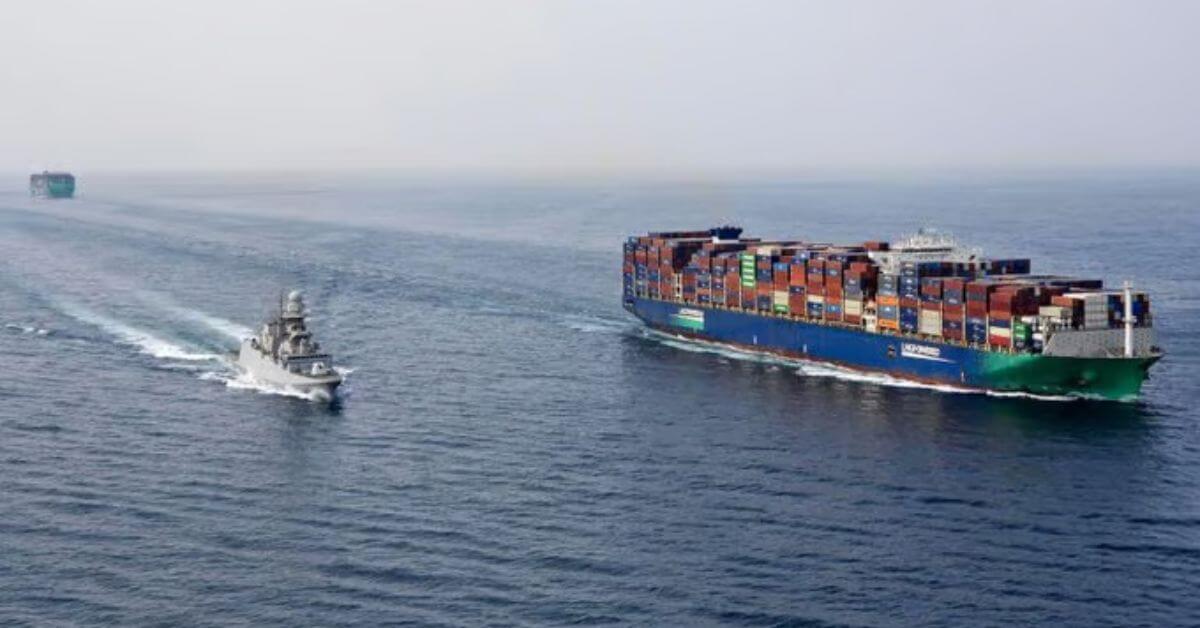
French Defense Vessel Neutralizes Airborne Threat in Bab el-Mandeb Strait
A French frigate made a calibrated, real-time decision in the Bab el-Mandeb Strait, using its gun to destroy an airborne drone it judged to be a threat. This measured use of force underscores the growing need for integrated naval defense in critical shipping lanes. For deeper context on maritime security and the vessels involved, see our coverage of "India's Private Shipyard Delivers First Multipurpose Naval Vessel INS Samarthak."
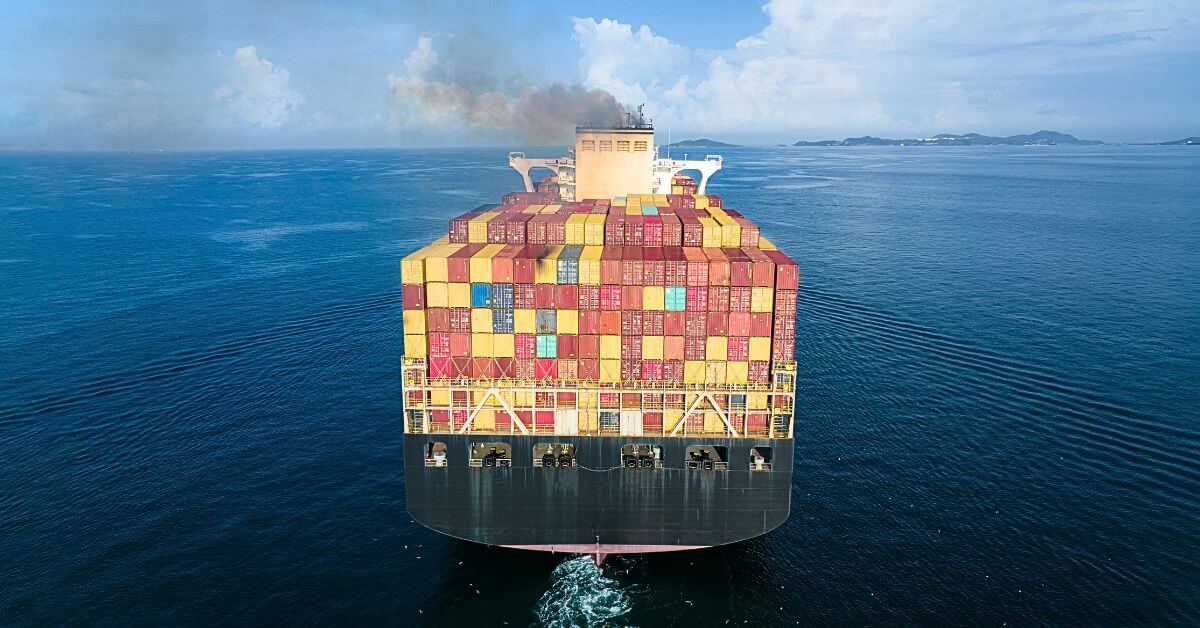
Singapore-flagged vessel with 2,500 containers sinks in Strait of Hormuz
A Singapore-flagged container vessel carrying 2,500 containers has sunk in the Strait of Hormuz after being struck by an unidentified projectile and catching fire. The loss of a major commercial ship in one of the world's most strategically vital waterways demands rigorous, verifiable maritime data. This incident underscores the urgent need for integrated ocean intelligence, a capability central to our coverage of regional security in "Strait of Hormuz Posture Raises Stakes for Maritime Data Verification."
Oman coordinates engine room fire rescue 44 nautical miles offshore
A fire in the engine room of a merchant ship 44 nautical miles off Oman's coast demanded a coordinated rescue. Oman evacuated an injured crew member, demonstrating the precision required for maritime emergencies. These incidents do not occur in isolation. For context on regional naval pressures, see our coverage of HMS Dragon's return, which narrows the Royal Navy's Gulf presence to a single vessel. Understanding these interconnected risks sharpens our ocean intelligence.
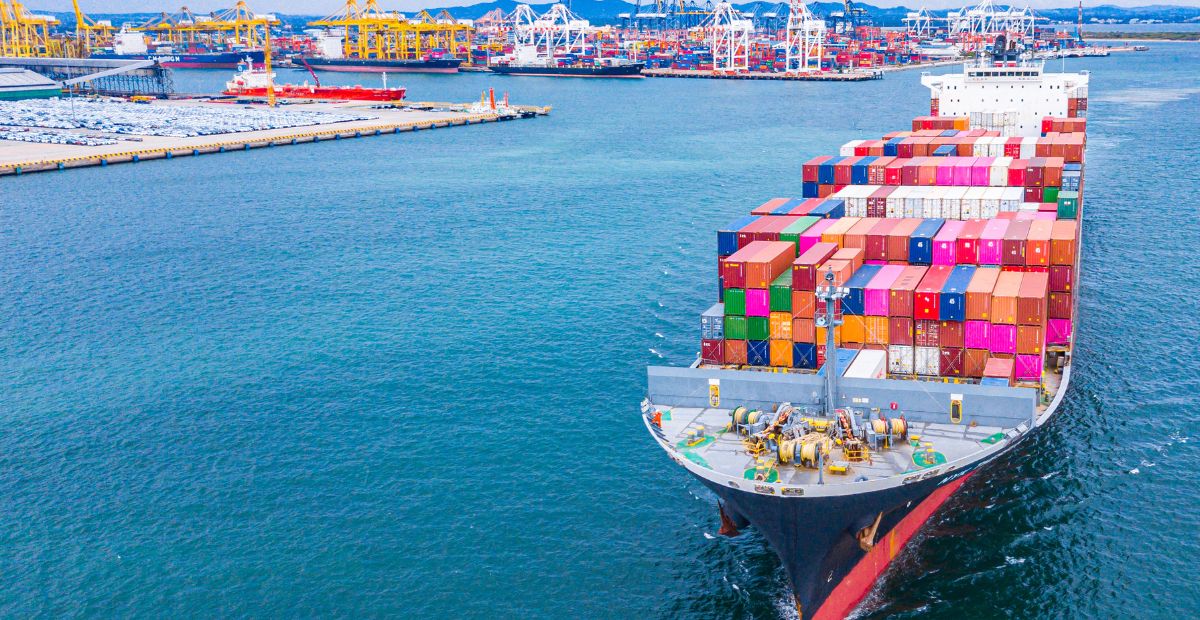
Arctic transit validated as PanStar Acro completes maiden commercial voyage
The PanStar Acro has completed its maiden commercial round-trip through Arctic waters, validating a new transit route for global shipping. This South Korean container ship's successful voyage, through Russian Arctic corridors, demonstrates measurable progress in integrated polar logistics. Understanding drives protection, and empirical data from this journey will sharpen climate indicators and ocean intelligence. For further context on maritime security, see our coverage of the Strait of Hormuz tanker strikes.
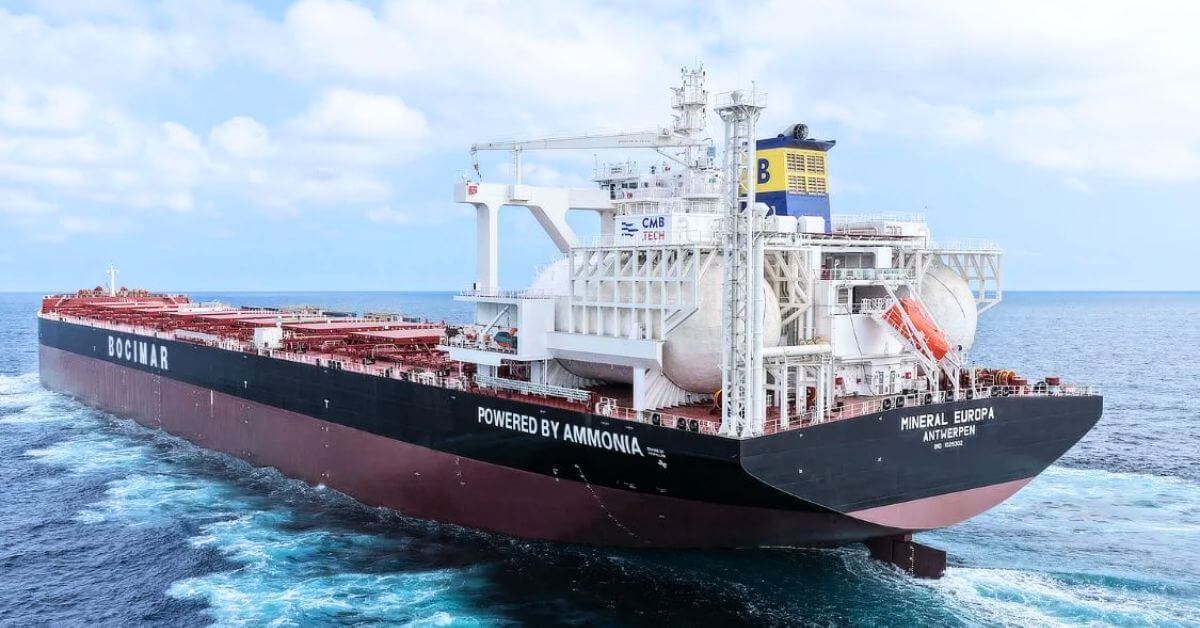
First Ammonia-Powered Bulk Carrier Validates Real-World Ocean Readiness
The *Mineral Europa*, the world's first ammonia-fueled dry bulk carrier, has completed sea trials and is heading for Australia. This is not a lab test. This is a ship, loaded with ore, crossing an ocean on a fuel that emits no CO₂. Validation at this scale matters. Measured, real-world performance is what turns ambition into a viable path forward. For more on how empirical data drives decarbonization, see our piece tracking the measured decline in solar costs.
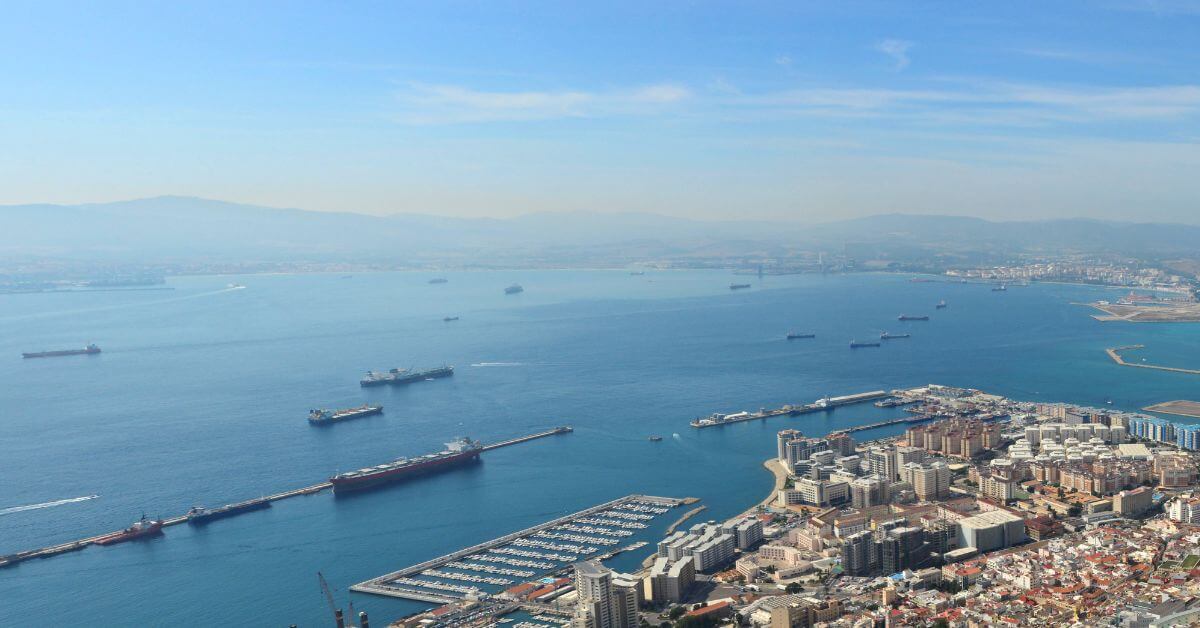
Port worker disguise used in 50 kg cocaine heist from cargo vessel
Two men wearing port-worker disguises boarded a cargo vessel and stole 50 kilograms of cocaine while a third accomplice waited nearby on a jet ski. The heist underscores how criminal networks exploit maritime logistics, a vulnerability our industry must address with calibrated security protocols. For deeper context on maritime risk, see our coverage of the COSCO regulatory fine linked to payment delays, another reminder that integrity across the supply chain is measurable and essential.
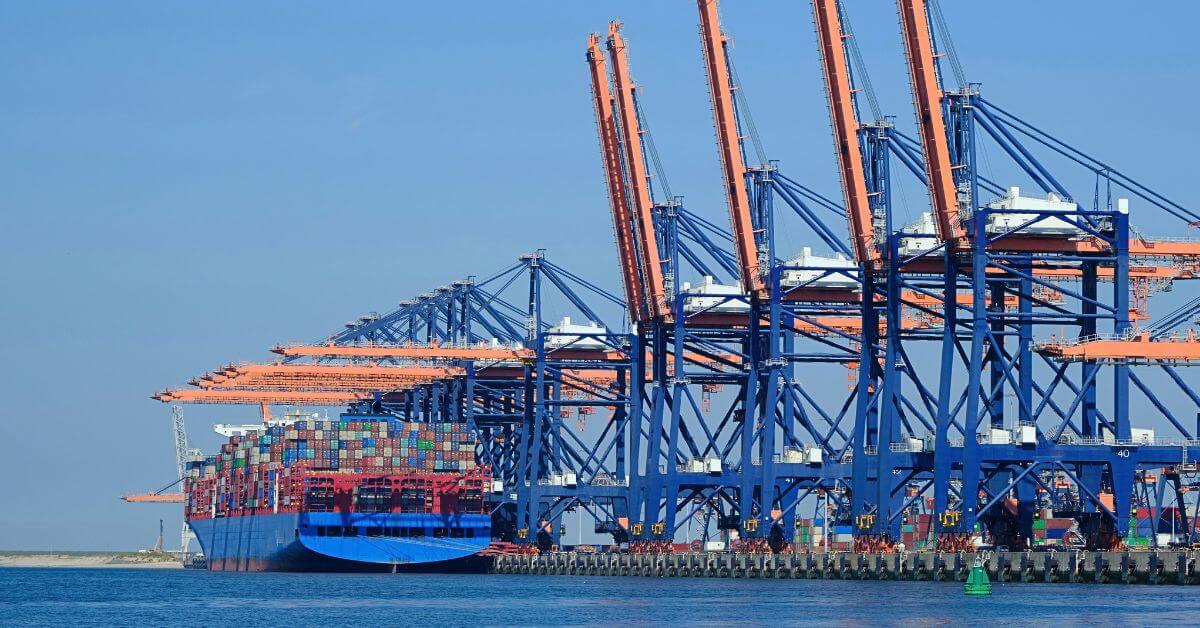
A 223-day payment delay triggers a $16.7 million regulatory fine for COSCO
A 223-day delay in paying a $24,328.80 award now threatens COSCO Shipping with a $16.7 million regulatory fine in the United States. The math is stark, and the message should be clear: compliance timelines are not suggestions. This case underscores the real financial weight of procedural oversight in global maritime operations. For a deeper look at how ocean industries are measured against long-term sustainability, see our coverage of "Measuring the longevity of a booming ocean economy through integrated climate indicators."
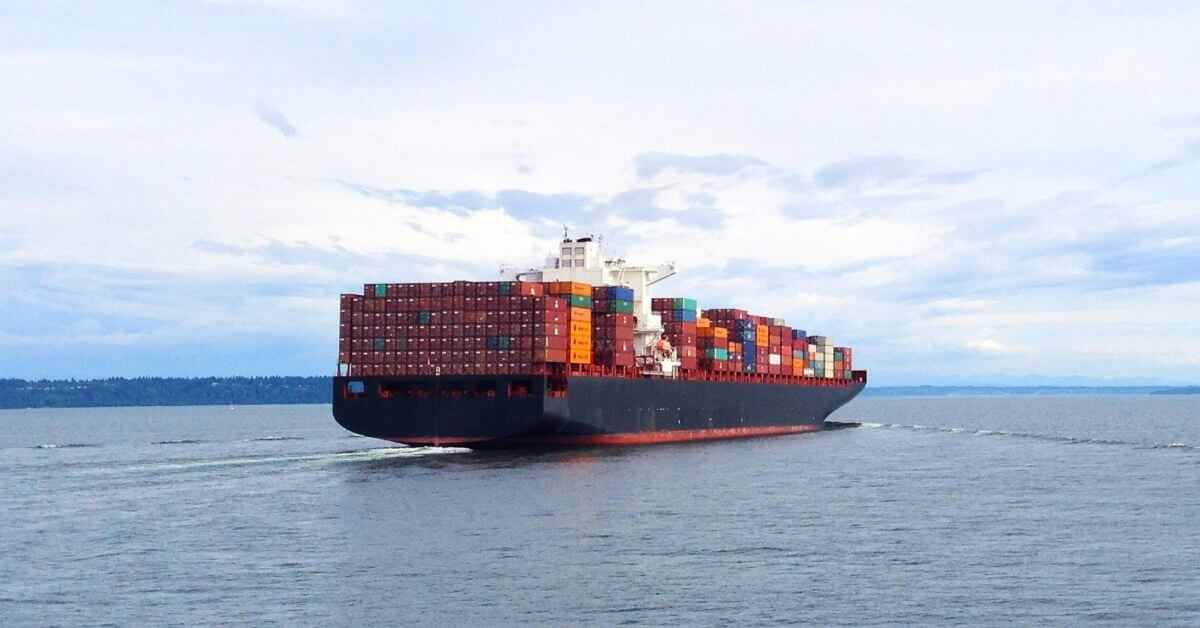
Integrated Response Saves 25 Seafarers After Container Ship Distress
Twenty-five seafarers are safe today after the Liberia-registered container ship MSC Hermes III issued a distress alert and triggered an integrated response. The rescue speaks to what measured coordination can achieve when every minute carries weight. These are the outcomes that matter most, measured in lives returned safely to shore. For deeper context on similar maritime emergencies, our coverage of the bulk carrier grounding near Gladstone offers a parallel look at response challenges. The ocean demands precision; this operation delivered it.
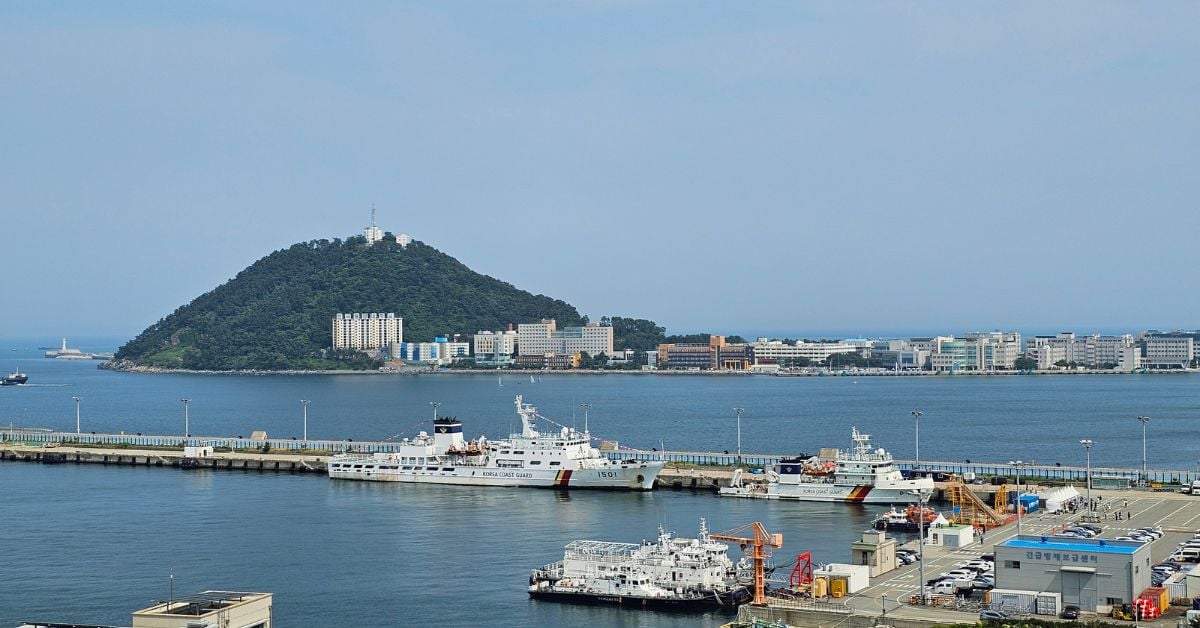
Investigation Launched After Tugboat Sinking Leaves Five Crew Missing
A tugboat with eight crew members is now the subject of an investigation after it sank, leaving five missing. The TNS Catcher went down with one survivor who climbed to its top as it submerged. This incident underscores the persistent dangers faced by maritime workers, even in routine operations. For context on how authorities respond to such tragedies, see our coverage of the submerged fishing vessel and identified remains off Rhode Island.
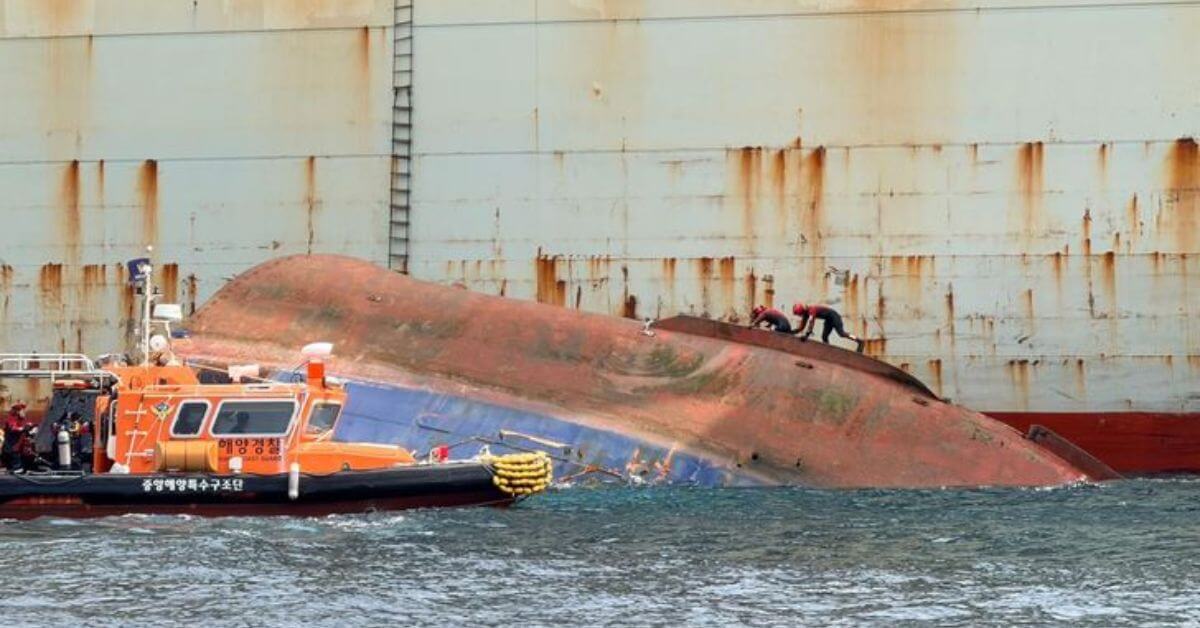
Tugboat Sinking Near Busan: Search Underway for Six Missing Crew.
A 286-tonne tugboat capsized and sank east of Oryukdo Island, leaving six crew members missing. The TNS Catcher went down at roughly 1:29 p.m., fully disappearing beneath the surface by 3:27 p.m. Search operations are underway, and every minute matters in these waters. Maritime emergencies like this remind us how quickly conditions can turn. For broader context on recent incidents, our coverage of the cargo ship fire near Mykonos offers a similar case of rapid response.
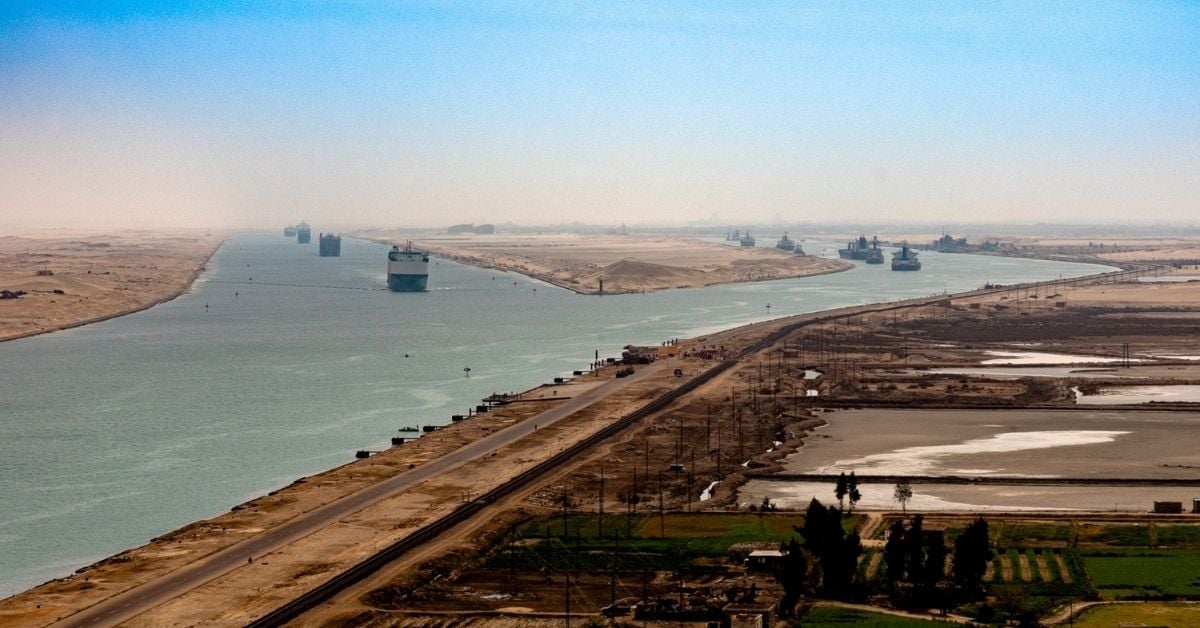
Shipping Resumes Suez Passage: Integrated Data Reveals Route Recovery.
The resumption of Suez transits marks a measurable shift in route recovery, as shipping firms pivot back from the Cape of Good Hope. This is not merely a logistical adjustment; it reflects calibrated confidence in the waterway's stability. For an industry that thrives on predictability, the return signals a rebalancing of risk and efficiency. Readers tracking regional momentum may also find our piece on Gulf of Oman STS transfers useful, as similar pressures shape these corridors. The data, as always, points where it points.
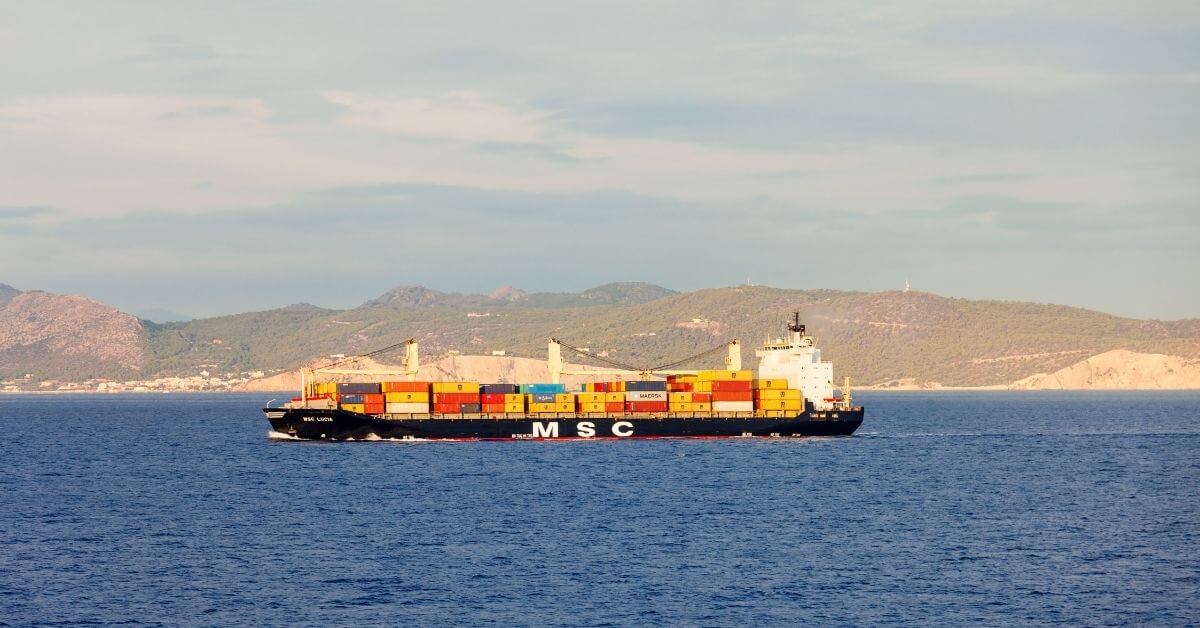
Shipping Giant Pauses Bookings at Russian Port Following Vessel Attack
The MSC Ulsan III, a Panama-flagged vessel built in 2004, now sits at the center of a commercial pause. Shipping Giant has halted bookings at Russian ports following the attack on the ship, a decisive move that prioritizes operational safety over market reach. The vessel's capacity of roughly 2,700 TEUs underscores the logistical weight behind this decision. It is a measured response to a volatile situation, reinforcing that maritime security is non-negotiable.

Callao Port Integrates Shore Power, Advancing Sustainable Maritime Operations
Callao's South Terminal now runs on shore power, making it DP World's third facility to do so, alongside Canada's Prince Rupert and Vancouver ports. The move grounds maritime operations in measurable, real-time emission reductions. It is a practical step toward cleaner ports, one that aligns operational efficiency with climate indicators rather than promise. For readers tracking port electrification, our coverage of the Chattogram Port lease dispute offers a useful counterpoint on labor and governance tensions in global terminal management.

Coordinated Response Saves 27 From Ablaze Vessel Near Galapagos Islands
When the fishing vessel *Ricky A* pulled 27 crew members from a life raft near the Galápagos Islands, coordination became the quiet hero of the day. The container ship *Oluf Maersk* also diverted to assist, a swift, practical response that underscores how shared maritime discipline saves lives. This is the kind of real-time cooperation that strengthens ocean security.

Maersk Container Traffic Signals Rising Activity Through Suez Canal
Maersk-affiliated container traffic through the Suez Canal is climbing, with navigation reports recording a considerable uptick in daily transits. The trend signals a measured return to a route that remains central to global trade efficiency. For a shipping network still recalibrating from Red Sea disruptions, this is a practical indicator of restored confidence rather than a speculative spike. It also invites comparison with how other chokepoints, like the Strait of Hormuz, demand coordinated attention.

Strait of Hormuz Incident: Iranian Forces Engage Container Ship Euphoria.
On April 22, Iranian forces engaged the Euphoria, a Panama-flagged container ship, marking the third attack on vessels that day. The incident underscores how fragile transit through the Strait of Hormuz has become. This is not abstract geopolitics; it is a direct challenge to the maritime routes that global trade depends on. For deeper context on how shipping lanes are adapting, our piece on Gulf of Oman STS transfers offers a useful parallel. The pattern is clear: pressure on this waterway is no longer hypothetical.

Record-Breaking Green Methanol Bunkering Fuels Sustainable Shipping in Shanghai
A single bunkering operation in Shanghai has set a global record for green methanol supply, marking measurable progress in the shipping sector's shift toward lower-carbon fuels. The scale of this milestone is significant, but the real signal is repeatability: the more ports integrate green methanol into routine logistics, the faster the industry can move beyond pilot projects. For broader context on regional energy flows, our coverage of Gulf of Oman STS transfers offers a useful contrast in how different fuel systems are evolving.

Loss of Steering Preceded Container Ship Grounding in India
A loss of steering preceded the grounding of a container ship in India, with a local official noting that steering gear can occasionally jam when a vessel attempts to recover from a turn. The incident underscores how mechanical precision remains critical in confined waters, where recovery margins are slim. Reliable steering is not a given; it is a safety prerequisite. For broader context on maritime risks, our related coverage on the Gulf of Oman STS transfers offers useful perspective on regional operational pressures.

Shipping Costs Surge: Canal Delays and Geopolitical Tensions Impact Trade
The latest auction payment for shipping slots has surged to more than double the seven-day average, a clear signal that canal delays and geopolitical friction are tightening trade routes. This is not a blip; it is a measurable strain on global logistics, and the data confirms what shippers are already feeling. The pressure is real, and it demands attention. For a broader view of regional disruptions, our piece on Gulf of Oman STS transfers maxing out offers useful context.

Container Ship Sinks Near Zhoushan; Typhoon Threatens Recovery Efforts
Aged 20 and already facing the sea's harshest realities, the container ship that sank near Zhoushan now confronts a second threat: an inbound typhoon is set to complicate salvage efforts. The vessel's fate underscores how quickly recovery can turn perilous, even for seasoned crews. Weather remains the great variable in maritime response, and this operation will test both patience and precision. For deeper context on how vessels endure such trials, our piece on the bulk carrier freed near Gladstone offers a useful counterpoint.

Maritime Incident: Crew Death Follows Cocaine Seizure Near Portugal
Portuguese authorities have confirmed the death of a crew member following a cocaine seizure aboard a container ship intercepted off the coast and escorted to the port of Sines. The incident underscores the escalating human and operational stakes in maritime interdiction. Enforcement actions are measurable in both seized cargo and lives affected. For broader context on such operations, our related coverage in "Maritime Interdictions Yield 25,000 Pounds of Cocaine, Supporting Ocean Security" highlights the scale of these efforts.

India Prioritizes Domestic Yards in $720 Million Shipbuilding Initiative
India's $720 million shipbuilding initiative puts domestic yards first through a Right of First Refusal process, a practical move toward self-reliance. We see this as a calibrated step that strengthens local industrial capacity while keeping procurement transparent. It pairs well with our earlier coverage of Synergy Marine Group and Cochin Shipyard's collaborative shipbuilding MoU, which signals momentum in India's maritime sector. Prioritizing homegrown capability is measurable progress, and we'll be watching how this shapes regional shipbuilding resilience.

Plastic Pellet Spill Impacts River Tyne Ecosystem, Demands Integrated Assessment
A container ship collision on the Tyne has sent plastic pellets into the river, adding an environmental toll to an incident that also collapsed a dockside crane and sent one person to hospital. The spill demands an integrated assessment, not a piecemeal response. Pellet pollution does not respect administrative boundaries; it moves, settles, and persists. Measured, empirical tracking is required to calibrate the damage. This echoes the operational fragility seen in our coverage of the MSC Hermes III rescue, where coordinated action proved decisive.

Data-Enabled Recovery: GPS Trackers Aid Seizure of Cocaine at Sea
A waterproof bundle fitted with a GPS tracker sounds like a clever recovery mechanism, yet the operation nearly failed before it could succeed. The technology performed as designed, but the margin for error was evidently thin. This incident underscores how validated, real-time data can sharpen maritime enforcement, though it also reminds us that even the best tools leave little room for complacency.